作者: admin

  • Watch: A Niagara Falls wreck and the rescue that saved two Americans

    Watch: A Niagara Falls wreck and the rescue that saved two Americans

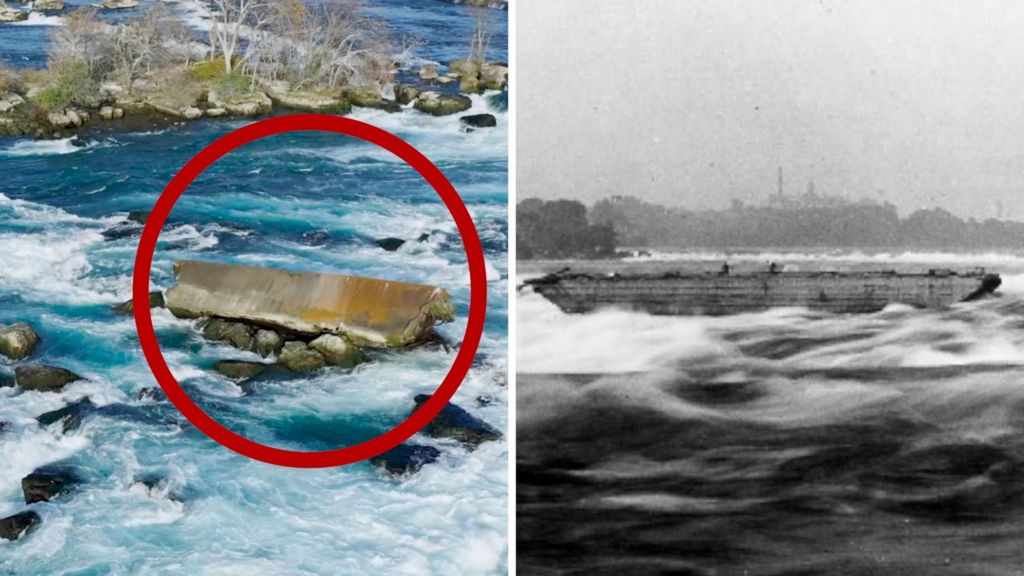
    A century-old shipwreck at Niagara Falls, renowned for one of the most dramatic rescue operations in the landmark’s history, is now advancing toward the precipice. Recent environmental movements have dislodged the early 20th-century barge from its longstanding position, carrying it further from its original 1918 grounding site and closer to the waterfall’s edge.

    The vessel entered historical records following its accidental separation from a towing tug during a storm, which led to its stranding in the rapid currents above the falls. The incident culminated in a perilous rescue mission that successfully saved two American crew members from the beleaguered barge, an event that was widely publicized at the time.

    Experts monitoring the site confirm that natural elements, including ice flows and powerful hydraulic forces, are responsible for the wreck’s gradual migration. This movement poses new questions regarding its eventual fate—whether it will remain lodged or continue its trajectory toward the cascade—and highlights the dynamic, ever-changing geology of the Niagara River.

    The ongoing shift has attracted renewed attention from historians, preservationists, and engineers, prompting discussions on potential measures to document or stabilize the structure. However, the formidable and treacherous nature of the river makes any intervention exceptionally challenging.

  • ICC’s Karim Khan says ‘senior UK official’ threatened him over Israel investigation

    ICC’s Karim Khan says ‘senior UK official’ threatened him over Israel investigation

    International Criminal Court Chief Prosecutor Karim Khan has submitted a formal statement alleging that a senior British government official threatened to withdraw UK funding and support for the court if he pursued arrest warrants against Israeli leaders. Middle East Eye identifies the official as then-Foreign Secretary David Cameron, who reportedly warned Khan that targeting Israeli leadership would be “like dropping a hydrogen bomb.

    The allegations emerge from Khan’s detailed submission to the ICC’s appeal chamber, responding to Israel’s November request for his disqualification from investigations into alleged war crimes in Gaza. Israel claims Khan rushed the warrants after learning of sexual misconduct allegations against him, which Khan strenuously denies and characterizes as a campaign to undermine his office’s work.

    Khan’s chronology reveals his office began investigating alleged crimes by both Israel and Hamas in October 2023, shortly after the October 7 attacks. By January 2024, he had convened an independent panel of legal experts—including British human rights lawyers Amal Clooney and Helena Kennedy—which unanimously concluded in March that sufficient evidence existed to request arrest warrants.

    The prosecutor details mounting diplomatic pressure from multiple nations as his office prepared warrants. This included an April 19 call from a senior US official warning of “disastrous consequences,” followed by Cameron’s alleged threat on April 23 regarding UK funding withdrawal. Khan also references subsequent pressure from US senators threatening sanctions.

    Despite these interventions, Khan’s office filed warrant applications against Israeli Prime Minister Benjamin Netanyahu, Defense Minister Yoav Gallant, and Hamas leaders on May 20, 2024. The prosecutor maintains the process was “meticulous,” “fair,” and “independent,” with warrant preparations completed before he learned of misconduct allegations in early May.

    Cameron’s office has not responded to requests for comment, though sources close to the former prime minister acknowledge a “robust” conversation occurred while characterizing it as highlighting political realities rather than making explicit threats. The allegations have prompted calls from British politicians for official investigation into the foreign secretary’s conduct.

  • Israel’s expanding ‘Yellow Line’ swallows Gaza districts and uproots families

    Israel’s expanding ‘Yellow Line’ swallows Gaza districts and uproots families

    In the fragile calm following the October ceasefire, a silent humanitarian crisis is unfolding across Gaza as Israel’s unilaterally imposed ‘Yellow Line’ military boundary continues its relentless westward expansion. What began as a temporary demarcation line has transformed into a constantly shifting frontier that has already swallowed approximately 53% of the territory, forcing waves of undocumented displacement.

    Palestinian journalist Ahmed Hamed, 31, returned to his home near Gaza City’s Shujaiya neighborhood after the ceasefire, initially believing his residence stood 1.5 kilometers from the boundary. Within two months, that distance has dramatically shrunk to merely 200 meters. ‘From the first day we came back, we heard bombardment, demolitions and gunfire,’ Hamed told Middle East Eye. ‘It would start at sunset and continue until dawn.’

    The Yellow Line, marked by ominous yellow concrete blocks progressively placed inside civilian districts, functions as a no-go zone that prohibits Palestinian access to vast territories. Its steady advancement has created a nearly one-kilometer-wide swath of newly inaccessible land between its original position and current location, encompassing thousands of homes.

    Families who returned to rebuild their lives after the ceasefire now face nocturnal displacements under fire. ‘People set up generator lines and even installed the internet,’ Hamed explained. ‘Then, one night, they woke to heavy gunfire and found a yellow concrete block in the middle of the street. They gathered their belongings and fled under fire in the middle of the night.’

    The human cost has been severe. Hamed’s cousin’s wife, Samar Abu Waked, a mother of three in her 30s, was killed by a bullet to the head at the entrance of their family home, apparently fired by an Israeli soldier from the Yellow Zone.

    Israeli Army Chief Lieutenant General Eyal Zamir recently referred to the boundary as a ‘new border,’ stating the military maintains ‘operational control over extensive parts of the Gaza Strip’ and will remain positioned along these defensive lines. This contradicts the US-backed ceasefire plan that envisioned the line as a temporary withdrawal point with further pullbacks expected.

    Reem Mortaja, a 27-year-old Shujaiya resident displaced for the 11th time, describes the situation as deceptive: ‘The world thinks the ceasefire is in effect. But we are still living through phases of war, while the occupation goes uncondemned because it operates quietly and swiftly. Every day, there are advances, air strikes or artillery fire. The displacement never stops—and all of it happens in total silence.’

    As Israeli forces use explosive-laden vehicles to demolish residential buildings in eastern Gaza, residents like Hamed describe the advancing line as ‘a fire burning through the neighborhood, and we’re waiting for the flames to reach us.’ With media attention largely absent, families continue to flee in silence, their suffering compounded by the international community’s apparent unawareness of their ongoing plight.

  • ‘A monster with tentacles’ – Basketball star reveals brain cancer diagnosis

    ‘A monster with tentacles’ – Basketball star reveals brain cancer diagnosis

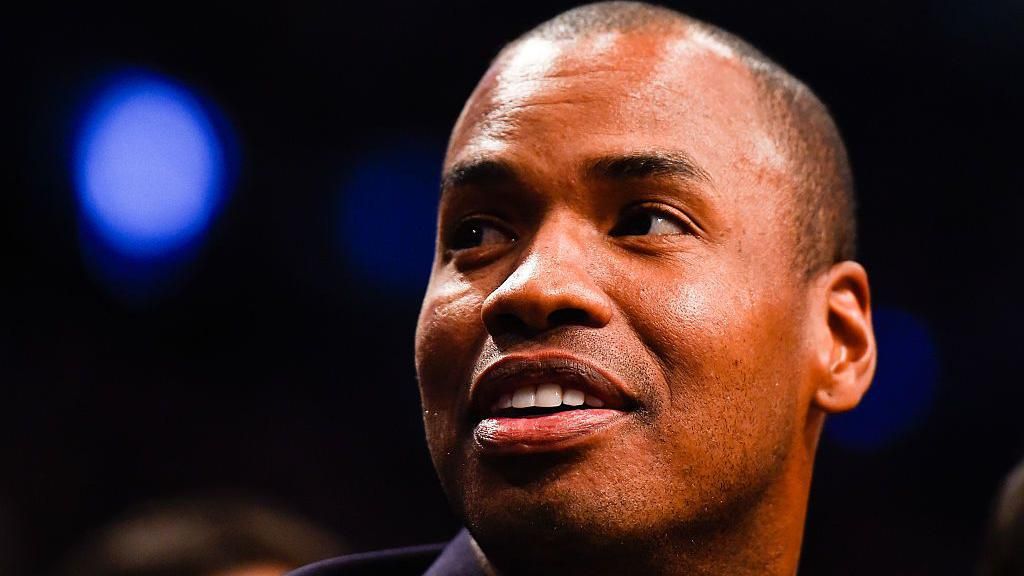
    Jason Collins, the pioneering former NBA athlete who became the first openly gay male player in major American professional sports, has publicly disclosed a devastating health diagnosis. The 47-year-old basketball veteran revealed in a personal essay published by ESPN that he is battling an aggressive stage four glioblastoma—an inoperable brain cancer with tentacle-like projections spreading across his brain.

    The California native described the tumor as ‘a monster with tentacles spreading across the underside of my brain the width of a baseball.’ Medical professionals informed Collins that without immediate treatment, his condition would prove fatal within three months.

    Collins’ cancer journey began with concerning cognitive symptoms shortly after his marriage to his husband in May. The athlete experienced significant difficulties with focus and memory, culminating in an incident where he missed a flight due to an inability to pack his luggage. Subsequent medical scans identified the malignant brain tumor as the source of these neurological challenges.

    Drawing parallels between his athletic career and current health battle, Collins wrote: ‘As an athlete you learn not to panic in moments like this.’ He compared confronting his diagnosis to facing basketball legend Shaquille O’Neal during his prime, emphasizing his determination to meet this ultimate challenge head-on.

    Collins is currently undergoing treatment with Avastin to slow the tumor’s progression and has been traveling to Singapore for specialized chemotherapy. Despite the grim prognosis, the retired athlete maintains remarkable perspective, noting that his years living openly as a gay man since his 2013 announcement have been ‘the best of my life.’

    The sports icon, who played for six NBA teams across 13 seasons before retiring in 2014, hopes his transparency about his cancer journey will advance treatment research and provide inspiration to others facing similar battles—much as his decision to come out potentially helped countless individuals he would never meet.

  • More photos from Epstein estate show Trump, Clinton and former Prince Andrew

    More photos from Epstein estate show Trump, Clinton and former Prince Andrew

    House Oversight Committee Democrats have publicly disclosed a series of photographs obtained from the estate of convicted sex offender Jeffrey Epstein, showing multiple high-profile individuals including former President Donald Trump, Britain’s Prince Andrew, and former Trump advisor Steve Bannon. The release comprises 19 images selected from approximately 95,000 photographs acquired by the committee as part of its ongoing investigation into Epstein’s network.

    The images, many previously circulated in public domains, depict social interactions between Epstein and various influential figures but contain no explicit evidence of criminal activity. Among the released photographs, Trump appears in three separate contexts: standing beside a redacted individual, conversing with Epstein and model Ingrid Seynhaeve at a 1997 Victoria’s Secret event, and smiling among several women whose identities remain concealed. Another controversial image displays illustrated Trump likenesses on condom packaging.

    Committee Democrats, led by Representative Robert Garcia, characterized the release as a necessary step toward transparency, demanding full disclosure of all Epstein-related documents from the Justice Department. Garcia asserted these photographs raise serious questions about Epstein’s associations with powerful individuals and condemned what he described as a White House cover-up.

    Republican committee members immediately denounced the release as a politically motivated maneuver, accusing Democrats of selectively curating images and applying targeted redactions to fabricate a misleading narrative about Trump. The White House dismissed the disclosure as a repeatedly debunked Democratic hoax.

    Additional photographs feature Prince Andrew alongside Bill Gates (in a cropped version omitting King Charles III), Steve Bannon in multiple settings with Epstein, and filmmaker Woody Allen. Former President Bill Clinton appears in a signed photograph with Epstein and convicted accomplice Ghislaine Maxwell, alongside two unidentified individuals. Other notable figures in the released images include economist Larry Summers, attorney Alan Dershowitz, and entrepreneur Richard Branson.

    The disclosure precedes the December 19 deadline mandated by the Epstein Files Transparency Act—recently signed by Trump—requiring the Justice Department to release all investigative materials related to Epstein’s case. Epstein died in prison in August 2019 while awaiting trial on sex trafficking charges, having previously pleaded guilty to prostitution-related offenses in 2008.

  • Uzbek med students train in Lanzhou under Belt and Road exchange

    Uzbek med students train in Lanzhou under Belt and Road exchange

    A delegation of 17 medical students and faculty members from Kokand University’s Andijan campus in Uzbekistan has commenced an intensive two-week professional training program at Lanzhou University First Hospital in Gansu province. This educational exchange, initiated in early December, represents a significant academic collaboration under China’s Belt and Road Initiative framework.

    The visiting medical contingent, guided by senior physicians at the renowned Chinese medical institution, is receiving comprehensive training across multiple medical specialties including surgical techniques, emergency medicine protocols, and advanced diagnostic procedures. The program features hands-on experience with cutting-edge medical technology, notably the Da Vinci robotic surgical system that has particularly impressed the international trainees.

    Professor Nishonov Bakhtiyorjon, who leads the Uzbek delegation, characterized the experience as both academically transformative and personally enriching. “We are gaining invaluable insights into sophisticated surgical methodologies and instrument utilization,” he noted. “Our objective extends beyond skill acquisition to establishing enduring professional relationships with Chinese medical practitioners and institutions.”

    The exchange program incorporates cultural immersion components including Mandarin language instruction, traditional culinary workshops, and historical tours of Lanzhou’s cultural landmarks. This holistic approach aims to foster deeper intercultural understanding alongside professional development.

    Liu Liping, Director of the hospital’s Emergency Department, emphasized the reciprocal benefits of such international collaborations. “These exchanges create meaningful opportunities for mutual advancement in medical science,” she stated. “We are committed to sustaining this productive partnership through both physical and digital platforms.”

    Lanzhou’s strategic position as a core city within the Silk Road Economic Belt infrastructure has facilitated its emergence as a hub for transnational public health cooperation. The Belt and Road University Alliance, established by Lanzhou University, has now expanded to include 184 member institutions across 27 countries and territories worldwide, demonstrating the growing network of international educational cooperation.

  • Farmers call for French blockades over cow disease cull

    Farmers call for French blockades over cow disease cull

    French agricultural regions have descended into turmoil as farmers intensify protests against the government’s controversial approach to containing Lumpy Skin Disease (LSD) outbreaks. The southern Ariège department witnessed violent confrontations on Thursday, with riot police clashing demonstrators attempting to prevent veterinary teams from destroying potentially infected cattle herds.

    The unrest has spread across southern France, where agricultural workers have employed disruptive tactics including dumping manure outside government buildings, creating road blockades, and reportedly ransacking offices of environmental organizations in Charente-Maritime. The escalating conflict stems from a fundamental disagreement over disease management strategies.

    Lumpy Skin Disease, a highly contagious bovine illness transmitted primarily through insect bites, causes fever, mucous discharge, and distinctive skin nodules. While rarely fatal, the disease severely impacts milk production and renders affected cattle commercially valueless. First detected in Europe approximately a decade ago after spreading from Africa, France confirmed its initial case in the Alps region last June, which notably disrupted the Tour de France cycling event.

    The government’s zero-tolerance policy mandates complete herd slaughter when any single animal tests positive for LSD. This approach has drawn fierce opposition from two major farming unions—Confédération Rurale and Confédération Paysanne—who argue for alternative strategies combining selective culling and vaccination programs.

    Veterinary experts maintain that comprehensive slaughter remains necessary due to diagnostic limitations. “Current technology cannot distinguish between healthy animals and asymptomatic carriers,” explained Stephanie Philizot, head of the SNGTV veterinarians’ union. “This diagnostic gap necessitates whole-herd interventions to prevent further transmission.”

    Since June, France has documented approximately 110 LSD outbreaks, initially concentrated in eastern regions but increasingly emerging in southwestern territories. Agricultural authorities attribute the spread to illegal cattle transportation from infected zones, resulting in the destruction of roughly 3,000 animals to date.

    The protests reflect broader anxieties within France’s agricultural sector, which faces mounting pressures from European Union regulations and international competition. Farmers plan to escalate demonstrations during next week’s EU leadership summit in Brussels, highlighting multiple crises affecting wine growers facing declining consumption and poultry farmers combating avian influenza.

    Additional concerns center on the impending EU-Mercosur trade agreement with South American nations, which French farmers fear will flood markets with cheaper imports produced under less stringent environmental and sanitary standards.

  • Austria announces ban on headscarves in schools for under-14s

    Austria announces ban on headscarves in schools for under-14s

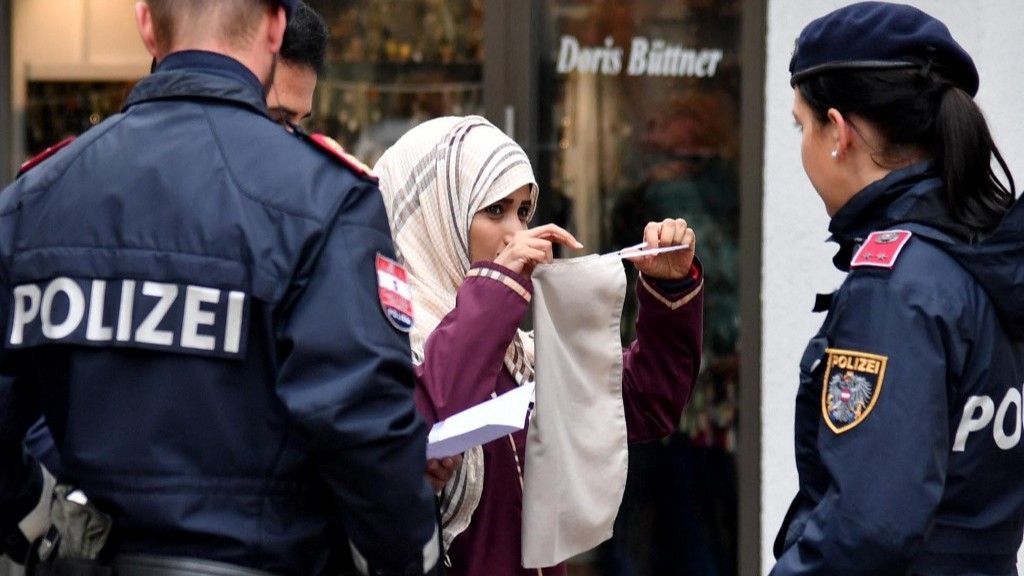
    Austria’s government has implemented a new prohibition on headscarves for schoolchildren under the age of 14, triggering widespread accusations of institutional Islamophobia and religious discrimination. The controversial legislation, presented by authorities as a progressive measure for gender equality, applies to both public and private educational institutions across the nation.

    This legislative move revives a previously rejected policy after the Constitutional Court overturned a similar 2018 ban targeting girls aged 6-10 in public schools, ruling it constituted unlawful discrimination against Muslim communities. The current mandate specifically prohibits ‘traditional Muslim coverings’ in educational settings, with potential penalties reaching €800 ($940) for violations through a graduated enforcement system involving school authorities.

    Yannick Shetty, parliamentary leader of the liberal Neos party within the ruling coalition, defended the prohibition as protective rather than discriminatory. ‘This is not a measure against a religion but instead a measure to protect the freedom of girls in this country,’ Shetty stated, asserting that approximately 12,000 children would be affected and characterizing the headscarf as an instrument of premature sexualization.

    However, the legislation has drawn severe criticism from human rights organizations and religious representatives. Amnesty International condemned the ban as Islamophobic and an explicit ‘expression of anti-Muslim racism,’ warning that it legitimizes prejudice against Muslim communities. The Islamic Religious Community in Austria (IGGOe), the officially recognized representative body for Austrian Muslims, announced plans to challenge the law’s constitutionality.

    IGGOe president Umit Vural emphasized the community’s dual commitment to religious freedom and child welfare: ‘Children need protection, education and enlightenment, not symbolic politics. We reject coercion. We defend freedom. Both simultaneously, for every child.’ The development highlights ongoing tensions between secular policies and religious expression in European educational systems.

  • US removes Brazilian Supreme Court justice and his wife from sanctions list

    US removes Brazilian Supreme Court justice and his wife from sanctions list

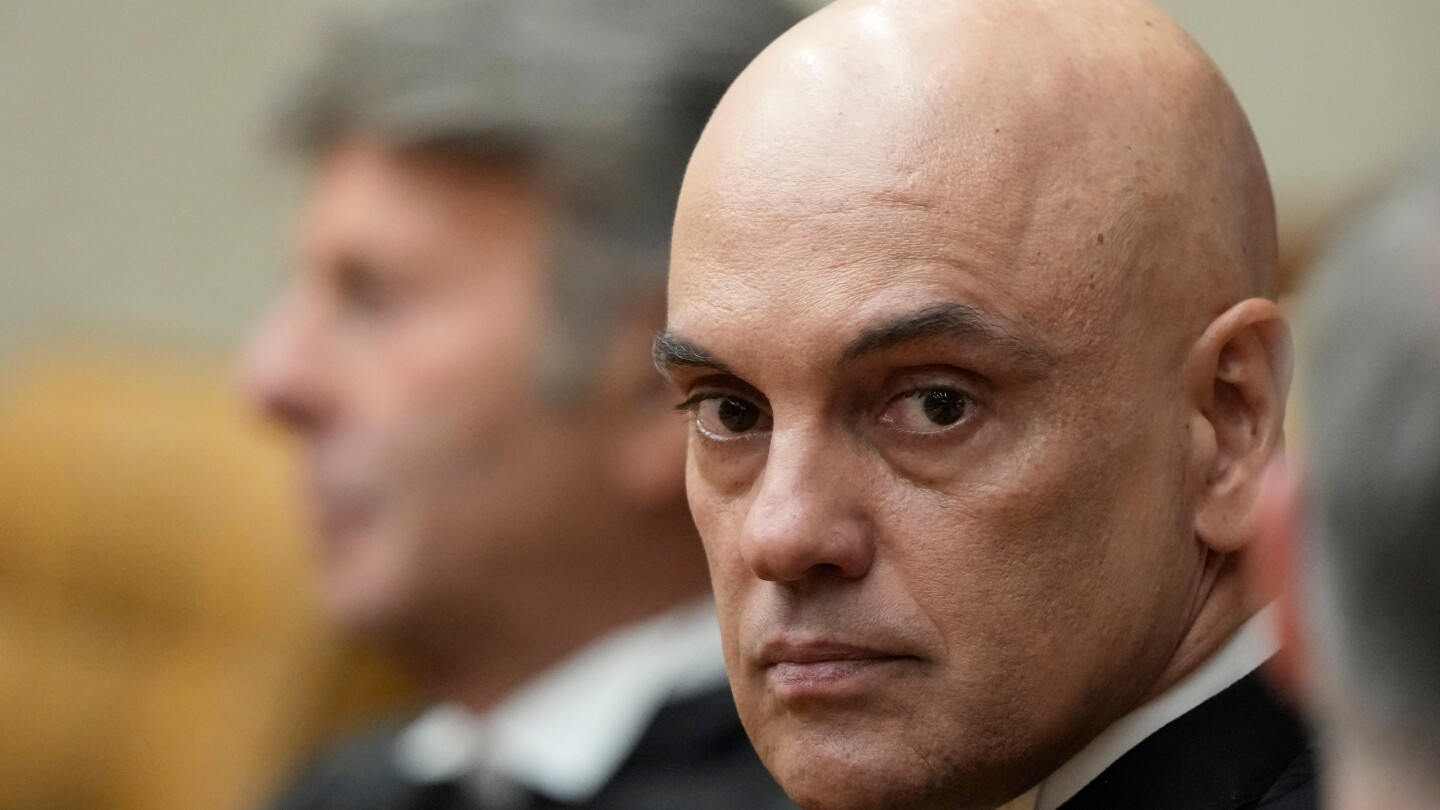
    In a significant diplomatic shift, the United States has formally removed Brazilian Supreme Court Justice Alexandre de Moraes from its sanctions list, marking a notable de-escalation in previously strained relations between the two nations. The decision, confirmed through official documentation from the Treasury Office of Foreign Assets Control on Friday, also extends to de Moraes’ wife and the Lex Institute which she leads.

    This development follows a weekend telephone discussion between U.S. President Donald Trump and Brazilian President Luiz Inácio Lula da Silva, which Brazilian authorities have celebrated as a victory for judicial sovereignty. The Trump administration had initially imposed sanctions against de Moraes in July, alleging his involvement in authorizing arbitrary pretrial detentions and suppressing freedom of expression.

    According to a senior Trump administration official speaking under condition of anonymity, the sanctions withdrawal recognizes Brazil’s recent legislative progress—specifically referencing the passage of an amnesty bill by Brazil’s lower house as indicative of improving judicial conditions. The move represents a substantial warming in relations between the two governments, which had grown increasingly frosty during the tenure of Lula’s predecessor, Jair Bolsonaro, whom Trump previously regarded as a close ally.

    Justice de Moraes characterized the decision as “a victory of Brazil’s judiciary” during a public address in São Paulo, emphasizing that “Brazil’s judiciary did not bow to threats, coercion and it will never do so. It carried on with unbias, seriousness and courage.”

    The political context surrounding this development remains complex. Bolsonaro, currently serving a 27-year prison sentence for allegedly masterminding a plot to retain power after his 2022 electoral defeat to Lula, continues to wield political influence ahead of next year’s elections. Brazil’s current government has framed the sanctions removal as a “big defeat” for Bolsonaro’s family, with Institutional Relations Minister Gleisi Hoffmann characterizing the outcome as the result of “dignifying and sovereign dialogue” between presidents.

    The resolution also addresses broader economic concerns. Last month, Trump signed an order eliminating additional import tariffs on certain Brazilian agribusiness products, reversing previous measures that had imposed a 40% tariff atop an existing 10% duty. According to U.S. Census Bureau data, the United States maintained a $6.8 billion trade surplus with Brazil last year.

    Political analyst Thomas Traumann, author of a recent work on Brazil’s political divisions, interprets these developments as evidence that “the U.S. government wants a normal relationship with Brazil’s, even though it is a leftist administration,” noting that discussions have shifted from political matters to security and trade priorities.

    The diplomatic reconciliation process began during the United Nations General Assembly in September, followed by a private meeting in Malaysia in October and subsequent telephone conversations between the two leaders.

  • Eritrea quits regional bloc as tensions rise with Ethiopia

    Eritrea quits regional bloc as tensions rise with Ethiopia

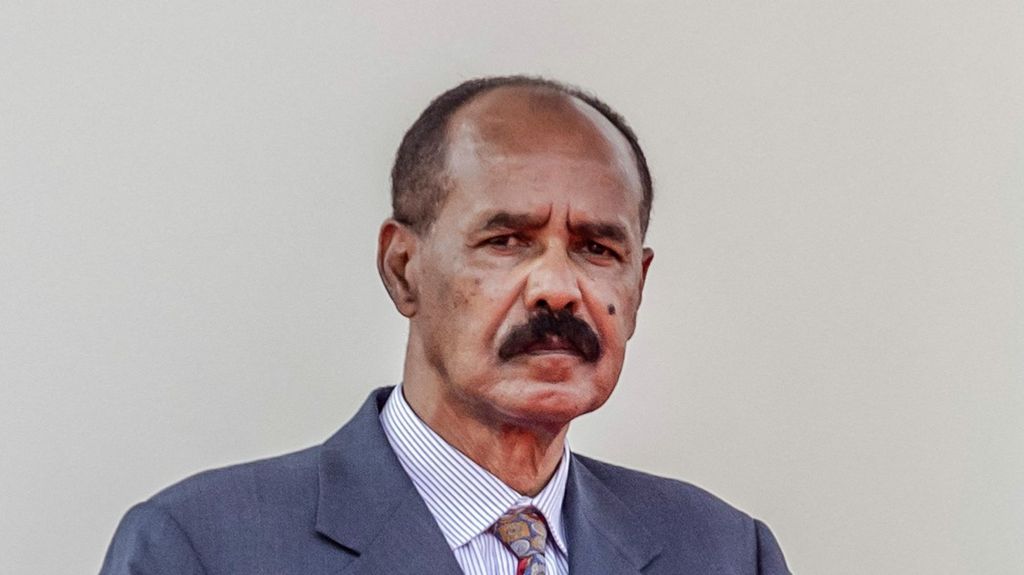
    Eritrea has formally announced its withdrawal from the Intergovernmental Authority on Development (IGAD), condemning the regional bloc for deviating from its foundational principles and transforming into a political instrument against member states. The Eritrean Ministry of Foreign Affairs issued a statement on Friday declaring that the organization no longer serves its strategic interests or contributes meaningfully to regional stability.

    This decisive move occurs against the backdrop of intensifying diplomatic friction between Eritrea and neighboring Ethiopia, raising concerns about potential military escalation. The two nations share a tumultuous history marked by deadly border conflicts and fragile peace agreements.

    IGAD, established to foster economic cooperation, food security, and political stability across East Africa, includes member states Ethiopia, Kenya, Sudan, South Sudan, Uganda, and Djibouti. In response to Eritrea’s withdrawal, IGAD officials noted that Asmara had failed to participate actively in bloc activities since rejoining in 2023 and had not contributed substantive proposals for institutional reform.

    The current tensions stem primarily from Ethiopian Prime Minister Abiy Ahmed’s renewed demands for Red Sea access through Eritrean territory. These claims have provoked strong reactions from Asmara, particularly as Ethiopian officials have controversially questioned Addis Ababa’s recognition of Eritrean independence. Eritrea gained sovereignty from Ethiopia in 1993 after a prolonged independence struggle, rendering Ethiopia landlocked.

    Historical context underscores the gravity of present developments: Abiy received the 2019 Nobel Peace Prize for reconciling with Eritrean President Isaias Afwerki following a two-decade border war that claimed over 100,000 lives. However, Eritrea has consistently accused IGAD of bias toward Ethiopia in regional disputes and alleged Western-backed conspiracies to destabilize the nation.

    Further complicating regional dynamics, Eritrea maintains severed diplomatic relations with Djibouti—host to IGAD headquarters—since their 2008 border clash. The appointment of former Ethiopian Foreign Minister Workneh Gebyehu as IGAD’s executive secretary has additionally fueled Eritrean suspicions regarding the bloc’s impartiality.

    Analysts note that IGAD faces broader criticism for its ineffective response to multifaceted crises in the Horn of Africa, where civil conflicts, terrorism, and interstate confrontations continue to challenge regional security architecture.