作者: admin

  • Trump says Iran ‘wants to make a deal’ as US aircraft carrier in Middle East

    Trump says Iran ‘wants to make a deal’ as US aircraft carrier in Middle East

    Tensions escalate in the Middle East as the USS Abraham Lincoln carrier strike group positions itself in regional waters, creating a backdrop for complex diplomatic maneuvers between the United States and Iran. President Donald Trump delivered contradictory statements regarding potential intervention, simultaneously highlighting military capabilities while expressing confidence in Tehran’s desire for negotiations.

    The geopolitical standoff follows Iran’s severe crackdown on domestic protests, accompanied by a nationwide internet blackout that humanitarian organizations report has complicated accurate casualty assessment. According to Human Rights Activists News Agency (HRANA), verified fatalities exceed 6,100 individuals, with thousands more potentially killed and over 41,000 arrests documented.

    Trump’s remarks to Axios revealed the administration’s dual-track approach, noting ‘We have a big armada next to Iran’ while asserting Iranian officials had made numerous overtures for dialogue. This comes weeks after similar military posturing preceded US intervention in Venezuela that resulted in President Nicolas Maduro’s capture.

    Analysts suggest the White House is considering multiple options ranging from targeted strikes against military installations to comprehensive regime-change operations. Senator Lindsey Graham reinforced this perspective, stating unequivocally that ‘the goal is to end the regime’ during discussions with the president.

    Iranian officials have responded with measured rhetoric alongside military warnings. Revolutionary Guards spokesman Mohammad Ali Naini cautioned that any incursion into Iranian territorial waters would prompt immediate retaliation, while conservative media outlets threatened closure of the strategically vital Strait of Hormuz.

    The New York Times reported intelligence assessments indicating the Iranian government’s stability has reached its most vulnerable point since the 1979 revolution. Despite this apparent weakness, communication channels reportedly remain open between Iranian Foreign Minister Abbas Araghchi and US envoy Steve Witkoff, suggesting behind-the-scenes diplomacy continues even as public posturing intensifies.


  • England’s Chris Wood wins dramatic play-off to reclaim MENA Golf Tour No.1 spot

    England’s Chris Wood wins dramatic play-off to reclaim MENA Golf Tour No.1 spot

    In a thrilling conclusion to the Egypt Golf Series Marassi 1, England’s Chris Wood demonstrated championship composure by sinking a decisive birdie putt on the first play-off hole to defeat compatriot Charlie Crockett. The dramatic victory at Address Marassi Golf Resort propels Wood back to the top position in the MENA Golf Tour Rankings.

    The final round unfolded under challenging desert conditions, with strong winds and swirling sand significantly reducing visibility throughout the course. Both Wood and Crockett finished regulation play tied at 13-under-par, though they arrived at this score through markedly different journeys. Wood carded a resilient 71 despite a costly double bogey on the seventh hole, while Crockett posted a 69 with late tournament momentum.

    Returning to the par-five 18th for the sudden-death play-off, Crockett narrowly missed his birdie attempt, leaving the door open for Wood. The former Ryder Cup star executed a superb two-iron approach from the semi-rough, setting up a six-foot downhill putt which he converted with confidence to claim his second tour victory this season.

    Wood attributed his success to experience and teamwork, stating: ‘It was a really tough day out there with visibility challenges from the start. My experience probably counted today, but it was definitely hard work. In play-offs, you usually get one real opportunity and you’ve got to take it when it comes.’

    Ireland’s Alex Maguire, who had led after an opening-round 63, finished alone in third place at 12-under-par. His final-round 71 included a bold 30-foot eagle attempt on the 18th that narrowly missed, which would have forced a three-way play-off.

    The tournament offered a $100,000 prize fund, with Wood collecting $18,000 along with valuable Official World Golf Ranking points. The MENA Golf Tour continues immediately at the same venue with the Egypt Golf Series Marassi 2, scheduled to commence on January 29.

  • How Britain could be embroiled in US attack on Iran

    How Britain could be embroiled in US attack on Iran

    Amid escalating geopolitical tensions, the United Kingdom has deployed a squadron of Typhoon fighter jets to Qatar’s Al Udeid airbase, raising questions about potential British involvement in a possible US-led offensive against Iran. This military movement occurs as the Trump administration reportedly considers precision strikes against Iranian officials linked to the suppression of recent anti-government protests.

    While the UK Ministry of Defence characterizes the deployment as enhancing defensive capabilities and regional stability through the newly formed joint RAF-Qatari No. 12 Squadron, analysts note these advanced aircraft are capable of intercepting Iranian Shahed-136 drones. The deployment follows Iran’s previous rocket attack on the same base in response to US actions against Iranian nuclear facilities.

    Prime Minister Keir Starmer’s government maintains strategic ambiguity regarding potential cooperation with US military operations. Despite the Labour administration’s desire to strengthen UK-US relations, it has distanced itself from Trump administration policies on multiple occasions, including refusing participation in the Gaza ‘Board of Peace’ and maintaining neutrality during previous Israel-Iran conflicts.

    The strategic significance of British military assets extends beyond Qatar, encompassing naval facilities in Bahrain, air bases in the UAE, Oman, and Cyprus, and most critically, the joint UK-US base on Diego Garcia. This Indian Ocean installation places US bomber aircraft within striking distance of Iran while avoiding contested Gulf airspace, though any American deployment from this territory requires explicit British authorization.

    Recent UK actions include imposing fresh sanctions targeting Iran’s finance, energy, and transportation sectors, alongside individual sanctions against Iranian businessman Ali Ansari, whose £150 million portfolio has been frozen over alleged IRGC financing connections. The British government has simultaneously evacuated its Tehran embassy staff and heightened security precautions throughout the region.

    As the US reinforces regional military presence with additional warplanes, air defense systems, and the Abraham Lincoln aircraft carrier, diplomatic attention remains focused on Washington’s next moves and potential allied responses.

  • ‘Game changer’: New way Aussies can shop using AI

    ‘Game changer’: New way Aussies can shop using AI

    Australian consumers are poised to experience a transformative shift in digital shopping as Mastercard pioneers the world’s first secure ‘agentic transaction’ system utilizing artificial intelligence. This groundbreaking development addresses longstanding security concerns that have hindered AI-assisted commerce.

    Recent data reveals nearly half (48%) of Australians already employ AI tools for online purchases, with 78% anticipating these technologies will become mainstream. However, traditional security models have struggled to verify whether transactions were genuinely initiated by the account holder when conducted through AI assistants.

    Mastercard’s innovation, developed in collaboration with Commonwealth Bank and Westpac, successfully demonstrated its capability through two practical applications: purchasing movie tickets at Events Cinemas and booking a Thredbo vacation. The system utilizes locally developed AI technology named ‘Matilda’ by Australian firm Maincode, showcasing domestic innovation in global payment solutions.

    The core breakthrough lies in embedded security features that replace the current practice of inputting credit card details into chat interfaces. Instead, the system incorporates biometric verification methods like facial recognition alongside detailed transaction visibility, creating robust fraud detection capabilities and streamlined dispute resolution processes.

    Surin Fernando, Mastercard’s Australasian Senior Vice President, emphasizes this represents a fundamental evolution in consumer behavior: ‘Australians will discover products through increasingly personalized methods while gaining the ability to execute transactions immediately or schedule future purchases based on shopping intent.’

    Industry leaders highlight the significance of this development. Paul Monnington, Mastercard’s Australasia lead, describes it as ‘one of the most significant shifts in consumer behavior in decades.’ Banking executives note the technology will make consumer spending ‘quicker and easier’ while maintaining stringent security standards that benefit both merchants and customers.

    This advancement effectively bridges the experiential gap between physical retail’s seamless tap-and-pay convenience and the traditionally cumbersome online checkout process, potentially setting new global standards for AI-commerce security.

  • Mortgage holders warned ‘make or break’ inflation figure could trigger multiple interest rate rises

    Mortgage holders warned ‘make or break’ inflation figure could trigger multiple interest rate rises

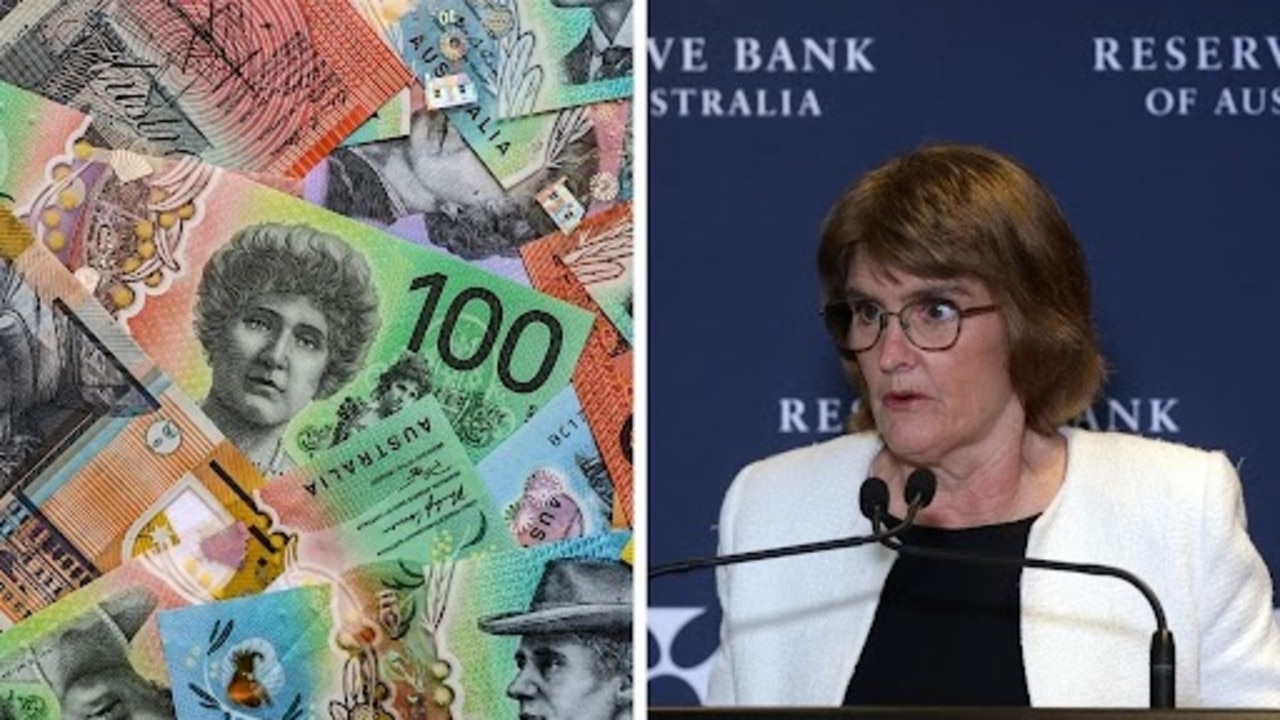
    Australian homeowners face an anxious wait for Wednesday’s crucial inflation data, with economists warning this single release could determine whether the Reserve Bank imposes further interest rate pain. The Australian Bureau of Statistics will unveil the December quarterly consumer price index at 11:30 AM, providing critical insight into the nation’s inflationary trajectory ahead of the RBA’s first 2024 policy meeting next week.

    Financial experts have identified a precise threshold that could force the central bank’s hand. Judo Bank chief economist Warren Hogan cautioned that should quarterly inflation reach or exceed 0.8%, the RBA would likely announce a rate hike when it meets on February 4. ‘Current interest levels remain insufficient to restore price stability to target parameters,’ Hogan stated during a Sky News interview, suggesting multiple increases might be necessary.

    The economic landscape presents conflicting signals for policymakers. While headline annual inflation moderated to 3.4% in November from the previous 3.8%, the more significant trimmed mean inflation—which excludes volatile price movements—stood at 3.2%. Oxford Economics Australia’s Harry Murphy Cruise identified this trimmed mean figure as the decisive ‘magic number,’ noting that results exceeding 3.2% would likely warrant immediate monetary tightening.

    Compounding the pressure on borrowers, December’s unemployment rate unexpectedly dropped to 4.1% from November’s 4.3%, with 65,000 new workers entering employment. This robust labor market performance potentially fuels consumer spending capacity, creating conditions where businesses might more easily transfer rising costs to customers—a development that could sustain inflationary pressures.

    Despite recent methodological changes incorporating full monthly inflation data, the ABS continues producing quarterly figures that remain the RBA’s primary reference. With the central bank balancing dual mandates of full employment and price stability, Wednesday’s release represents what Betashares economist David Bassanese characterized as a ‘make-or-break’ moment for February’s rate decision.

  • US suggests Hamas disarmament would come with amnesty deal

    US suggests Hamas disarmament would come with amnesty deal

    The United States has proposed a potential amnesty arrangement for Palestinian combatants as part of a broader initiative to disarm Hamas in Gaza, according to statements made by American officials on Tuesday. An anonymous U.S. official disclosed to Reuters that both Israeli and American strategies assume weapon surrender would be accompanied by clemency provisions for fighters.

    “We are listening to many of their people talk about disarming. We believe they will comply,” the official stated, emphasizing that disarmament would constitute a fundamental component of any negotiated settlement. “Failure to relinquish weapons would constitute a violation of the agreement. We envision disarmament proceeding alongside appropriate amnesty measures, and we have developed a robust program to facilitate this process.”

    This development coincides with France’s urgent call for implementing the second phase of the Gaza ceasefire framework following the recovery of the final Israeli hostage’s remains from the Palestinian territory. Pascal Confavreux, spokesperson for the French Ministry of Foreign Affairs, expressed “immense relief” at the resolution of the hostage situation while emphasizing the critical need for transitional measures.

    “Commencing the second phase of the Gaza peace plan must now facilitate the transition from ceasefire to durable peace, ensure massive humanitarian aid delivery, and reestablish credible political prospects for a two-state solution with mutual security,” Confavreux articulated via social media platform X.

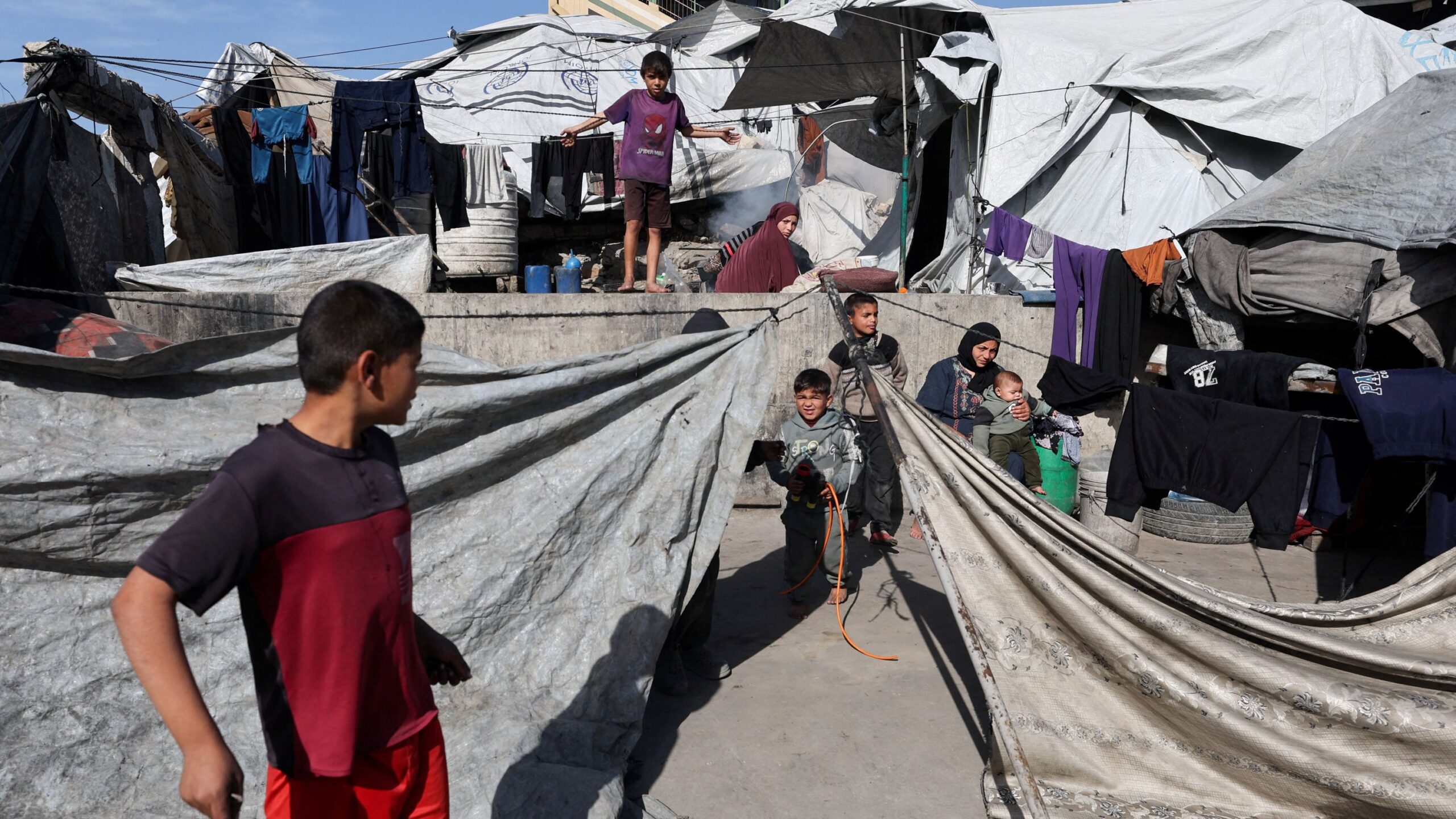
    The truce, originally brokered by U.S. President Donald Trump in October, aimed to terminate over two years of severe conflict that resulted in more than 71,660 Palestinian fatalities and the near-total destruction of 90% of Gaza’s infrastructure. Despite the ceasefire, monitoring groups have documented over 1,300 violations attributed to Israeli forces since its inception.

    Phase two of the Trump administration’s peace blueprint requires the disarmament of Hamas, progressive withdrawal of Israeli military units from occupied portions of the Gaza Strip, and the introduction of international peacekeeping forces. Hamas officials have countered that Israel must fully adhere to the ceasefire terms, particularly regarding unimpeded aid access and complete territorial withdrawal.

    Recent tensions escalated when Israel announced the discovery of the last captive’s body near Gaza City following intensive military operations involving artillery shelling and bulldozing activities. Local reports from the Wafa news agency detailed extensive ground operations in eastern Gaza City, including the desecration of multiple graves during search operations for 24-year-old policeman Ran Gvili.

    The Israeli military’s operations have resulted in dozens of casualties from heavy artillery and drone strikes since Sunday. In a concurrent development, the Al-Aqsa Martyrs hospital in central Gaza received nine Palestinian detainees released through Red Cross mediation on Monday evening.

    Post-ceasefire violence has claimed at least 486 Palestinian lives with over 1,341 wounded, while Israeli authorities maintain strict limitations on humanitarian assistance, continuing bans on essential shelter and heating supplies.

  • Ex-Nigeria oil minister stands trial in UK on bribery charges

    Ex-Nigeria oil minister stands trial in UK on bribery charges

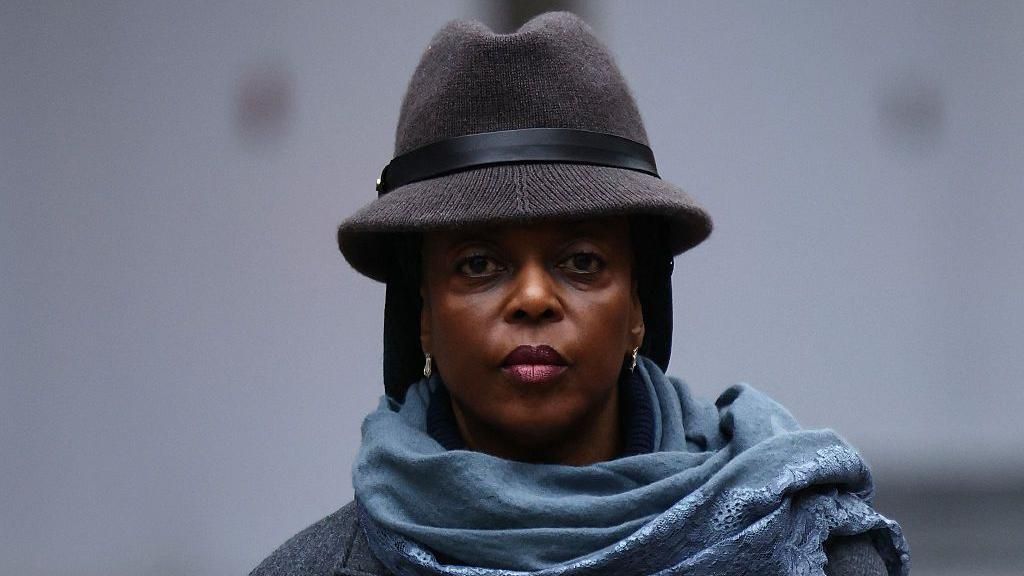
    A landmark corruption trial unfolding at London’s Southwark Crown Court has exposed extensive bribery allegations against Nigeria’s former petroleum minister, Diezani Alison-Madueke. The 65-year-old official, who held one of Nigeria’s most powerful ministerial positions from 2010 to 2015, stands accused of accepting lavish bribes from energy executives seeking lucrative government contracts.

    Prosecutor Alexandra Healy KC presented evidence alleging that Alison-Madueke received a comprehensive package of corrupt benefits valued at millions of pounds. These included exclusive access to luxury London properties, chauffeur-driven vehicles, private jet travel, and approximately £100,000 in cash payments. The court heard that energy company executives allegedly funded £4.6 million in property renovations, high-end shopping sprees at Harrods, and full domestic staff including housekeepers, nannies, and gardeners.

    The prosecution contends that these benefits were systematically provided by contractors seeking favorable treatment from the state-owned Nigerian National Petroleum Corporation and its subsidiaries. Healy emphasized the global significance of the case, noting that while the bribes concerned Nigerian oil contracts, the luxury lifestyle they funded occurred primarily in the United Kingdom.

    Alison-Madueke has pleaded not guilty to five counts of bribery acceptance and one count of conspiracy to commit bribery. She appears alongside two co-defendants: oil executive Olatimbo Ayinde, facing separate bribery charges, and her brother Doye Agama, a former archbishop charged with conspiracy. Both co-defendants also deny the allegations.

    The trial, expected to continue for approximately twelve weeks, highlights the persistent issue of corruption in Nigeria’s oil sector—Africa’s largest petroleum industry. Despite Nigeria’s membership in OPEC and its substantial oil wealth, the case underscores how systemic corruption has prevented broader population from benefiting from the nation’s natural resource wealth.

  • Canadian hosts weekly English social night in Chongqing

    Canadian hosts weekly English social night in Chongqing

    In the heart of Chongqing’s vibrant Yuzhong district, a unique cultural phenomenon unfolds weekly at a local coffee shop in the Chongqing Tiandi complex. Every Tuesday evening, Canadian national Paul Jackson transforms the urban space into a dynamic hub for linguistic exchange and intercultural connection through his English practice initiative.

    Jackson, alongside three collaborators, established Maple Chili English in March of the previous year, creating an organic platform for language development and social interaction. What began as a modest gathering has evolved into a substantial community movement, with the organization’s group chat now boasting approximately 500 active participants from remarkably diverse professional backgrounds.

    The weekly gatherings attract an eclectic mix of local professionals including psychologists, legal experts, ophthalmologists, and numerous expatriates residing throughout Chongqing. These social nights provide a relaxed environment where participants can enhance their English conversational skills while building meaningful connections across cultural boundaries.

    The initiative represents more than mere language practice—it serves as a testament to the growing cultural integration within China’s major urban centers. Through these organic gatherings, Jackson has inadvertently created a microcosm of global citizenship, demonstrating how shared spaces can bridge cultural divides and foster mutual understanding between Chinese residents and international visitors.

    The sustained popularity of these events highlights the increasing demand for authentic cultural exchange opportunities in China’s secondary cities, moving beyond traditional educational frameworks to create community-driven learning experiences that benefit both local Chinese participants and the expatriate community.

  • Swiss skier Meillard wins last GS before Olympics and denies Pinheiro Braathen 2nd win for Brazil

    Swiss skier Meillard wins last GS before Olympics and denies Pinheiro Braathen 2nd win for Brazil

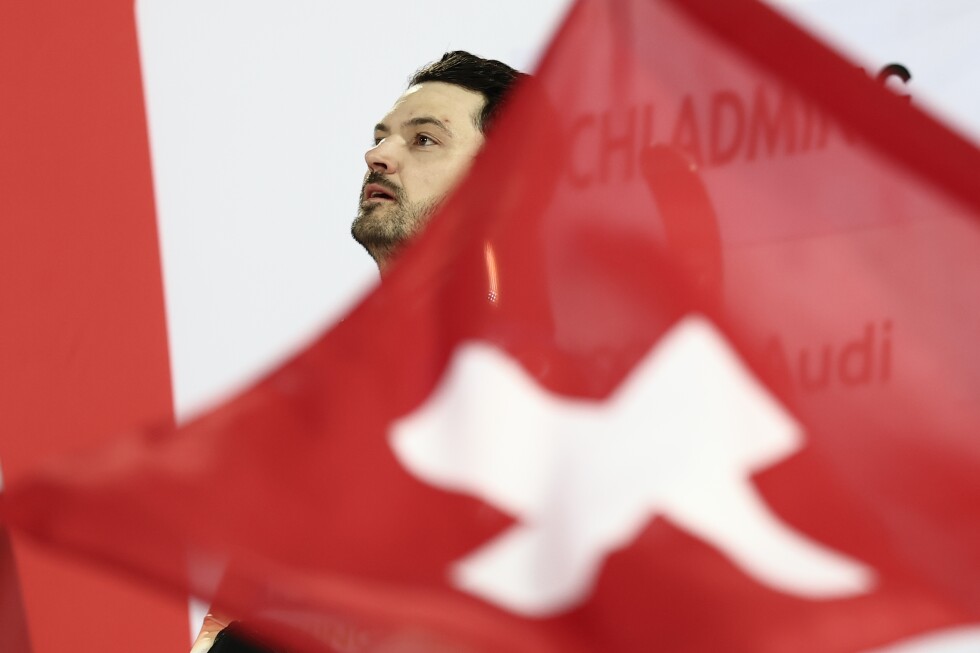
    In a thrilling pre-Olympic showdown on the icy Planai course in Schladming, Switzerland’s Loic Meillard seized victory in the final men’s World Cup giant slalom before the Winter Games. The night race witnessed intense competition as Meillard overturned Brazilian contender Lucas Pinheiro Braathen’s first-run advantage to claim his second World Cup victory this season and ninth overall.

    Pinheiro Braathen, who had narrowly led after the initial run, ultimately fell short by 0.73 seconds despite entering the competition with strong momentum. The Brazilian skier, who made history last November by securing Brazil’s first top-level ski racing victory in Finland, expressed disappointment but acknowledged Meillard’s superior performance in the decisive second run.

    The event produced a remarkable underdog story as unheralded French skier Alban Elezi Cannaferina delivered the fastest second-run time, catapulting from eighth position to claim his first career podium finish. His stunning performance displaced Olympic giant slalom champion Marco Odermatt from the podium, leaving the Swiss star in fourth position after a near-crash during his final run.

    Meillard, who previously won on this same course three years ago, credited his improving form in recent weeks. The Swiss skier, who finished fifth in slalom at the 2022 Olympics, now enters the Winter Games with renewed confidence despite Odermatt maintaining the overall GS standings lead with 450 points.

    The competition highlighted Pinheiro Braathen’s ongoing transition from representing Norway to competing for Brazil, his mother’s native country, following a 2023 dispute with the Norwegian ski federation over marketing rights. Despite five second-place finishes in giant slalom since switching federations, the Brazilian continues to demonstrate Olympic medal potential across multiple disciplines.

  • Turkey plans buffer zone if Iran government falls

    Turkey plans buffer zone if Iran government falls

    Turkish authorities are formulating contingency plans to establish a security buffer zone on Iranian territory should Tehran’s government face catastrophic collapse, according to exclusive reporting from Middle East Eye. This strategic consideration emerged during confidential briefings where senior foreign ministry officials outlined Ankara’s preparedness for multiple Iranian scenarios.

    During Thursday’s parliamentary session, officials presented divergent accounts regarding the explicit use of “buffer zone” terminology. One participant confirmed the phrase was employed to describe preventive measures against potential refugee influxes, while another source noted officials emphasized extraordinary measures would be implemented within Iranian borders to manage displacement crises.

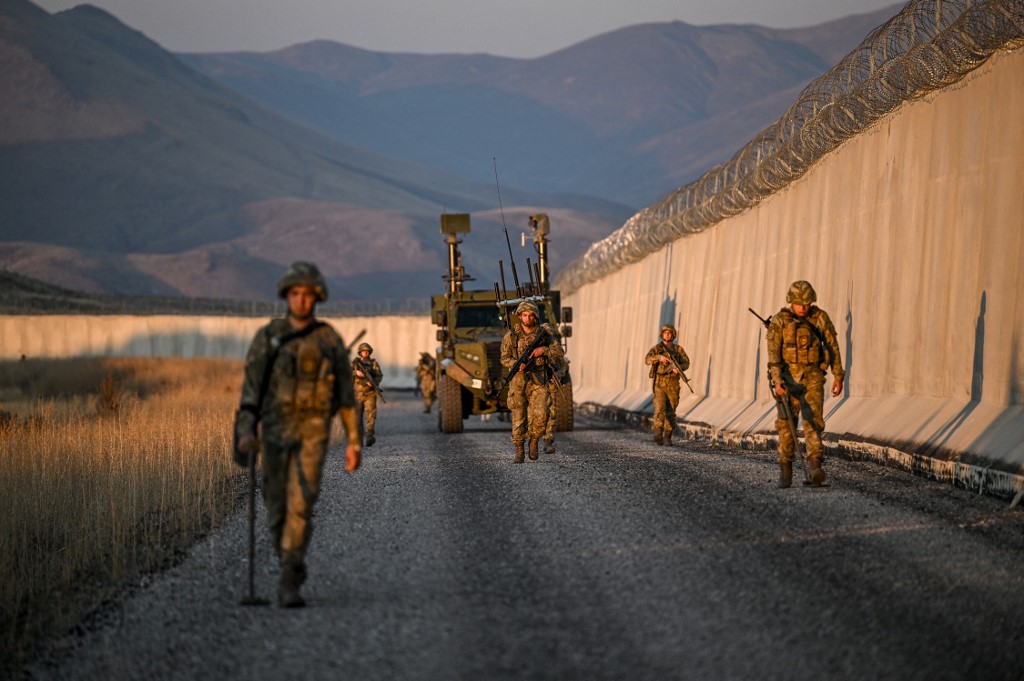
    The border security enhancements already implemented include a sophisticated 560-kilometer barrier system featuring 246 surveillance towers, 380 kilometers of concrete walls, and 553 kilometers of defensive trenches. This infrastructure is supported by continuous drone and aerial monitoring capabilities.

    Recent protests in Iran have resulted in significant casualties, with Turkish officials citing approximately 4,000 fatalities and 20,000 injuries during demonstrations triggered by economic deterioration and currency collapse. Despite some protester violence, evidence indicates Iranian authorities employed disproportionate force alongside internet blackouts.

    Turkish Foreign Minister Hakan Fidan has explicitly opposed foreign intervention in Iran, urging diplomatic resolution through established channels. This stance contrasts with reported U.S. considerations of precision strikes against Iranian officials deemed responsible for protester deaths, accompanied by military deployments including the USS Abraham Lincoln carrier group to the region.

    Ankara’s caution stems from direct experience with regional instability, having absorbed millions of refugees from neighboring conflicts in Iraq and Syria. Turkish society maintains heightened sensitivity toward refugee presence, with current policy shifting from previous open-door approaches to selective emergency admissions.

    Complicating potential responses is Iran’s substantial Azerbaijani Turkish population exceeding 12 million, whose potential mass displacement could create domestic pressure for admission despite official policies.