作者: admin

  • AVEVA highlights the role of industrial intelligence in enabling net-zero energy at ADIPEC 2025

    AVEVA highlights the role of industrial intelligence in enabling net-zero energy at ADIPEC 2025

    AVEVA, a global leader in industrial software, is set to make a significant impact at ADIPEC 2025, scheduled to take place in Abu Dhabi from November 3-6, 2025. The company will highlight its CONNECT platform, an advanced industrial intelligence solution powered by AI, designed to revolutionize the energy sector. CONNECT aims to unify data, provide actionable insights, and enhance operational agility, aligning with the UAE’s ambitious Net Zero 2050 strategy.

    At the event, AVEVA will utilize augmented and virtual reality to demonstrate how CONNECT supports every phase of the industrial lifecycle—from design and construction to operation, maintenance, and optimization. The platform empowers organizations to innovate, improve performance, and achieve sustainability goals in an increasingly digital and competitive landscape.

    The UAE’s commitment to transitioning to a low-carbon economy and diversifying its energy mix is underscored by initiatives like the UAE Net Zero 2050 Strategy. AVEVA’s solutions are tailored to help energy companies integrate engineering, operations, and performance seamlessly, enabling them to execute projects more efficiently, enhance asset reliability, and make measurable progress toward net-zero objectives.

    Jesus Hernandez, Senior Vice President of EMEA at AVEVA, emphasized the role of technology in this transition: ‘Our tools, from digital twins to AI-driven analytics, are helping companies optimize operations, improve asset reliability, and advance toward net-zero goals. We’re excited to engage with regional customers and partners at ADIPEC to showcase how our solutions can navigate this complex transformation while boosting performance and agility.’

    Nayef Bou Chaaya, Vice President for the Middle East, Africa, and Turkey at AVEVA, highlighted the challenges facing the energy sector: ‘Organizations are grappling with project execution, CAPEX efficiency, unplanned downtime, and operational inefficiencies. There’s also growing pressure to meet sustainability targets, particularly in emissions tracking and reporting. At ADIPEC, we’ll demonstrate how Industrial Intelligence-as-a-Service can unlock efficiency, sustainability, and growth by combining AI, data, and human expertise.’

    Visitors to Hall 4, Stand 4410 will have the opportunity to experience CONNECT firsthand. The platform, featuring the world’s largest industrial software ecosystem and an intelligent digital twin, integrates insights across the industrial landscape. Live demonstrations will illustrate how organizations can enhance performance, advance sustainability, and maximize return on investment.

  • UAE weather tomorrow: Rains expected in some areas; temperatures to rise

    UAE weather tomorrow: Rains expected in some areas; temperatures to rise

    Residents across the United Arab Emirates (UAE) should prepare for varied weather conditions on Wednesday, November 5, 2025, as the National Centre of Meteorology (NCM) predicts rainfall in certain regions. The Al Dhafrah area is expected to experience dusty to partly cloudy skies, with occasional cloud cover.

  • This trillionaire economy thrived in a global order Trump is ditching

    This trillionaire economy thrived in a global order Trump is ditching

    Poland, once a struggling lower-middle-income nation with 900% inflation in 1989, has emerged as a trillion-dollar economy, joining the elite club of nations with economic outputs exceeding $1 trillion. This remarkable transformation, often referred to as the ‘Polish miracle,’ was fueled by a global economic system that prioritized international collaboration, trade, and investment. However, the foundations of this system are now crumbling under the weight of geopolitical shifts, protectionist policies, and regional conflicts. The question looms: Can Poland—and other European nations that thrived in this era—sustain their momentum in the new global order? Poland’s journey began with brutal shock therapy reforms in the 1990s, masterminded by former finance minister Leszek Balcerowicz, which transitioned the country to a capitalist economy. Its 2004 admission to the European Union (EU) marked a turning point, supercharging growth through access to the single market, foreign investment, and EU funding for infrastructure projects. Over the years, Poland developed a diversified economy, leveraging its central European location, well-educated workforce, and large consumer market. However, the outlook has darkened since Russia’s invasion of Ukraine in 2022. The war disrupted energy supplies, increased costs, and heightened regional instability. Poland, like its European neighbors, has faced rising energy prices, EU regulatory burdens, and competition from the U.S. and China. The unraveling of the international order accelerated under former U.S. President Donald Trump, whose tariffs and weakened security guarantees unsettled global trade. Poland’s automotive sector, closely tied to Germany, faces uncertainty, while a pending EU trade agreement with Latin America threatens its agricultural producers. The war has also prompted Poland to bolster its military, with defense spending set to reach 5% of GDP by next year—the highest in NATO. While this strengthens national security, it diverts funds from social and economic programs, raising national debt. Despite these challenges, Poland has seized opportunities amid the crisis. Over 1 million Ukrainian refugees have settled in the country, providing a boost to the workforce and GDP. Companies like Iteo, a software and AI consulting firm, have integrated Ukrainian talent, enhancing productivity. Additionally, shifts in EU rules have opened doors for defense-related ventures, replacing foreign investors who withdrew due to the war. The global push for secure supply chains has also created opportunities for Poland to focus on domestic production and nearshoring. As the world retreats from hyper-globalization, Poland’s history of adaptability may prove its greatest asset. ‘History makes us flexible,’ said Marta Kepa, CEO of the Software Development Association. The challenge now is navigating a global system that is increasingly unpredictable and threatening, while leveraging its strengths to sustain economic resilience.

  • OpenAI clarifies ChatGPT’s limits after viral claims about legal, medical advice

    OpenAI clarifies ChatGPT’s limits after viral claims about legal, medical advice

    OpenAI has recently clarified the boundaries of its AI chatbot, ChatGPT, following widespread claims on social media and in various media outlets that the platform had ceased offering legal, medical, and financial advice. The company emphasized that while ChatGPT can provide explanations and general information, it is not designed to offer personalized advice or recommendations in these critical fields. This clarification aligns with OpenAI’s ongoing efforts to refine its policies, balancing user freedom with safety and accountability. The discussion gained traction after media outlet Nexta shared a post on X, stating that ChatGPT had been officially labeled an ‘educational tool’ and would no longer provide specific guidance on treatment, legal issues, or financial matters. OpenAI’s Usage Policies page, last updated on October 29, explicitly prohibits the provision of tailored advice in licensed fields without the involvement of a licensed professional. Karan Singhal, OpenAI’s head of health AI, addressed the confusion on X, stating that this was not a new change and that ChatGPT has always been a resource for understanding legal and health information, not a substitute for professional advice. OpenAI’s policies also restrict the automation of high-stakes decisions in sensitive areas without human review, including legal, medical, financial, housing, employment, and insurance matters. While no major lawsuits have emerged over ChatGPT’s advice, experts believe this clarification underscores the risks of AI in regulated fields. OpenAI’s stance also reflects a broader industry shift toward regulated and accountable AI use, as legal scrutiny on AI deepens. The company is already facing lawsuits from authors, publishers, and media organizations alleging unauthorized use of copyrighted material to train AI models. Experts continue to call for stronger AI regulation, arguing that clear frameworks are essential to prevent misuse in sensitive areas like healthcare, law, and finance. For users, the update reinforces that ChatGPT should be treated as an information aid, not a professional adviser. For regulators and businesses, it marks another step in the industry’s move toward clearer boundaries, as global conversations around AI safety, liability, and governance continue to evolve.

  • CIIE to be fully powered by renewable energy

    CIIE to be fully powered by renewable energy

    The 8th China International Import Expo (CIIE), set to take place from November 5 to 10 at the National Exhibition and Convention Center in Shanghai, will be fully powered by renewable energy for the third consecutive year. This milestone was achieved through an inter-provincial green power transaction totaling approximately 130 million kilowatt-hours for November, orchestrated by the State Grid Shanghai Municipal Electric Power Co. About 8 million kilowatt-hours of this green power will directly cover the expo’s electricity needs. The State Grid Shanghai has also utilized the CIIE’s influence to promote green electricity consumption among exhibitors and broader users across the city, resulting in a record-breaking green power trading volume of over 1 billion kilowatt-hours in November. This initiative is expected to reduce carbon dioxide emissions by approximately 798,000 tons. The State Grid Shanghai has developed a three-tier green power supply model, encompassing cross-regional, regional, and local levels, and conducted multiple green electricity transactions. During the CIIE, green power will be supplied from the northwest, northeast, east China, and local Shanghai regions. The expo’s commitment to 100% green power has established it as a benchmark for low-carbon transformation in large-scale events. The State Grid Shanghai will continue to assist more enterprises in adopting green electricity, promoting low-carbon energy transition, and contributing to China’s dual-carbon goals. Additionally, the company has enhanced its power supply assurance system to version 8.0, leveraging digital transformation and AI-based decision models to ensure safe and reliable power supply during the expo. Over 3,100 emergency repair personnel and 891 power supply vehicles will be on standby to provide comprehensive power security for the event.

  • Dubai Holding and Palantir launch Aither to drive AI transformation Across UAE

    Dubai Holding and Palantir launch Aither to drive AI transformation Across UAE

    In a groundbreaking initiative to propel artificial intelligence (AI) adoption across the United Arab Emirates (UAE), Dubai Holding and Palantir Technologies have jointly launched Aither, a transformative venture designed to revolutionize both public and private sectors through advanced AI solutions. The announcement was made during a high-profile signing ceremony in Dubai, attended by Sheikh Ahmed bin Saeed Al Maktoum, Chairman of Dubai Holding, and Mohamed bin Hadi Al Hussaini, Minister of State for Financial Affairs. The agreement was formalized by Amit Kaushal, Group CEO of Dubai Holding, and Noam Perski, Executive Vice President at Palantir.

    Aither represents Palantir’s first joint venture in the UAE and solidifies an 18-month collaboration between the two entities. Since early 2024, Dubai Holding has been integrating Palantir’s AI and data platforms across its diverse portfolio, which includes real estate, hospitality, finance, and infrastructure. This partnership has already yielded significant improvements in operational efficiency, decision-making speed, and data visibility.

    Amit Kaushal emphasized that Aither is more than a technological initiative; it is a national platform aimed at institutionalizing AI excellence. “We are extending proven capabilities to the wider market, supporting Dubai’s digital ambitions and the UAE’s goal to accelerate economic diversification,” he stated. The venture aligns with the Dubai Economic Agenda D33, which seeks to generate Dh100 billion annually through digital transformation. Aither will act as a catalyst for this vision by providing scalable AI solutions to strategic sectors, enabling organizations to unlock new value streams and enhance competitiveness.

    Palantir CEO Alex Karp expressed pride in the partnership, highlighting the potential to empower UAE institutions with Palantir’s world-leading AI capabilities. Beyond technology deployment, Aither will focus on localizing the economic value of Palantir’s platforms. This includes knowledge transfer, talent development, and the establishment of governance frameworks to ensure responsible AI implementation across industries.

    Dubai Holding’s extensive portfolio, which includes real estate, hospitality, entertainment, media, and investments, provides a strong foundation for Aither’s operations. Brands such as Nakheel, Meraas, and Jumeirah have already benefited from AI-driven enhancements, setting a precedent for broader adoption. The joint venture underscores Dubai’s leadership in deploying secure, sovereign, and high-impact AI applications. By combining Palantir’s cutting-edge software with Dubai Holding’s market insight, Aither is poised to become a cornerstone of the UAE’s digital transformation strategy.

  • Moroccan court sentences man accused of trafficking people to scam compound in Asia

    Moroccan court sentences man accused of trafficking people to scam compound in Asia

    In a groundbreaking verdict, a Moroccan court in Casablanca has sentenced Nabil Moafik to five years in prison and imposed a fine of $107,300 for his involvement in human trafficking. This marks the first such ruling in Morocco against an individual accused of luring victims to scam compounds in Asia. The case centered on several young Moroccans who were deceived by online job offers promising lucrative employment in Thailand. Instead, they were trafficked to Myanmar, where they were forced to work over 9,300 miles from home, participating in online fraud and scams. Moafik, who denied the charges, described human trafficking as a ‘crime against humanity’ he would never commit. Victims present in court recounted harrowing experiences of torture and degrading treatment in Myanmar, with some securing their release only after paying ransoms in cryptocurrency. Prosecutors revealed that Moafik operated a Facebook group aiding Moroccan immigrants in Turkey, where he advertised call-center jobs in Thailand. One victim, Youssef Amzouz, was introduced to another recruiter who demanded he either pay a ransom or recruit 100 others to gain freedom. Moafik claimed he was merely a job mediator, unaware of the trafficking scheme. The International Organization for Migration noted that middlemen often unknowingly participate in such crimes, complicating prosecutions. Morocco’s Foreign Ministry has reportedly secured the release of 34 citizens from similar scam centers in Myanmar, though the total number of affected Moroccans remains unclear.

  • Architect of plan to starve Gaza invited to Israeli left-wing conference

    Architect of plan to starve Gaza invited to Israeli left-wing conference

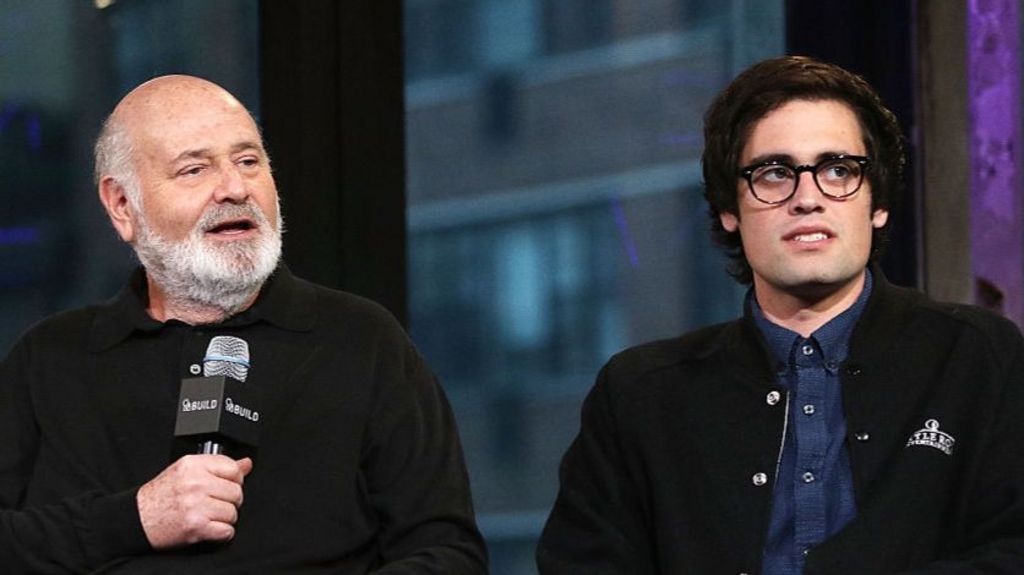
    Retired Israeli General Giora Eiland, the architect of the contentious ‘Generals’ Plan,’ is set to participate in a conference organized by the left-wing Israeli party, The Democrats. The event, marking the 30th anniversary of former Prime Minister Yitzhak Rabin’s assassination, will take place in Tel Aviv. The conference will feature speeches by The Democrats’ leader, Yair Golan, and a recorded message from President Isaac Herzog, followed by a panel discussion on ‘Responsibility and Leadership’ with Eiland, former Prime Minister Ehud Barak, and former Beit Shemesh Mayor Aliza Bloch.

    Eiland’s involvement has drawn criticism, particularly from Uri Weltmann, an activist with the Jewish-Palestinian group Standing Together. Weltmann argues that Eiland’s participation suggests that some party leaders do not distance themselves from extreme military strategies, such as the ‘Generals’ Plan,’ which advocates for a total blockade on Gaza to induce starvation and mass evacuation.

    The ‘Generals’ Plan,’ proposed in September 2024, calls for preventing food, water, aid, and fuel from entering northern Gaza, forcing the evacuation of hundreds of thousands of Palestinians. Eiland has publicly defended the plan, stating that creating a humanitarian crisis in Gaza is necessary to secure the release of hostages and achieve military objectives. His statements have been condemned by Hamas and international observers as inhumane and reminiscent of Nazi tactics.

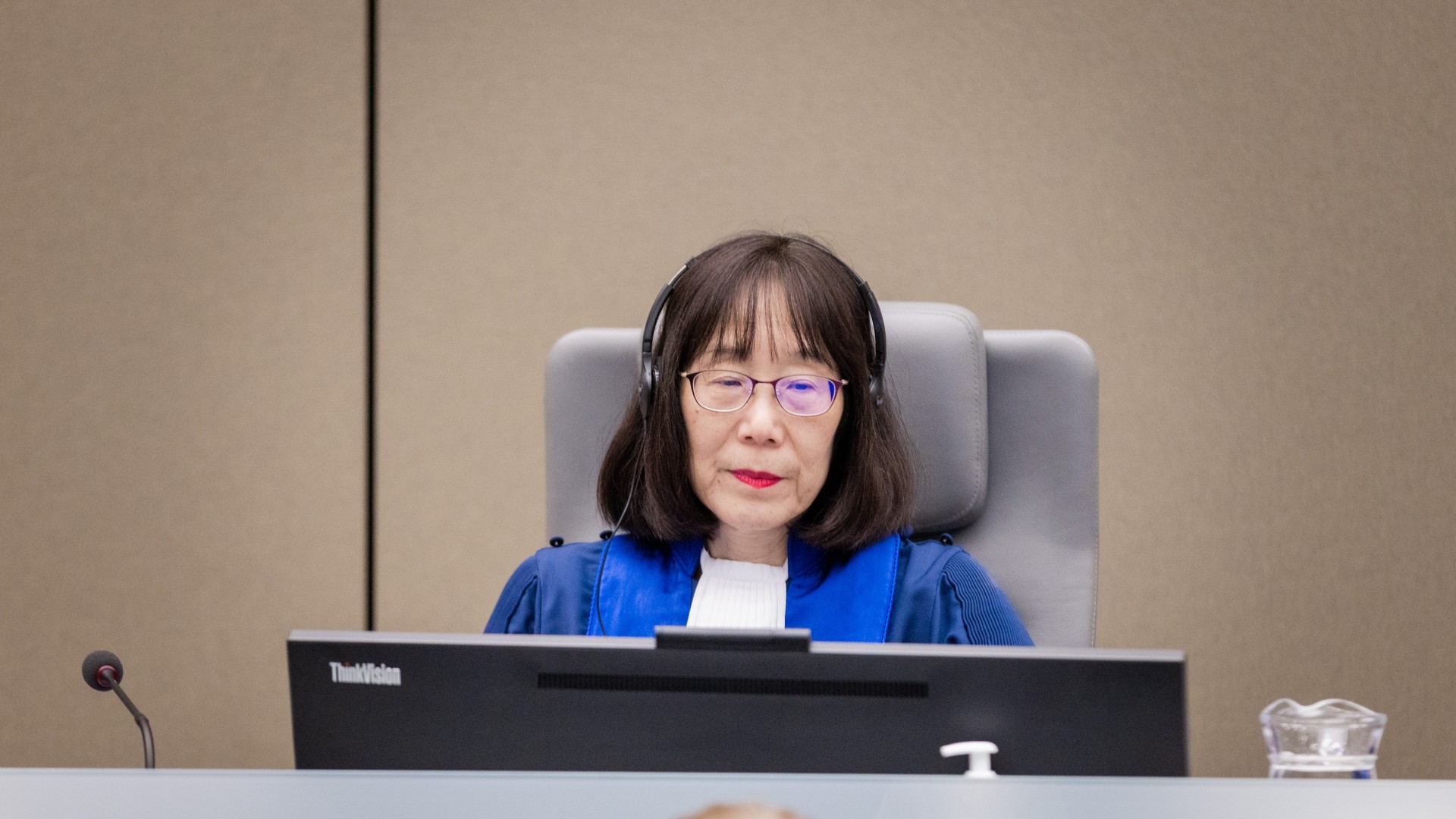
    Weltmann emphasized the moral and legal implications of Eiland’s stance, noting that starvation as a war tactic violates international law and is central to the International Criminal Court’s case against Israeli leaders. He criticized The Democrats for allowing Eiland to speak at a conference ostensibly committed to peace and human rights.

    The Democrats, led by Golan, have been described as part of the ‘Zionist left,’ but their stance on Gaza has shifted during the conflict. Golan has made contradictory statements, at times supporting harsh measures against Gaza while advocating for peace. Weltmann urged Golan to withdraw from the conference if Eiland participates, arguing that supporting both peace and starvation is incompatible.

    Eiland’s inclusion in the conference highlights the ideological divisions within Israel’s left-wing, with some factions willing to adopt right-wing positions to advance their agenda. Weltmann warned that Israel stands at a historic crossroads, with one path leading to continued conflict and the other toward peace and an end to the occupation. He expressed hope that The Democrats would choose the latter.

  • Tommy Robinson thanks Elon Musk for defence funds as he’s cleared of terror charge

    Tommy Robinson thanks Elon Musk for defence funds as he’s cleared of terror charge

    Far-right activist and self-proclaimed journalist Tommy Robinson, legally known as Stephen Yaxley-Lennon, has been acquitted of terrorism charges in the UK, avoiding potential jail time. The verdict follows a high-profile legal battle financially backed by tech mogul Elon Musk. The charges stemmed from an incident earlier this year when Robinson was stopped by police at the Channel Tunnel in Folkestone while en route to Benidorm, Spain. Officers, acting under Schedule 7 of the Terrorism Act, detained him after he provided vague responses to their questions and refused to grant access to his phone, citing confidential journalistic material. During the two-day trial, Robinson’s defense argued that the police action was a baseless ‘fishing expedition,’ with no evidence from MI5 linking him to terrorism. Judge Sam Goozee ruled in Robinson’s favor, expressing concerns that the stop may have been motivated by his controversial beliefs rather than legitimate security concerns. Following the verdict, Robinson publicly thanked Musk on X (formerly Twitter), crediting the billionaire’s financial support for his legal victory. Robinson, who has a history of legal issues and has built a reputation for stoking anti-Islamic sentiments, remains a polarizing figure in the UK.

  • China’s west-to-east gas transmission project marks commissioning of third pipeline

    China’s west-to-east gas transmission project marks commissioning of third pipeline

    China has achieved a significant milestone in its energy infrastructure with the full commissioning of the third pipeline in its west-to-east gas transmission project. The pipeline, which spans approximately 7,378 kilometers, connects Horgos in the Xinjiang Uygur Autonomous Region to Fuzhou in Fujian Province, traversing 10 provinces and regions. With a designed annual transmission capacity of 30 billion cubic meters, the pipeline is set to enhance the country’s energy distribution network. Construction of the pipeline began in October 2012 and was executed in three segments: eastern, central, and western. The eastern section became operational in 2016, followed by the western section in 2024. The central section, which began construction in September 2021, was completed and entered operation on September 26, 2025. The commissioning process involved rigorous testing, including staged pressure increases and continuous monitoring of key parameters such as pipeline pressure, gas flow rate, and temperature. After 35 days of observation, the pipeline was confirmed to be fully operational on November 4, 2025. The project was led by PipeChina Northwest Pipeline Company, a subsidiary of the China Oil and Gas Pipeline Network Corporation (PipeChina). The company implemented round-the-clock remote monitoring and established a real-time coordination mechanism to address operational issues efficiently. Wei Lei, deputy general manager of PipeChina Northwest Pipeline Company, highlighted that the third pipeline, alongside the first and second pipelines, forms a critical east-west energy corridor. It will alleviate operational pressure on existing pipelines, expand transmission capacity to accommodate increased production from western oil and gas fields, and meet the growing natural gas demand in central and eastern China. With the completion of the third pipeline, China now boasts a gas transmission network exceeding 20,000 kilometers, including sections of a fourth pipeline from Xinjiang’s Turpan to Zhongwei.