作者: admin

  • ‘That sucks’: Pittsburgh steals playoff spot after Ravens miss a field goal that would’ve won them the division

    ‘That sucks’: Pittsburgh steals playoff spot after Ravens miss a field goal that would’ve won them the division

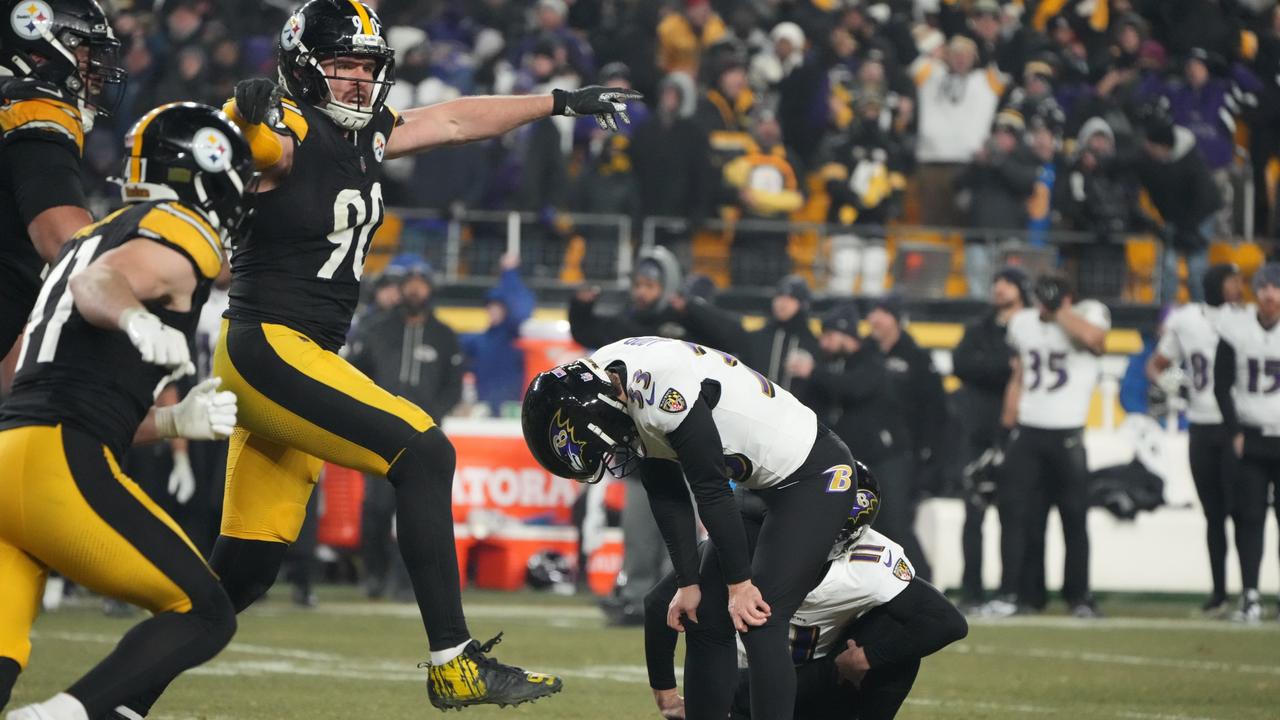
    The National Football League’s regular season concluded with one of the most heart-stopping finales in recent memory, as a missed field goal determined playoff destinies in brutal fashion. Pittsburgh Steelers secured the AFC North division championship and a postseason berth after Baltimore Ravens rookie kicker Tyler Loop failed to convert a 44-yard field goal attempt as time expired.

    The match between these historic rivals delivered unprecedented drama during Monday’s final round (Australian time), with the winner claiming both the division title and home-field advantage for the playoff’s opening week. Pittsburgh ultimately emerged victorious with a 26-24 scoreline, capping their campaign at 10-7 and setting up a home game against the Houston Texans.

    The fourth quarter featured an explosive exchange of four touchdowns between the bitter adversaries. Steelers kicker Chris Boswell—previously perfect throughout the season—missed a critical extra point that would have provided a three-point cushion with merely one minute remaining. Baltimore superstar quarterback Lamar Jackson then engineered a clutch 26-yard completion to Isaiah Likely on fourth down, positioning the Ravens for what appeared to be a game-winning field goal.

    However, Loop’s kick veered wide immediately upon contact, devastating the rookie and handing Pittsburgh their first division crown since 2020. The outcome also extends the career of 42-year-old Steelers quarterback Aaron Rodgers, who acknowledged the emotional rollercoaster during post-game comments: “That sucks, that’s the worst part of this game. I’d rather have the ball in my hand. It’s been pretty emotional. I’m thankful for these guys, and I’m excited to go to the playoffs for the first time in a long while.”

    In related NFC South developments, the Atlanta Falcons dismissed head coach Raheem Morris and general manager Terry Fontenot despite finishing with four consecutive victories. Owner Arthur Blank stated that although both individuals represented organizational values well, the results failed to meet expectations. The Falcons’ final victory over New Orleans ironically enabled Carolina to claim the division title despite losing to Tampa Bay, with all three teams finishing at 8-9 records.

  • That’s some pricey fish: A glimpse into Japan’s New Year’s tuna auction

    That’s some pricey fish: A glimpse into Japan’s New Year’s tuna auction

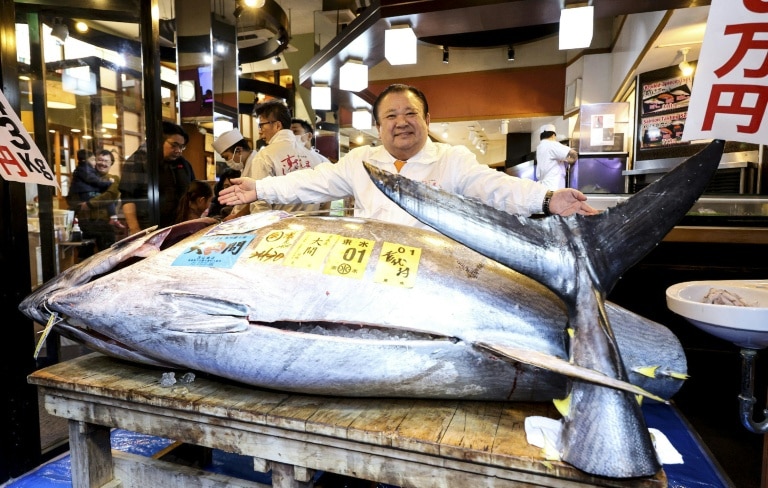
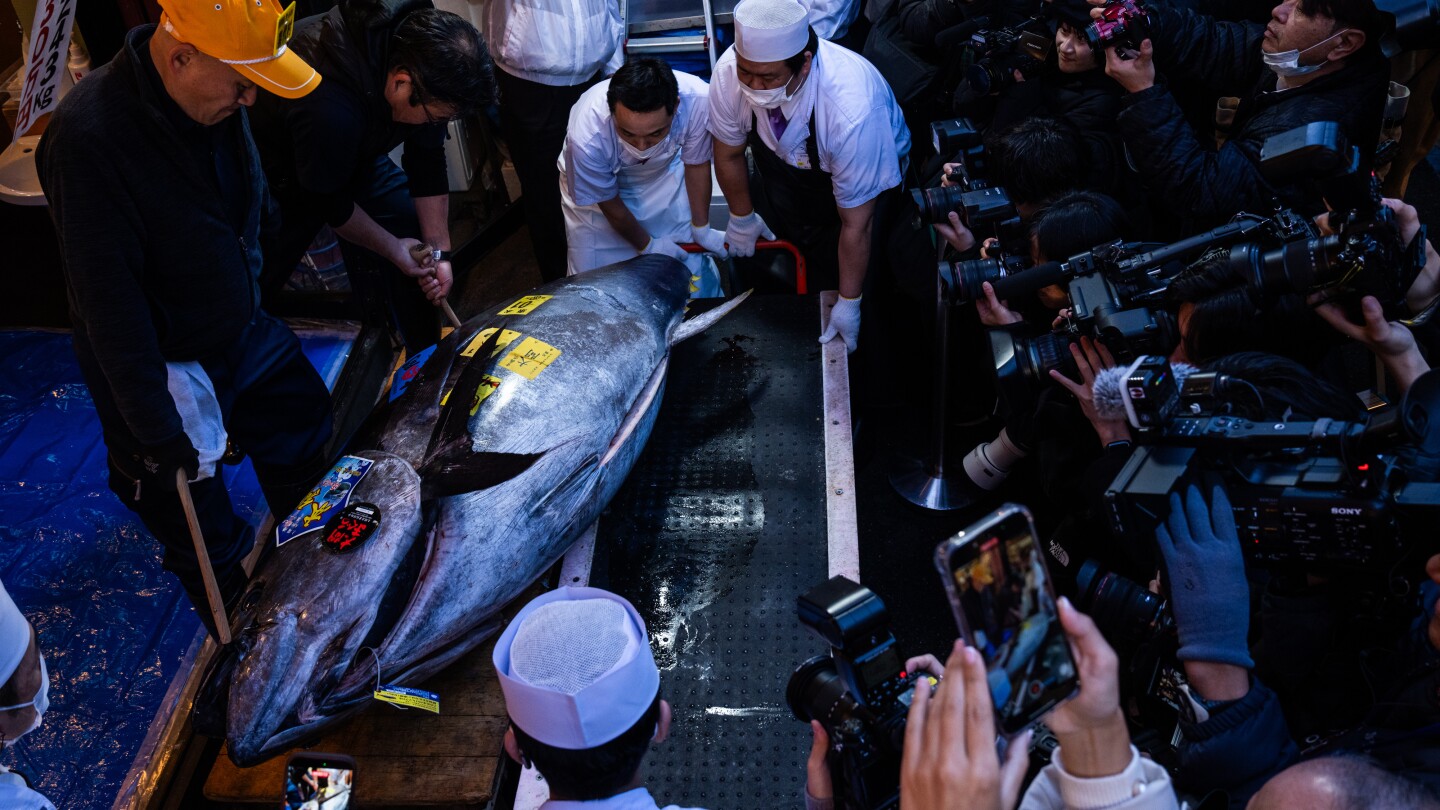
    TOKYO — The predawn hours at Tokyo’s Toyosu fish market witnessed an extraordinary spectacle on Monday as a colossal bluefin tuna weighing 535 pounds (243 kilograms) commanded a historic $3.2 million (510 million yen) at the annual New Year’s auction. This unprecedented transaction shattered previous records, establishing a new pinnacle in the luxury seafood market.

    The prized specimen, harvested from the waters off Oma in northern Japan—a region renowned for producing supreme-quality tuna—was secured by Kiyomura Corp., led by owner Kiyoshi Kimura, who operates the acclaimed Sushi Zanmai restaurant chain. While hundreds of tuna are typically auctioned daily at the market, the celebratory nature of the New Year event and the exceptional quality of Oma tuna drive prices to significantly elevated levels.

    Associated Press photographer Louise Delmotte documented the event, capturing images of bidders navigating through rows of massive tuna during the traditional auction. The acquisition of such a premium catch symbolizes both status and commitment to culinary excellence within Japan’s competitive sushi industry, where premium ingredients command premium prices.

  • Driving instructors teach students to dodge danger on Zimbabwe roads

    Driving instructors teach students to dodge danger on Zimbabwe roads

    HARARE, Zimbabwe — Sixteen years ago, Tafara Muvhevhi’s driving instruction focused on technical precision and exam preparation. Today, the Zimbabwean instructor prioritizes a more fundamental objective: keeping his students alive on some of the world’s most dangerous roads.

    Zimbabwe faces a severe road safety crisis, with crashes occurring every 15 minutes and claiming approximately five lives daily while injuring 38 others, according to national traffic authorities. Road accidents rank among the country’s leading causes of death, with fatality rates among Africa’s worst.

    The transformation from Zimbabwe’s once-orderly road system to its current state of traffic chaos traces back to the 2000s. Economic decline crippled road maintenance, informal public transportation expanded rapidly, and enforcement mechanisms weakened significantly. Despite recent repair initiatives and policing efforts, dangerous driving practices remain deeply embedded in the transportation culture.

    Muvhevhi describes the contemporary challenges: “Other drivers display no patience with learners—they honk aggressively, execute illegal overtakes, and create immense pressure. Our students must adapt to this environment while navigating streets where both motorists and pedestrians routinely disregard regulations.”

    For novice drivers like 19-year-old accounting student Winfrida Chipashu, Harare’s roads present greater intimidation than complex financial calculations. “Accounting follows established concepts,” Chipashu explains. “Driving here feels like navigating a jungle where others don’t follow rules.”

    National statistics reveal that human error causes 94% of accidents in this nation of 15 million. Cellphone distractions among drivers and pedestrians contribute to approximately 10% of fatalities, according to Munesu Munodawafa, head of Zimbabwe’s Traffic Safety Council, who describes these figures as “frightening” and “alarming.”

    This crisis reflects broader continental trends. Africa experiences approximately 300,000 road deaths annually—about one-quarter of global fatalities—despite accounting for only 3% of the world’s vehicle population. The continent’s fatality rate of 26.6 deaths per 100,000 people significantly exceeds the global average of 18.

    The World Health Organization attributes Africa’s rising traffic deaths—which increased 17% between 2010-2021—to inadequate safety laws, insufficient enforcement, reckless driving, and rapid urbanization. Vehicle registrations nearly tripled between 2013-2021, fueled by imported used vehicles and surging motorcycle numbers. Vulnerable road users including pedestrians, cyclists, and motorcycle riders comprise half of all fatalities.

    Zimbabwean authorities are implementing countermeasures including police body cameras, breathalyzers, and proposed licensing reforms featuring penalty points and enhanced training programs. As Police spokesperson Paul Nyathi emphasizes: “Drivers are licensed to practice road safety and safeguard lives—not to become killers.”

    For instructors like Muvhevhi, the pedagogical philosophy has fundamentally shifted: “We no longer teach merely for license acquisition. We teach survival strategies despite other road users’ dangerous behaviors.”

  • North Korea tests hypersonic missiles, says nuclear forces ready for war

    North Korea tests hypersonic missiles, says nuclear forces ready for war

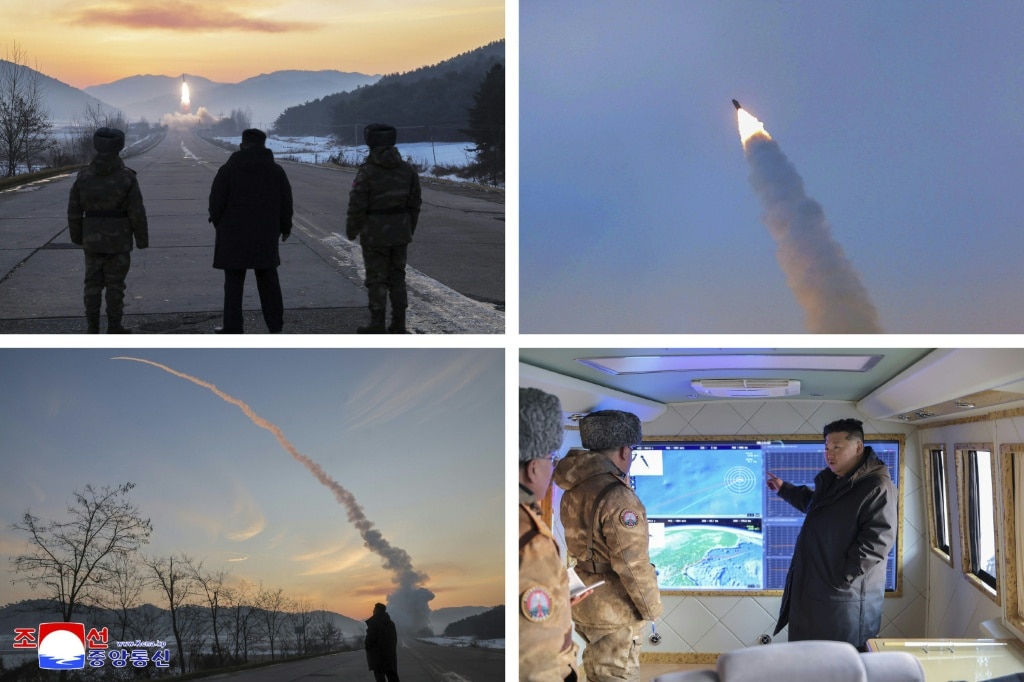
    In a significant escalation of military posturing, North Korean leader Kim Jong Un has personally supervised the test-firing of advanced hypersonic missiles, state media confirmed Monday. The demonstration comes amid growing regional tensions and follows recent U.S. military operations against Venezuela, which Pyongyang has characterized as evidence of American aggression.

    The Korean Central News Agency (KCNA) reported that Kim emphasized the test underscored the ‘readiness of the DPRK’s nuclear forces’ for actual combat scenarios. ‘Important achievements have been made in putting our nuclear forces on a practical basis and preparing them for real warfare,’ Kim stated during the inspection of the launch exercise near Pyongyang.

    Photographs released by state media depicted Kim observing the early morning missile launch while accompanied by senior military officials. The North Korean leader explicitly connected the test’s timing to what he termed ‘recent geopolitical crisis and complicated international events’—an apparent reference to Washington’s capture of Venezuelan President Nicolas Maduro.

    South Korean and Japanese defense authorities detected the launch of two ballistic missiles on Sunday, marking North Korea’s first weapons test of the year. The incident occurred just hours before South Korean leader Lee Jae Myung departed for Beijing, where he hopes to leverage China’s influence over Pyongyang to improve inter-Korean relations.

    Military analysts interpret the hypersonic missile test as both a technological demonstration and political statement. Hong Min, an analyst at the Korea Institute for National Unification, noted that the launch signals Pyongyang’s possession of advanced war deterrent capabilities that other nations targeted by Washington, like Venezuela, lack.

    Hypersonic weapons represent a significant advancement in missile technology, capable of traveling at speeds exceeding Mach 5 while maintaining maneuverability during flight. These characteristics make them substantially more difficult to track and intercept compared to conventional ballistic missiles. North Korea initially tested its hypersonic weapon system in October, joining a small group of nations including Russia and Iran that have deployed such advanced systems in recent conflicts.

  • Cricket Australia boss hits out at ‘archaic’ bad light rules

    Cricket Australia boss hits out at ‘archaic’ bad light rules

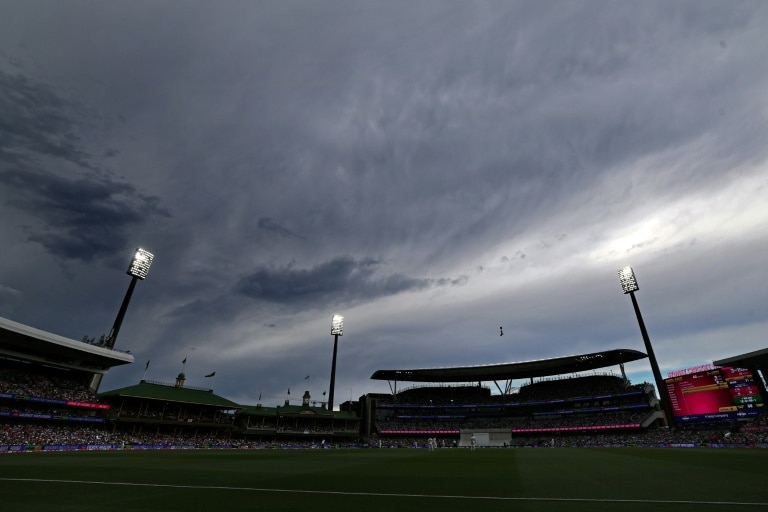
    Cricket Australia Chief Executive Todd Greenberg has launched a vehement critique against what he describes as ‘archaic’ bad light regulations following significant play disruptions during the fifth Ashes Test in Sydney. The controversial incident occurred when nearly a third of the opening day’s play was abandoned due to fading light conditions, gentle precipitation, and lightning safety protocols, despite the presence of approximately 50,000 spectators at Sydney Cricket Ground and millions watching globally.

    The match was suspended just 15 minutes before the scheduled tea break on Sunday, with officials ultimately calling stumps a full hour ahead of schedule at 5:00 PM, resulting in the complete cancellation of the entire third session. Greenberg expressed particular frustration during a SEN radio interview, emphasizing the sport’s need to adapt to modern expectations while utilizing available technology and infrastructure.

    Current International Cricket Council regulations mandate that play cannot resume if umpires determine light conditions to be ‘dangerous or unreasonable,’ with additional restrictions requiring a minimum 30-minute delay following lightning detection in the vicinity. These protocols drew confusion from spectators as play remained suspended despite improving weather conditions.

    While acknowledging he lacks immediate solutions, Greenberg emphasized cricket’s position in the entertainment industry and the necessity for progressive thinking regarding traditional rules. His comments found support from former England captain Michael Vaughan, who simultaneously criticized the divergent approaches between Test cricket and limited-overs formats, noting that T20 matches frequently continue under similar conditions that halt Test matches.

    Both executives called for a fundamental shift in mindset among cricket’s governing bodies and match officials to prioritize fan experience and match continuity through more flexible implementation of weather-related regulations.

  • Watch: Moment over 80,000 teddy bears fly onto ice rink

    Watch: Moment over 80,000 teddy bears fly onto ice rink

    A heartwarming spectacle unfolded during an American Hockey League matchup as a staggering 81,796 plush toys descended upon the playing surface in what organizers described as a ‘benevolent avalanche of generosity.’ The extraordinary event, meticulously planned as part of the league’s annual charitable tradition, transformed the arena into a vibrant sea of stuffed animals in mere moments.

    The teddy bear toss phenomenon, a beloved fixture in minor league hockey, represents one of sports’ most unique charitable traditions. Spectators arrive at games specially prepared, armed with new plush toys that remain in their possession until the home team scores its first goal. This triggering event unleashes a deluge of donated toys from the stands onto the ice surface below.

    Arena staff and team volunteers worked diligently to collect the massive donation, which will be distributed to local children’s hospitals, shelters, and community organizations in time for the holiday season. The event not only set a new franchise record for donations but created an unforgettable visual spectacle that blended athletic competition with community philanthropy in extraordinary fashion.

    This tradition, which has spread across hockey leagues worldwide, demonstrates the sports community’s powerful capacity to mobilize charitable giving through creative audience participation. The 81,796-figure represents more than just a number—it translates to thousands of children receiving comfort and joy during challenging times through the simple gift of a plush companion.

  • ‘Tuna King’ pays record $3.2 mn for bluefin at Tokyo auction

    ‘Tuna King’ pays record $3.2 mn for bluefin at Tokyo auction

    Japanese sushi magnate Kiyoshi Kimura shattered auction records Monday by purchasing a 243-kilogram bluefin tuna for ¥510.3 million ($3.2 million) at Tokyo’s annual New Year fish market auction. The self-proclaimed ‘Tuna King’ acquired the premium specimen caught off Japan’s northern coast for his nationwide sushi restaurant chain, surpassing the previous 2019 record of ¥333.6 million.

    Kimura expressed surprise at the final price, noting ‘the price soared before you knew it’ during the pre-dawn bidding competition. He stated his hope that the auspicious tuna would ‘energize as many people as possible’ through his restaurants’ offerings.

    The extraordinary price marks a strong recovery from pandemic-era auctions when restaurant closures drove prices to fractions of normal levels. Fisheries experts view the record bid as an indicator of both market confidence and ecological progress.

    Dave Gershman of the Pew Charitable Trusts’ international fisheries team emphasized that Pacific bluefin stocks are demonstrating significant improvement after nearing collapse. He credited the 2017 recovery plan’s effectiveness while calling for international stakeholders to establish a long-term sustainable management strategy in 2026. Representatives from Japan, the United States, Korea, and other Pacific fishing nations are expected to collaborate on ensuring the species never again faces historical overfishing levels.

  • Wild photos after plane crashed at airport in Adelaide’s north

    Wild photos after plane crashed at airport in Adelaide’s north

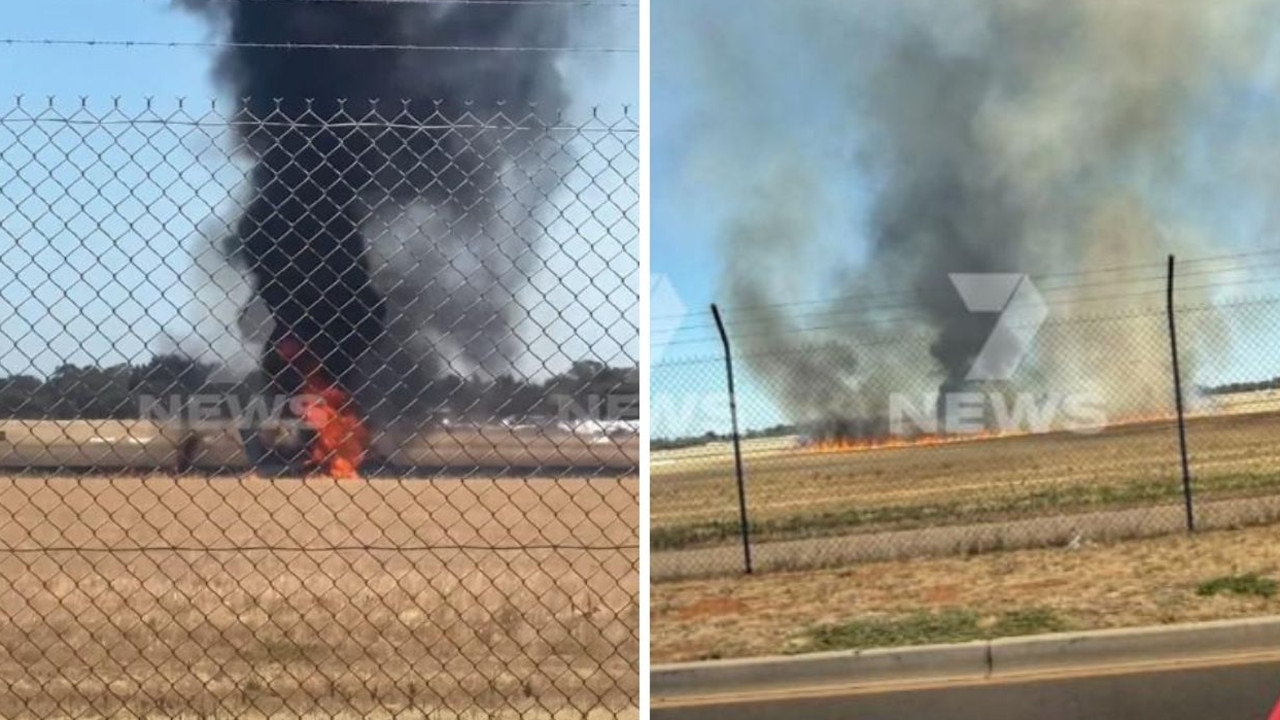
    Emergency services swiftly responded to a significant aviation incident at Parafield Airport in northern Adelaide on Monday afternoon. At approximately 12:30 PM local time, reports emerged of a light aircraft experiencing a problematic landing that resulted in a collision and subsequent fire.

    Dramatic footage captured by local media outlets showed thick black smoke billowing from the accident site as flames engulfed the aircraft wreckage. According to an official statement from South Australia Police, preliminary investigations indicate the aircraft “landed heavily” upon approach, causing the plane to catch fire immediately following impact.

    The resulting blaze extended beyond the aircraft to adjacent grassland areas, though firefighters successfully contained and extinguished all flames. Remarkably, the pilot—who was the sole occupant of the aircraft—emerged completely uninjured from the dramatic incident. Aviation authorities confirmed no other aircraft were involved in the occurrence.

    The Australian Transport Safety Bureau (ATSB), the nation’s primary agency for transportation accident investigation, has been notified of the incident. Officials from the bureau have initiated standard procedures for gathering comprehensive information about the event, though no formal investigation has been announced at this preliminary stage.

  • Gold price rises after US captures Venezuela’s Maduro

    Gold price rises after US captures Venezuela’s Maduro

    Financial markets witnessed a significant flight to safety as investors reacted to heightened geopolitical uncertainty following the US military operation that resulted in the capture of Venezuelan President Nicolás Maduro. Precious metals emerged as the primary beneficiaries, with gold climbing approximately 1.8% to $4,408 per ounce during Asian trading hours, while silver posted even stronger gains of nearly 3.5%.

    The market movement represents a continuation of gold’s remarkable performance throughout 2025, which marked its strongest annual showing since 1979 with gains exceeding 60%. Despite a minor correction in the final days of December, the precious metal had reached an unprecedented peak of $4,549.71 on December 26th, driven by anticipations of monetary easing, substantial central bank acquisitions, and persistent concerns regarding global instability.

    Contrasting with the precious metals rally, crude oil markets displayed relative stability with minimal price fluctuations. Market participants carefully evaluated the potential implications of Washington’s intervention on global energy supplies. President Donald Trump’s declaration that the US would access Venezuela’s extensive oil reserves and temporarily administer the country’s transition failed to immediately translate into significant oil price movements.

    Industry analysts suggest the operational challenges facing Venezuela’s petroleum infrastructure will likely prevent any substantial near-term impact on global energy markets. According to OCBC Bank investment strategist Vasu Menon, Venezuela’s crude production has been consistently underwhelming for years, currently representing merely 1% of worldwide output, with decades of underinvestment severely degrading extraction capabilities.

    Meanwhile, equity markets across the Asia-Pacific region generally advanced, seemingly unaffected by the Venezuelan developments. Japan’s Nikkei 225 index surged 2.6% on its first trading session of the year, bolstered by newly released data indicating stabilized manufacturing activity in December. Major benchmarks in South Korea, Hong Kong, and mainland China similarly trended upward, reflecting market confidence that the Venezuelan situation would remain geographically contained.

    Market analysts attributed the equity gains to continued optimism regarding artificial intelligence technologies and their flow-on effects from Wall Street’s performance, rather than any perceived economic implications from the Caribbean nation’s political upheaval.

  • ACCC should be empowered to shut down supermarkets over breaches of pricing laws, David Littleproud says

    ACCC should be empowered to shut down supermarkets over breaches of pricing laws, David Littleproud says

    In a significant escalation of Australia’s supermarket pricing reform debate, Nationals Leader David Littleproud has called for substantially stronger enforcement mechanisms against major retailers. The political figure advocates empowering the Australian Competition and Consumer Commission (ACCC) with authority to impose multimillion-dollar infringement notices and ultimately force divestiture for repeated violations of unfair pricing regulations.

    Mr. Littleproud characterized the current penalty structure—featuring infringement notices up to $198,000—as insufficient deterrents that retailers simply treat as “cost of doing business.” He proposed elevating infringement penalties to $2 million alongside implementing divestiture powers to fundamentally transform supermarket culture regarding farmer and consumer protections.

    The criticism comes despite Treasurer Jim Chalmers’ December announcement establishing new legal provisions set to take effect July 1, 2026. These regulations will prohibit excessive pricing relative to supply costs plus reasonable margins, targeting very large retailers including Coles and Woolworths with potential fines reaching $10 million for serious violations.

    Mr. Littleproud simultaneously accused the Labor government of delaying implementation of two specific ACCC recommendations from March 2025’s supermarket sector inquiry. These include requirements for dynamic pricing transparency and a ‘shrinkflation’ registry—measures designed to enhance consumer information and regulatory oversight capabilities.

    The political confrontation occurs against Australia’s ongoing cost-of-living crisis, with Mr. Littleproud emphasizing that “tonight, there’ll be Australians that can’t afford to put dinner on the table.” The government maintains its regulatory approach fulfills election commitments and addresses affordability pressures, with Mr. Chalmers previously stating the reforms ensure “families and pensioners get a fairer go at the checkout.”