Online retail giants Shein, Temu, AliExpress, and Wish are under investigation in France for allegedly enabling minors to access pornographic content on their platforms, the Paris prosecutor announced on Tuesday. The probe follows a report by the country’s consumer watchdog, which raised concerns over the sale of childlike sex dolls on Shein’s platform. The watchdog referred the matter to the prosecution service on Sunday. The Paris prosecutor’s office confirmed that the platforms are being scrutinized for hosting violent, pornographic, or ‘undignified messages’ accessible to minors. AliExpress responded by stating it takes the issue seriously and has removed the offending listings, while Shein announced a global ban on the sale of all sex dolls and stricter platform controls. The French consumer watchdog highlighted that the descriptions and categorizations of the sex dolls left ‘little doubt as to the child pornography nature’ of the products. The investigation coincides with Shein’s launch of its first permanent physical outlet in Paris on Wednesday, amidst protests. The company, founded in China, also plans to expand its presence in other French cities, including Dijon, Reims, and Angers.
作者: admin
-

Australia announces 15-member squad for first Ashes Test in Perth
Australia has unveiled its 15-member squad for the opening Ashes Test against England in Perth, with Steve Smith stepping in as captain following Pat Cummins’ injury. Travis Head has been appointed as vice-captain. The squad, announced by chairman of selectors George Bailey, aims for a balanced composition, with 14 players participating in the upcoming Sheffield Shield matches to fine-tune their form. Three newcomers—batsman Jake Weatherald and bowlers Brendan Doggett and Sean Abbott—are set to make their Test debuts, with Weatherald vying for an opening spot alongside Marnus Labuschagne and Usman Khawaja. All-rounders Cameron Green and Beau Webster, along with wicketkeeper Alex Carey and reserve Josh Inglis, complete the lineup. The bowling attack features Josh Hazlewood, Nathan Lyon, Mitchell Starc, and Scott Boland. Bailey expressed optimism about Cummins’ potential return later in the series. Weatherald’s consistent performance over the past 18 months earned him a spot, with Bailey praising his complementary style. The final XI remains undecided, with Bailey emphasizing that the selection will be finalized closer to the match. Sam Konstas, who opened in the West Indies series, was omitted due to lackluster domestic form. The first Test will be held at Optus Stadium in Perth from November 21 to 25, followed by matches in Brisbane, Adelaide, Melbourne, and Sydney. England, led by Ben Stokes, announced their 16-man squad in September, featuring Ben Duckett and Zak Crawley as openers.
-

Vietnam rethinks its flood strategy as climate change drives storms and devastation
Vietnam is undergoing a transformative approach to managing floods as relentless storms and record rainfall wreak havoc across the country. With climate change intensifying, the government has committed over $6 billion under a national master plan through 2030 to build early-warning systems, relocate vulnerable communities, and redesign urban areas to better handle extreme weather. Central to this strategy is the concept of ‘sponge cities,’ which absorb and release water naturally, reducing flood risks. Cities like Vinh are already implementing these ideas, expanding drainage networks, creating flood basins, and transforming riverbanks into green spaces. However, the urgency of this work has been underscored by a series of devastating storms in 2025, including Ragasa, Bualoi, and Matmo, which caused widespread destruction and economic losses. Scientists warn that warmer seas are fueling more intense and prolonged storms, disproportionately affecting Vietnam’s poorest communities. The economic toll has been severe, with extreme weather costing the country $1.4 billion in 2025 alone. Vietnam estimates it will need $55 billion to $92 billion this decade to manage climate impacts. Major cities like Hanoi and Ho Chi Minh City, home to nearly 18 million people, are particularly vulnerable due to rapid urbanization that has replaced natural flood buffers with concrete. Flooding in Hanoi in October 2025 lasted nearly a week, overwhelming the city’s outdated infrastructure. Experts emphasize that traditional flood control methods are insufficient and advocate for nature-based solutions, such as restoring wetlands and green spaces. Globally, cities like Bengaluru and Johannesburg are adopting similar strategies, and Vietnam’s real estate developers are beginning to follow suit. For instance, the Sun Group is building a ‘sponge city’ in Nha Trang, featuring 60 hectares of wetlands designed to store and reuse rainwater. As climate risks escalate, Vietnam’s efforts to adapt offer valuable lessons for other nations grappling with similar challenges.
-

EO Charging completes £25 million recapitalisation to accelerate next phase of growth
EO Charging, a prominent player in fleet electrification solutions, has successfully completed a £25 million recapitalisation, marking a significant milestone in its growth trajectory. The funding round, led by existing investors Zouk Capital and Vortex Energy, combines an expanded debt facility with HSBC and a fresh equity injection. This strategic move underscores the unwavering confidence of its investors and provides a robust foundation for the company’s next phase of expansion.
The recapitalisation follows a series of strategic decisions, including EO Charging’s planned exit from the US market and the sale of its domestic EV charger hardware and manufacturing business to Cogent Technologies, a subsidiary of the Heathpatch Group. These measures aim to streamline operations, enhance efficiency, and transition towards a scalable platform-led business model.
With a renewed focus on software, services, and infrastructure-as-a-service (IaaS) for commercial fleets and heavy goods vehicles, EO Charging is poised to deliver scalable and dependable fleet-charging solutions across the UK and Europe. The investment will accelerate the deployment of its commercial-grade charging infrastructure and its flagship software offering, Charge Assurance™, which provides fleet operators with comprehensive visibility, management, and energy optimisation tools.
Richard Staveley, CEO of EO Charging, emphasised the significance of the investment, stating, ‘This funding reflects our shareholders’ confidence in our evolved strategy and long-term vision. We are committed to delivering reliable, commercial-grade charging infrastructure and intelligent software that empowers fleets to electrify and perform at scale.’
Massimo Resta, Partner and Head of Infrastructure at Zouk Capital, echoed this sentiment, highlighting EO’s alignment with the growing demand for scalable, software-enabled infrastructure solutions in the fleet electrification market. Bakr Abdel-Wahab, Chief Investment Officer at Vortex Energy, added that the transition to electric mobility is becoming foundational, and EO’s software- and service-first model positions it for sustained growth.
EO Charging continues to serve major global fleet operators, including Amazon, DHL, UPS, Tesco, and FedEx, leveraging over a decade of expertise in EV charging infrastructure and management solutions.
-

Dollar extends gains on rate cut doubts and safety play; pound slips
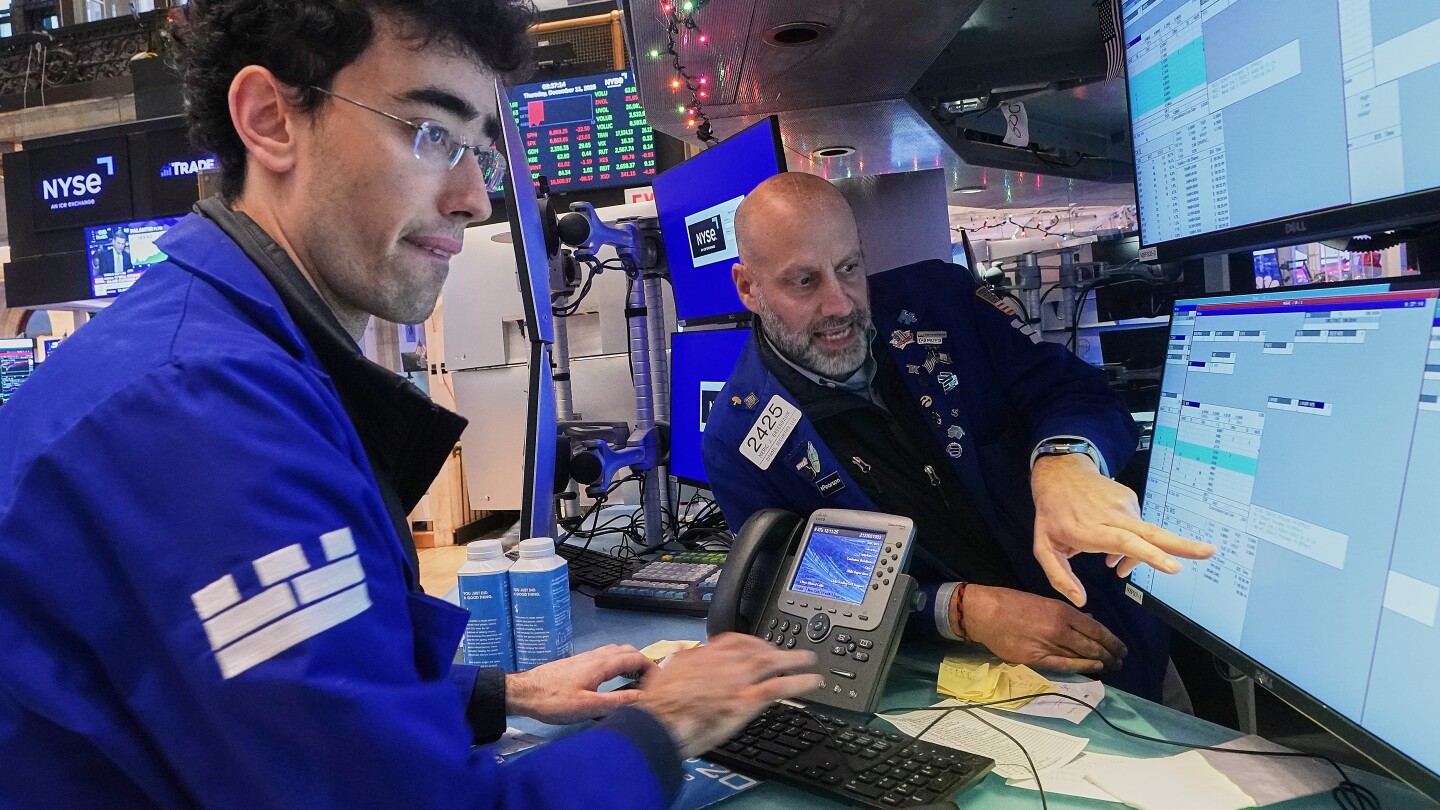
The U.S. dollar surged to a four-month high against the euro on Tuesday, driven by growing doubts about another Federal Reserve rate cut this year and heightened demand for safe-haven assets amid a risk-off market sentiment. The euro declined for the fifth consecutive session, falling 0.3% to $1.148, its lowest level since August 1. Meanwhile, the British pound tumbled after UK Finance Minister Rachel Reeves highlighted the challenging economic conditions ahead of her upcoming budget, emphasizing high debt, low productivity, and persistent inflation. Market sentiment remained subdued, with stocks declining and government bonds attracting investors. Safe-haven currencies like the Japanese yen and Swiss franc held steady. The dollar index, which measures the U.S. currency against a basket of six others, surpassed 100 for the first time since early August, reaching 100.17. Traders now estimate a 65% chance of a December rate cut, down from 94% a week earlier, according to CME FedWatch. The Australian dollar fell 0.7% to $0.6496 after the Reserve Bank of Australia maintained its cash rate at 3.60%, signaling caution about further easing. Cryptocurrency Bitcoin dropped 2% to $107,486, its weakest since June. The yen, nearing levels that prompted Japanese intervention in 2022 and 2024, remained under pressure, with Finance Minister Satsuki Katayama reiterating the government’s vigilance over currency movements. Analysts noted that U.S. President Donald Trump’s recent criticism of countries allowing their currencies to weaken could influence Japan’s approach.
-

Mamdani seals remarkable victory – but real challenges await
Zohran Mamdani, the newly elected mayor of New York City, has made history on multiple fronts. At just 30 years old, he becomes the city’s youngest mayor since 1892, its first Muslim mayor, and the first to be born in Africa. His victory over former Governor Andrew Cuomo and Republican nominee Curtis Silwa marks a significant shift in the political landscape of America’s largest city. Mamdani’s rise to power is emblematic of the Democratic Party’s progressive wing, which has long sought a leader who embodies their values of diversity, social justice, and economic reform. His platform, which includes free childcare, expanded public transportation, and government intervention in free market systems, resonates deeply with working-class voters who have felt alienated by the party in recent years. However, his self-avowed socialist stance has drawn criticism from conservatives, who view him as a threat to traditional American values. Despite these challenges, Mamdani’s victory has generated widespread media attention, with many on the left hoping his administration will serve as a national model for effective liberal governance. As he prepares to take office in January, Mamdani faces the daunting task of navigating the complexities of New York City’s political and economic landscape while living up to the high expectations of his supporters. His success or failure will be closely watched, not just by New Yorkers, but by the entire nation.
-

Zohran Mamdani projected to win New York City mayoral election
In a groundbreaking political upset, Zohran Mamdani, a 34-year-old democratic socialist, has been declared the winner of New York City’s mayoral race. Born in Uganda, Mamdani defeated former New York Governor Andrew Cuomo, who ran as an independent, to become the youngest mayor of the city in over a century. His victory marks a significant shift in the political landscape, as he is also the first South Asian and Muslim to hold the position. Mamdani’s campaign, which focused on affordability and social equity, resonated strongly with young voters, propelling him from relative obscurity to a commanding lead in the polls. He pledged to expand social programs funded by new taxes on high earners and corporations, a platform that drew both national attention and criticism. His win has sparked debates within the Democratic Party, with centrist Democrats securing victories in Virginia and New Jersey, while Mamdani’s rise has been labeled by Republicans as a move towards socialism. Despite facing opposition from business leaders and some party members, including Senate Minority Leader Chuck Schumer, Mamdani’s victory underscores a growing appetite for progressive policies. However, questions remain about how he will finance his ambitious agenda and navigate a potentially hostile Trump administration, which has threatened to withhold federal funding from the city.
-

Innovation for living, working and thriving: The era of people-centred smart cities
As urban populations surge globally, the concept of smart cities has emerged as a critical solution to enhance livability, safety, and sustainability. With Africa’s urban population projected to double to 1.4 billion by 2050 and the Gulf Cooperation Council (GCC) region expecting a 30% increase by 2030, the need for innovative urban planning has never been more urgent. Governments and city planners are turning to technology to create people-centered smart cities that prioritize the well-being of residents while addressing operational challenges. Egypt’s national Smart Cities Strategy and the Middle East and North Africa (MENA) region’s leadership in sustainable urban development exemplify this trend. These initiatives leverage IoT, smart solutions, and data-driven decision-making to improve public safety, mobility, and environmental monitoring. For instance, network cameras and sensors enhance situational awareness, reduce traffic congestion, and monitor air quality. However, the integration of technology raises concerns about privacy and ethical data usage. Smart city solutions must balance security with privacy, employing features like dynamic privacy masks, encryption, and access controls. The future of smart cities lies in collaboration with trusted vendors and integrators, ensuring the development of reliable, long-term solutions. By fostering innovation while safeguarding fundamental rights, smart cities aim to create safe, secure, and sustainable urban environments for future generations.
-

The Chinese advantage: Redefining the global mobility spectrum
Over the past decade, China has transitioned from being labeled ‘the world’s factory’ to becoming a global leader in innovation, particularly in the mobility sector. Chinese automakers are now not only competing with established Western and Japanese brands but are also redefining global expectations across all segments, from mass-market to luxury vehicles. This transformation is driven by a strategic blend of industrial policy, technological investment, and a profound understanding of consumer behavior. What sets China apart is not just its massive production scale but its comprehensive automotive vision, which consistently delivers quality, performance, and innovation. At the mass-market level, Chinese brands have successfully integrated premium features with cutting-edge technology. Touchscreen displays, over-the-air updates, and connected mobility services have become standard, redefining the concept of value in the electric mobility era. Consumers now prioritize efficiency, connectivity, and sustainability, and Chinese OEMs have made electric mobility accessible to a broad audience while maintaining profitability. In the premium segment, Chinese automakers have shifted from imitation to original innovation. Leveraging strengths in artificial intelligence, data analytics, and software integration, they are enhancing the user experience with advanced digital ecosystems, personalized interfaces, and AI-driven features. Premium vehicles are now defined more by intelligence and connectivity than by traditional luxury. Chinese manufacturers are aligning with this trend, offering products that combine digital sophistication with refined design, setting new industry benchmarks. At the luxury level, China’s automotive vision is characterized by sustainability and design excellence. High-end electric vehicles showcase an elevated aesthetic that blends advanced materials, elegant minimalism, and powerful performance. These vehicles aim to embody a forward-thinking philosophy, appealing to discerning consumers who value environmental awareness and innovation. Chinese manufacturers are producing vehicles that combine high performance with zero-emission technology, offering premium interiors with intelligent systems and silent power. One of China’s greatest advantages lies in its integrated industrial ecosystem. Automakers, battery manufacturers, software developers, and smart factories operate within a collaborative framework that accelerates research, reduces costs, and enables rapid deployment of new technologies and products. The domestic market, with millions of connected vehicles, serves as a large-scale testing ground that generates valuable data and insights. This feedback loop allows Chinese automakers to refine products continuously, respond quickly to market trends, and deliver solutions that meet evolving global standards. The Chinese automotive industry is no longer following global trends; it’s setting them. From advanced battery technologies and faster charging systems to intelligent operating platforms and sustainable production, China is defining the next era of mobility. The global automotive landscape is undergoing a shift in influence, with innovation increasingly originating from China. By uniting innovation across all market tiers, the Chinese automotive industry is not just adapting to the future of mobility but actively shaping it. As global consumers and businesses re-evaluate what drives the industry forward, it is evident that the momentum of change and opportunity increasingly originates from China, spanning every level of the mobility spectrum.
-

Democrat Mikie Sherrill projected to win New Jersey governor race
In a pivotal victory for the Democratic Party, Mikie Sherrill, a U.S. Representative from New Jersey, has secured the governorship in the Garden State. This race, closely watched as a barometer for the 2026 midterm elections, saw Sherrill narrowly defeat Republican contender Jack Ciattarelli, a former state legislator endorsed by ex-President Donald Trump. Sherrill’s win follows a similarly significant Democratic triumph in Virginia, where Abigail Spanberger claimed the governorship. The New Jersey race was marked by intense focus on economic issues, with Ciattarelli advocating for tax reductions and Sherrill proposing tax incentives for housing developments and a freeze on utility rate increases. The election also faced disruptions, including bomb threats at polling stations, which Sherrill condemned as attempts to undermine democracy. This victory underscores the Democratic Party’s strategic positioning ahead of the next midterm elections, aiming to consolidate their influence in Congress.