作者: admin

  • Embraer, Adani join forces to build regional aircraft ecosystem in India

    Embraer, Adani join forces to build regional aircraft ecosystem in India

    In a landmark development for India’s aerospace sector, Brazilian aviation giant Embraer and Adani Defence & Aerospace have entered a strategic partnership through a Memorandum of Understanding to create a comprehensive regional transport aircraft ecosystem. This collaboration represents a significant advancement in India’s aviation manufacturing capabilities, targeting the establishment of a final assembly line supported by systematic indigenization plans and cooperative efforts in manufacturing, supply chain enhancement, maintenance operations, and pilot training initiatives.

    This alliance emerges during a period of exceptional growth in India’s aviation market, where domestic and international passenger traffic witnessed substantial increases of 13% and 22% respectively during FY2024. This expansion has triggered massive fleet augmentation projects, including record-breaking aircraft acquisitions by Air India and IndiGo that could potentially double the nation’s commercial fleet within the next decade. Concurrently, the Indian government has committed over $11 billion toward airport infrastructure development nationwide.

    The partnership addresses India’s historical dependency on aircraft imports despite its position as one of the world’s fastest-growing aviation markets. This initiative runs parallel to the government-supported Regional Transport Aircraft project led by National Aerospace Laboratories and Hindustan Aeronautics Limited, which has received budgetary support exceeding Rs125 billion through a newly created Special Purpose Vehicle.

    Embraer Commercial Aviation CEO Arjan Meijer identified India as a ‘pivotal market,’ emphasizing that the collaboration merges Embraer’s aerospace engineering expertise with Adani’s extensive capabilities across the aviation value chain. Jeet Adani, Director of Adani Defence & Aerospace, highlighted the critical importance of regional connectivity for India’s economic development, particularly as Tier-II and Tier-III cities drive air traffic growth under the UDAN regional connectivity scheme.

    Industry analysts recognize this partnership as a crucial milestone toward establishing commercial aircraft assembly capabilities within India—a long-standing objective for the nation. The agreement aligns with governmental strategies focusing on technology transfer, supply chain reinforcement, and positioning India as a global hub for regional aircraft production. Civil Aviation Secretary Samir Kumar Sinha has reiterated India’s ambition to not only assemble aircraft but also develop domestic competencies through skill development, certification programs, and progressive localization.

    With approximately 50 Embraer aircraft already operational across commercial, defense, and business aviation sectors in India—including the Indian Air Force’s Netra AEW&C system and Star Air’s E175 and ERJ145 fleet—the partnership is anticipated to generate substantial employment opportunities in engineering, manufacturing, logistics, and service sectors. This collaboration strengthens India’s transition from being primarily an aviation market toward becoming a significant aerospace manufacturing power, driven by increasing demand, industrial synergy, and strategic self-reliance objectives.

  • ‘Every second counts’ – Doomsday Clock moves closer to midnight

    ‘Every second counts’ – Doomsday Clock moves closer to midnight

    In a grave announcement that underscores escalating global tensions, the symbolic Doomsday Clock has been advanced to a mere 85 seconds until midnight—marking humanity’s closest brush with existential catastrophe since the clock’s inception eighty years ago. This critical adjustment by the Bulletin of the Atomic Scientists represents a substantial deterioration in global stability, primarily fueled by heightened nuclear threats arising from the conflict in Ukraine, persistent climate change crises, and the unchecked proliferation of disruptive technologies.

    The Doomsday Clock, conceived in 1947, serves as a powerful metaphor visualizing humankind’s vulnerability to self-inflicted disasters, with midnight symbolizing total apocalyptic collapse. This year’s setting surpasses the previous record of 100 seconds to midnight, which held steady from 2020 through 2022, indicating a sharp downturn in international security conditions. The Science and Security Board of the Bulletin emphasized that this movement toward midnight reflects their assessment that ‘we are living in a time of unprecedented danger.’

    Multiple converging factors contributed to this ominous forecast, including increased nuclear weapons modernization programs, insufficient climate action despite escalating extreme weather events, and growing biological research risks. The ongoing war in Ukraine has particularly exacerbated nuclear tensions, creating the most dangerous nuclear security environment in decades. Additionally, cyber-enabled disinformation campaigns and artificial intelligence technologies pose new threats to democratic institutions and global stability.

    The clock’s keepers noted that while the situation remains dire, the clock’s purpose is to spur action rather than predict inevitable doom. They emphasized that human agency can reverse this trend through renewed diplomacy, climate cooperation, and responsible technology governance. Historical precedents exist—the clock retreated significantly after the Cold War ended, demonstrating that positive change remains possible when world leaders prioritize collective security.

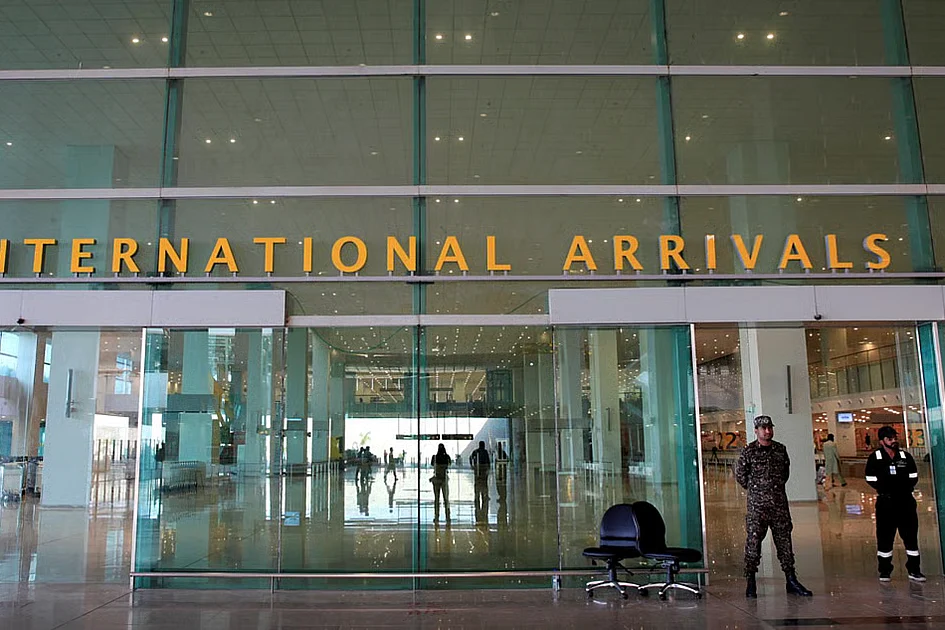
  • Pakistan denies reports of cancelled Islamabad International Airport deal with UAE

    Pakistan denies reports of cancelled Islamabad International Airport deal with UAE

    Pakistan’s Privatisation Commission has issued a formal rebuttal to circulating rumors suggesting the cancellation of a proposed airport management agreement with the United Arab Emirates. Contrary to speculative reports, the Commission clarified that no formal lease agreement had ever been executed between Pakistan and the UAE regarding Islamabad International Airport’s operations.

    The government has been evaluating multiple strategic options for outsourcing operations at three key aviation facilities: Islamabad International Airport (IIAP), Karachi’s Jinnah International Airport, and Lahore’s Allama Iqbal International Airport. Initially, authorities had approved in August the potential transfer of Islamabad Airport’s management to UAE entities through a government-to-government framework arrangement.

    This proposed arrangement contemplated comprehensive management contracts and extended commercial concessions aimed at modernizing airport infrastructure. However, in a significant policy shift last November, Pakistani officials transitioned from exclusive government-to-government negotiations to an open competitive bidding process for all three airports.

    The decision emerged following substantial investor interest from multiple international parties beyond the UAE, including entities from Turkey and Saudi Arabia. This competitive approach ensures equal participation opportunities for both domestic and foreign investors while prioritizing transparency and optimal economic outcomes for Pakistan.

    Authorities emphasized that this procedural modification stems exclusively from economic considerations rather than diplomatic or political factors. The competitive tender process aims to enhance operational efficiency, upgrade service quality, maximize revenue generation, and attract substantial private investment into Pakistan’s aviation infrastructure.

    Islamabad International Airport, inaugurated in 2018, has encountered various operational and financial challenges that the outsourcing initiative seeks to address. Involving globally experienced airport operators promises to significantly improve performance standards at Pakistan’s premier aviation facilities.

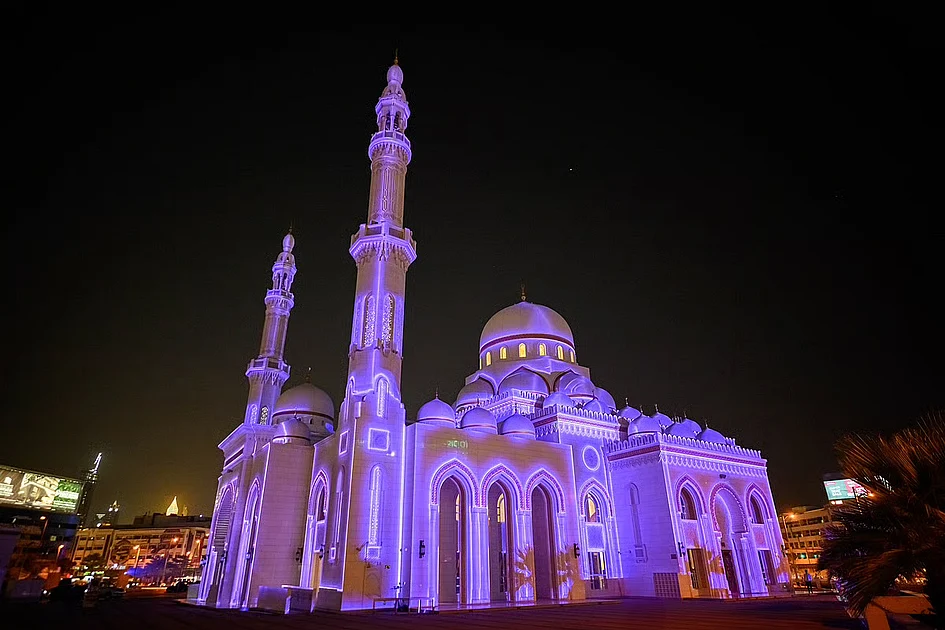
  • Dubai opens 29 new mosques in 2025 with capacity for up to 24,000 worshippers

    Dubai opens 29 new mosques in 2025 with capacity for up to 24,000 worshippers

    Dubai has significantly enhanced its religious infrastructure through the inauguration of 29 new mosques in 2025, representing a major development in community facilities. The Islamic Affairs and Charitable Activities Department oversaw this Dh250 million project, creating capacity for approximately 24,000 worshippers across 28 different areas of the emirate.

    This expansion forms part of a comprehensive strategy to accommodate Dubai’s growing population and their religious needs. Beyond the completed structures, the department has allocated 56 land plots across 37 areas for future mosque construction. Simultaneously, 53 additional mosques are currently under development with an investment of Dh480 million, projected to accommodate 32,000 worshippers upon completion across 36 locations.

    The infrastructure expansion has prompted innovative solutions to manage increased foot traffic. Recognizing parking challenges during peak prayer times, particularly on Fridays, Dubai has implemented a reserved parking system for imams and muezzins to ensure uninterrupted access for religious leaders.

    In August 2025, Dubai introduced a sophisticated parking management system featuring new M and MP parking signs at mosque facilities. This initiative, part of Parkin’s managed parking system, affects over 2,100 parking spaces across 59 mosques. While implementing paid parking, the system maintains free access during prayer times, balancing revenue generation with religious accommodation.

    This dual approach of physical infrastructure expansion and smart management solutions demonstrates Dubai’s commitment to both religious accessibility and urban planning efficiency, addressing the needs of worshippers while maintaining orderly urban development.

  • Israeli diplomat pledges to investigate case of Italian officers held at gunpoint in West Bank

    Israeli diplomat pledges to investigate case of Italian officers held at gunpoint in West Bank

    A diplomatic confrontation has emerged between Italy and Israel following the detention of two Italian security officers by an Israeli soldier in the occupied West Bank. The incident occurred Sunday near Ramallah when the Carabinieri officers—Italy’s specialized police force that occasionally participates in international peacekeeping missions—were stopped at gunpoint while conducting official duties in Palestinian territories.

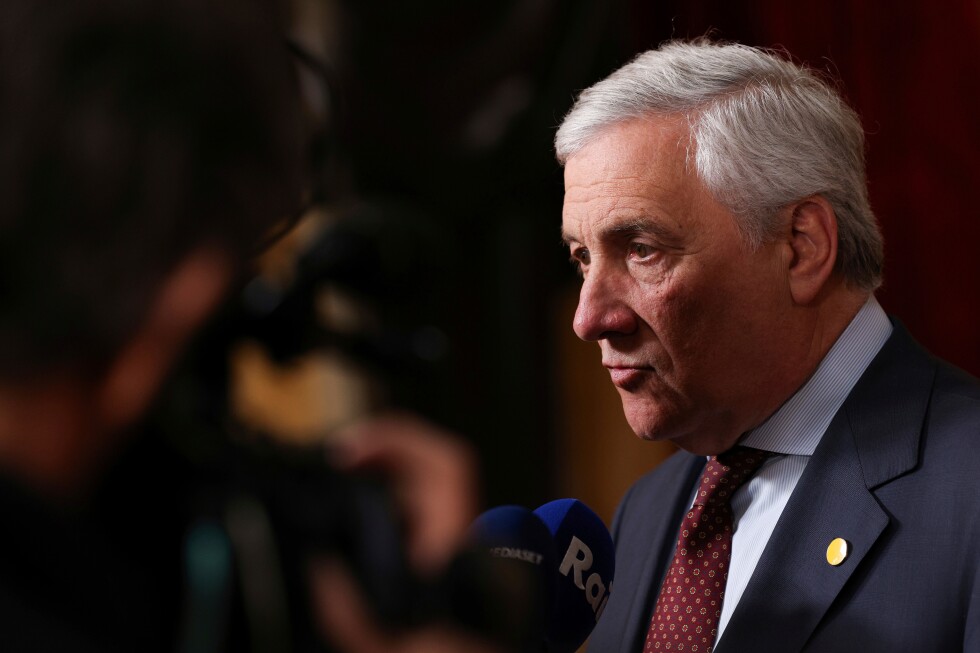
    Israeli Ambassador to Italy Jonathan Peled expressed regret over the encounter during a Monday meeting with Italian Foreign Minister Antonio Tajani, who summoned the diplomat to convey Rome’s ‘strong disappointment and formal protest.’ Peled committed to conducting appropriate investigations into the matter.

    The Israeli military provided a contrasting account, stating that the soldier acted according to established protocol for suspicious vehicles. Military officials noted the officers’ vehicle lacked diplomatic markings and was traveling on a road prohibited to civilian traffic. While acknowledging the soldier had raised his weapon, the military emphasized the officers were released immediately after identification.

    Italian media reports contradict this narrative, alleging the officers were forced to kneel for questioning despite traveling in an armored vehicle with diplomatic plates and carrying official passports. The incident has amplified Italy’s existing concerns regarding settler violence in the West Bank, which Rome had previously condemned.

    The broader context underscores ongoing tensions in the region, where approximately 500,000 Israeli settlers reside in territories captured during the 1967 Middle East war. Most international authorities consider these settlements illegal and obstructive to peace efforts, with Palestinians seeking the West Bank, East Jerusalem, and Gaza Strip for a future state.

  • Families sue US over deadly boat strike off Venezuela coast

    Families sue US over deadly boat strike off Venezuela coast

    Relatives of two Trinidadian nationals killed in a U.S. military operation have initiated legal proceedings against the American government, alleging unlawful execution during a counter-narcotics mission. The lawsuit was formally lodged in Boston’s federal court by legal representatives acting on behalf of the families of Chad Joseph and Rishi Samaroo, who perished alongside four others when their vessel was struck off the Venezuelan coastline on October 14.

    Legal counsel for the plaintiffs characterized the incident as ‘lawless killings in cold blood; killings for sport and killings for theatre,’ challenging the official narrative of a justified narcotics interception. The operation forms part of an expanded maritime campaign under the Trump administration, which has conducted at least 36 vessel engagements across the Caribbean and Eastern Pacific since September, resulting in over 120 fatalities. Officials have defended these actions as targeting ‘narco-terrorists’ responsible for trafficking lethal substances into the United States.

    The legal submission invokes the Death on the High Seas Act, a statute permitting foreign nationals to seek redress in U.S. courts for maritime wrongful deaths allegedly violating international law. Claimants include Joseph’s mother, Sallycar Korasingh, and Samaroo’s sister, who maintain both men were agricultural and fishing laborers returning to Trinidad and Tobago when their boat was destroyed. Korasingh asserted that had authorities suspected criminal activity, proper protocol would entail ‘arrest, charge, and detention—not execution.’

    Central to the lawsuit is the argument that the deceased were not engaged in military hostilities against the United States, thereby rendering the lethal force unlawful under international armed conflict regulations. The Pentagon has yet to issue any formal response to the allegations.

    This case emerges alongside another legal challenge brought before the Inter-American Commission on Human Rights by relatives of a Colombian man killed in a separate U.S. maritime strike, signaling growing international scrutiny over Washington’s intensified drug interdiction tactics in regional waters.

  • German firms’ investments in China boomed in 2025 on US trade war worries

    German firms’ investments in China boomed in 2025 on US trade war worries

    German corporate investments in China reached a four-year peak in 2025, soaring to over €7 billion ($8 billion) during January-November—a striking 55.5% increase from the €4.5 billion recorded in both 2023 and 2024. This substantial growth, documented by the IW German Economic Institute in previously unreported data compiled for Reuters, highlights how Donald Trump’s aggressive trade policies have redirected European business focus toward China as a strategic alternative.

    The investment surge coincides with heightened U.S. tariffs on EU imports during Trump’s first year back in office, prompting Germany’s top enterprises to strengthen supply chains and localize production within China. According to Juergen Matthes, head of international economic policy at IW, companies are accelerating Chinese operations to mitigate risks from geopolitical conflicts and potential trade disruptions. ‘Many companies conclude that producing in China for China reduces exposure to tariffs and export restrictions,’ Matthes noted.

    Major German corporations—including BASF, Volkswagen, Infineon, and Mercedes-Benz—remain deeply embedded in the Chinese market, which dominates global sales for automobiles and chemicals. For instance, ebm-papst, a leading manufacturer of fans and motors, invested €30 million in expanding its Chinese operations, representing over one-fifth of its total investments last year. The company described this approach as ‘an important anchor of stability’ during times of economic uncertainty.

    Concurrently, China reclaimed its position as Germany’s primary trading partner in 2025, after being temporarily surpassed by the United States in 2024. The shift underscores a broader realignment in global trade dynamics, as European governments and businesses seek to balance economic cooperation with geopolitical caution.

  • US says it’s taking first steps to possibly reopen embassy in Venezuela after Maduro’s ouster

    US says it’s taking first steps to possibly reopen embassy in Venezuela after Maduro’s ouster

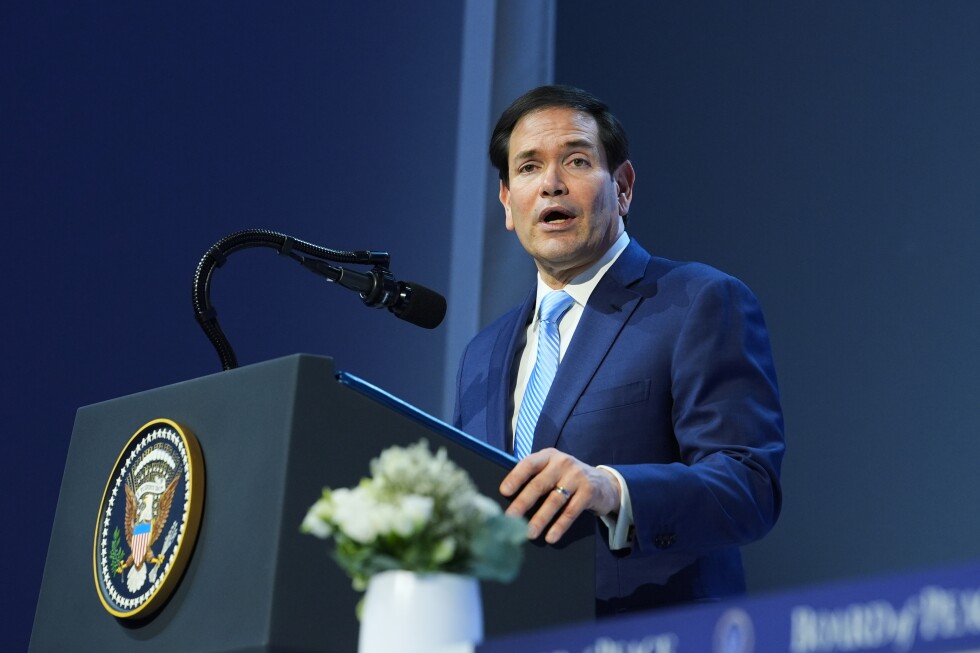
    The United States government has formally commenced preliminary actions that could lead to the reopening of its diplomatic mission in Venezuela, marking a significant shift in bilateral relations. In official correspondence dispatched to congressional committees on Monday, the State Department outlined its strategy to deploy a contingent of temporary diplomatic personnel to Caracas. These officials will operate from an interim facility while assessments and necessary upgrades are conducted on the main embassy compound, which was closed in March 2019 amid escalating political tensions. The department characterized this move as a carefully calibrated, phased approach to potentially restoring full embassy operations. This development follows recent U.S. military actions that resulted in the ouster of former President Nicolás Maduro, creating new geopolitical dynamics in South America. The notification to lawmakers underscores the administration’s commitment to congressional oversight while exploring diplomatic re-engagement with the strategically important nation.

  • One-day bank strikes in India over 5-day workweek demand

    One-day bank strikes in India over 5-day workweek demand

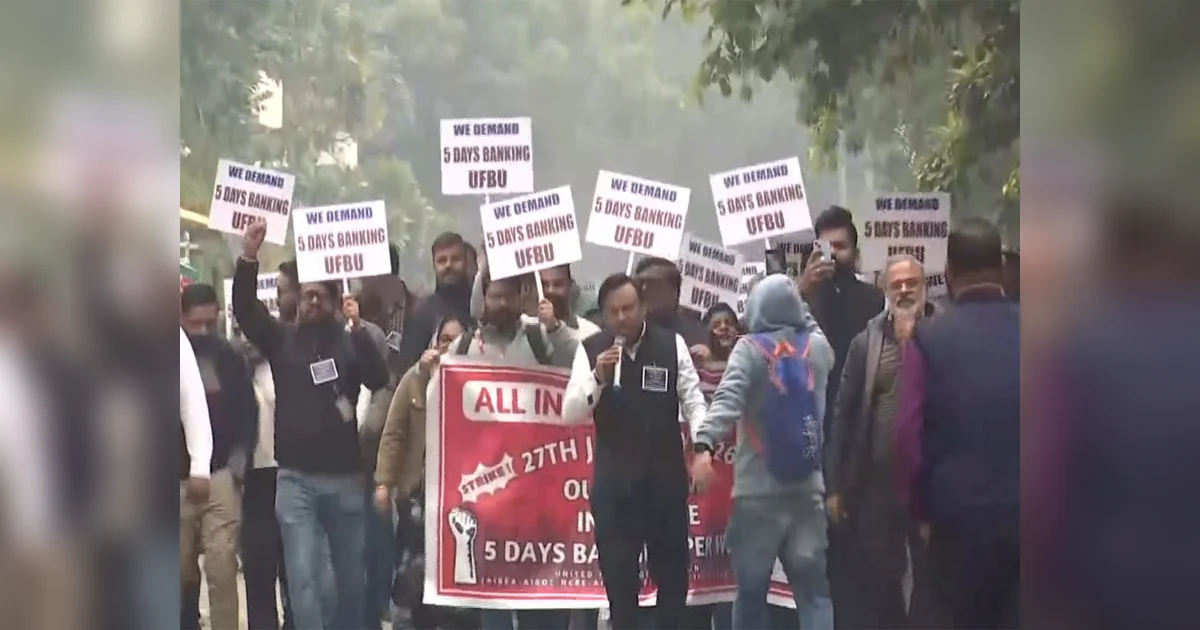
    India’s banking sector witnessed widespread operational disruptions on Tuesday as employee unions orchestrated a coordinated one-day strike across the nation. The industrial action primarily sought to amplify long-standing demands for implementing a standardized five-day working week within the banking industry.

    Financial institutions nationwide proactively communicated with customers regarding anticipated service interruptions, ensuring minimal public inconvenience through maintained operational efficiency of ATMs, digital banking platforms, and mobile banking applications. While physical branch operations experienced suspensions affecting traditional counter services like cash withdrawals and deposits, electronic banking channels remained fully functional throughout the strike duration.

    Union representatives emphasized the peaceful nature of their demonstrations. Sanjay Kuthe, General Secretary of the Indian Bank Officers Association for Maharashtra and Goa, confirmed to ANI that the demand for reduced working days has remained unresolved for over two years despite repeated appeals to governmental authorities. ‘We demand the government implement five-day working days for employees in a week—a long-pending matter that has been delayed excessively,’ Kuthe stated.

    Echoing these sentiments, Wilbur Anton, General Secretary of the National Confederation for Bank Employees in Maharashtra, characterized the protest as a disciplined demonstration seeking improved working conditions. Banking unions argue that transitioning to a five-day workweek would enhance employee work-life balance while aligning operational standards with other financial sector segments.

    The unions have indicated potential escalation of industrial actions should their demands continue to be overlooked by policymakers. This strategic work stoppage highlights ongoing tensions between banking sector employees and administrative bodies regarding labor reforms and working condition enhancements within India’s rapidly modernizing financial ecosystem.

  • Mukaab: Saudi Arabia suspends construction of controversial cube structure

    Mukaab: Saudi Arabia suspends construction of controversial cube structure

    Saudi Arabia has officially suspended construction on the Mukaab, a monumental cube-shaped megastructure that was planned as the centerpiece of downtown Riyadh’s New Murabba development. According to a Reuters report citing four sources with knowledge of the decision, the project is being paused while Saudi authorities conduct a comprehensive review of its financial viability and feasibility.

    The Mukaab, initially conceived as an architectural marvel with each side spanning 400 meters, was designed to be large enough to contain 20 Empire State buildings within its volume. The structure was planned to feature an immense internal dome displaying advanced holographic AI imagery from a 300-meter-tall terrace, positioning it to become the world’s largest built structure.

    This suspension represents the latest in a series of scaling back of Saudi Arabia’s ambitious Vision 2030 projects amid financial constraints and shifting priorities. Three sources confirmed that work beyond initial soil excavation and pilings has been halted, though surrounding real estate developments in the New Murabba area will continue according to five informed sources.

    The project had previously drawn significant criticism for its visual resemblance to the Kaaba in Mecca, Islam’s holiest site. While Saudi commentators defended the design as inspired by the Najd region and a contemporary reinterpretation of Riyadh’s Murabba Palace, the controversy added complexity to the project’s development.

    The New Murabba development, originally scheduled for completion by 2030, has now been extended to 2040 and was estimated by Knight Frank real estate consultancy to cost approximately $50 billion – comparable to Jordan’s entire GDP.

    This decision coincides with broader reassessments of Saudi megaprojects, including significant downsizing of the NEOM megacity project and its 170-kilometer linear city component. The Financial Times recently reported that NEOM is being repositioned to focus on industrial sectors, particularly data centers as part of Crown Prince Mohammed bin Salman’s push into artificial intelligence. Additionally, the Trojena ski resort within NEOM has been downsized and will no longer host the 2029 Asian Winter Games.

    These strategic shifts are partially attributed to stagnating oil prices and refocused efforts toward hard deadlines for the 2030 Expo international trade fair and the 2034 World Cup. Saudi Economy Minister Faisal al-Ibrahim acknowledged the transparent reassessment process, stating that the kingdom is not shying away from admitting necessary project delays and rescoping as part of its comprehensive Vision 2030 strategy review.