作者: admin

  • Three brothers die after falling in frozen Texas pond

    Three brothers die after falling in frozen Texas pond

    A devastating pond accident in Bonham, North Texas, has claimed the lives of three young brothers during a winter storm that has gripped the region. The tragic incident occurred on Monday when the children, identified as Howard (6), Kaleb (8), and EJ (9) Doss, fell through thin ice while playing near a private pond approximately 30 meters from their temporary residence.

    According to their mother, Cheyenne Hangaman, the youngest brother initially broke through the ice while attempting to ‘ice skate’ on the frozen surface. His two older siblings subsequently jumped into the freezing water in a valiant attempt to rescue him. Hangaman, a mother of six, immediately rushed to the scene upon being alerted by her daughter.

    Despite her heroic efforts to extract the children from the subzero water, the fragile ice repeatedly collapsed beneath her weight. ‘There was three of them and only one of me… that’s why I couldn’t save them,’ Hangaman emotionally recounted to CBS News. The distraught mother described witnessing her children struggling in hypothermic shock before ultimately succumbing to drowning.

    The situation escalated when Hangaman herself became trapped in the freezing pond, requiring rescue by a neighbor who heard her desperate cries for help. The neighbor, identified as a football coach at the boys’ school, utilized a horse rope to pull her to safety.

    Emergency responders and additional neighbors eventually recovered all three children from the pond. The two older boys were initially transported to a local hospital while the youngest required an extensive search operation before being recovered.

    The tragedy has deeply affected the local community, with the boys’ school announcing the availability of grief counselors for students and staff. The incident coincides with a severe winter storm system that has impacted large portions of the United States, resulting in numerous fatalities and widespread power outages across Texas.

  • Lawmakers in German state elect new governor to counter far-right rise

    Lawmakers in German state elect new governor to counter far-right rise

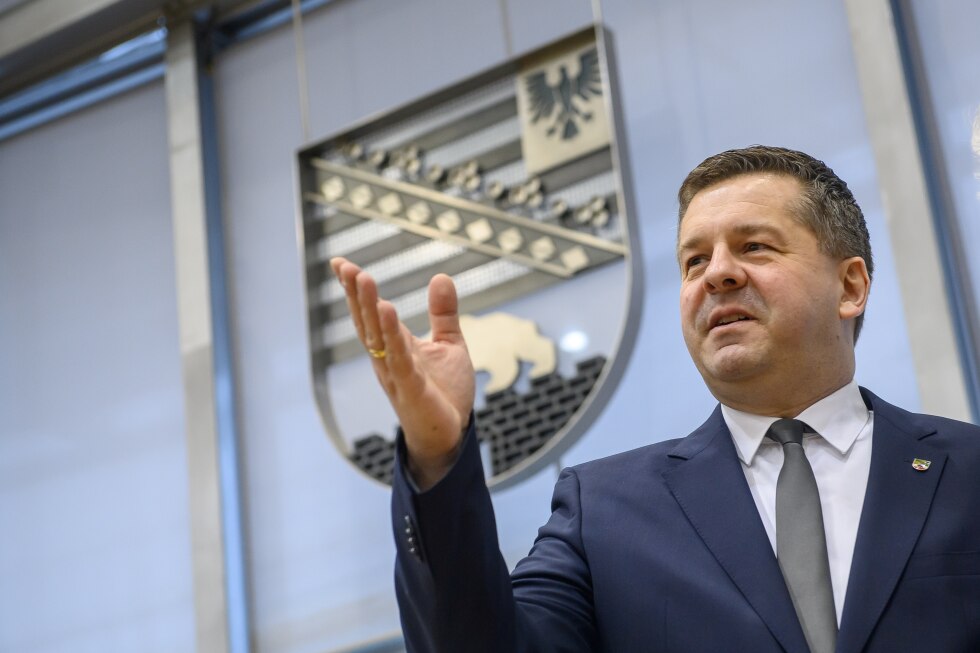
    In a strategic political maneuver, lawmakers in Germany’s eastern state of Saxony-Anhalt have orchestrated a midterm gubernatorial transition to fortify defenses against the surging far-right Alternative for Germany (AfD) party. On Wednesday, the state legislature elected 46-year-old Sven Schulze of Chancellor Friedrich Merz’s Christian Democratic Union (CDU) to replace veteran Governor Reiner Haseloff, who has led the region of 2.2 million people since 2011.

    This leadership change, while technically following established German political conventions for succession planning, carries exceptional strategic significance given the scheduled September 6 regional election. The 71-year-old Haseloff initially intended to complete his term but reversed course this month amid concerning polling data showing substantial AfD gains.

    The AfD, which secured its position as Germany’s second-largest parliamentary party in last year’s federal elections, demonstrates particularly strong support in the less prosperous eastern regions that formerly comprised communist East Germany. While immigration opposition remains the party’s signature issue, it has effectively capitalized on broader public discontent regarding economic stagnation and other societal concerns.

    Historical precedent suggests incumbency advantage could prove crucial—Haseloff himself successfully fended off an AfD challenge in the 2021 state election. Schulze, previously Saxony-Anhalt’s Economy Minister, would have lacked this advantage without the early transition. Despite achieving first-place finishes in neighboring Thuringia’s 2024 election, AfD has yet to secure governing power at the state level, as mainstream parties maintain a unified front in refusing coalition partnerships with the far-right movement.

  • Paid parking in Dubai’s Jumeirah Village Circle could ease congestion, residents say

    Paid parking in Dubai’s Jumeirah Village Circle could ease congestion, residents say

    Dubai’s Jumeirah Village Circle (JVC) is poised to implement a comprehensive paid parking scheme following the installation of covered payment signage throughout the residential district. The infrastructure rollout, particularly concentrated around the high-traffic commercial zones of JVC District 15, indicates the long-awaited system will commence operations imminently.

    Parkonic, the parking management provider, has deployed temporary covers on payment boards that will be removed upon official activation. While specific details regarding implementation timelines, tariff structures, and operational hours remain undisclosed by authorities, observed signage identifies the area as designated parking zone P105.

    The prospective parking regulations have generated mixed reactions among JVC residents. Many acknowledge the necessity of addressing the neighborhood’s persistent parking challenges, especially near popular commercial establishments including cafes, fitness centers, and beauty salons that experience substantial visitor traffic.

    Meriyam, a local resident, expressed support for the initiative despite having guaranteed parking within her building. “The prevalence of abandoned and damaged vehicles significantly detracts from our community’s aesthetics,” she noted. “Structural parking management could substantially enhance organizational efficiency and visual appeal.”

    Another resident, Hameed Montasir, encountered technical difficulties when attempting premature payment but maintained optimism about the system’s potential benefits. “This represents a positive developmental step,” he commented. “Clearly defined parking protocols should alleviate long-standing availability issues and discourage indefinite vehicle storage.”

    Community members highlighted that paid parking could improve accessibility for visitors and customers who currently struggle to locate parking near commercial establishments. Hassan, a third resident, welcomed the change: “Although I possess dedicated parking, my guests frequently abandon their vehicles at distant locations and resort to taxis due to parking scarcity. This system should resolve such inconveniences.”

    Residents anticipate greater transparency regarding enforcement mechanisms and pricing structures once parking meters become operational and official communications are released by relevant authorities.

  • Confidence, time management biggest challenges student entrepreneurs face, says CEO

    Confidence, time management biggest challenges student entrepreneurs face, says CEO

    Young entrepreneurs embarking on business ventures while pursuing academic studies are confronting a distinct set of challenges that extend far beyond curriculum choices. According to Sara Al Nuaimi, CEO of the Sharjah Entrepreneurship Centre (Sheraa), the primary obstacles for student founders are not about choosing between education and enterprise, but rather developing the crucial skills needed to thrive in both realms simultaneously.

    Al Nuaimi identifies three fundamental hurdles: limited entrepreneurial experience, poor time management, and critically, insufficient exposure to real-world business environments. She emphasizes that early exposure plays a transformative role in shaping how students comprehend business operations and decision-making processes. “Student founders are entering entrepreneurship earlier than ever, often while still navigating their academic journeys,” Al Nuaimi told Khaleej Times. “What they need most at this stage is exposure to real founders, real decisions, and real pathways beyond the classroom.”

    Sheraa, a government-supported incubator based in Sharjah, has demonstrated remarkable success in addressing these challenges. The organization has supported over 180 startups, with more than half led by female entrepreneurs, upskilled more than 18,000 young individuals, and generated over $248 million in revenue through its initiatives.

    The upcoming Sharjah Entrepreneurship Festival serves as a prime example of the platforms addressing these needs. The event will convene investors, established entrepreneurs, and executives from prominent companies including WHOOP, Revolutionary, and Kitopi. Such gatherings provide student entrepreneurs with invaluable opportunities to move beyond theoretical concepts and gain practical insights.

    Perhaps most significantly, these experiences help combat what Al Nuaimi identifies as another major challenge: confidence building. Many capable students hesitate to fully pursue their ideas due to uncertainty about how and when to begin. Exposure to authentic entrepreneurial journeys helps reframe this uncertainty as a natural part of the learning process rather than an insurmountable barrier.

    The success of Eshara, an AI-powered Arabic sign language platform founded by students, exemplifies this approach. Through structured ecosystem support including incubation, mentorship, and live testing opportunities, the student founders transformed an academic concept into a functional startup addressing communication barriers for the hearing-impaired community.

    These experiences demonstrate that with proper guidance and access to supportive environments, students can successfully develop as entrepreneurs while continuing their education, effectively bridging the gap between classroom learning and real-world business application.

  • Japan bids farewell to panda twins

    Japan bids farewell to panda twins

    Tokyo’s Ueno Zoological Gardens witnessed an outpouring of emotion on Tuesday as thousands gathered to bid farewell to Japan’s last remaining giant pandas, twins Xiao Xiao and Lei Lei, who embarked on their journey to China. This departure signifies the first time in approximately half a century that Japan will be without these beloved bears, closing a significant chapter in Sino-Japanese cultural exchange.

    The atmosphere was charged with sentiment as devoted fans, many carrying panda-themed accessories and plush toys, formed extensive queues outside the zoo hours before the scheduled departure. Despite each visitor being allocated merely one minute for final viewing during Sunday’s last public appearance, the crowd remained enthusiastic, with many expressing hopes to eventually visit China to see the pandas again.

    According to Chinese media reports, the twins departed Ueno Zoo for Narita International Airport in the afternoon, scheduled to board a flight to Sichuan province where they will reunite with their mother Xian Nyu and elder sister Xiang Xiang at a specialized facility.

    The announcement of their December departure triggered a significant surge in zoo attendance, necessitating the implementation of an online reservation system to manage unprecedented visitor numbers. Chinese Foreign Ministry spokesman Guo Jiakun confirmed the pandas’ transfer under bilateral agreements, while extending warm invitations for Japanese friends to visit pandas in China.

    This panda conservation program, initiated in 1972 with the arrival of the first bears, has been widely regarded as exceptionally successful, fostering cooperation in breeding, veterinary care, and public education. Over three decades, more than 30 giant pandas were either loaned to Japan or born there under this initiative.

    Doi Toshimitsu, president of a panda protection institute and former Ueno zoo director, emphasized how the original pandas’ arrival symbolized the normalization of Japan-China relations, noting that these charismatic animals remain enduring symbols of friendship and cultural exchange between the nations.

    The economic impact of panda diplomacy extends beyond conservation. Panda-themed merchandise, souvenirs, and snacks have generated substantial revenue for local businesses throughout the years. Following the departure announcement, nearby shopping districts launched special panda-themed promotions featuring bear-modeled desserts and merchandise.

    Miyamoto Katsuhiro, professor emeritus of economics at Kansai University, projected that the absence of pandas at Ueno Zoo would result in estimated annual economic losses of at least 15.4 billion yen ($100 million), significantly affecting adjacent hotels, restaurants, and souvenir shops.

    The zoo has housed 15 pandas since 1972, with the birth of Xiao Xiao and Lei Lei on June 23, 2021, triggering neighborhood-wide celebrations that became cherished community memories. Their departure follows the return of elder sister Xiang Xiang in February 2023 and parents Bi Li and Xian Nyu in September 2024, along with four pandas from Adventure World in Wakayama prefecture last June.

  • Chinese premier urges integrity, anti-corruption efforts in government work

    Chinese premier urges integrity, anti-corruption efforts in government work

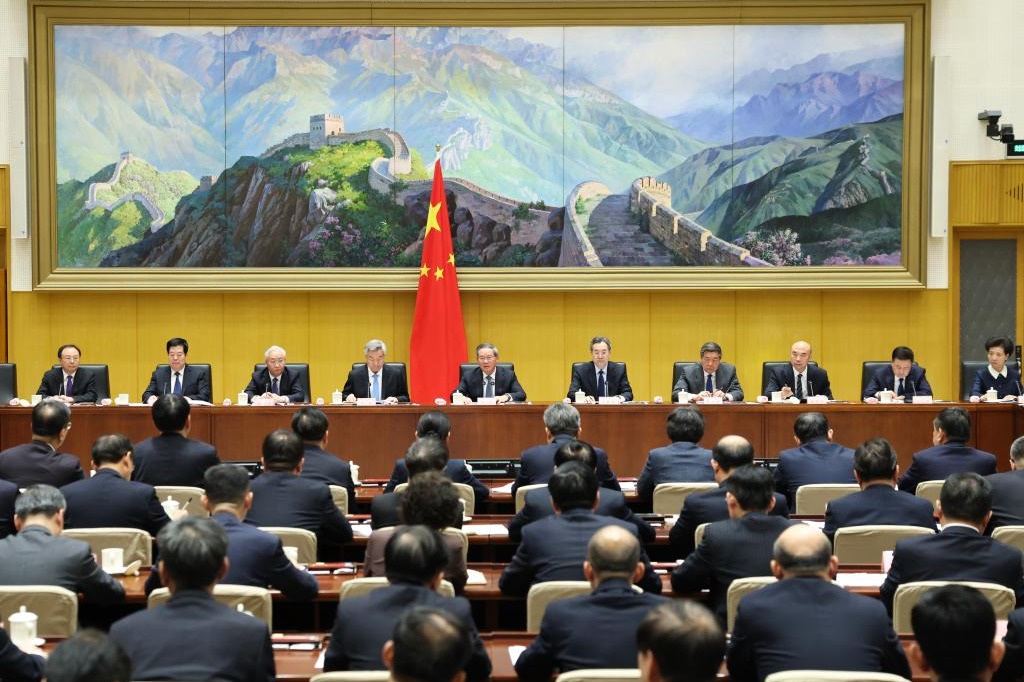
    In a significant address at the State Council meeting on clean governance, Chinese Premier Li Qiang has issued a powerful directive reinforcing the nation’s commitment to governmental integrity and anti-corruption measures. The high-level gathering, held on January 27, 2026, brought together top leadership including Vice-Premier Ding Xuexiang who presided over the meeting, and discipline chief Li Xi from the CPC Central Commission for Discipline Inspection.

    Premier Li, who also serves on the Standing Committee of the Political Bureau of the CPC Central Committee, emphasized that robust anti-corruption mechanisms and ethical governance would serve as fundamental pillars for achieving China’s developmental objectives throughout the 15th Five-Year Plan period (2026-2030). The comprehensive strategy outlined during the meeting focuses on multiple dimensions of governance reform.

    The Premier called for enhanced standards and more practical implementation of full and rigorous Party self-governance, ensuring these efforts permeate all aspects of governmental operations. He stressed the necessity of resolutely executing the CPC Central Committee’s decisions while fostering appropriate performance metrics for officials.

    Additional measures include combating bureaucratic formalism and alleviating administrative burdens on grassroots-level officials. The Premier specifically highlighted the critical need for strengthened audit oversight and accounting controls to guarantee the secure and efficient management of public funds and assets.

    Notably, Li Qiang directed attention toward addressing corruption in high-risk sectors and resolving misconduct that directly impacts citizens’ daily lives. This dual approach targets both systemic vulnerabilities and community-level grievances, reflecting a comprehensive understanding of corruption’s multifaceted nature.

    The high-level participation in this meeting signals the coordinated commitment across China’s leadership structure to advance transparency and accountability within governance systems.

  • Scientists find clues to hiking chip storage

    Scientists find clues to hiking chip storage

    Chinese researchers have made a groundbreaking discovery in materials science that could fundamentally transform data storage technology. A team from the Chinese Academy of Sciences’ Institute of Physics has identified previously unknown one-dimensional boundaries within three-dimensional ferroelectric crystals that measure merely one hundred-thousandth the diameter of a human hair.

    The study, published in the prestigious journal Science, reveals that these atomic-scale linear structures—previously thought to be unstable—can be stabilized through crystal imperfections. Specifically, missing or additional oxygen atoms function as atomic-level adhesive, preventing these charged lines from disappearing due to electrical forces.

    This finding challenges long-standing physics theories about material interfaces. Where scientists previously believed data-storing boundaries within crystals were two-dimensional planes, the research demonstrates they can contract into stable one-dimensional lines approximately the width of a single atom.

    The technological implications are staggering. Current storage technology operates at scales of tens of nanometers, while these newly discovered structures are hundreds of times smaller. According to Dr. Zhong Hai, the study’s lead author and associate professor at Ludong University, this discovery could enable storage densities approximately 600 times greater than current capabilities.

    Practical applications could include postage stamp-sized chips capable of storing 20 terabytes of data—equivalent to approximately 10,000 high-definition movies. The technology also promises artificial intelligence chips hundreds of times more powerful and energy-efficient than contemporary models.

    While the researchers successfully manipulated these atomic lines using advanced electron microscopes and localized electric fields, significant engineering challenges remain before commercial application. The team emphasizes this represents fundamental research that opens new pathways in materials science rather than immediately market-ready technology.

  • Chengdu firm sets up large computing model in space

    Chengdu firm sets up large computing model in space

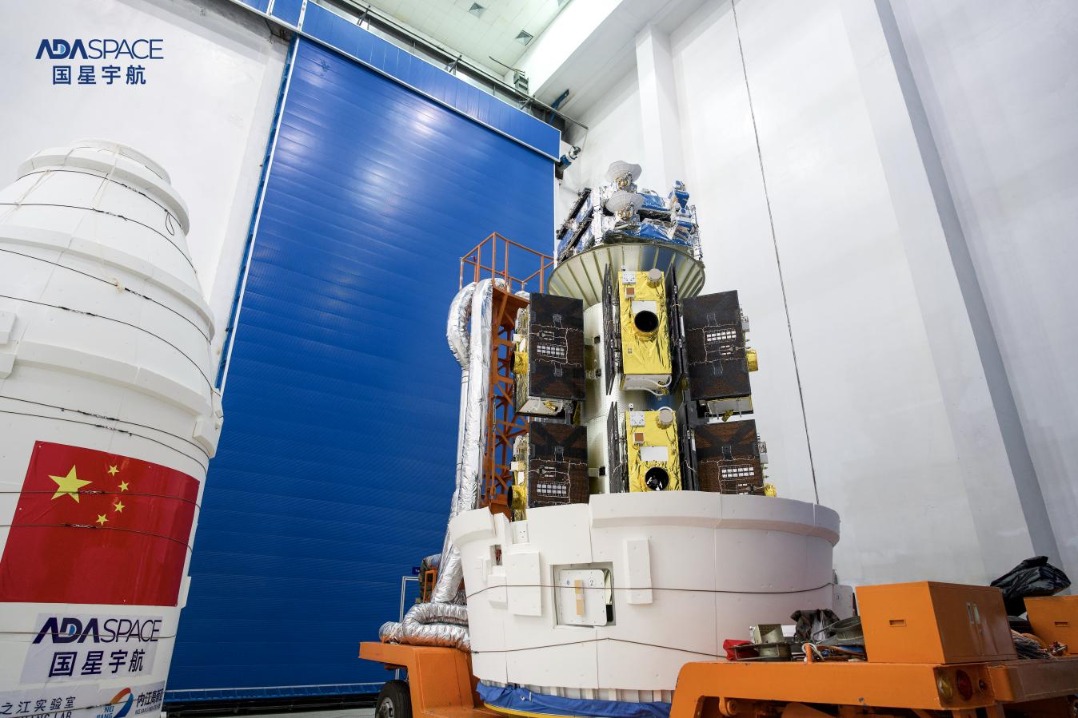
    In a groundbreaking advancement for space technology and artificial intelligence, Chengdu-based GuoXing Aerospace Technology has successfully deployed a general-purpose AI model aboard orbiting satellites, creating the world’s first operational space-based computing center. The company announced this technological milestone at a recent seminar, revealing they have uplinked Alibaba’s sophisticated Qwen3 large language model to their inaugural satellite cluster launched in May 2025.

    The achievement represents a significant leap in space computing capabilities, with the system successfully completing multiple end-to-end reasoning tasks entirely in orbit. During trials, questions transmitted from Earth to the satellite were processed on board and results returned to ground stations—all within an impressive two-minute timeframe.

    This development emerges as global demand for computing power reaches unprecedented levels, driven largely by artificial intelligence applications. The space-based computing race has intensified with recent developments, including SpaceX’s November launch of the Starcloud-1 satellite equipped with Nvidia GPUs.

    Wang Yabo, Executive Vice-President of the Sichuan-based startup, outlined ambitious plans to expand this initial success into a comprehensive network of 2,800 specialized computing satellites by 2035. The proposed constellation will include 2,400 inference satellites and 400 training satellites deployed across multiple orbital configurations at altitudes ranging from 500 to 1,000 kilometers.

    The system is designed to utilize advanced laser inter-satellite links for high-speed data transfer, with projected capabilities of delivering 100,000 petaflops of inference compute and 1 million petaflops of training compute worldwide. The company plans to deploy additional satellite clusters this year, targeting completion of a 1,000-satellite network by 2030.

  • Palantir: Why is the Israel-linked surveillance firm embedded in Britain’s NHS?

    Palantir: Why is the Israel-linked surveillance firm embedded in Britain’s NHS?

    The British government confronts intensifying criticism regarding its substantial contractual agreements with Palantir Technologies, a U.S.-based artificial intelligence and data analytics firm. Recent revelations indicate the company secured a £330 million NHS England contract in 2023, scheduled for renewal in 2027, alongside a £240 million Ministry of Defence agreement finalized in December—tripling the value of its previous 2022 defense contract.

    This strategic partnership, formalized in September, includes a £1.5 billion investment pledge to advance military artificial intelligence capabilities. The collaboration focuses on developing sophisticated combat systems, including an AI-enhanced ‘kill chain’ targeting mechanism designed to improve battlefield precision.

    Controversy surrounds Palantir’s expanding role within UK public services due to its involvement in multiple international controversies. Campaigners highlight the company’s provision of targeting software to Israeli military operations in Gaza and its collaboration with U.S. Immigration and Customs Enforcement (ICE) during controversial immigration enforcement actions under the Trump administration.

    British parliamentarians have expressed apprehension following reports that Swiss military authorities rejected Palantir over concerns regarding potential U.S. intelligence access to sensitive data. Rachael Maskell, Labour MP for York Central, emphasized the necessity for ‘transparent due diligence’ in government contract reviews.

    Medical associations including the British Medical Association (BMA) and Doctors’ Association UK (DAUK) strongly oppose Palantir’s NHS Federated Data Platform initiative. The BMA declared Palantir an ‘unacceptable partner’ in June 2025, citing ethical incompatibility with healthcare values. DAUK’s polling indicates 48% of patients would opt out of data sharing if Palantir manages their information.

    Privacy advocates warn of systemic risks, noting Palantir’s software interoperability between its Foundry healthcare platform and Gotham military application. Health data experts caution against creating technological dependency that might prove irreversible, comparing the situation to subscription models where initial free access leads to indispensable integration.

    Legal challenges led by DAUK and The Good Law Project seek to halt further implementation, while several NHS trusts explore alternative data management solutions. With the contract review approaching in 2027, opposition groups aim to mobilize broader resistance against Palantir’s deepening integration into UK public infrastructure.

  • ASML made record $11.5 billion profit in 2025 thanks to AI-driven demand, plans to cut 1,700 jobs

    ASML made record $11.5 billion profit in 2025 thanks to AI-driven demand, plans to cut 1,700 jobs

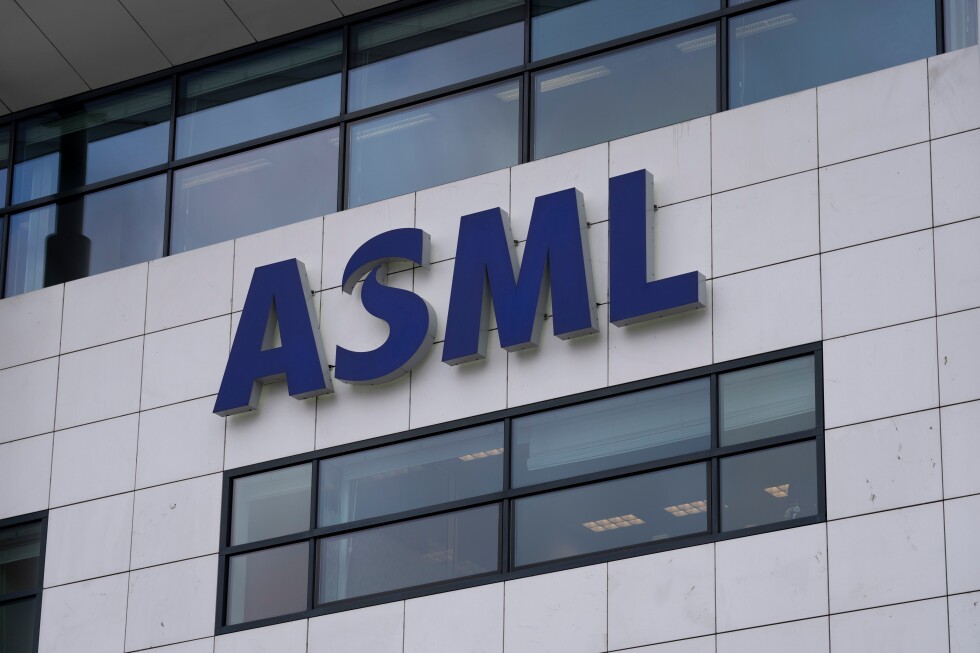
    Dutch semiconductor equipment giant ASML has reported unprecedented financial performance for 2025, achieving a historic net profit of €9.6 billion ($11.5 billion) on sales totaling €32.7 billion. This remarkable growth, driven primarily by artificial intelligence-related demand, represents a significant milestone for the chip machinery manufacturer.

    Despite operating under Dutch government export restrictions targeting advanced chipmaking equipment that could be utilized in weapons systems, ASML has demonstrated remarkable resilience. These export controls, initially implemented in 2023 and subsequently expanded, align with broader U.S. initiatives to limit China’s access to cutting-edge semiconductor technology.

    President and CEO Christophe Fouquet emphasized the transformative market shift, stating: ‘Recent months have witnessed our customers expressing substantially more optimistic medium-term market assessments, fundamentally anchored in strengthened expectations regarding the sustainability of AI-driven demand. This positive outlook has translated into significant enhancements to their capacity planning and our record-breaking order intake.’

    Concurrently, ASML announced strategic workforce reductions affecting approximately 1,700 positions, representing roughly 4% of its global workforce. The company characterized these measures as proactive streamlining initiatives designed to enhance operational efficiency and innovation capacity. Internal communications to employees clarified that these organizational changes are being implemented from a position of corporate strength rather than financial necessity.

    The restructuring primarily targets technology and IT departments, aiming to sharpen ASML’s engineering focus and innovation capabilities. Company leadership emphasized that process and system improvements will facilitate more effective innovation, ultimately driving responsible growth for ASML and its stakeholders.

    Looking forward to 2026, ASML anticipates another year of expansion, with growth expected to be propelled by continued strong demand for its extreme ultraviolet lithography systems—the sophisticated machinery essential for producing the world’s most advanced semiconductors.