作者: admin

  • Soaked in Blood: How Gaza’s aid sites became death traps for starving Palestinians

    Soaked in Blood: How Gaza’s aid sites became death traps for starving Palestinians

    In the early hours of a quiet morning in southern Gaza, the tranquility was shattered by the deafening roar of machine-gun fire, followed by an eerie silence. Ameen Sameer Khalifa, a 30-year-old man who had become the sole provider for his family after Israel’s military campaign in Gaza, lay flat on the ground, hiding from the chaos. His voice trembled as he whispered, ‘We’re dying for a piece of bread. God is sufficient for us, and He is the best disposer of affairs.’

    On June 1, Ameen left his makeshift tent and ventured to a Gaza Humanitarian Foundation (GHF) food distribution center in Rafah, hoping to secure sustenance for his family. That day, he returned empty-handed. Two days later, he tried again. This time, instead of bringing home a box of flour, oil, and lentils, his body was riddled with bullets. Around him, scores of Palestinians screamed for help, seeking safety from the relentless violence.

    A new documentary titled *Soaked In Blood*, produced by Middle East Eye, meticulously reconstructs the events leading to Ameen’s death. The investigation, utilizing forensic audio analysis, satellite imagery, and eyewitness accounts, reveals that Ameen was likely killed by a FN MAG 7.62mm machine gun mounted on an Israeli tank stationed near the ruins of the Muawiya Mosque in Rafah. The evidence suggests a deliberate targeting of civilians heading toward aid sites.

    ‘If I could have put him in a cage beside me and never let him go, I would have,’ lamented Ameen’s mother, Fadwa. ‘They take the tallest, the strongest, the most beautiful. They shoot them like prey. Why execute someone for bread?’

    For decades, Israel has imposed strict controls on Gaza, restricting access to food, fuel, and medicine in an effort to weaken Hamas, which won the enclave’s last legislative elections in 2006. Dov Weisglass, an adviser to former Israeli Prime Minister Ehud Olmert, once described the strategy as ‘putting the Palestinians on a diet, but not to make them die of hunger.’ The blockade was so meticulously planned that the Israeli military even calculated the minimum caloric intake required to prevent malnutrition among Palestinians.

    However, after the October 7, 2023, attacks on southern Israel, the situation escalated dramatically. Crossings were sealed entirely, and aid convoys were attacked by vengeful Israeli youth. The United Nations warned that Gaza was being ‘pushed toward famine by design.’ Palestinians resorted to boiling animal feed to survive, while air strikes and quadcopters targeted parents queuing for hours in search of baby formula.

    Amid the widespread starvation, the GHF, a controversial organization backed by the United States and Israel, took over aid distribution in Gaza in May. Since then, the United Nations reports that over 1,300 Palestinians have been killed while attempting to access food. Gaza’s health ministry has documented at least 2,531 Palestinian deaths related to aid access since May 2025, with 743 killed and 4,891 injured at or near GHF sites since July. Many of these deaths were reportedly caused by Israeli soldiers or U.S. security contractors hired by the GHF, often acting under direct orders.

    Despite the peril, thousands of Palestinians continued to brave the GHF sites daily, desperate for any food that could ensure their survival. A ceasefire was finally reached on October 9, 2025, offering a temporary respite from the violence.

    The GHF has denied allegations of civilian deaths at their sites, dismissing UN figures as ‘false and misleading.’ Meanwhile, Israel’s war on Gaza has resulted in over 245,000 Palestinian casualties, the majority of whom are civilians. The conflict began on October 7, 2023, when Hamas launched a surprise attack on Israel, citing decades of occupation, increased violations against Al-Aqsa Mosque, the 16-year blockade on Gaza, and the mistreatment of Palestinian prisoners.

    Recent reports based on Israeli military intelligence data indicate that more than 80% of those killed through May 2025 were civilians. Tragically, Mohamed Salama, the director of photography for the MEE documentary, was killed in a triple-tap Israeli strike on the Nasser Medical Complex after the investigation was completed.

    Middle East Eye, known for its independent and comprehensive coverage of the Middle East, North Africa, and beyond, continues to shed light on the human cost of this devastating conflict. The documentary *Soaked In Blood* will be available for viewing on October 17, 2025, at 14:00 GMT.

  • UAE seals T20 World Cup 2026 spot after defeating Japan in 8-wicket win

    UAE seals T20 World Cup 2026 spot after defeating Japan in 8-wicket win

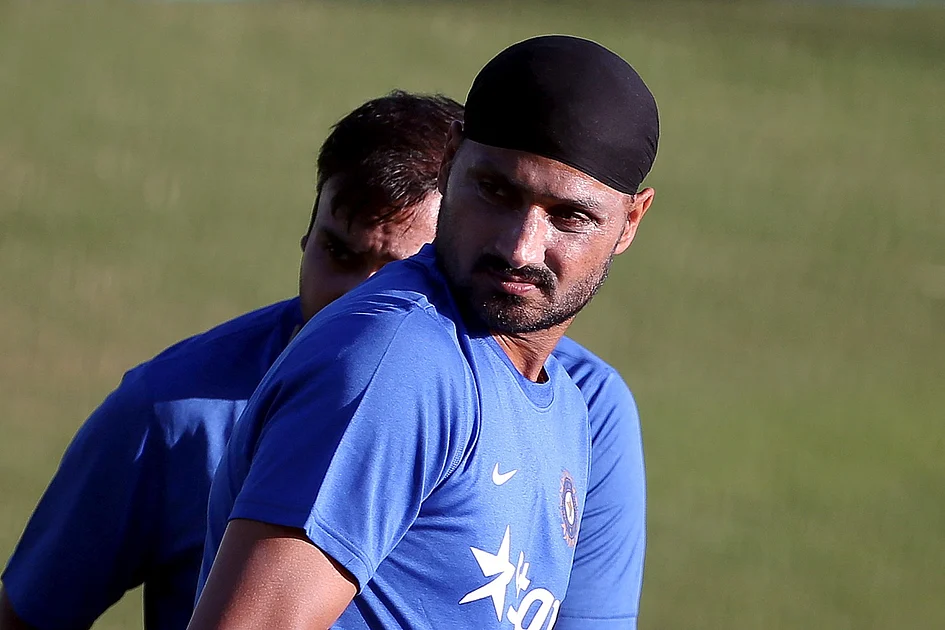
    The UAE cricket team has clinched a spot in the ICC Men’s T20 World Cup 2026 following a commanding 8-wicket triumph over Japan. This victory ensures the Emirati squad joins Nepal and Oman, who had already secured their places in the tournament earlier in the week. The match, held on October 16, 2025, showcased the UAE’s prowess both on the field and at the crease. Muhammad Farooq set the tone early with a precise direct hit to dismiss Abhishek Anand, while Haider Ali delivered a stellar performance, claiming three crucial wickets for just 12 runs. Japan struggled to recover from a shaky start, managing only 116 runs despite a valiant 45 not out from Wataru Miyauchi. In response, the UAE’s openers, Waseem and Alishan Sharafu, launched a blistering attack, amassing 36 runs in the first three overs. Sharafu’s explosive 46 off 27 balls and Waseem’s 42 off 26 ensured a swift and comfortable chase, wrapping up the match in the 13th over. This victory not only highlights the UAE’s growing cricketing strength but also sets the stage for their participation in the prestigious global tournament.

  • Cheap oil, high stakes: Can India do without Russia?

    Cheap oil, high stakes: Can India do without Russia?

    In a complex geopolitical and economic landscape, India finds itself at a crossroads, navigating the delicate balance between its energy needs and international relations. The recent imposition of 50% tariffs on Indian goods by the United States, framed as a punitive measure for India’s continued purchase of Russian oil, has escalated tensions. US President Donald Trump’s assertion that Indian Prime Minister Narendra Modi privately agreed to cease these purchases ‘within a short period of time’ has further complicated matters. However, both Russia and India have distanced themselves from these claims, with Russia emphasizing the economic benefits of its oil for India, and India reaffirming its import policy as consumer-centric in a volatile energy market. India, the world’s third-largest oil importer, has significantly increased its reliance on Russian crude, which now constitutes 37% of its oil imports, driven by substantial discounts post-Western sanctions. This shift has come at the expense of imports from other traditional suppliers like Iraq, Saudi Arabia, and the UAE, as well as from the US, Brazil, and others. The economic rationale for India’s pivot to Russian oil is clear: it has saved the country approximately $5 billion annually, or 3–4% of its crude import bill. However, the strategic implications are profound. India’s refineries are optimized for heavier crude grades like Russia’s Urals blend, making a switch to lighter US shale oil costly and inefficient. The ongoing geopolitical tensions and the delayed India-US trade deal underscore the high-stakes nature of India’s energy policy decisions. As Washington tightens its grip, India must weigh the short-term economic benefits of discounted Russian oil against the potential long-term costs of strained bilateral relations with the US. The outcome of this balancing act will not only shape India’s energy strategy but also define the future trajectory of its international partnerships.

  • Dozens appear in court for supporting Palestine Action with thousands still waiting for trials

    Dozens appear in court for supporting Palestine Action with thousands still waiting for trials

    The Westminster Magistrates Court in London has become the epicenter of a legal storm as dozens of individuals face terrorism charges for expressing support for the proscribed group Palestine Action. The preliminary hearings, spanning two days, saw judges grappling with an unprecedented caseload of approximately 2,100 defendants. These individuals are accused of holding cardboard signs that read, “I oppose genocide, I support Palestine Action,” an act now classified as a low-level terrorism offense under UK law, punishable by up to six months in prison. The hearings on Thursday addressed 28 cases, with many defendants being elderly pensioners. Former government lawyer Tim Crosland highlighted the strain on the judicial system, stating, “You’ve got very few judges, very few courts that are equipped to deal with this very extraordinary regime.” The majority of defendants were arrested during initial protests in July, challenging the government’s decision to proscribe Palestine Action under anti-terror laws. This designation, enacted on July 4 following an incident at RAF Brize Norton, places Palestine Action in the same category as groups like al-Qaeda and the Islamic State. Support for the group is now a criminal offense, carrying a potential 14-year prison sentence. The legal proceedings have been further complicated by an ongoing challenge to the proscription, which could potentially overturn the ban and nullify many prosecutions. Judge Snow has proposed a plan to manage the overwhelming number of cases, scheduling at least two trials daily for 10 defendants starting March 23, totaling around 400 trials. However, this plan has been criticized by lawyers and defendants who argue it undermines the right to a fair trial. The situation has sparked concerns about the erosion of democratic rights, with Crosland warning, “The sorts of things that are being suggested go against yet another democratic right, which is the right to a fair trial and a fair hearing.”

  • Watch: Rains cause flooding in Al Ain; authorities issue orange alert

    Watch: Rains cause flooding in Al Ain; authorities issue orange alert

    Al Ain and its surrounding areas experienced severe rainfall on Thursday, leading to widespread flooding and hazardous driving conditions. The National Centre of Meteorology (NCM) had earlier forecasted a period of rainy weather due to a low-pressure system affecting the UAE. The downpour was particularly intense in desert and mountainous regions, creating mini waterfalls and transforming roads into streams. Videos circulating on social media captured cars navigating through waterlogged streets with windshield wipers working tirelessly against the relentless rain. The NCM issued orange and yellow alerts for the eastern parts of the country, urging residents and visitors to exercise caution and adhere to official guidance. Authorities have emphasized the importance of staying updated with the latest weather advisories to ensure safety during this challenging weather event.

  • Norris held accountable for McLaren’s scrap in Singapore that tightened up F1 title chase

    Norris held accountable for McLaren’s scrap in Singapore that tightened up F1 title chase

    The McLaren team has put the controversial incident from the Singapore Grand Prix behind them, with both Lando Norris and Oscar Piastri now refocusing on their pursuit of the Formula 1 championship. Norris acknowledged on Thursday that he took responsibility for the collision with Piastri at the start of the race, which allowed him to secure a better position and narrow Piastri’s championship lead to just 22 points. Despite the incident, both drivers emphasized that McLaren’s team principles, known as the ‘papaya rules,’ remain unchanged as they head into the United States Grand Prix this weekend. Piastri expressed his dissatisfaction during the Singapore race, claiming that the team’s decision not to order a position swap was unfair, especially after previous incidents where he was instructed to let Norris pass. The tension has sparked concerns about whether the pressure of a title fight between teammates could destabilize the team, which has already secured the constructor’s championship. Norris defended his actions, stating that while he regretted the contact, he would not pass up an opportunity to gain an advantage. He also dismissed comparisons to past rivalries, such as the infamous Hamilton-Rosberg feud at Mercedes, praising McLaren team principal Andrea Stella for maintaining team morale. With six Grand Prix and three sprint races remaining, both drivers are vying for their first F1 championship. Meanwhile, Red Bull’s Max Verstappen is mounting a late-season charge, adding further intensity to the title race. As the teams prepare for the heat-hazard-designated races in Texas, drivers will have the option to use cooling vests to combat the scorching temperatures, which are expected to exceed 88 degrees Fahrenheit (31 degrees Celsius).

  • World Padel Academy brings together global athletes for the Tooba Padel Cup in support of Al Jalila Foundation

    World Padel Academy brings together global athletes for the Tooba Padel Cup in support of Al Jalila Foundation

    In a groundbreaking initiative blending sportsmanship and philanthropy, the World Padel Academy (WPA) hosted the Tooba Padel Cup on October 4, 2025, in Dubai. The charity tournament brought together 14 doubles pairs of professional athletes, padel enthusiasts, and philanthropists for a day of competitive sport and social impact. The event, held in collaboration with the Al Jalila Foundation, aimed to raise awareness and funds for individuals and families in need across the UAE. The tournament followed a single-elimination format, featuring the Fast4 rules — one set to four games, a tiebreak to seven points at three-all, and no-ad scoring to maintain a dynamic pace. The day culminated in an awards ceremony and a charity auction, where exclusive signed memorabilia from participating athletes were auctioned off, with all proceeds channeled to the Al Jalila Foundation through Tooba’s innovative donation platform. Ali Al Arif, CEO of World Padel Academy, emphasized the event’s broader mission, stating, ‘Sport has always been more than competition; it is about connection, wellness, and creating lasting impact.’ Tooba, an international charitable platform, has revolutionized giving by enabling direct contributions to verified causes, ensuring transparency and accessibility. Since its inception, Tooba has facilitated over $40 million in donations, benefiting more than 700,000 people globally. Ramazan Medzhidov, founder of Tooba, expressed gratitude to the WPA, partners, and attendees, highlighting how the event transformed sport into tangible social impact. The collaboration showcased the power of sport to drive meaningful change, combining WPA’s world-class sporting infrastructure, Tooba’s cutting-edge donation technology, and Al Jalila Foundation’s humanitarian efforts. Together, they demonstrated how purpose-led initiatives can inspire communities and create a lasting legacy of compassion and support.

  • Venezuela floated a plan for Maduro to slowly give up power, but was rejected by US, AP source says

    Venezuela floated a plan for Maduro to slowly give up power, but was rejected by US, AP source says

    In a bid to alleviate escalating U.S. pressure, Venezuelan government officials have reportedly proposed a plan for President Nicolás Maduro to step down from power within three years, according to a former Trump administration official. The plan, which was swiftly rejected by the White House, suggests Maduro would hand over authority to Vice President Delcy Rodríguez, who would complete his current term until January 2031 without seeking re-election. The U.S. administration dismissed the proposal, citing ongoing concerns over the legitimacy of Maduro’s rule and accusations of Venezuela operating as a narco-terrorist state.

  • Ayushmann Khurrana bites into horror, comedy, and chaos in ‘Thamma’

    Ayushmann Khurrana bites into horror, comedy, and chaos in ‘Thamma’

    Ayushmann Khurrana, known for his grounded performances, is venturing into uncharted territory with his upcoming film ‘Thamma’. The actor, who has built a reputation for realistic roles, is now diving headfirst into the Maddock Horror Comedy Universe (MHU). ‘Thamma’, set to release on October 21, blends horror, comedy, and romance, offering a fresh take on Indian folklore. The film centers around a regular man who unexpectedly gains supernatural powers, inspired by the Betals of Indian mythology. Khurrana describes the project as a ‘genesis story’ and a departure from his previous work. The film also features an eclectic cast, including Rashmika Mandanna and Nawazuddin Siddiqui, who bring their unique energy to the screen. Khurrana reveals that the shoot, completed in just 55 days, felt like a ‘boot camp’ but was a thrilling experience. The film also incorporates contemporary cultural references, such as the viral track ‘Dame Un Grrr’, to connect with younger audiences. Khurrana, who remains a rationalist, shares a personal anecdote about a spooky encounter during a shoot in Himachal Pradesh. Reflecting on the film, he emphasizes the importance of self-expression and imagination when acting opposite imaginary entities. With ‘Thamma’, Khurrana solidifies his place in the MHU, hinting at future sequels and cameos. The film promises to be a rollercoaster of emotions, blending the absurd with the supernatural.

  • Trump administration sued over $100K fee for skilled worker visas

    Trump administration sued over $100K fee for skilled worker visas

    The US Chamber of Commerce has initiated legal action against the Trump administration’s newly imposed $100,000 fee on H-1B visas, a program designed for skilled foreign workers. Neil Bradley, Chief Policy Officer of the Chamber, criticized the fee, stating it would render the program financially unfeasible for American employers. The fee was introduced via an executive order signed by President Trump last month, who claimed the visa program had been misused and detrimental to the American workforce. The H-1B visa is particularly vital for the US tech industry, utilized extensively by both large corporations and small startups. The White House defended the fee, labeling it as a lawful and essential step towards reforming the visa program. This fee applies exclusively to new visa applications and mandates payment for entry. The decision has sparked criticism from tech leaders, including Elon Musk, Satya Nadella, and Sundar Pichai, who themselves began their careers in the US on H-1B visas. They argue that the program is crucial for attracting global talent. Concurrently, Trump introduced a ‘gold card’ initiative, offering expedited visas to certain immigrants in exchange for fees starting at £1 million. The Chamber of Commerce contends that the fee would severely harm American businesses, potentially leading to increased labor costs or reduced hiring of skilled workers. Despite this, the Chamber acknowledged Trump’s broader economic agenda positively. US Commerce Secretary Howard Lutnick supported the fee, suggesting companies should assess the value of retaining foreign workers against the cost. The majority of H-1B visa holders originate from India and China. Tech companies assert that these workers are not easily replaceable by American labor. White House spokesperson Taylor Rogers emphasized that the administration’s measures aim to prevent the suppression of American wages.