作者: admin

  • Trump hopes to reach phase two of Gaza ceasefire ‘very quickly’

    Trump hopes to reach phase two of Gaza ceasefire ‘very quickly’

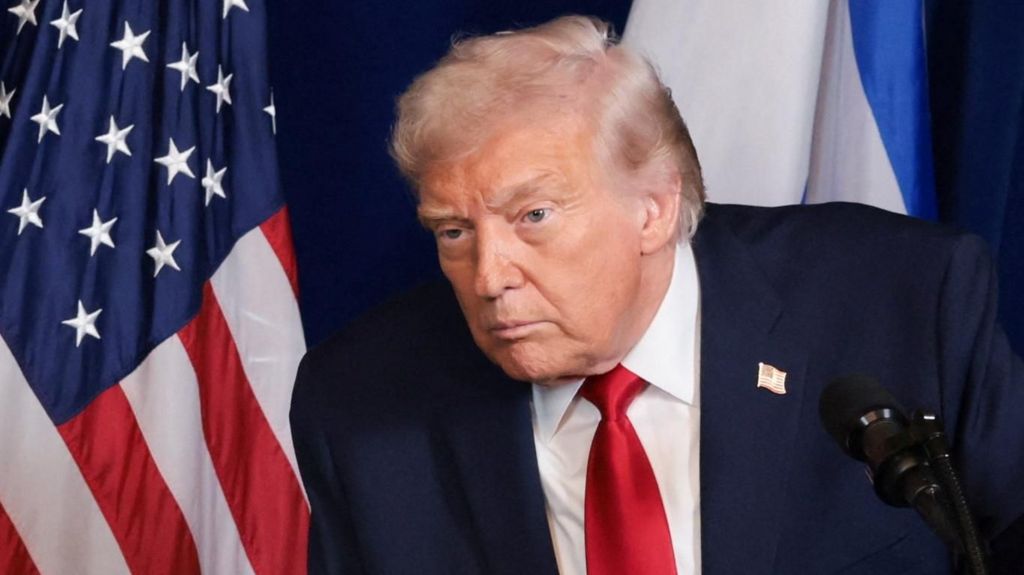
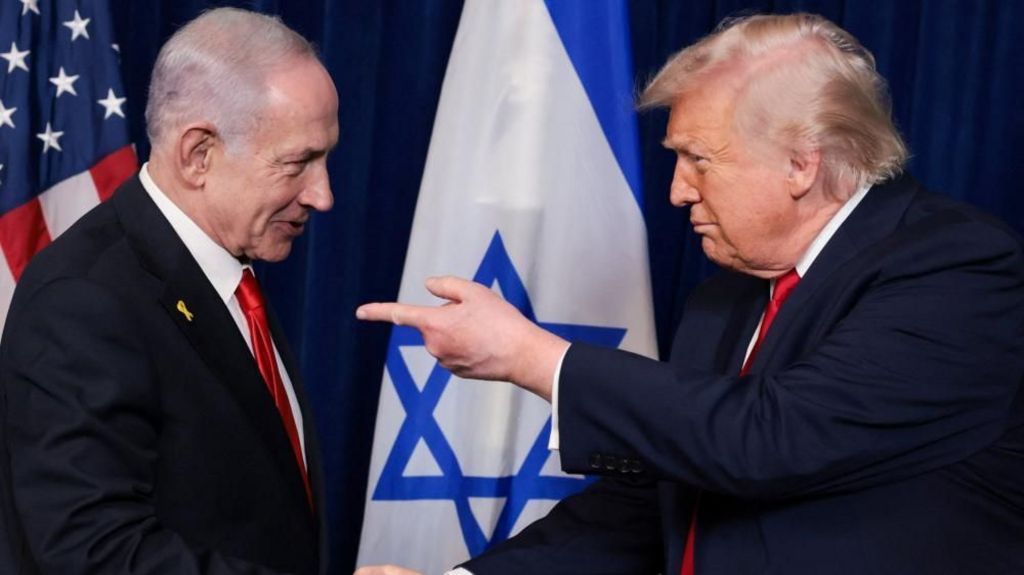
    In a decisive meeting with Israeli Prime Minister Benjamin Netanyahu in Florida, U.S. President Donald Trump delivered a stern warning to Hamas, emphasizing that the militant group would face severe repercussions if it fails to disarm promptly. The high-level discussions centered on the implementation of the Gaza peace plan, which entered its initial phase in October.

    President Trump affirmed that Israel has fully complied with the agreement’s provisions, despite ongoing military operations in Gaza that have resulted in significant casualties. The Hamas-run health ministry reports at least 414 Palestinian fatalities since the ceasefire began, while Israel maintains its actions constitute responses to ceasefire violations.

    The American leader outlined the critical sequencing of the peace plan’s second phase, which necessitates Hamas’s complete disarmament before establishing a technocratic government in Gaza and initiating reconstruction efforts. Trump expressed optimism about commencing reconstruction shortly but insisted disarmament must occur within a constrained timeframe.

    The bilateral talks expanded to address regional security concerns, particularly regarding Iran’s nuclear ambitions. Trump cautioned that the United States would not hesitate to launch additional strikes if evidence emerges of Iran rebuilding its ballistic missile or nuclear weapons programs at alternative facilities. This warning follows June’s extensive U.S. air and missile strikes that targeted Iranian nuclear infrastructure.

    Iranian officials dismissed these allegations as psychological warfare, asserting their preparedness to defend against renewed aggression and warning of escalated consequences for Israel. The discussions also covered regional dynamics involving Syria and Hezbollah, with Trump expressing hope for improved Israeli-Syrian relations under President Ahmed al-Sharaa’s leadership.

    Analysts note the complex challenges facing the peace process, including Netanyahu’s alleged stalling tactics and Hamas’s insistence that disarmament must coincide with progress toward Palestinian statehood. The meeting underscored the delicate balance between diplomatic negotiations and military readiness in the volatile Middle East region.

  • Russia claims Ukraine fired drones at Putin residence; Zelensky denies accusations

    Russia claims Ukraine fired drones at Putin residence; Zelensky denies accusations

    Russia has leveled serious allegations against Ukraine, claiming Kyiv launched a drone assault targeting President Vladimir Putin’s official residence. According to Russian Foreign Minister Sergei Lavrov, Ukrainian forces fired 91 drones toward Putin’s Novgorod region compound between Sunday night and Monday morning, with all projectiles reportedly intercepted and destroyed by Russian air defense systems.

    The incident has prompted Moscow to declare a significant shift in its diplomatic approach to the ongoing conflict. Lavrov announced that Russia would ‘revise’ its negotiating position regarding peace talks and has already identified specific targets within Ukraine for what he termed ‘retaliation strikes.’ This development represents a substantial escalation in rhetoric from the Russian government, which characterized the alleged attack as an act of terrorism.

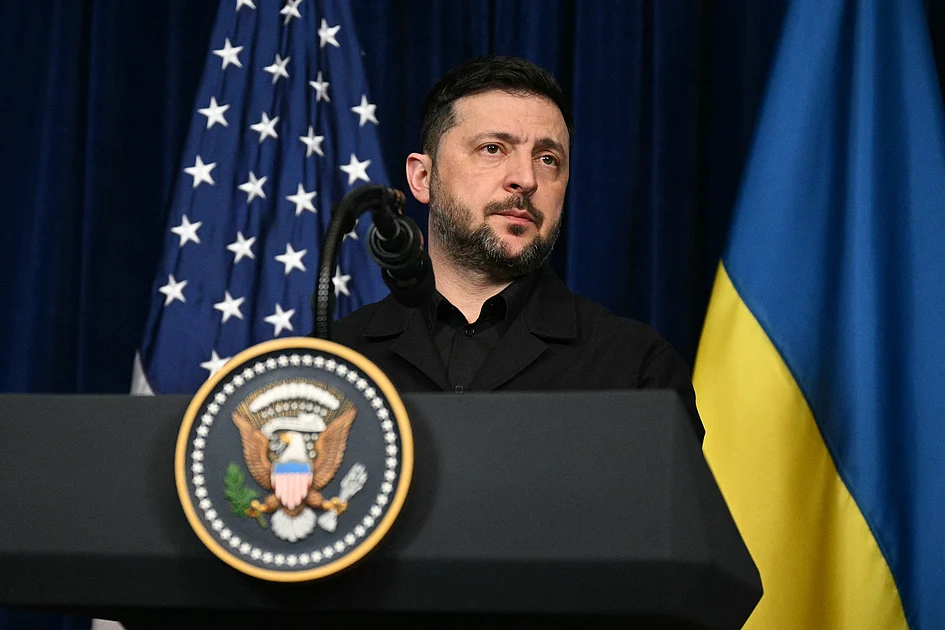
    Ukrainian President Volodymyr Zelensky swiftly dismissed the accusations, labeling them as ‘another round of lies’ from Moscow. In statements delivered via WhatsApp to reporters, Zelensky suggested that Russia’s claims were strategically designed to undermine recent progress achieved in Ukraine-US peace negotiations. The Ukrainian leader further asserted that Moscow was fabricating pretexts to justify planned strikes against government buildings in Kyiv.

    Zelensky directly appealed to US President Donald Trump to respond appropriately to what he characterized as Russian threats, highlighting the international dimensions of the escalating situation. The exchange occurs amid ongoing diplomatic efforts to resolve the conflict, with these latest allegations threatening to further complicate peace discussions between the involved parties.

  • UAE: Will it rain on New Year’s Eve? What NCM says

    UAE: Will it rain on New Year’s Eve? What NCM says

    The United Arab Emirates prepares to usher in 2026 under predominantly clear meteorological conditions, with the National Centre of Meteorology (NCM) forecasting partly cloudy skies and no precipitation expectations for New Year’s Eve celebrations. According to the latest meteorological data, temperatures will range between 8°C in internal regions and 22°C in coastal areas on December 31, 2025, creating ideal conditions for both indoor and outdoor festivities.

    Meteorological authorities indicate that December 31 will feature fair to partially overcast conditions, with low cloud formations anticipated over islands and select coastal regions. Wind patterns are expected to intensify periodically, reaching speeds of 50 Km/h in certain areas, potentially causing blowing dust and sand. Maritime conditions in the Arabian Gulf are forecast to be rough to very rough, while the Sea of Oman will experience moderate to rough seas.

    January 1, 2026, will maintain similar weather patterns with temperatures ranging from 10°C to 22°C across different emirates. Meteorological officials note the likelihood of nighttime humidity and possible fog formation in coastal and internal areas during morning hours. Wind intensities are projected to decrease slightly, with speeds varying between 10-35 Km/h and sea conditions moderating throughout the region.

    The meteorological update comes as UAE authorities finalize extensive preparations for nationwide celebrations. Dubai plans spectacular fireworks displays and drone shows across multiple landmarks including Burj Khalifa, Palm Jumeirah, and Dubai Marina. Abu Dhabi has coordinated diverse events ranging from urban concerts to desert-based festivities, ensuring comprehensive entertainment options for residents and visitors.

    Law enforcement agencies have implemented robust security and traffic management strategies. Dubai Police conducted detailed operational reviews to ensure seamless traffic flow and public safety during celebrations. Similarly, Abu Dhabi Police have activated comprehensive security plans to maintain order and facilitate smooth transportation throughout the emirate.

  • 4 killed, 3 injured in Oman road accident; Indian among deceased, media reports say

    4 killed, 3 injured in Oman road accident; Indian among deceased, media reports say

    A severe traffic accident in Oman has resulted in four fatalities and three injuries, with authorities confirming the incident as a mass casualty event. Oman’s Ministry of Health reported that emergency services transported the injured to Al Rustaq Hospital’s emergency department for immediate medical treatment.

    Indian media outlets have identified one of the deceased as Afzal, a native of Malappuram district in Kerala state. According to Malayalam language media reports, the tragic collision occurred approximately at 9:00 PM local time on Sunday when Afzal’s vehicle collided with another car under circumstances that remain under investigation.

    The Omani government has not released detailed information regarding the nationalities of other victims or the specific location of the accident. Road safety concerns in the Gulf region have gained increased attention following this incident, which represents one of the more serious traffic accidents reported in Oman recently.

    Authorities continue to investigate the precise causes of the collision while medical personnel provide necessary care to the surviving victims. The incident has drawn attention to road safety measures in the region and highlights the transnational nature of Gulf resident communities, particularly the substantial Indian expatriate population contributing to local economies.

  • Trump says US hit ‘big facility’ linked to alleged Venezuelan drug boats

    Trump says US hit ‘big facility’ linked to alleged Venezuelan drug boats

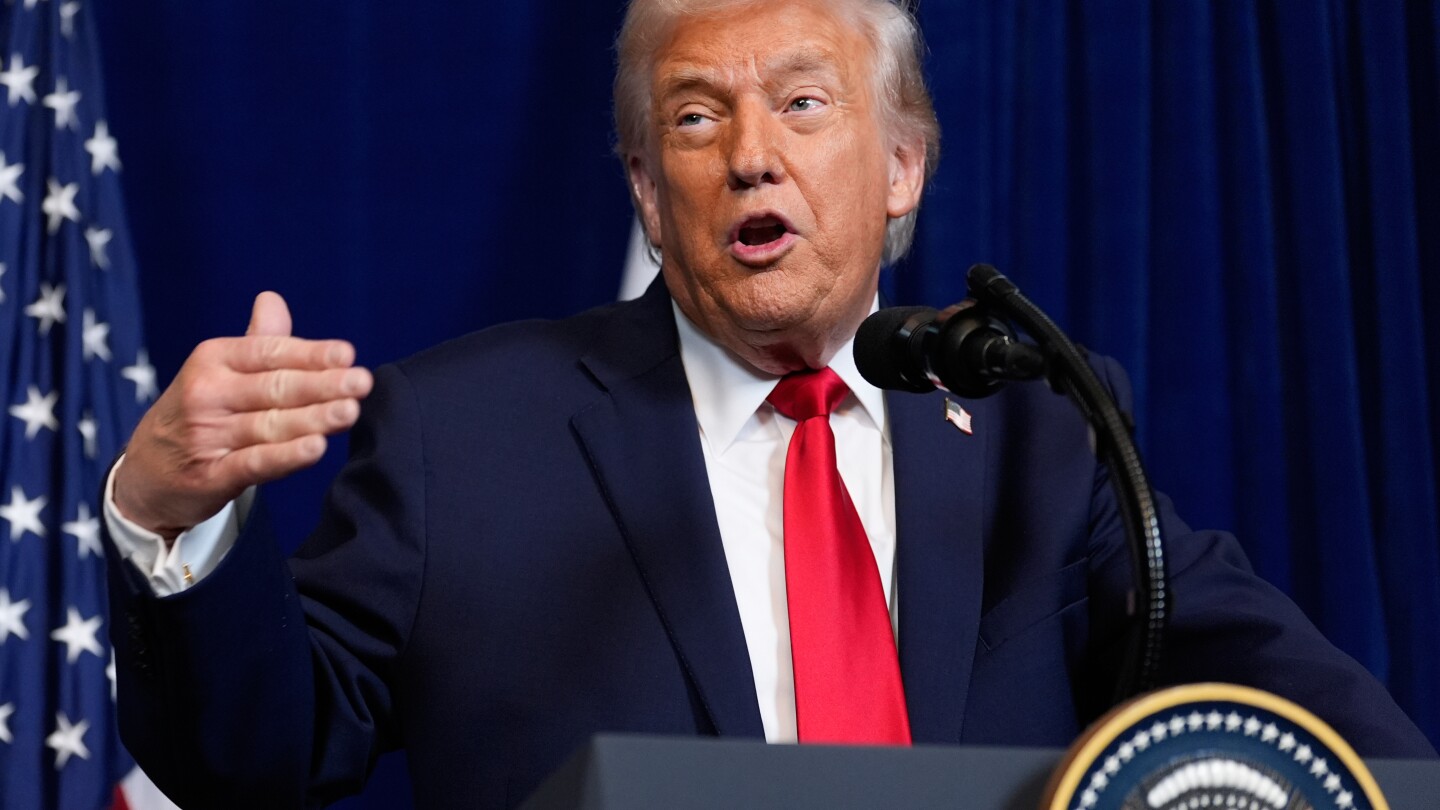
    In a significant development in the Caribbean security landscape, former President Donald Trump has disclosed that United States forces executed a military strike targeting a dock facility allegedly utilized by Venezuelan drug trafficking operations. The revelation came during a press briefing in Florida on Monday, where Trump characterized the operation as targeting a “dock area” central to narcotics loading operations.

    Trump’s description of a “major explosion” occurring last week marks the second time he has referenced this operation, though he maintained deliberate ambiguity regarding operational details. When pressed by journalists about potential CIA involvement, Trump responded cryptically: “I don’t want to say that. I know exactly who it was, but I don’t want to say who it was.”

    This incident represents the latest escalation in Washington’s intensified counter-narcotics campaign targeting Venezuelan operations. Since September, U.S. forces have conducted strikes against more than twenty vessels allegedly involved in drug smuggling, resulting in approximately 100 casualties according to official reports.

    The geopolitical context reveals deepening tensions between the two nations. The Trump administration has deployed substantial military assets to the region, including 15,000 troops and advanced naval vessels such as the USS Gerald Ford aircraft carrier. This deployment represents the largest U.S. military presence in the Caribbean since the 1989 invasion of Panama.

    Venezuela’s government under President Nicolás Maduro has previously condemned U.S. actions as “piracy” and rejected allegations that Maduro maintains connections to drug cartels. Maduro contends that Washington’s anti-drug campaign serves as a pretext for regime change and access to Venezuela’s extensive oil reserves.

    The White House and Pentagon have maintained official silence regarding the dock strike, breaking from established precedent where the Defense Department typically releases visual evidence confirming such operations. This departure from standard procedure raises questions about the nature and location of the strike, particularly whether it occurred within Venezuelan territorial waters.

  • Israel-Turkey rivalry moves to the Horn of Africa

    Israel-Turkey rivalry moves to the Horn of Africa

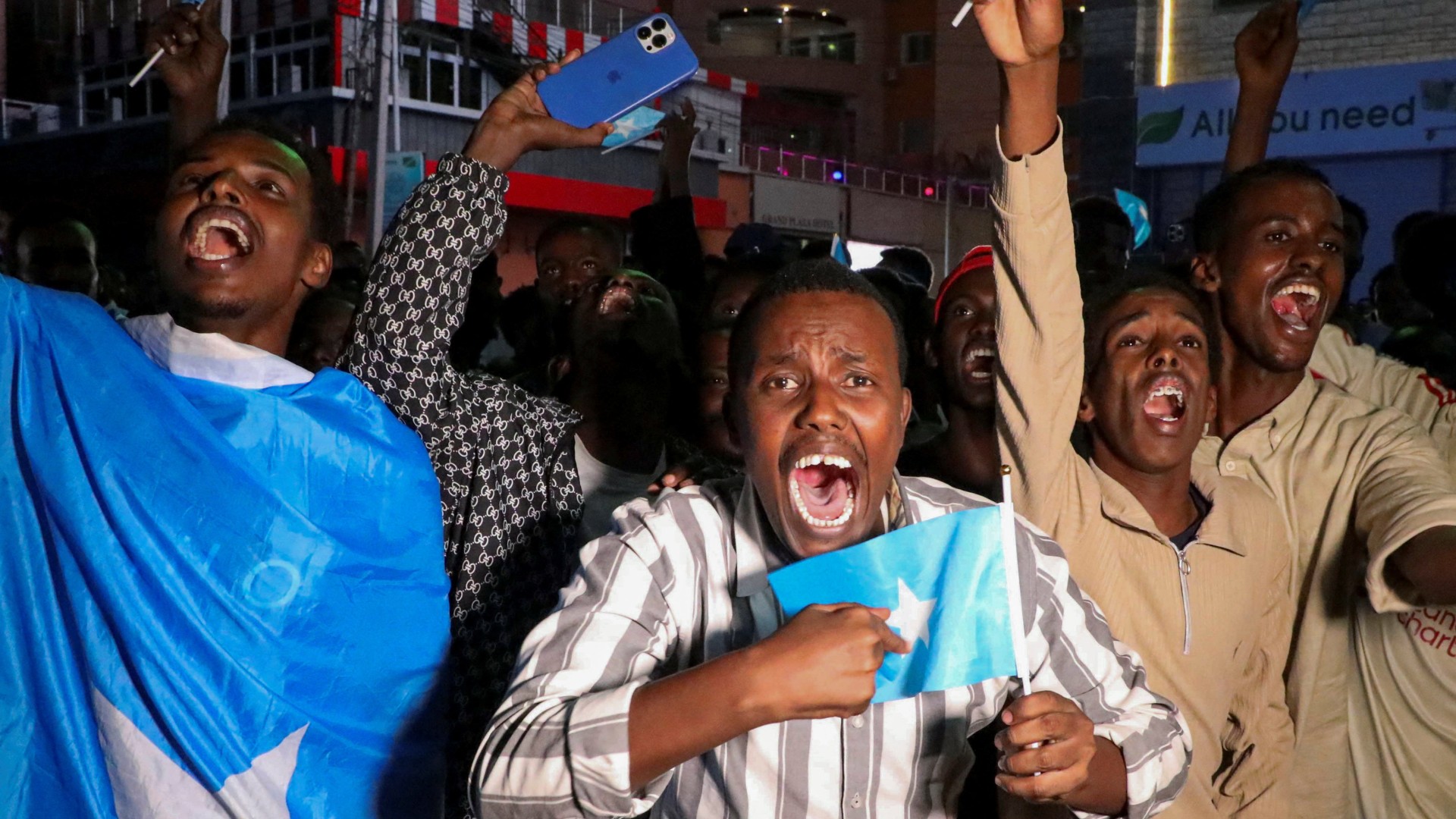
    Israeli journalists attempting to travel to Hargeisa this week encountered an immediate diplomatic reality check: international airlines required visas issued by Somalia’s Mogadishu government despite Israel’s recent recognition of breakaway Somaliland. This practical hurdle underscores the broader geopolitical tensions emerging from Prime Minister Benjamin Netanyahu’s controversial decision.

    The recognition has drawn swift condemnation across the region, with Turkey leading criticism alongside numerous Arab nations. The United Arab Emirates stands as the notable exception in regional opposition. This development has significantly intensified the existing Turkish-Israeli rivalry, particularly in the strategically vital Horn of Africa and Red Sea regions.

    Regional experts present divergent interpretations of Israel’s strategic motives. Some analysts suggest the move facilitates potential Palestinian relocation from Gaza to the Horn of Africa, while others emphasize the strategic imperative to counter threats from Yemen’s Houthi movement. Kani Torun, former ambassador and current Turkish parliamentarian, notes Somaliland’s geographic position offers Israel military access to the Bab al-Mandeb Strait and influence in East Africa.

    Amichai Stein, an Israeli regional affairs specialist, confirms this strategic calculus, highlighting Israel’s need to counter Houthi threats and navigate Suez Canal disruptions. Additionally, the move serves to balance Turkey’s substantial influence in Somalia, where Ankara has established military bases, infrastructure projects, and its largest global embassy.

    Turkish-Israeli relations have deteriorated precipitously since 2023, with Ankara accusing Israel of genocide in Gaza and implementing trade embargoes. The relationship further strained following Syria’s regime collapse and Israel’s support for Syrian decentralization—a position contradicting Turkish interests regarding Kurdish control.

    Abdiwahab Sheikh Abdisamad of the AfroAsia Institute observes that Israel’s recognition directly challenges Turkey’s geopolitical investments in Somalia. Reports indicate Turkey and Somalia had previously planned a military base in Las Qoray, a port with Red Sea access, though the project remains unrealized.

    The situation exposes internal Somali tensions, with federal states like Puntland and Jubaland severing ties with Mogadishu, creating opportunities for external manipulation. However, experts note Israel’s move lacks broader international support, with Torun referencing Ethiopia’s failed similar attempt that collapsed under regional pressure. The ultimate success of Israel’s recognition may hinge on Mogadishu’s ability to unify Somalia’s fractured political landscape.

  • US military carries out 30th strike on alleged drug boat

    US military carries out 30th strike on alleged drug boat

    The United States military has intensified its maritime counter-narcotics operations with a recent lethal strike in the eastern Pacific Ocean, resulting in two fatalities. This latest engagement brings the total number of vessel strikes to 30 and casualties to at least 107 since the campaign’s initiation in early September, according to official figures released by the Trump administration.

    U.S. Southern Command publicly announced the operation through social media channels, asserting that the targeted vessel was actively participating in narco-trafficking activities. While visual evidence circulated online depicts a marine craft being destroyed by dual explosions, specific operational evidence supporting the trafficking allegations remains undisclosed.

    President Donald Trump characterized these aggressive measures as essential components of America’s intensified efforts to disrupt drug smuggling networks, explicitly framing the situation as an ‘armed conflict’ against international cartels. The administration’s strategic approach extends beyond maritime strikes, encompassing increased military deployment throughout the region as part of a comprehensive pressure campaign targeting Venezuelan leadership.

    During a press briefing alongside Israeli Prime Minister Benjamin Netanyahu in Florida, Trump referenced ‘a major explosion in the dock area’ where drug-loading operations allegedly occur, though neither the White House nor Pentagon officials provided additional operational specifics.

    The administration’s multidimensional strategy has included December’s seizure of two sanctioned oil tankers near Venezuelan waters and pursuit of a third vessel, resulting in redirected shipping patterns away from the South American nation. Venezuelan President Nicolás Maduro, facing U.S. narcoterrorism charges, maintains that Washington’s true objective remains regime change.

    This aggressive tactical approach has drawn congressional scrutiny, particularly following revelations that early September operations included secondary strikes that eliminated two survivors clinging to vessel wreckage from initial engagements.

  • Hamas armed wing confirms spokesman killed by Israel in August

    Hamas armed wing confirms spokesman killed by Israel in August

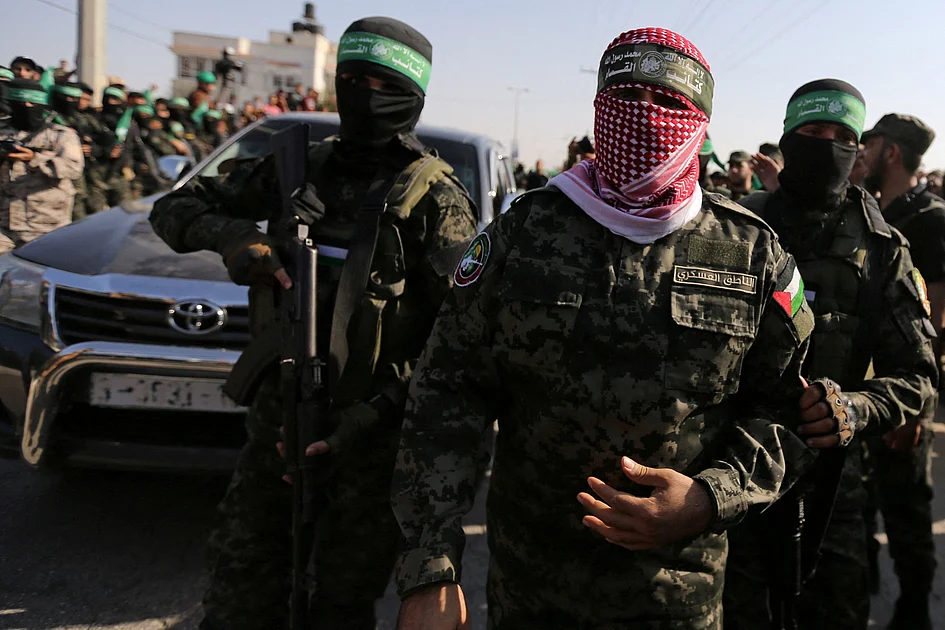
    The Ezzedine Al-Qassam Brigades, Hamas’ military wing, has officially confirmed the death of their prominent spokesperson Abu Obeida in a video statement released through their Telegram channel on Monday. This announcement comes nearly four months after Israel initially reported his elimination in a targeted airstrike on Gaza on August 30.

    The emotionally charged video tribute described Abu Obeida as “the masked man loved by millions” and “the great martyred commander,” indicating his significant symbolic importance within the organization. The delayed confirmation of his death raises questions about operational security considerations and the strategic timing of such announcements in ongoing conflict scenarios.

    Israeli defense forces had previously identified Abu Obeida as a high-value target due to his role as the primary communication channel between Hamas’ military operations and international media. His distinctive masked appearances and carefully crafted messages had made him one of the most recognizable figures representing Hamas’ armed wing.

    The confirmation occurs amidst continued tensions in the region, with both sides maintaining their strategic positions. Analysts suggest that the timing of this announcement may serve multiple purposes, including morale maintenance among supporters, demonstration of organizational resilience, and potential preparation for leadership restructuring within Hamas’ communication apparatus.

  • K-pop band NewJeans breaks up after bitter feud with record label

    K-pop band NewJeans breaks up after bitter feud with record label

    The K-pop landscape faces a seismic shift as chart-topping quintet NewJeans fractures irrevocably. Record label Ador announced the unilateral termination of member Danielle Marsh’s contract, extinguishing hopes for a complete reunion following a protracted legal battle. This decision culminates a year-long dispute that began in 2024 when the group collectively alleged workplace harassment and attempted to exit their contract—a move Ador vehemently denied.

    The conflict reached its legal zenith in October when a Seoul district court ruled NewJeans must honor their exclusive contract until 2029. While all five members initially acquiesced to return in November, Ador’s latest announcement reveals deep fissures within the group. The label simultaneously disclosed impending legal action against former CEO Min Hee-jin and a member of Marsh’s family, alleging they bear ‘significant responsibility’ for the discord.

    Ador’s statement suggests sophisticated manipulation, claiming members were ‘exposed to persistently distorted and biased information’ creating ‘significant misunderstandings.’ The agency provided contrasting updates on other members: Hanni reportedly reaffirmed her commitment after family-involved discussions, while Minji remains in ‘ongoing conversations’ with the label.

    Fan reactions have been volcanic, with social media erupting under the banner ‘NewJeans is five or nothing.’ Devotees questioned the rationality of removing Marsh, with one X user declaring: ‘NewJeans without Danielle isn’t NewJeans. Do you think you can just erase a member this easily?’

    Music critic Lim Hee-yun contextualized the tragedy: ‘NewJeans revolutionized female K-pop acts. Fans worldwide hoped for their complete return—that possibility has now evaporated.’ He predicts Ador may face pressure to recruit new members, particularly if Minji departs, noting three-member groups traditionally struggle in K-pop’s chemistry-driven ecosystem.

    Marsh’s artistic future appears precarious. Lim suggests she may face industry skepticism and might need to ‘pursue being a solo act as an actor, model, or influencer.’ The termination marks a devastating turn for the group that achieved unprecedented success since their 2022 debut, becoming the world’s eighth-best-selling act within a year through their innovative blend of 1990s R&B and contemporary pop.

  • China plans to launch digital currency action plan

    China plans to launch digital currency action plan

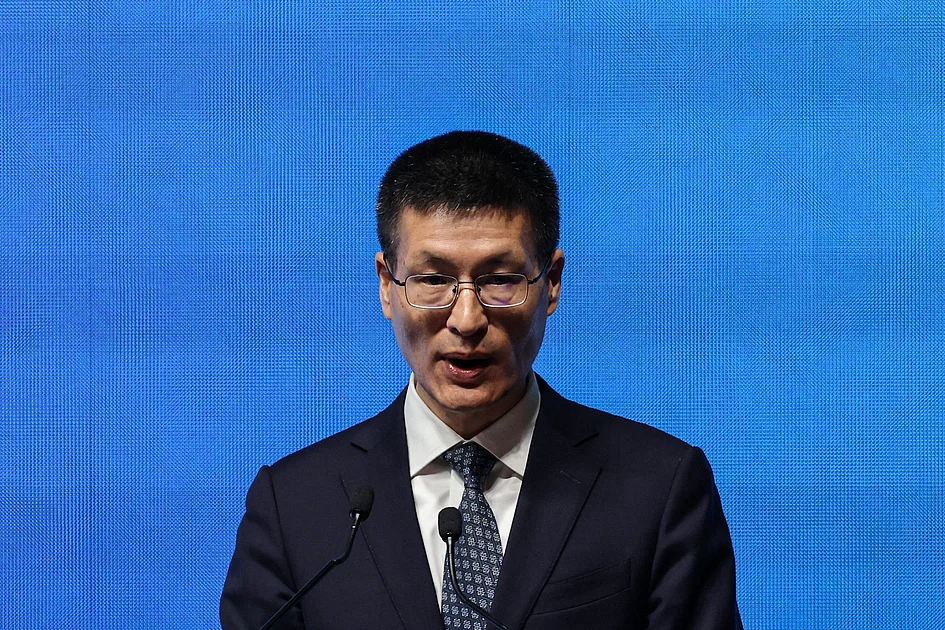
    China’s central bank has announced a major strategic initiative to accelerate the development and implementation of its digital currency ecosystem. The People’s Bank of China (PBoC) revealed on Monday that it will launch a comprehensive “action plan” effective January 1st, 2026, marking a significant advancement in the country’s digital currency ambitions.

    According to Deputy Governor Lu Lei, who detailed the initiative in the central bank-affiliated Financial News publication, the plan represents a “new generation” framework for the digital yuan. The comprehensive strategy encompasses four critical components: a measurement framework, management system, operating mechanism, and ecosystem development. This structured approach aims to create a modern digital payment and circulation system operating within China’s financial infrastructure.

    A key incentive feature of the plan involves commercial banks paying interest on digital yuan balances held by clients, a strategic move designed to encourage broader adoption of the state-backed digital currency. Additionally, the initiative includes proposals to establish an international digital yuan operations center in Shanghai, positioning the eastern financial hub as a global nexus for the currency’s international operations.

    This development comes amid a global surge in central bank digital currency (CBDC) exploration, accelerated by the pandemic-driven shift toward digital payments and the growing prominence of cryptocurrencies. The PBoC has been developing its digital currency since 2014, conducting extensive pilot programs across the country under the “e-CNY” designation.

    While Chinese consumers already extensively utilize mobile and online payment platforms, the digital yuan initiative would potentially grant the central bank, rather than private tech giants, greater access to payment data and enhanced oversight capabilities within the digital payments landscape.