作者: admin

  • US removal of panels honoring Black soldiers at WWII cemetery in the Netherlands draws backlash

    US removal of panels honoring Black soldiers at WWII cemetery in the Netherlands draws backlash

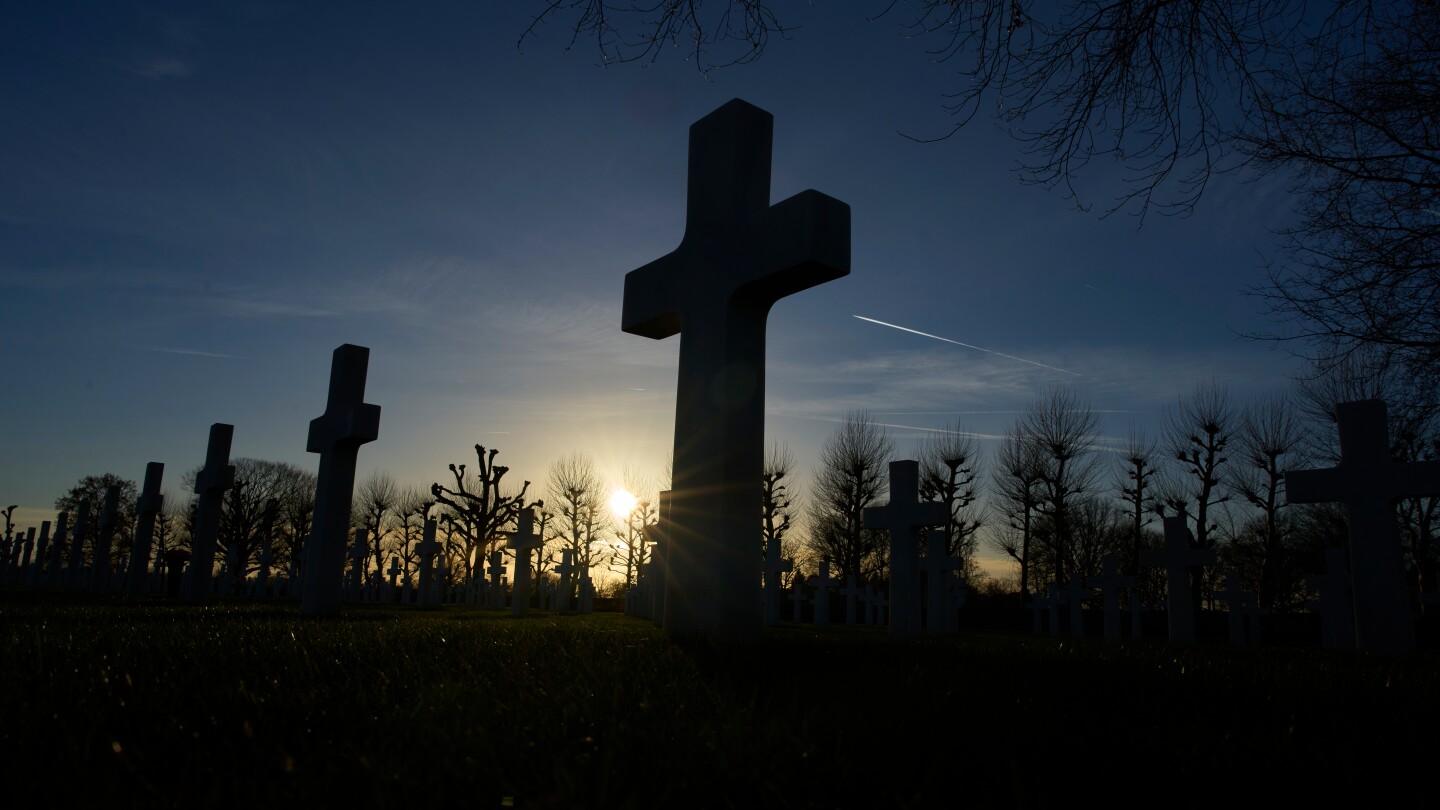
    A contentious decision by the American Battle Monuments Commission to dismantle educational displays honoring Black American soldiers at the Netherlands American Cemetery in Margraten has sparked widespread condemnation and diplomatic tensions. The removal, executed discreetly earlier this year, eliminated two significant panels that chronicled the contributions of African American troops during World War II.

    One display memorialized the heroic actions of 23-year-old Private George H. Pruitt, an African American soldier buried at the site who perished while attempting to rescue a fellow serviceman from drowning in 1945. The second panel documented the institutional racial segregation policies that defined the U.S. military throughout the conflict, despite approximately one million Black soldiers enlisting. These soldiers frequently performed grueling tasks—including an all-Black unit that excavated thousands of graves at Margraten during the devastating Hunger Winter of 1944-45 under German occupation.

    The commission’s actions followed President Donald Trump’s executive orders terminating diversity, equity, and inclusion programs, with the administration declaring an end to ‘woke’ policies. Internal communications obtained through Freedom of Information Act requests by media outlets confirmed the direct link between these policies and the display removals.

    Dutch officials, local communities, and descendants of both soldiers and liberators have expressed profound dismay. Cor Linssen, 79, whose father was a Black American soldier, emphasized the historical significance of these narratives: ‘It’s an important part of history. They should put the panels back.’ Linssen, who faced racial prejudice growing up in the Netherlands, recently visited the cemetery with other children of Black soldiers to view the displays shortly before their removal.

    The controversy has drawn reactions from multiple levels of Dutch society. Theo Bovens, Dutch senator and chairman of the Black Liberators Foundation, noted the paradoxical nature of the removal, given that the commission itself had installed the panels in 2024. Local authorities in the Margraten region have formally demanded the restoration of the exhibits, while Dutch television programs have attempted to recreate the displays outside cemetery grounds.

    The profound connection between the Dutch people and the fallen soldiers remains evident through the ongoing grave adoption program, where thousands of local families honor individual soldiers by maintaining their resting places and commemorating their birthdays—a tradition often passed through generations.

    Historians and authors like Linda Hervieux, who documented Black soldiers’ experiences in ‘Forgotten,’ argue that erasing these stories continues a harmful pattern of excluding people of color from historical narratives. The absence of these panels at Margraten represents more than missing information—it signifies the ongoing struggle over whose sacrifices are remembered and whose are forgotten.
  • China flexes blockade capabilities near Taiwan on second day of military drills

    China flexes blockade capabilities near Taiwan on second day of military drills

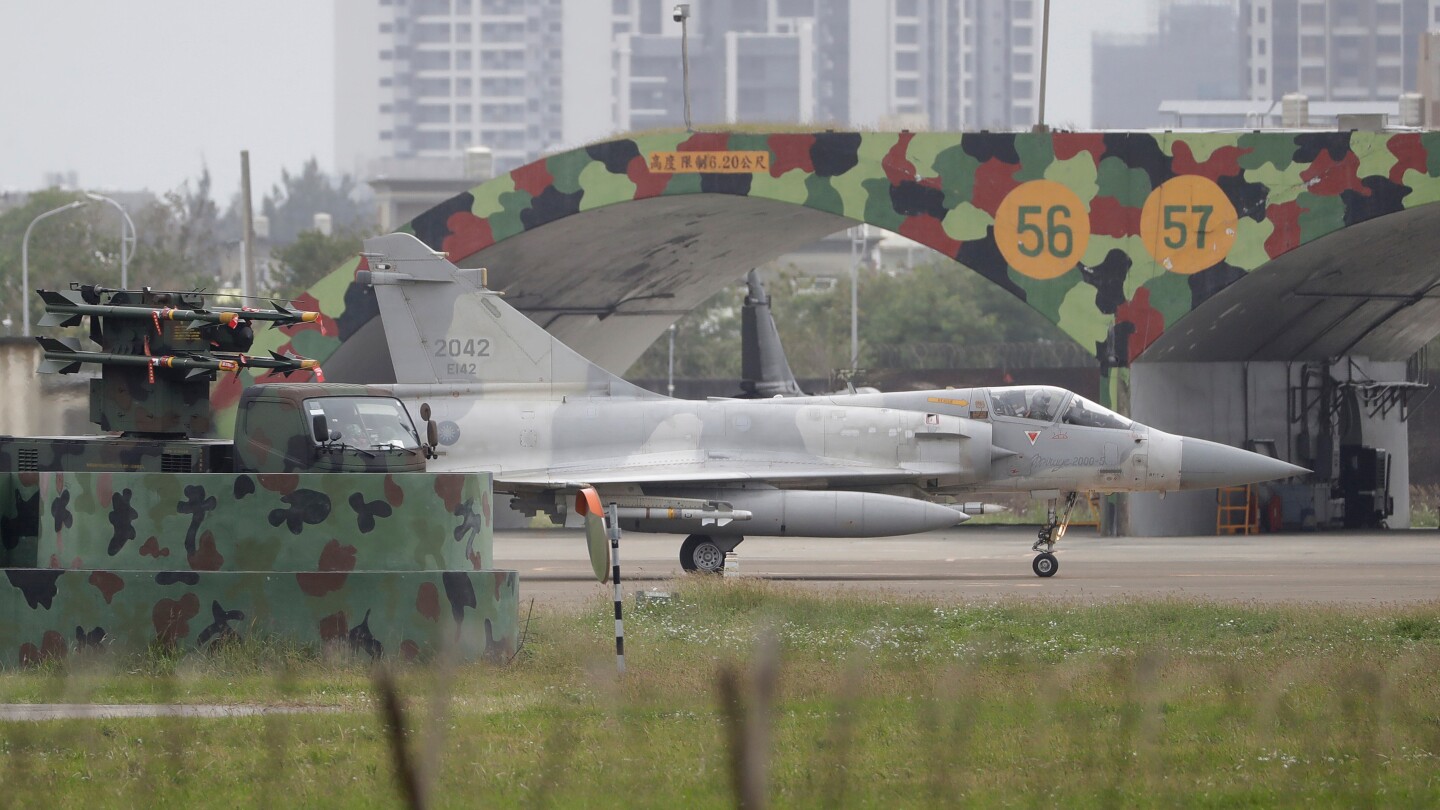
    China’s People’s Liberation Army intensified its military presence around Taiwan with large-scale exercises dubbed ‘Justice Mission 2025,’ entering a second day of operations on Tuesday. The Eastern Theater Command deployed destroyers, frigates, fighter jets, and bombers to waters north and south of the island, conducting comprehensive sea-air coordination drills and live-fire artillery exercises that officials claimed achieved ‘desired effects.’

    The maneuvers significantly heightened tensions across the Taiwan Strait as 2025 concluded, with tangible impacts on civilian aviation. Taiwan’s Civil Aviation Administration reported seven temporary ‘dangerous zones’ established around the strait, potentially disrupting both international and domestic flight operations.

    According to Taiwan’s Defense Ministry, surveillance detected 130 Chinese military aircraft, including fighters and bombers, alongside 14 naval vessels and eight other official ships operating near the island within a 24-hour period. Notably, 90 aircraft crossed the median line of the strait, entering Taiwan’s air defense identification zone, while a Chinese balloon was also observed. Long-range artillery units from China’s Fujian province conducted live-fire exercises targeting zones approximately 44 kilometers off Taiwan’s northern coast.

    Chinese officials framed the exercises as a ‘stern warning’ against what they characterize as Taiwan independence separatist forces and external interference. Through its official Xinhua News Agency, Beijing accused Taiwan’s ruling Democratic Progressive Party of binding the island to a ‘catastrophic secessionist chariot’ through arms purchases and alignment with the United States.

    The developments occurred against the backdrop of recent U.S.-Taiwan defense agreements, with Washington announcing arms sales valued at over $10 billion—a move that prompted Beijing to impose sanctions against 20 U.S. defense companies and 10 executives. The situation also drew responses from regional powers, with Japan’s government suggesting potential military involvement if China takes action against Taiwan, further complicating the geopolitical landscape.

    Despite the escalated tensions, U.S. President Donald Trump expressed limited concern, highlighting his relationship with Chinese President Xi Jinping and suggesting he didn’t anticipate military action against Taiwan. The historical context of the dispute traces back to 1949, when Communist forces took control of mainland China, and Nationalist forces retreated to Taiwan, establishing separate governance systems that have persisted for decades.

  • As a property slump drags on, China’s economy looks more resilient than it feels

    As a property slump drags on, China’s economy looks more resilient than it feels

    While China’s official economic indicators project resilience with record-breaking exports and technological advancements, a stark contrast emerges in the daily experiences of ordinary citizens grappling with financial pressures. The nation’s export sector achieved an unprecedented $3.4 trillion in shipments during the first eleven months of 2025, driven by growing demand from Southeast Asia and Europe that compensated for declining U.S. trade. Simultaneously, breakthroughs in artificial intelligence and electric vehicle technologies demonstrate China’s progressive shift toward high-tech industries.

    Despite these macroeconomic strengths, small business owners and urban professionals report severe financial constraints. Beijing billiards hall proprietor Xiao Feng exemplifies this struggle, noting that after covering operational costs including rent and labor, he merely breaks even. “The affluent appear too occupied while common people lack disposable income,” Feng observed, revealing he has drawn no personal income for six consecutive months despite his wife’s stable nursing salary supporting their family.

    Commercial real estate agent Zhang Xiaoze, who previously earned approximately 3 million yuan annually during the mid-2010s peak, now generates about 100,000 yuan yearly. “The fundamental issue is that people lack financial resources,” Zhang noted, referencing frequent reliance on personal savings to sustain his household.

    This economic divergence has prompted analysts to question official growth statistics. Capital Economics analyst Zichun Huang suggests actual expansion “may be well below” reported figures, with independent estimates ranging from 2.5% to 3.5% compared to the official 5% target. Retail sales growth decelerated to 1.3% year-on-year in November, while fixed-asset investments declined 2.6% through the first eleven months.

    The property sector’s persistent slump continues to undermine consumer confidence, with housing values depreciating over 20% since their 2021 zenith. New home sales plummeted 11.2% by value year-on-year, with property investments contracting nearly 16%. This downturn has virtually eliminated previous wealth gains from real estate, according to HSBC economists.

    While the International Monetary Fund recently upgraded China’s growth forecast to 5%, matching official projections, numerous challenges persist. Excess industrial capacity across automotive, steel, and consumer goods sectors suppresses prices and profitability. China’s substantial trade surplus exceeding $1 trillion potentially invites protectionist responses from trading partners.

    Economists including Carnegie Endowment’s Michael Pettis argue that fundamental structural reforms enabling broader wealth distribution remain politically challenging. As budget hotel owner Zhai from Shijiazhuang summarized: “I anticipate no immediate economic recovery. With limited education, transitioning industries proves nearly impossible when all sectors face difficulties.”

  • World shares are mixed in the final stretch of 2025

    World shares are mixed in the final stretch of 2025

    Global financial markets concluded the final trading sessions of 2025 with divergent performances across major indices amid characteristically thin year-end trading volumes. European shares opened with minimal movement Tuesday following modest declines across Asian markets, with numerous exchanges preparing for New Year closures.

    Japanese Prime Minister Sanae Takaichi presided over the Tokyo Stock Exchange’s traditional year-end bell ceremony, emphasizing the government’s commitment to “realizing a Japanese economy that earns the global investment community’s trust.” Despite closing 0.4% lower at 50,339.48, the Nikkei 225 achieved its first year-end close above the historic 50,000 threshold, registering an impressive annual gain of nearly 25%.

    European trading saw Germany’s DAX essentially flat at 24,348.38, while Britain’s FTSE 100 edged upward 0.1% to 9,876.73. France’s CAC 40 remained virtually unchanged at 8,112.37. Asian markets displayed variability with Hong Kong’s Hang Seng advancing 0.9% to 25,854.60, while mainland China’s Shanghai Composite held steady at 3,965.51. Australia’s S&P/ASX 200 dipped marginally, and South Korea’s Kospi declined 0.2%.

    The technology sector continued experiencing volatility as investor skepticism mounted regarding artificial intelligence investments’ long-term profitability. Market heavyweights Nvidia and Broadcom declined 1.2% and 0.8% respectively, reflecting concerns about whether AI-focused companies can justify their substantial valuations.

    Precious metals demonstrated remarkable resilience with gold prices rebounding 0.7% after Monday’s 4.6% decline, maintaining an extraordinary 64% annual appreciation. Silver staged a dramatic recovery, surging 4.4% following an 8.7% previous-day slump, more than doubling in value throughout 2025. These recoveries occurred despite the Chicago Mercantile Exchange’s increased margin requirements for metals trading.

    Energy markets witnessed modest gains with U.S. crude oil advancing to $58.22 per barrel and Brent crude reaching $61.61. Currency markets displayed minimal fluctuation as the U.S. dollar held near 156.00 yen while the euro dipped slightly against the dollar.

    Treasury yields continued their descent with the 10-year note falling to 4.11%, reflecting the Federal Reserve’s interest rate cuts implemented throughout the year to address employment market softening. This monetary policy shift has generated concerns about potential inflationary pressures exceeding the central bank’s 2% target, creating economic uncertainty heading into 2026.

  • Swedish workers trial ‘friendship hour’ to combat loneliness

    Swedish workers trial ‘friendship hour’ to combat loneliness

    In a groundbreaking approach to addressing societal isolation, Swedish pharmacy chain Apotek Hjärtat has launched an innovative ‘friendcare’ program that provides employees with paid time during work hours to nurture personal relationships. The pilot scheme, which began in April, represents a corporate response to Sweden’s growing loneliness crisis and aligns with the government’s national strategy to minimize social isolation.

    Forty-five-year-old pharmacy worker Yasmine Lindberg exemplifies the program’s target demographic. Since separating from her partner four years ago, Lindberg has experienced significant loneliness despite maintaining shared custody of her teenage children. ‘I’m really tired when I go home. I don’t have time or energy to meet my friends,’ she explains while restocking shelves at the Kalmar retail park location where she works shifts.

    The friendcare initiative (vänvård in Swedish) grants participants 15 minutes weekly or one hour monthly during working hours specifically dedicated to strengthening social connections. Employees can utilize this time for phone conversations, making social plans via text, or arranging in-person meetings. Additionally, volunteers receive 1,000 kronor ($100) to fund friendship-building activities throughout the year-long trial and access to specialized online training on recognizing and addressing loneliness.

    CEO Monica Magnusson reveals the program’s inspiration emerged from previous collaborations with mental health charity Mind, which demonstrated how brief meaningful interactions between pharmacists and customers reduced feelings of isolation. ‘We try and see what the effects are from having the opportunity to spend a bit of time every week on safeguarding your relationships,’ Magnusson explains.

    The terminology cleverly plays on Sweden’s existing ‘friskvård’ concept—a tax-free wellness allowance many companies provide for fitness activities—but redirects the focus toward relational health. This corporate initiative coincides with the Swedish government’s heightened attention on loneliness as a public health emergency. Health Minister Jakob Forssmed has characterized loneliness as a major health concern, citing global research linking isolation to increased risks of coronary heart disease, strokes, and premature mortality.

    Research indicates approximately 14% of Sweden’s population reports feeling lonely some or all of the time, slightly exceeding the EU average. A 2024 Statistics Sweden study found 8% of Swedish adults lack even a single close friend. Psychologist Daniel Ek, author of ‘The Power of Friendship,’ attributes these statistics to multiple factors including Sweden’s harsh winters, cultural norms that prioritize personal space, and housing patterns where over 40% of homes are single-occupant.

    While it’s too early to determine whether Apotek Hjärtat will expand the program company-wide, preliminary self-assessment surveys indicate increased life satisfaction among participants. The pharmacy chain is part of a broader business network called ‘Together against involuntary loneliness’ that includes approximately 20 major Nordic brands such as IKEA and hospitality chain Strawberry, all collaborating to share strategies against social isolation.

    Parallel initiatives are emerging across Sweden, including a project in Piteå where 20 businesses offer wellness grants for employees to attend group cultural experiences. While experts acknowledge these programs can lower thresholds for social interaction, they simultaneously call for deeper examination of structural issues like unemployment (currently 8.7%), income inequality, and digital overuse that contribute to Sweden’s loneliness epidemic.

  • Australian police find no evidence of ‘broader terrorist cell’ in Bondi Beach antisemitic shooting

    Australian police find no evidence of ‘broader terrorist cell’ in Bondi Beach antisemitic shooting

    Australian Federal Police Commissioner Krissy Barrett announced Tuesday that an extensive international investigation into the Bondi Beach mass shooting has found no evidence connecting the perpetrators to a broader terrorist network. The probe, which extended to the Philippines, examined the activities of Sydney residents Sajid Akram, 50, and his 24-year-old son Naveed Akram during their November stay in Davao City.

    According to Commissioner Barrett, Philippine authorities determined the pair rarely left their hotel during their visit from November 1-29. ‘There is no evidence to suggest they received training or underwent logistical preparation for their alleged attack,’ Barrett stated at a press briefing. ‘These individuals are alleged to have acted alone. There is no evidence to suggest these alleged offenders were part of a broader terrorist cell, or were directed by others to carry out an attack.’

    The Akrams returned to Australia on November 29, and two weeks later allegedly carried out the deadliest terrorist attack in Australian history. The December 14 shooting at a Hanukkah festival left 15 dead and 40 wounded before police intervention ended the violence. Naveed Akram, who was shot in the abdomen during a gunfight with officers, now faces dozens of charges including 15 counts of murder and one count of committing a terrorist act. His father was killed by police at the scene.

    In response to the attack, Sydney authorities are deploying unprecedented security measures for New Year’s Eve celebrations. More than 2,500 officers will patrol the harborfront, many openly carrying automatic rifles—a rare sight on Sydney streets. The enhanced security comes after initial responders to the Bondi attack were armed only with pistols that were outranged by the Akrams’ rifles and shotguns.

    New South Wales Premier Chris Minns defended the security upgrades, stating, ‘Given we’ve just had the worst terrorism event in Australia’s history inside the last month, it would be self-evidently the case that things need to change.’ The premier emphasized that the show of force represents defiance rather than submission to extremist ideologies.

    The celebrations will include a solemn tribute to the Bondi victims with a minute of silence at 11 p.m. and projections of Jewish menorahs on the Sydney Harbour Bridge pylons—a change from originally planned dove imagery after consultation with Jewish community representatives.

  • Bangladesh’s first female prime minister Khaleda Zia dies aged 80

    Bangladesh’s first female prime minister Khaleda Zia dies aged 80

    Bangladesh’s political landscape has been permanently altered with the passing of Khaleda Zia, the nation’s first female prime minister, who died at age 80 following an extended period of illness. Her death was confirmed by the Bangladesh Nationalist Party (BNP) via social media on Monday, stating their “favorite leader is no longer with us.”

    Zia’s political journey began tragically following the 1981 assassination of her husband, President Ziaur Rahman, during a military coup. She transformed from first lady into a formidable political force, eventually leading the BNP to victory in Bangladesh’s first democratic election in two decades, securing her historic position as head of government in 1991.

    Her tenure was marked by significant political turbulence, including a second term in 1996 that lasted merely weeks, and another premiership from 2001 until October 2006. Throughout her career, Zia maintained a fierce rivalry with political opponent Sheikh Hasina, leader of the Awami League, creating a decades-long power dynamic that defined Bangladeshi politics.

    Zia’s later years were overshadowed by legal challenges, including a 2018 corruption conviction under Hasina’s administration which she denounced as politically motivated. Her release last year coincided with mass anti-government protests that ultimately toppled Hasina, forcing her into exile.

    Despite severe health complications including kidney damage, heart disease, and pneumonia, Zia remained politically relevant. Her party had recently announced her intention to contest upcoming February elections, demonstrating her enduring influence. Following news of her death, crowds gathered outside Dhaka’s Evercare Hospital where she had been receiving treatment, with photographs showing police managing emotional supporters.

    With Zia’s passing, political attention turns to her son Tarique Rahman, who recently returned from 17 years of self-imposed exile in London and is expected to assume leadership of the BNP as the party eyes a return to power.

  • Spanish woman who found fame for botching fresco restoration dies

    Spanish woman who found fame for botching fresco restoration dies

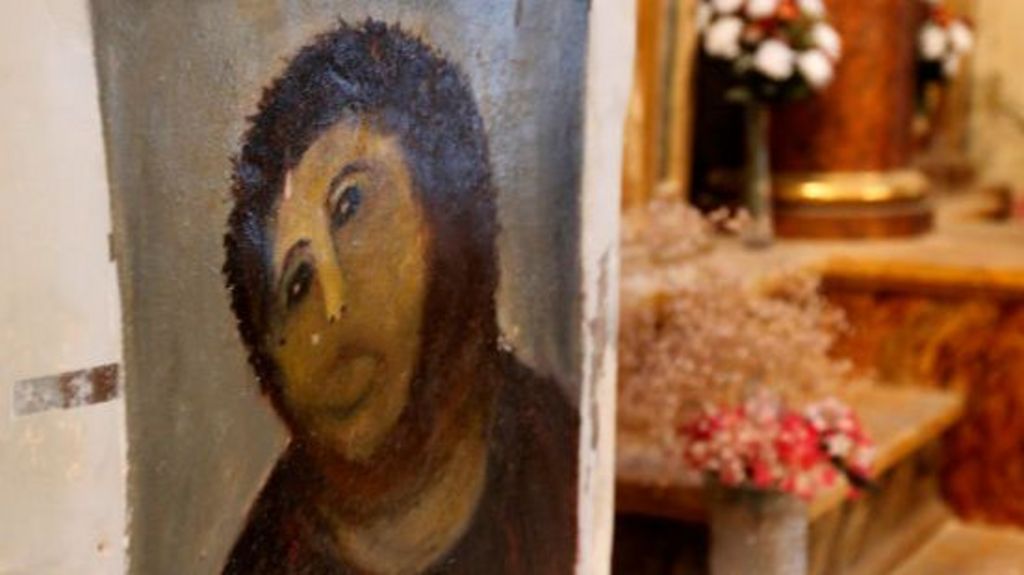
    Cecilia Giménez, the Spanish parishioner whose unconventional restoration of a religious fresco catapulted her to global fame, has passed away at age 94. The mayor of Borja, Eduardo Arilla, confirmed her death in an official Facebook tribute, recognizing Giménez as a “great lover of painting from a young age” whose actions, though controversial, ultimately transformed her small town’s destiny.

    The incident occurred in 2012 when then-81-year-old Giménez attempted to restore the century-old ‘Ecce Homo’ (Behold the Man) fresco by 19th-century painter Elias Garcia Martinez in her local Sanctuary of Mercy Church. Despite her earnest intentions, the restoration dramatically altered Christ’s facial features, resulting in the viral phenomenon dubbed “Monkey Christ” due to its similian appearance.

    Initially facing international ridicule and artistic criticism, the botched restoration unexpectedly became a cultural phenomenon that reversed the fortunes of the previously obscure town. Borja experienced an unprecedented tourism boom, with annual visitor numbers skyrocketing from 5,000 to over 40,000 by 2013. The phenomenon generated more than €50,000 for local charities through tourism revenue.

    Despite initial backlash, Giménez received overwhelming support from her community and eventually staged an exhibition featuring 28 of her original paintings. The restored fresco, now protected behind glass, continues to draw between 15,000-20,000 annual visitors, maintaining its status as an unexpected tourist attraction.

    Mayor Arilla’s tribute emphasized Giménez’s lifelong dedication to her church and community, noting that she acted “with the best intentions” to preserve the deteriorating artwork. Her unintended legacy demonstrates how artistic interpretation, even when unconventional, can profoundly impact cultural tourism and community identity.

  • Netanyahu awards Trump ‘Israel Prize’ as Trump lavishes him with praise

    Netanyahu awards Trump ‘Israel Prize’ as Trump lavishes him with praise

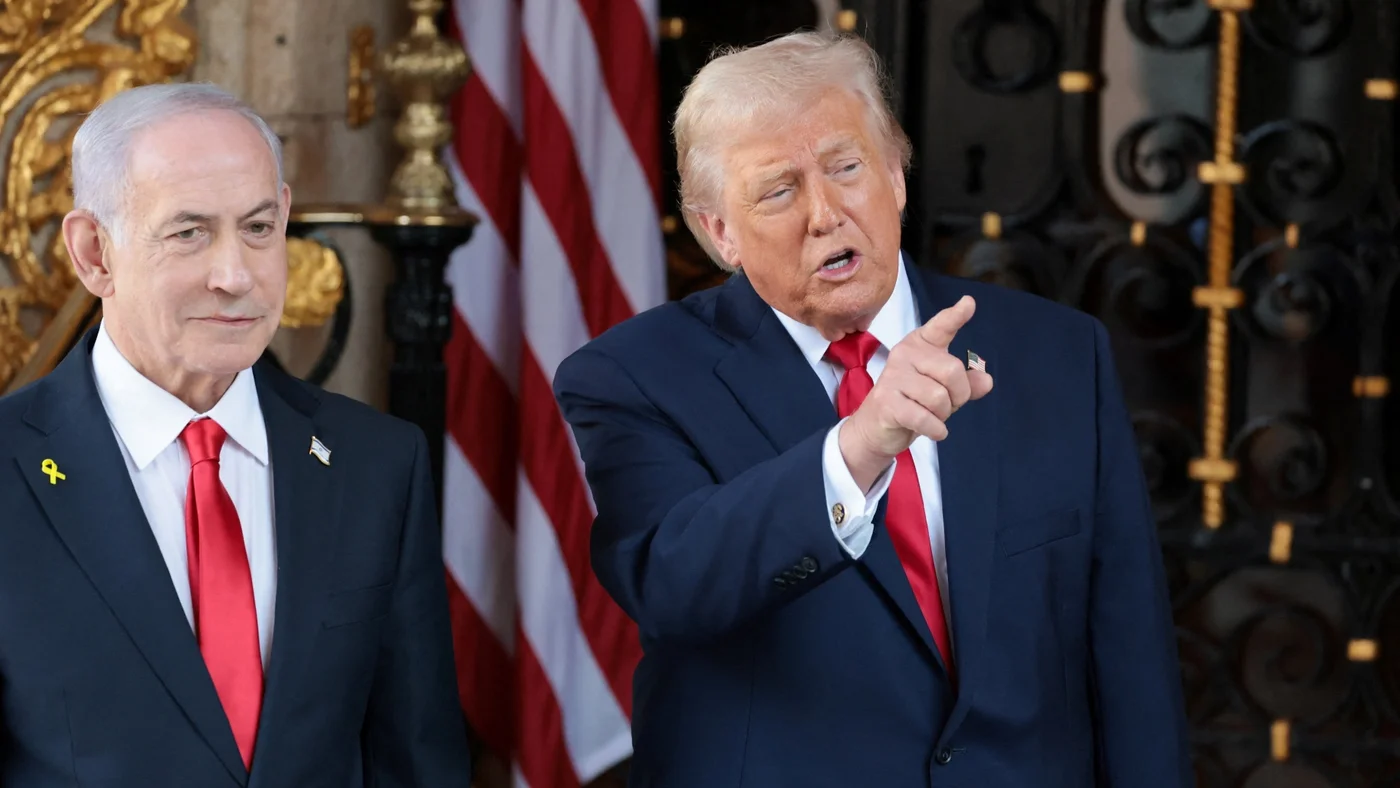
    The highly anticipated meeting between U.S. President Donald Trump and Israeli Prime Minister Benjamin Netanyahu at Mar-a-Lago yielded significant symbolic gestures but left the future of the Gaza ceasefire plan shrouded in ambiguity. In an unprecedented move, Netanyahu announced the awarding of Israel’s highest cultural honor, the Israel Prize, to President Trump for his “tremendous contributions to Israel and the Jewish people”—marking the first time the prize has been bestowed upon a non-Israeli citizen.

    President Trump reciprocated with effusive praise, repeatedly hailing Netanyahu as a “wartime prime minister at the highest level” and asserting that Israel’s very existence depended on his leadership. “If you had a weak man, you wouldn’t have Israel right now,” Trump declared during their joint appearance.

    The central focus of discussions revolved around the stalled Trump-branded ceasefire plan for Gaza, which has remained effectively dormant since its implementation on October 10th. Trump adopted an increasingly assertive posture, warning that Hamas faces a “very short period of time to disarm” or there would be “hell to pay.” While refusing to specify a concrete deadline, the U.S. president suggested unnamed countries outside the Middle East had offered to deploy troops to forcibly disarm Hamas if necessary.

    Despite the hardline rhetoric, Trump indicated potential flexibility by considering reconstruction initiatives in Gaza prior to Hamas’s disarmament. A ambitious $112 billion proposal dubbed the “Sunrise Project,” developed by U.S. envoy Steve Witkoff and Jared Kushner, envisions transforming Gaza into a high-tech urban center over a decade. The plan calls for the U.S. to fund 20% of the project costs, though unnamed officials have expressed skepticism about its feasibility given Gaza’s current humanitarian situation.

    The meeting also addressed regional geopolitics, with Trump suggesting possible approval of F-35 fighter jet sales to Turkey despite Netanyahu’s historical objections. When questioned about Iranian nuclear capabilities, Trump warned that the U.S. would “knock the hell out of them” if Iran attempts to rebuild its nuclear program, while simultaneously expressing openness to diplomatic negotiations.

    Critical challenges remain, as evidenced by a Palestinian Centre for Policy and Survey Research poll indicating 70% of Palestinians oppose Hamas disarmament even if it means renewed Israeli attacks. Hamas has previously offered to “bury” its weapons in exchange for a decade-long truce and Palestinian statehood recognition—a position at odds with the current U.S.-Israel approach that emphasizes total disarmament as a precondition for peace.

  • Khaleda Zia: Slain leader’s widow who became Bangladesh’s first PM

    Khaleda Zia: Slain leader’s widow who became Bangladesh’s first PM

    Khaleda Zia, Bangladesh’s pioneering female prime minister who shaped the nation’s political landscape for decades, has passed away at age 80 in Dhaka. Her death marks the end of an era for Bangladeshi politics, closing a chapter on one of the most consequential and controversial political figures in the country’s history.

    Born in 1945 in West Bengal, Zia’s journey from a tea trader’s daughter to the highest office of government was nothing short of extraordinary. Her transformation began after the 1981 assassination of her husband, President Ziaur Rahman, a war hero who had played a pivotal role in Bangladesh’s independence struggle. Despite being characterized as a “shy housewife” during her husband’s presidency, she emerged from his shadow to lead the Bangladesh Nationalist Party (BNP) and eventually the nation.

    Zia’s political career was defined by both groundbreaking achievements and fierce controversies. She made history in 1991 when she became Bangladesh’s first female prime minister and only the second woman to lead a Muslim-majority nation. During her two non-consecutive terms (1991-1996 and 2001-2006), she implemented significant educational reforms, including making primary education free and compulsory in a country where children averaged just two years of schooling. She also championed women’s political representation through constitutional amendments reserving parliamentary seats for female lawmakers.

    Her tenure coincided with Bangladesh’s brutal political landscape, where she engaged in a decades-long power struggle with her principal rival, Sheikh Hasina of the Awami League. This rivalry defined Bangladeshi politics, with the two women alternating power for nearly twenty years until both found themselves embroiled in corruption cases following the 2006 military intervention.

    Zia’s later years were marred by legal battles and health challenges. In 2018, she was convicted and sentenced to five years imprisonment for embezzling approximately $252,000 intended for an orphanage trust established during her premiership. The charges, which she consistently denied as politically motivated, resulted in her being disqualified from seeking public office.

    Her fortunes shifted dramatically in 2024 when widespread anti-government protests toppled Sheikh Hasina’s administration. The interim government that assumed power ordered Zia’s release and unfroze her assets. By this time, she was battling multiple life-threatening conditions including liver cirrhosis and kidney damage. In January 2025, she was permitted to travel to London for medical treatment but ultimately returned to Dhaka, where she spent her final months.

    Zia is survived by her elder son Tarique Rahman, who returned from exile in London and is widely considered a frontrunner for Bangladesh’s leadership. Her younger son, Arafat “Koko” Rahman, who was implicated in the corruption cases against her, predeceased her in 2015.

    Her passing leaves a complex legacy: a trailblazer for women in politics who broke gender barriers in a conservative Muslim society, yet also a figure whose career was overshadowed by allegations of corruption and political vendettas that reflected the turbulent nature of Bangladeshi democracy.