作者: admin

  • Aid agencies warn of ‘devastating’ impact on Gaza after Israeli ban

    Aid agencies warn of ‘devastating’ impact on Gaza after Israeli ban

    A sweeping Israeli directive targeting 37 humanitarian organizations operating in Gaza has sparked grave concerns among international aid agencies, with suspensions set to take effect January 1st. The Israeli Ministry of Diaspora Affairs announced the measure Tuesday, citing non-compliance with newly implemented security and transparency protocols, including requirements to submit detailed staff lists for security vetting.

    Major global aid providers including Médecins Sans Frontières (MSF), Oxfam, ActionAid, and the Norwegian Refugee Council are among those affected. These organizations have played critical roles in delivering healthcare, sanitation, shelter, and essential supplies throughout the ongoing humanitarian crisis in the besieged territory.

    Oxfam’s policy lead for Palestinian territories, Bushra Khalidi, characterized the new regulations as a politicized mechanism that effectively obstructs humanitarian operations. ‘The core issue here is not a legal technicality,’ Khalidi told Middle East Eye. ‘It’s the use of a politicized registration to restrict life-saving aid—that’s against international humanitarian law.’

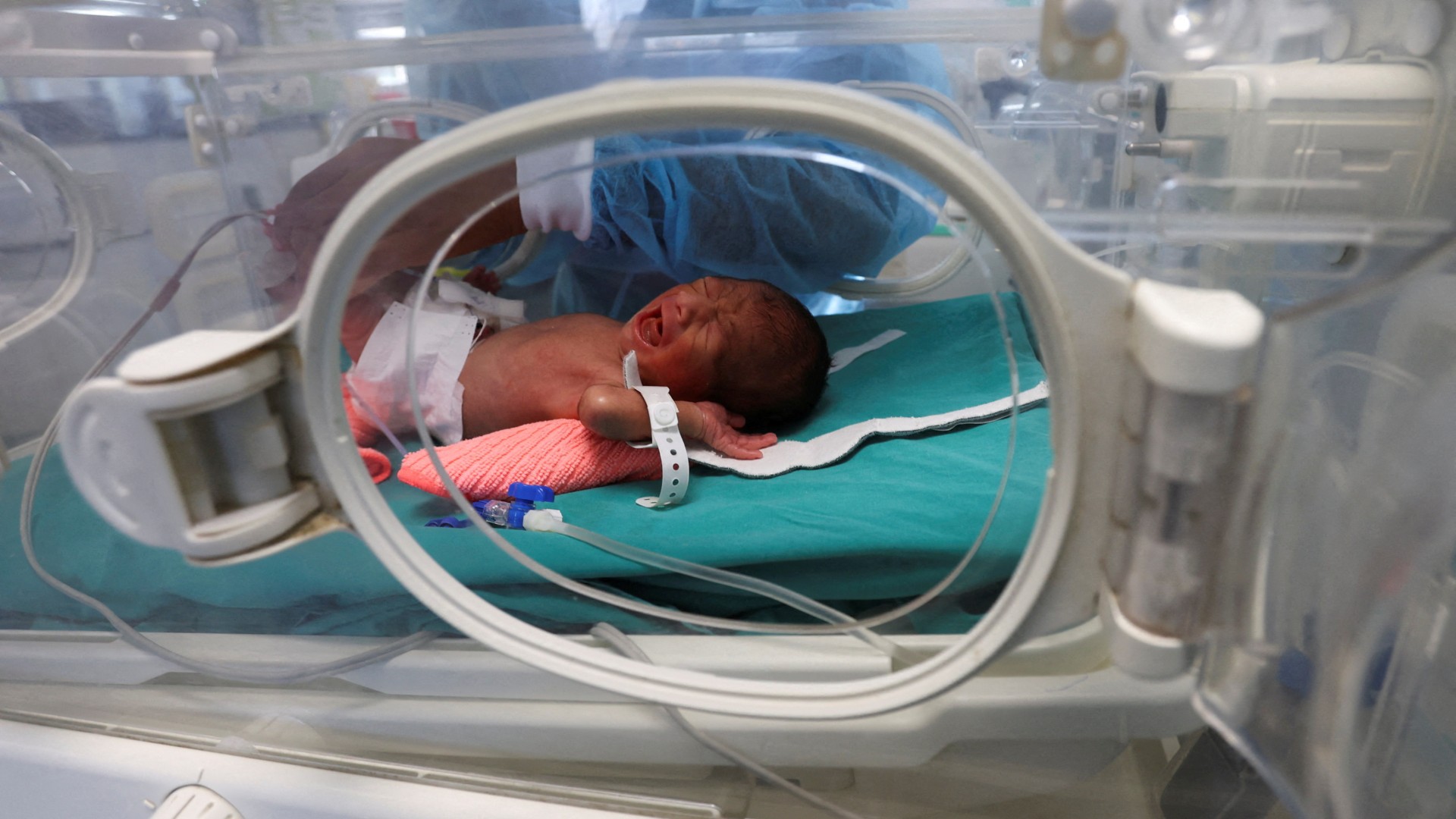
    MSF, which provides approximately 20% of hospital bed capacity and supports one-third of all childbirth deliveries in Gaza, warned of ‘devastating consequences’ if forced to cease operations. The medical organization stated it had received no official notification despite the impending deadline and vehemently denied Israeli allegations of cooperation with Hamas.

    The humanitarian crisis has been exacerbated by severe winter weather that has flooded makeshift camps, damaged over 42,000 shelters, and claimed the lives of at least three children from exposure. Aid groups report that Israeli restrictions have already limited essential supplies entering Gaza, with only approximately 20,000 trucks allowed entry since October compared to the agreed-upon 48,000.

    Concurrently, the Israeli parliament approved legislation cutting utilities to UNRWA offices in Jerusalem, further complicating the humanitarian response. Aid organizations indicate they will pursue legal challenges against any formal deregistration decisions while emphasizing that court proceedings cannot substitute for unimpeded humanitarian access.
  • Queen Camilla describes being assaulted by man as a teenager

    Queen Camilla describes being assaulted by man as a teenager

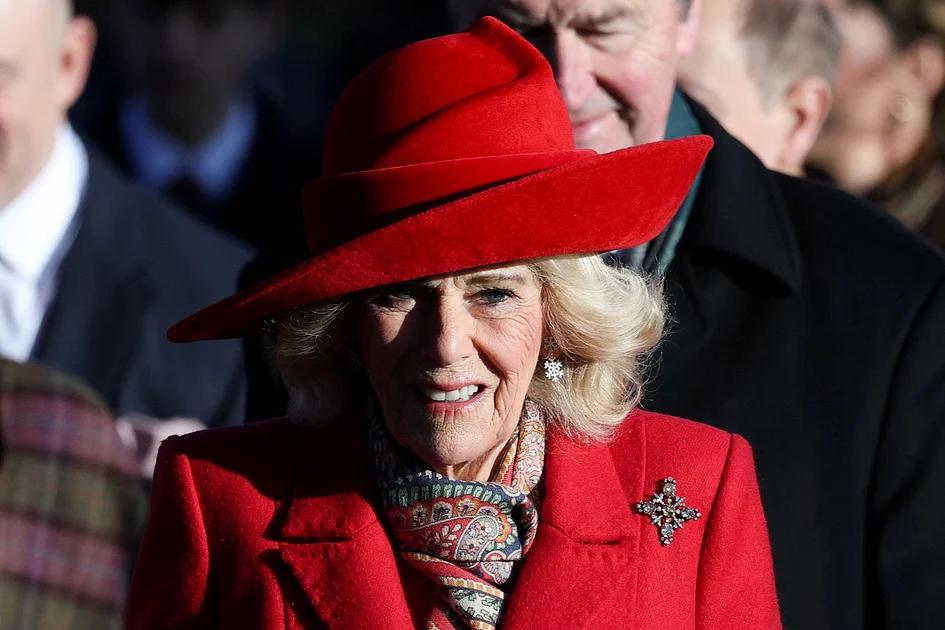
    In a deeply personal disclosure during a BBC interview addressing violence against women, Queen Camilla has broken her decades-long silence about surviving a physical assault during her teenage years. The 78-year-old royal recounted the traumatic incident that occurred aboard a train, marking the first time she has publicly confirmed the attack previously detailed in a September serialization of a royal biography in The Times.

    Reflecting on the harrowing experience, Her Majesty revealed: ‘I remember at the time being so angry. I was reading my book and you know this boy – man – attacked me, and I did fight back.’ The Queen emphasized the lasting emotional impact of the assault, noting how the memory ‘lurked for many years’ following the incident.

    The conversation emerged during a broader discussion about gender-based violence, a cause the Queen has championed through various charitable endeavors and advocacy work spanning many years. While Buckingham Palace had previously remained silent on the matter, Camilla’s decision to share her experience adds significant weight to ongoing national conversations about women’s safety and trauma recovery.

    According to the biographical account published earlier this year, the assault occurred when Camilla was approximately 16 or 17 years old aboard a train destined for London’s Paddington Station. The narrative described her courageous response—using her shoe to strike the assailant in self-defense—and subsequent identification of the attacker to railway officials, leading to his apprehension. Although the Queen did not explicitly confirm these specific details during her interview, her acknowledgment of the core incident validates the essential facts.

    The Queen’s disclosure comes at a time of increased scrutiny regarding violence against women in the United Kingdom, with her personal testimony offering both solidarity to survivors and highlighting the pervasive nature of such experiences across all segments of society. As the second wife of King Charles III, who ascended to the throne in 2022, Camilla has increasingly used her platform to advocate for vulnerable populations, particularly those affected by domestic and sexual violence.

  • Trump vetoes first bills of his second term

    Trump vetoes first bills of his second term

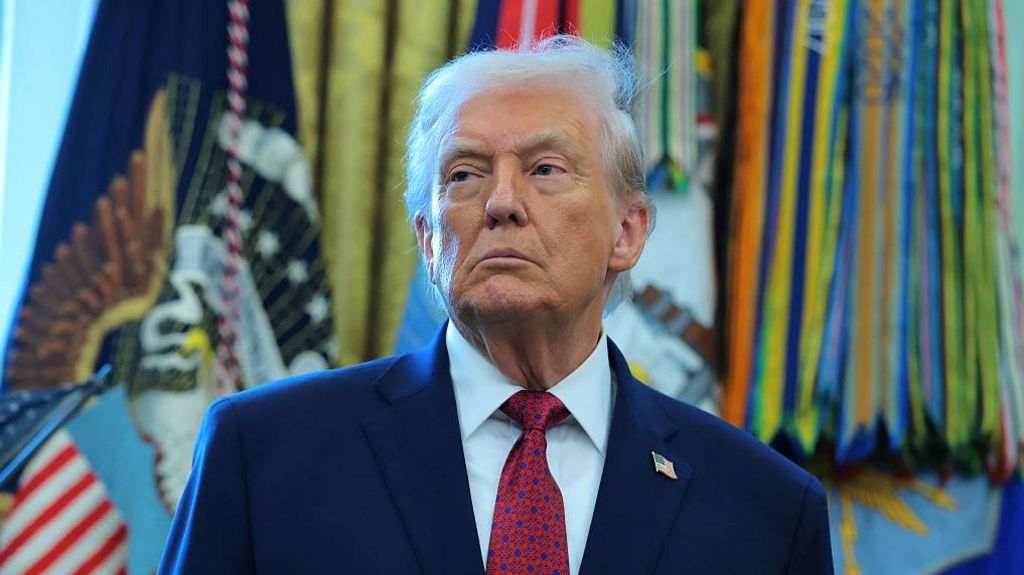
    In a significant political maneuver, former President Donald Trump has executed his first legislative vetoes since reassuming office nearly one year ago, creating a potential constitutional confrontation with Congress. The two rejected bills had previously garnered substantial bipartisan support in both chambers, indicating possible veto-override votes when lawmakers reconvene.

    The first veto targeted the Colorado Water Infrastructure Act, sponsored by Republican Representative Lauren Boebert. This legislation sought to reduce financial burdens on Colorado communities funding a critical water pipeline project. Despite Boebert’s general alignment with Trump’s agenda, the former president declared the measure “economically unviable” in his official communication to Congress. “Enough is enough,” Trump stated. “My Administration is committed to preventing American taxpayers from funding expensive and unreliable policies.”

    The second veto struck down the Miccosukee Reserved Area Act, which would have authorized federal assistance for flood mitigation infrastructure benefiting a Native American tribe in Florida. The Trump administration justified this rejection by citing alleged “unauthorized” development activities by the tribe and accusing them of obstructing immigration policies.

    Boebert, who recently diverged from Trump by advocating for the release of Epstein-related documents, responded defiantly on social media: “This isn’t over.” She further expressed concern that the veto might represent “political retaliation” for her independent stance.

    The Colorado situation intersects with another contentious issue: the imprisonment of Tina Peters, a former county clerk convicted of election security offenses who promoted false claims about the 2020 election. Trump recently pardoned Peters of federal charges and has demanded that Colorado’s Democratic Governor Jared Polis release her from state custody, escalating tensions with Colorado’s leadership.

    The Miccosukee tribe had previously sued the Trump administration to halt construction of an immigration detention facility nicknamed “Alligator Alcatraz” in the Florida Everglades, arguing both environmental concerns and unique cultural impacts. The White House’s veto message explicitly connected the flooding bill rejection to this legal opposition.

    These vetoes represent Trump’s first use of this executive power since returning to office and set the stage for potential veto override votes in the new congressional session.

  • Pepsi and Pakistan Cricket Board partner to promote girls’ cricket

    Pepsi and Pakistan Cricket Board partner to promote girls’ cricket

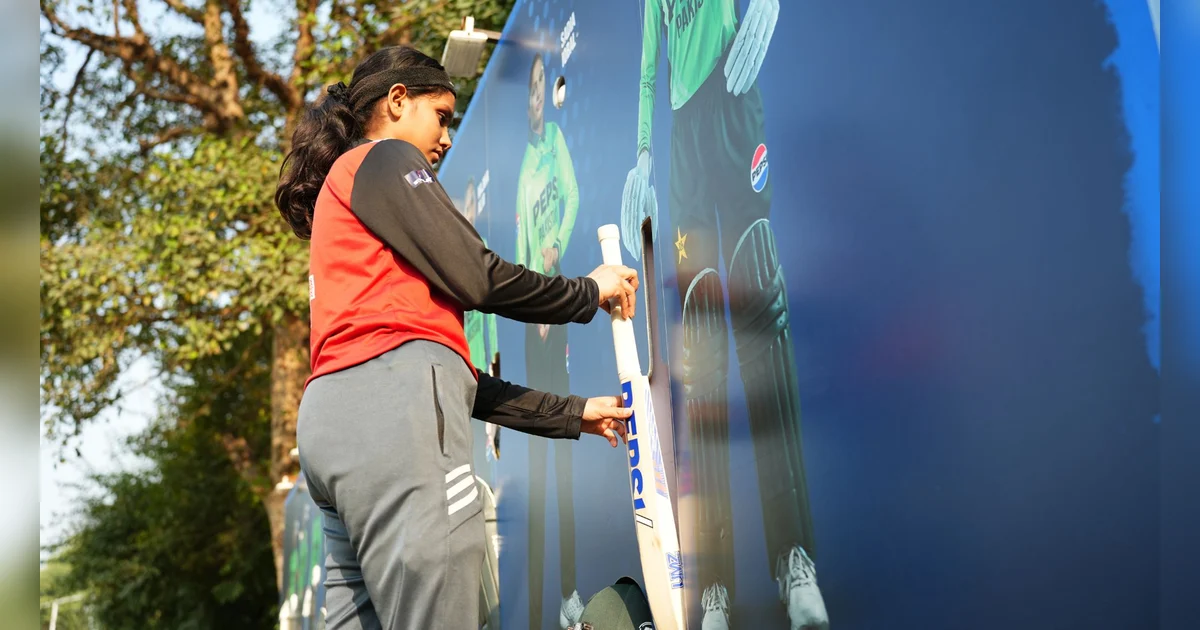
    In a significant move to advance gender equality in sports, PepsiCo has joined forces with the Pakistan Cricket Board (PCB) to launch an innovative program addressing critical barriers facing aspiring female cricketers. The collaboration introduces ‘Ab Hai Tumhari Bari’ (It’s Your Turn Now), a transformative initiative that reimagines sports accessibility through creatively repurposed advertising infrastructure.

    The partnership emerges against a backdrop of growing interest in women’s cricket across South Asia and the Gulf region, where participation has traditionally been hampered by equipment shortages and gender-specific design limitations. Female players frequently resort to borrowing ill-fitting gear from male relatives, resulting in discomfort, diminished confidence, and compromised performance due to equipment typically engineered for male physiques.

    Pepsi’s pioneering solution converts conventional billboards into functional ‘Playboards’ stocked with professionally designed cricket equipment tailored specifically for female athletes. Strategically installed at schools and community cricket grounds throughout Pakistan, these accessible stations provide complimentary access to bats, balls, stumps, and protective gear without requiring registration or payment. The borrow-and-return model ensures sustainable community sharing while eliminating financial barriers.

    Hakima Mirza, Senior Marketing Director at PepsiCo Pakistan, emphasized the program’s immediacy: ‘Cricket permeates daily life, but access hasn’t mirrored enthusiasm. Our mission enables young women to engage now rather than postponing their dreams.’

    Complementing the Playboards, the program distributes custom-fitted cricket kits to emerging women’s teams, facilitating proper training and skill development from foundational levels. Rafia Haider, PCB’s Head of Women’s Cricket, noted the performance correlation: ‘Appropriately sized equipment extends training duration and boosts confidence—access ignites development.’

    The initiative presents a replicable model for sports advocacy worldwide, particularly in markets like the UAE where similar participation challenges persist despite growing institutional support. By transforming advertising spaces into community resources, the project demonstrates how corporate-sports partnerships can structurally advance inclusion beyond symbolic gestures.

  • Rockets for Taiwan like ‘porcupine in glass box’: expert

    Rockets for Taiwan like ‘porcupine in glass box’: expert

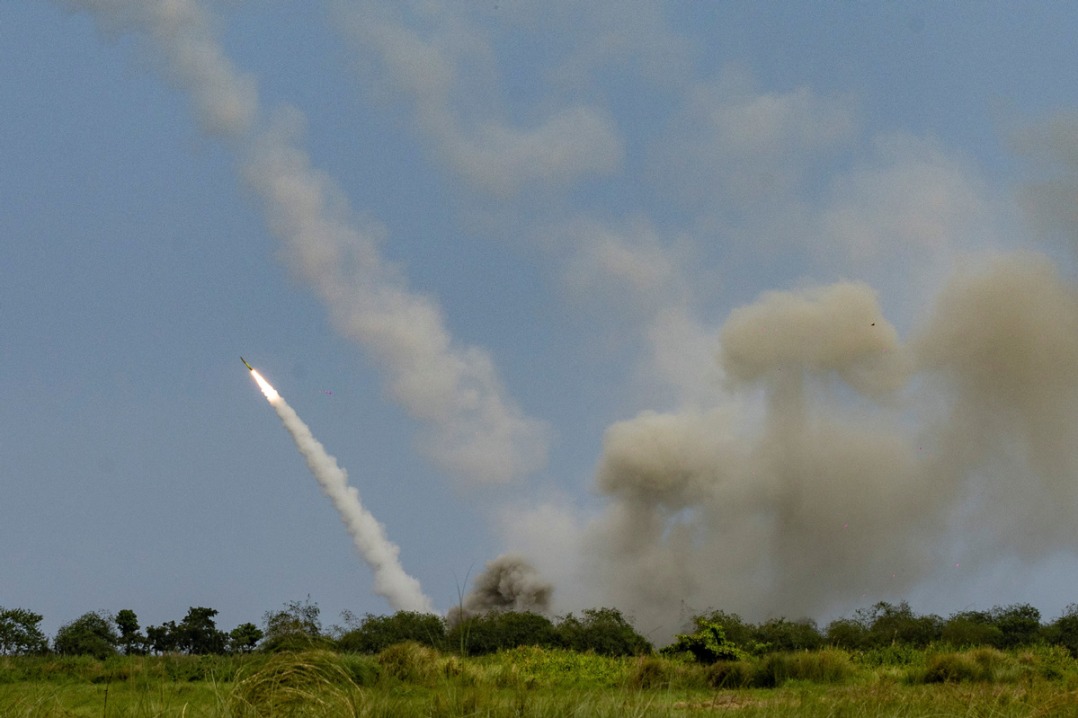
    A senior Chinese military analyst has characterized the High Mobility Artillery Rocket Systems (HIMARS) deployed to Taiwan as fundamentally flawed due to the island’s geographical constraints, comparing them to ‘a porcupine confined within a transparent enclosure.’

    Fu Zhengnan, research fellow at the People’s Liberation Army Academy of Military Science, presented this assessment following the United States’ December 17 announcement of an $11.1 billion arms package for Taiwan. The expert contends that Taiwan’s distinctive topography—characterized by narrow mountainous terrain and high population density—severely undermines the operational effectiveness of the mobile rocket systems.

    While HIMARS are engineered for optimal performance in expansive, open environments such as deserts and plains where their shoot-and-scoot capabilities excel, Fu argues that these very advantages become theoretical limitations within Taiwan’s confined operational space. ‘Despite its defensive capabilities,’ Fu elaborated, ‘the system lacks adequate room for evasion, concealment, or tactical maneuvering across the island.’

    Furthermore, the researcher highlighted a critical vulnerability: while external forces can readily detect the HIMARS platforms, Taiwanese operators inside would struggle to identify incoming threats promptly, rendering the systems conspicuously exposed and susceptible to targeting.

    Fu contrasted Taiwan’s predicament with the PLA’s own rocket artillery capabilities, noting that China’s coastal-based systems operate with superior range, firepower, and sustained strike capacity from protected positions with greater strategic depth. This comparative analysis suggests Taiwan’s newly acquired systems would face significant survival challenges in high-intensity combat scenarios.

  • KP Group signs MoU to develop up to 5 GW of renewable energy in Botswana

    KP Group signs MoU to develop up to 5 GW of renewable energy in Botswana

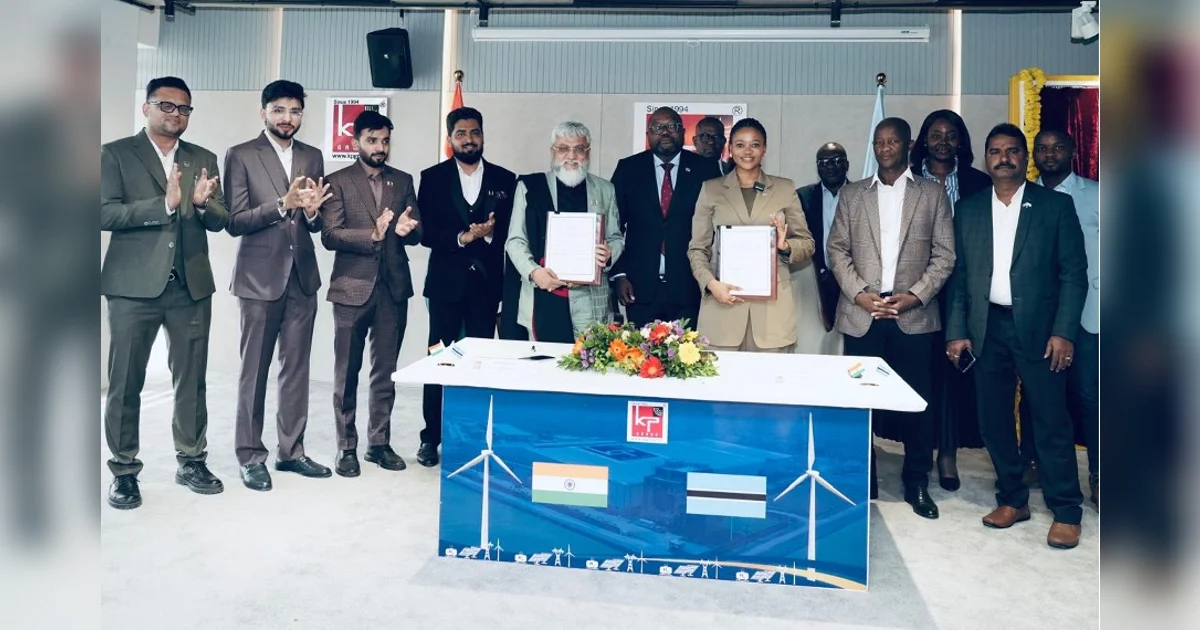
    In a landmark move for Africa’s clean energy landscape, Indian renewable power developer KP Group has entered into a strategic partnership with the Botswana government through a comprehensive Memorandum of Understanding. The agreement, signed between Botswana’s Ministry of Minerals and Energy and KP Group’s subsidiaries—KPI Green Energy Limited, KP Energy Limited, and KP Green Engineering Limited—establishes a framework for developing up to 5 gigawatts of renewable energy capacity alongside associated transmission infrastructure.

    The collaboration represents one of Africa’s most ambitious renewable energy initiatives, with an estimated investment value of $4 billion (approximately ₹36,000 crore). This partnership directly supports Botswana’s national objective of achieving net-zero carbon emissions by 2030 while simultaneously marking a significant milestone in KP Group’s international expansion strategy.

    The agreement encompasses multiple dimensions of energy development, including large-scale solar and wind power generation, advanced energy storage solutions, and critical transmission infrastructure modernization. The partnership will also focus on enhancing Botswana’s high-voltage transmission network and establishing improved interconnections with neighboring nations to facilitate regional energy security and power trading.

    Beyond infrastructure development, the MoU includes a substantial educational component wherein KP Group will fund 30 annual scholarships for Botswana citizens to pursue specialized training in renewable energy technologies, engineering disciplines, and sustainability sciences. This initiative aims to foster local expertise, promote knowledge transfer, and engage Botswana’s youth in the nation’s clean energy transition.

    The signing ceremony gained additional significance with the virtual inauguration of KP Green Engineering’s new fabrication and galvanizing facility in Matar, Bharuch, by Harsh Rameshbhai Sanghavi, Gujarat’s Deputy Chief Minister and Home Minister. This manufacturing expansion strengthens the group’s capacity to execute large-scale international renewable projects.

    Botswana’s Minerals and Energy Minister Bogolo Joy Kenewendo emphasized that the partnership would “accelerate clean energy deployment while delivering long-term economic and environmental benefits.” Dr. Faruk G. Patel, KP Group’s founding promoter, noted that the collaboration “reflects a shared vision to unlock Botswana’s solar and wind potential and support its journey toward net-zero.” The agreement follows Indian President Droupadi Murmu’s recent visit to Botswana, signaling deepening bilateral cooperation in clean energy development.

  • US or China: Whose bubbles will loom larger in 2026?

    US or China: Whose bubbles will loom larger in 2026?

    TOKYO — President Donald Trump’s escalating campaign against Federal Reserve leadership is generating profound concern among international policymakers and financial markets. This confrontation carries particular significance for Asian economies, which collectively hold approximately $3 trillion in U.S. Treasury securities, making them especially vulnerable to potential disruptions in American monetary policy stability.

    Japan maintains its position as the largest foreign holder of U.S. government debt with nearly $1.2 trillion in Treasury securities, while China follows with approximately $689 billion. Despite a national debt exceeding $38 trillion, congressional dysfunction, and ongoing tariff implementations, 10-year Treasury yields have remained around 4%, demonstrating the dollar’s persistent strength despite underlying pressures.

    The current administration’s unusual approach toward the Federal Reserve includes recent threats of legal action against Chair Jerome Powell, ostensibly regarding renovations to the Fed’s Washington headquarters. Financial analysts interpret these maneuvers as attempting to pressure the central bank into implementing more aggressive interest rate reductions while potentially creating a scapegoat for economic consequences stemming from trade policies.

    This situation evokes comparisons to monetary strategies typically associated with emerging economies rather than the nation responsible for the global reserve currency. The administration’s apparent desire for dollar weakness seems to disregard historical lessons from Japan’s experience with prolonged currency undervaluation and its subsequent economic challenges.

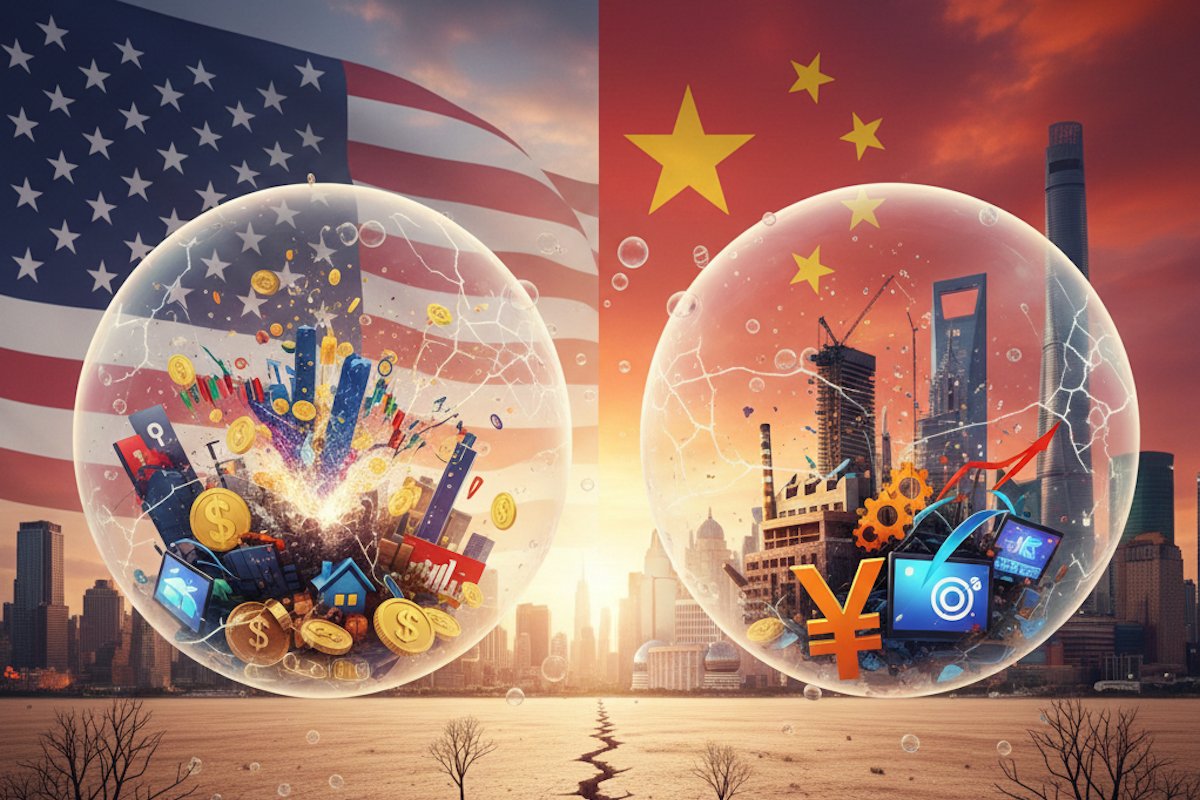
    Looking toward 2026, multiple potential flashpoints threaten global economic stability. These include unsustainable U.S. debt levels, tariff-induced inflation, potential implosion of artificial intelligence investment bubbles, and China’s persistent structural imbalances including property market crises and industrial overcapacity.

    The complex interdependence between the U.S. and Asian economies creates a delicate balance. While Asian nations theoretically possess significant leverage through their Treasury holdings, any large-scale selling would likely trigger rising borrowing costs that would ultimately reduce American consumers’ ability to purchase Asian exports—a classic mutually assured destruction scenario.

    Current developments suggest challenging months ahead as the administration grows increasingly impatient with trading partners. Expectations of substantial financial contributions from Japan, South Korea, and the European Union remain unfulfilled, while China’s record $1 trillion trade surplus despite 47.5% tariffs continues to create tension.

    Simultaneously, China faces its own economic challenges with property markets remaining particularly vulnerable. New home sales have declined 11.2% year-on-year as of November, exceeding earlier pessimistic forecasts. Analysts note that without substantial improvements in broader economic conditions and household income, along with significant inventory reduction, sustained recovery appears unlikely.

    The coming year may determine whether current economic tensions escalate into full-blown crises or whether policymakers can navigate these complex challenges without triggering broader market disruptions that would affect the global economy.

  • Pakistan’s premier offers ‘complete solidarity’ to Saudi Crown Prince after Yemen port strike

    Pakistan’s premier offers ‘complete solidarity’ to Saudi Crown Prince after Yemen port strike

    In a significant diplomatic engagement, Pakistani Prime Minister Shehbaz Sharif held a crucial telephone conversation with Saudi Crown Prince Mohammed bin Salman on Wednesday, expressing Pakistan’s unwavering solidarity with the Kingdom following recent military actions in Yemen. The discussion centered on regional stability concerns after Saudi airstrikes targeted Yemen’s strategic port city of Mukalla, which reportedly intercepted weapons shipments destined for separatist factions.

    The prime minister’s office released an official statement detailing how both leaders emphasized the critical importance of maintaining regional peace through diplomatic dialogue and peaceful resolution mechanisms. They mutually reaffirmed their commitment to strengthening the longstanding fraternal relations between their nations, with the statement noting that bilateral ties have ‘reached unprecedented levels in recent months.’

    Crown Prince Mohammed bin Salman acknowledged Prime Minister Sharif’s supportive stance and reciprocated Saudi Arabia’s desire to expand cooperative efforts with Pakistan across mutually beneficial domains. Notably, the Saudi leader confirmed his intention to undertake an official state visit to Pakistan in the coming year, signaling continued diplomatic engagement.

    This development occurs against the backdrop of escalating tensions in Yemen, where Saudi Arabia conducted targeted strikes against weapons shipments allegedly originating from the United Arab Emirates. The situation threatens to create new conflict fronts in Yemen’s decade-long civil war, potentially pitting anti-Houthi coalition forces against each other in the impoverished nation.

    Pakistan finds itself navigating complex diplomatic waters, maintaining simultaneous close relationships with both Saudi Arabia and the UAE. Prime Minister Sharif’s communication with Saudi leadership followed his recent meeting with UAE President Sheikh Mohammed bin Zayed Al Nahyan in Pakistan’s Punjab province, where discussions focused on de-escalating regional tensions.

    The strategic partnership between Islamabad and Riyadh was formally strengthened through a mutual defense agreement signed in September, establishing that an attack on either nation would be considered an attack on both. Saudi Arabia remains a crucial economic partner for Pakistan, serving as a primary oil supplier and providing billions in financial assistance to help stabilize Pakistan’s economy and prevent foreign debt default.

    Pakistan’s Foreign Ministry separately expressed deep concern about the renewed violence in Yemen, warning that unilateral actions by any Yemeni faction could exacerbate the conflict and further destabilize the region. The ministry reiterated Pakistan’s support for Saudi Arabia’s security concerns while advocating for Yemen’s territorial integrity and unity, endorsing regional efforts to restore peace and stability.

  • Pope asks that Rome welcome foreigners as he closes out 2025

    Pope asks that Rome welcome foreigners as he closes out 2025

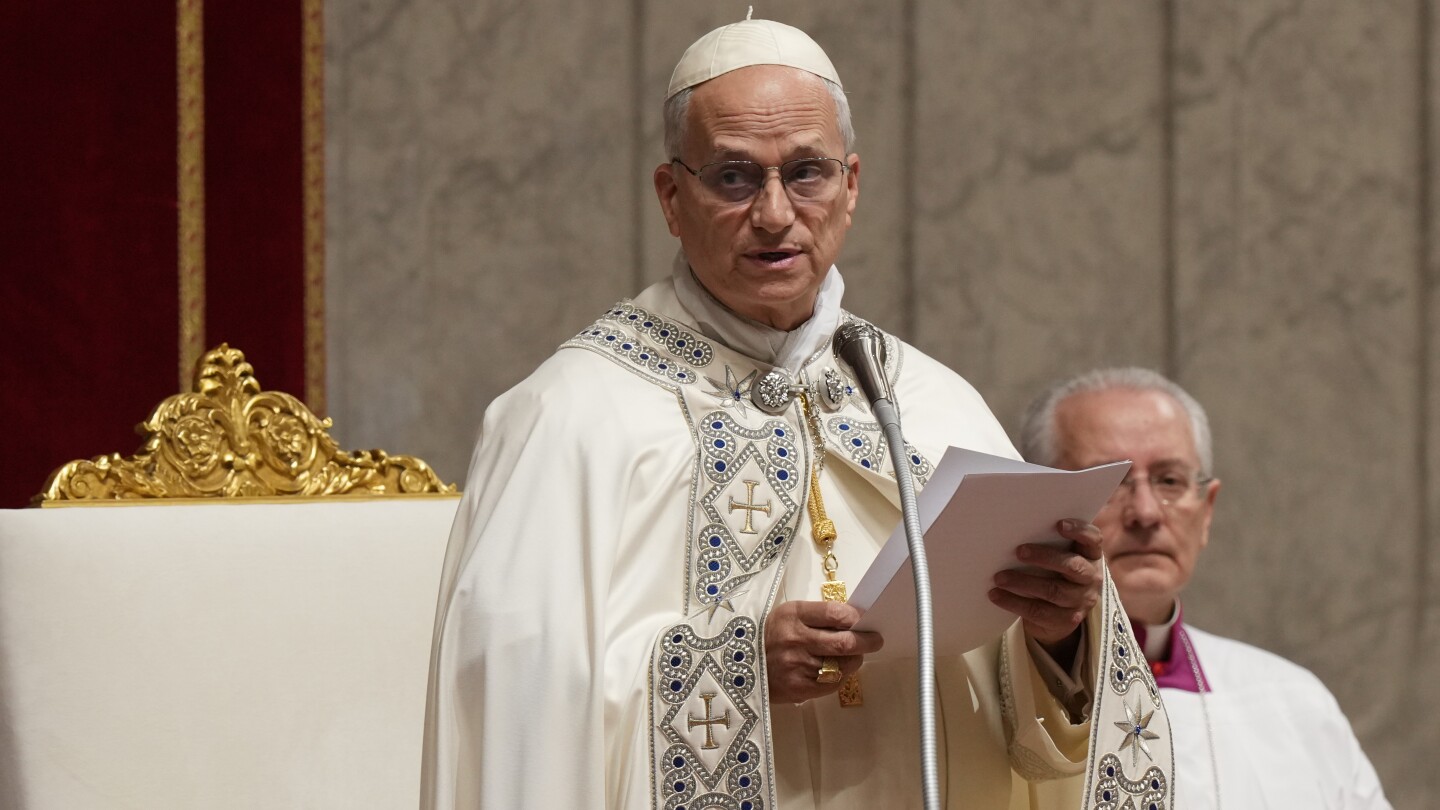
    VATICAN CITY — Pope Leo XIV culminated the 2025 Holy Year celebrations with a profound appeal for social inclusivity during New Year’s Eve vespers at St. Peter’s Basilica. The spiritual leader emphasized Rome’s historical role as a sanctuary for marginalized communities while addressing assembled dignitaries including Mayor Roberto Gualtieri.

    Reflecting on the monumental Jubilee year that attracted 3.2 million pilgrims according to newly released Vatican statistics, the Pontiff expressed gratitude to Roman citizens and volunteers who facilitated the massive influx of visitors. The celebrations marked both the quarter-century tradition of Holy Year observances and a significant papal transition following the passing of Pope Francis in April 2025.

    In his homily, Leo XIV reinforced his predecessor’s vision of enhanced hospitality, stating: “What can we wish for Rome? That it may be worthy of its little ones—children, lonely elderly, struggling families, and those seeking dignified lives after journeying from distant lands.” The American-born Pope, who assumed leadership in May following Francis’s demise, specifically highlighted the city’s responsibility toward fragile demographics.

    The Jubilee events witnessed notably subdued participation during early 2025 due to Francis’s extended hospitalization, with attendance dramatically surging after Leo’s election. The formal conclusion of Holy Year ceremonies is scheduled for January 6, 2026, though the December 31st service effectively symbolized the spiritual culmination of this extraordinary period for global Catholicism.

  • PLA and China Coast Guard conduct patrols in territorial waters of Huangyan Island

    PLA and China Coast Guard conduct patrols in territorial waters of Huangyan Island

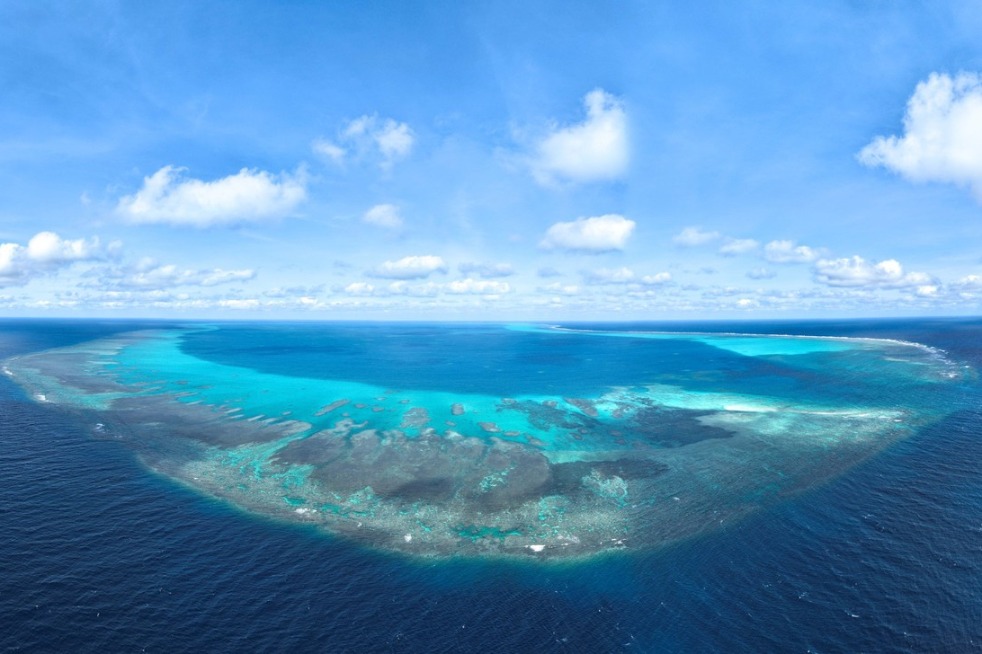
    The People’s Liberation Army (PLA) and China Coast Guard have executed coordinated maritime patrol operations within the territorial waters surrounding Huangyan Island, demonstrating China’s ongoing commitment to maritime sovereignty enforcement. These routine patrol activities, conducted on December 31, 2025, represent standard procedure for maintaining jurisdictional oversight in China’s claimed maritime territories.

    The joint operations involved sophisticated naval and coast guard assets conducting comprehensive surveillance and monitoring missions. These patrols serve multiple strategic purposes including maritime domain awareness, sovereignty assertion, and regional stability maintenance. The exercises followed established international protocols for military activities in territorial waters.

    Chinese authorities characterized these operations as legitimate exercises of national rights consistent with international law and China’s longstanding territorial claims. The patrols occurred without incident and were described as part of normal military and law enforcement activities that China regularly conducts throughout its claimed maritime territories.

    The timing of these operations coincides with ongoing regional efforts to maintain stability in the South China Sea. China maintains that such activities contribute to peaceful coexistence and mutual understanding among neighboring nations while protecting China’s legitimate maritime interests.