作者: admin

  • 10,000 cameras, 5,000 employees: How RTA keeps Dubai moving on NYE

    10,000 cameras, 5,000 employees: How RTA keeps Dubai moving on NYE

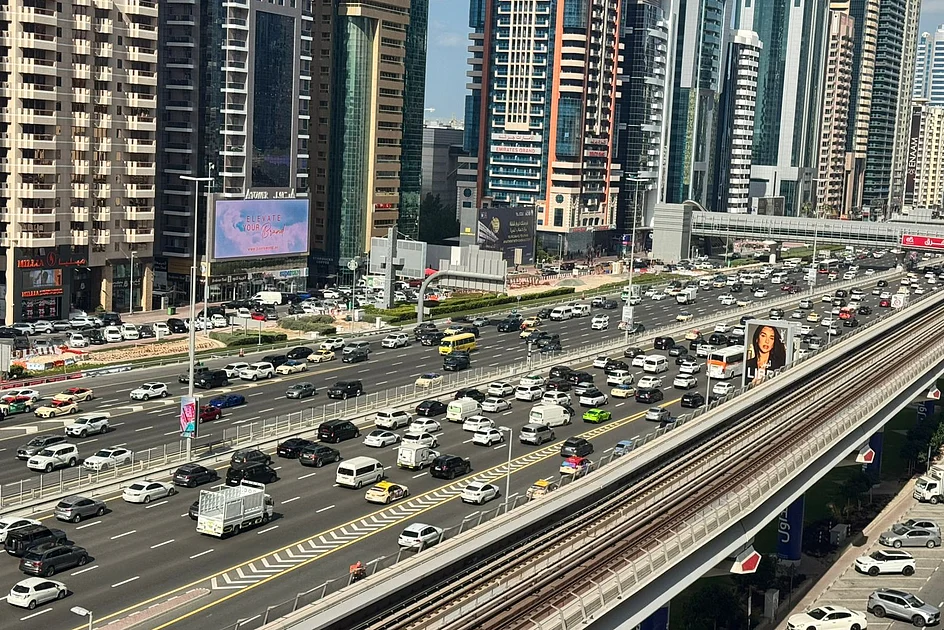
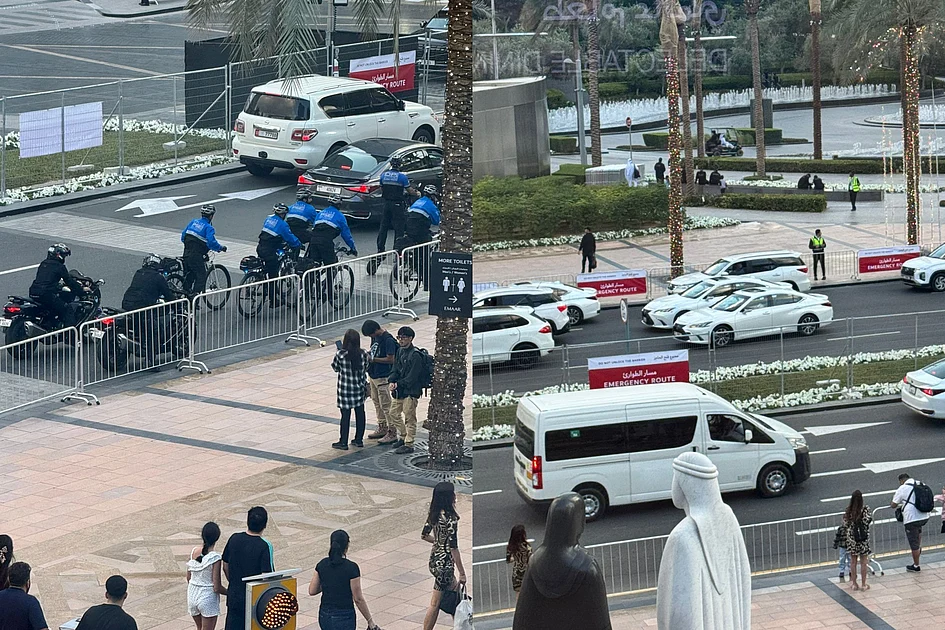
    Dubai’s Roads and Transport Authority (RTA) has implemented an unprecedented security and traffic management operation for New Year’s Eve celebrations, mobilizing over 5,500 personnel and activating a network of 10,000 surveillance cameras across the emirate. The comprehensive system enables real-time monitoring of roadways, public transportation networks, and station facilities, allowing authorities to respond immediately to congestion points and potential emergencies.

    According to Salahaldeen Almarzooqi, Director of Intelligent Traffic Systems at RTA’s Traffic and Roads Agency, planning for the 2026 celebrations commenced immediately following the previous year’s events. “We utilize all available resources, technological capabilities, accumulated data, and historical lessons to enhance each subsequent year’s operations,” Almarzooqi stated. The strategic deployment combines experienced staff with new team members to ensure both operational continuity and training development.

    The authority has prepared for increasing passenger volumes, with public transport and taxi usage growing from 2.2 million to 2.5 million passengers between the 2024 and 2025 New Year’s Eve events. This year’s transportation infrastructure includes 14,000 taxis operating throughout Dubai, with more than 5,000 specifically allocated to Downtown areas where the primary celebrations occur.

    The operation employs AI-powered sensors and control rooms that assess traffic conditions in real-time, implementing gradual road closures as needed. Rolling closures began at 4pm across multiple areas including Downtown Dubai and Jumeirah Beach Residence (JBR). Senior management and crisis response teams remain on standby throughout the event, maintaining continuous inter-agency coordination to ensure public safety and transportation efficiency during one of Dubai’s most significant annual celebrations.
  • Israel demolishes homes en masse in West Bank refugee camp

    Israel demolishes homes en masse in West Bank refugee camp

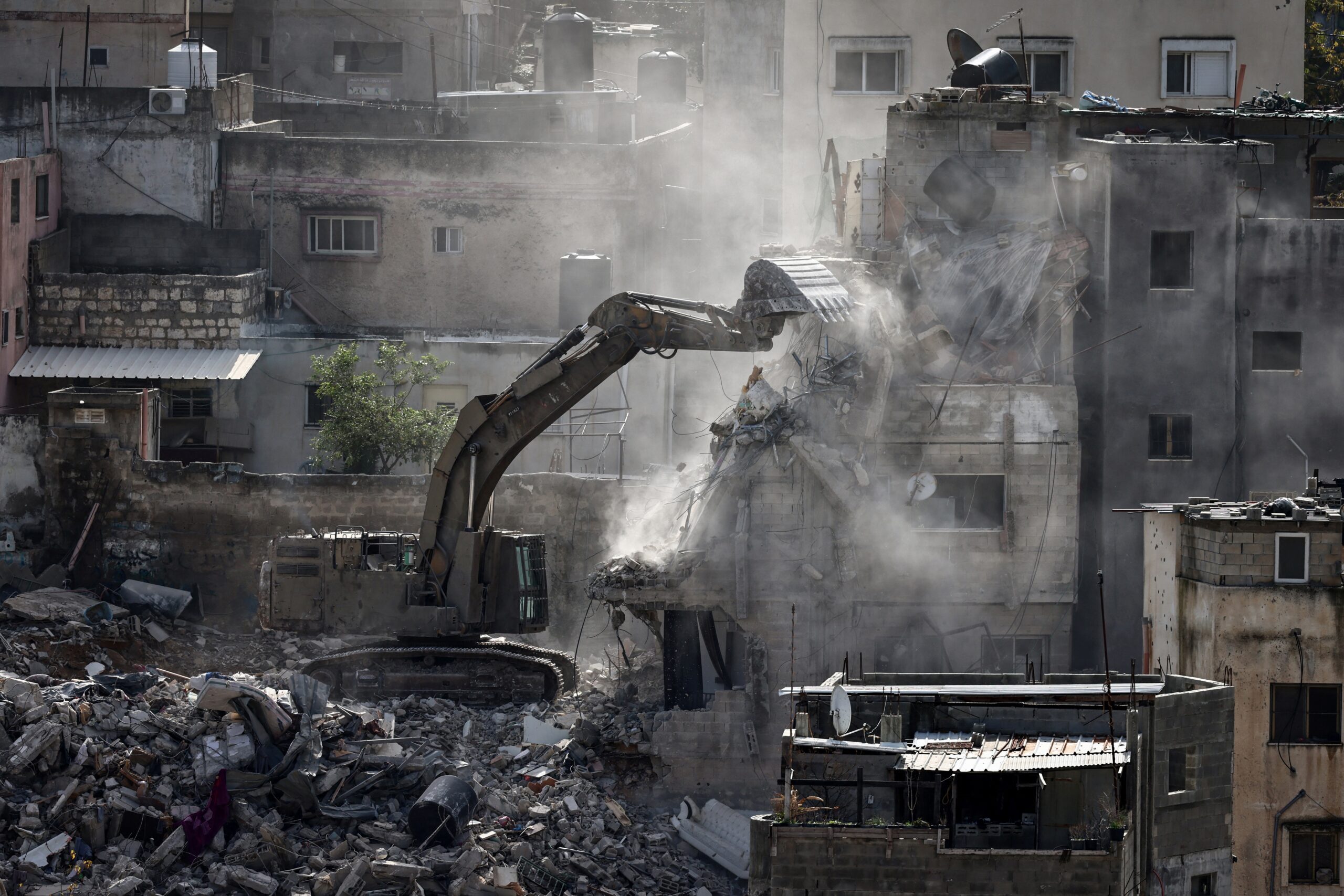
    The Israeli military initiated extensive demolition operations in the occupied West Bank on Wednesday, leveling residential structures in the Nur Shams refugee camp near Tulkarm and rendering approximately 100 Palestinian families homeless. This action represents one of the largest single-day displacement events in recent months.

    According to eyewitness accounts and local officials, at least 25 buildings containing roughly 100 apartments were destroyed, affecting an estimated 400 residents. The demolitions followed a December 24th Israeli Supreme Court decision that rejected appeals from Palestinian residents against military demolition orders. The court reportedly relied on classified intelligence material submitted by the Israeli Public Prosecution, which was not disclosed to the petitioners or their legal representatives.

    Yasser al-Sayes, one of the displaced residents, described watching Israeli bulldozers demolish his family home remotely, nearly one year after Israeli forces initially expelled them during a major military operation in the northern West Bank. His building housed sixteen people, predominantly children, who were forced to evacuate under military pressure at the beginning of the incursion.

    Residents received merely two weeks’ notice before the demolitions and were granted only brief access to retrieve minimal belongings. Many salvaged nothing more than a few clothing items, with possessions now scattered throughout the streets without storage options. The displaced families face severe economic hardship, with most adults unemployed and unable to afford stable housing.

    The Tulkarm Governorate condemned the demolitions as a ‘dangerous escalation’ and symbolic attack on refugee camps that represent living monuments to the Nakba. Local authorities characterized the policy as collective punishment that violates international law and human rights conventions.

    According to Ibrahim al-Nimr of the Nur Shams camp emergency committee, approximately 60% of the camp’s homes—about 400 residential units—have been either fully or partially destroyed since the Israeli military operation began eleven months ago. All 11,300 original residents have been displaced, with many forced to inhabit substandard rental accommodations while facing winter conditions without adequate shelter, employment, or financial resources.

    International and local support systems have proven inadequate, with insufficient assistance from UNRWA, the Palestinian Authority, and the Department of Refugee Affairs. Despite repeated protests demanding cessation of demolitions and permission to return, Israeli officials have indicated the army will maintain its presence indefinitely, with troops having established barracks within abandoned Palestinian homes.

  • Farmers can now learn how much aid they will get from the Trump administration

    Farmers can now learn how much aid they will get from the Trump administration

    The U.S. Department of Agriculture has finalized payment rates for its $12 billion agricultural relief program, providing crucial details to farmers grappling with trade war disruptions. The aid package, announced by the Trump administration earlier this month, establishes specific per-acre compensation rates: $48.11 for sorghum, $44.36 for corn, and $30.88 for soybeans—the crop most severely impacted by China’s cessation of American agricultural purchases.

    While officials guarantee payments will reach farmers by February’s end, the timing presents logistical challenges. Most agricultural producers have already secured financing and placed orders for next season’s seeds and fertilizers before learning their specific aid allocations. The compensation formula, based on USDA production cost calculations, aims to help farmers withstand trade disruptions until two key developments materialize: China’s fulfillment of its October agreement to resume soybean purchases and the implementation of provisions within Trump’s massive budget bill.

    Agricultural leaders acknowledge the assistance but emphasize its limitations. Kentucky soybean farmer Caleb Ragland, former president of the American Soybean Association, characterized the payments as “a Band-Aid on a deep wound,” stressing that market competition and expanded opportunities remain essential for long-term viability. National Corn Growers Association President Jed Bower echoed these concerns, noting that multiple years of low corn prices and high input costs have created sustained financial pressure across the industry.

    The relief program includes $11 billion for row crop producers with an additional $1 billion reserved for specialty crops and sugar, though details for these allocations remain pending. Eligibility restrictions cap payments at $155,000 per farmer or entity, excluding operations with adjusted gross incomes exceeding $900,000—a provision designed to prevent large-scale operations from exploiting loopholes that previously allowed some farms to collect millions in aid.

    Despite the challenges, most farmers maintain support for the administration, believing improved trade deals will ultimately emerge from current negotiations. Recent purchases by China have provided encouragement, with over 1 million metric tons of sorghum and approximately 6.6 million metric tons of soybeans acquired in recent weeks, though Beijing has not formally confirmed its commitment to purchase 12 million metric tons by February as announced by the White House.

  • Driving on New Year’s Eve? Dubai authorities warn against illegal parking

    Driving on New Year’s Eve? Dubai authorities warn against illegal parking

    Dubai authorities have implemented an extensive traffic management strategy for New Year’s Eve celebrations, with officials strongly discouraging private vehicle use and emphasizing public transportation alternatives. Salahaldeen Almarzooqi, Director of Intelligent Traffic Systems at Dubai’s Roads and Transport Authority (RTA), outlined comprehensive safety measures designed to handle the anticipated massive crowds during the year-end festivities.

    The coordinated plan involves early road closures around key celebration zones including Downtown Dubai and Jumeirah Beach Residence (JBR), with restrictions commencing from 4:00 PM and escalating progressively throughout the evening. Almarzooqi emphasized that public cooperation remains crucial for successful implementation of the safety protocols during one of Dubai’s most congested nights.

    A critical component of the advisory focuses on prohibiting illegal parking, particularly along high-speed corridors like Sheikh Zayed Road. Authorities warned that vehicles stopped on highways or roadside shoulders create significant safety hazards, potentially obstruct emergency services, and will incur substantial penalties. “This regulatory measure prioritizes both individual safety and collective security on our roadways,” Almarzooqi stated.

    The RTA has substantially augmented public transportation options, extending metro and tram operations to approximately 43 continuous hours while deploying over 14,000 taxis throughout the city. Dedicated taxi fleets will service high-density celebration areas to facilitate efficient crowd dispersal post-midnight. Dynamic digital signage across Dubai’s road network will provide real-time updates on traffic conditions, road closures, and alternative routes.

    Authorities encourage revelers to monitor RTA’s official social media channels for instantaneous updates and to comply with instructions from deployed traffic police and security personnel. “Through advance planning, patience, and collaborative effort, we can ensure that New Year’s Eve in Dubai proves both memorable and safe for all participants,” Almarzooqi concluded.

  • Congress releases Jack Smith’s testimony about Trump prosecutions

    Congress releases Jack Smith’s testimony about Trump prosecutions

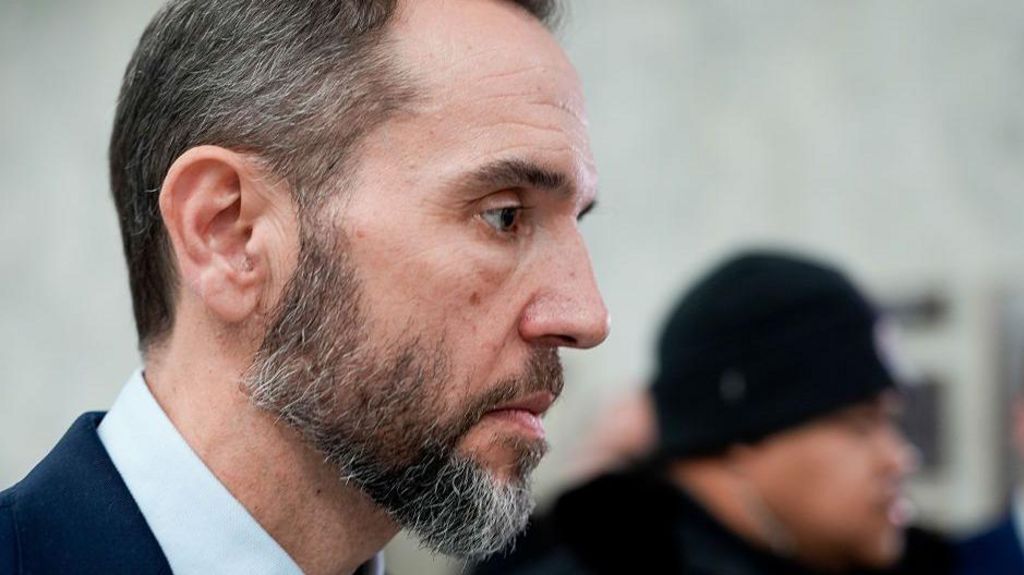
    The House Judiciary Committee has made public the full transcript and video deposition of former Special Counsel Jack Smith’s congressional testimony, delivering a significant development in the ongoing political saga surrounding investigations into former President Donald Trump.

    The 255-page document, released on December 31st, reveals Smith’s detailed justification for pursuing two criminal cases against Trump during his tenure as special counsel. The testimony, which occurred on December 17th behind closed doors, spanned nearly eight hours of rigorous questioning from lawmakers.

    Smith articulated a forceful defense of his investigations, stating unequivocally that while the decision to bring charges rested with him, the foundation for those charges ‘rests entirely with President Trump and his actions.’ The former special counsel presented what he characterized as compelling evidence demonstrating Trump’s alleged engagement in ‘a criminal scheme to overturn the results of the 2020 election and to prevent the lawful transfer of power.’

    Regarding the classified documents investigation, Smith testified that his team had gathered ‘powerful evidence’ showing Trump ‘willfully retained highly classified documents after he left office in January of 2021,’ storing them at his Mar-a-Lago social club in various locations including a ballroom and bathroom. Smith further asserted that Trump had ‘repeatedly tried to obstruct justice to conceal his continued retention of those documents.’

    The cases referenced in the testimony—concerning election interference and mishandling of classified materials—effectively concluded following Trump’s re-election, during which he had pleaded not guilty to all charges. Since returning to office, Trump has called for investigations into officials who brought criminal charges against him.

    This release provides unprecedented insight into the internal deliberations and evidentiary foundations of the investigations that dominated American political discourse throughout much of 2023 and 2024.

  • Why new year doesn’t mean ‘new you’: Here’s what to do instead

    Why new year doesn’t mean ‘new you’: Here’s what to do instead

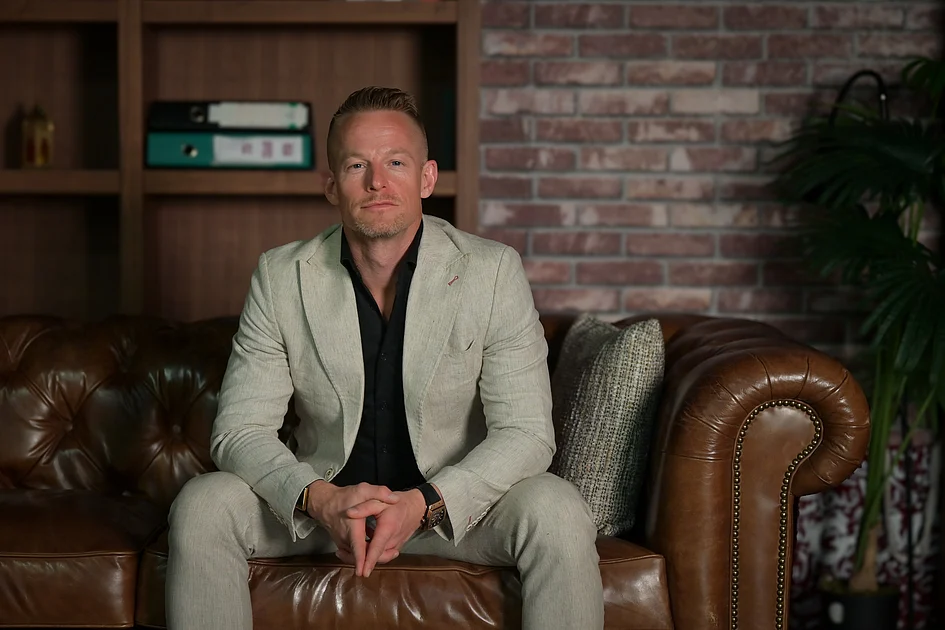
    As 2026 approaches, conventional New Year’s resolution strategies face rigorous scientific challenge from leading breathwork specialist Dr. Espen Wold-Jensen. The Norwegian researcher, who combines quantum physics with conscious business mentoring, argues that sustainable personal transformation requires nervous system mastery rather than superficial habit changes.

    Dr. Wold-Jensen’s methodology emerged from profound personal adversity. Growing up in traumatic circumstances in Norway, followed by a near-fatal 2006 motorcycle accident in Australia that nearly cost him his leg, he discovered breathwork’s transformative potential during medical crisis. His recovery, which he describes as “an emotional detox clearing decades of stored trauma in minutes,

    forms the foundation of his current practice.

    The specialist identifies chronic “sympathetic dominance” – the body’s fight-or-flight mode – as the primary obstacle to meaningful change. “Stress isn’t just a ‘feeling’, it’s a physiological state that suppresses immunity, digestion, cognition, and healing,” he explains. Modern lifestyles reinforce this through shallow mouth breathing, which activates stress responses, unlike nasal breathing that promotes parasympathetic activation for recovery and creativity.

    Dr. Wold-Jensen proposes three evidence-based practices for 2026:

    1. The 30-Day Nasal Breathing Challenge: Consciously replacing mouth breathing with nasal respiration to recalibrate autonomic nervous system function

    2. Emotional Auditing: Seven-day journaling to identify primary emotional states using Dr. David Hawkins’ Scale of Consciousness model

    3. Tech-Free Morning Practice: 60-90 minutes of device-free time upon waking to prevent cortisol spikes and establish intentional daily foundation

    With Generation Z reporting unprecedented anxiety levels and lifestyle-related chronic diseases increasing, Dr. Wold-Jensen emphasizes that breathwork serves as accessible biological technology. “We can be victims of our story, or we can choose to be masters of our destiny,” he concludes. “This doesn’t negate trauma’s pain, but allows transforming pain into power through the superpower hidden right underneath our noses.”

  • Dubai Court cancels Dh150-million fine in Abu Sabah case, upholds 5-year jail term

    Dubai Court cancels Dh150-million fine in Abu Sabah case, upholds 5-year jail term

    Dubai’s highest judicial authority has delivered a significant ruling in one of the emirate’s most substantial money laundering investigations, partially modifying the financial penalties while maintaining core criminal sanctions against convicted individuals.

    The Court of Cassation has annulled a previously imposed Dh150 million (approximately $40.8 million) joint fine against Indian businessman Balvinder Singh Sahni, widely known as Abu Sabah. The judicial body substituted the monetary penalty with comprehensive confiscation of all funds connected to the criminal enterprise. This decision represents a notable adjustment to the financial consequences of the case while preserving the fundamental punitive measures.

    The court simultaneously affirmed multiple other components of the verdict, including Sahni’s five-year incarceration period, an individual Dh500,000 fine, seizure of illegally obtained assets, and subsequent deportation following sentence completion. The ruling also maintained convictions and penalties for additional defendants implicated in the sophisticated operation that utilized Bitcoin and advanced digital methodologies to conceal criminal proceeds.

    Court documentation reveals the operation involved a meticulously organized criminal network coordinating activities both within and beyond UAE borders in association with European organized crime syndicates. The organization employed an elaborate framework of shell companies, suspicious financial transactions, and digital wallet technologies to transfer illicit funds internationally.

    Forensic investigation established that the network laundered approximately Dh180 million through cryptocurrency platforms and informal banking channels. One female accomplice was found to have acquired luxury properties and vehicles valued at Dh7.4 million utilizing these illegally obtained funds.

    The original prosecution encompassed thirty-three defendants, with proceedings commencing in January 2024 following a Dubai Police investigation initiated the previous month. While several defendants raised procedural objections regarding arrest protocols and translation services, appellate courts consistently dismissed these challenges, affirming that substantial evidence demonstrated organized money laundering activities rather than mere unlicensed cryptocurrency trading.

    Sahni, a 53-year-old property management executive with international business operations, previously gained public notoriety for his extravagant lifestyle, most notably purchasing the distinctive vehicle registration number “5” for Dh33 million at a 2016 auction.

  • Trump media firm to issue new cryptocurrency to shareholders

    Trump media firm to issue new cryptocurrency to shareholders

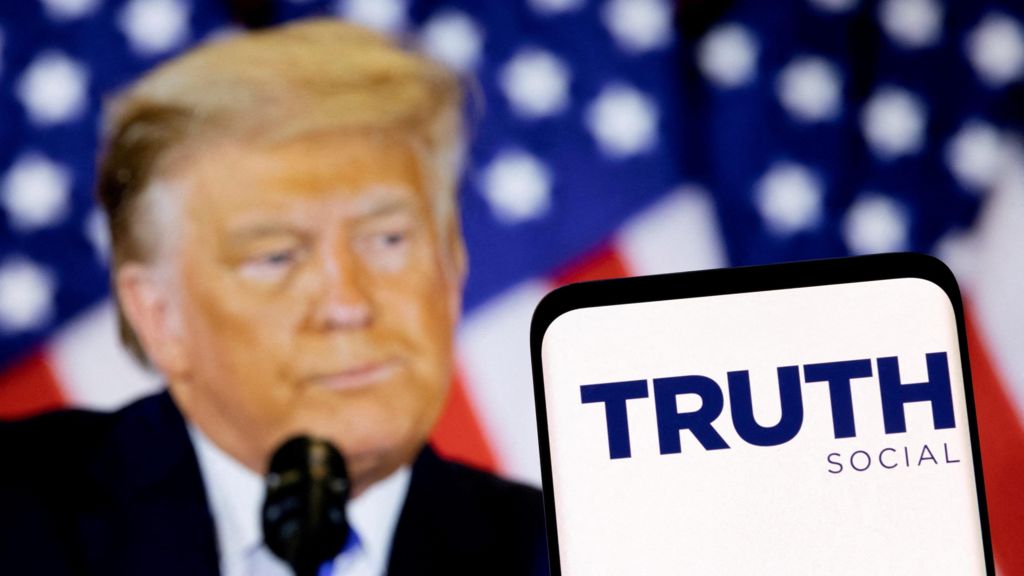
    Trump Media and Technology Group (TMTG), the parent company of former President Donald Trump’s Truth Social platform, has announced the creation of a novel cryptocurrency exclusively for its shareholders. This strategic move represents the Trump family’s expanding footprint in the digital asset landscape, an industry that has already yielded substantial financial returns while simultaneously drawing scrutiny over potential conflicts of interest.

    The newly unveiled token will be distributed on a one-to-one basis relative to share ownership. Current CEO Devin Nunes, who also chairs the White House Intelligence Advisory Board, hailed the initiative as a groundbreaking effort to reward investors and champion market transparency. The distribution will be facilitated through a partnership with the Crypto.com exchange, with the token operating on the Cronos blockchain.

    This foray into crypto coincides with a notable regulatory shift from the Trump administration. Since returning to the White House, President Trump has championed policies favorable to the cryptocurrency sector. His administration signed the nation’s first major crypto legislation, dropped several enforcement cases against crypto businesses, and advocated for allowing retirement savings to be invested in digital assets. This stands in stark contrast to Trump’s previous characterization of cryptocurrency as a scam.

    Despite a supportive regulatory environment, the crypto market has faced headwinds. Bitcoin is on track for an annual loss after retreating from its October peaks. Similarly, TMTG’s stock has plummeted over 60% this year, and a separate ‘TRUMP’ meme-coin launched around the January inauguration has lost more than 90% of its value. The company has indicated that token holders may receive various perks, including discounts on TMTG products, with distribution expected in the near future.

  • Cyprus agitated as Netanyahu drags it into Israel–Turkey tensions

    Cyprus agitated as Netanyahu drags it into Israel–Turkey tensions

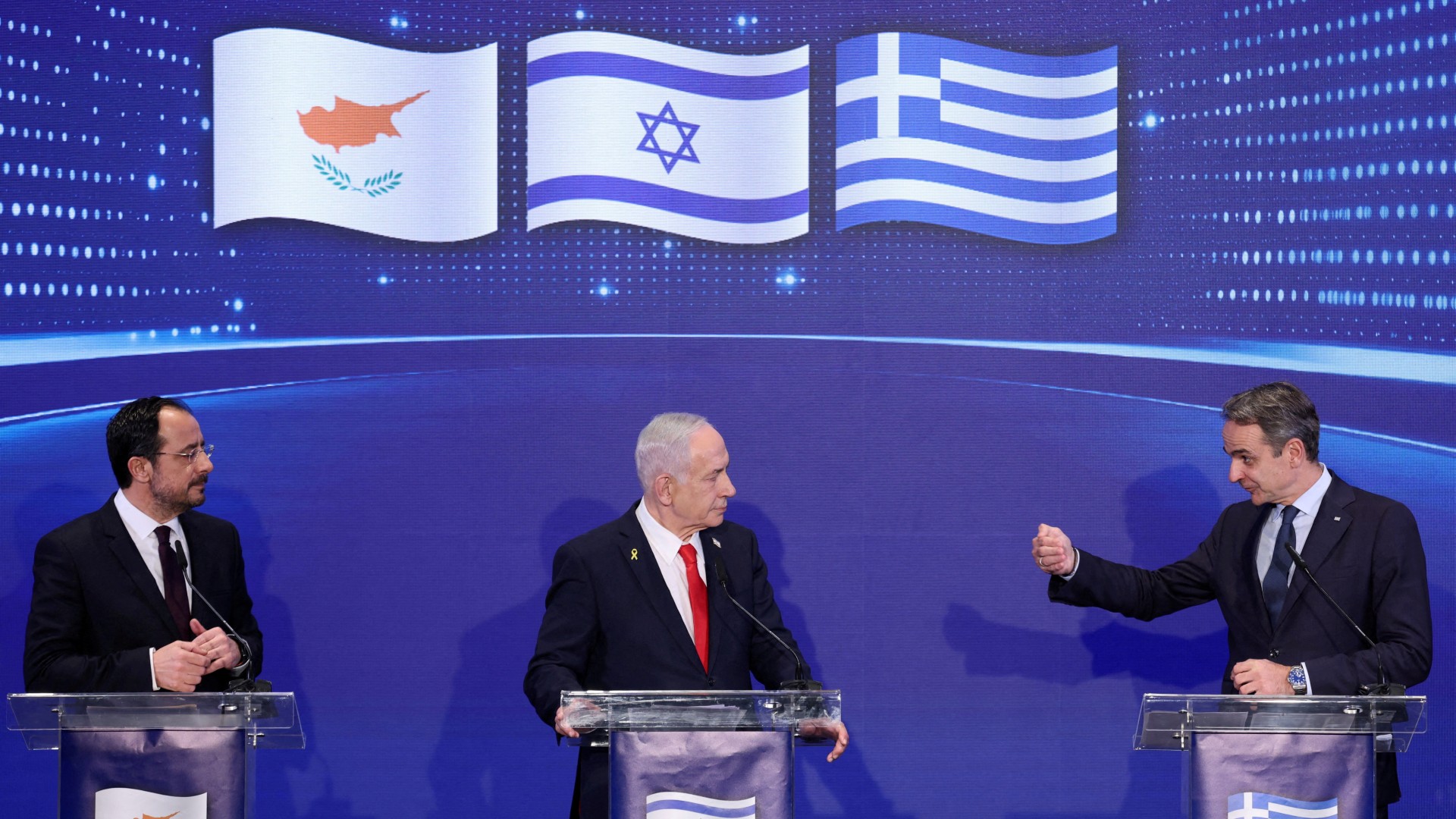
    Cyprus has voiced significant diplomatic unease regarding Israel’s utilization of recent trilateral discussions with Greece to escalate regional tensions with Turkey. According to reports from Politis, a leading Cypriot newspaper, Israeli Prime Minister Benjamin Netanyahu deliberately employed provocative rhetoric during the Jerusalem summit to advance his domestic political standing, thereby compromising the strategic interests of other participating nations.

    The tenth trilateral meeting between Cyprus, Greece, and Israel occurred against a backdrop of heightened regional instability, shortly after the signing of a new military-planning agreement. Netanyahu’s explicit references to Turkey—urging abandonment of imperial ambitions—reportedly aimed to position Ankara as a mutual adversary, a move Cypriot officials found diplomatically reckless.

    Nicosia’s discontent stems from four primary concerns: Netanyahu’s inflammatory remarks implying collective defense against Turkey; potential disruption to Cyprus reunification talks following the election of Turhan Erhurman in Northern Cyprus; unauthorized leaks suggesting a joint military brigade; and Israel’s unilateral announcement of a new military agreement without coordinated disclosure from Cyprus or Greece.

    Cyprus’s imminent presidency of the Council of the European Union further complicates matters, necessitating cautious diplomacy toward Turkey. The nation recently enhanced its defensive capabilities with the Israeli-made Barak MX air defense system, which provides surveillance coverage extending into southern Turkish airspace—a detail adding strategic complexity to the diplomatic friction.

    Regional officials confirmed that Israel’s approach reflects a pattern of leveraging international platforms for domestic messaging, often disregarding the nuanced diplomatic positions of its partners. While the trilateral format remains valuable, the recent episode underscores the challenges of maintaining balanced alliances in a volatile geopolitical landscape.

  • Shilpa Rao talks timeless songs, finding new sides of herself through music

    Shilpa Rao talks timeless songs, finding new sides of herself through music

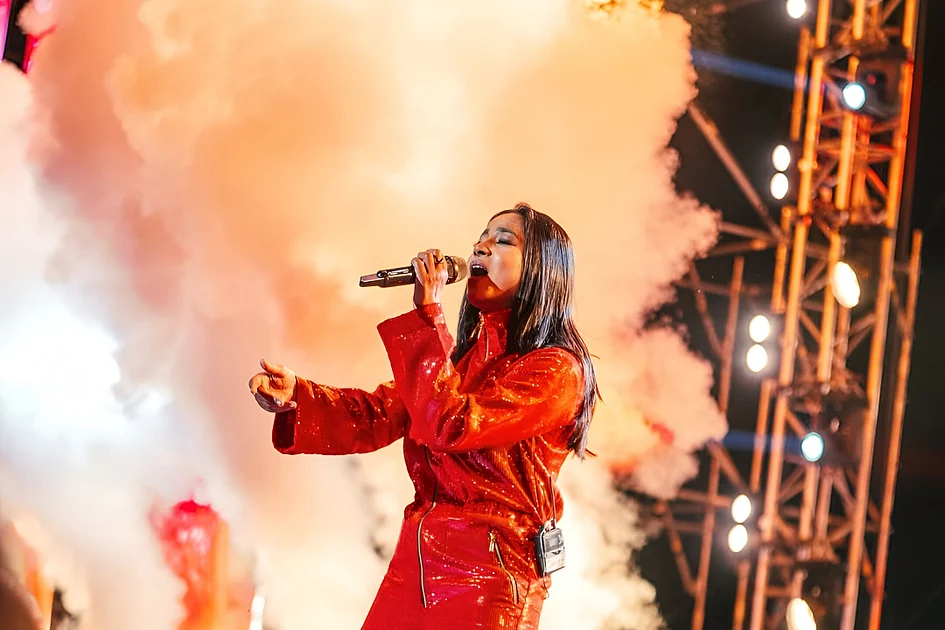
    In an exclusive interview with Khaleej Times, acclaimed vocalist Shilpa Rao offers profound insights into her remarkable musical journey spanning nearly twenty years. The singer, recently honored with both Grammy recognition and a National Award, discusses the artistic evolution that has defined her career.

    Rao attributes her sustained relevance to continuous collaboration with brilliant musicians, writers, and directors, emphasizing that each project has revealed new dimensions of her artistic identity. Her approach centers on perpetual learning—whether mastering new techniques or developing patience and fresh perspectives on creative expression.

    The breakthrough year of 2025 marked significant professional milestones for the singer, who remains humbled by the accolades. She dedicates these achievements to her enduring support system: family, friends, and particularly fans who have embraced her genre-spanning explorations.

    When examining the enduring appeal of signature pieces like ‘Khuda Jaane,’ ‘Tose Naina,’ and the recent viral sensation ‘Ghafoor,’ Rao highlights the collaborative alchemy required for timeless music. She explains that visionary direction, lyrical-composer synergy, and interpretive vocal delivery must harmonize perfectly—a collective effort rather than individual accomplishment.

    The artist describes her relationship with her voice as an evolving dynamic, emphasizing the importance of continual experimentation and self-surprise. Her recording experience with ‘Ghafoor’ unexpectedly revealed previously unknown playful dimensions of her artistic persona.

    Addressing her special connection with Dubai audiences, Rao expresses heartfelt appreciation for the city’s consistent support since her first visits around 2010-2011. She cherishes the warmth shown by fans, radio jockeys, and event organizers alike.

    Currently, Rao defines success not through individual achievement but as the collective experience created with her team for audiences. She maintains an open, unplanned approach to future projects, valuing creative spontaneity with collaborators. The singer concludes with deep gratitude to global listeners whose support has shaped her career, expressing hope for shared musical moments in the coming year.