作者: admin

  • Yunnan rose named after uncle ‘who looks like a flower’

    Yunnan rose named after uncle ‘who looks like a flower’

    In an unexpected turn of events during an online naming competition, a newly cultivated Chinese rose variety from the Yunnan Academy of Agricultural Sciences has been officially named after a Shandong province resident’s maternal uncle. The flower, characterized by its distinctive white petals with pinkish-purple edges, will be marketed as the ‘Baohua Chinese Rose’ in recognition of Liu Baohua, whom the nominating netizen described as resembling a flower.

    The Yunnan Academy had initially organized the digital naming initiative, receiving numerous poetic suggestions including ‘Jinghong,’ ‘Water Sleeves,’ and ‘Silk.’ However, the humorous proposal from the Shandong-based internet user unexpectedly captured public imagination, sparking widespread support across social media platforms.

    Research Fellow Cai Yanfei from the academy’s flower research institute confirmed to xinhuanet that despite initial reservations about the unconventional naming suggestion, the ‘Liu Baohua Chinese Rose’ secured a decisive victory during the final voting phase. The academic institution had initially questioned the appropriateness of naming a flower after a private individual but ultimately respected the democratic process and public sentiment.

    The newly christened horticultural product is scheduled to enter commercial distribution in multiple formats—including seedlings, fresh cuts, and preserved specimens—with anticipated market availability beginning August 2025. This incident demonstrates how digital public participation can influence scientific nomenclature while adding a human-interest dimension to botanical development.

  • Over 100 injured in India as two monorail trains crash at hydropower site

    Over 100 injured in India as two monorail trains crash at hydropower site

    A significant industrial accident occurred at a major hydropower construction site in northern India on Tuesday night, resulting in mass casualties when two monorail trains collided within an underground tunnel. The incident took place at the Pipalkoti hydropower project in Uttarakhand state, operated by Tehri Hydro Development Corp (THDC), a joint venture partially owned by NTPC Ltd.

    According to Gaurav Kumar, the district’s chief administrative officer, the collision was triggered by catastrophic brake failure in one of the monorail vehicles. These transport systems are critical infrastructure at the construction site, primarily used for ferrying personnel and moving construction materials through the extensive tunnel network.

    The collision resulted in 109 workers sustaining injuries, with medical officials reporting that most victims suffered minor trauma while four individuals sustained serious fractures. Emergency response teams were immediately deployed to the remote mountainous region to provide medical assistance and extract injured workers from the confined tunnel environment.

    Despite the severity of the incident, Kumar confirmed that track clearance operations were completed promptly, with project managers anticipating a resumption of construction activities on Wednesday. The quick recovery highlights the project’s strategic importance to India’s energy infrastructure development.

    This accident brings attention to India’s ambitious hydropower expansion program. Currently, hydropower constitutes approximately 51 gigawatts of the nation’s 505-gigawatt total installed capacity. Uttarakhand state, where this incident occurred, hosts more than ten operational hydropower facilities with approximately 2.0 gigawatts of combined capacity, alongside numerous projects under development.

  • Crystals and LEDs: a look at the Times Square New Year’s Eve ball

    Crystals and LEDs: a look at the Times Square New Year’s Eve ball

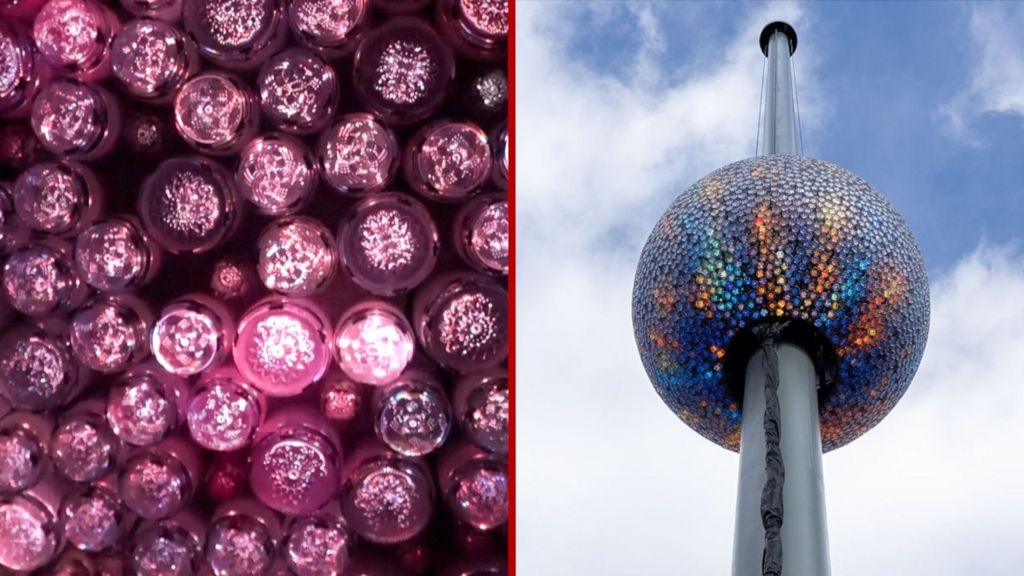
    New York City’s iconic New Year’s Eve celebration is set to receive a spectacular upgrade with the unveiling of the ‘Constellation Ball,’ scheduled to make its debut descent in Times Square to mark the arrival of 2026. This revolutionary design represents a significant evolution from its predecessors, masterfully blending traditional crystalline elegance with cutting-edge LED technology.

    The spherical structure, which serves as the visual centerpiece of the global celebration, incorporates a sophisticated arrangement of crystal panels. These are meticulously engineered to interact with an advanced internal lattice of multicolored LED lights, creating an unprecedented prismatic effect. The innovative illumination system is capable of generating millions of color combinations and dynamic patterns, transforming the ball into a mesmerizing celestial body that appears to dance across the night sky.

    This technological marvel continues the rich tradition that began in 1907, symbolizing both continuity and progress. The integration of sustainable, energy-efficient lighting systems reflects a commitment to environmental responsibility while maintaining the dazzling visual spectacle expected by the millions of spectators who witness the event both in person and through global broadcasts. The Constellation Ball stands as a testament to how tradition and innovation can coalesce to create new forms of public celebration and artistic expression.

  • Hunan becomes fourth city to host Chinese-built C919 jet

    Hunan becomes fourth city to host Chinese-built C919 jet

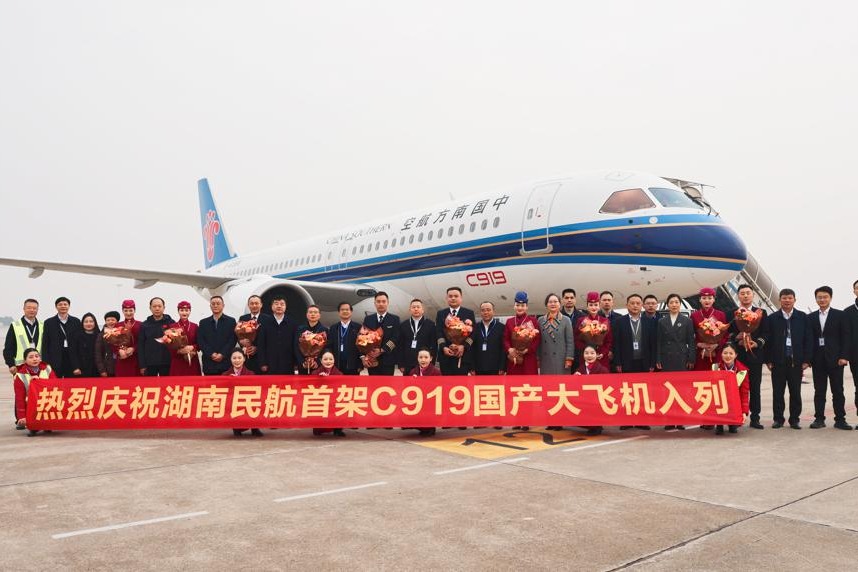
    Hunan Province has entered a new era of aviation connectivity as China’s domestically developed C919 passenger jet commenced dual-base operations from Changsha Huanghua International Airport. The aircraft (registered B-658N) completed its inaugural landing on Wednesday, establishing Hunan’s capital as the fourth Chinese metropolitan center to integrate the homegrown jetliner into regular service, following Beijing, Shanghai, and Guangzhou.

    China Southern Airlines, the pioneering carrier operating the C919, confirmed this strategic expansion represents a significant milestone in China’s commercial aviation advancement. The airline has initiated a dual-base operational model connecting Guangzhou and Changsha, enhancing regional connectivity while demonstrating growing confidence in the aircraft’s performance capabilities.

    Since its initial deployment to Hunan in January, the C919 has been actively serving seven major domestic routes from Changsha to key economic hubs including Guangzhou, Beijing, Shanghai, and Chengdu. Operational data reveals impressive performance metrics with over 1,400 completed flights transporting more than 170,000 passengers to date. Travelers and aviation experts have particularly noted the aircraft’s enhanced comfort features and operational reliability during this period.

    The expansion continues with China Southern Airlines announcing plans to introduce a second C919 aircraft to Hunan prior to the February Spring Festival travel season. According to Du Haibo, Deputy General Manager of China Southern’s Hunan branch, the additional aircraft will support three crucial routes during the peak travel period, connecting Changsha with Guangzhou, Beijing, and Shanghai.

    This strategic deployment underscores China’s accelerating progress in aerospace manufacturing and commercial aviation infrastructure development, positioning the C919 as an increasingly important component of the country’s transportation network.

  • From Downtown to JBR: How Dubai will roll out NYE traffic controls to manage rush

    From Downtown to JBR: How Dubai will roll out NYE traffic controls to manage rush

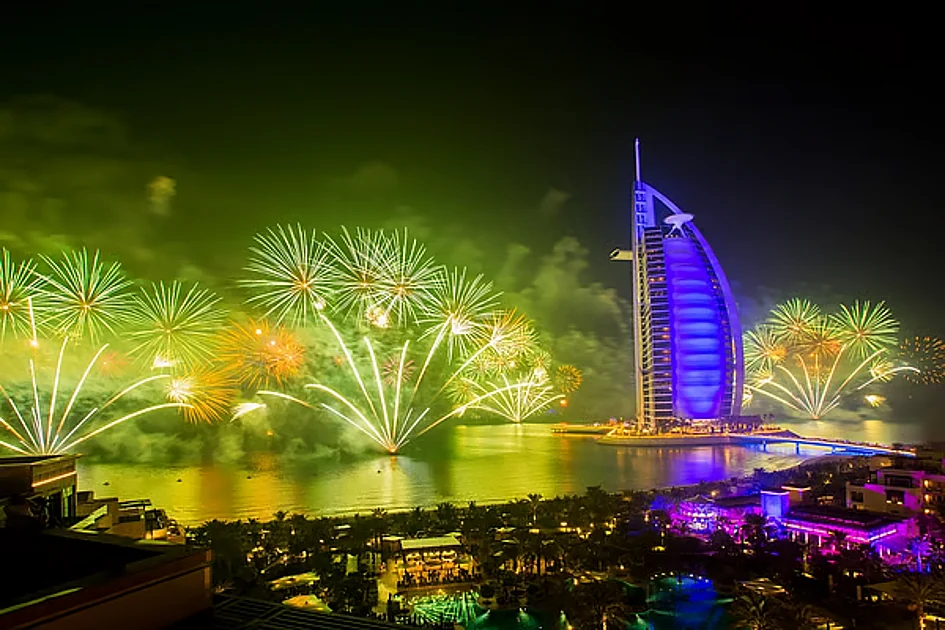
    Dubai’s transportation authorities have unveiled an extensive, multi-location traffic management blueprint for New Year’s Eve celebrations, with Jumeirah Beach Residence (JBR) joining Downtown as a primary focus area. The comprehensive strategy involves phased road closures, enhanced public transport deployment, and strict pedestrian management to accommodate massive crowds while ensuring public safety.

    According to Salahaldeen Al Marzooqi, Director of Intelligent Traffic Systems at Dubai’s Roads and Transport Authority (RTA), JBR has emerged as the city’s second most popular NYE destination, necessitating specialized traffic coordination with event organizers, security teams, and property developers. The area will undergo gradual access restrictions beginning at 4pm with pedestrian walkway closures along the beachfront, progressing to full road closures by 11pm that will transform the vicinity into an extensive pedestrian zone.

    Simultaneously, Downtown Dubai will experience phased arterial road closures starting at 4pm, affecting key thoroughfares including Al Asayel Street, Sheikh Mohammed bin Rashid Boulevard, and Burj Khalifa Street. Additional segments will close incrementally throughout the evening, with Sheikh Zayed Road undergoing gradual closure between Al Meydaan intersection and Commercial Centre roundabout from 11pm onward.

    The RTA has implemented exceptional public transport measures to support the strategy, deploying 700-1,000 dedicated taxis specifically for JBR alongside 360 buses for crowd movement and park-and-ride operations across the emirate. Metro and tram services will operate continuously for approximately 43 hours to facilitate movement. Taxi ranks will operate throughout the night with enhanced signage directing visitors to transport hubs.

    Authorities have issued strict warnings against illegal parking, particularly on high-speed roads surrounding event areas, emphasizing that roads within JBR will prohibit stopping or parking entirely. Residents, hotel guests, and restaurant patrons received advance notification of closures through developers to enable early movement planning.

    Al Marzooqi emphasized that public transport represents the safest and most efficient option for high-density celebrations, stating: ‘Our priority is people’s safety and comfort. With proper planning and cooperation from the public, JBR celebrations will be enjoyable and well managed.’ The coordinated approach aims to balance accessibility with safety as Dubai prepares to welcome hundreds of thousands of revelers.

  • Snap bans on candy, soda to start in five US states

    Snap bans on candy, soda to start in five US states

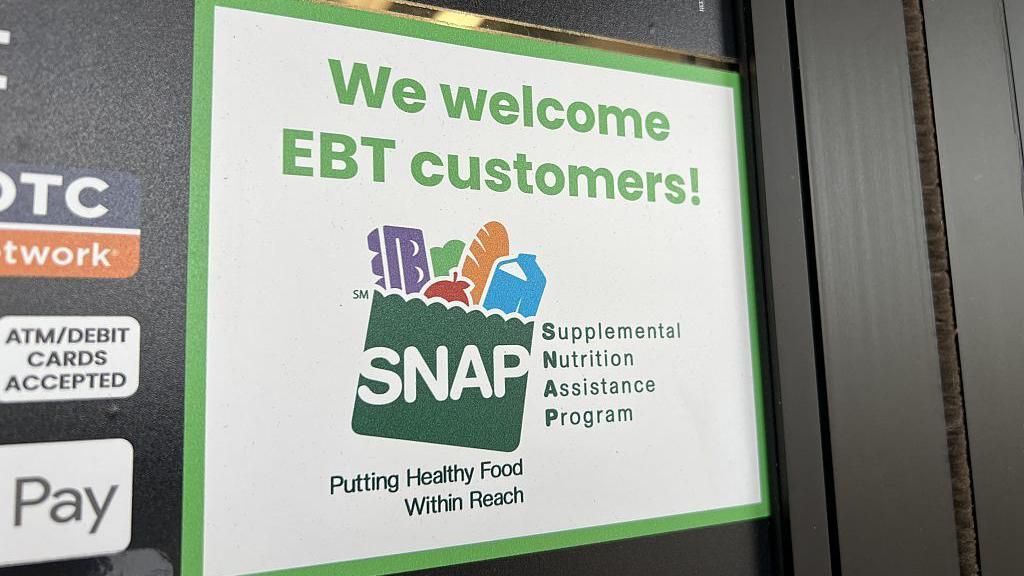
    A significant policy shift affecting millions of low-income Americans begins January 1st, 2026, as multiple U.S. states implement new restrictions on what can be purchased with government food assistance benefits. West Virginia, Utah, Indiana, Iowa, and Nebraska are leading this initiative that prohibits the purchase of sugar-sweetened beverages and candy through the Supplemental Nutrition Assistance Program (SNAP).

    The movement, championed by Health Secretary Robert F. Kennedy Jr. and Agriculture Secretary Brooke Rollins, represents a fundamental rethinking of how taxpayer-funded nutrition programs operate. “For years, SNAP has used taxpayer dollars to fund soda and candy – products that fuel America’s diabetes and chronic disease epidemics,” Kennedy stated, highlighting the public health rationale behind the restrictions.

    While SNAP historically allowed beneficiaries to purchase most grocery items except hot foods, tobacco, alcoholic beverages, and supplements, the new regulations create substantially tighter constraints. The implementation varies by state: West Virginia and Utah will ban sodas; Nebraska will prohibit both sodas and energy drinks; Indiana will restrict sodas and candy; while Iowa adopts the most comprehensive approach by banning soda, candy, and other pre-packaged foods subject to state sales tax, including chocolate-coated nuts and sweet popcorn.

    This initial wave of restrictions marks just the beginning of a broader national trend. Eighteen states have submitted waiver requests to implement similar limitations, with Florida and Texas scheduled to begin restrictions in April, South Carolina in August, and Missouri in October.

    The policy changes impact approximately 42 million Americans—roughly 12% of the population—who rely on SNAP benefits for nutritional support. Critics argue that these restrictions will create operational challenges for both retailers and recipients. Crystal FitzSimons, president of the Food Research & Action Center, warned that “SNAP restrictions will create more harm, confusion, and chaos for program participants who are still reeling from the government shutdown that unnecessarily delayed the delivery of benefits.”

    The debate continues as public health objectives confront practical implementation concerns, potentially reshaping food assistance programs across the United States throughout 2026.

  • Goodbye 2025! First 10 countries to ring in New Year 2026 before UAE

    Goodbye 2025! First 10 countries to ring in New Year 2026 before UAE

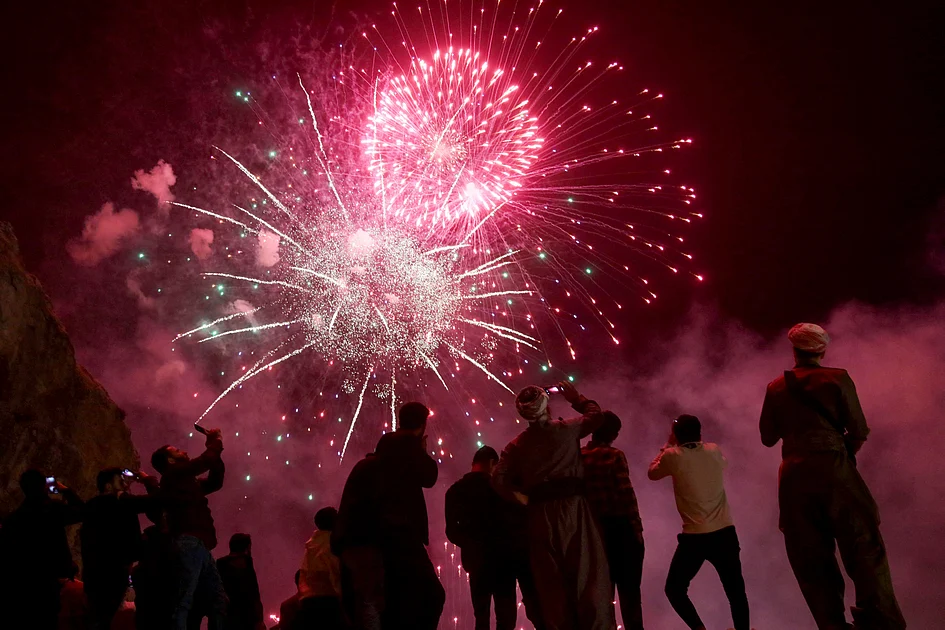
    While the United Arab Emirates prepares for its spectacular New Year’s Eve festivities featuring dazzling fireworks and drone displays, numerous nations across the globe will have already commenced their 2026 celebrations due to time zone differences. This chronological progression of New Year arrivals highlights both the diversity of global traditions and the universal human desire for renewal and celebration.

    Leading the planetary countdown, New Zealand’s UTC+13 time zone positions it as the first major nation to welcome the new year at 3:00 PM UAE time. The country celebrates with magnificent pyrotechnic displays above Auckland’s Sky Tower and Harbour Bridge, alongside public concerts and beach gatherings that capitalize on the Southern Hemisphere’s summer season.

    The temporal complexity of Kiribati presents a fascinating case study in time zone peculiarities. This Pacific nation spans three separate time zones across its 33 atolls, with Kiritimati Island (Christmas Island) in the UTC+14 zone technically becoming the first inhabited place on Earth to enter 2026 at 2:00 PM UAE time. The nation’s celebrations emphasize community feasts, traditional dancing, and church services, with modest fireworks and shared meals of local delicacies.

    Australia’s celebrations at 5:00 PM UAE time will carry particular significance following the tragic Bondi Beach mass shooting. While Sydney’s iconic Harbour Bridge fireworks will proceed as scheduled, authorities have implemented enhanced security measures and planned solemn tributes to honor victims, including illuminating the bridge’s pylons with peace doves and mental health awareness symbols.

    East Asian nations Japan and South Korea simultaneously welcome 2026 at 7:00 PM UAE time, though Tokyo’s Shibuya Station has cancelled its famed countdown due to crowd safety concerns. Both countries maintain traditional observances including purifying rituals at shrines and bell-ringing ceremonies alongside modern K-pop performances and fireworks displays.

    China and the Philippines share an 8:00 PM UAE time entry into the new year, with China emphasizing commercial district celebrations while reserving its major cultural observances for the upcoming Lunar New Year. The Philippines blends Spanish, Chinese, and indigenous traditions through vibrant fireworks, symbolic foods, and noise-making ceremonies intended to attract prosperity.

    Thailand’s beach parties and urban celebrations commence at 9:00 PM UAE time, followed by India’s nationwide festivities at 10:30 PM UAE time featuring massive concerts and fireworks across major metropolitan centers. Pakistan concludes the list at 11:00 PM UAE time with combined religious observances and public countdown events.

    This global temporal journey demonstrates how cultural traditions adapt to modern celebrations while maintaining unique characteristics that reflect each nation’s historical and social context.

  • Abu Dhabi announces free parking and toll fees for New Year holiday

    Abu Dhabi announces free parking and toll fees for New Year holiday

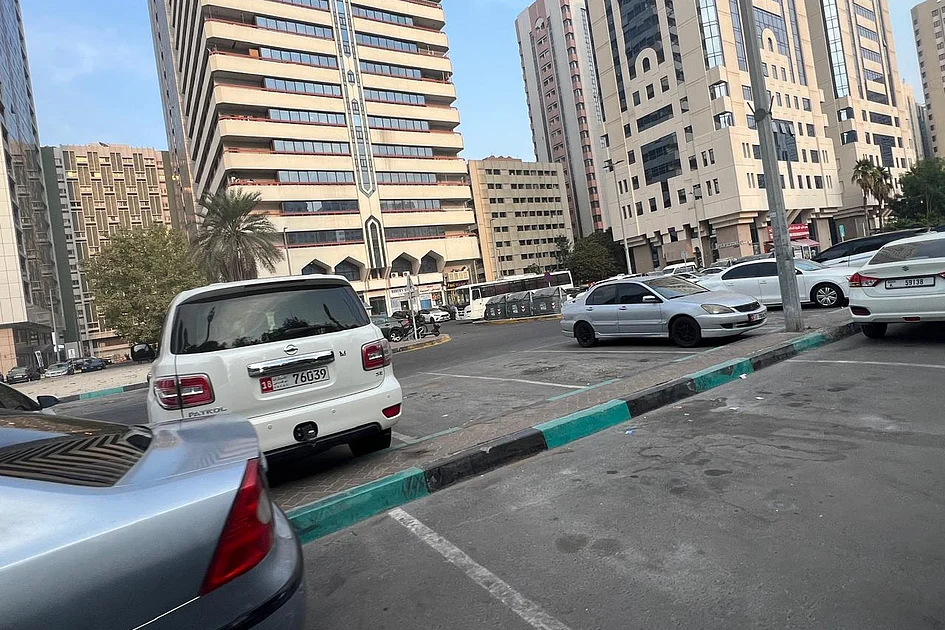
    In a move to facilitate seamless New Year celebrations, Abu Dhabi authorities have declared complimentary access to all public parking facilities and toll roads on January 1st, 2026. The initiative suspends charges for both the Mawaqif parking system and Darb toll gates throughout the holiday, with regular payment requirements resuming on January 2nd.

    This transportation benefit forms part of Abu Dhabi’s broader strategy to enhance urban mobility during festive periods, allowing residents and visitors to navigate the city without financial constraints. The emirate has simultaneously announced operational adjustments for government service centers. All customer happiness centers alongside vehicle licensing facilities in Abu Dhabi and Al Ain will remain closed on New Year’s Day, resuming standard operations on January 2nd.

    For continuous access to government services, authorities recommend utilizing digital platforms including the Q Mobility application, the Darb app, and the Tamm portal. Alternatively, assistance remains available through the government support hotline at 800 3009.

    During normal operations, the Mawaqif parking system enforces a tiered pricing structure. Premium zones (white and turquoise) charge Dh3 hourly with a four-hour maximum stay between 8:00 AM and midnight. Standard zones (black and turquoise) maintain rates of Dh2 per hour or Dh15 for daily parking, permitting stays up to 24 hours within the same operational timeframe.

    With anticipated increased vehicular movement during celebrations, transportation officials emphasize adherence to traffic regulations and advise strategic journey planning. The announcement coincides with the federal declaration of January 1st as an official public holiday, followed by remote working arrangements for public sector employees on January 2nd.

  • Iran prosecutor vows ‘decisive’ response if protests destabilise country

    Iran prosecutor vows ‘decisive’ response if protests destabilise country

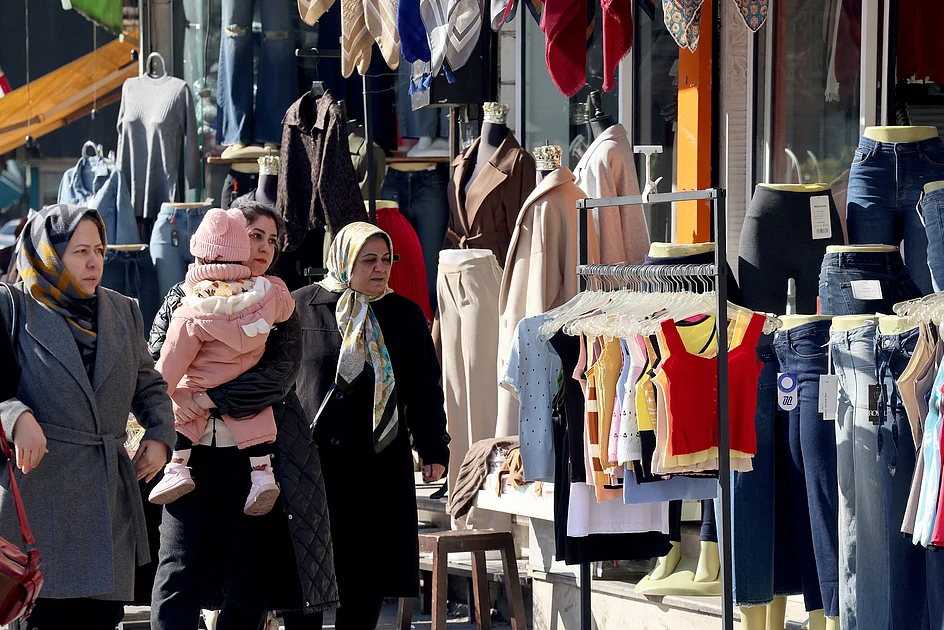
    Iran’s Prosecutor General Mohammad Movahedi-Azad delivered a stark warning on Wednesday regarding ongoing economic demonstrations, drawing a clear distinction between legitimate grievances and what authorities perceive as destabilizing activities. While acknowledging the validity of peaceful livelihood protests as “social and understandable realities,” the senior judicial official emphasized that any attempts to transform economic discontent into security threats would trigger a “legal, proportionate and decisive response.

    The demonstrations, initially sparked by shopkeepers at Tehran’s largest mobile phone market on Sunday, have since gained momentum with students from at least ten universities across the country joining the movement. The protests emerge against a backdrop of severe economic challenges, with Iran’s currency losing over a third of its value against the US dollar since last year amid persistent hyperinflation and crippling international sanctions.

    Notably, the protests remain geographically concentrated in central Tehran, with most of the metropolis’s 10 million residents continuing daily life unaffected. The timing of the demonstrations coincides with curious administrative decisions, including a last-minute bank holiday announced with just one day’s notice. Officials attributed closures of schools, banks and public institutions to cold weather and energy conservation needs, though temperatures remain typical for the season.

    The geopolitical dimension intensified when Israel’s Mossad intelligence agency posted messages in Persian on social media, expressing solidarity with protesters and encouraging street demonstrations. This external involvement likely contributed to the Iranian government’s heightened security concerns, particularly given the country’s history of major protests in 2019 (triggered by fuel price hikes) and 2022 (following Mahsa Amini’s death in custody).

    Despite the current demonstrations showing significantly smaller scale than previous nationwide movements, authorities appear prepared to implement stringent measures to prevent escalation, reflecting the delicate balance between addressing economic distress and maintaining state security.

  • UAE travel advisory: Dubai, Sharjah Airports brace for New Year’s Eve rush

    UAE travel advisory: Dubai, Sharjah Airports brace for New Year’s Eve rush

    Major UAE aviation hubs are implementing enhanced travel protocols to accommodate the anticipated surge in passenger traffic surrounding New Year 2026 celebrations. Dubai and Sharjah international airports have issued comprehensive advisories urging travelers to adjust their schedules and utilize alternative check-in options during this period of heightened activity.

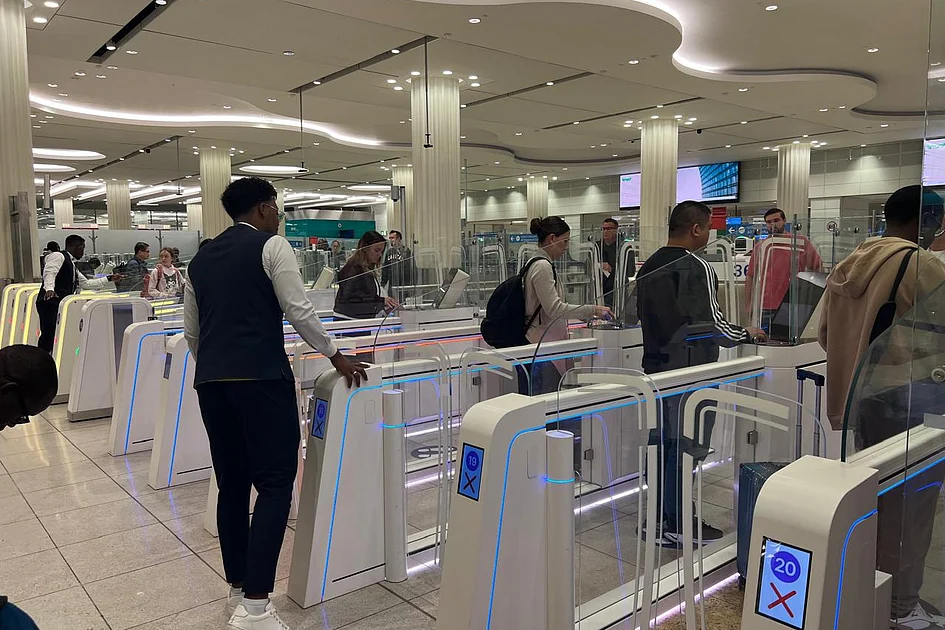
    With January 1 declared an official public holiday and many organizations permitting remote work on December 31, aviation authorities project significant congestion from December 31 through January 5. Emirates Airlines has formally recommended that all departing passengers arrive at Dubai International Airport a full four hours before their scheduled flights, accounting for anticipated road congestion and limited parking availability.

    Sharjah Airport authorities have similarly advised travelers to arrive three hours before departure, while encouraging Air Arabia passengers to utilize urban check-in facilities. Both airports are promoting distributed check-in solutions to alleviate terminal congestion, including innovative city-center options.

    Emirates offers multiple remote check-in alternatives: The DIFC City Check-In facility at ICD Brookfield Place provides complimentary parking and baggage handling up to four hours pre-flight, with bonus Skywards Miles incentives through January 15. Ajman Central Bus Terminal hosts a 24-hour check-in service, while premium customers in Dubai and Sharjah can access complimentary home check-in services with baggage collection.

    Public transportation represents a key component of the congestion mitigation strategy. Dubai Metro’s Red Line provides direct Terminal 3 access with frequent service, offering reliable airport connectivity amid anticipated road traffic complications. Aviation officials emphasize that pre-selecting seats and verifying travel document validity remain crucial for efficient processing.

    Sharjah’s Matajer Al Mussala facility enables baggage drop-off up to 48 hours before flight time for a nominal fee, with additional city check-in locations operating at Al Barsha Mall, Safeer Mall, and Al Ain’s Morafiq complex with tiered pricing structures.

    The coordinated advisory reflects comprehensive planning by UAE aviation authorities to maintain operational efficiency during one of the region’s peak travel periods, balancing celebration-related congestion with maintaining the UAE’s reputation for aviation excellence.