作者: admin

  • Condom tax and cheaper childcare: China’s plan to boost birth rates

    Condom tax and cheaper childcare: China’s plan to boost birth rates

    China has implemented a significant tax policy revision effective January 1st, eliminating the value-added tax exemption for contraceptives while introducing VAT exemptions for childcare, marriage-related services, and elderly care. This fiscal overhaul represents Beijing’s latest attempt to reverse the nation’s declining birth rates amid demographic challenges.

    The policy change removes exemptions that had been in place since 1994, when China maintained its stringent one-child policy. The move comes as official data reveals China’s population has declined for three consecutive years, with 2024 recording approximately 9.54 million births—roughly half the number documented a decade ago when fertility restrictions began easing.

    Public response has been mixed, with some social media users expressing skepticism about the measure’s effectiveness. ‘People can tell the difference between the price of a condom and that of raising a child,’ commented one observer, highlighting the substantial financial barriers to parenthood in contemporary China.

    A 2024 study by Beijing’s YuWa Population Research Institute identified China as one of the world’s most expensive countries for child-rearing, citing competitive educational costs and work-life balance challenges as primary contributing factors. These economic pressures are further exacerbated by the ongoing property crisis that has diminished household savings and created widespread financial uncertainty.

    Demographic experts offer contrasting interpretations of the policy’s intent. Dr. Yi Fuxian of the University of Wisconsin-Madison suggests the contraceptive tax represents revenue generation rather than targeted population policy, noting China’s need to address housing market instability and growing national debt. Conversely, Henrietta Levin of the Center for Strategic and International Studies views the measure as symbolic of broader efforts to elevate China’s critically low fertility rates.

    The implementation challenges are substantial, as indebted provincial governments must administer these policies amid constrained resources. Additionally, concerns persist regarding potential unintended consequences, including increased financial barriers to contraception access for students and economically vulnerable populations.

    Critics argue that China’s approach may prove counterproductive if perceived as intrusive into personal decisions. Recent reports of local officials inquiring about women’s menstrual cycles and reproductive plans have raised privacy concerns and potentially undermined public trust in government initiatives.

    Underlying these policy measures are profound societal shifts affecting fertility patterns globally, including changing attitudes toward marriage, dating practices, and the disproportionate childcare burdens placed on women. As young Chinese navigate unprecedented social pressures and economic uncertainties, the effectiveness of fiscal interventions in reversing demographic trends remains uncertain.

  • Free in-flight Wi-Fi, new destinations: How Emirates reshaped air travel in 2025

    Free in-flight Wi-Fi, new destinations: How Emirates reshaped air travel in 2025

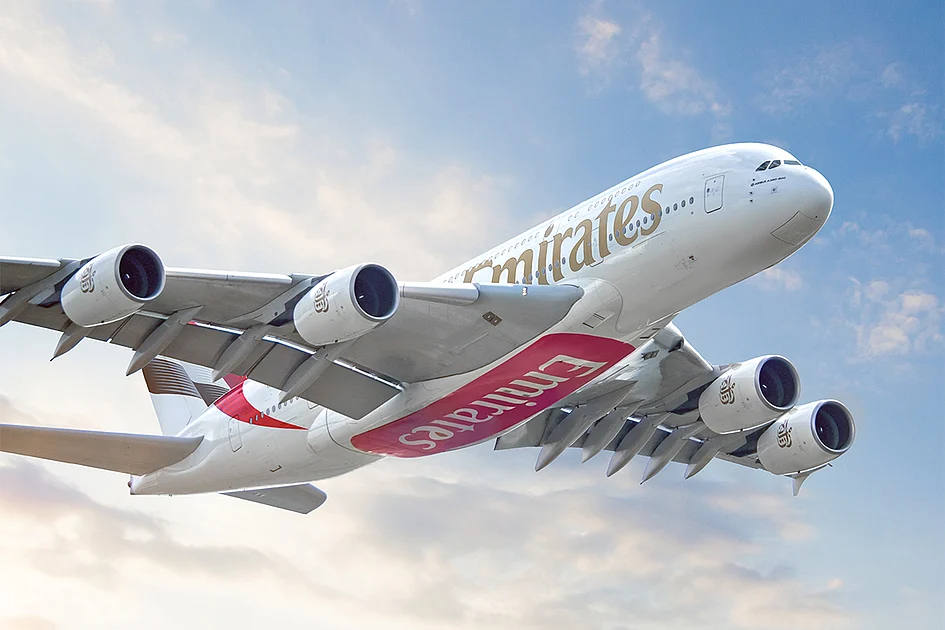
    Dubai-based Emirates Airlines has fundamentally transformed the aviation landscape throughout 2025 through strategic fleet expansion, technological innovation, and enhanced passenger services. The carrier transported 55.6 million passengers across 180,580 flights—equivalent to circumnavigating the globe 29,290 times—while simultaneously placing orders for 73 new aircraft during its 40th anniversary year.

    The airline’s transformative initiatives included the introduction of Airbus A350 aircraft to its operational fleet, with 16 aircraft currently serving 18 global destinations. Emirates significantly expanded its Asian network with new direct routes to Shenzhen and Hangzhou in mainland China, alongside services to Danang, Vietnam and Siem Reap, Cambodia via Bangkok.

    A landmark achievement came with the November announcement of Starlink Wi-Fi implementation across 232 aircraft, positioning Emirates to become the world’s first airline with Starlink-equipped A380s by early 2026. The complimentary high-speed connectivity will enable seamless streaming, gaming, and productivity across all cabin classes.

    The carrier’s Premium Economy cabin expansion reached approximately 70 cities served by over 100 aircraft, representing nearly 40% of the passenger fleet. Emirates simultaneously launched innovative commercial ventures including Emirates Courier Express, which has processed over 50,000 packages with an average delivery time of three days across 10 international markets.

    Corporate social responsibility initiatives demonstrated substantial impact, with the ‘Aircrafted KIDS’ program distributing 3,700 handcrafted backpacks to underprivileged children across eight countries using upcycled materials from aircraft interiors. Emirates achieved industry-first status as the world’s inaugural Autism Certified Airline™, with 30,000 staff trained to support passengers with neurodiverse needs.

    The airline’s commitment to luxury travel experiences culminated in 25 international accolades, including Best Airline in the World for the eighth consecutive year at the ULTRAs and Forbes Travel Guide’s Best International Airline recognition.

  • Five technology trends that will define 2026 – and the cities bold enough to build them

    Five technology trends that will define 2026 – and the cities bold enough to build them

    As we approach 2026, the technological landscape is poised for a transformative reordering that will fundamentally reshape urban environments and economic systems. According to analysis from Paul Dawalibi, CEO of Innovation City, this shift represents a movement from theoretical innovation to lived experience, where intelligence becomes ambient and creativity transforms into infrastructure.

    The five pivotal trends identified for 2026 include:

    1. **AI Evolution from Tools to Collaborative Partners**: Artificial intelligence is transitioning from application-based tools to active collaborators. By 2026, AI will function as co-founder rather than assistant, capable of business planning, product design, contract negotiation, code development, content generation, and operational management. This transformation means every startup effectively becomes a multi-person enterprise from inception, with competitive advantage shifting from AI access to seamless human-machine integration.

    2. **Digital Identity as Economic Foundation**: The digital identity revolution will expand beyond individuals to encompass companies, assets, licenses, and intellectual property. This infrastructure will enable instant verification and global operational capability from formation, creating frictionless company establishment, real-time compliance, borderless entrepreneurship, and default trust systems. Jurisdictions adopting cryptographic trust frameworks early will attract global entrepreneurs.

    3. **Industrial-Scale Creator Economy**: The creator economy is maturing into an industrial operation powered by AI, real-time monetization, immersive formats, and global distribution networks. Content creation will transition from bedroom hobby to high-tech production pipeline, requiring purpose-built environments and cutting-edge technological infrastructure to support creators as the primary generators of valuable intellectual property.

    4. **Mainstream Robotics Integration**: Autonomous systems including logistics robots, drones, AI-driven manufacturing, and service robotics are moving from controlled pilot programs to widespread production. This integration will redefine industrial productivity, urban logistics, healthcare delivery, and smart infrastructure, with successful cities developing regulatory, ethical, and commercial frameworks for responsible scaling.

    5. **Innovation as Designed Environment**: The most significant trend involves innovation transitioning from government-incentivized policy to intentionally designed physical and regulatory environments. Successful innovation hubs will operate with startup mentality—founder-first, data-driven, and future-focused—offering AI-powered services, radical simplicity, operational speed, and community belonging for builders.

    The analysis concludes that the next technological era will be defined not by devices or breakthroughs, but by environments that enable innovation at full velocity through friction reduction, experimental embrace, and treating creators as architects rather than applicants.

  • New Abu Dhabi HR law to promote merit-based hiring, competitive benefits

    New Abu Dhabi HR law to promote merit-based hiring, competitive benefits

    Abu Dhabi has enacted a transformative human resources legislation set to revolutionize public sector employment practices beginning January 1, 2026. The capital’s new legal framework establishes comprehensive merit-based systems for recruitment, advancement, and performance management across its 25,000-strong government workforce.

    The groundbreaking legislation introduces competitive compensation structures and accelerated career pathways prioritizing capability over seniority. High-performing professionals will benefit from performance-based allowances, reduced probation periods for exceptional graduates, and promotion opportunities unconstrained by traditional tenure requirements.

    Modernized benefits packages include innovative entrepreneurship leave enabling employees to pursue business ventures while maintaining government careers. The law significantly enhances work-life balance provisions through doubled paternity leave, extended maternity support, flexible remote work arrangements, and updated leave categories covering marriage, bereavement, and caregiving responsibilities.

    Strategic objectives focus on positioning Abu Dhabi as an employer of choice for top talent in critical fields including artificial intelligence, technology development, policy formulation, and specialized services. The emirate aims to strengthen its competitive edge in attracting and retaining skilled professionals through continuous learning programs and inclusive workplace accommodations for People of Determination.

    Government authorities will collaborate across entities to ensure seamless implementation of these comprehensive workforce modernization measures, replacing outdated practices with systems designed for contemporary workforce expectations and future public service requirements.

  • Trump’s return, Gaza truce, tariff war: How 2025 shaped the world

    Trump’s return, Gaza truce, tariff war: How 2025 shaped the world

    As the world ushered in 2026, reflections on the preceding year revealed a period defined by political upheaval, environmental crises, and fragile diplomatic accords. 2025 cemented its status among the warmest years in recorded history, with catastrophic climate events—devastating European wildfires, severe African droughts, and lethal Southeast Asian monsoon rains—leaving an indelible mark across continents.

    The year witnessed the dramatic return of Donald Trump to the White House, whose immediate imposition of aggressive tariff policies triggered significant volatility in global financial markets. His administration’s economic nationalism contrasted sharply with growing international anxiety over trade stability.

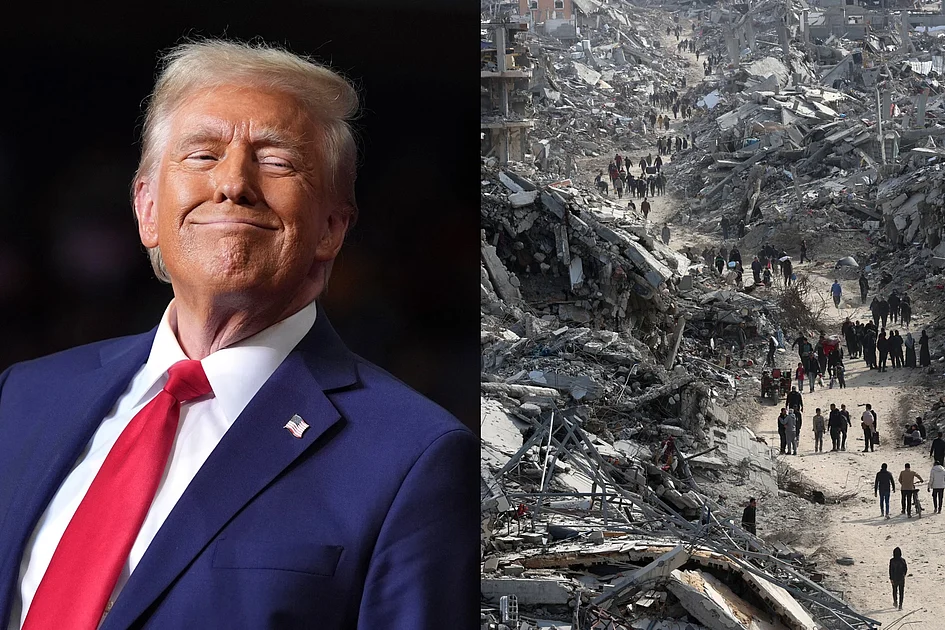
    October brought a precarious ceasefire to the Gaza conflict, brokered under intense U.S. pressure following two years of destruction that left the territory in ruins. The truce remained tenuous, with both Israel and Hamas exchanging accusations of violations shortly after its implementation. The conflict, originating from Hamas’s October 2023 attack that killed over 1,200 Israelis, resulted in more than 70,000 Palestinian casualties according to UN-verified figures from Gaza health authorities.

    New Year’s celebrations carried somber undertones worldwide. Sydney, traditionally the “New Year’s capital of the world,” observed a minute of silence and illuminated its harbour bridge in white for peace, memorializing 15 victims from Australia’s deadliest mass shooting in three decades at Bondi Beach. Hong Kong canceled its famed fireworks display to honor 161 lives lost in a November housing estate tragedy.

    Meanwhile, the war in Ukraine approaches its fourth year with no ceasefire in sight despite renewed diplomatic efforts. Global leaders including China’s Xi Jinping and Russia’s Vladimir Putin exchanged New Year’s greetings, with Xi emphasizing commitment to strengthened bilateral relations.

    Looking ahead, 2026 promises significant developments in space exploration with NASA’s Artemis II mission, ongoing scrutiny of artificial intelligence’s economic impact, and major international sporting events including the Winter Olympics in Italy’s Dolomites and an expanded FIFA World Cup across North America.

  • Algerian president denies secret Tunisia military agreement

    Algerian president denies secret Tunisia military agreement

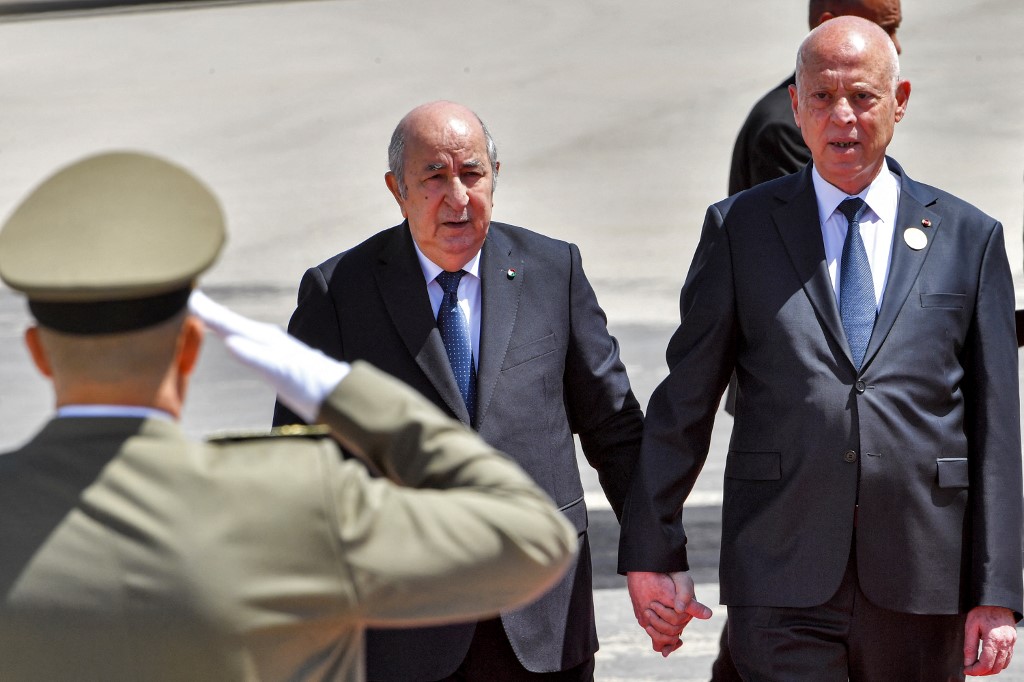
    Algerian President Abdelmadjid Tebboune has vehemently rejected allegations of a secret military pact with Tunisia that would compromise Tunisian sovereignty. The controversy emerged following the online circulation of a document purporting to detail clandestine cooperation terms between the North African neighbors.

    President Tebboune characterized the allegations as a deliberate ‘attempt to destabilize’ the longstanding friendship between Algeria and Tunisia. ‘There are parties seeking to sow discord between Algeria and Tunisia, believing it would facilitate their infiltration,’ Tebboune stated during an address to the nation before both houses of parliament.

    The dispute originates from an official military cooperation agreement signed on October 7, designed to enhance joint training, intelligence sharing, and coordination against cross-border threats. Tunisian defense officials clarified this was merely an update to a 2001 agreement intended to adapt to regional security developments.

    However, on December 17, a document labeled as a leaked version of the agreement began circulating online, suggesting controversial provisions including authorization for Algerian forces to operate 50km inside Tunisian territory to combat terrorists or address civil unrest. The alleged document also stipulated Tunisia would require Algerian approval for security agreements with third countries and would provide logistical support and natural resources as compensation.

    Geopolitical expert Akram Kharief, editor-in-chief of Mena Defense, conducted a thorough analysis revealing multiple inconsistencies indicating the document is a forgery. Kharief identified errors in official headings, security classifications, military ranks, ministerial names, and constitutional violations regarding foreign military interventions.

    Tunisian President Kais Saied had previously denied the rumors on December 18, condemning what he called ‘fabricated documents’ and actions harming the Tunisian people. The situation highlights ongoing regional tensions and concerns about transparency in international security agreements amid Tunisia’s political climate following President Saied’s 2021 consolidation of power.

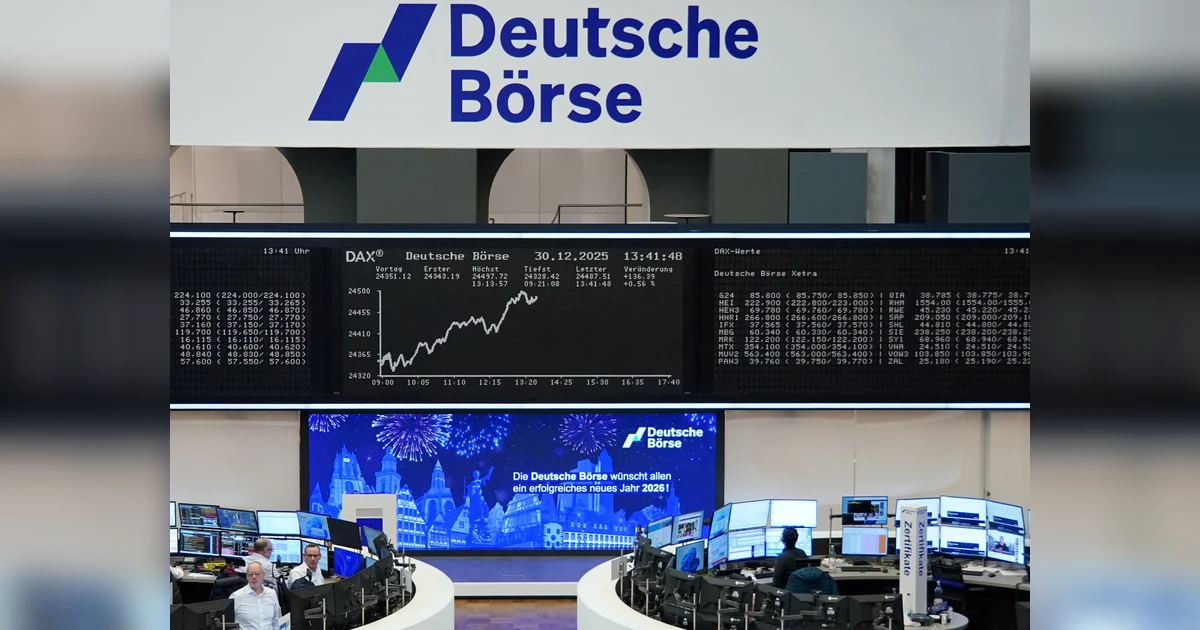
  • Precious metals cash in on record run, stocks bask in year-end glow

    Precious metals cash in on record run, stocks bask in year-end glow

    The prestigious Fluxx Conference 2025 has recognized two transformative leaders whose groundbreaking work is reshaping the Middle East’s educational and energy landscapes. The annual gathering, known for spotlighting innovators addressing regional challenges, this year honored visionaries who have demonstrated exceptional commitment to human development and environmental sustainability.

    The education award recipient has pioneered a revolutionary digital learning platform that has dramatically increased accessibility to quality education across socioeconomic backgrounds. Their initiative has successfully bridged educational gaps in remote areas through adaptive learning technologies, personalized curriculum development, and teacher training programs that have impacted over 200,000 students across the Gulf region.

    Meanwhile, the renewable energy honoree has spearheaded the development of cutting-edge solar technology specifically engineered for desert conditions. Their innovation addresses unique challenges of dust accumulation and extreme temperatures, resulting in a 40% increase in energy efficiency compared to conventional solar installations. This breakthrough has accelerated the adoption of clean energy solutions throughout sun-rich Middle Eastern nations.

    Conference organizers emphasized that both awardees exemplify the event’s core mission of identifying solutions with tangible regional impact. ‘These leaders have not only developed innovative technologies but have implemented them at scale, creating measurable improvements in education outcomes and clean energy adoption,’ stated the conference chair during the awards ceremony.

    The recognition comes at a pivotal moment as Middle Eastern nations increasingly prioritize knowledge-based economies and sustainable development. The awarded projects align with broader regional initiatives such as Saudi Arabia’s Vision 2030 and the UAE’s Energy Strategy 2050, demonstrating how technological innovation can support national transformation goals.

    Industry analysts note that the recognition of these particular achievements signals a growing emphasis on solutions that address both immediate practical needs and long-term strategic objectives. The conference has previously highlighted innovations in healthcare, urban planning, and economic development, establishing itself as a key platform for recognizing transformative work across the Middle East.

  • US imposes sanctions on 4 Venezuelan oil firms and 4 more tankers in Maduro crackdown

    US imposes sanctions on 4 Venezuelan oil firms and 4 more tankers in Maduro crackdown

    The United States government has significantly intensified its economic and military pressure on Venezuela’s leadership through a multi-faceted approach targeting the nation’s oil sector and alleged drug trafficking operations. On Wednesday, Washington implemented comprehensive sanctions against four maritime vessels and their operating companies within Venezuela’s petroleum industry, designating them as blocked property under U.S. jurisdiction.

    This strategic move represents the latest development in the Trump administration’s sustained campaign against President Nicolás Maduro’s government. The sanctioned entities—Nord Star, Lunar Tide, Rosalind, and Della—along with their corporate operators, now face complete exclusion from the U.S. financial system and property holdings. Any individuals or institutions conducting business with these designated entities risk facing severe penalties themselves.

    Concurrently, U.S. military forces have executed maritime interdictions, seizing two oil tankers near Venezuelan territorial waters while actively pursuing additional vessels. More dramatically, American forces have conducted over thirty separate engagements against suspected narcotics trafficking operations, resulting in approximately 110 casualties since early September according to official reports.

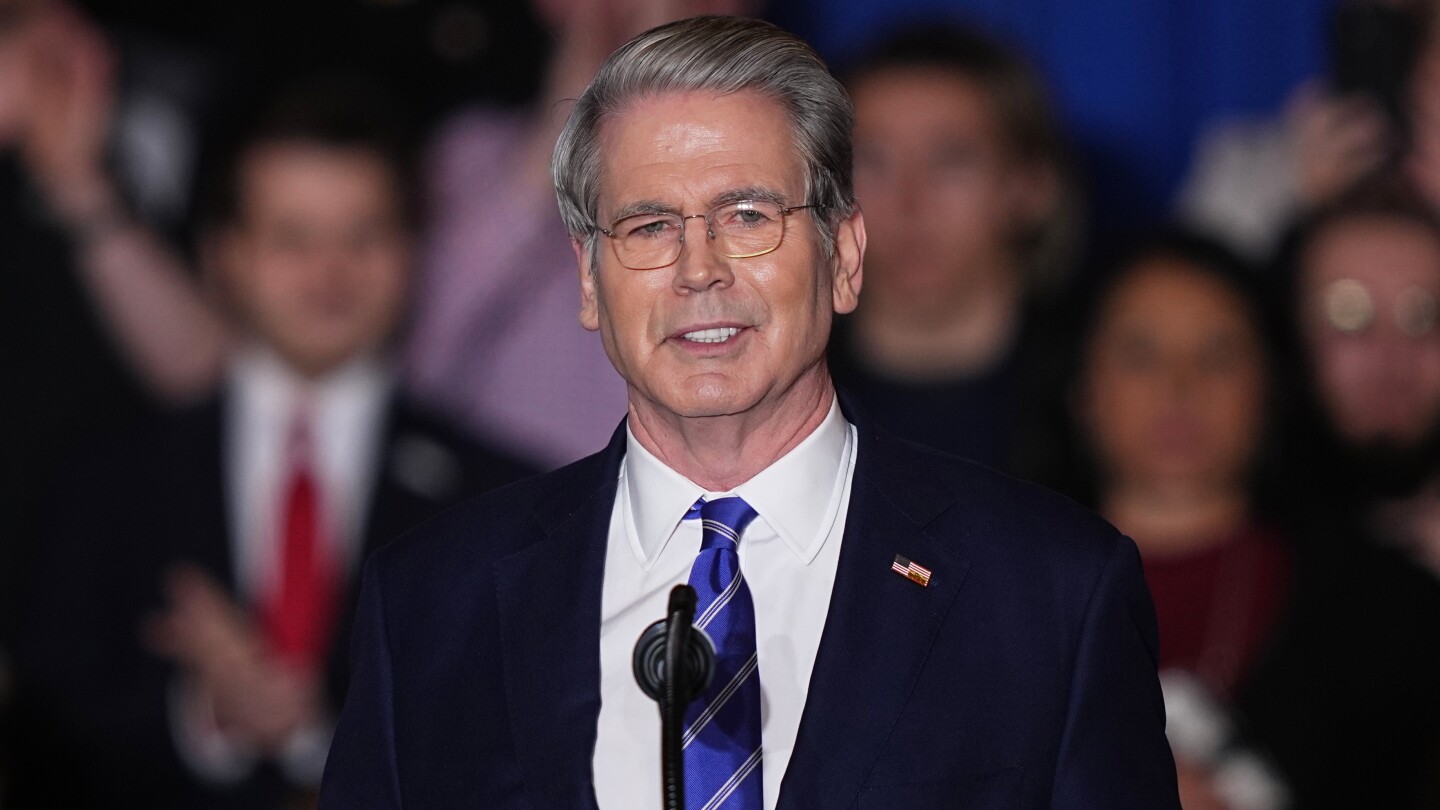
    In an unprecedented escalation marking the first confirmed direct operation on Venezuelan soil, the Central Intelligence Agency orchestrated a drone strike last week targeting a docking facility allegedly utilized by drug cartels. Treasury Secretary Scott Bessent emphasized the administration’s position, stating the U.S. will prevent the ‘illegitimate Maduro regime’ from profiting from oil exports while allegedly ‘flooding the United States with deadly drugs.’

    President Trump has declared a comprehensive blockade against all sanctioned oil tankers operating in Venezuelan waters while demanding restitution for assets previously seized from American petroleum corporations. The administration maintains that Venezuela’s current leadership utilizes oil revenues to fund narcotics trafficking and other criminal enterprises.

  • Bulgaria joins the euro after rocky path to new currency

    Bulgaria joins the euro after rocky path to new currency

    Bulgaria has officially become the 21st nation to adopt the euro, marking a significant yet contentious milestone for the European Union’s most economically disadvantaged member state. This transition, which saw the Bulgarian lev replaced on January 1st, 2026, positions the nation ahead of wealthier Eastern European peers like Poland, Hungary, and the Czech Republic.

    The move to the single currency has exposed a stark generational and geographic rift within the country. For younger, urban, and entrepreneurial citizens, euro adoption represents the final step in a long journey of European integration, following NATO and EU membership and entry into the Schengen zone. They view it as an optimistic leap toward greater economic opportunity and stability.

    Conversely, for older, rural, and more conservative segments of the population, the abandonment of the historic lev—a national symbol since 1881—has provoked fear and resentment. The currency, whose name means ‘lion,’ was pegged first to the Deutschmark and then to the euro since 1997, but its physical replacement is seen by many as an erosion of national sovereignty.

    This societal split is reflected in opinion polls, which indicate the nation’s 6.5 million people are almost evenly divided. The political landscape further complicates the transition. Prime Minister Rosen Zhelyazkov’s coalition government collapsed after a no-confidence vote on December 11th, 2025, following mass protests against the national budget. This event continues a pattern of extreme instability, with seven elections held in the past four years and an eighth likely imminent.

    Interviews with citizens reveal the depth of this division. Todor, a 50-year-small business owner in Gabrovo, expressed strong opposition, stating he believed 70% would reject the euro in a referendum—a vote proposed by President Rumen Radev but rejected by the government. He blamed fears of the new currency for a decline in his sales amid already high inflation.

    In contrast, Ognian Enev, a 60-year-old tea shop owner in Sofia, welcomed the change as a mere ‘technical’ shift. He noted that many Bulgarians, particularly the 1.2 million living abroad who send remittances in euros, are already accustomed to the currency. Like many retailers, he is prepared with euro coins and notes for the dual-currency period throughout January, where change will be given in euros, ahead of the lev’s complete retirement on February 1st.

    To ease the public’s fear of price gouging, a mandatory dual-pricing law has been in effect since August 2025. The near 1:2 conversion rate (€1 = 1.95583 lev) simplifies the transition. Elaborate consumer protection watchdogs have been established to prevent merchants from rounding prices up, with some, like Sofia’s public transport fares, being rounded down instead.

    In a symbolic move to assuage concerns over lost identity, Bulgaria’s euro coins feature distinct national imagery: St. Ivan of Rila on the €1 coin, Paisius of Hilendar on the €2, and the ancient Madara Rider on the smaller denominations.

    The ultimate economic impact remains the critical unknown. The country now faces two potential futures: the successful ‘Baltic model’ of Estonia, Latvia, and Lithuania, which combined euro adoption with robust reforms to spur investment and fight corruption, or the ‘Italian model’ of prolonged economic stagnation—an outcome some, including Mr. Enev, fear is more likely for Bulgaria.

  • Dubai real estate 2026: Scarcity, smart selection and shifting demand shape the next market cycle

    Dubai real estate 2026: Scarcity, smart selection and shifting demand shape the next market cycle

    Dubai’s property sector is poised for a transformative phase in 2026, characterized by land scarcity in prime districts, strategic market rebalancing, and the emergence of Abu Dhabi as a competitive investment alternative. Industry executives anticipate this period will favor data-driven decision-making over speculative investments, with resilience concentrated in high-quality assets and purpose-built commercial developments.

    According to Abdullah Alajaji, CEO of Driven Properties, Abu Dhabi is rapidly evolving into a formidable real estate market, with expanded liquidity through tokenization and alternative ownership structures enhancing market depth. The upcoming cycle is expected to address the current imbalance between residential oversupply and office space shortages, with government-backed entities likely to introduce purpose-built office districts to meet sustained demand.

    Firas Al Msaddi, CEO of fäm Properties, emphasizes the critical importance of analytical metrics for market timing. “Days on market and absorption rates provide real-time indicators of supply-demand dynamics,” he notes, cautioning against treating Dubai as a monolithic market. Instead, he recommends granular analysis across location, price category, usage type, and buyer profile to identify genuine opportunities.

    Market projections indicate high handover volumes through 2026-2027 will create rental price softening in areas with substantial new supply, while sales prices maintain stability with upward trends in select segments. The most resilient locations will be those with limited future development potential, particularly Dubai’s emerging “golden square” encompassing Jumeirah Bay, Jumeirah Water Canal corridor, Downtown, Business Bay, DIFC, City Walk, and La Mer.

    With raw land diminishing in established core areas, Alajaji anticipates increased public-private collaboration, with government entities leveraging their extensive land banks for projects like Dubai Design District, Palm Jebel Ali, and subsequent phases of Dubai Islands. This approach distributes risk while maintaining long-term market equilibrium.

    Msaddi identifies Jebel Ali and Jumeirah Village Circle (JVC) as areas with significant upcoming supply, though he distinguishes between Jebel Ali’s massive scale mitigating oversupply risks and JVC’s 25,000+ planned handovers requiring heightened selectivity regarding building quality, layout, and pricing differentiation.

    Regulatory developments are expected to enhance transparency and operational discipline, particularly regarding advertising controls and broker operations, with anticipation building for the January 2026 implementation of NOC requirements for rental advertising permits.

    Despite potential global economic headwinds, Dubai’s lower mortgage dependency and appeal to internationally mobile wealth position it for relative resilience. “Wealth doesn’t disappear—it compresses,” Msaddi observes, noting that demand for secure, functional investment havens persists during uncertainty.

    The 2026 investment strategy prioritizes selection over speculation, focusing on scarcity-driven prime locations, institutional-quality assets, and community-oriented developments that maintain desirability beyond initial launch enthusiasm. Investors are advised to monitor days-on-market metrics, off-plan absorption rates, and exercise particular caution in high-volume pipeline areas while establishing exit strategies during acquisition rather than after.

    Market performance will ultimately be determined by disciplined pricing based on comparable properties within the same building or community, rather than optimistic projections. As Alajaji summarizes, resilience will concentrate in locations “with minimal remaining land supply,” creating an environment where only appropriately priced quality assets will thrive.