作者: admin

  • South Korea’s ‘movie of the year’ is an indie story about a teen’s trauma

    South Korea’s ‘movie of the year’ is an indie story about a teen’s trauma

    South Korean indie filmmaker Yoon Ga-eun has unexpectedly captured the nation’s cinematic consciousness with her groundbreaking film ‘The World of Love,’ emerging as an unexpected box office phenomenon and cultural touchstone. The film, which has been hailed as “movie of the year” by Korean media, presents a revolutionary approach to portraying sexual violence survivors through the lens of everyday life rather than trauma recreation.

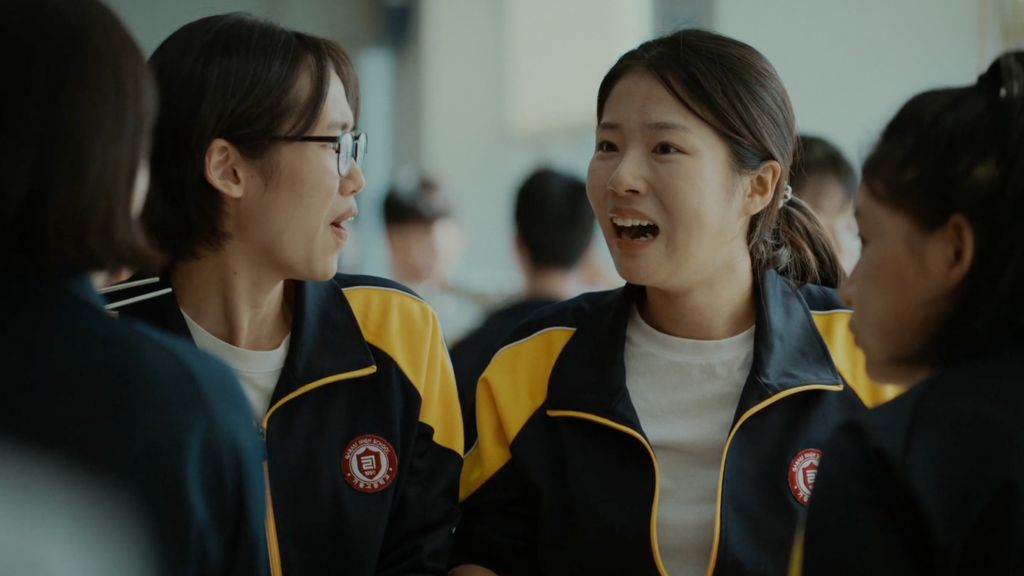
    The narrative centers on Joo-in, a high school student navigating typical adolescent experiences—school dynamics, romantic relationships, and family interactions—while carrying the secret of childhood sexual assault by a relative. The film’s tension emerges not from graphic depictions of violence but from Joo-in’s refusal to sign a petition containing the statement: “Sexual violence leaves deep wounds that never heal and completely destroys a person’s life and soul.”

    Yoon’s directorial approach deliberately avoids labeling her protagonist, instead focusing on Joo-in’s assertion that her trauma, while significant, does not define her entire identity. The filmmaker personally handwrote letters to journalists requesting they avoid mentioning sexual violence in their coverage, emphasizing her commitment to reframing the narrative around survivors.

    The film has achieved remarkable commercial success, grossing over $1.1 million since its October release and earning a 9/10 rating on Naver, South Korea’s largest search portal. It has become the highest-grossing indie film of 2025 in South Korea, with acclaim from industry luminaries including Bong Joon-ho, director of ‘Parasite,’ who declared himself the “head of the Seoul branch of Yoon Ga-eun’s fan club.”

    Beyond its artistic achievements, ‘The World of Love’ has sparked crucial conversations in South Korea’s patriarchal society about how survivors are perceived and treated. According to Cho Eunhee, director of Korea Sexual Violence Relief Center, the film arrives at an “incredibly right” cultural moment, building on the foundation of the 2017-2018 MeToo movement while creating space for discussing previously taboo subjects like familial abuse.

    Audience responses have been profoundly emotional, with viewers reporting transformative cinema experiences. One children’s book editor described leaving the theater determined to become “a good adult who can stand beside all the children and teenagers who are trying so hard to grow up.” A survivor expressed feeling empowered, as if Joo-in was telling her, “I am living well, so let’s keep living well together.”

    While some critics and survivors have noted the film may downplay the lasting damage of abuse and present idealized family support systems, film critic Min Youngjun emphasizes that the film’s true value lies in creating “a healthy space for talking about sexual violence and its victims.” The film demonstrates that meaningful dialogue emerges not from universal approval but from creating platforms for essential conversations about complex social issues.
  • After Maduro, who’s next? Trump’s comments spur anxieties about his plans for Greenland and Cuba

    After Maduro, who’s next? Trump’s comments spur anxieties about his plans for Greenland and Cuba

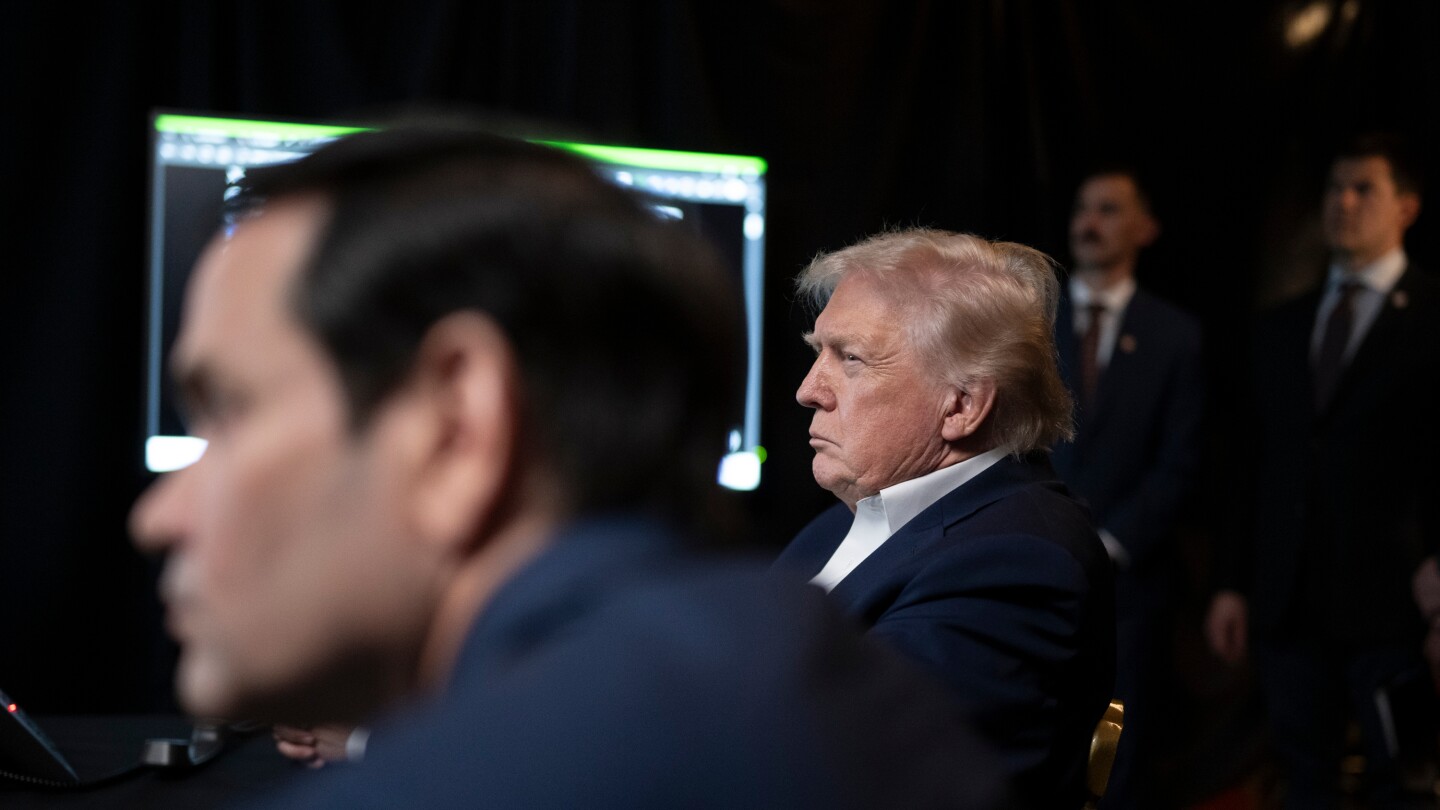
    WASHINGTON — In a striking demonstration of renewed hemispheric ambition, the Trump administration has simultaneously escalated tensions with multiple Western Hemisphere nations through both rhetorical assertions and military action. The recent U.S. military operation in Venezuela that ousted Nicolás Maduro has served as a catalyst for broader regional claims, including President Trump’s renewed push for American acquisition of Greenland and heightened warnings toward Cuba.

    President Trump explicitly reaffirmed his administration’s interest in acquiring the Danish territory of Greenland, describing the strategically positioned Arctic island as essential to U.S. security interests. “We do need Greenland, absolutely,” Trump stated in an interview with The Atlantic, noting the territory’s significance amid increasing Russian and Chinese naval presence in Arctic waters. When questioned about potential parallels between the Venezuela operation and future actions regarding Greenland, Trump offered an ambiguous response: “They are going to have to view it themselves. I really don’t know.”

    The administration’s position draws historical precedent from the 19th century Monroe Doctrine and Roosevelt Corollary, which Trump has referenced to justify an assertive approach toward American neighbors. This philosophical framework, which Trump has jokingly rebranded the “Don-roe Doctrine,” emphasizes American preeminence throughout the Western Hemisphere.

    Denmark responded with firm opposition to Trump’s territorial aspirations. Danish Prime Minister Mette Frederiksen issued a statement asserting that the United States has “no right to annex” Greenland and reminded the administration of existing security agreements that already provide U.S. access through NATO frameworks. Frederiksen strongly urged the U.S. to “stop threatening a historically close ally and another country and people who have made it very clear that they are not for sale.”

    The situation intensified when a former Trump administration official turned podcaster, Katie Miller, posted an illustrated map of Greenland adorned with American flag colors captioned “SOON,” further provoking Danish officials. Denmark’s ambassador to Washington, Jesper Møller Sørensen, emphasized the need for “full respect for the territorial integrity of the Kingdom of Denmark.”

    Concurrently, Secretary of State Marco Rubio issued stern warnings to Cuba, Venezuela’s primary ally, declaring the communist government “in a lot of trouble.” Rubio alleged that Cuban personnel provided security and intelligence services for Maduro’s government, claiming “It was Cubans that guarded Maduro. He was not guarded by Venezuelan bodyguards. He had Cuban bodyguards.”

    President Trump characterized Cuba as “very similar” to Venezuela and suggested the nation might become a future focus of administration attention, noting “Cuba is going to be something we’ll end up talking about, because Cuba is a failing nation right now.”

    Cuban authorities responded by convening rallies supporting Venezuela’s government and issuing statements warning that “the threat hangs over all of us” in the region. Cuban citizens expressed concern about potential U.S. actions against sovereign states, with biochemical laboratory worker Bárbara Rodríguez noting, “It can happen in any country, it can happen right here. We have always been in the crosshairs.”

    The administration’s multifaceted approach signals a comprehensive strategy to reassert American influence throughout the Western Hemisphere, employing both military action and diplomatic pressure to reshape regional dynamics according to U.S. security and strategic interests.

  • Trabelsi sacked by Tunisia after last-16 Afcon exit

    Trabelsi sacked by Tunisia after last-16 Afcon exit

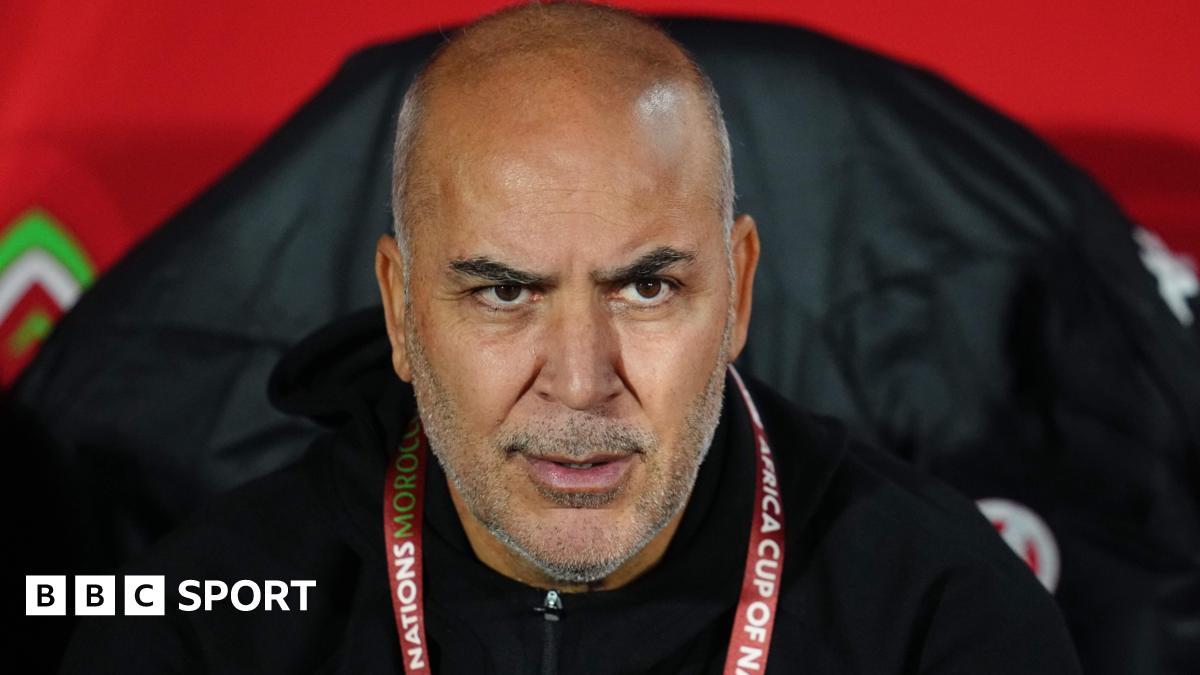
    In a decisive move following Tunisia’s heartbreaking elimination from the 2025 Africa Cup of Nations, the Tunisian Football Federation has severed ties with head coach Sami Trabelsi. The announcement came just 24 hours after the Carthage Eagles suffered a dramatic last-16 defeat against Mali under circumstances that left fans and pundits astonished.

    The knockout match in Casablanca turned dramatically in Tunisia’s favor during the opening minutes when Mali’s Woyo Coulibaly received a red card, forcing the Eagles to play with ten men for virtually the entire contest including extra time. Despite this significant advantage and taking a late lead in the 88th minute, Tunisia inexplicably conceded a penalty during stoppage time, ultimately collapsing in the subsequent penalty shootout.

    The Federation’s official statement characterized the separation as a mutual agreement to terminate the contractual relationship with the entire technical staff. This departure marks Trabelsi’s second exit from the national team leadership, having previously resigned in 2013 following another disappointing AFCON group stage elimination.

    Trabelsi, who had only returned to helm the Tunisian squad last February, acknowledged full responsibility for the devastating loss, describing it as causing ‘great disappointment and pain.’ His team had shown promise during the group stage, finishing second in Group C with a convincing 3-1 victory against Uganda, despite subsequent setbacks against Nigeria (3-2) and Tanzania (1-1).

    The coaching change comes at a critical juncture for Tunisian football as the team prepares for its participation in the 2026 World Cup, raising questions about the future direction of the national program.

  • Eels settle on Zac Lomax replacement with Brian Kelly heading to Parramatta on a two-year deal

    Eels settle on Zac Lomax replacement with Brian Kelly heading to Parramatta on a two-year deal

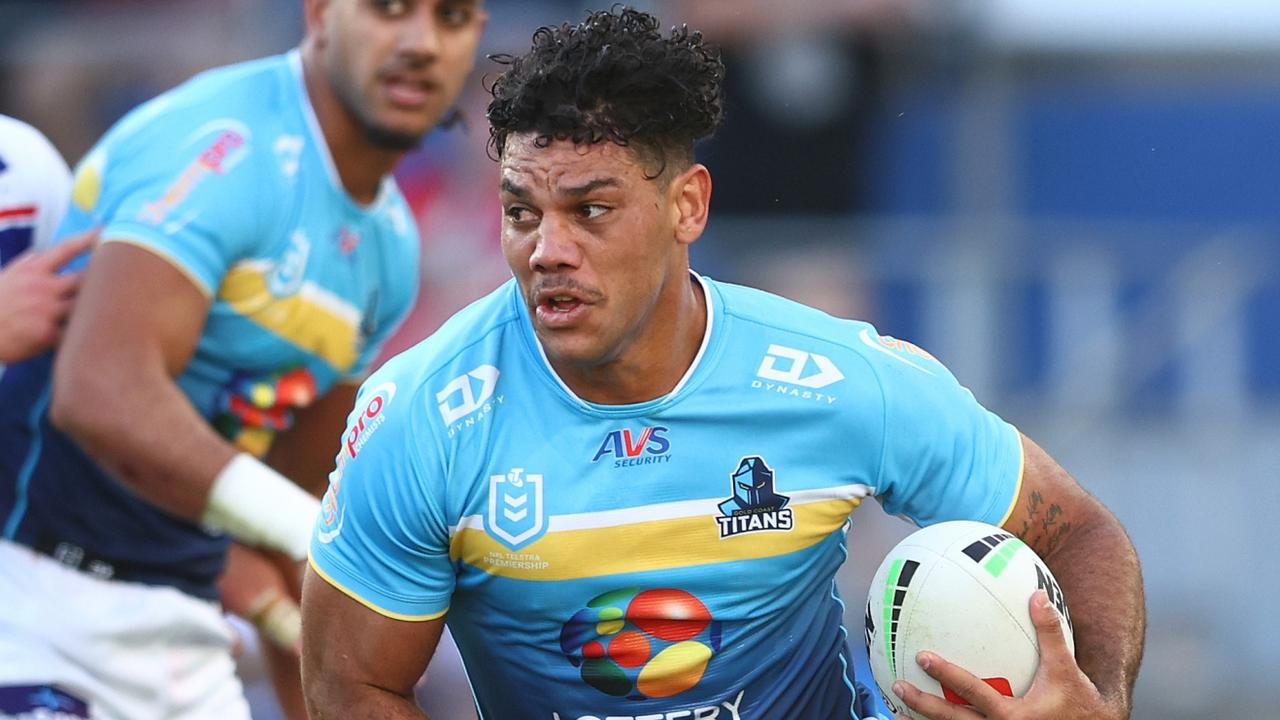
    In a significant roster move, the Parramatta Eels have successfully acquired experienced centre Brian Kelly on a two-year contract, effectively addressing the void created by Zac Lomax’s unexpected departure. The strategic acquisition comes after the Eels granted Lomax an early release to explore opportunities beyond rugby league, with strong indications pointing toward a code switch to rugby union.

    Kelly brings substantial high-pressure experience to Parramatta, having represented both Country Origin and the Indigenous All Stars during his career. While his defensive capabilities have drawn some scrutiny, the 29-year-old veteran compensates with exceptional offensive prowess, demonstrated by his remarkable record of 66 tries across 190 NRL appearances for Manly and Gold Coast Titans.

    Eels football general manager Mark O’Neill emphasized the strategic nature of the signing: “We identified an opportunity to strengthen our outside backs, which represented a positional area of critical need. Brian perfectly addresses that requirement while bringing nearly 200 games of NRL experience that will undoubtedly benefit our broader squad dynamics. Our coaching staff anticipates integrating his distinctive attacking dimensions into our gameplay.”

    The transition materialized through Kelly’s early release from his final contract year with Gold Coast Titans, where he had spent seven productive seasons. This departure significantly alters the Titans’ left edge composition, following Kieran Foran’s retirement and the recent exit of speedster Alofiana Khan-Pereira to Warriors.

    Gold Coast management acknowledged Kelly’s contributions in an official statement: “The Titans extend gratitude to Brian for his dedicated service across seven seasons and wish him success in his future professional endeavors with Parramatta.”

  • Premier League: Cunha rescues Manchester United in draw with rivals Leeds

    Premier League: Cunha rescues Manchester United in draw with rivals Leeds

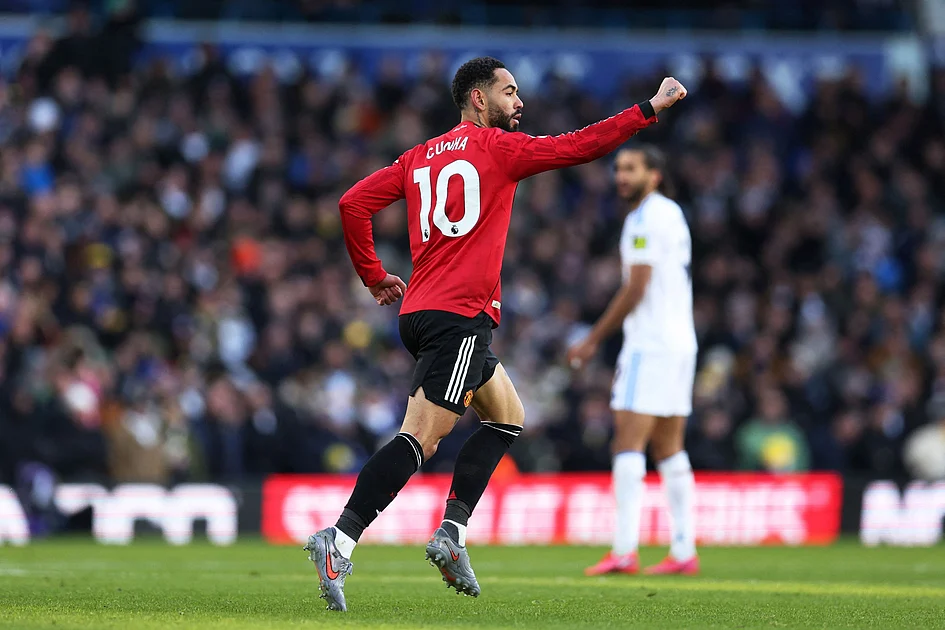
    In a fiercely contested Premier League derby at Elland Road, Matheus Cunha emerged as Manchester United’s savior with a crucial second-half equalizer against arch-rivals Leeds United. The Sunday fixture culminated in a 1-1 draw, extending Leeds’ winless streak against United to eight matches since their 2010 FA Cup victory.

    The breakthrough came in the 62nd minute when American midfielder Brenden Aaronson capitalized on defensive hesitation from United’s teenage defender Ayden Heaven. Aaronson’s composed finish past goalkeeper Senne Lammens threatened to give Leeds their first home victory against United since 2002.

    United manager Rubem Amorim’s tactical substitution proved decisive as replacement striker Joshua Zirkzee delivered an impeccable through ball to Cunha just three minutes after conceding. The Brazilian international demonstrated exceptional composure to slot home from 12 yards, marking his third goal in five appearances and signaling his growing adaptation following his summer transfer from Wolves.

    The match featured numerous scoring opportunities for both sides. United’s Benjamin Sesko missed two clear chances, while Leeds’ Dominic Calvert-Lewin saw his first-half header rebound off the post. Both goalkeepers produced outstanding saves, with Leeds’ Lucas Perri denying Leny Yoro and United’s Lammens palming away Noah Okafor’s overhead kick attempt.

    The result leaves United in fifth position with only one victory in their last five league outings, missing a crucial opportunity to break into the top four. Meanwhile, Daniel Farke’s Leeds extended their unbeaten run to seven matches, moving eight points clear of relegation concerns.

  • New clashes erupt in Iran as protests enter second week, say rights groups

    New clashes erupt in Iran as protests enter second week, say rights groups

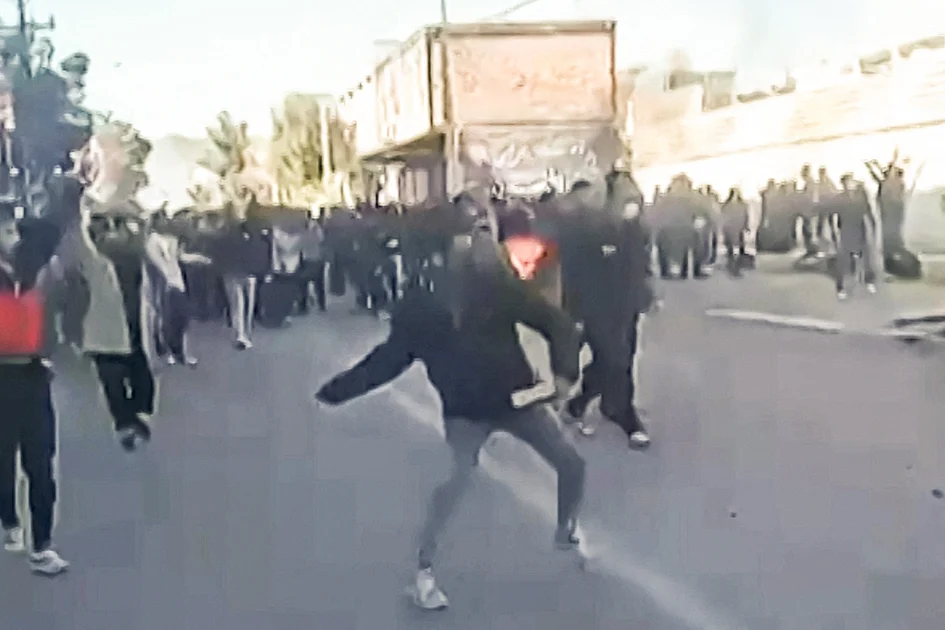
    Iran has entered its second consecutive week of widespread civil demonstrations, with fresh clashes erupting between security forces and protesters across multiple provinces. The unrest, initially triggered by economic grievances and rising living costs, has evolved into broader anti-government sentiment challenging the clerical establishment.

    According to documentation from international human rights organizations, at least twelve fatalities have been confirmed since protests commenced on December 28th. The initial shopkeepers’ strike in Tehran’s historic bazaar district has expanded into a nationwide movement spanning 23 of Iran’s 31 provinces, affecting approximately 40 urban centers.

    The Norway-based Hengaw Human Rights Organization reported particularly violent confrontations in western regions with significant Kurdish and Lor minority populations. In Malekshahi county of Ilam province, Revolutionary Guards allegedly opened fire on demonstrators, resulting in four confirmed fatalities and approximately thirty injuries. Verified footage shows security forces employing aggressive dispersal tactics against protesters who blocked roads with overturned containers.

    This represents the most significant challenge to Iran’s leadership since the 2022-2023 Mahsa Amini protests, though current demonstrations haven’t yet reached comparable scale. The unrest compounds existing pressures on Supreme Leader Ayatollah Ali Khamenei’s administration, following recent military confrontations with Israel that damaged nuclear infrastructure and eliminated key security figures.

    International response has intensified considerably. United Nations Special Rapporteur Mai Sato cautioned against repeating the violent suppression witnessed during previous protests. Notably, U.S. President Donald Trump declared readiness to respond if protestor fatalities continue, while Israeli Prime Minister Benjamin Netanyahu expressed solidarity with Iranian demonstrators. Iranian officials have condemned foreign statements as interference while simultaneously acknowledging legitimate economic concerns alongside warnings against destabilization.

    With over 580 documented arrests and continued security force deployments in major urban centers, the situation remains highly volatile as both protesters and authorities appear increasingly entrenched in their positions.

  • What’s behind PM’s notable shift on closer ties to Europe?

    What’s behind PM’s notable shift on closer ties to Europe?

    In a significant policy recalibration, the British government has initiated a substantive repositioning regarding the United Kingdom’s relationship with the European Union following its departure from the bloc. This strategic maneuver, unveiled over the weekend, constitutes a multifaceted communication directed at commercial enterprises, European leadership in Brussels and other capitals, as well as governing party legislators.

    The revised approach envisions closer economic cooperation between the UK and EU being systematically evaluated through annual bilateral discussions, moving beyond the limited scope of this year’s formal assessment of the existing trade agreement. This development represents Downing Street’s substantive response to mounting political demands for a more ambitious Brexit recalibration, including proposals to rejoin the EU customs union.

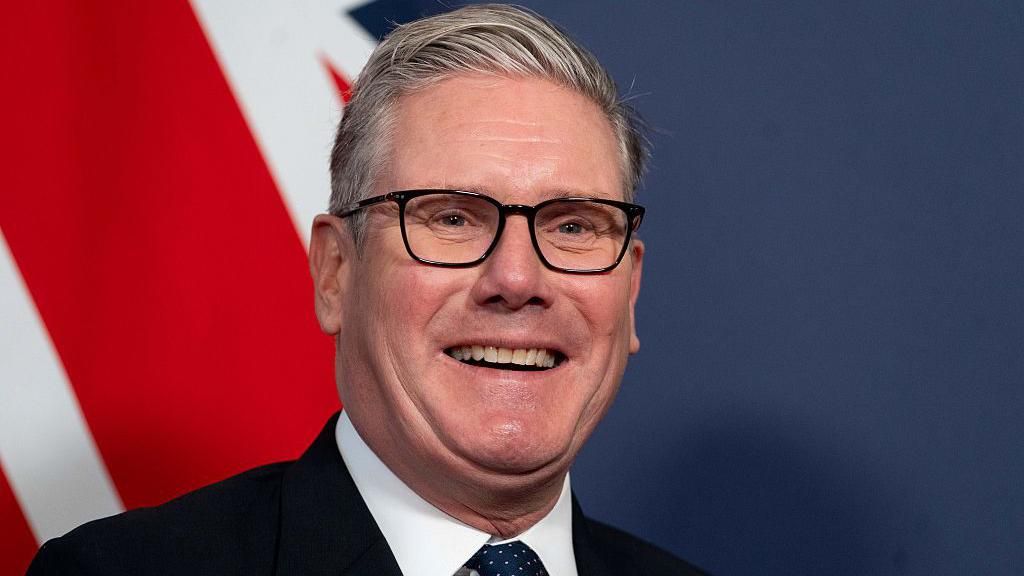
    Opposition Leader Sir Keir Starmer has articulated a distinct vision, emphasizing prioritization of enhanced single market alignment rather than customs union reintegration. This stance emerges from his administration’s successful negotiation of premium trade agreements with the United States and India, with additional Middle Eastern agreements forthcoming. Starmer’s proposed ‘Brexit reset’ specifically targets regulatory harmonization in three critical domains: agricultural exports, energy infrastructure, and emissions trading mechanisms.

    Commercial organizations have amplified calls for reduced administrative barriers, with the British Chambers of Commerce reporting that majority of surveyed members find current arrangements inadequate for sales expansion. Manufacturing sectors including automotive and chemicals present viable opportunities for regulatory alignment that could diminish post-Brexit trade impediments.

    European stakeholders have previously expressed disappointment regarding the ambition level of British proposals, particularly the rejection of facilitated goods readmission to single market mechanisms. Current negotiations encounter complications including stalled defense fund participation due to membership fee disputes, though educational cooperation through Erasmus program reinstatement demonstrates tangible progress.

    Geopolitical considerations further complicate this evolving relationship, as reflected in recent US national security documentation emphasizing European political dynamics. Domestically, the governing party faces mounting pressure from multiple political factions including Liberal Democrats and Greens, particularly in upcoming local elections.

    This comprehensive reevaluation of UK-EU relations coincides with the approaching decennial anniversary of the Brexit referendum, representing a complex intersection of economic necessities, domestic politics, and evolving global strategic considerations.

  • At least 26 dead, 14 missing as boat capsizes in northeast Nigeria

    At least 26 dead, 14 missing as boat capsizes in northeast Nigeria

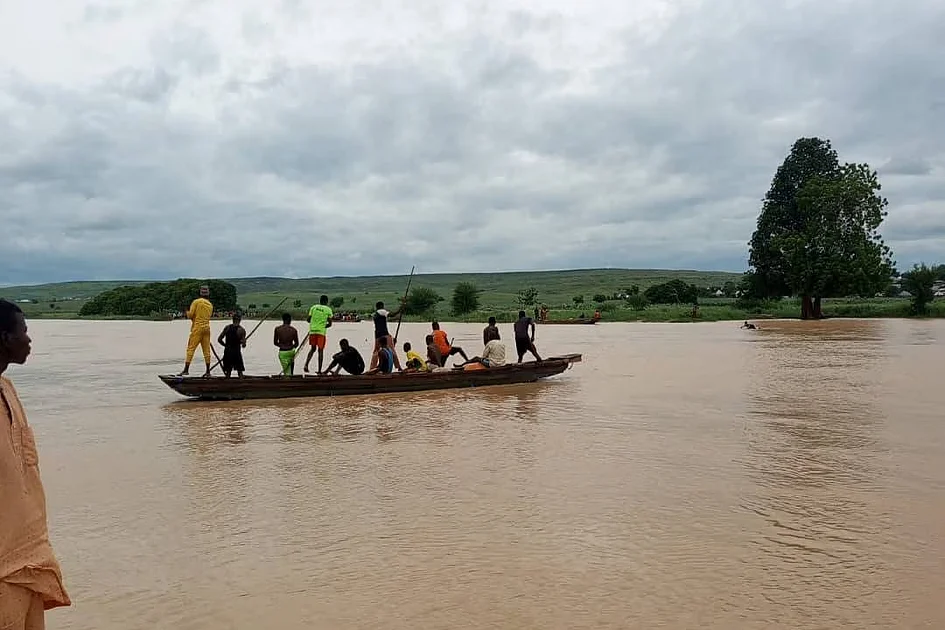
    A devastating maritime accident has struck northeastern Nigeria, resulting in significant loss of life when an overloaded passenger vessel capsized during transit between states. Emergency services confirmed at least 26 fatalities with 14 individuals remaining missing following Saturday’s tragedy on the region’s busy waterways.

    The catastrophic incident occurred as the rudimentary boat journeyed from Jigawa State to Yobe State, carrying local farmers and fishermen. According to Mohammed Goje, Executive Director of Yobe State’s Emergency Management Agency, the craft succumbed to unknown circumstances late Saturday, plunging passengers into perilous waters.

    Rescue operations mobilized immediately with emergency volunteers recovering two dozen bodies from the accident site. Thirteen survivors were successfully rescued and provided medical attention, while search teams continue recovery efforts for the remaining missing persons. The ongoing operation faces challenges typical of Nigeria’s riverine regions where infrastructure limitations complicate disaster response.

    This tragedy highlights persistent transportation safety issues plaguing Nigerian waterways, where overcrowding, inadequate maintenance, and regulatory non-compliance regularly contribute to preventable accidents. National records indicate similar incidents claim dozens of lives annually across the country’s extensive network of rivers and water channels, raising urgent questions about enforcement of maritime safety protocols and vessel capacity regulations.

    The latest capsizing incident represents one of the most severe water transportation disasters in recent months, underscoring the critical need for improved safety measures and regulatory oversight in Nigeria’s vital river transport systems that serve countless communities dependent on waterborne mobility.

  • Wall St Week Ahead: Jobs data could jolt stocks from holiday calm as 2026 kicks off

    Wall St Week Ahead: Jobs data could jolt stocks from holiday calm as 2026 kicks off

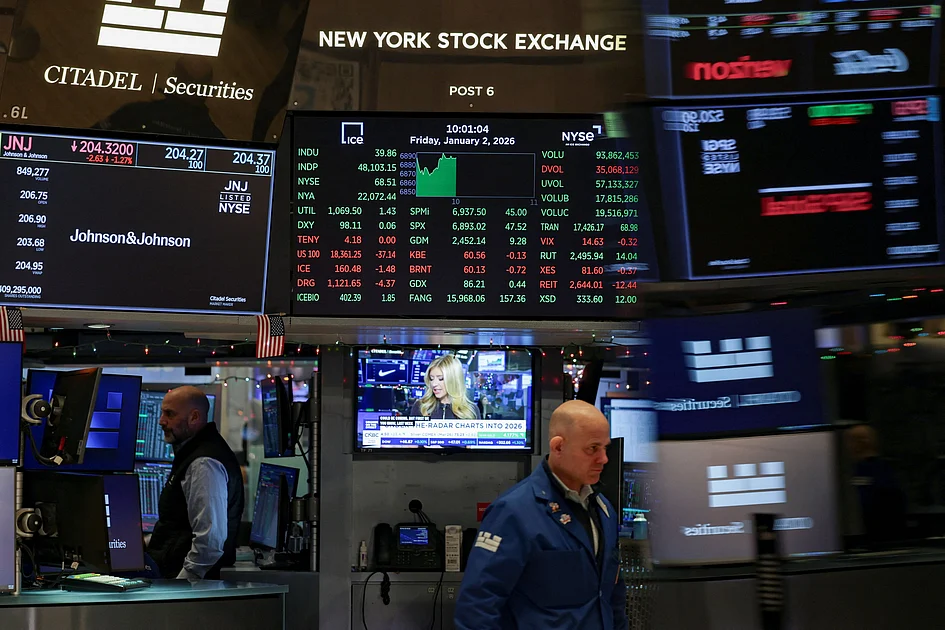
    Financial markets are poised for heightened activity as the first full trading week of 2026 approaches, with investors closely monitoring employment data that could break the current market stagnation. The January 9 jobs report emerges as a critical indicator that may determine near-term Federal Reserve policy decisions and market trajectory.

    The S&P 500 concluded 2025 with impressive 16% gains despite December losses, marking its third consecutive year of double-digit percentage growth. Current market conditions reflect a period of consolidation, with the index trading near record highs but essentially flat since late October. This stagnation has created what analysts describe as a ‘waiting game’ for directional signals.

    Labor market concerns have already influenced monetary policy, prompting the Federal Reserve to implement rate cuts during each of its final three 2025 meetings. With the benchmark rate currently at 3.5%-3.75%, futures markets indicate minimal expectation for a January reduction but nearly 50% probability of a quarter-point cut in March.

    December employment figures project a gain of 55,000 positions according to Reuters polling, following November’s 64,000 increase. The unemployment rate remains elevated at 4.6%, representing a multi-year high that continues to shape Fed deliberations balancing employment objectives against persistent inflation exceeding the 2% target.

    Beyond employment data, investors face multiple catalysts including upcoming inflation metrics, manufacturing and services sector reports, and the imminent fourth-quarter earnings season. Major financial institutions including JPMorgan are scheduled to report during the week of January 13, providing crucial insight into corporate performance expectations.

    Market strategists note that current valuations demand either robust earnings growth or sustained investor confidence in economic conditions. S&P 500 companies are projected to have achieved 13% earnings growth in 2025 with forecasts suggesting 15.5% expansion for 2026, according to LSEG IBES data.

  • Indian director Bharathiraja, hospitalised after breathlessness, is stable

    Indian director Bharathiraja, hospitalised after breathlessness, is stable

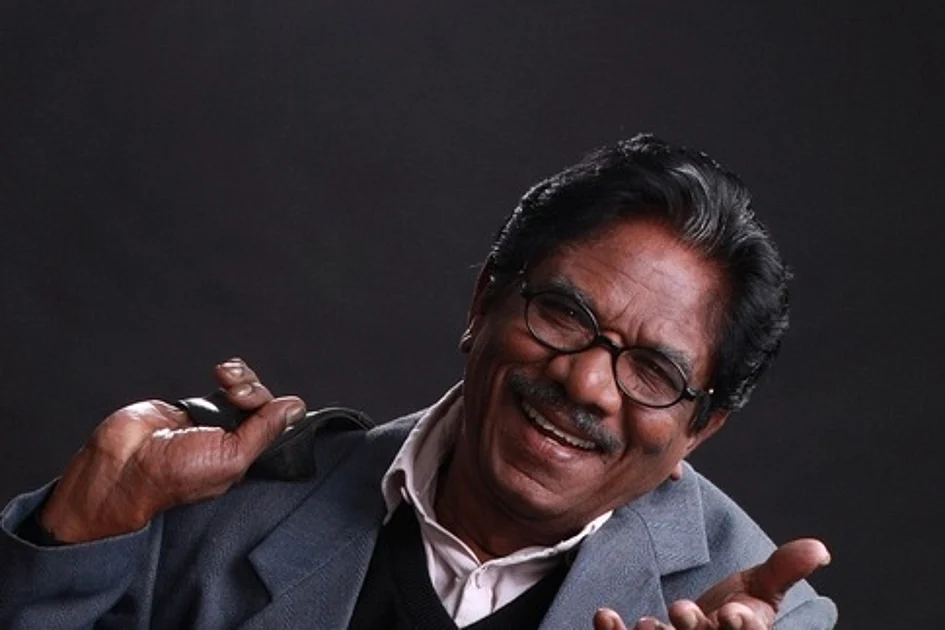
    Renowned Indian film director Bharathiraja, an iconic figure in Tamil cinema, remains in stable condition after being hospitalized for respiratory issues. The 81-year-old auteur was admitted to MGM Healthcare in Chennai on December 27th after experiencing breathlessness.

    Medical authorities at the healthcare facility released an official bulletin on January 4th confirming that the veteran filmmaker is receiving appropriate medical care in the intensive care unit. According to the statement, his clinical condition is stable with vital parameters within normal limits under appropriate medical support. The medical team continues close monitoring while reporting satisfactory response to ongoing treatment.

    The hospitalization comes during a difficult period for the acclaimed director, who lost his son Manoj Bharathiraja—also an actor-filmmaker—to cardiac arrest in March last year. Family sources indicate Bharathiraja had been struggling with his health since this personal tragedy. After his son’s passing, the director relocated to Malaysia to stay with his daughter but found little improvement in his condition despite the change of environment.

    Bharathiraja’s contributions to Indian cinema have earned him the revered title ‘Iyakkunar Imayam’ (mountain among directors). He revolutionized Tamil filmmaking by abandoning studio sets in favor of authentic outdoor locations—a radical departure from industry norms at the time. His filmography is distinguished by realistic portrayals of rural life and social divisions, notably in works like ‘Vedham Pudhithu’ (1987), which offered critical commentary on societal issues.

    Throughout his four-decade career beginning in the early 1980s, Bharathiraja directed numerous critically acclaimed films including ’16 Vayathinile’ (remade as ‘Solva Saavan’ in Hindi), ‘Kizhakke Pogum Rayil’, ‘Muthal Mariyathai’, and ‘Karuththamma’. His 1977 film ’16 Vayathinile’ is particularly celebrated for uniting three legendary stars: Kamal Haasan, Rajinikanth, and Sridevi.

    Beyond his directorial achievements, Bharathiraja demonstrated exceptional talent-spotting abilities, launching the careers of actors Revathi (‘Mann Vasanai’), Karthik, Radha, Napoleon, and several others. His mentorship also extended to emerging directors including K Bhagyaraj, Manivannan, and R Parthiban who assisted him before establishing their own successful careers.