作者: admin

  • Grim warning for northern Queensland as floodwaters rise

    Grim warning for northern Queensland as floodwaters rise

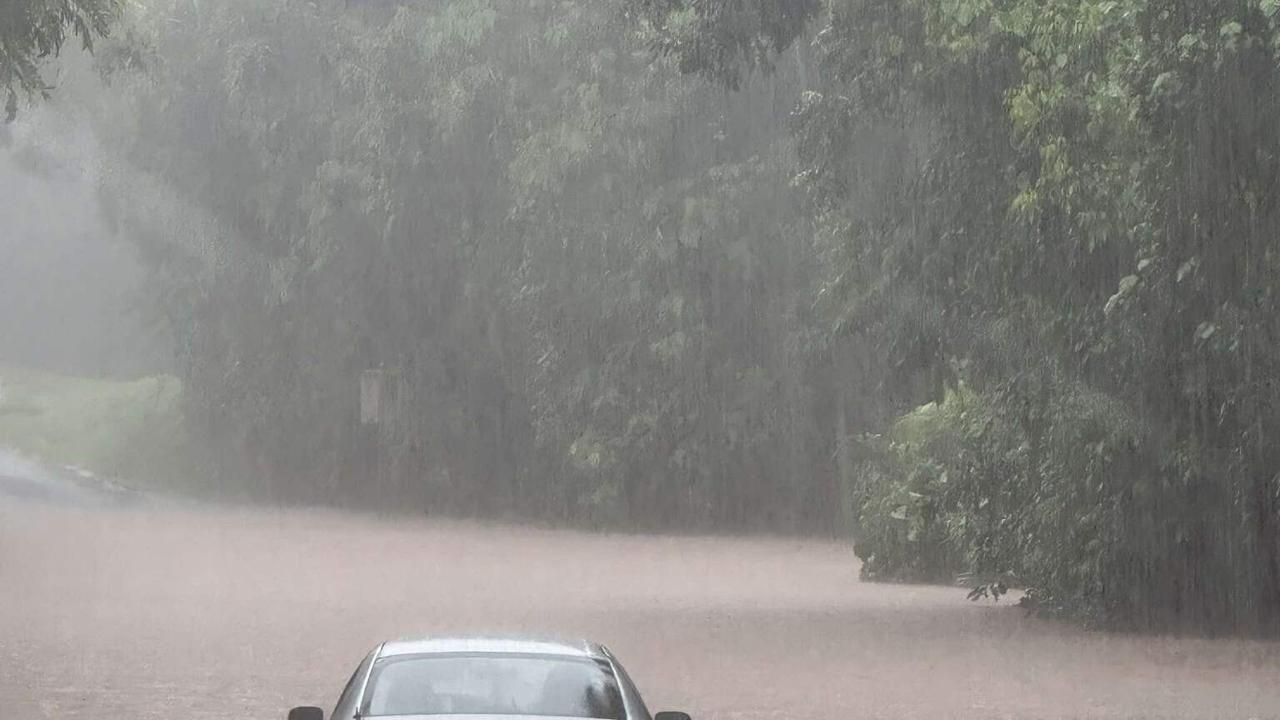
    Northern Queensland communities are confronting a severe weather crisis as unprecedented rainfall triggers major flooding while meteorologists monitor a developing weather system that could potentially intensify into a tropical cyclone. The region has experienced what officials describe as “catastrophically above average” precipitation levels, with the coastal city of Townsville recording 381mm of rainfall within just five days—surpassing its entire December total of 330mm.

    The Bureau of Meteorology indicates that while inland flood-affected areas may experience temporary relief as the heaviest rainfall shifts coastward, the situation remains critical. Senior meteorologist Livio Regano explained that a trough currently positioned near Townsville is expected to evolve into a monsoon trough later this week, potentially developing into a cyclonic system over the Coral Sea.

    Despite concerns about cyclone formation, Regano noted that the system’s movement could paradoxically benefit flooded regions by drawing heavy rainfall away from the mainland. However, forecasts suggest the low-pressure system might return toward the coast by weekend, bringing renewed heavy rainfall regardless of whether it achieves cyclonic status.

    Current flood emergencies persist along the Western and Flinders Rivers, where waters continue rising with the Flinders River at Walkers Bend reaching 15.93 meters. Authorities have issued stern warnings against entering floodwaters and anticipate multiple flood peaks across river systems in coming days as additional rainfall is expected later in the week.

  • Look: Sheikh Mohammed meets current, former ministers who served over 20 years

    Look: Sheikh Mohammed meets current, former ministers who served over 20 years

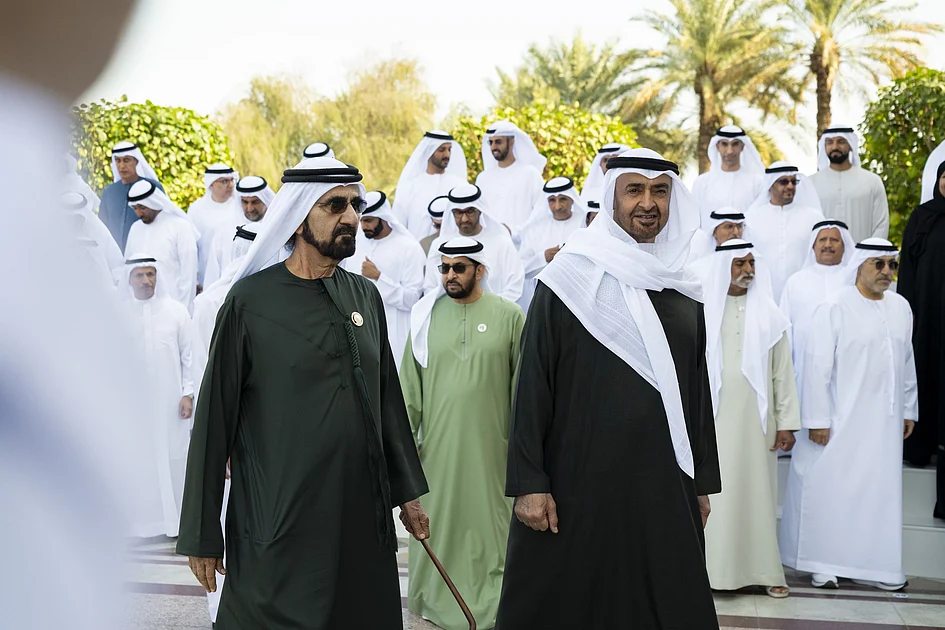
    The United Arab Emirates celebrated a significant milestone in its political history as His Highness Sheikh Mohammed bin Rashid Al Maktoum, Vice President and Prime Minister of the UAE and Ruler of Dubai, convened with current and former ministers who have served alongside him throughout his twenty-year tenure. The gathering, attended by UAE President Sheikh Mohamed bin Zayed Al Nahyan, commemorated the anniversary of Sheikh Mohammed’s assumption of the prime ministerial office on January 5, 2006.

    President Sheikh Mohamed bin Zayed extended heartfelt congratulations to Sheikh Mohammed, recognizing his exceptional leadership that has positioned the UAE government as an exemplary developmental model centered on citizen welfare and future-oriented aspirations. The President expressed wishes for continued success in advancing the nation’s journey of achievement.

    Reflecting on two decades of progress, Sheikh Mohammed articulated the nation’s remarkable transformation from regional leader to global powerhouse. “We were determined to ensure high quality of life, stability, and prosperity for the UAE and its people,” he stated. “Today, we rank at the forefront across multiple domains, effectively becoming a complete world within one nation.”

    The Vice President specifically acknowledged key figures including Sheikh Mansour bin Zayed Al Nahyan for his unwavering partnership, Sheikh Saif bin Zayed Al Nahyan at Interior, Sheikh Abdullah bin Zayed Al Nahyan in foreign affairs, alongside Hamdan bin Mohammed in defense and Maktoum bin Mohammed in finance, characterizing them as components of an extraordinary team.

    Ministerial attendees expressed profound pride in serving under Sheikh Mohammed’s guidance, describing him as a present and motivational leader who cultivates optimism and collaborative spirit. They attributed the nation’s accomplishments to his visionary leadership and innovative policies that have established global benchmarks in governmental efficiency.

    The statistical legacy of these two decades reveals substantial governance activity: 72 ministers guided through nine cabinet formations and 13 reshuffles, 558 cabinet meetings producing nearly 16,000 resolutions, seven ministerial retreats, and 16 extraordinary meetings addressing critical national challenges.

    This period witnessed comprehensive governmental transformation through strategic initiatives including UAE Vision 2021, UAE Centennial 2071, and We the UAE 2031. The administration modernized over 90% of the legal framework, implemented AI-powered legislative systems, and launched hundreds of national policies stimulating key sectors while enhancing quality of life.

    Sheikh Mohammed expressed confidence in the nation’s continued ascent, stating: “I am optimistic the next two decades will bring prosperity, pride, and glory. The whole world will recognize the UAE as the premier global destination for living, working, investing, and visiting. Our most exceptional years still lie ahead.”

  • South Korea’s Lee Jae Myung to meet China’s Xi in reset of relations

    South Korea’s Lee Jae Myung to meet China’s Xi in reset of relations

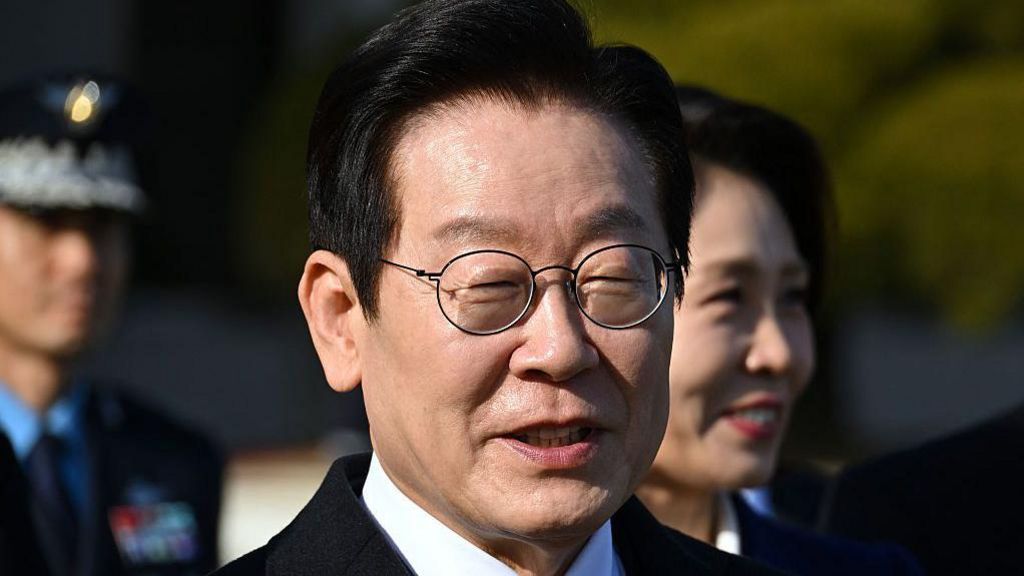
    South Korean President Lee Jae Myung embarked on a crucial diplomatic mission to Beijing, meeting with Chinese leader Xi Jinping in a bid to recalibrate strained relations between the two nations. The Monday summit—their second since November—addressed critical issues including regional security concerns, China’s unofficial restrictions on Korean cultural exports, and economic cooperation between Seoul and its largest trading partner.

    The timing of President Lee’s visit carries substantial geopolitical significance amid escalating tensions between China and Japan over Taiwan. This diplomatic friction places South Korea—a key U.S. ally in the region—in a delicate position. Professor Park Seung-chan of Yongin University noted that China’s eagerness to host President Lee reflects Beijing’s search for regional allies, with clear expectations for Seoul to align against Japan.

    During his three-day visit, President Lee engaged in multiple high-level meetings, including a banquet hosted by Xi Jinping and discussions with Premier Li Qiang and National People’s Congress Chairman Zhao Leji. In remarks to Korean residents in Beijing, Lee characterized his visit as “a new starting point to fill in the gaps in Korea-China relations, restore them to normal and upgrade them to a new level.”

    The relationship had deteriorated under Lee’s predecessor, Yoon Suk Yeol, making this the first visit by a South Korean leader since 2019. Current discussions extend beyond bilateral ties to include security concerns on the Korean Peninsula, where Beijing’s influence over North Korea remains crucial. Despite Lee’s diplomatic outreach to Pyongyang, progress has been limited, heightening the importance of Chinese cooperation in denuclearization efforts.

    Additional agenda items included China’s maritime construction activities in disputed waters—which Beijing describes as fish-farming equipment but Seoul views as security threats—and the longstanding unofficial restrictions on Korean cultural content in China. These entertainment industry barriers, believed to be retaliation for South Korea’s 2016 deployment of a U.S. anti-missile system, have significantly impacted one of Korea’s most successful export sectors.

    The diplomatic balancing act continues as President Lee prepares for an anticipated visit to Japan later this month, demonstrating Seoul’s careful navigation between major powers in a region increasingly marked by strategic competition.

  • Ex-Australia batter Martyn wakes up from coma in ‘miracle’ recovery

    Ex-Australia batter Martyn wakes up from coma in ‘miracle’ recovery

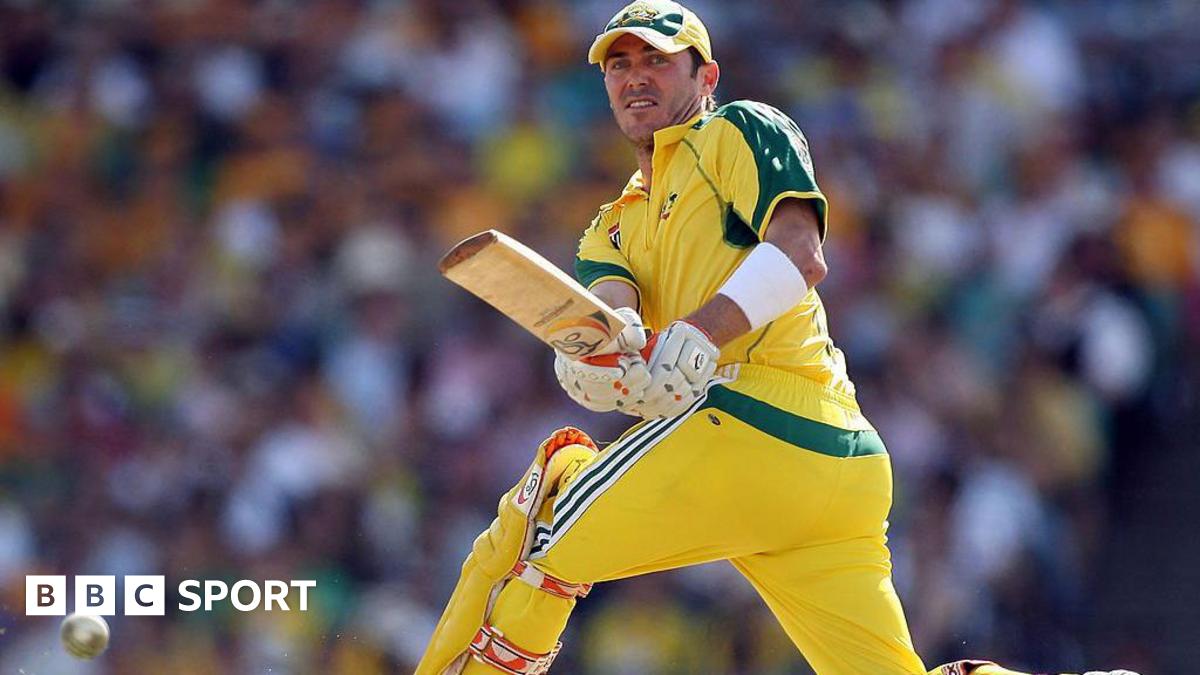
    Former Australian cricket star Damien Martyn has emerged from a medically induced coma and is demonstrating what his family describes as a “miraculous” recovery following a sudden meningitis diagnosis. The 54-year-old cricket veteran, who represented Australia in 67 Test matches between 1992 and 2006, was hospitalized on December 27 after falling ill in late December.

    In an official statement released on Sunday, former teammate Adam Gilchrist conveyed the remarkable turnaround in Martyn’s condition. “It’s been an unbelievable turn of events in the last 48 hours,” Gilchrist stated. “[Martyn] has responded extraordinarily well since coming out of the coma to the point where his family feels it’s like some sort of miracle.”

    The medical prognosis has improved so significantly that healthcare professionals are considering transferring Martyn from the intensive care unit. Gilchrist emphasized the rapid nature of this recovery, noting the condition was “so positive” that medical staff were hopeful about his continued progress.

    Meningitis, the infection that attacked the protective membranes surrounding Martyn’s brain and spinal cord, is known for its potentially rapid progression and can prove fatal within hours if not treated promptly.

    The family expressed profound gratitude to the medical team at Gold Coast University Hospital, acknowledging their exceptional care during this critical period. While Martyn will remain hospitalized for ongoing treatment, his recovery has been described as nothing short of miraculous.

    Martyn’s wife Amanda noted that her husband is in “good spirits and overwhelmed by the support” from well-wishers worldwide, adding that the “love, goodwill and sense of care” from supporters has significantly contributed to his recovery process.

    The cricket champion, who made his Test debut at age 21, compiled an impressive career including 4,406 Test runs at an average of 46.37. Martyn participated in four Ashes series, won two World Cups with Australia, and delivered a memorable performance in the 2003 World Cup final where he scored an unbeaten 88 despite batting with a broken finger. His ODI career was equally distinguished with 5,346 runs from 208 matches.

  • Steve Coogan on his Roy Keane film – and his part in Posh and Becks’ first meeting

    Steve Coogan on his Roy Keane film – and his part in Posh and Becks’ first meeting

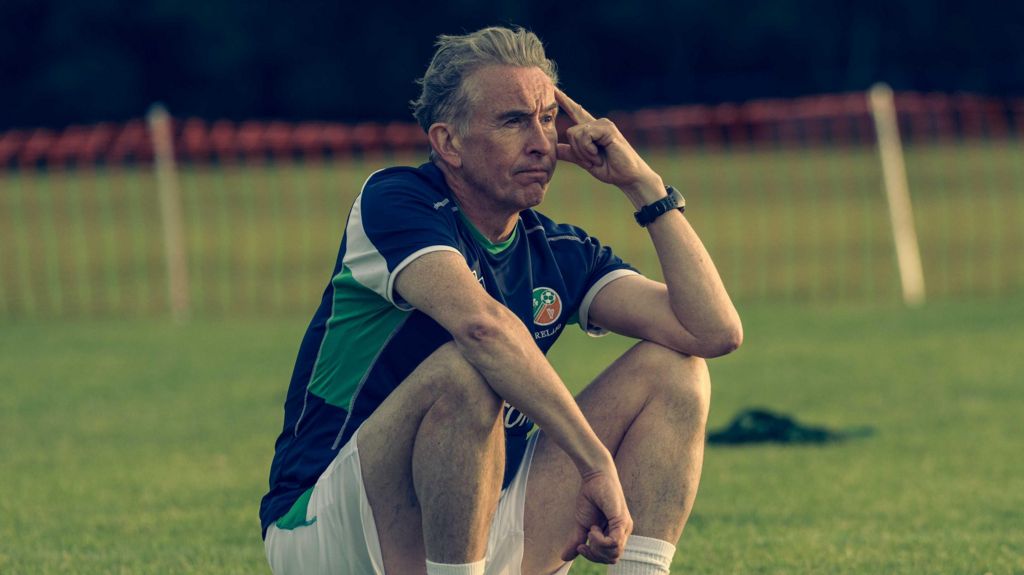
    British comedian Steve Coogan, despite openly admitting his lifelong indifference toward football, takes center stage in the upcoming cinematic portrayal of Ireland’s most infamous sporting rift. In ‘Saipan,’ Coogan embodies Mick McCarthy, the former Republic of Ireland manager whose clash with captain Roy Keane fractured the nation ahead of the 2002 World Cup.

    The film’s title references the Pacific island where Ireland’s training camp descended into chaos, culminating in Keane’s dramatic departure. Coogan, who grew up in a Manchester United-supporting household, reveals his childhood engagement with football was limited to defacing Manchester City players in coloring books—an act he now recognizes carried unintended cultural implications.

    Coogan prepared for his role by personally contacting McCarthy, seeking balance in a narrative he felt initially favored Keane’s perspective. ‘I wanted to be in Mick’s corner,’ explains the 60-year-old actor, who studied McCarthy’s mannerisms and even adopted his trademark shorts look despite being significantly older than the manager was during the 2002 incident.

    Éanna Hardwicke, portraying the formidable Keane, approached the role differently—avoiding direct contact with the football legend and instead relying on extensive archival material. Hardwicke recalls how the Saipan incident divided Irish families, with adults coaching children on which side to support in what media dubbed ‘Civil War Two.’

    In a surprising tangential revelation, Coogan discloses his accidental presence at one of football’s iconic cultural moments: the night David Beckham met Victoria Adams in 1997. While denying his role as ‘wingman,’ Coogan confirms his attendance at the charity event afterparty where the global power couple first connected, complete with observations about Beckham’s sockless fashion choices.

    The film promises to explore not just the sporting conflict but the deeper cultural and generational divisions it represented, drawing parallels to Ireland’s historical struggles with identity and authority. ‘Saipan’ premieres in cinemas on January 23rd, offering a fresh perspective on a dispute that continues to resonate in Irish sports history.

  • The French university where spies go for training

    The French university where spies go for training

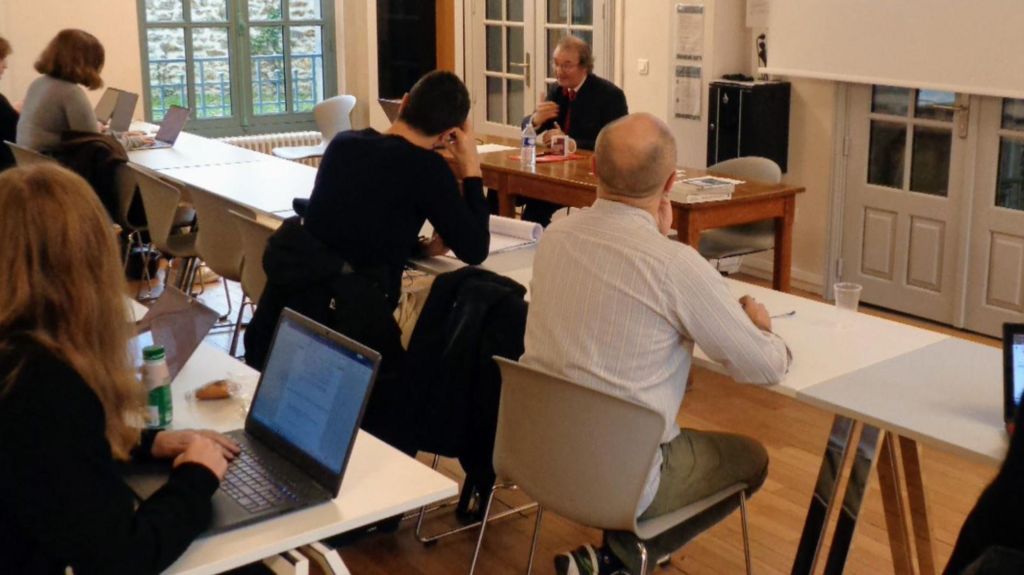
    At the Sciences Po Saint-Germain campus on the outskirts of Paris, an unconventional academic program operates behind intimidating metal gates and dour 20th-century buildings. Here, Professor Xavier Crettiez conducts classes where many students use pseudonyms—because they are active French intelligence agents undergoing training alongside traditional university students.

    The unique Diploma of Intelligence and Global Threats (Diplôme sur le Renseignement et les Menaces Globales) represents a collaborative effort between the prestigious university and France’s intelligence training arm, Académie du Renseignement. Established a decade ago following a government request that gained urgency after the 2015 Paris terrorist attacks, the program serves dual purposes: training potential new spies while providing continuous professional development for current agents.

    The four-month intensive course comprises 120 hours of instruction covering critical topics including organized crime economics, Islamic jihadism, business intelligence gathering, and political violence. With tuition set at approximately €5,000 for external participants, the program attracts both government agents typically aged 35-50 and conventional students in their early 20s.

    Professor Crettiez notes the significant expansion of French intelligence services, now numbering approximately 20,000 agents across major agencies including the DGSE (overseas intelligence, equivalent to MI6/CIA) and DGSI (domestic security, equivalent to MI5/FBI). Beyond counterterrorism, the curriculum addresses growing concerns about financial crimes, with Tracfin—France’s money laundering intelligence agency—playing an increasingly important role against surging mafia activity in southern France.

    The program’s practical relevance has attracted substantial corporate interest. Major French companies including mobile operator Orange, defense giant Thales, and luxury conglomerate LVMH actively recruit graduates to combat escalating cybersecurity threats, corporate espionage, and sabotage attempts. Even energy titan EDF contributes instructional expertise.

    Current enrollment stands at 28 students, including six intelligence professionals who maintain noticeable discretion during breaks. These agents describe the program as a potential fast-track to promotion from office work to field operations. Meanwhile, younger students like 21-year-old Alexandre Hubert seek understanding of economic tensions between Europe and China, while Valentine Guillot draws inspiration from French spy television dramas.

    Notably, nearly half the students are women—a significant shift according to technology-in-espionage specialist Sebastien-Yves Laurent. “Women’s interest in intelligence gathering is new,” he observes, noting their motivation to “provide for a better world” and a renewed patriotism among young applicants.

    Despite this openness, security remains paramount. French citizenship is essentially required (though some dual citizens are accepted), and applications from suspiciously qualified Russian or Israeli candidates are immediately rejected. The program’s discreet nature was evident in a recent class photo where several students—presumably active agents—chose to stand with their backs to the camera.

    Professor Crettiez emphasizes that despite the athletic appearance of many participants, most intelligence careers remain desk-bound, contradicting popular James Bond fantasies. The reality of modern espionage involves meticulous risk analysis rather than cinematic adventure, preparing graduates for the complex security challenges of the contemporary world.
  • India wants more passenger jets. Can it also build them?

    India wants more passenger jets. Can it also build them?

    India’s rapidly expanding aviation sector faces a critical juncture as it navigates supply chain constraints and ambitious domestic production goals. With IndiGo and Air India controlling over 90% of the market and having placed orders for nearly 1,500 aircraft over the next decade, the country’s dependency on Boeing and Airbus has become increasingly problematic. Both manufacturers reported historically high delivery backlogs in 2024, creating delays that directly impact Indian carriers.

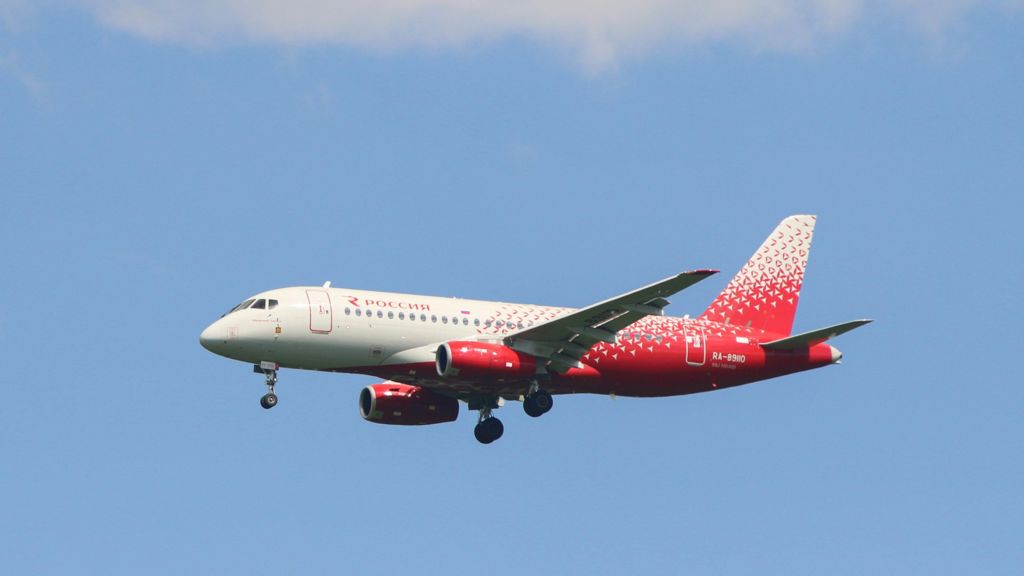
    This supply challenge has revitalized discussions about India’s long-standing aspiration to develop indigenous passenger aircraft capabilities. The recent preliminary agreement signed between Delhi and Moscow to manufacture Russian SJ-100 planes in India represents the latest attempt to address this dependency. The SJ-100, a twin-engine regional jet capable of carrying up to 103 passengers, is already operational with several Russian airlines according to manufacturer United Aircraft Corporation (UAC).

    However, aviation experts question the project’s feasibility amid multiple complexities. Western sanctions imposed after Russia’s invasion of Ukraine have fundamentally altered the aircraft’s certification and component sourcing. The European Union Aviation Safety Agency revoked its certification, effectively banning the SJ-100 from European airspace. UAC was forced to replace approximately 40 systems to create an ‘import-substituted’ version in 2023.

    India’s historical attempts at aircraft manufacturing reveal a pattern of ambitious projects with limited commercial success. Since establishing the National Aerospace Laboratories (NAL) in 1959, the country has developed small training aircraft like the two-seater Hansa but has struggled with larger passenger planes. Previous collaborations include licensed production of UK-designed Avro 748 jets in the 1960s and partnership with Germany’s Dornier for 19-seat aircraft in the 1980s.

    The most notable setback occurred with the Saras project, a 15-seater developed with Russian assistance that stalled in 2009 following a fatal prototype accident. While revived as the 19-seater Saras MK2, the program remains uncertified. Similarly, the Regional Transport Aircraft (RTA) project for a 90-seater comparable to the SJ-100 has seen minimal progress since feasibility reports were submitted in 2011.

    Dr. Abhay Pashilkar, director of NAL, identifies key structural challenges: ‘Lack of large domestic demand until recently, along with a shortage of highly skilled manpower and a small domestic manufacturing ecosystem, has held back growth in the sector.’ He emphasizes that engagement with both Indian and global manufacturers represents the most viable path forward.

    Despite these challenges, the Russia partnership offers strategic advantages for both nations. For India, it provides immediate manufacturing capability while domestic projects remain years from completion. For Russia, successful international production would demonstrate its ability to create civilian aircraft without Western technology. Gopal Sutar, former spokesperson of Hindustan Aeronautics Limited, notes that Russia’s role as a ‘steadfast supporter’ of India remains strategically significant, with both nations presumably accounting for potential sanction-related challenges.

    The agreement nevertheless involves considerable trade-offs and leaves unanswered questions about technology transfer, production timelines, and market acceptance. Meanwhile, India’s aviation expansion faces additional constraints beyond aircraft availability, including crew shortages evidenced by recent IndiGo flight cancellations that stranded thousands of passengers due to inadequate pilot roster planning.

  • Surprise interim leader Delcy Rodriguez emerges in Venezuela after Maduro’s capture

    Surprise interim leader Delcy Rodriguez emerges in Venezuela after Maduro’s capture

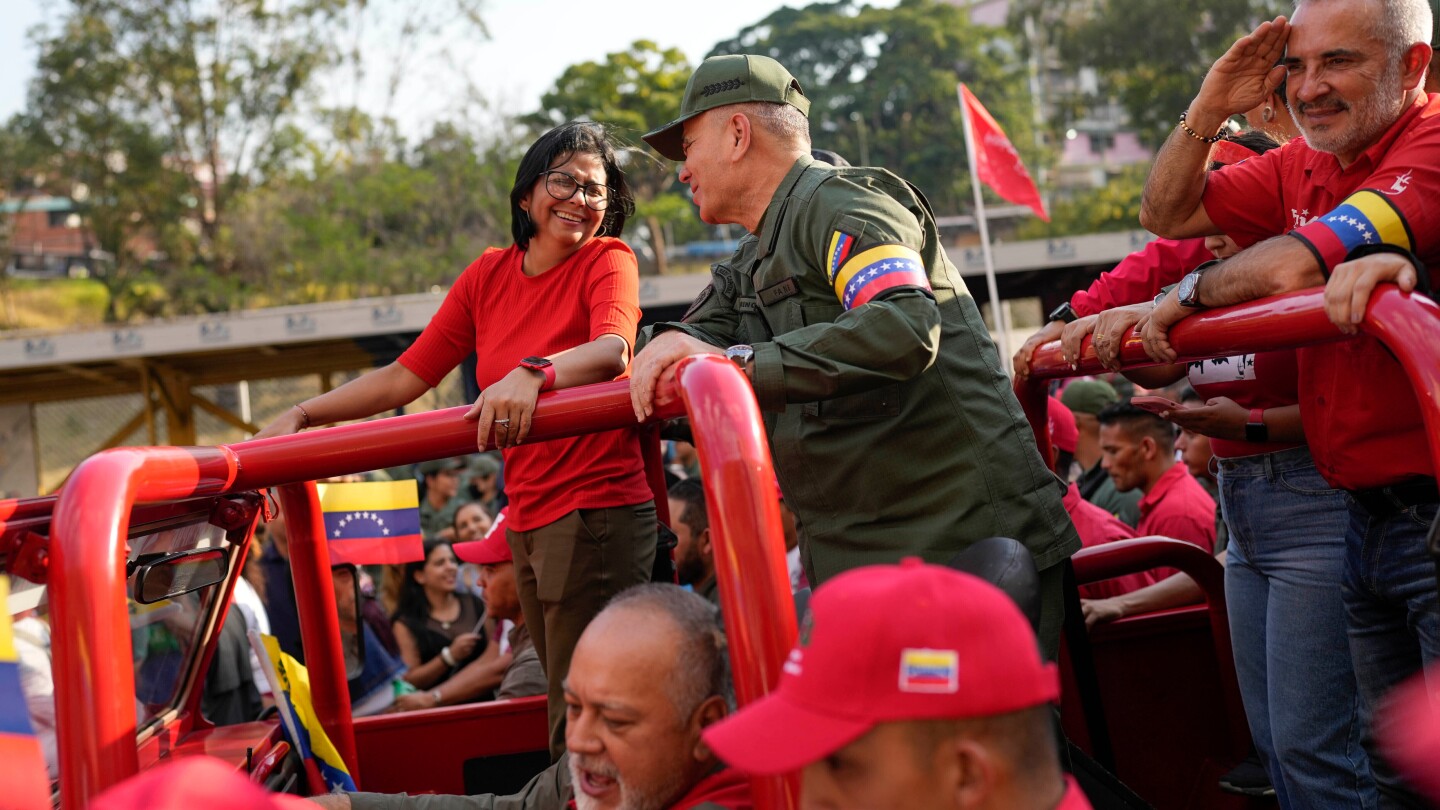
    MEXICO CITY — Venezuela has entered a period of profound political uncertainty following the capture of President Nicolás Maduro by U.S. military forces. Delcy Rodríguez, Maduro’s vice president since 2018, has assumed interim control of the oil-rich nation amid escalating tensions with Washington.

    Rodríguez’s ascension to power came through a Saturday ruling by Venezuela’s Supreme Court, which declared Maduro’s absence temporary and authorized her takeover. The decision received immediate backing from the country’s military leadership, solidifying her position despite international skepticism.

    In her first televised address as interim leader, Rodríguez struck a defiant tone against the Trump administration, referring to American officials as “extremists” while emphatically stating, “The only president of Venezuela is President Nicolás Maduro.” Her remarks directly contradicted earlier suggestions from Secretary of State Marco Rubio that she might cooperate with U.S. interests.

    The 56-year-old British and French-educated lawyer brings considerable political experience to her new role. As Maduro’s vice president, she oversaw Venezuela’s oil-dependent economy and intelligence services, developing strong relationships with both military leaders and international energy stakeholders. Unlike many in Maduro’s inner circle, Rodríguez has avoided U.S. criminal indictment, though she faced sanctions during Trump’s first term for allegedly undermining Venezuelan democracy.

    Analysts note Rodríguez maintains particularly strong ties with Venezuela’s military establishment, which has historically served as the ultimate arbiter of political disputes. According to Ronal Rodríguez of Rosario University’s Venezuela Observatory, “She has developed very strong ties with elements of the armed forces and has managed to establish lines of dialogue with them, largely on a transactional basis.”

    The constitutional timeline for new elections remains unclear. While the charter typically requires elections within 30 days when a president becomes permanently unavailable, the Supreme Court cited provisions allowing for temporary transfers of power without immediate electoral requirements. This legal interpretation could permit Rodríguez to remain in power for up to six months through National Assembly approval.

    International observers question whether Rodríguez’s强硬 stance against the U.S. represents genuine defiance or strategic positioning. Geoff Ramsey of the Atlantic Council suggested her rhetoric might be an attempt to “save face” within revolutionary circles, noting that Maduro’s capture likely required some level of internal collaboration.

    As Venezuela navigates this political transition, Rodríguez faces the dual challenge of unifying fractious socialist party factions while managing external pressure from a U.S. administration that has threatened “very big price” consequences if she fails to align with American expectations.

  • Ashes series: Brook finally shows the patience and control his critics have demanded

    Ashes series: Brook finally shows the patience and control his critics have demanded

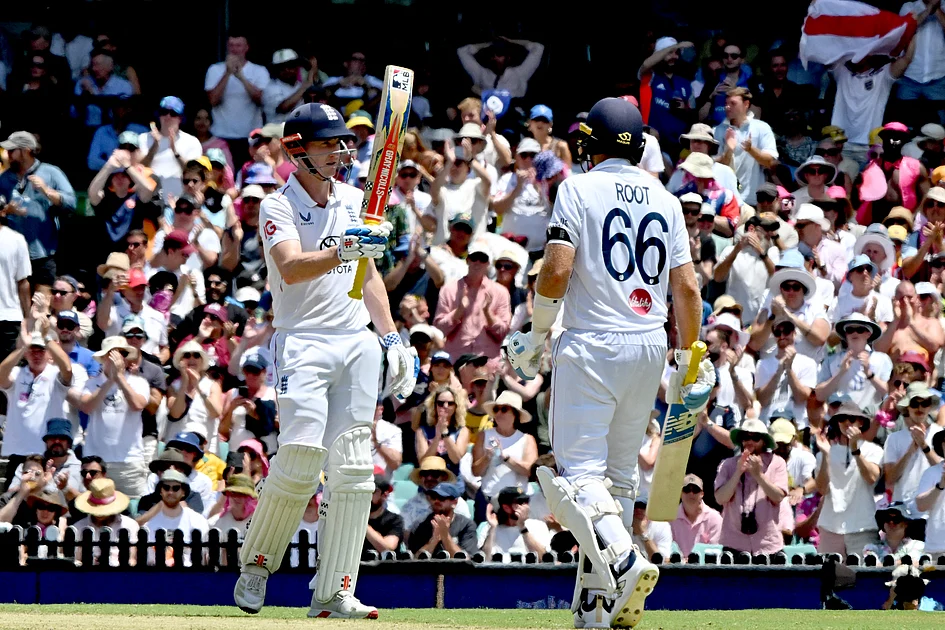
    On a rain-shortened opening day of the fifth Ashes test, England’s Harry Brook delivered a masterclass in controlled aggression, finishing Sunday’s play on an unbeaten 78. His innings, characterized by uncharacteristic patience, formed the bedrock of England’s solid position at 211 for three against Australia.

    The 26-year-old Yorkshire batsman, often criticized for his flamboyant shot selection during this disappointing tour, showcased a newly disciplined approach. While he occasionally succumbed to temptation against Australia’s persistent short-pitched bowling strategy, Brook largely curbed his natural instincts in a 93-ball knock that featured just six fours and a single six.

    His crucial 154-run partnership with fellow Yorkshireman and former captain Joe Root provided England with much-needed stability after early wickets. The partnership was building significant momentum before deteriorating light conditions and eventual rain forced an early conclusion to the day’s play.

    In post-day remarks, Brook acknowledged his intentional shift in mindset. ‘I’ve just got to be a little bit more patient and take my ones here and there, and thankfully I did that today,’ he stated. He emphasized the importance of absorbing pressure through rotation of strike rather than seeking boundary opportunities, marking a significant evolution in his approach to test match batting.

    This innings represents Brook’s highest score of the series, coming after he faced considerable scrutiny for performances that fell below expectations for the world’s second-ranked test batsman. Despite previous frustrations with converting starts into substantial scores, his Melbourne contribution of 41 on a challenging pitch had hinted at this return to form, helping England secure a consolation victory in the fourth test after Australia had already claimed the series 3-0.

  • Trump’s actions in Venezuela unlawful but consistent, says Russia’s Medvedev

    Trump’s actions in Venezuela unlawful but consistent, says Russia’s Medvedev

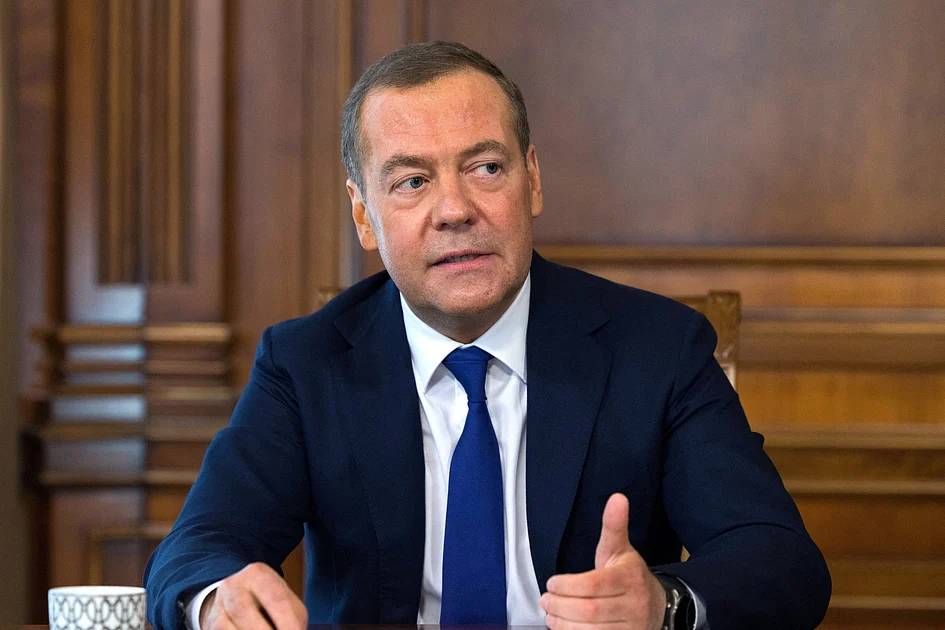
    Dmitry Medvedev, Deputy Chairman of Russia’s Security Council, has characterized former U.S. President Donald Trump’s interventions in Venezuela as unlawful yet strategically consistent with American foreign policy objectives. In statements reported by Tass news agency on Sunday, January 4, 2026, Medvedev asserted that while Trump’s actions violated international norms, they demonstrated a coherent approach to advancing national interests.

    Medvedev elaborated that the United States has historically treated Latin America as its strategic ‘backyard,’ with Trump’s administration particularly focused on securing control over Venezuela’s substantial oil reserves. ‘Uncle Sam’s primary motivation remains fundamentally straightforward—the acquisition of others’ resources,’ Medvedev stated, employing critical rhetoric to underscore his perspective.

    The Russian official further contended that similar interventions against a more militarily capable nation would likely be interpreted as acts of aggression. His comments reflect Moscow’s ongoing diplomatic friction with Washington regarding interventionist policies in regions with significant natural resources.

    This analysis emerges amid continued geopolitical tensions between Russia and Western powers, highlighting contrasting interpretations of international law and national interest defense. Medvedev’s position as both former Russian president and current security council official lends institutional weight to these remarks, which align with Russia’s broader criticism of American foreign policy in resource-rich regions.