作者: admin

  • ‘Happy, excited, confused’: UAE-based Venezuelans react to Maduro’s capture

    ‘Happy, excited, confused’: UAE-based Venezuelans react to Maduro’s capture

    Venezuelan nationals residing in the United Arab Emirates have exhibited profoundly mixed reactions to the reported capture of President Nicolás Maduro by US military forces. The development has exposed deep fractures within the diaspora community, reflecting the polarized political landscape of their homeland.

    Alonso Morales, a 50-year-old former military officer now based in the UAE, described witnessing the news with overwhelming emotion. “We have been waiting for this moment for 25 years,” Morales stated, his voice trembling with intensity. Having departed Venezuela due to systematic political persecution, Morales recounted how his family members faced imprisonment and constant surveillance under successive administrations. He detailed how his educational background and intellectual capacity marked him as a subversive threat within the military hierarchy, ultimately compelling his exile.

    Conversely, music educator Glenangel Carrera articulated feelings of euphoric disbelief upon learning of Maduro’s apprehension. “This represents the initial stride toward justice and dismantling the regime,” Carrera expressed, though simultaneously acknowledging her conflicting emotions. Having emigrated in 2017 due to deteriorating economic and social conditions, she emphasized the severe consequences activists faced under Maduro’s governance, including arbitrary detention and lethal retaliation.

    Not all responses have been celebratory. Significant segments of the Venezuelan community, particularly government loyalists, have condemned the operation as an unlawful foreign intervention. These individuals have voiced apprehensions that Maduro’s capture could precipitate heightened instability, potentially triggering violent reprisals or creating a dangerous power vacuum.

    Regional analysts have characterized this unprecedented action against a sitting head of state as a dramatic shift in US foreign policy doctrine. Experts caution that this intervention may establish concerning precedents in international law while potentially exacerbating regional tensions and internal Venezuelan conflicts, rather than facilitating peaceful resolution.
  • Markets show mixed reaction after US capture of Venezuelan leader

    Markets show mixed reaction after US capture of Venezuelan leader

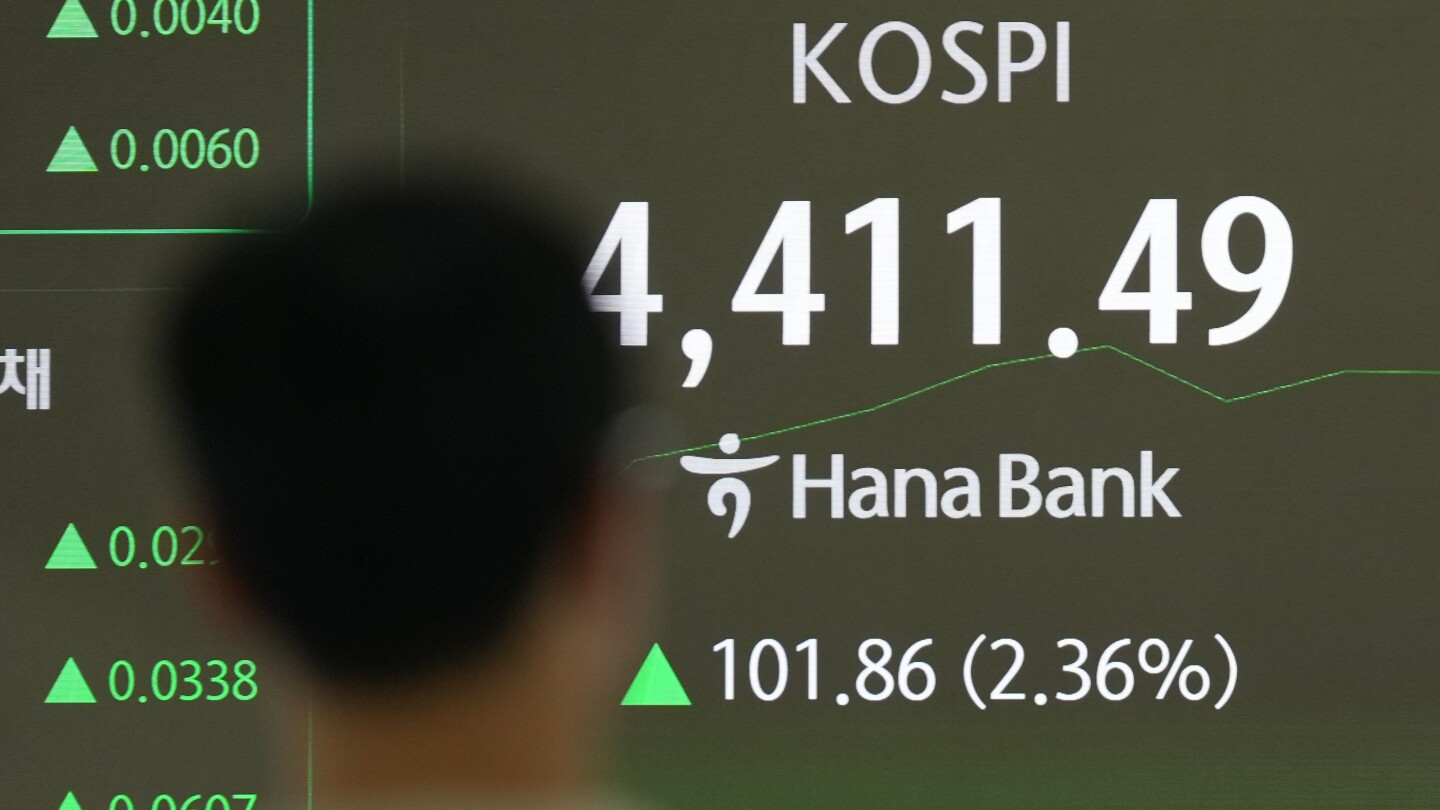
    Financial markets exhibited a divergent response early Monday following the U.S. military operation that resulted in the capture of Venezuelan President Nicolas Maduro. While Asian equity benchmarks soared to unprecedented heights, precious metals witnessed substantial gains as investors sought safe-haven assets amid geopolitical uncertainty.

    Commodity markets displayed particular sensitivity to the developments. Brent crude oil advanced by 14 cents to reach $60.89 per barrel, while U.S. benchmark crude increased 12 cents to $57.44. The petroleum sector’s attention remains focused on Venezuela’s crippled oil industry, which despite years of neglect and international sanctions, could potentially double or triple its current output of approximately 1.1 million barrels daily with sufficient investment and political stabilization.

    Precious metals demonstrated the most dramatic movement, with silver and platinum both surging 6% while gold climbed 2%. This robust performance underscores investor tendency toward traditional safe-haven assets during periods of geopolitical turmoil.

    Asian equity markets registered impressive gains, with Japan’s Nikkei 225 jumping 2.9% to 51,777.99—achieving a year-end high for 2025. South Korea’s Kospi surged 2.3% to 4,406.55, establishing another record close. More modest advances were seen in Australia’s S&P/ASX 200, which gained 0.1%, and Taiwan’s benchmark, which climbed 2.1%.

    Currency markets showed limited movement, with the dollar rising 0.2% against the yen to 157.15, while the euro slipped 0.2% to $1.1702.

    The trading week follows a mixed session on Wall Street, where U.S. stocks posted modest gains on Friday. The S&P 500 advanced 0.2% to 6,858.47, building on its 16%+ gain throughout 2025. The Dow Jones Industrial Average rose 0.7%, while the Nasdaq composite experienced a slight decline of less than 0.1%, pressured by significant losses in Microsoft (2.2%) and Tesla (2.6%) following reports of continued sales declines.

    Several furniture companies recorded substantial gains after President Trump’s decision to delay increased tariffs on upholstered furniture, with RH advancing 8% and Wayfair rising 6.1%.

    Market participants now turn their attention to the first full week of the new year, which promises critical economic updates including private reports on the services sector, consumer sentiment data, and government employment reports. These indicators are expected to provide crucial insight into the U.S. economy’s performance at the close of 2025 and its trajectory for 2026, potentially influencing Federal Reserve policy decisions at its late January meeting.

  • UAE-backed separatists withdraw from key Yemeni city after Saudi strikes

    UAE-backed separatists withdraw from key Yemeni city after Saudi strikes

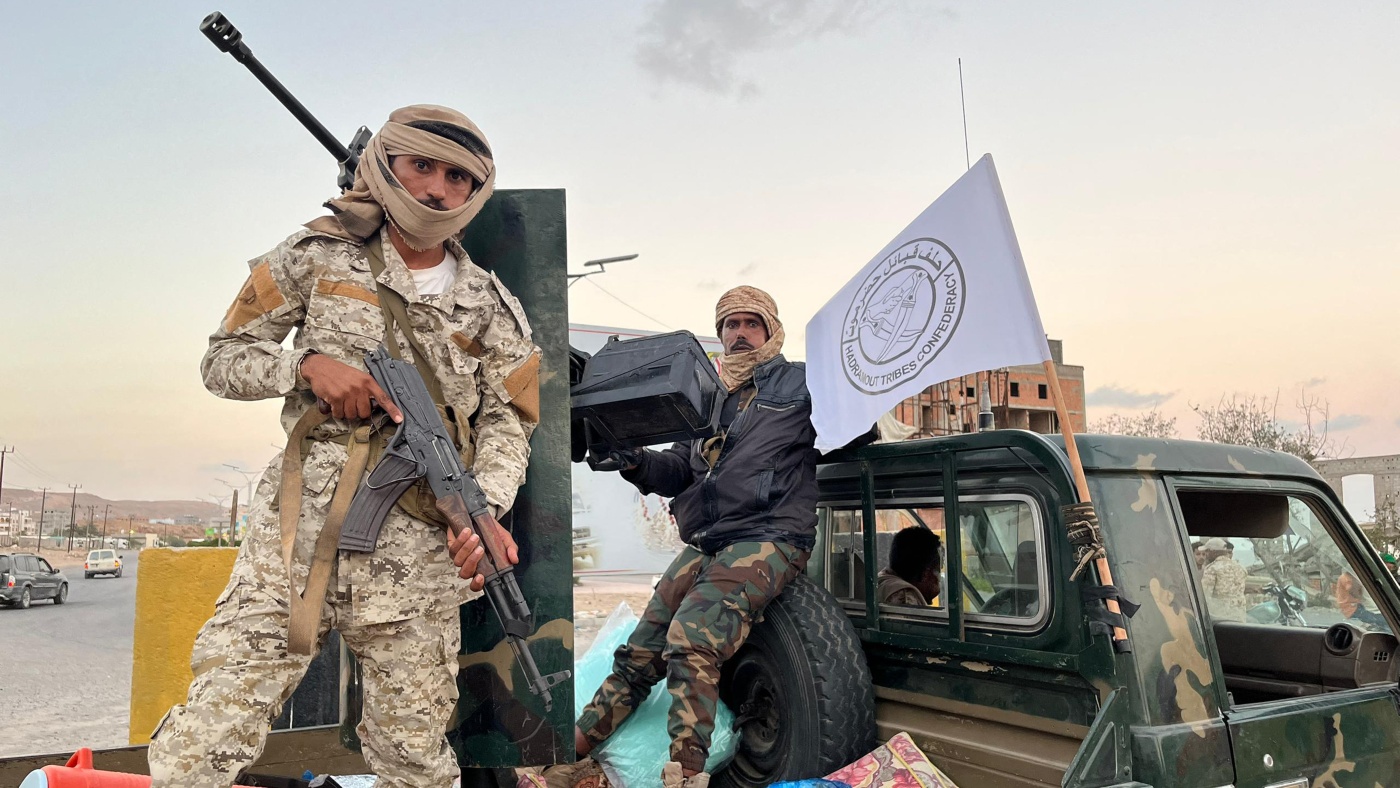
    In a significant reversal of territorial control, Yemeni government forces have fully reclaimed the strategic eastern province of Hadhramaut from UAE-backed Southern Transitional Council (STC) separatists. The development follows coordinated military operations by Saudi-supported Nation’s Shield Forces (NSF), which included targeted airstrikes on STC positions throughout the region.

    Hadhramaut Governor Salem al-Khanbashi confirmed complete government control, stating: “We have regained full control of all Hadhramaut territory, expelled STC forces, and begun administering duties and normalizing life.” The NSF provided safe passage for withdrawing STC fighters toward Aden, permitting them to carry only personal weapons.

    The territorial shift represents a dramatic turnaround from December, when STC forces capitalized on Saudi troop withdrawals to seize control of Hadhramaut and al-Mahra provinces—territories comprising nearly half of Yemen’s landmass and sharing critical borders with Saudi Arabia.

    This conflict exposes deepening fractures within the anti-Houthi coalition, pitting Saudi-backed government forces against UAE-supported separatists. The STC, which advocates for reestablishing an independent South Yemen, has received substantial military and financial backing from the United Arab Emirates.

    Tensions escalated further when Saudi Arabia bombed Emirati shipments in the port of Mukalla and publicly criticized UAE involvement in pressuring STC forces to operate along Saudi Arabia’s southern border. The Saudi foreign ministry expressed disappointment with Emirati actions that threatened regional stability.

    The geopolitical implications extend beyond the Arabian Peninsula, with both the UAE and Israel establishing military presence on the strategic Socotra archipelago under STC control. Israeli monitoring systems deployed there help counter Houthi threats, while the STC has signaled willingness to normalize relations with Israel—a position contrasting with broader Arab consensus.

    The STC’s recent announcement of planning an independence referendum followed Israel’s unilateral recognition of Somaliland’s independence, another UAE-aligned territory, highlighting emerging alliances reshaping regional power dynamics.

  • Trump warns new Venezuelan leader as Maduro set to appear in court

    Trump warns new Venezuelan leader as Maduro set to appear in court

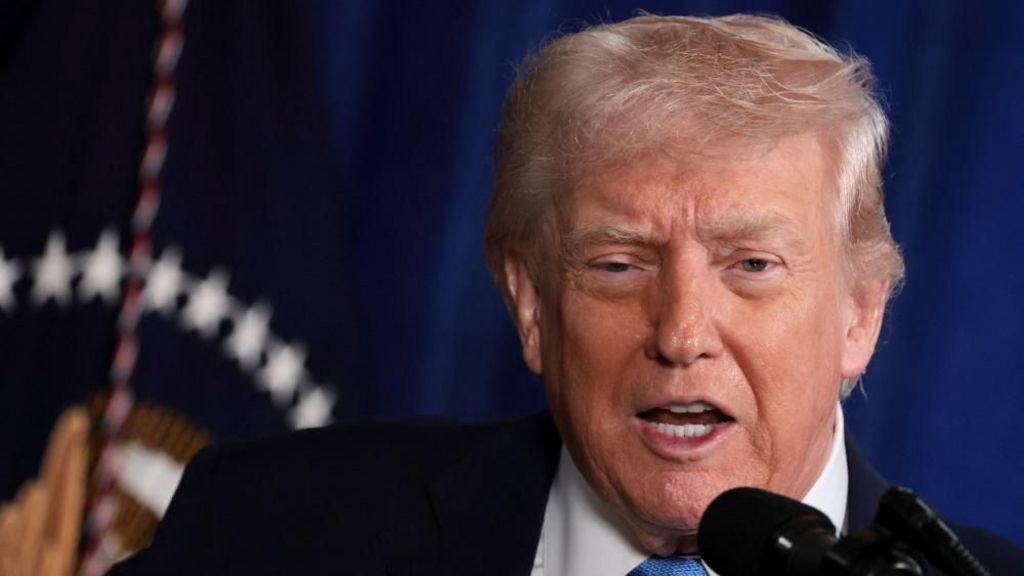
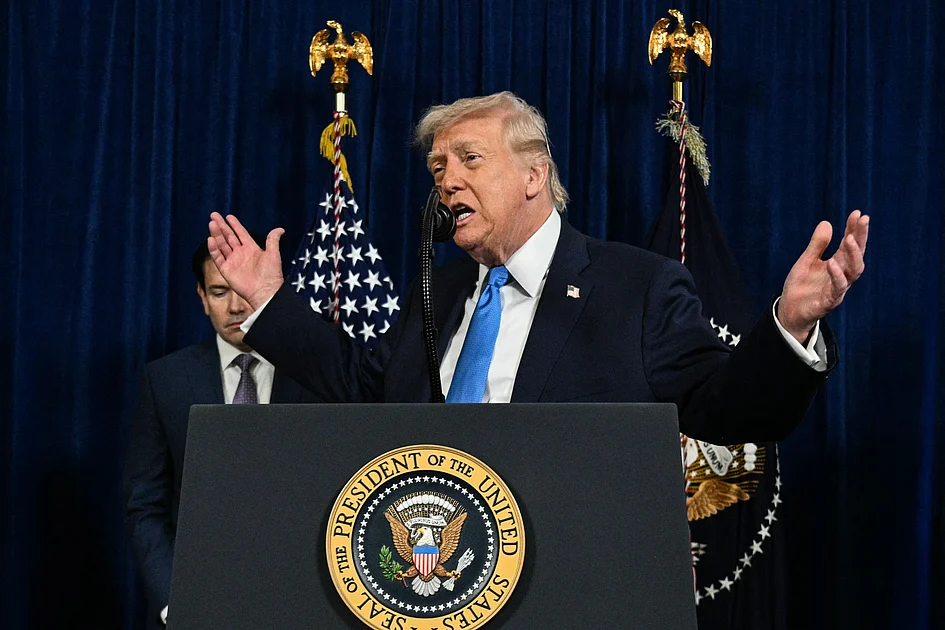
    Former US President Donald Trump has issued a stark warning to Venezuela’s newly appointed interim leader Delcy Rodríguez, cautioning that she could face consequences “probably bigger than Maduro” if she fails to align with US expectations. The threat came as ousted president Nicolás Maduro, captured in a dramatic US military operation, prepared to face New York court proceedings on drug trafficking and weapons charges.

    The extraordinary capture operation unfolded early Saturday when US special forces stormed Maduro’s compound in Caracas, resulting in the detention and transportation of both Maduro and his wife, Cilia Flores, to American soil. The operation involved strikes on military installations including Fuerte Tiuna, one of Venezuela’s largest military bases, and resulted in significant casualties according to Venezuelan officials.

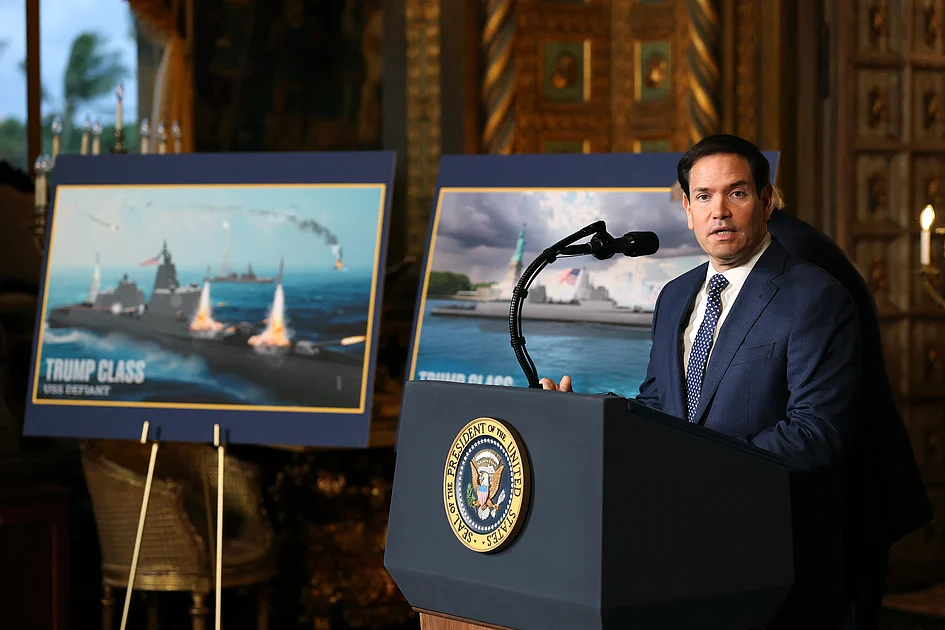
    US Secretary of State Marco Rubio vigorously defended the operation, characterizing it as a “law enforcement action” rather than an act of war. “We are at war against drug trafficking organizations. That’s not a war against Venezuela,” Rubio emphasized during multiple Sunday news program appearances. He asserted that congressional authorization was unnecessary since the operation involved FBI agents making arrests rather than military invasion.

    The political transition in Venezuela saw Rodríguez sworn in as interim president by the nation’s Supreme Court, with full backing from the military establishment. She is scheduled to be formally inaugurated Monday in Caracas. However, the US maintains it does not recognize the legitimacy of the current regime structure.

    International reaction has been sharply critical, with several nations including Brazil, Chile, Colombia, Mexico, Uruguay and Spain condemning the US military action as “an extremely dangerous precedent for peace and regional security.” They expressed particular concern about external control that threatens regional stability and violates international law.

    Domestically, Democratic lawmakers have denounced the operation as an unauthorized act of war. House Minority Leader Hakeem Jeffries and Senate Minority Leader Chuck Schumer have vowed to support legislation prohibiting further presidential action in Venezuela without congressional approval, arguing that such regime change operations historically cost American lives and treasure.

    The Cuban government, a longstanding socialist ally of Maduro, announced two days of national mourning for 32 “brave Cuban combatants” killed during the operation, further escalating regional tensions surrounding this unprecedented intervention.

  • US not seeking to govern Venezuela, aims to work with new authorities, Marco Rubio says

    US not seeking to govern Venezuela, aims to work with new authorities, Marco Rubio says

    In the aftermath of a dramatic military operation that resulted in the capture of Venezuelan President Nicolás Maduro, top U.S. officials have moved to clarify Washington’s position regarding the South American nation’s future governance. Secretary of State Marco Rubio appeared on multiple Sunday news programs to emphasize that the United States does not seek to directly govern Venezuela, but rather intends to collaborate with existing authorities under specific conditions.

    The operation, which unfolded on Saturday, involved U.S. commandos conducting a helicopter assault on Caracas with support from attack aircraft and naval assets. The successful extraction of Maduro and his wife culminated in the deposed leader’s transport to New York, where he now awaits arraignment on narcotrafficking charges. Video evidence released by the White House shows Maduro in custody at a Manhattan DEA facility, handcuffed and offering a subdued ‘Good night, happy new year’ in English.

    Despite the vacuum created by Maduro’s capture, relative calm prevailed in Venezuela’s capital. Citizens formed queues at grocery stores, while the previously visible heavily armed police presence diminished significantly. The Venezuelan military has officially recognized Vice President Delcy Rodríguez as acting president and encouraged citizens to resume normal activities.

    Secretary Rubio’s comments served to contextualize President Trump’s earlier statement about the U.S. intending to ‘run the country’ until a transition could be effected. Rubio specified that Washington would assess the existing Venezuelan leadership based on actions rather than rhetoric, indicating readiness to work with Rodríguez and other cabinet members contingent upon their adherence to U.S. demands.

    The administration faces mounting questions regarding its long-term strategy, particularly concerning Venezuela’s massive oil reserves—the world’s largest. Rubio indicated that Western companies would likely show ‘dramatic interest’ in revitalizing Venezuela’s crippled oil industry, provided appropriate guarantees and conditions were established. Simultaneously, the U.S. maintains significant leverage through an oil export embargo enforced by Navy vessels in the Caribbean.

    Political opposition emerged from Democratic leaders, with Senate leader Chuck Schumer expressing that Americans were left ‘scratching their heads in wonderment and in fear,’ while House leader Hakeem Jeffries characterized the raid as an unauthorized act of war. The operation represents the culmination of an escalating pressure campaign that began with interdictions of suspected drug trafficking vessels near Venezuelan waters.

  • Perfect Storm: Aussie veteran off to a flying start two years after an Achilles injury forced her to start from scratch

    Perfect Storm: Aussie veteran off to a flying start two years after an Achilles injury forced her to start from scratch

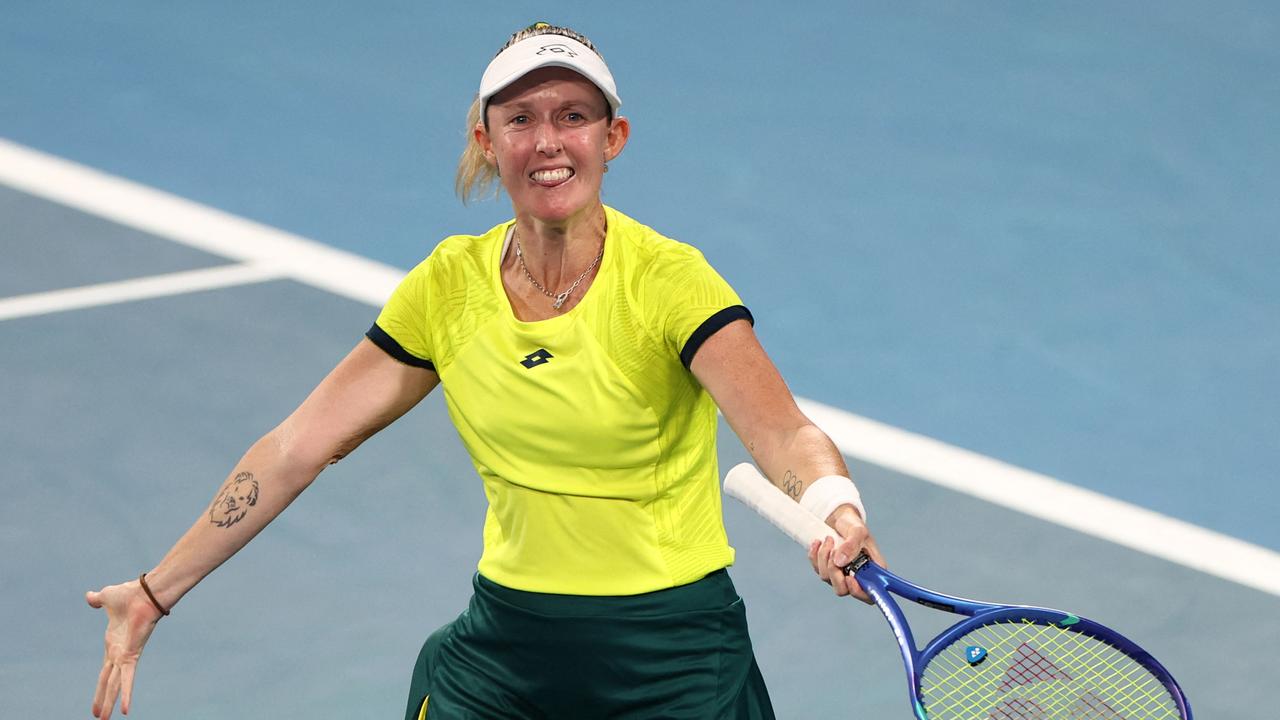
    Australian tennis star Storm Hunter has orchestrated a remarkable comeback to professional tennis, marking her return with a stellar performance at the United Cup in Sydney just two years after suffering a devastating Achilles rupture. The former top-ranked doubles player vividly recalls the traumatic moment in April 2024 when her tendon snapped during a routine movement on Pat Rafter Arena, an injury that forced her to completely relearn fundamental movements and overcome significant psychological barriers.

    Hunter’s journey back to competitive play involved extensive rehabilitation, requiring her to gradually rebuild her ability to walk, run, and jump. The psychological recovery proved equally challenging, as she battled persistent fears of re-injury that only subsided in recent months, allowing her to compete with renewed mental freedom.

    Her perseverance culminated in an emotional night of competition where Hunter unexpectedly found herself thrust into singles action against Norway due to teammates Maya Joint and Maddison Inglis withdrawing with illness. With merely an hour’s notice, Hunter delivered a commanding straight-sets victory over Malene Helgo, then returned to the court alongside John-Patrick Smith to secure a decisive mixed doubles win after compatriot Alex de Minaur’s surprising loss.

    The victory holds particular significance as Hunter prepares for Australian Open qualifying next week, where she plans to compete in doubles alongside Joint. Team management now faces selection decisions regarding Tuesday’s match against Czech star Barbora Krejcikova, with Joint’s recovery progress being monitored daily. Hunter emphasized that any playing decision would prioritize Joint’s health and readiness to compete at her highest level.

  • UAE: 3 Indian siblings, maid die in Abu Dhabi car crash

    UAE: 3 Indian siblings, maid die in Abu Dhabi car crash

    A devastating vehicular accident near Shahama on the Abu Dhabi-Dubai roadway has resulted in the tragic deaths of three Indian siblings and their family maid, according to statements from UAE-based social workers. The catastrophic collision occurred on Saturday morning while the family was returning to their Ras Al Khaimah residence after attending a cultural festival in the capital city.

    The victims, originally from the southern Indian state of Kerala, were traveling together when their vehicle was involved in the serious accident. Abu Dhabi authorities have been contacted for detailed information regarding the circumstances surrounding the crash.

    Medical officials confirm that both parents and their 14-year-old child survived the collision but sustained serious injuries requiring immediate hospitalization in Abu Dhabi. The family’s domestic helper, who was traveling with the children, unfortunately perished in the incident alongside the three siblings.

    In accordance with UAE burial regulations for expatriates, which typically require interment in the emirate where the deceased held residency visas, the extended family has requested special permission for burial in Abu Dhabi where the tragedy occurred. Social workers are currently assisting the grieving family in navigating the necessary bureaucratic procedures for this exceptional circumstance.

  • Strong demand for premium CBD offices while secondary buildings struggle

    Strong demand for premium CBD offices while secondary buildings struggle

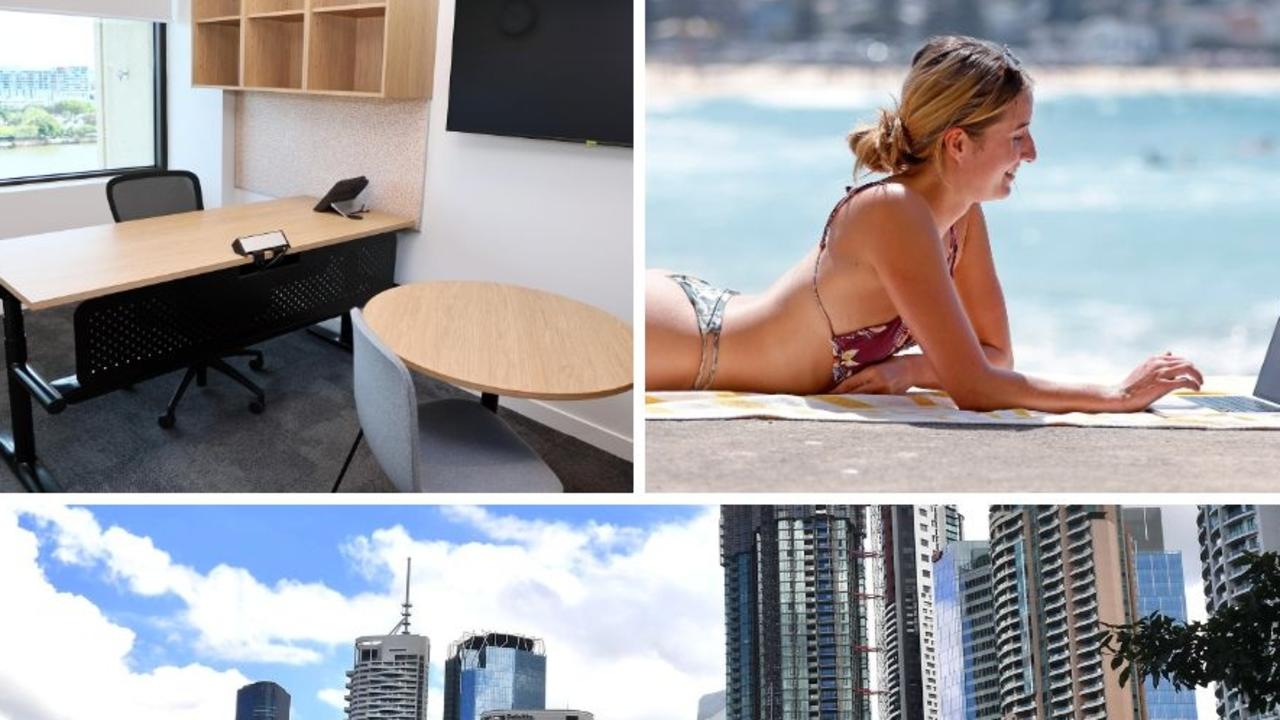
    Australia’s urban centers are undergoing a fundamental transformation as hybrid work models permanently alter commercial real estate dynamics, creating a pronounced two-tier market that favors premium office spaces while leaving older buildings increasingly vacant.

    Property analytics from JLL reveal a national net increase of 33,000 square meters in CBD office occupancy during early 2024, signaling growing corporate confidence in defining post-pandemic workspace requirements. This apparent recovery, however, masks a stark divergence between property classifications. Over the twelve months concluding March 2024, premium-grade office inventory expanded by 190,000 square meters while secondary-tier properties suffered a contraction of 234,000 square meters.

    According to JLL’s Head of Research for Australasia Andrew Ballantyne, ‘Organizations are gaining confidence in defining their occupational footprint, resulting in a net balance of organizations seeking more office space.’ This trend reflects strategic corporate decisions to prioritize quality over quantity, with businesses opting for superior spaces in prime locations despite overall reduced square footage requirements.

    Market differentiation extends beyond building quality to tenant size categories. CBRE research indicates small and medium enterprises (occupying under 1,000 square meters) are expanding their footprint by approximately 23% when committing to new leases. Conversely, larger corporations (occupying over 3,000 square meters) continue to contract their space requirements, albeit at a diminishing rate from 22% two years ago to 11% projected for 2025.

    Geographic recovery patterns show significant variation across major metropolitan centers. Sydney’s CBD demonstrates robust recovery with strong premium office growth offsetting secondary property losses. Brisbane outperforms with eight consecutive periods of positive growth and prime office vacancies at multi-year lows, driving 12% rental increases. Melbourne continues to struggle with vacancy rates climbing to 18% by mid-2024, while Adelaide surprises with occupancy reaching 88% of pre-pandemic levels.

    Financial adaptations include landlords offering incentives exceeding 40% in some markets, while lease terms have stabilized near 30 months – significantly longer than pandemic-era agreements yet shorter than traditional pre-COVID standards.

    The conversion of unused office space to residential use remains economically challenging due to construction costs and regulatory requirements, prompting many owners to pursue refurbishment or temporary market withdrawal instead. Industry experts suggest government intervention may be necessary to facilitate viable conversion programs.

    As hybrid work arrangements become permanently embedded in corporate culture, businesses have fundamentally re-evaluated their spatial needs, with many having downsized sufficiently to preclude any return to pre-pandemic office utilization levels.

  • Trump warns Venezuela VP Delcy Rodriguez could face harsher fate than Maduro

    Trump warns Venezuela VP Delcy Rodriguez could face harsher fate than Maduro

    In a recent interview with The Atlantic magazine, former U.S. President Donald Trump issued a direct threat to Venezuelan Vice President Delcy Rodríguez, suggesting she could face more severe consequences than ousted leader Nicolás Maduro if she fails to align with U.S. interests. The statement, made on January 4, 2026, represents a significant escalation in the ongoing political confrontation between the United States and Venezuela’s leadership.

    The remarks follow reports of a U.S. military operation that reportedly resulted in the elimination of much of Maduro’s security team and claims that the Venezuelan president had been captured and transported out of the country. Trump’s specific targeting of Rodríguez, who serves as Venezuela’s first female vice president and a key figure in Maduro’s government, indicates a strategic shift in U.S. pressure tactics toward Venezuelan officials.

    This development occurs within the broader context of heightened tensions between the two nations, with the U.S. expressing intentions to manage Venezuela’s oil reserves during a transitional period following Maduro’s alleged capture. The explicit nature of Trump’s warning underscores the increasingly direct approach being employed by U.S. officials in dealing with the Venezuelan government, moving beyond diplomatic channels to overt threats against specific individuals in leadership positions.

  • ‘Free our president’, Maduro supporters demand at rally

    ‘Free our president’, Maduro supporters demand at rally

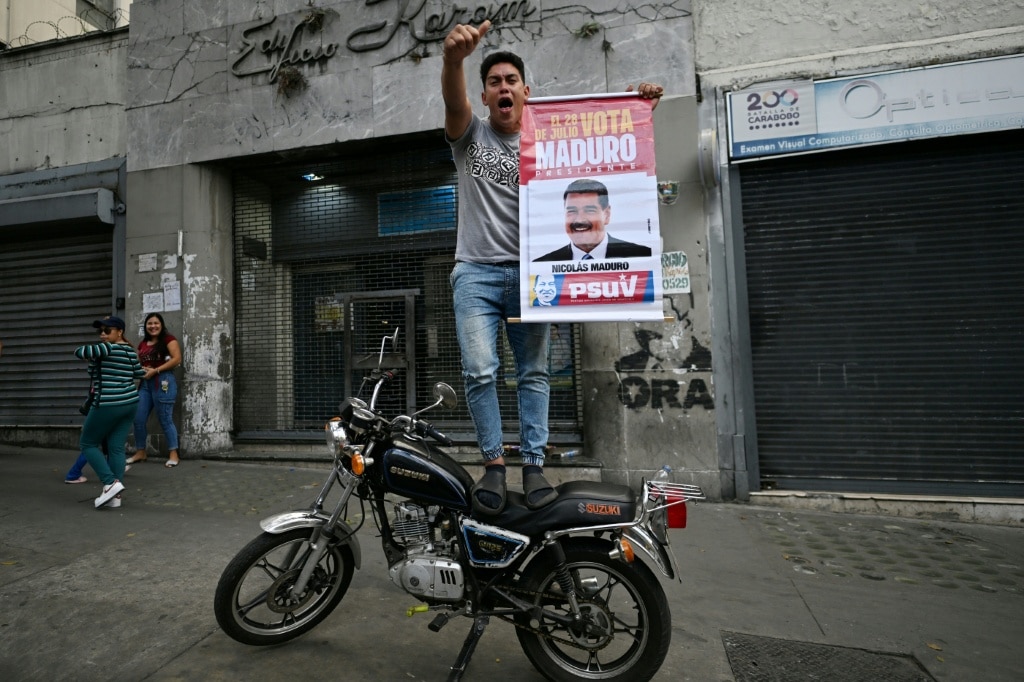
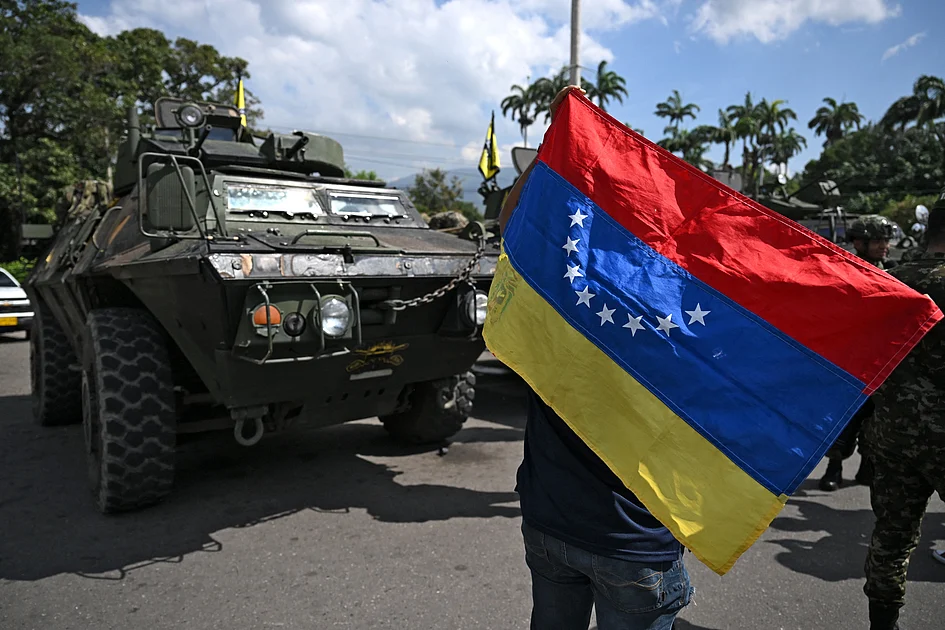
    Thousands of demonstrators flooded the streets of Caracas on Sunday in a passionate display of support for ousted Venezuelan president Nicolás Maduro, demanding his immediate release from U.S. custody following his dramatic capture by American forces. The rally, organized by Maduro loyalists, featured paramilitary groups and motorcycle brigades accompanying protesters waving the distinctive yellow, blue and red Venezuelan flags.

    Protesters carried emotionally charged signs reading ‘Free our president’ and ‘Venezuela is no-one’s colony’—the latter directly referencing President Donald Trump’s controversial statement that Washington would ‘run’ Venezuela during a transitional period. The gathering occurred just one day after U.S. forces conducted airstrikes on Caracas that reportedly neutralized Venezuelan defenses during the operation to apprehend Maduro.

    The ousted leader faces serious charges of ‘narcoterrorism’ related to alleged cocaine trafficking into the United States and is scheduled to appear in a New York courtroom on Monday. Meanwhile, Venezuelan officials have reported significant casualties from the military operation, with Defense Minister Vladimir Padrino López stating that a ‘large part’ of Maduro’s security team was killed ‘in cold blood,’ along with military personnel and civilians.

    Medical sources speaking anonymously suggested approximately 70 fatalities and 90 injuries from the pre-dawn strikes, though Venezuelan hospitals have declined to provide official casualty figures. The circumstances of Maduro’s capture have sparked widespread speculation about possible betrayal within his inner circle, particularly given the failure of air defense systems at the country’s largest military base where the arrest occurred.

    Maduro’s son, Nicolás Maduro Guerra, amplified these suspicions in an audio message circulated on social media, declaring that ‘history will tell who the traitors were.’ The emotional response from supporters like Nairda Itriago, 56, who angrily told AFP that ‘the narcotrafficker and terrorist is Trump,’ underscores the deep divisions and heightened tensions between the two nations.