作者: admin

  • Initiative sets clear course for Yangtze

    Initiative sets clear course for Yangtze

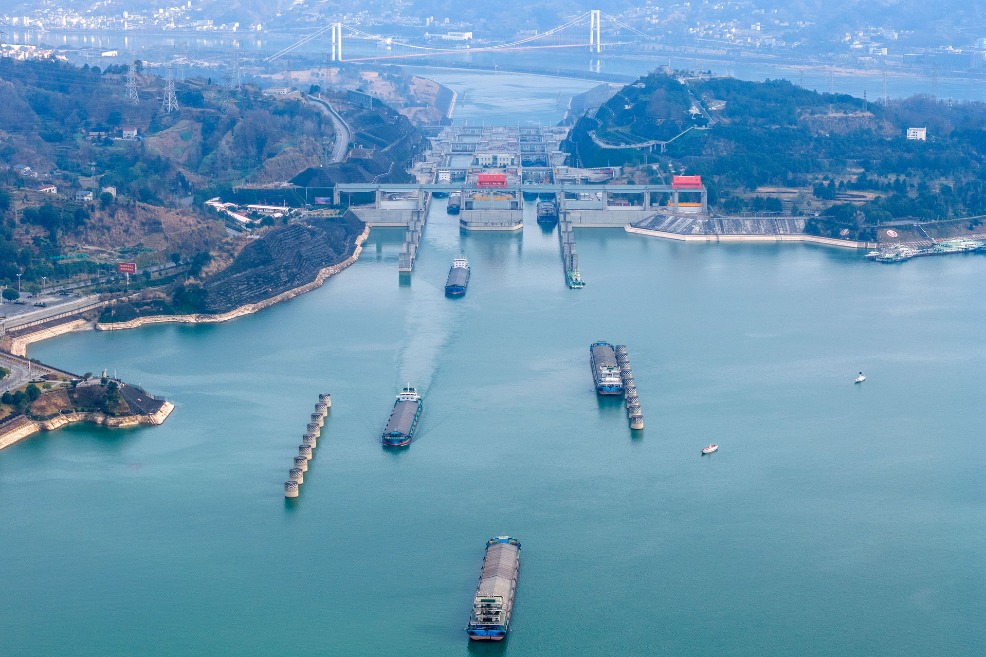
    A profound ecological transformation is underway along China’s Yangtze River, where former fishermen have become guardians of the nation’s ‘mother river.’ In Hukou county, Jiangxi province, a 16-member patrol team led by 58-year-old Shu Yin’an vigilantly monitors the confluence of the Yangtze and Poyang Lake, protecting endangered finless porpoises and combating illegal fishing activities.

    Shu’s personal journey mirrors the river’s remarkable turnaround. ‘My family relied on fishing for generations,’ he recalled, ‘but overfishing devastated the ecosystem until we could scarcely survive.’ His concern that future generations might never witness fish in the Yangtze prompted him to join the patrol team when it formed in 2017.

    This transformation stems from President Xi Jinping’s strategic vision initiated at the first Yangtze River Economic Belt symposium in Chongqing on January 5, 2016. Xi established a groundbreaking principle: ‘Restoring the ecological environment of the Yangtze River should be an overriding priority. We must focus on joint protection and avoid excessive development.’

    The implementation of this vision has been systematic and comprehensive. In 2020, a decade-long fishing ban took effect in key waters, transitioning over 230,000 fishermen like Shu to new livelihoods with government support. The 2016 master plan formally embedded ‘ecological priority, green development’ as foundational principles, marking a fundamental shift from industrial expansion at environmental expense.

    Tangible results emerge across the river basin. Chongqing’s Guangyang Isle, once threatened by massive real estate projects covering 3 million square meters, has undergone comprehensive ecological restoration since 2017. The island now welcomes returning residents and tourists alike, demonstrating successful environmental rehabilitation.

    Chemical pollution, which President Xi described as leaving the river ‘seriously ill’ in 2018, has been systematically addressed. One notable case involved a major chemical company fined 27 million yuan ($3.86 million) in 2016—the largest environmental penalty in the basin’s history. The company subsequently invested 100 million yuan in advanced pollution control facilities, achieving both environmental remediation and industrial upgrading.

    Over the past decade, President Xi has conducted approximately 30 inspection tours along the Yangtze and chaired four pivotal symposiums to steer the economic belt’s development. The strategy has evolved into a multidimensional framework encompassing high-quality development, innovation-driven growth, and regional coordination.

    During the 14th Five-Year Plan period (2021-25), the Yangtze River Economic Belt—contributing nearly half of China’s GDP and hosting over 40% of its population—has emerged as a national model for high-quality development. The region has strengthened its technological innovation capabilities, established 196 national smart manufacturing demonstration factories, and nurtured 1,738 innovative ‘little giant’ enterprises.

    Experts envision a ‘colorful’ development pathway during the 15th Five-Year Plan period (2026-30), driven by innovation and consumption rather than traditional factors. This comprehensive approach demonstrates China’s successful integration of ecological conservation with sustainable economic advancement along its most vital waterway.


  • Police hunt trio who allegedly hurled bricks from Melbourne overpass, leaving woman injured and cars damaged

    Police hunt trio who allegedly hurled bricks from Melbourne overpass, leaving woman injured and cars damaged

    Victoria Police have initiated a comprehensive manhunt for three unidentified youths following a dangerous incident where bricks were deliberately thrown from a highway overpass in Melbourne’s southeastern suburbs. The reckless act occurred in the early hours of Saturday morning along the Princes Highway in Springvale, resulting in significant property damage and physical injury.

    According to police reports, the incident transpired shortly before 1:00 AM when the suspects were observed on surveillance footage launching bricks from the elevated structure onto moving traffic below. The projectiles struck multiple vehicles with devastating effect—two cars sustained direct impacts through their windshields while three additional vehicles suffered various forms of damage. The most serious consequence involved brick debris causing multiple tire punctures among several automobiles.

    The most alarming outcome involved a female motorist who required immediate medical attention from paramedics to carefully extract glass fragments from her eyes following the windshield impact. Authorities have confirmed that while her injuries were classified as minor, the potential for catastrophic consequences remained significantly high.

    Detective Senior Constable Simon Jacobs issued a stern warning regarding the severity of such actions, emphasizing that throwing objects from overpasses constitutes far from harmless behavior. ‘This incident unequivocally demonstrates that such reckless actions carry grave and potentially fatal repercussions,’ Jacobs stated. ‘We consider it extremely fortunate that only one person sustained relatively minor injuries, as the outcome could have easily turned tragic.’

    The investigation remains active with detectives urging the perpetrators to demonstrate accountability and come forward voluntarily. Law enforcement officials have also made a public appeal for any witnesses or individuals with additional information, including possible video evidence, to contact Crime Stoppers immediately to assist in identifying the suspects captured on nearby CCTV footage.

  • UK starts ban on junk food ads on daytime TV and online

    UK starts ban on junk food ads on daytime TV and online

    The United Kingdom has enacted a groundbreaking regulatory measure prohibiting advertisements for foods high in fat, salt, or sugar (HFSS) during daytime television broadcasts and across digital platforms. Effective October 1st, 2025, this initiative represents the government’s most ambitious effort to combat childhood obesity through advertising restrictions.

    According to the Department of Health and Social Care, the comprehensive ban—applying to all commercials before the 9:00 PM watershed and paid digital promotions—is projected to eliminate approximately 7.2 billion calories annually from children’s dietary intake. Officials estimate this reduction will prevent roughly 20,000 cases of childhood obesity while generating approximately £2 billion (USD $2.7 billion) in long-term healthcare savings.

    The policy implementation follows earlier anti-obesity measures including the extension of the sugar tax to pre-packaged beverages such as milkshakes, ready-to-drink coffees, and sweetened yogurt drinks. Additionally, local authorities have been empowered to restrict the establishment of fast-food outlets in proximity to school premises.

    Government research indicates that advertising significantly influences children’s eating habits, shaping food preferences from early childhood and increasing susceptibility to obesity-related health complications. Current statistics reveal that 22% of children entering primary education in England (typically age five) are overweight or obese, with this figure escalating to over one-third by secondary school transition (age 11).

    Health Minister Ashley Dalton emphasized that “limiting junk food advertisements before watershed hours and eliminating paid digital promotions will substantially reduce children’s exposure to unhealthy dietary influences.” The minister further noted this initiative aligns with the National Health Service’s strategic shift toward preventive healthcare measures.

    Public health advocates have welcomed the regulatory change. Katharine Jenner of the Obesity Health Alliance described it as “a commendable and long-anticipated advancement in safeguarding children’s health from harmful food marketing practices.” Diabetes UK CEO Colette Marshall highlighted the particular significance for type 2 diabetes prevention, noting the condition’s increasing prevalence among youth and its association with severe complications including renal failure and cardiovascular disease.

  • Sound of 2026: Reluctant rockers Royel Otis tipped for success

    Sound of 2026: Reluctant rockers Royel Otis tipped for success

    Emerging Australian indie duo Royel Otis has unexpectedly found themselves at the forefront of the international music scene, securing fifth place on BBC Radio 1’s prestigious Sound of 2026 list. The band, comprising Royel Maddell and Otis Pavlovic, initially never aspired to become a major touring act but has rapidly evolved into a professional operation with sold-out shows across the globe.

    The recognition comes following a remarkable year that saw the duo perform 81 concerts and sell over 100,000 tickets worldwide, including 60,000 in the United States alone. Their inclusion on the predictive list—voted by an international panel of 170 music industry experts including Sir Elton John—places them alongside previous fifth-place recipients like Rosalía, Central Cee, and George Ezra.

    Formed in 2019 through an introduction by their respective girlfriends in Byron Bay, New South Wales, the duo discovered their musical chemistry almost immediately. Despite geographical proximity and family connections (Maddell’s father was friends with Pavlovic’s uncle), it took their partners to finally bring them together. Their sound, characterized by jangly guitars and layered vocals, draws inspiration from The Cure, Oasis, and the Alessi Brothers’ 1976 soft rock classic ‘Seabird’.

    The band’s breakthrough came unexpectedly through viral cover performances. Their indie reinterpretation of Sophie Ellis Bextor’s ‘Murder On The Dancefloor’ in January 2024 gained significant traction, followed four months later by a cover of The Cranberries’ ‘Linger’ that entered the US Top 100 and became their most streamed track on Spotify with 223 million plays.

    Despite their rapid success, the musicians maintain a grounded perspective. Maddell continues to use a stage name (born Leroy Bressington) and hides behind his neon pink fringe, admitting, ‘I still feel a bit nervous’ about their newfound fame. The touring lifestyle has come with personal sacrifices, including ended relationships and missed family moments due to their relentless schedule.

    The duo has released two albums at breakneck speed: 2024’s ‘Pratts & Pain’ (named after a London pub) and 2025’s ‘Hickey,’ which addressed the personal toll of their touring lifestyle. The latter earned them their first UK chart entry and nominations for best group and best rock album at Australia’s Aria Awards, despite a controversial start with the lead single ‘Moody’ facing criticism for seemingly misogynistic lyrics.

    As they enter 2026 with industry recognition and growing international acclaim, Royel Otis represents the modern dichotomy of musical success: embracing unexpected opportunities while maintaining artistic integrity and personal well-being amidst the demands of global fame.

  • No bail for Indian activists after five years in jail without trial

    No bail for Indian activists after five years in jail without trial

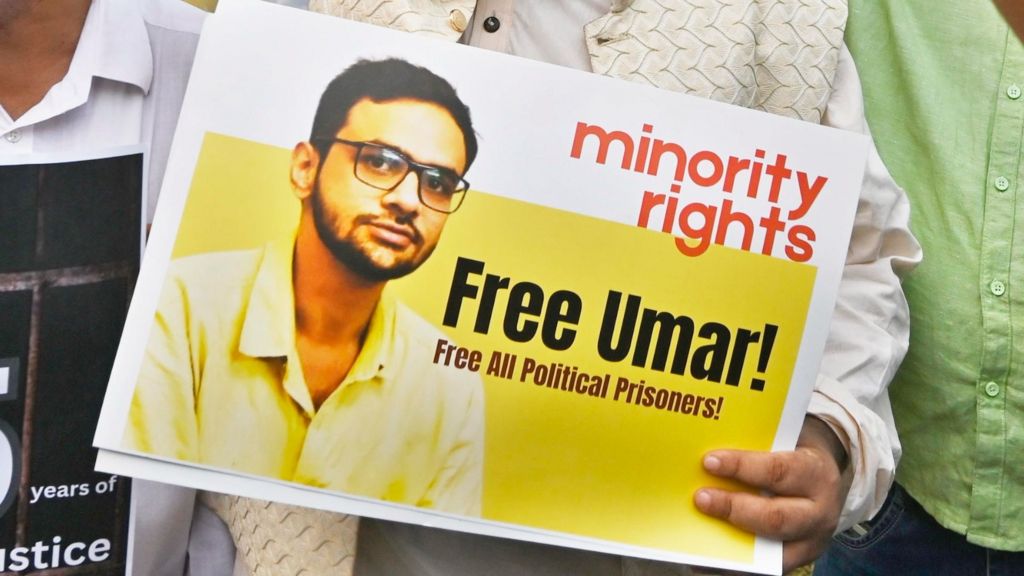
    India’s Supreme Court has delivered a split verdict in a high-profile case stemming from the 2020 Delhi riots, denying bail to two prominent student activists while granting release to five others. Umar Khalid and Sharjeel Imam, both 37-year-old scholars, will remain incarcerated under the nation’s stringent anti-terror legislation despite having never faced trial.

    The two-judge bench ruled Monday that bail petitions required individual examination as defendants were not on ‘equal footing regarding culpability.’ The court established a distinction between charges against Khalid and Imam versus their co-accused, mandating that the denied petitioners must wait one year before submitting new bail applications.

    Both men were arrested following violent clashes in the capital that resulted in 53 fatalities, predominantly among Muslim communities. Authorities accused them of conspiracy under the Unlawful Activities (Prevention) Act (UAPA), which effectively presumes guilt and makes bail exceptionally difficult to obtain.

    The case has drawn international scrutiny, with U.S. lawmakers recently expressing ‘continued concern’ over the prolonged pre-trial detention. In 2022, a report authored by former senior judges and a federal home secretary found no substantiating evidence for terrorism charges against the activists.

    Khalid, who completed his PhD at Jawaharlal Nehru University in 2019, has seen five separate bail petitions rejected over the past five years, receiving only two brief releases for family weddings. Imam, a doctoral scholar at the same institution at the time of arrest, has similarly been denied bail on multiple occasions.

    The court granted release to five other activists: Gulfisha Fatima, Meeran Haider, Mohd Samir Khan, Shadab Ahmed, and Shifa ur Rehman. Their detention originated from protests against the Citizenship Amendment Act, which the United Nations had previously condemned as ‘fundamentally discriminatory.’

  • US attack on Venezuela: Death toll rises to 80 civilians and military personnel

    US attack on Venezuela: Death toll rises to 80 civilians and military personnel

    A dramatic US military operation has resulted in the capture of Venezuelan President Nicolas Maduro and a mounting death toll, plunging the South American nation into a severe political crisis and drawing sharp international condemnation. According to a senior Venezuelan official cited by The New York Times, the casualty count has reached 80, encompassing both civilians and security personnel, with warnings that the number may yet increase.

    The assault commenced early Saturday when US special forces extracted Maduro from the presidential palace in Caracas. The operation was supported by American fighter jets, which conducted airstrikes on key military installations across Venezuela. In the power vacuum, the nation’s Supreme Court swiftly decreed that former Vice-President Delcy Rodriguez would assume interim control of the government.

    From her new position, Rodriguez delivered a televised address condemning the US intervention, characterizing it as an act of foreign aggression with ‘Zionist undertones.’ She issued a stark warning, stating, ‘The extremists who have promoted armed aggression against our country – history and justice will make them pay.’

    The US action has fractured the international community. While several European nations expressed relief at Maduro’s removal, they simultaneously questioned the operation’s legality. Spanish Prime Minister Pedro Sanchez captured this dichotomy, stating, ‘Spain did not recognise the Maduro regime. But neither will it recognise an intervention that violates international law.’ Conversely, the assault was met with near-universal condemnation from neighboring South American countries, including Brazil, Colombia, and Chile.

    The geopolitical stakes are immensely high, centered on Venezuela’s vast oil reserves—the largest in the world, estimated at 303 billion barrels. Following the capture, US President Donald Trump explicitly linked the intervention to economic gain, telling reporters, ‘We’re going to be taking out a tremendous amount of wealth out of the ground,’ and promising American companies greater access.

    US Secretary of State Marco Rubio outlined a strategy of an oil ‘quarantine,’ enforced by US naval power, to cripple Venezuela’s primary industry and force compliance with American demands. He framed the action as necessary to counter adversarial influence, declaring Venezuela an ‘operating hub for Iran, for Russia, for Hezbollah, for China’ in the Western Hemisphere. The US intends to block these nations, particularly China—the primary recipient of Venezuelan oil exports—and Russia, a key financial and technical partner, from extracting regional resources.

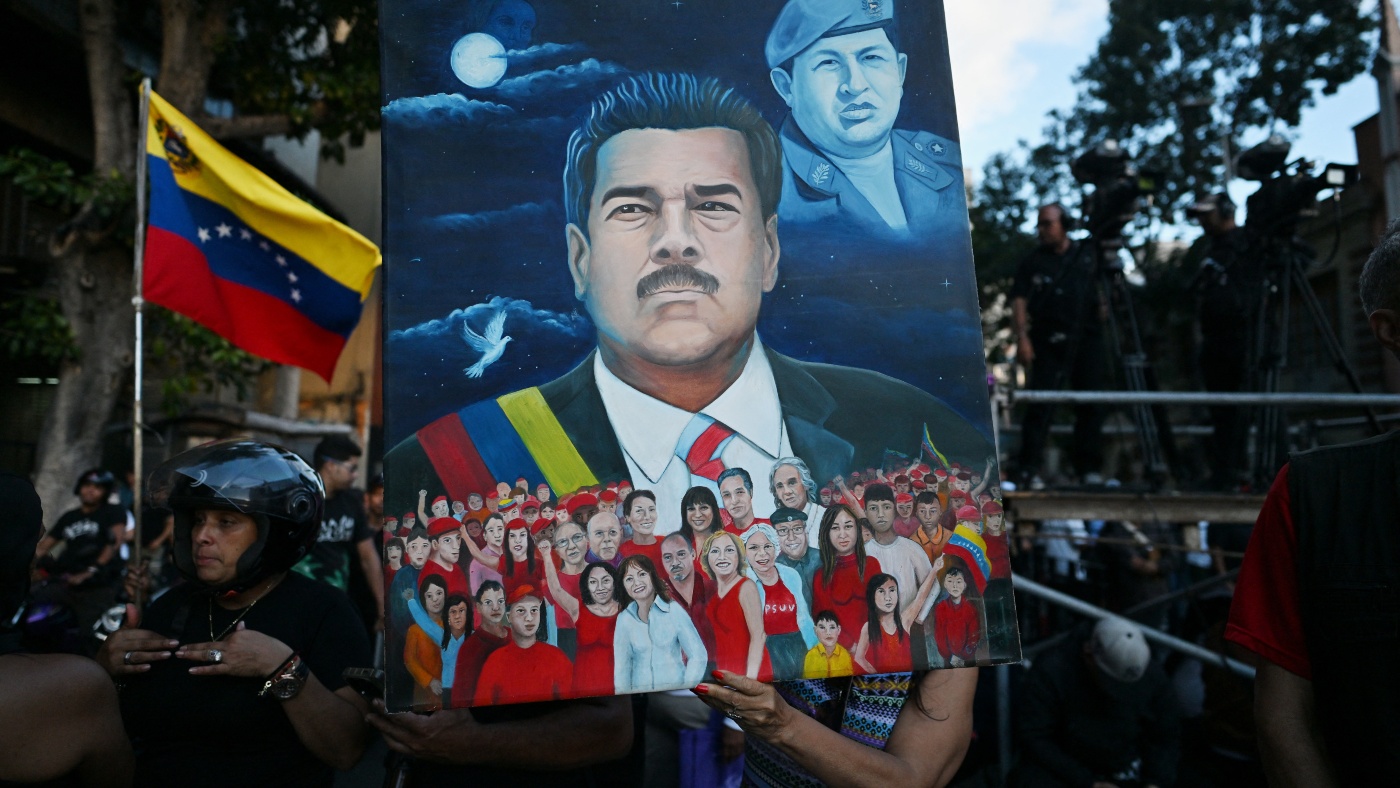
    The operation has triggered domestic unrest within Venezuela, with crowds of pro-government supporters marching through Caracas waving national flags and calling for unity against foreign aggression. Meanwhile, the move has been criticized as ‘illegal’ by US Democratic lawmakers, highlighting deep domestic political divisions over the administration’s aggressive foreign policy.

  • Africa calls for dialogue, respect for international law

    Africa calls for dialogue, respect for international law

    African political leadership and institutions have issued strong condemnations of recent United States military operations in Venezuela, demanding immediate cessation of hostilities and advocating for peaceful diplomatic resolutions. The African Union expressed profound concern regarding attacks targeting Venezuelan state facilities and the reported abduction of President Nicolás Maduro, emphasizing the critical importance of respecting national sovereignty and territorial integrity.

    In an official communiqué, the continental body reaffirmed its dedication to fundamental principles of international law, asserting that Venezuela’s internal political challenges require inclusive dialogue among its own citizens rather than external military interference. The Union stressed that peaceful dispute resolution through constitutional frameworks and neighborly cooperation represents the only sustainable path forward.

    Simultaneously, South Africa’s Department of International Relations and Cooperation urgently petitioned the United Nations Security Council to address what it termed unlawful unilateral force by the United States. The department characterized the military intervention as undermining global stability and the foundational principle of equality among nations, noting specific violations of the UN Charter regarding territorial integrity and political independence.

    The Communist Party of Kenya joined the chorus of condemnation, labeling American actions as illegal imperialist aggression. Party Chairman Mwandawiro Mghanga warned that such interventions establish dangerous precedents that could eventually threaten nations worldwide, citing additional concerns about potential Western interference in Iran’s internal affairs. The party called for international progressive solidarity with Venezuela amid escalating geopolitical tensions.

  • This Vietnamese town boomed as factories left China. Now it’s asking what’s next?

    This Vietnamese town boomed as factories left China. Now it’s asking what’s next?

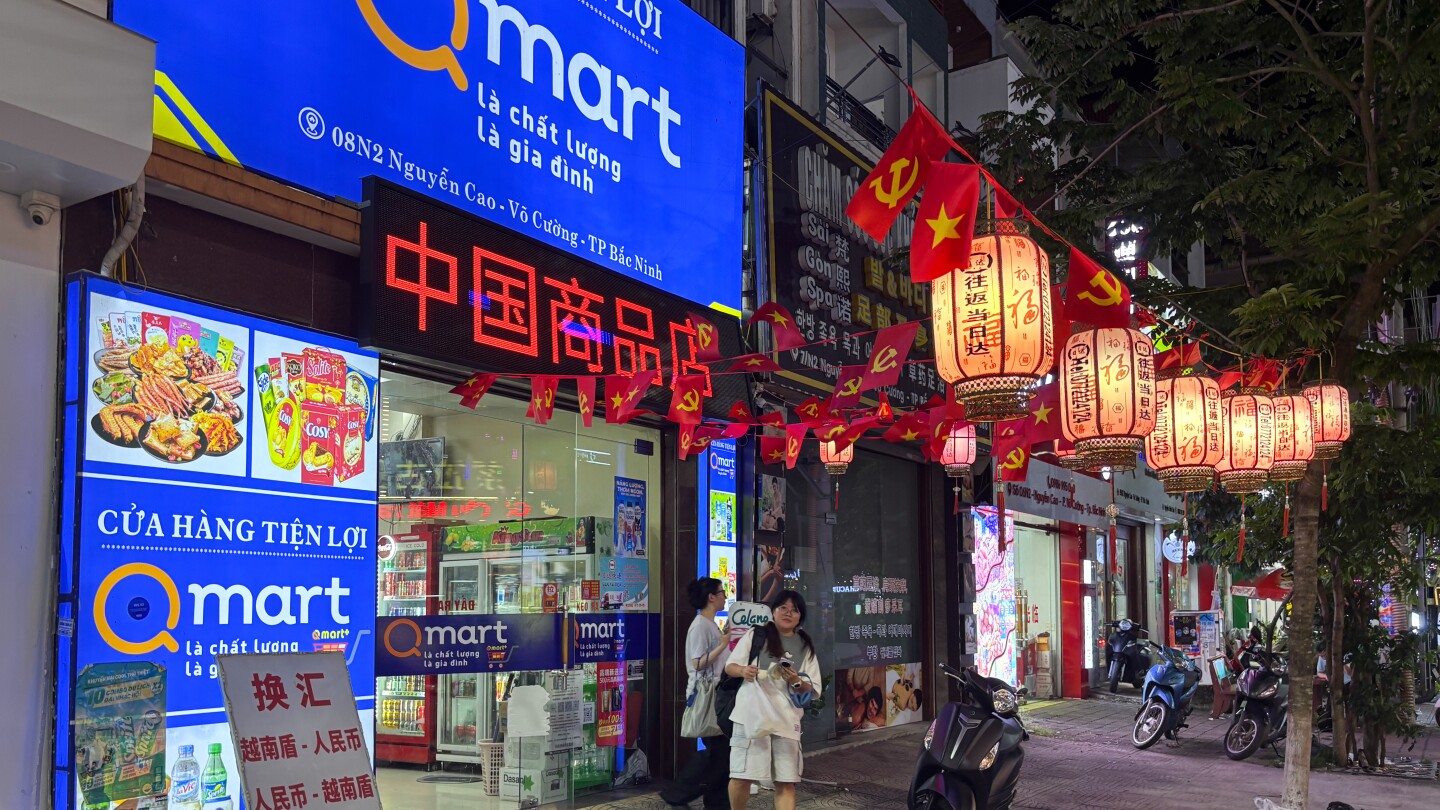
    BAC NINH, Vietnam — The northern Vietnamese city of Bac Ninh embodies both the remarkable opportunities and mounting challenges facing the nation’s manufacturing sector. Once celebrated for its rice paddies and traditional Quan Ho folk music, this urban center has transformed into one of Vietnam’s most dynamic industrial zones, driven by foreign investment accelerated by U.S.-China trade tensions.

    The city’s evolution began with Samsung’s landmark 2008 phone factory establishment, which positioned Vietnam as the tech giant’s largest offshore production base. More recently, Chinese manufacturers have flooded into Bac Ninh, diversifying their operations to circumvent U.S. tariffs and trade restrictions. These companies leverage Vietnam’s established electronics supply chains, competitive labor market, and supportive local governance, often facilitated by Chinese-speaking intermediaries who streamline administrative processes.

    However, Vietnam’s manufacturing miracle faces significant headwinds. Labor costs have surged 10-15% since 2024, creating recruitment challenges that threaten the ‘China plus one’ diversification strategy embraced by global corporations. Infrastructure limitations and rising operational expenses are exposing the constraints of Vietnam’s rapid industrial expansion.

    The nation confronts intensifying competition from regional rivals including Indonesia and the Philippines, both aggressively promoting themselves as alternative manufacturing hubs. The Philippines recently enacted legislation allowing foreign investors 99-year land leases to attract long-term industrial commitments.

    Despite these challenges, Vietnam continues to attract substantial foreign investment, with cumulative inflows reaching $28.5 billion by September, representing a 15% year-over-year increase. The country is pursuing an ambitious economic transformation, aiming to evolve from low-cost assembly operations to high-value manufacturing in electronics, pharmaceuticals, and clean energy equipment.

    National development strategies include significant infrastructure enhancements, such as new highways reducing travel time to the Chinese border and railway connections linking Hanoi to Haiphong port. In December, Bac Ninh initiated expansion of a high-tech industrial zone, part of a synchronized nationwide push involving 234 major projects valued at over $129 billion.

    Vietnam simultaneously seeks to diversify its export markets beyond the United States, targeting expanded trade with the Middle East, Latin America, Africa, and India. The country aims to achieve developed nation status by 2045, though this ambition will require navigating complex global supply chain dynamics, technological upgrading, and intensifying regional competition.

  • Paris court to rule in case involving alleged cyberbullying of Brigitte Macron

    Paris court to rule in case involving alleged cyberbullying of Brigitte Macron

    A Parisian court is poised to deliver a pivotal verdict on Monday in a high-profile cyber harassment trial involving ten individuals accused of systematically targeting France’s First Lady, Brigitte Macron. The defendants, comprising eight men and two women ranging from 41 to 60 years old, face charges of orchestrating a malicious digital campaign filled with defamatory content regarding Madame Macron’s gender identity and personal life.

    The prosecution alleges these individuals disseminated extensively shared falsehoods claiming the President’s wife was assigned male at birth—a completely fabricated assertion—while simultaneously attempting to weaponize the 24-year age difference between the Macrons by making baseless associations with criminal behavior. This coordinated online harassment generated tens of thousands of engagements across social platforms.

    Although absent from the October proceedings, Brigitte Macron’s voice resonated through her daughter Tiphaine Auzière’s emotional testimony. Auzière detailed the profound psychological and physical toll the relentless cyberbullying inflicted on her mother, describing a noticeable deterioration in her wellbeing and emphasizing how the entire family unit, including young grandchildren, suffered collateral damage from the vicious rumors.

    Among the accused stands Delphine Jegousse, a 51-year-old known professionally as Amandine Roy, who prosecutors identify as a central figure in amplifying the conspiracy theory following her 2021 four-hour YouTube exposition. Another defendant, Aurélien Poirson-Atlan (operating online as Zoé Sagan), faced platform removal in 2024 after multiple judicial citations.

    The defendant pool includes surprising figures such as an elected official, an educator, and a technology professional. Several argued in court that their posts constituted satire or humor, expressing bewilderment at criminal prosecution. If convicted, they confront potential two-year prison sentences.

    This case represents the judicial culmination of years of persistent conspiracy theories falsely identifying Brigitte Macron as “Jean-Michel Trogneux”—actually her brother’s name. Simultaneously, the Macron family pursues international legal recourse through a defamation lawsuit in United States courts against conservative commentator Candace Owens.

    The Macrons’ relationship began conventionally at a French secondary school where Emmanuel was a student and Brigitte his teacher. Then Brigitte Auzière—a married mother of three—would eventually become France’s First Lady following their 2007 marriage, with Emmanuel assuming presidential duties a decade later.

  • Australian sharemarket ends flat as uranium, rare earth stocks surge amid Venezuela tensions

    Australian sharemarket ends flat as uranium, rare earth stocks surge amid Venezuela tensions

    The Australian equities market commenced its first full trading week of the year with notable inertia, closing essentially flat amid a session of contrasting sector performances. While geopolitical tensions involving Venezuela initially spurred rallies in strategically significant commodities, broader market momentum remained subdued as investors adopted a cautious stance.

    The benchmark S&P/ASX 200 registered a marginal gain of just 0.8 points to settle at 8728.6, following a volatile trading session that saw early advances gradually diminish throughout the afternoon. The broader All Ordinaries index similarly reflected this market indecision, remaining virtually unchanged and continuing to trade approximately 4.24% below its annual peak.

    Market analysis from Kyle Rodda, Senior Financial Market Analyst at capital.com, indicated that the restrained closing alignment was largely anticipated despite heightened geopolitical attention. ‘We observed an initial uptick during early trading hours, but market sentiment quickly normalized into a notably subdued pattern,’ Rodda commented, emphasizing that the most significant movements occurred beneath the surface rather than at the index level.

    The resources sector demonstrated exceptional vigor, particularly within uranium and rare earths segments, where stocks experienced substantial appreciation. Silex Systems emerged as the standout performer with a remarkable 10.44% surge, while NexGen Energy and Paladin Energy advanced 8.25% and 7.5% respectively. IperionX and Lynas Rare Earths similarly posted impressive gains of 7.43% and 6.67% as investors strategically repositioned into commodities perceived as critical resources.

    Conversely, consumer discretionary and technology stocks exerted downward pressure on the index as market participants continued to exhibit risk aversion. Temple & Webster witnessed a significant decline of 6.04%, while Magellan Financial Group retreated 5.55%. The Buy Now, Pay Later sector faced substantial headwinds with Zip declining 5.37%, accompanied by Aristocrat Leisure dropping 4.04% and Superloop decreasing 3.92%.

    Major financial institutions presented a mixed performance, with Commonwealth Bank edging 0.12% lower while Westpac, NAB, and ANZ recorded modest gains between 0.47% and 0.85%.

    Energy markets displayed limited reaction to Venezuelan developments, with crude oil prices experiencing a brief spike before retreating to previous levels. Rodda noted that traders appeared to balance short-term supply disruption risks against longer-term prospects of Venezuelan oil eventually re-entering global markets, suggesting any significant price impact would require months or years to materialize.

    The Australian dollar maintained relative stability around US66.7 cents, further indicating limited investor concern regarding prolonged geopolitical implications. Market attention has now decisively shifted toward upcoming inflation data releases from both Australia and the United States, which analysts anticipate will serve as the next significant catalyst for market direction.