作者: admin

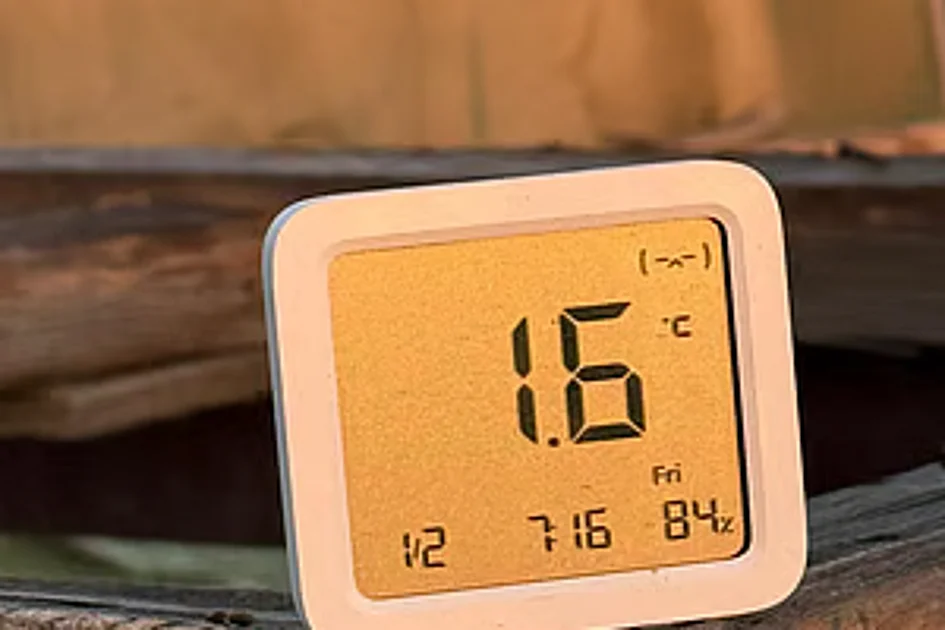
  • 1.6°C recorded in UAE: Temperatures to fall slightly, but it will feel colder

    1.6°C recorded in UAE: Temperatures to fall slightly, but it will feel colder

    Meteorological authorities in the United Arab Emirates are advising residents to prepare for a perceptible increase in cold conditions despite minimal actual temperature drops. According to the National Centre of Meteorology (NCM), while thermometers show only slight declines of 1-3 degrees Celsius, fresh north-westerly winds are creating significantly colder sensations across the region.

    Dr. Ahmed Habib, NCM meteorologist, explained that wind patterns originating from northern directions have become increasingly influential since Sunday, initially affecting coastal waters before moving inland. These atmospheric conditions are generating rough to very rough seas in the Arabian Gulf while amplifying the subjective experience of cold on land.

    The western regions, particularly Al Dhafra area, have already recorded temperatures plunging to 1-3°C, with elevated mountain zones like Jebel Hafeet and Jebel Jais experiencing even lower readings due to their altitudes exceeding 1,000 meters. Raknah, north of Al Ain, demonstrated the most pronounced cooling effects last Friday when light frost formed following cold winds, continuing its reputation as the UAE’s coldest hotspot.

    Weather patterns are expected to shift temporarily after Monday, with easterly and north-easterly winds potentially raising temperatures by 1-3 degrees on Tuesday and Wednesday. However, another temperature dip accompanied by fresh winds is forecast toward week’s end, maintaining the heightened cold perception.

    The NCM has additionally predicted possible light rainfall over islands and western Arabian Sea areas mid-week, along with fog formation probabilities, particularly in western UAE territories. These conditions represent typical winter patterns for the region, though wind effects are making this season feel particularly brisk.
  • Guangdong’s tech transfer boom

    Guangdong’s tech transfer boom

    Guangdong Province has positioned itself at the forefront of China’s technology transfer landscape, demonstrating remarkable progress in converting research innovations into commercial applications. This southern Chinese economic powerhouse has developed a sophisticated ecosystem connecting academic institutions, research centers, and industrial enterprises, creating a dynamic pipeline for technological commercialization.

    The province’s success stems from strategic government policies that incentivize collaboration between academia and industry. Special economic zones and innovation hubs have implemented streamlined processes for intellectual property rights registration and technology licensing. These initiatives have significantly reduced the traditional barriers between laboratory research and market implementation.

    Numerous technology transfer offices have been established across Guangdong’s universities and research institutes, staffed by professionals specializing in patent law, market analysis, and venture capital acquisition. These offices actively identify promising research with commercial potential and facilitate partnerships with industry players.

    The results have been substantial, with reported technology transfer agreements increasing by approximately 47% year-on-year in 2025. Particularly strong performance has been noted in sectors including artificial intelligence, renewable energy, biotechnology, and advanced manufacturing. This growth has attracted significant venture capital investment to the region, with several technology startups achieving unicorn status after successfully commercializing transferred technologies.

    International partnerships have also flourished, with Guangdong institutions establishing technology exchange programs with research organizations in the Greater Bay Area and beyond. These collaborations have created bidirectional technology transfer channels, bringing international innovations to Chinese markets while exporting Guangdong-developed technologies globally.

    The provincial government has announced plans to further expand support for technology transfer initiatives in its 15th Five-Year Plan period, indicating that this trend will continue to accelerate through 2026 and beyond.

  • US action in Venezuela not legal, senior Labour MP says

    US action in Venezuela not legal, senior Labour MP says

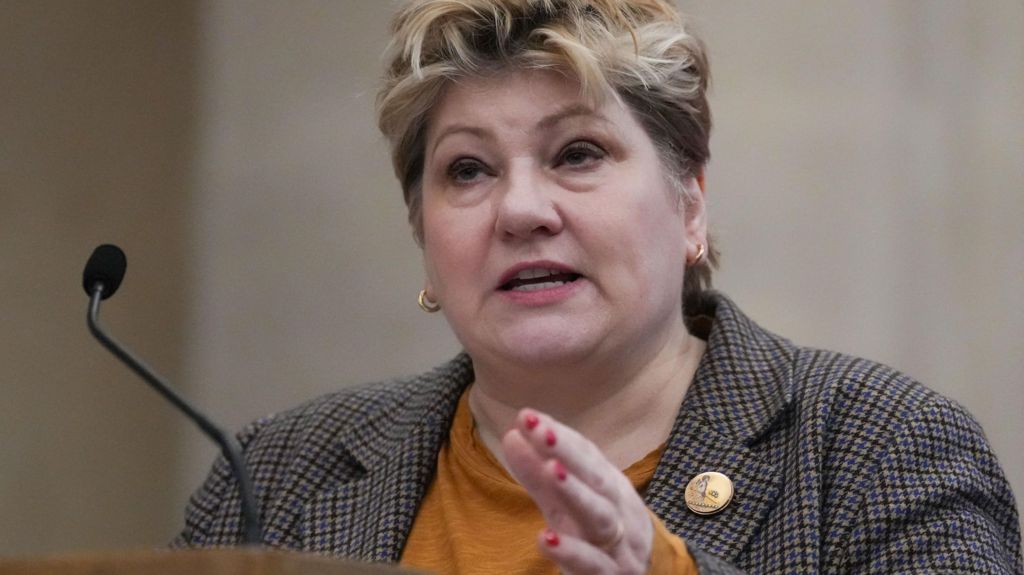
    A significant political confrontation has emerged within the UK Parliament regarding the recent US military intervention in Venezuela, with senior figures condemning the operation as a violation of international law. Dame Emily Thornberry, Chair of the Commons Foreign Affairs Committee, has emerged as the most prominent Labour MP to criticize President Donald Trump’s strikes that resulted in the capture of President Nicolás Maduro and his wife.

    In a forceful statement on BBC Radio 4’s Westminster Hour, Thornberry declared the military action ‘not a legal action’ and stated she ‘cannot think of anything that could be a proper justification.’ She urged the UK and its allies to collectively reject what she termed ‘the law of the jungle,’ drawing parallels to Russian and Chinese expansionist policies. ‘We condemn Putin for doing it. We need to make clear that Donald Trump shouldn’t be doing it either,’ Thornberry emphasized, warning that the precedent could embolden claims over Ukraine and Taiwan.

    The UK government has maintained a cautious stance, with Home Office Minister Mike Tapp declining to explicitly classify the operation as illegal during a BBC Breakfast interview. While characterizing Maduro as ‘an evil, illegitimate dictator who tortured people,’ Tapp emphasized the complexity of international legal determinations and stated the UK would consult with allies before reaching conclusions. The government reiterated its commitment to always ‘abide by international law as a nation.’

    Opposition parties have united in their criticism, with Liberal Democrat leader Sir Ed Davey, Green Party leader Zack Polanski, and SNP’s John Swinney all condemning the operation’s legality. Conversely, Conservative shadow minister Alex Burghart expressed understanding for US actions against Venezuela’s strongman leadership, while Reform UK’s Nigel Farage acknowledged the operation was ‘unorthodox and contrary to international law’ but potentially beneficial if it deterred adversaries.

    The developments occur as Maduro and his wife face weapon and drug charges in New York federal court, accused of profiting from cocaine smuggling operations. With Venezuela’s Vice-President Delcy Rodríguez preparing to assume interim leadership, the UN Security Council—where the UK holds permanent membership—is scheduled to convene and discuss the escalating situation.

  • Role of Global South in bolstering unity stressed

    Role of Global South in bolstering unity stressed

    The year 2025 has witnessed mounting strain on global governance systems due to escalating geopolitical tensions, institutional inertia, and widening development disparities. Against this backdrop, the Global South is increasingly positioned to strengthen solidarity among developing nations, with China poised to play a pivotal role in advancing inclusive development, people-centered governance, and a more equitable international framework, according to expert analyses.

    The foundation for this transformation was significantly reinforced during the 3rd Voice of Global South Summit in 2024, which convened 134 member states of the Group of 77 plus China, representing approximately 80% of the world’s population. Under the guiding principle of ‘leaving no one behind,’ participants acknowledged the distinctive requirements and capabilities of developing nations while emphasizing enhanced South-South cooperation across critical domains including industrialization, trade, investment, climate action, poverty reduction, and digital transformation.

    A May 2025 report from the United Nations Office for South-South Cooperation documented the Global South’s pursuit of viable solutions within an increasingly complex landscape characterized by shifting geopolitical dynamics, economic volatility, and environmental challenges. Despite economic growth in certain developing regions, persistent debt vulnerabilities, trade disruptions, and inflationary pressures continue to impede progress toward Sustainable Development Goals.

    Professor Evandro Menezes de Carvalho of Brazil’s Fluminense Federal University noted that the Global South’s growing influence is helping rebalance the historical dominance of Western powers within institutions like the United Nations, International Monetary Fund, and World Bank. ‘Many Global South countries are experiencing rapid economic growth, broadening global economic leadership beyond traditional Western economies,’ Carvalho stated, highlighting how initiatives such as BRICS and the New Development Bank are reducing reliance on Western-dominated financial systems.

    Professor Mammo Muchie of South Africa’s Tshwane University of Technology emphasized that global governance stands at a historic turning point where multilateral cooperation and shared development have become more urgent than ever. ‘Since the Cold War’s conclusion, deepening globalization and the collective rise of emerging market economies have gradually reshaped the international balance of power,’ Muchie observed, noting that developing countries have gained substantial influence in global affairs while new mechanisms including BRICS, the Shanghai Cooperation Organization, and ASEAN continue gaining prominence.

  • Experts: Strike to have consequences for region, beyond

    Experts: Strike to have consequences for region, beyond

    The geopolitical landscape of the Western Hemisphere has been fundamentally altered following a unprecedented US military operation inside Venezuela, resulting in the capture of President Nicolas Maduro. South American experts are characterizing the weekend attack as a pivotal moment with profound implications for regional stability and international law.

    According to reports, US forces conducted airstrikes early Saturday before detaining President Maduro and his wife. The Venezuelan leader was subsequently transferred to a New York detention facility, awaiting trial under the US judicial system on drug trafficking allegations that had escalated tensions between the nations for months.

    Jorge Heine, Chile’s former ambassador to China and current nonresident fellow at the Washington-based Quincy Institute, dismissed the official US justification linking the operation to narcotics enforcement. “Venezuela is neither a major drug producer nor a key transit country,” Heine stated, instead identifying two primary motivations: “To get US hands on Venezuelan oil, and to appeal to the Cuban and Venezuelan exile vote in Florida.”

    The political analyst warned that Maduro’s removal fails to address Venezuela’s internal crisis while potentially exacerbating uncertainty. He specifically questioned the practicality of Washington’s post-intervention plans, noting President Trump’s announcement that the US would now govern Venezuela.

    The operation has generated unease among governments throughout South America, with Heine cautioning that the precedent could have extensive regional repercussions. “This intervention will cause great damage to US standing in the region,” he predicted, suggesting it would accelerate calls for greater strategic independence among Latin American nations.

    Beyond hemispheric concerns, Heine emphasized the attack represents a severe blow to global governance structures. “This is a flagrant violation of international law and of the United Nations Charter,” he declared. “It constitutes a significant blow to the international legal order and multilateralism.”

    Nicaraguan political analyst Xavier Diaz-Lacayo echoed these sentiments, strongly condemning the military action and urging international response. “It is time to say enough,” he told Cuban news agency Prensa Latina, calling for firm condemnation of the aggression and demanding restitution for what he termed an assault on the international legal order.

    Diaz-Lacayo emphasized the need for Washington to respect international norms regarding self-determination, advocating for Maduro’s restoration to power. “The world must demand that the US handle international affairs according to the principles of peace and dialogue,” he asserted, noting that Venezuela’s right to sovereign control over its strategic resources, particularly oil, is being unjustly denied through accusations divorced from international legality.

    The analyst framed the US position as rooted in “the doctrine of Manifest Destiny and the Monroe Doctrine, aimed at securing strategic, economic, political and military interests in the region,” warning that global condemnation contrasts sharply with persistent US unilateralism.

  • Citizens shocked, traumatized amid port bombing

    Citizens shocked, traumatized amid port bombing

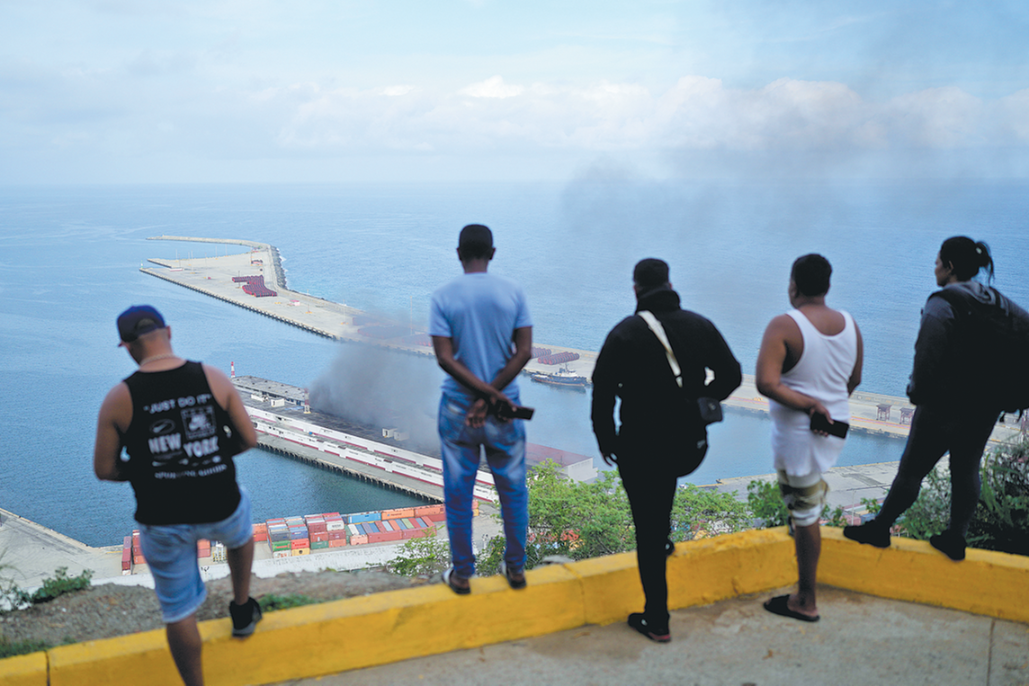
    The port city of La Guaira, Venezuela, remains shrouded in smoke and shock twelve hours after a United States military operation targeted the area. The pre-dawn strikes, part of a mission to capture and extract President Nicolas Maduro, left a landscape of devastation with deformed shipping containers, shattered public buildings, and roofless houses.

    Eyewitness accounts paint a picture of sudden terror and confusion. Alpidio Lovera, 47, described the immediate sequence of events: ‘First we saw the flash and then the explosion,’ he recounted, detailing how he fled with his pregnant wife to higher ground. The psychological impact was profound for many residents, with Linda Unamuno, 39, breaking into sobs as she recalled the nightmarish experience. ‘The blast smashed the entire roof of my house,’ she said. ‘I went out, that’s when I saw what was happening. I saw the fire from the airstrikes. It was traumatizing.’

    The operation, which US officials stated was designed to clear landing paths for helicopters, resulted in no reported casualties in La Guaira. Emergency crews worked throughout the day, with firefighters using excavators to clear debris of broken glass and gnarled metal while armed police patrolled on motorcycles to prevent looting.

    In the capital city of Caracas, the atmosphere was described as eerily quiet despite small gatherings of Maduro supporters demanding his freedom. The rapid removal of a president who had maintained power through years of international sanctions left many citizens incredulous at the day’s events. Maria Eugenia Escobar, 58, told Agence France-Presse: ‘I felt the explosions lift me out of bed. In that instant I thought: ‘My God, the day has come,’ and I cried.’

    The military action has sparked both international concern and domestic protest. Katia Briceno, a 54-year-old university professor, joined demonstrations against what she termed US ‘barbarism,’ questioning the legitimacy of a foreign government removing a country’s leader. The operation marks a dramatic escalation in the long-standing political conflict between the United States and Venezuela, with immediate physical and psychological consequences for its citizens.

  • Teahouses turn nostalgia temples

    Teahouses turn nostalgia temples

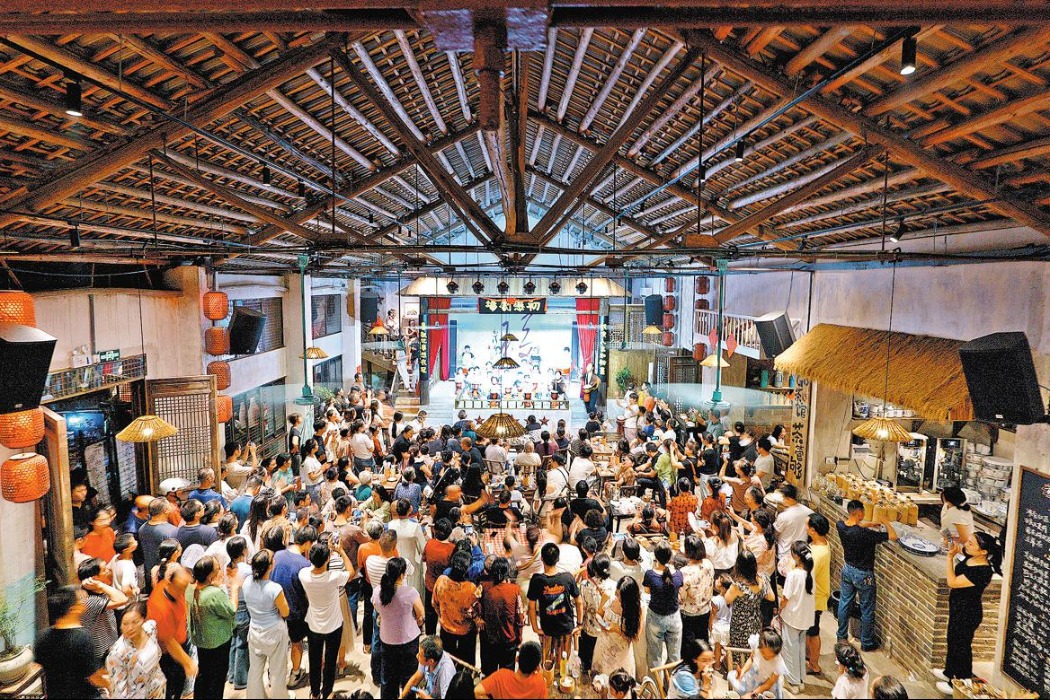
    In the picturesque landscapes of Kaihui township, just beyond Changsha’s urban sprawl, a cultural phenomenon is captivating city dwellers. The First Love Teahouse, housed within a repurposed rural supply and marketing cooperative building, has transformed into an unexpected pilgrimage site for urbanites seeking connection to simpler times.

    The establishment masterfully recreates the agrarian atmosphere of 1980s rural China through its meticulous design and curated artifacts. More than 600 vintage objects donated by local villagers—including aluminum water kettles, enamel tea mugs, and traditional bamboo baskets—create an immersive environment that founder describes as a ‘rural cultural living room.’ This attention to authentic detail has earned the venue its nickname: ‘a teahouse grown on farmland.’

    What began as a quiet nostalgic venture in September has evolved into a sensation, with patrons regularly enduring hour-long drives from downtown Changsha even on weekdays. The attraction extends beyond traditional tea service to include local specialty foods and vibrant cultural performances. Particularly popular are the Huagu Opera (flower-drum opera) shows that animate the main stage, combining with the aromatic tea steam and rhythmic drum beats to create a multisensory experience.

    Patrons consistently report powerful emotional connections to the establishment. ‘The dishes, the performance, the culture—everything feels like from our childhood,’ remarked one guest who grew up in the region. This successful blending of heritage preservation with contemporary consumption patterns demonstrates how rural cultural elements can find new relevance in modern urban life, creating sustainable business models that celebrate traditional Chinese culture while meeting the psychological needs of today’s consumers.

  • Pakistan and China call for ‘visible and verifiable’ steps against Afghan-based terror groups

    Pakistan and China call for ‘visible and verifiable’ steps against Afghan-based terror groups

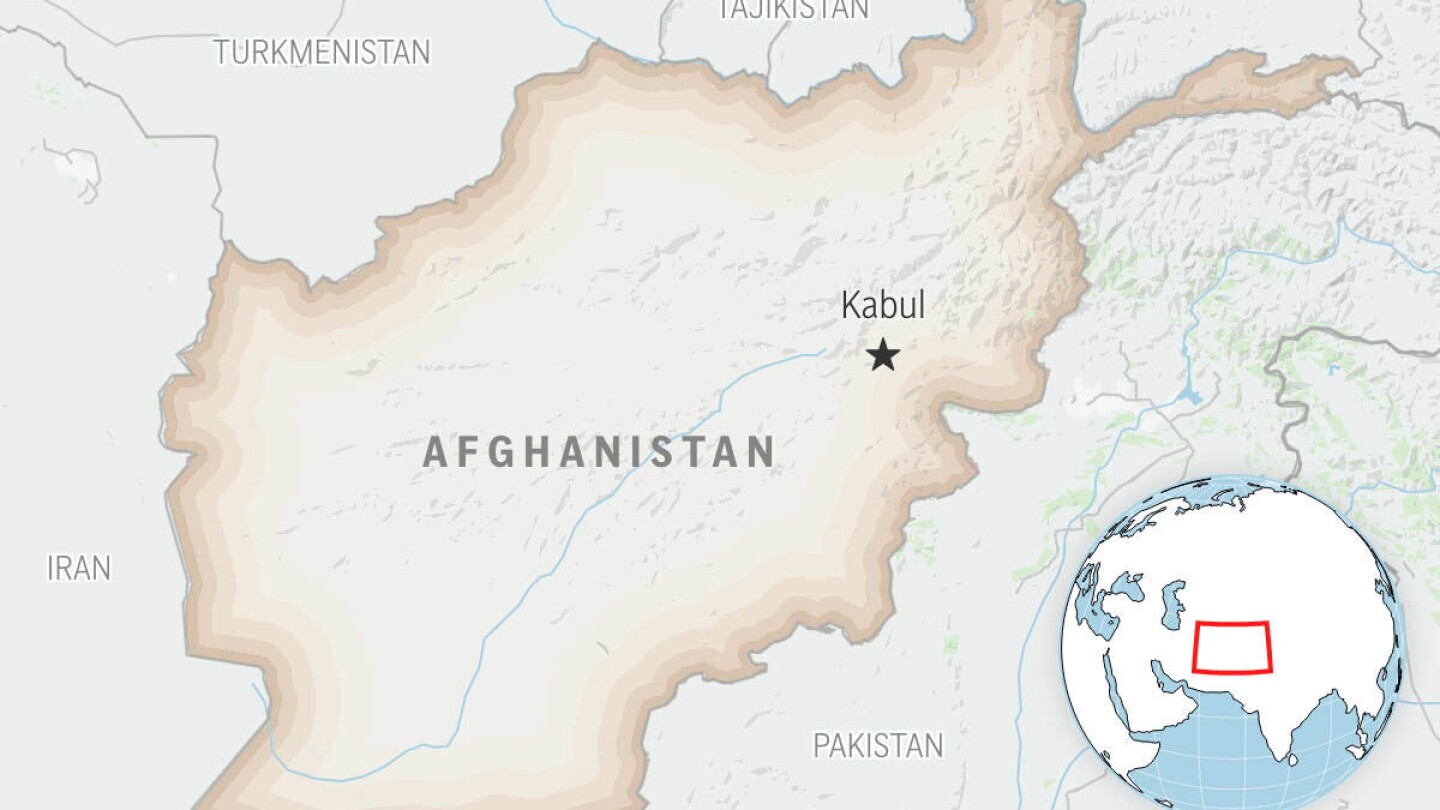
    In a significant diplomatic development, Pakistan and China have jointly called for concrete, demonstrable measures to eradicate terrorist networks operating from Afghan territory. This demand was formalized in a joint statement released following high-level talks between Pakistani Foreign Minister Ishaq Dar and Chinese Foreign Minister Wang Yi in Beijing on December 4.

    The bilateral statement emphasized that terrorist organizations based in Afghanistan continue to represent a severe threat to regional and global security. Both nations stressed the critical importance of preventing Afghan soil from being utilized as a launchpad for militant activities against other countries.

    China specifically commended Pakistan’s comprehensive counterterrorism efforts, particularly highlighting the protection of Chinese citizens and infrastructure associated with the China-Pakistan Economic Corridor (CPEC). This massive infrastructure project, part of China’s Belt and Road Initiative, employs thousands of Chinese workers and engineers developing transportation links between China’s Xinjiang region and Pakistan’s Gwadar port.

    The diplomatic pressure follows increased regional tensions, including a suicide car bombing in 2024 that killed five Chinese nationals in northwest Pakistan. Pakistan has consistently accused Afghanistan’s Taliban government of providing sanctuary to the banned Tehrik-e-Taliban Pakistan (TTP), which has been responsible for escalating attacks within Pakistan since 2021.

    Despite the Taliban’s assurances that Afghan territory isn’t used for cross-border attacks, tensions peaked in early October when Pakistan conducted airstrikes against alleged TTP hideouts in Afghanistan, resulting in dozens of casualties. Afghanistan retaliated with attacks on Pakistani military positions, leading to significant casualties on both sides. While Qatar brokered a temporary ceasefire in Doha, subsequent talks in Istanbul failed to produce substantial diplomatic breakthroughs.

  • BBC documentary captures Guangdong’s wild side

    BBC documentary captures Guangdong’s wild side

    A groundbreaking nature documentary series showcasing Guangdong’s extraordinary ecological diversity has made its global debut, marking an unprecedented collaboration between British and Chinese media organizations. ‘Wild Guangdong,’ a three-part series produced through a partnership between BBC Studios and Guangdong Radio and Television Station, premiered simultaneously across international and domestic platforms in December.

    Employing cutting-edge 4K ultra-high definition technology, the documentary presents an immersive visual journey through Guangdong’s varied ecosystems. The production represents the first time BBC Studios has partnered with provincial-level Chinese media, combining British documentary expertise with local ecological knowledge.

    The series, which required three years of meticulous filming across seasonal cycles, captures rarely-seen wildlife behaviors and landscapes. From the primeval forests of northern Guangdong to the coral reefs of the South China Sea, the documentary team documented over 1,000 animal species and 6,000 plant species that thrive in the region’s unique microclimates and complex terrain.

    Robi Stanton, President of Media and Streaming for BBC Studios Asia-Pacific, described the project as ‘a moving poem of harmonious coexistence’ that illustrates how Guangdong’s 130 million residents maintain ecological balance alongside rapid urban development. The documentary particularly highlights conservation success stories, including protection efforts for Chinese white dolphins and the discovery of a new species of eyelid gecko.

    Beyond its television broadcast on BBC Earth Asia and Chinese networks, the series has reached international audiences through streaming platforms across Southeast Asia, South Korea, Hong Kong, and Taiwan, potentially reaching over 20 million households. Chinese viewers can access the documentary on major platforms including Youku, iQiyi, Tencent Video, and Bilibili.

    Series producer Simon Winchcombe characterized the filming experience as ‘a fascinating journey’ that consistently yielded unprecedented wildlife footage. The documentary ultimately presents not just a catalog of species but compelling narratives about interdependence among life forms and the delicate balance between human progress and environmental preservation.

  • Trump says US needs Greenland ‘for defense’ following strikes on Venezuela

    Trump says US needs Greenland ‘for defense’ following strikes on Venezuela

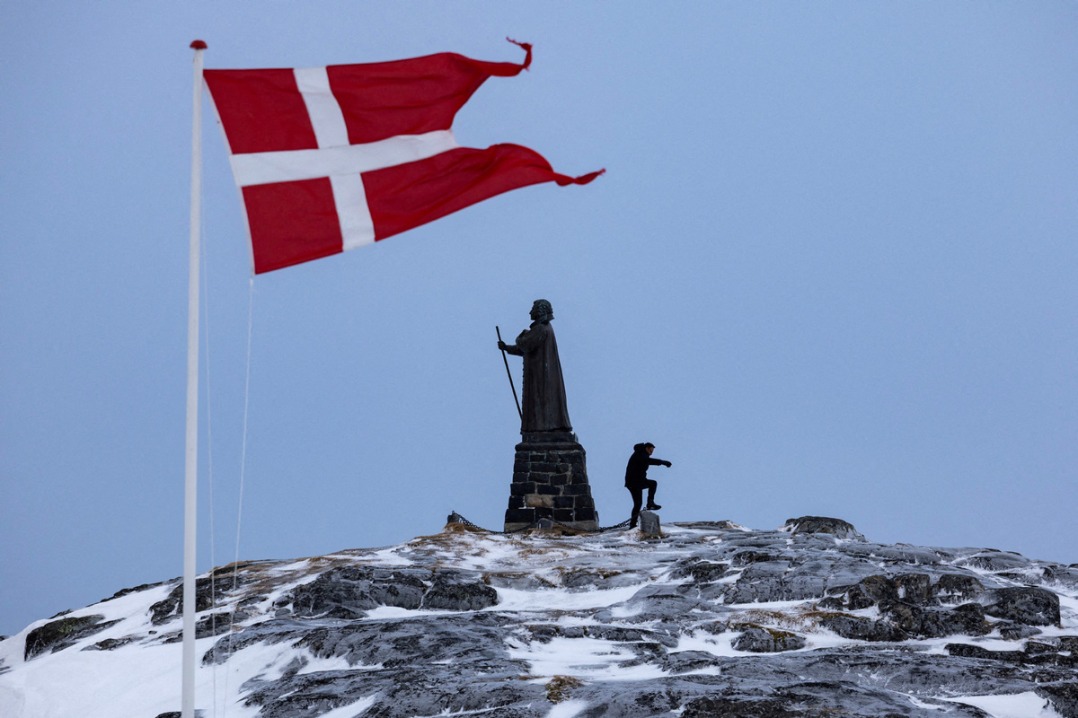
    President Donald Trump has reignited controversy by asserting the United States’ strategic need for Greenland’s territory for national defense purposes. The declaration came during a telephone interview with The Atlantic magazine on Sunday, shortly after U.S. forces conducted a military operation in Venezuela that resulted in the capture of President Nicolás Maduro.

    “We do need Greenland, absolutely,” Trump stated, connecting the Arctic territory’s strategic importance to broader national security concerns. When questioned about potential implications of the Venezuela intervention on Greenland’s status, Trump responded: “It was up to others to decide what the large-scale US strike against Venezuela means to Greenland. They are going to have to view it themselves.”

    The remarks prompted an immediate and forceful response from Danish leadership. Prime Minister Mette Frederiksen issued a direct rebuke, declaring that “the United States has no right to annex” any part of the Danish Realm, which includes Denmark, Greenland, and the Faroe Islands.

    “I have to say it very directly to the United States,” Frederiksen stated, urging Washington to cease making threats against a close ally and the Greenlandic people. This diplomatic tension marks the latest chapter in a recurring pattern of territorial interest expressed by the Trump administration throughout the previous year.

    The White House has consistently justified its Greenland aspirations by citing national security imperatives, Arctic strategy considerations, and the territory’s potential wealth of critical minerals and natural resources. Meanwhile, the international community continues to express profound alarm over the Venezuela operation, with multiple nations condemning what they characterize as blatant use of force against a sovereign state.