作者: admin

  • Alleged Bondi shooter Naveed Akram moved to Goulburn Supermax prison

    Alleged Bondi shooter Naveed Akram moved to Goulburn Supermax prison

    Naveed Akram, the primary suspect in December’s Bondi Beach terrorist shooting, has been relocated to Goulburn Supermax, Australia’s most secure penitentiary facility. The 24-year-old was transferred Monday to the High Risk Management Correctional Centre approximately 190km southwest of Sydney, where he will remain in protective custody while facing extensive criminal charges.

    The alleged perpetrator stands accused of 59 offenses, including commission of a terrorist act, 15 counts of murder, and 40 counts of wounding with intent to murder. The charges stem from the December 14 attack targeting Jewish celebrants during Chanukah by the Sea festivities at Bondi Beach.

    Newly released court documents reveal chilling details of alleged preparation for the attack. CCTV evidence reportedly shows Akram and his father Sajid Akram conducting reconnaissance at the attack location two days prior to the shooting. Further evidence includes October 2025 footage allegedly depicting the pair conducting firearms training in a rural NSW location and appearing before an Islamic State flag while articulating ideological justifications for their planned actions.

    A NSW Government spokesman declined to confirm specific inmate movements but emphasized that “community safety remained the government’s top priority,” noting that the High Risk Management Correctional Center is specifically designed to accommodate inmates posing the highest security risks.

    The case has sparked broader scrutiny of firearm regulations in New South Wales. Retired Senior Constable Wayne Jackson, a former NSW Police Force veteran with three decades of service, has publicly criticized what he describes as systemic failures in the firearms registry system. Jackson contends the compliance-focused approach has created an “unchecked and effectively unlimited supply of firearms” into communities, with approximately 7,500 permits and 1,900 new license applications processed monthly without adequate enforcement capabilities.

    The transfer to Supermax places Akram alongside some of NSW’s most notorious criminals, including convicted murderers Ivan Milat and Malcolm Naden, as well as terrorist Bourhan Hraichie. Akram has not yet been required to enter formal pleas to the charges against him.

  • Bluefin tuna fetches record $3.2m at Tokyo auction

    Bluefin tuna fetches record $3.2m at Tokyo auction

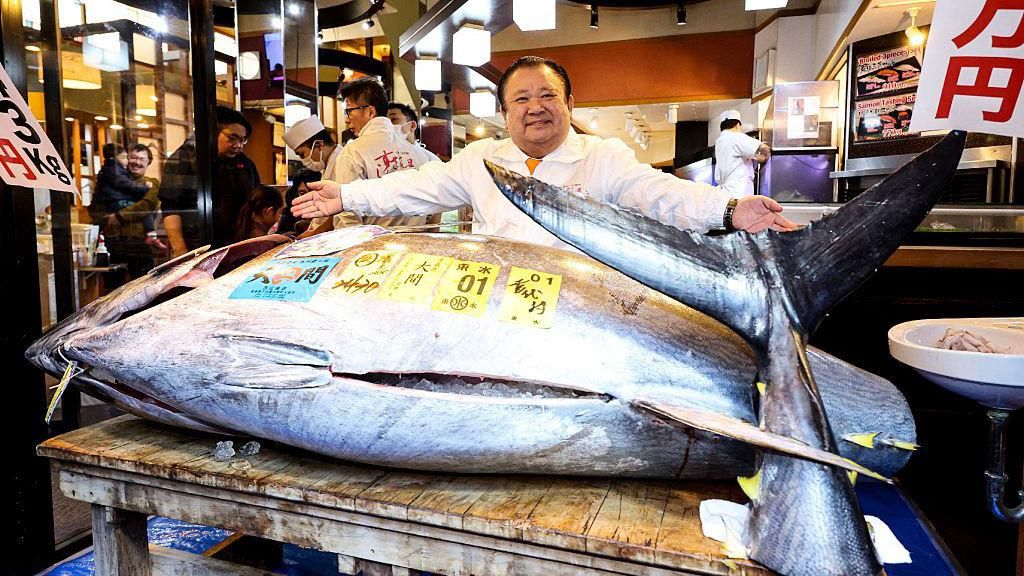
    Tokyo’s Toyosu fish market witnessed an extraordinary start to the new year as a massive 243kg bluefin tuna commanded a staggering 510.3 million yen ($3.2 million) during Monday’s inaugural auction, setting an unprecedented price record. The winning bid came from Kiyomura Corp, the parent company of renowned sushi restaurant chain Sushi Zanmai with both domestic and international locations.

    Kiyoshi Kimura, the corporation’s president and a perennial participant in these ceremonial auctions, secured the prized specimen through his aggressive bidding strategy. Known throughout the industry as the ‘Tuna King,’ Kimura has established a pattern of breaking his own records during these symbolic January events. Despite expressing surprise at the final price, telling reporters he had anticipated a more moderate outcome, the entrepreneur continued his tradition of premium acquisitions.

    This transaction surpasses Kimura’s previous benchmark of 333.6 million yen ($2.1 million) set in 2019, which itself broke his earlier records of 155 million yen in 2013 and 56.5 million yen in 2012. The auction commenced at approximately 05:00 local time, maintaining the tradition of pre-dawn bidding that has become a significant tourist attraction in Tokyo.

    Following the acquisition, the bluefin tuna was promptly transported to Kimura’s sushi establishments where master chefs prepared it for immediate consumption. Patrons expressed delight at participating in the auspicious tradition, with one customer telling reporters that consuming the year’s first premium tuna felt like an ideal way to commence the new year.

    The Toyosu market’s first auction consistently generates premium prices for bluefin tuna, with last year’s opening specimen fetching 207 million yen from competitor Onodera Group. These ceremonial purchases combine business strategy with cultural tradition, as restaurant chains leverage the publicity while honoring Japan’s deep-rooted seafood heritage.

  • Maduro is taken to a US courthouse for his first appearance on drug trafficking charges

    Maduro is taken to a US courthouse for his first appearance on drug trafficking charges

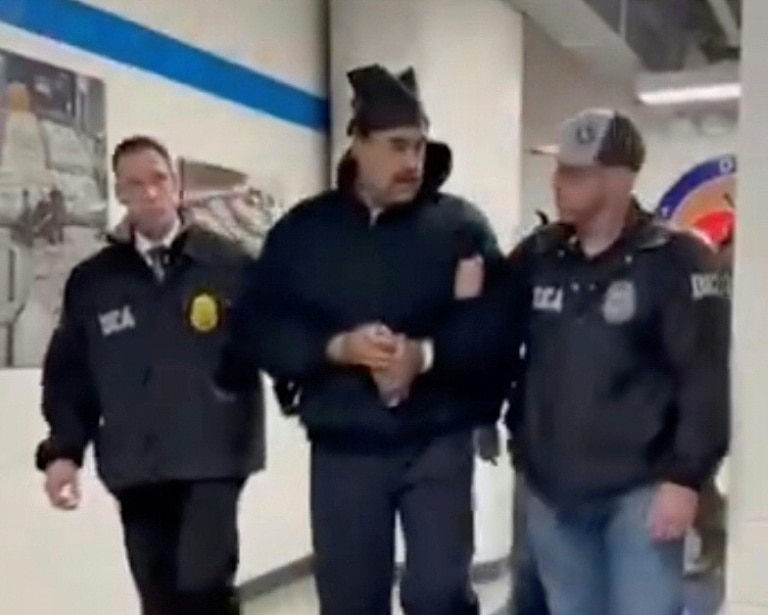
    In an unprecedented legal confrontation, deposed Venezuelan leader Nicolás Maduro and his wife Cilia Flores appeared Monday in a Manhattan federal courtroom to face narco-terrorism charges—marking the first time a former head of state has been brought to the United States under such circumstances since Panamanian strongman Manuel Noriega in 1990.

    The couple, transported under heavy armed guard from Brooklyn’s Metropolitan Detention Center, arrived via a meticulously coordinated operation involving motorcades and helicopter transfer across New York Harbor. Their appearance initiates what legal experts anticipate will be protracted proceedings challenging U.S. jurisdiction over a sovereign leader.

    Maduro’s defense team is expected to mount a vigorous challenge based on head-of-state immunity, despite the U.S. government’s position that his disputed 2024 reelection lacks legitimacy. The case presents complex diplomatic implications as Venezuela’s interim president Delcy Rodríguez has demanded Maduro’s return while simultaneously extending an olive branch for ‘respectful relations’ with the Trump administration.

    The 25-page indictment unsealed Saturday alleges Maduro and associates collaborated with drug cartels to facilitate thousands of tons of cocaine shipments into the United States, while further accusing the couple of ordering kidnappings, beatings, and murders related to drug debts. These charges carry potential life sentences if convicted.

    President Trump’s remarks aboard Air Force One signaled broader regional ambitions, notably threatening Colombian President Gustavo Petro over drug production and demanding ‘total access’ to Venezuela. The administration has clarified it will not govern Venezuela day-to-day but will enforce existing oil quarantine measures.

    Notably, an April U.S. intelligence assessment contradicted portions of the indictment, finding no coordination between the Venezuelan government and the Tren de Aragua criminal organization mentioned in the charges.

  • New Year holiday drives travel peak

    New Year holiday drives travel peak

    China’s tourism sector experienced a powerful resurgence during the three-day New Year holiday period commencing January 1st, 2026, marking the nation’s first significant travel peak of the year. Official data from the Ministry of Culture and Tourism revealed an impressive 142 million domestic tourist excursions generated approximately 84.8 billion yuan ($12.13 billion) in tourism revenue, signaling robust consumer confidence and pent-up travel demand.

    The extended holiday period—two days longer than previous years—provided ample opportunity for diverse travel experiences across the country. From the artistic enclaves of Beijing’s 798 Art District to winter wonderlands in northern counties, Chinese travelers demonstrated increasingly sophisticated preferences. Yan Lijie, a 23-year-old university student from Tianjin, exemplified this trend as she and her dorm mates celebrated New Year’s Eve amidst art exhibitions, fairs, and performances in the capital.

    Industry experts noted a remarkable diversification in tourism consumption patterns. Qi Chunguang, Vice-President of travel portal Tuniu, observed that ‘younger travelers show stronger preferences for concerts, music festivals, drone shows or fireworks displays to count down to the new year.’ This generational shift toward experiential tourism was reflected in booking data from platform Qunar, which reported hotel reservations tripling in destinations like Kaifeng, Henan province, driven by Chinese-style theme parks.

    The revival extended beyond major metropolitan areas, with travelers venturing to over 1,000 counties nationwide—from the tropical warmth of Nan’ao in Guangdong to the snowy landscapes of Antu in Jilin. International travel also witnessed substantial growth, with Chinese tourists favoring short-haul destinations including Seoul, Bangkok, and Hong Kong. Simultaneously, China attracted visitors from 97 cities worldwide, particularly from neighboring Vietnam, Singapore, and Malaysia, with significant increases from Saudi Arabia, Uzbekistan, and the United States.

    According to the National Immigration Administration, approximately 6.62 million cross-border movements were recorded during the holiday period, including 828,000 trips by foreign nationals—a striking 29.8% year-on-year increase, underscoring China’s reopening and growing appeal as a global tourism destination.

  • India’s top court denies bail to 2 Muslim activists after 5 years in jail without trial

    India’s top court denies bail to 2 Muslim activists after 5 years in jail without trial

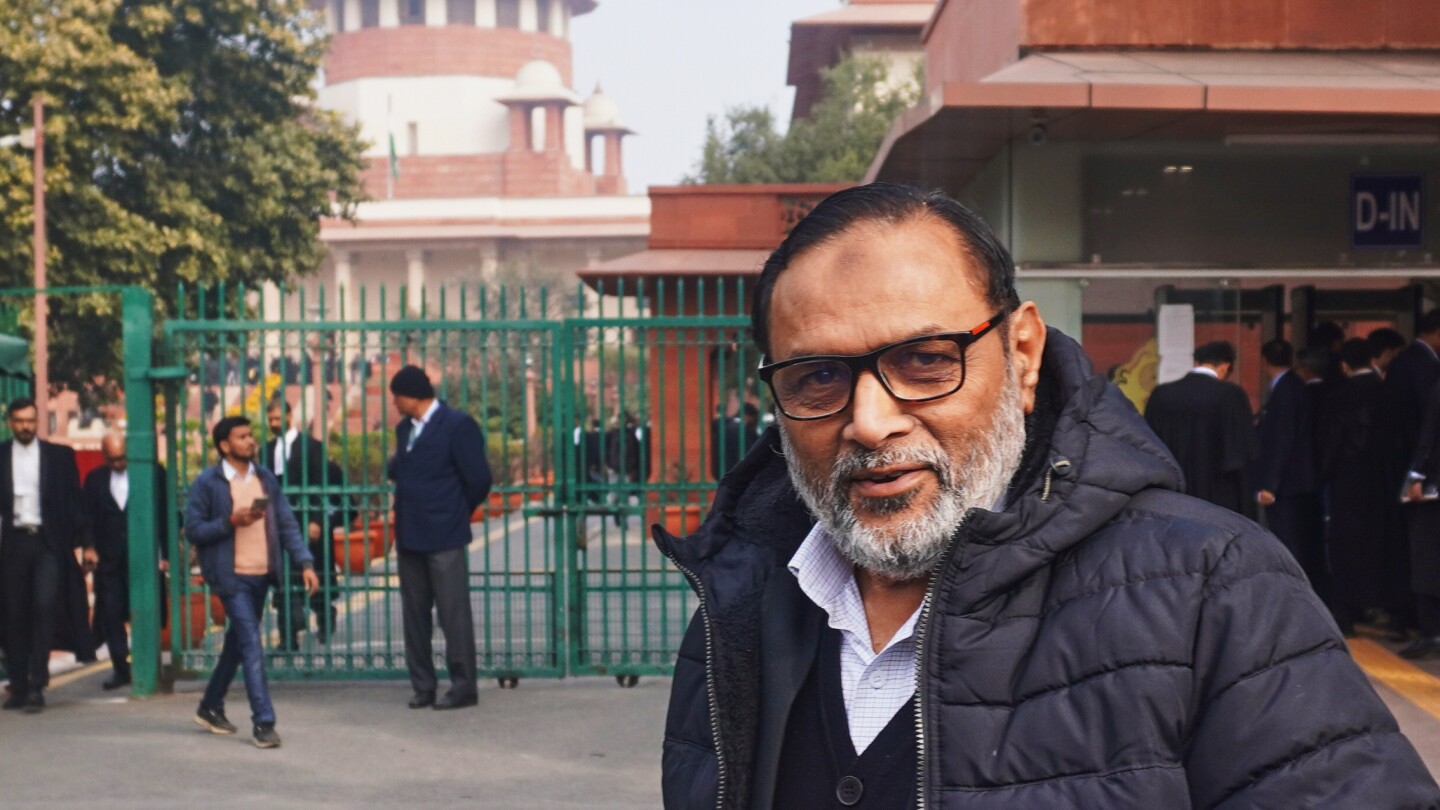
    India’s Supreme Court has upheld the continued detention of two prominent Muslim student activists, Umar Khalid and Sharjeel Imam, rejecting their bail applications in a controversial conspiracy case connected to the nation’s deadliest religious violence outbreak in decades. The justices determined that both individuals occupied a “qualitatively different footing” compared to other defendants in the same investigation, citing their alleged central involvement in orchestrating the February 2020 Delhi riots that resulted in 53 fatalities, predominantly within the Muslim community.

    The court acknowledged the significant delay in trial proceedings but maintained that this circumstance alone did not justify granting pretrial release. The violence erupted during extensive protests against the Citizenship Amendment Act of 2019, legislation widely criticized for its perceived discriminatory provisions against Muslims. Khalid and Imam emerged as leading voices in these demonstrations, which represented one of the most substantial challenges to Prime Minister Narendra Modi’s Hindu nationalist administration.

    Their continued incarceration under the Unlawful Activities (Prevention) Act—a stringent anti-terrorism statute increasingly deployed against government critics—has drawn international condemnation. Recent expressions of concern from eight U.S. lawmakers joined previous criticisms from human rights organizations alleging systematic suppression of dissent. Amnesty International characterized Khalid’s imprisonment as emblematic of justice system derailment and a broader pattern of repressing freedom of expression.

    Notably, the prosecution argued that the defendants deliberately engineered violence to damage India’s global reputation, while defense attorneys maintained the complete absence of credible evidence connecting their clients to the riots. This case occurs alongside numerous similar prosecutions of Muslim individuals following the Delhi violence, some of which have collapsed due to insufficient evidence.

  • Trump declares US ‘in charge’ of Venezuela and Maduro goes to court

    Trump declares US ‘in charge’ of Venezuela and Maduro goes to court

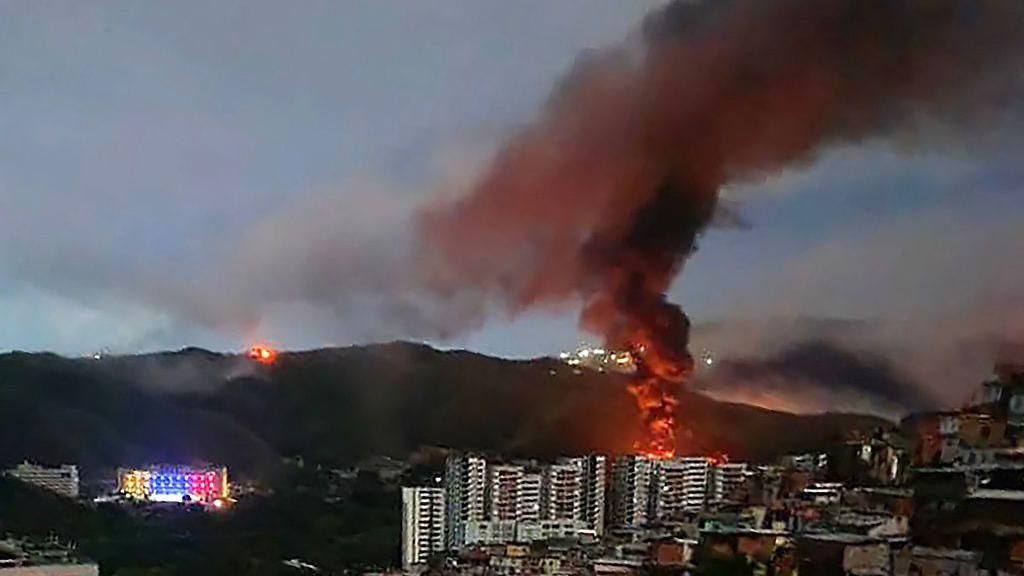
    In a dramatic escalation of geopolitical tensions, former President Donald Trump has declared the United States to be ‘in charge’ of Venezuela, following a military operation that resulted in the capture of the nation’s deposed leader, Nicolás Maduro. The 63-year-old leftist strongman, along with his wife, was apprehended in a surprise assault involving commandos, aerial bombardment, and significant naval deployment off Venezuela’s coast. He now faces narcotrafficking charges in a New York courtroom.

    The operation has triggered international outcry, prompting the UN Security Council to convene an emergency session at Venezuela’s request. Nations including China, Russia, and Iran condemned the action as a breach of international law, while some US allies expressed deep concern over the unilateral move. Chinese officials demanded Maduro’s immediate release, and Colombian President Gustavo Petro labeled the intervention an ‘assault on the sovereignty’ of Latin America, warning of potential humanitarian consequences.

    In a surprising diplomatic shift, Delcy Rodríguez, Maduro’s successor and interim leader, softened her initial defiant stance and extended an offer of cooperation to the Trump administration. This conciliatory gesture came mere hours after Trump issued a stark warning, threatening that she would face a ‘very big price, probably bigger than Maduro’ if she resisted US demands. Trump explicitly stated that Washington requires ‘total access’ to Venezuela’s vast oil reserves and other resources, framing it as essential for rebuilding the nation.

    The White House has clarified that its objective is not wholesale regime change but rather the installation of a compliant government, even if it includes former associates of Maduro. Secretary of State Marco Rubio emphasized that the US seeks a pragmatic assessment of the new leadership’s actions rather than an immediate return to democracy. This stance has left the Venezuelan opposition, which claims it was robbed of electoral victory, in a precarious position, with key figures stating that US intervention alone is insufficient without the release of political prisoners and recognition of their electoral win.

    Despite the withdrawal of ground forces, a formidable US naval presence, including an aircraft carrier, remains stationed near Venezuela. The Trump administration asserts that it maintains powerful economic leverage through an oil tanker blockade and has threatened further military action if necessary. The event has sparked domestic concern in the US, with Senate Democratic Leader Chuck Schumer noting that Americans were left ‘scratching their heads in wonderment and in fear’ over the administration’s strategy.

  • Thirty-two Cubans killed during US attack on Venezuela

    Thirty-two Cubans killed during US attack on Venezuela

    The Cuban government has confirmed the deaths of 32 nationals during a U.S. military operation targeting Venezuelan leader Nicolás Maduro’s compound in Caracas. According to official statements, the deceased were members of Cuba’s armed forces and intelligence agencies who had been providing security protection to Maduro and his wife at Venezuela’s request. The Cuban presidency described the fatalities as occurring ‘after fierce resistance’ during direct combat with American forces or resulting from aerial bombardments.

    While Venezuela has not released official casualty figures, unnamed sources cited by The New York Times suggest the death toll may reach 80 with numbers potentially rising. The operation, which resulted in Maduro’s capture on Saturday, has triggered two days of national mourning in Cuba and raised questions about potential U.S. actions against other adversarial nations.

    In response to developments, President Donald Trump indicated military action against Cuba would be unnecessary, stating the country appeared ‘ready to fall’ without intervention. Secretary of State Marco Rubio meanwhile characterized Cuba’s leadership as ‘incompetent, senile men’ and suggested government officials in Havana should be concerned.

    This incident occurs against the backdrop of tightened U.S. restrictions on Cuba, with Trump having signed a memorandum in July reversing earlier policies that eased pressure on the Caribbean nation. The current administration has maintained economic practices that specifically target Cuban government, military, and intelligence agencies while strengthening enforcement of travel restrictions for American citizens.

    The longstanding U.S. embargo on Cuba, initially imposed in 1962 and continuously maintained despite United Nations calls for its termination, continues to shape bilateral relations between the two nations.

  • Initiative sets clear course for Yangtze

    Initiative sets clear course for Yangtze

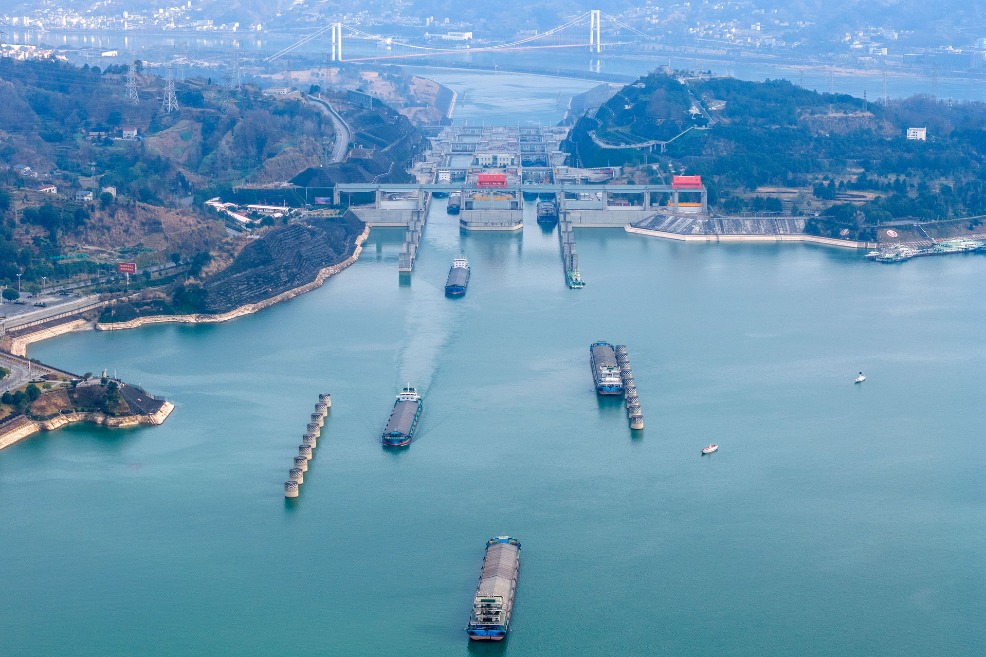
    A profound ecological transformation is underway along China’s Yangtze River, where former fishermen have become guardians of the nation’s ‘mother river.’ In Hukou county, Jiangxi province, a 16-member patrol team led by 58-year-old Shu Yin’an vigilantly monitors the confluence of the Yangtze and Poyang Lake, protecting endangered finless porpoises and combating illegal fishing activities.

    Shu’s personal journey mirrors the river’s remarkable turnaround. ‘My family relied on fishing for generations,’ he recalled, ‘but overfishing devastated the ecosystem until we could scarcely survive.’ His concern that future generations might never witness fish in the Yangtze prompted him to join the patrol team when it formed in 2017.

    This transformation stems from President Xi Jinping’s strategic vision initiated at the first Yangtze River Economic Belt symposium in Chongqing on January 5, 2016. Xi established a groundbreaking principle: ‘Restoring the ecological environment of the Yangtze River should be an overriding priority. We must focus on joint protection and avoid excessive development.’

    The implementation of this vision has been systematic and comprehensive. In 2020, a decade-long fishing ban took effect in key waters, transitioning over 230,000 fishermen like Shu to new livelihoods with government support. The 2016 master plan formally embedded ‘ecological priority, green development’ as foundational principles, marking a fundamental shift from industrial expansion at environmental expense.

    Tangible results emerge across the river basin. Chongqing’s Guangyang Isle, once threatened by massive real estate projects covering 3 million square meters, has undergone comprehensive ecological restoration since 2017. The island now welcomes returning residents and tourists alike, demonstrating successful environmental rehabilitation.

    Chemical pollution, which President Xi described as leaving the river ‘seriously ill’ in 2018, has been systematically addressed. One notable case involved a major chemical company fined 27 million yuan ($3.86 million) in 2016—the largest environmental penalty in the basin’s history. The company subsequently invested 100 million yuan in advanced pollution control facilities, achieving both environmental remediation and industrial upgrading.

    Over the past decade, President Xi has conducted approximately 30 inspection tours along the Yangtze and chaired four pivotal symposiums to steer the economic belt’s development. The strategy has evolved into a multidimensional framework encompassing high-quality development, innovation-driven growth, and regional coordination.

    During the 14th Five-Year Plan period (2021-25), the Yangtze River Economic Belt—contributing nearly half of China’s GDP and hosting over 40% of its population—has emerged as a national model for high-quality development. The region has strengthened its technological innovation capabilities, established 196 national smart manufacturing demonstration factories, and nurtured 1,738 innovative ‘little giant’ enterprises.

    Experts envision a ‘colorful’ development pathway during the 15th Five-Year Plan period (2026-30), driven by innovation and consumption rather than traditional factors. This comprehensive approach demonstrates China’s successful integration of ecological conservation with sustainable economic advancement along its most vital waterway.

  • Police hunt trio who allegedly hurled bricks from Melbourne overpass, leaving woman injured and cars damaged

    Police hunt trio who allegedly hurled bricks from Melbourne overpass, leaving woman injured and cars damaged

    Victoria Police have initiated a comprehensive manhunt for three unidentified youths following a dangerous incident where bricks were deliberately thrown from a highway overpass in Melbourne’s southeastern suburbs. The reckless act occurred in the early hours of Saturday morning along the Princes Highway in Springvale, resulting in significant property damage and physical injury.

    According to police reports, the incident transpired shortly before 1:00 AM when the suspects were observed on surveillance footage launching bricks from the elevated structure onto moving traffic below. The projectiles struck multiple vehicles with devastating effect—two cars sustained direct impacts through their windshields while three additional vehicles suffered various forms of damage. The most serious consequence involved brick debris causing multiple tire punctures among several automobiles.

    The most alarming outcome involved a female motorist who required immediate medical attention from paramedics to carefully extract glass fragments from her eyes following the windshield impact. Authorities have confirmed that while her injuries were classified as minor, the potential for catastrophic consequences remained significantly high.

    Detective Senior Constable Simon Jacobs issued a stern warning regarding the severity of such actions, emphasizing that throwing objects from overpasses constitutes far from harmless behavior. ‘This incident unequivocally demonstrates that such reckless actions carry grave and potentially fatal repercussions,’ Jacobs stated. ‘We consider it extremely fortunate that only one person sustained relatively minor injuries, as the outcome could have easily turned tragic.’

    The investigation remains active with detectives urging the perpetrators to demonstrate accountability and come forward voluntarily. Law enforcement officials have also made a public appeal for any witnesses or individuals with additional information, including possible video evidence, to contact Crime Stoppers immediately to assist in identifying the suspects captured on nearby CCTV footage.

  • UK starts ban on junk food ads on daytime TV and online

    UK starts ban on junk food ads on daytime TV and online

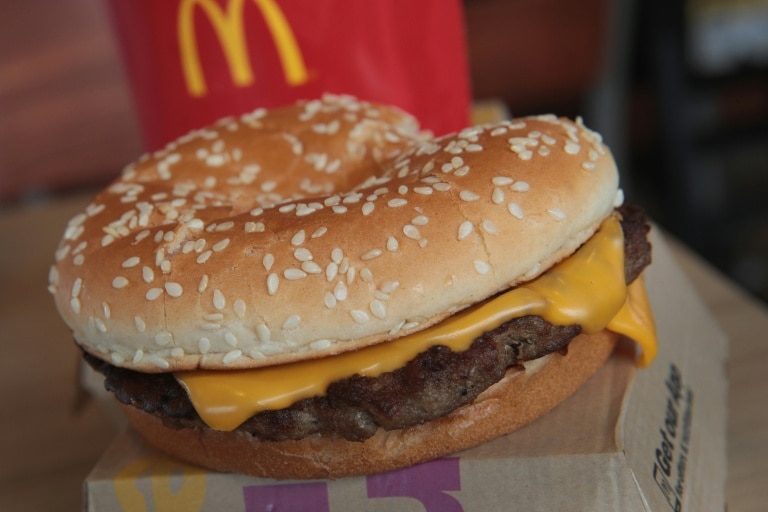
    The United Kingdom has enacted a groundbreaking regulatory measure prohibiting advertisements for foods high in fat, salt, or sugar (HFSS) during daytime television broadcasts and across digital platforms. Effective October 1st, 2025, this initiative represents the government’s most ambitious effort to combat childhood obesity through advertising restrictions.

    According to the Department of Health and Social Care, the comprehensive ban—applying to all commercials before the 9:00 PM watershed and paid digital promotions—is projected to eliminate approximately 7.2 billion calories annually from children’s dietary intake. Officials estimate this reduction will prevent roughly 20,000 cases of childhood obesity while generating approximately £2 billion (USD $2.7 billion) in long-term healthcare savings.

    The policy implementation follows earlier anti-obesity measures including the extension of the sugar tax to pre-packaged beverages such as milkshakes, ready-to-drink coffees, and sweetened yogurt drinks. Additionally, local authorities have been empowered to restrict the establishment of fast-food outlets in proximity to school premises.

    Government research indicates that advertising significantly influences children’s eating habits, shaping food preferences from early childhood and increasing susceptibility to obesity-related health complications. Current statistics reveal that 22% of children entering primary education in England (typically age five) are overweight or obese, with this figure escalating to over one-third by secondary school transition (age 11).

    Health Minister Ashley Dalton emphasized that “limiting junk food advertisements before watershed hours and eliminating paid digital promotions will substantially reduce children’s exposure to unhealthy dietary influences.” The minister further noted this initiative aligns with the National Health Service’s strategic shift toward preventive healthcare measures.

    Public health advocates have welcomed the regulatory change. Katharine Jenner of the Obesity Health Alliance described it as “a commendable and long-anticipated advancement in safeguarding children’s health from harmful food marketing practices.” Diabetes UK CEO Colette Marshall highlighted the particular significance for type 2 diabetes prevention, noting the condition’s increasing prevalence among youth and its association with severe complications including renal failure and cardiovascular disease.