作者: admin

  • Russian attacks kill 2 in Kyiv as diplomatic efforts to end the war in Ukraine gain momentum

    Russian attacks kill 2 in Kyiv as diplomatic efforts to end the war in Ukraine gain momentum

    KYIV, Ukraine — A deadly barrage of Russian missiles and drones struck Ukraine’s capital in the early hours of Saturday, resulting in multiple casualties and infrastructure damage just as diplomatic efforts to end the conflict intensified. According to Kyiv’s military administration, the assault killed at least two civilians and wounded 29 others, with falling debris from intercepted drones causing significant damage to residential structures in the western districts.

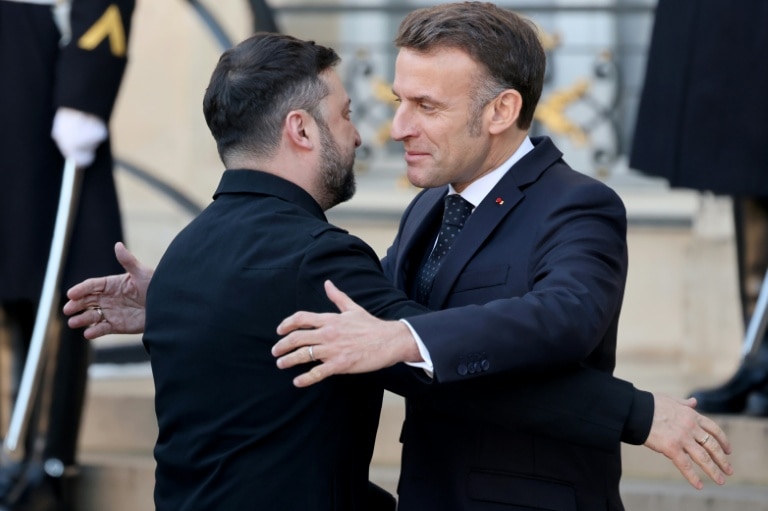
    The attack coincided with preparations for high-stakes peace negotiations between Ukrainian and American officials scheduled for the weekend. An anonymous official from Ukraine’s presidential administration confirmed that diplomatic teams were set to meet in the United States, followed by anticipated talks between U.S. representatives and Russian President Vladimir Putin in Moscow later next week.

    This diplomatic push follows former President Donald Trump’s recently unveiled 28-point peace proposal, which has drawn criticism for its perceived favorability toward Russian interests. The proposal prompted urgent consultations from European leaders concerned about the implications of potential concessions to Moscow.

    In a related development, Ukrainian President Volodymyr Zelenskyy announced the resignation of his chief of staff Andrii Yermak, who also served as lead negotiator with U.S. counterparts. The departure followed an unprecedented anti-corruption search of Yermak’s residence, creating potential complications for Ukraine’s negotiating position during a period of intense diplomatic pressure.

    Trump confirmed the deployment of special envoys Steve Witkoff and Army Secretary Dan Driscoll to facilitate discussions with Russian and Ukrainian officials respectively, while suggesting the possibility of direct leader-level talks pending progress in preliminary negotiations.

  • Natl capacity to recycle now exceeds supply

    Natl capacity to recycle now exceeds supply

    China has developed substantial recycling capabilities for retired renewable energy equipment that now significantly exceed the nation’s current waste volumes, leaving specialized recycling plants operating below capacity. This revelation came from Guo Yijun, Director-General of the Ministry of Ecology and Environment’s Department of Solid Wastes and Chemicals, during a recent press conference.

    According to official projections, China anticipates processing approximately 1.5 to 2 million metric tons of decommissioned photovoltaic modules, 500,000 tons of wind turbine blades, and 1 million tons of power batteries by 2030. These estimates, however, are based on product lifespans and may not fully reflect actual disposal levels as some equipment will find secondary markets for reuse.

    The nation’s recycling infrastructure has expanded rapidly, with current annual capacity reaching approximately 2 million tons for solar panels and about 1 million tons for wind turbine components. Additionally, 148 Ministry of Industry and Information Technology-certified companies now possess a combined annual capacity of 2.5 million tons for processing discarded power batteries.

    Guo addressed concerns that China’s rapidly expanding renewable energy sector might generate unmanageable waste streams, noting that the current reality demonstrates the opposite situation—recycling capacity outstrips supply. He described the phenomenon using the Chinese expression “cannot eat their fill,” indicating recycling facilities are operating below their potential.

    The official also highlighted China’s robust capacity for recycling conventional discarded products, including home appliances and vehicles. More than 90 qualified enterprises with a combined annual capacity of 180 million units recycled approximately 95 million home appliances in 2024, generating nearly 2 million tons of recycled materials. Similarly, China’s network of over 1,900 certified end-of-life vehicle recycling facilities processed 8.46 million vehicles in 2024, representing a 64 percent year-on-year increase.

    Despite these advancements, Guo cautioned about emerging overcapacity risks in vehicle dismantling, noting that regional commerce authorities have repeatedly warned market participants to make rational investment decisions to prevent resource waste and disorderly competition.

  • Three days of mourning begin after Hong Kong’s deadliest fire in decades

    Three days of mourning begin after Hong Kong’s deadliest fire in decades

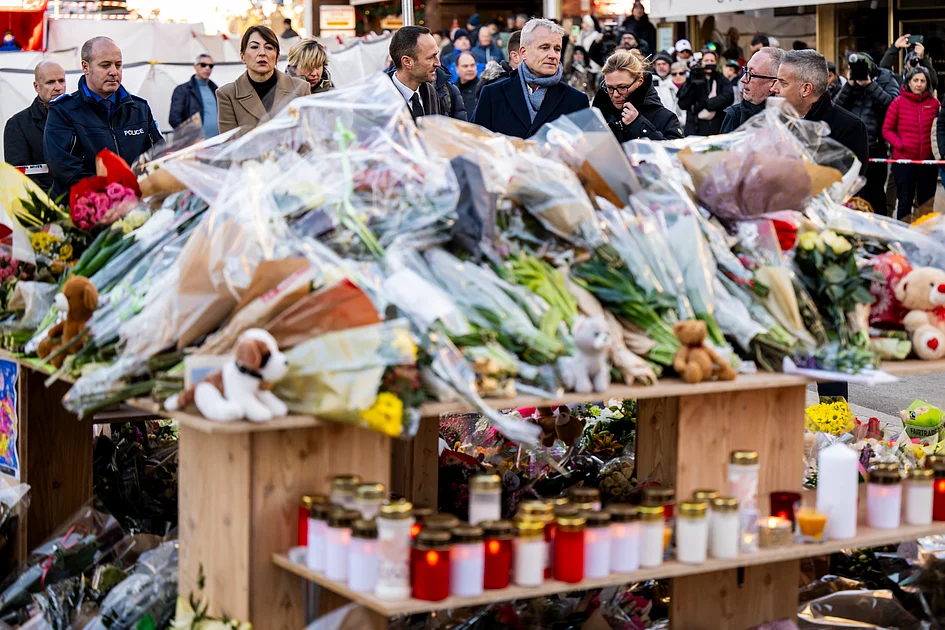
    Hong Kong has commenced an official three-day mourning period following the deadliest structural fire to strike the city in over eight decades. The solemn observance began Saturday morning with a ceremony outside government headquarters, where city leader John Lee and other senior officials stood in silent tribute for three minutes. National and regional flags were lowered to half-mast across the territory as the confirmed death toll reached 128 individuals, with hundreds more still unaccounted for following Wednesday’s devastating blaze.

    The fire rapidly consumed multiple towers within the Wang Fuk Court residential complex, originally constructed in 1983 to house approximately 4,600 residents across 1,984 apartments. Despite the efforts of more than 2,000 firefighters who battled the flames for nearly 48 hours, the inferno spread through seven of the complex’s eight tower blocks. Preliminary investigations indicate that polystyrene materials and protective netting installed during renovation work contributed to the fire’s rapid escalation, exacerbated by the bamboo scaffolding enveloping the structures.

    Authorities have launched multiple investigations into the tragedy, resulting in eleven arrests to date. Three individuals face manslaughter charges while eight others—including engineering company directors and scaffolding subcontractors—were detained Friday on suspicion of corruption related to the renovation project. The Independent Commission Against Corruption (ICAC) is leading the corruption probe amid public outrage over alleged safety violations.

    Hong Kong’s Labour and Welfare Secretary Chris Sun revealed that government inspectors had conducted 16 separate safety checks at Wang Fuk Court since renovation work began in July 2024. Residents however reported malfunctioning fire alarms and apparent negligence by the renovation contractors. The government has established public memorial sites throughout Hong Kong where citizens can pay respects and sign condolence books, as investigators continue evidence collection at the disaster scene.

  • Beijing passes new regulations to protect Great Wall

    Beijing passes new regulations to protect Great Wall

    The Beijing Municipal Government has enacted groundbreaking legislation specifically designed to safeguard one of humanity’s most iconic historical monuments. On November 28, 2025, the Standing Committee of the Beijing Municipal People’s Congress approved comprehensive new regulations that establish robust legal frameworks for the protection, management, and cultural preservation of the Great Wall segments within China’s capital territory.

    This pioneering legislation, scheduled to take effect on March 1, 2026, represents China’s first specialized regulatory framework for Great Wall conservation since the comprehensive revision of the national Law on the Protection of Cultural Relics earlier in 2025. The regulations establish precise jurisdictional boundaries encompassing not only the physical structure of the Wall itself but also extend protection to associated cultural artifacts and the surrounding environmental landscape.

    A significant aspect of the new legislation mandates enhanced collaborative preservation efforts across the Beijing-Tianjin-Hebei regional corridor and calls for coordinated conservation strategies among all provincial-level administrations along the Great Wall’s extensive route. This regional cooperation mechanism aims to address conservation challenges through a unified approach rather than fragmented local initiatives.

    The Beijing section of this UNESCO World Heritage Site presents particular conservation challenges, spanning six administrative districts—Pinggu, Miyun, Huairou, Changping, Yanqing, and Mentougou—with a combined length exceeding 520 kilometers. This portion comprises 461 distinct segments whose construction dates range from the Northern Qi Dynasty (550-557 AD) through the Ming Dynasty (1368-1644 AD). The Badaling segment, among the most visited sections, received UNESCO World Heritage designation in 1987, underscoring the global significance of these preservation efforts.

  • Death toll from floods and mudslides in Sri Lanka rises to 123, with 130 people still missing

    Death toll from floods and mudslides in Sri Lanka rises to 123, with 130 people still missing

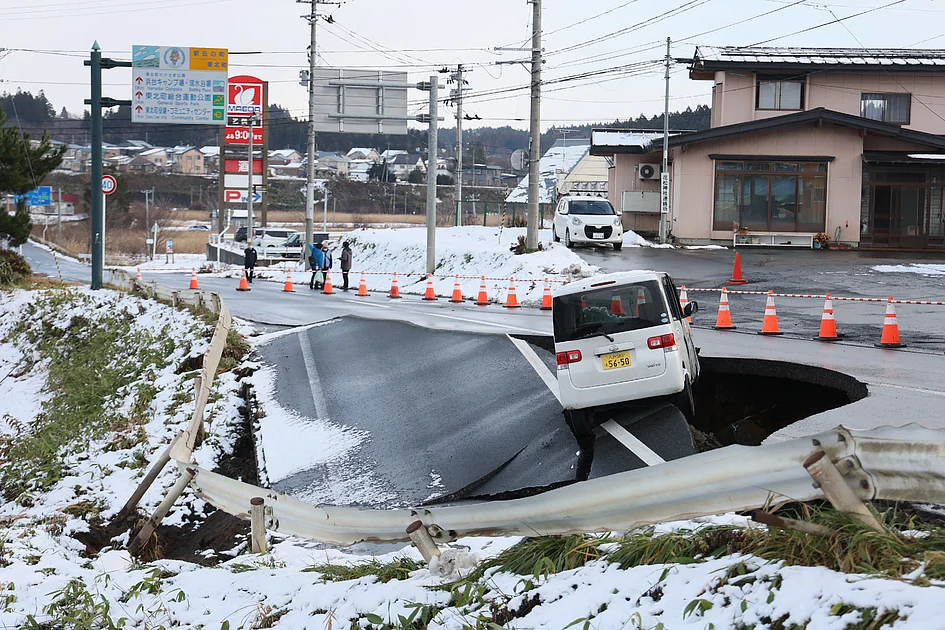
    COLOMBO, Sri Lanka — Catastrophic flooding and devastating mudslides triggered by Cyclone Ditwah have claimed 123 lives in Sri Lanka, with approximately 130 individuals still unaccounted for, according to official reports released Saturday. The nation’s disaster management center confirmed that the severe weather event has forced nearly 44,000 residents from their homes, now seeking refuge in emergency shelters.

    The tropical cyclone, which intensified in the eastern seas bordering Sri Lanka, has unleashed relentless downpours since last week, with conditions dramatically deteriorating on Thursday. The torrential rains have submerged residential areas, agricultural fields, and critical transportation infrastructure while triggering catastrophic landslides predominantly in the central highlands renowned for tea cultivation.

    Authorities anticipate the death toll will continue to rise as emergency teams struggle to access multiple regions cut off by overnight mudslides, as evidenced by social media documentation of the widespread destruction. In response to the escalating crisis, the Sri Lankan government has implemented widespread closures of educational institutions and public offices while postponing scheduled examinations.

    Critical infrastructure has suffered extensive damage with most reservoirs and river systems overflowing their banks. Numerous roadways have been rendered impassable due to debris accumulation including rocks, mudslides, and fallen trees, prompting authorities to suspend passenger rail services and implement widespread road closures across affected regions.

    By Friday, floodwaters moving downstream from the hardest-hit central regions began inundating areas surrounding the capital city of Colombo, which had experienced relatively less rainfall. Meteorological officials indicate Cyclone Ditwah is projected to track toward India’s southern coastline by Sunday, with Sri Lanka expected to experience continued rainfall as the storm system passes over the country’s northern territories.

  • An archaeologist is racing to preserve Sudan’s heritage as war threatens to erase its cultural past

    An archaeologist is racing to preserve Sudan’s heritage as war threatens to erase its cultural past

    In the subdued lighting of Paris’s French National Institute for Art History, Sudanese archaeologist Shadia Abdrabo meticulously examines photographic evidence of Neolithic pottery dating back to 7,000 B.C. Her presence in France represents a critical emergency mission: to create a comprehensive digital inventory of Sudan’s cultural heritage while her homeland suffers devastating conflict.

    The devastating civil war between Sudan’s Rapid Support Forces (RSF) and Sudanese Armed Forces (SAF), erupting in April 2023, has precipitated a cultural catastrophe of unprecedented scale. Multiple museums have been systematically looted and destroyed, including the regional museums in El Geneina and Nyala which were nearly obliterated. Most alarmingly, Khartoum’s National Museum—housing approximately 100,000 artifacts spanning millennia—was ransacked by militias who documented their destruction through social media videos.

    This institution contained priceless treasures including prehistoric relics from the Kerma Kingdom, artifacts from the Napatan era of Kushite rule, remains of the pyramid-building Meroitic civilization, and later Christian and Islamic collections. Among the most significant losses were mummies dating to 2,500 B.C.—some of the world’s oldest and most archaeologically important—along with royal Kushite treasures.

    UNESCO has raised urgent alarms about the systematic plundering, noting the threat to Sudanese culture has reached unprecedented levels. According to cultural heritage advocate Ali Nour, protective measures proved tragically insufficient: “While applications were being drafted, sites were being emptied. While risk assessments were reviewed, entire archives vanished.”

    Abdrabo’s personal connection intensifies her mission. “I’m from Nubia, from the north, an area filled with monuments, archaeological sites and ancient life,” she explains, referencing a region that once rivaled ancient Egypt in power and wealth. Having fled Khartoum with her sisters as conditions deteriorated, she now works against time with funding until April 2026 to complete her digital preservation project.

    The challenge is monumental. Datasets arrive in various formats—spreadsheets, handwritten inventories, decades-old photographs—and she has documented merely 1,080 objects thus far, representing approximately 20% of the national museum’s collection alone. Despite support from institutions like the Louvre and British Museum, the task remains overwhelmingly solitary.

    International response has been hampered by insufficient media coverage compared to similar cultural emergencies in Afghanistan and Iraq, according to researcher Meryam Amarir. However, the recently established Sudan Cultural Emergency Recovery Fund, involving institutions like the University of Michigan’s Kelsey Museum, aims to coordinate global recovery efforts.

    Geoff Emberling of the Kelsey Museum emphasizes the historical significance: “Ancient Sudan was connected through trade and military activity with Egypt, the Mediterranean world and Mesopotamia, and was the source of much of the gold available in the region. If we’re interested in these ancient cultures, then we have to be interested in Sudan.”

    For Abdrabo, the emotional weight is palpable. “I cry when I talk about this,” she confesses. “My only goal is to bring back as much as possible, to do as much as I can for Sudan.” Beyond immediate destruction, she fears the war’s consequences—displaced populations, militia activity—will continue endangering cultural artifacts long after hostilities cease. Her database represents both a race against time and an act of cultural resistance, preserving what remains of Sudan’s heritage for future generations.

  • Pope visits Istanbul’s Blue Mosque at start of day of meetings with Turkey’s religious leaders

    Pope visits Istanbul’s Blue Mosque at start of day of meetings with Turkey’s religious leaders

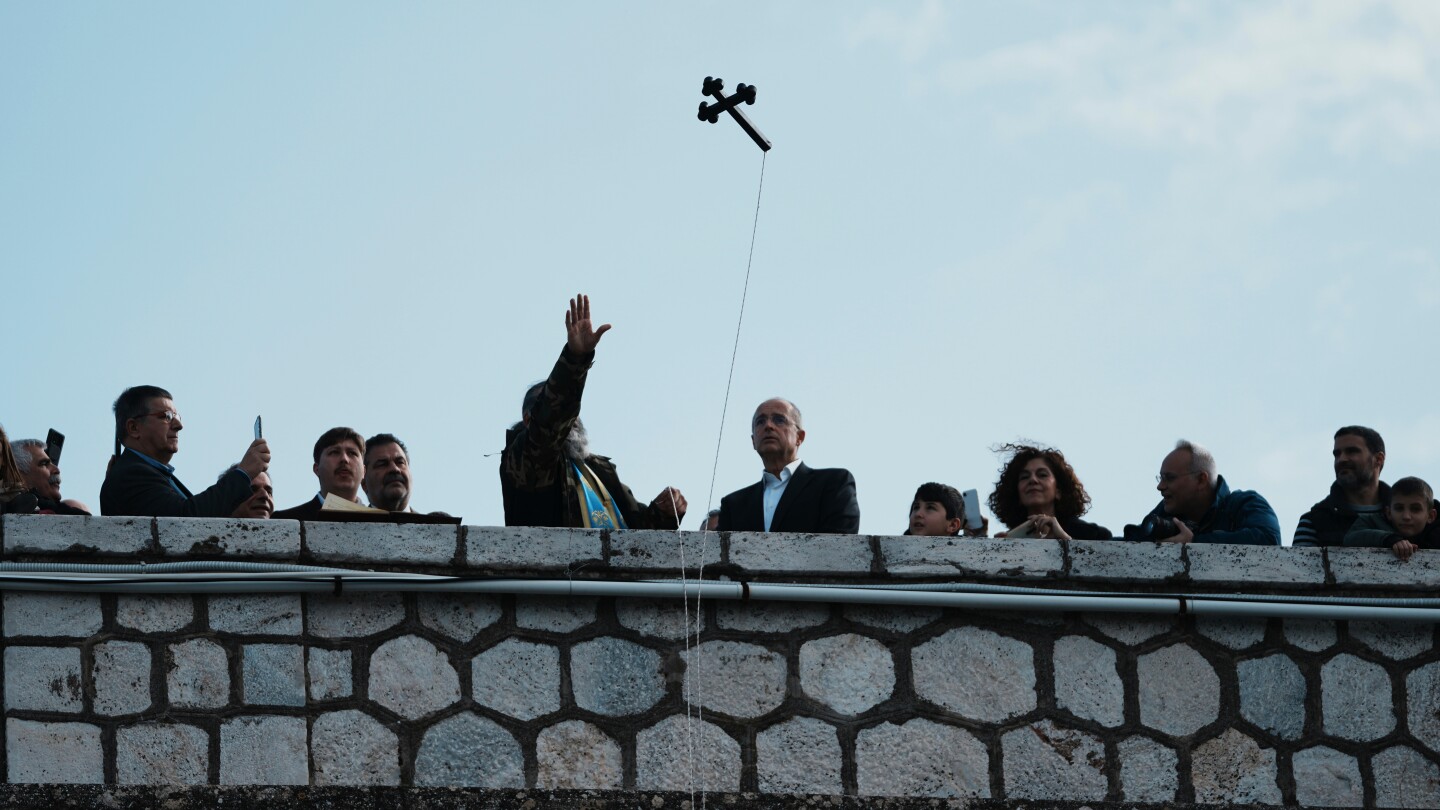
    ISTANBUL, Turkey — Pope Leo XIV commenced an intensive day of diplomatic and spiritual engagements in Istanbul on Saturday with a symbolically significant visit to the iconic Blue Mosque. The pontiff, following traditions established by his predecessors, toured the magnificent Ottoman-era mosque accompanied by Turkey’s head of religious affairs, who explained the architectural details including its soaring tiled dome and intricate Arabic inscriptions.

    The visit generated particular attention regarding interfaith prayer protocols. Imam Asgin Tunca of the Blue Mosque revealed he had extended an invitation for the Pope to worship within the sacred space, describing it as ‘Allah’s house.’ While the Pope respectfully declined to pray, he expressed appreciation for the atmosphere and spiritual significance of the mosque, walking through the carpeted interior in white socks after removing his shoes.

    Notably absent from the papal itinerary was the Hagia Sophia, the UNESCO World Heritage site whose controversial conversion from museum to mosque in 2020 drew international criticism, including from the Vatican. This omission highlighted the delicate diplomatic balance of the visit.

    The day’s agenda progressed with a private meeting with Turkey’s Christian leaders at the Syriac Orthodox Church of Mor Ephrem, followed by ecumenical prayers with Patriarch Bartholomew, spiritual leader of the world’s Orthodox Christians, at the patriarchal Church of Saint George.

    The visit built upon Friday’s historic gathering in Iznik, where Pope Leo joined Christian leaders at the site of the A.D. 325 Council of Nicaea to mark its 1,700th anniversary. Standing among the ancient ruins, the religious leaders recited the Nicaean Creed—the foundational statement of Christian faith produced by the original council that remains universally accepted across most Christian denominations.

    The Pope emphasized the urgent need to ‘overcome the scandal of divisions’ and nurture unity, particularly during times ‘marked by many tragic signs’ threatening human dignity. This gathering represented a significant moment in the centuries-long effort to reunite Christianity, bringing together Catholic, Orthodox, and other Christian representatives at the very location where their shared creed originated when Eastern and Western churches were still united.

    The visit concluded with a Catholic Mass at Istanbul’s Volkswagen Arena for Turkey’s small Catholic community, numbering approximately 33,000 in a predominantly Sunni Muslim nation of 85 million people.

  • China-funded infrastructure projects completed in West Bank

    China-funded infrastructure projects completed in West Bank

    In a significant demonstration of international cooperation, Chinese and Palestinian officials convened in Ramallah on November 26, 2025, to inaugurate two major infrastructure initiatives funded by China. The completion ceremony for the China-Palestine Friendship Square and the extended Beijing Road marked a new chapter in bilateral relations between the two nations.

    The ceremonial unveiling was conducted jointly by Zeng Jixin, head of the Chinese Office in Palestine, and Palestinian Prime Minister Mohammad Mustafa. The projects represent substantial Chinese investment in Palestinian infrastructure development, with the expanded Beijing Road now stretching over 11 kilometers through the West Bank city.

    Zeng emphasized during his address that these developments implement the strategic consensus reached by both countries’ leadership. “Beijing Road has transformed into a vital artery serving local communities—a roadway of convenience for daily life, a bridge connecting hearts through friendship, and a pathway toward future progress,” he stated. The Chinese diplomat highlighted how these projects exemplify China’s approach to supporting development initiatives through its modernization expertise.

    Prime Minister Mustafa expressed profound appreciation for China’s ongoing support, noting the decades-long relationship between the two nations. “China has consistently stood with the Palestinian people throughout our struggle for independence and development across multiple sectors,” he remarked to Xinhua after the ceremony. He specifically acknowledged China’s timely assistance in enhancing Palestinian living standards.

    Local residents already experience tangible benefits from the infrastructure upgrades. Bilal Mansour, a driver utilizing the new roadway, described the dramatic transformation: “This area was previously a barren hillside surrounded by rubble and dust. China’s assistance has fundamentally changed our daily reality—travel time between Birzeit and Ramallah’s city center has been reduced from thirty minutes to just over ten minutes.”

    The Beijing Road project commenced with its initial section opening in September 2020, while extension construction began in September 2024. The newly expanded route now integrates a network of 14 roads, significantly improving connectivity between central Ramallah and the Al-Jadwal area.

  • Ukraine’s naval drones strike Russian oil tankers in the Black Sea off the Turkish coast

    Ukraine’s naval drones strike Russian oil tankers in the Black Sea off the Turkish coast

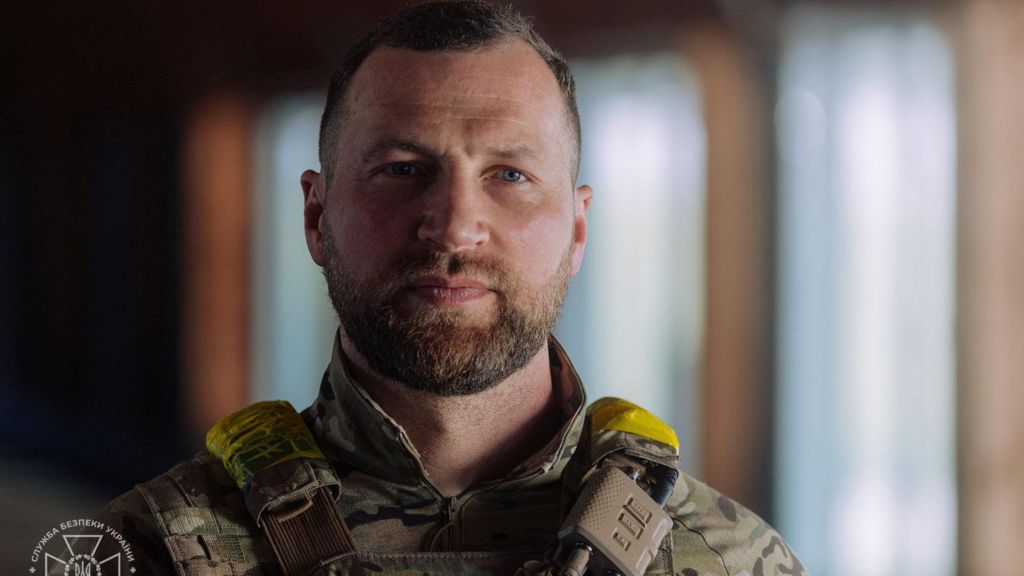
    Ukrainian security forces have executed a precision naval operation against Russian oil transport capabilities in the Black Sea. According to an anonymous SBU official speaking to The Associated Press, domestically manufactured Sea Baby naval drones targeted two sanctioned Russian oil tankers—Kairos and Virat—in rapid succession on Friday afternoon. The operation occurred within Turkey’s exclusive economic zone near the Kocaeli province coastline.

    The Gambian-flagged Kairos sustained significant fire damage in its enclosed areas, prompting the safe evacuation of all 25 crew members by Turkish rescue teams. The Virat, while reportedly struck in its engine room, did not require evacuation. Turkish Transport Minister Abdulkadir Uraloglu confirmed authorities received a distress call describing the incident as a ‘drone attack,’ though initial assessments considered multiple potential causes including mines or missiles.

    Both vessels form part of Russia’s elaborate ‘shadow fleet’—a network of ships specifically designed to circumvent international sanctions imposed after the 2022 invasion of Ukraine. OpenSanctions database records indicate the Virat received sanctions from the United States in January 2023, followed by the EU, Switzerland, UK, and Canada. The Kairos was similarly sanctioned by the EU in July 2023, with subsequent restrictions from the UK and Switzerland.

    Ukrainian intelligence officials emphasized this operation represents continued efforts to disrupt Russia’s financial capacity to wage war. The Sea Baby drones, which Ukraine recently unveiled as upgraded capabilities with extended Black Sea reach, reportedly disabled vessels capable of transporting approximately $70 million worth of oil. This strategic strike demonstrates Ukraine’s growing naval drone warfare sophistication while highlighting ongoing challenges in enforcing international sanctions against Russian energy exports.

  • UN says Israel’s killing of two Palestinians in occupied West Bank looks like ‘summary execution’

    UN says Israel’s killing of two Palestinians in occupied West Bank looks like ‘summary execution’

    The United Nations has expressed profound alarm over an incident in the occupied West Bank, describing the fatal shooting of two Palestinian men by Israeli border police as an ‘apparent summary execution.’ The event, which occurred on Thursday in Jenin’s Abu Dhahir neighborhood, was captured in a widely circulated social media video. The footage depicts the two individuals emerging from a building with raised arms and lifted shirts, visibly unarmed and demonstrating no threat, before being shot dead by Israeli troops.

    The victims were identified by the Palestinian health ministry as 26-year-old Al-Muntasir Billah Mahmoud Qassem Abdullah and 37-year-old Yousef Ali Yousef Asa’sa. Following the killings, Israeli forces withheld their bodies. Officers involved, reportedly from a Border Police unit, asserted they fired after the men failed to follow instructions. While the Israeli army and police, who were conducting a joint operation, acknowledged the shootings and promised an investigation, National Security Minister Itamar Ben Gvir publicly endorsed the officers’ actions. On social media platform X, Ben Gvir declared the officers ‘acted exactly as expected’ and stated ‘terrorists must die.’

    UN Human Rights Office spokesman Jeremy Laurence, addressing reporters in Geneva, emphasized that such summary executions constitute a war crime under the Geneva Convention and international law. He revealed that UN rights chief Volker Turk is demanding ‘independent, prompt and effective investigations’ to ensure full accountability for those responsible. Laurence further highlighted a disturbing trend of surging killings of Palestinians by Israeli security forces and settlers in the West Bank, which consistently occur without accountability. He raised serious concerns about the credibility of any government-led investigation, particularly following statements from a senior official that sought to absolve security forces of responsibility.

    The Palestinian Authority condemned the killings as a ‘brutal’ war crime, while Hamas labeled them part of a ‘systematic campaign of extermination.’ This incident is situated within a broader context of intensified Israeli military operations in the West Bank since October 7, 2023. Over the past two years, more than 1,000 Palestinians have been killed and thousands arrested across the occupied territory. The current event occurred during a wide-scale Israeli assault focused on the northern West Bank city of Tubas and its environs, echoing earlier large-scale operations in Jenin and Tulkarm that resulted in significant displacement and destruction.