作者: admin

  • Daluo Port in Yunnan sets annual cross-border traffic record

    Daluo Port in Yunnan sets annual cross-border traffic record

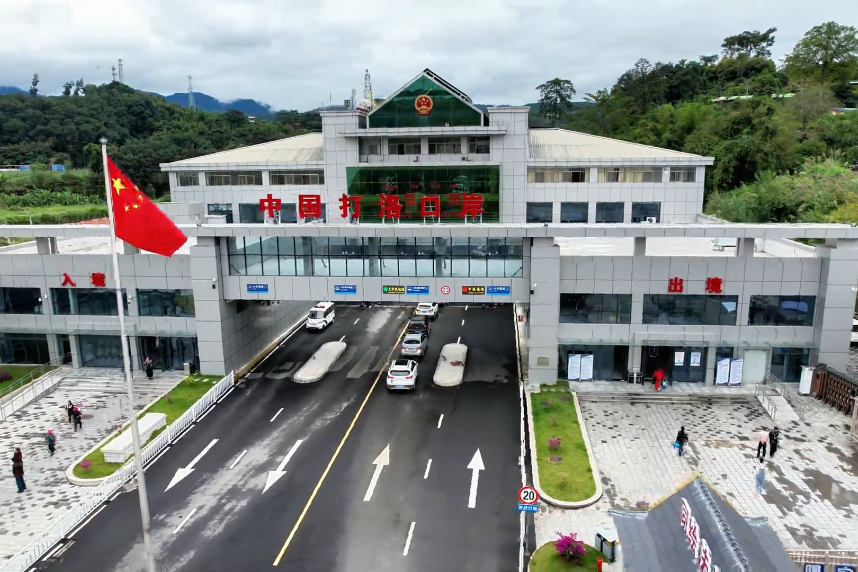
    Daluo Port, a critical gateway in China’s southwestern Yunnan province, has achieved a historic milestone in cross-border movement during 2025, recording its highest passenger traffic since its establishment in 1951. Located in the Xishuangbanna Dai Autonomous Prefecture, this strategic border crossing witnessed an extraordinary surge of 2.2 million border crossings throughout the year, representing a remarkable 30.2% increase compared to 2024 figures.

    The port’s escalating significance is demonstrated through its consistently growing daily throughput, which regularly exceeds 6,000 passengers and peaks above 10,000 travelers during high-volume periods. This substantial growth trajectory underscores the region’s expanding economic dynamism and deepening international connectivity within China’s Belt and Road Initiative framework.

    To accommodate this unprecedented flow of cross-border movement, the Daluo Border Inspection Station has implemented comprehensive operational enhancements. These measures include the complete activation of all inspection channels, sophisticated passenger flow management protocols, enhanced on-site navigation assistance, and the integration of advanced digital and intelligent clearance systems. These technological and procedural advancements have been instrumental in maintaining both security efficiency and processing speed despite the record-breaking passenger volumes.

    The port’s performance serves as a tangible indicator of strengthening economic ties between China and Southeast Asian nations, positioning Yunnan province as an increasingly vital hub for regional trade and cultural exchange.
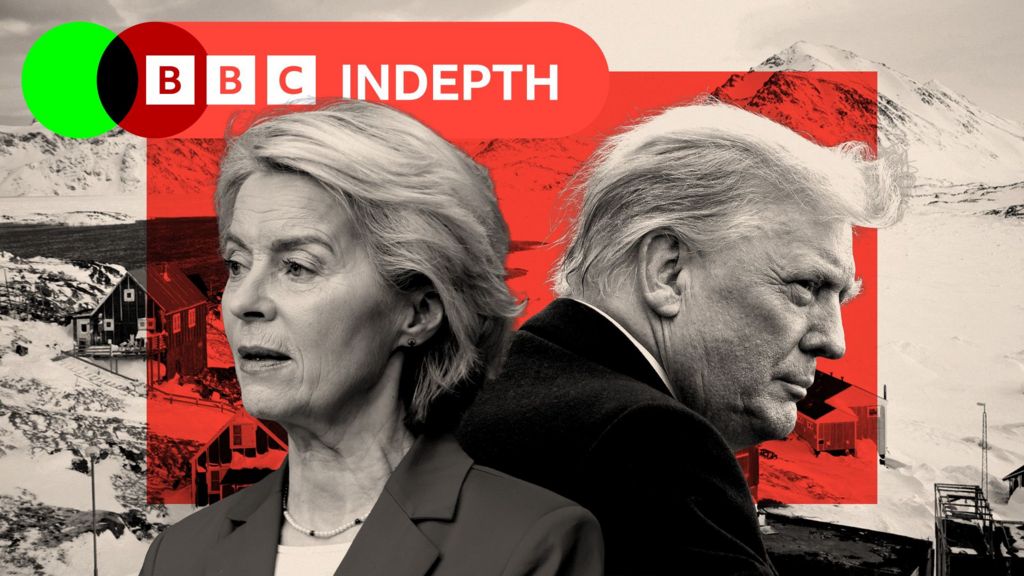

  • The painful questions for Nato and the EU as Trump threatens Greenland

    The painful questions for Nato and the EU as Trump threatens Greenland

    PARIS – A high-stakes diplomatic gathering in Paris has revealed profound fractures in transatlantic relations as European leaders struggled to balance Ukraine peace negotiations with growing U.S. territorial ambitions toward Greenland. The meeting, attended by the U.S. delegation including Special Envoy Steve Witkoff and Senior Advisor Jared Kushner, occurred against a backdrop of escalating tension following recent U.S. military intervention in Venezuela and President Trump’s explicit interest in acquiring Greenland for national security purposes.

    Danish Prime Minister Mette Frederiksen faced immense pressure from European counterparts to avoid confrontation over Greenland, fearing potential repercussions for U.S. support in Ukraine. Despite efforts to separate the issues, leaders from major European nations issued a carefully worded statement acknowledging Greenland’s NATO status while asserting that “only Denmark and Greenland can decide matters concerning Denmark and Greenland.”

    The diplomatic communique, though welcomed by Greenland’s Premier Jens Frederik Nielsen, revealed Europe’s disunity as it lacked signatures from all EU members and NATO ally Britain. Camille Grande of the European Council on Foreign Relations noted that broader participation would have delivered a stronger message to Washington.

    This situation presents a stark geopolitical paradox: European leaders seek U.S. cooperation in protecting Ukrainian sovereignty from Russian aggression while responding to American threats against Danish territory. The irony intensifies considering both nations are NATO allies, with Denmark having recently pledged $4 billion toward Greenland’s defense infrastructure.

    President Trump has consistently expressed interest in Greenland, previously suggesting purchase and refusing to rule out military action. His Sunday remarks emphasized the island’s strategic importance, claiming Russian and Chinese naval presence justifies U.S. control—an assertion Denmark strongly contests.

    The U.S. maintains a military presence in Greenland through the Thule Air Base, established during the Cold War. While personnel has dwindled from 10,000 to approximately 200, recent developments suggest renewed American interest in Arctic security.

    European response has been notably cautious, with initial silence from major powers followed by tempered statements supporting Danish sovereignty. An anonymous EU official acknowledged the situation highlights “Europe’s fundamental weakness vis-à-vis Trump,” reflecting broader concerns about the bloc’s inability to present a unified front.

    Former U.S. Ambassador to NATO Juliane Smith warned this crisis “risks breaking the EU” and presents an existential dilemma for NATO. The alliance’s Article 5 collective defense clause doesn’t explicitly cover conflicts between member states, as demonstrated during the 1974 Cyprus conflict between Turkey and Greece.

    With Europe remaining heavily dependent on U.S. military capabilities despite increased defense spending commitments, the Greenland situation exposes fundamental power imbalances. As White House Deputy Chief of Staff bluntly stated, “Nobody’s going to fight the United States militarily over the future of Greenland.”

  • Watch: Timothée Chalamet says ‘I love you’ to Kylie Jenner in Critics Choice Awards speech

    Watch: Timothée Chalamet says ‘I love you’ to Kylie Jenner in Critics Choice Awards speech

    In a moment that blended professional triumph with personal revelation, Timothée Chalamet captured attention at the 2026 Critics Choice Awards with both his artistic achievement and emotional vulnerability. The 30-year-old actor secured the Best Actor honor for his compelling portrayal in ‘Marty Supreme,’ representing his inaugural major victory of this awards season.

    During his acceptance speech, Chalamet delivered a stunning public acknowledgment of his relationship with Kylie Jenner, explicitly referring to her as his “partner of three years” before concluding with a heartfelt “I love you.” Cameras immediately shifted to capture Jenner’s visibly emotional reaction, with the 28-year-old reality television star and business mogul visibly mouthing “I love you, too” in response.

    The actor approached the podium with noticeable humility, opening his remarks with: “I’ve got a lot of people to thank and I don’t know if I’ll be up here again,” admitting to greater nervousness than anticipated. He generously praised his fellow nominees as “an ultra-talented, hard-working group” before focusing his gratitude on director Josh Safdie’s unconventional storytelling approach in ‘Marty Supreme.’

    Chalamet specifically commended Safdie for crafting “a story about a flawed man with a relatable dream” that refrained from moral preaching to audiences. The film, which chronicles the journey of a self-centered ping-pong prodigy, has garnered significant critical acclaim, with Chalamet’s performance being hailed as among the most powerful of his evolving career.

    This victory assumes particular significance as Chalamet prevailed against formidable competition including Leonardo DiCaprio (‘One Battle After Another’) and Michael B. Jordan (‘Sinners’), substantially enhancing his prospects for upcoming Academy Award consideration. The evening thus represented both a professional milestone and a personal watershed moment as Chalamet chose Hollywood’s spotlight to validate his long-rumored relationship with Jenner.

  • US Capitol riot anniversary exposes a country still divided

    US Capitol riot anniversary exposes a country still divided

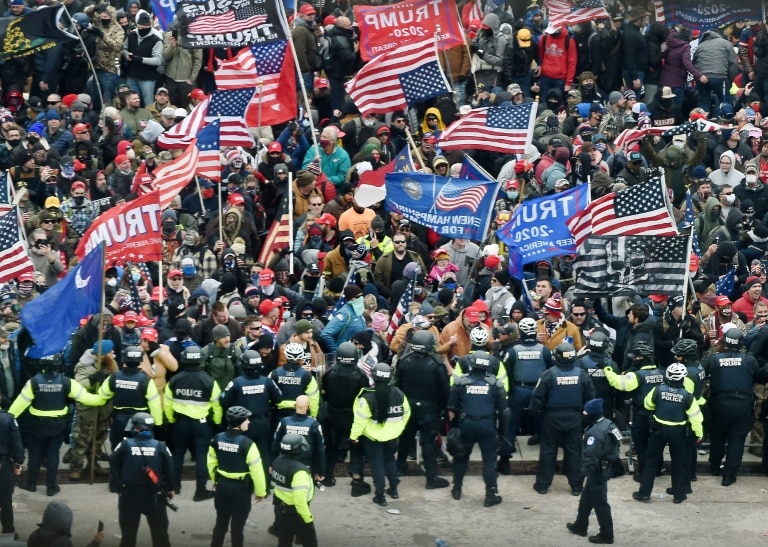
    Five years after a violent mob stormed the U.S. Capitol, Washington remains a city—and a nation—profoundly divided over the meaning and legacy of January 6, 2021. The anniversary has become a focal point for competing commemorations that reflect the irreconcilable accounts of an event that continues to reshape the American political landscape.

    On one side, House Democrats convened an unofficial hearing inside the Capitol, featuring testimonies from law enforcement officers, former lawmakers, and civilians who endured the attack firsthand. Their mission, as stated by many involved in the original congressional investigation, is not to relitigate the past but to prevent its erasure—particularly in the wake of former President Donald Trump’s pardons for nearly all defendants charged in connection with the assault.

    A new Democratic report underscores concerns over dozens of pardoned rioters who were later charged with new crimes, warning that such clemency risks normalizing political violence.

    Conversely, Trump supporters, including figures associated with the far-right Proud Boys, staged a march retracing the route taken by the rioters in 2021. Organized by the group’s former leader, Enrique Tarrio—who received a pardon from Trump after being sentenced to 22 years for seditious conspiracy—the event was promoted as a memorial for those who died, including pro-Trump rioter Ashli Babbitt, and a protest against what organizers describe as excessive police force and politically motivated prosecutions.

    The starkly contrasting events mirror a broader political schism. Democrats assert that Trump incited the attack in a deliberate attempt to overturn a free and fair election. Republicans largely reject this narrative, instead emphasizing security failures and criticizing the Justice Department’s handling of subsequent investigations.

    House Speaker Mike Johnson, a staunch Trump ally, has yet to install a congressionally mandated plaque honoring Capitol Police officers, while Republican investigator Barry Loudermilk argues the anniversary has been exploited to advance a political narrative against Trump and his supporters.

    The unresolved legal and historical questions linger. Although former special counsel Jack Smith concluded the attack would not have occurred without Trump’s actions, the federal case was abandoned following Trump’s reelection, in accordance with Justice Department policy barring prosecution of a sitting president. Trump was impeached by the Democratic-controlled House but acquitted by the Republican-led Senate, leaving the nation’s divisions as raw as ever.

  • Venezuela reserves are no threat to Canada’s ‘low risk’ oil, says Carney

    Venezuela reserves are no threat to Canada’s ‘low risk’ oil, says Carney

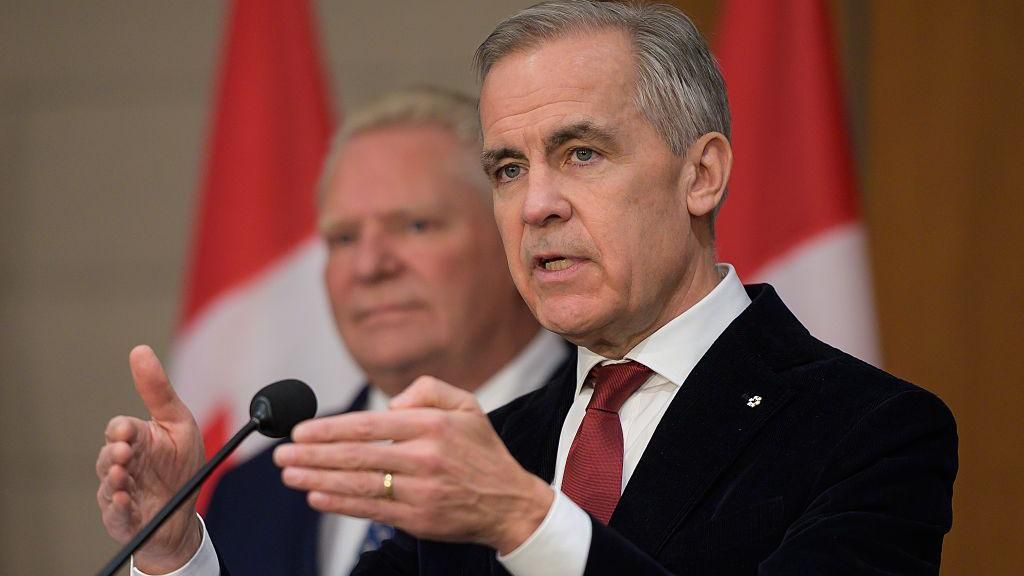
    Prime Minister Mark Carney has publicly dismissed concerns regarding Canada’s oil industry competitiveness following the U.S. military operation that captured Venezuelan leader Nicolás Maduro. Speaking at a press briefing in Paris, Carney emphasized that Canadian oil possesses distinct advantages being “low risk, low cost, and low carbon” compared to other global producers.

    The Prime Minister welcomed Maduro’s seizure, stating it “creates the possibility for democratic transition in Venezuela” while maintaining that increased Venezuelan production would not negatively impact Canada’s energy sector. This statement comes amid market anxieties after Canadian energy company stocks dipped Monday morning following Trump’s comments about expanding U.S. oil operations in Venezuela.

    President Trump told NBC News that he believes American petroleum companies could significantly ramp up Venezuelan operations within 18 months, noting that “having a Venezuela that’s an oil producer is good for the United States because it keeps the oil prices down.”

    Canada currently directs approximately 97% of its oil exports—valued at $100 billion in 2023—to the United States. This dependency has raised concerns about Canada’s negotiating position in ongoing trade discussions with the Trump administration.

    The Carney government is pursuing export diversification strategies, particularly through a proposed pipeline to the Pacific coast that would enable increased shipments to Asian markets. In late November, Ottawa signed a memorandum of understanding with Alberta, home to Canada’s oil industry, to advance such projects. However, the initiative faces significant obstacles including opposition from British Columbia and First Nations groups.

    Conservative opposition leader Pierre Poilievre has urged the government to “immediately approve” Pacific pipeline projects, emphasizing the need to “move millions of barrels daily to overseas markets quickly to reduce our dependence on the U.S. market.”

    Trade negotiations between Canada and the U.S. have been stalled since late last year following an anti-tariff advertisement funded by Ontario that angered President Trump. Prior to this disruption, both governments were discussing an agreement that would include increased Canadian energy exports to the United States.

  • Japan nuclear plant operator may have underestimated quake risks

    Japan nuclear plant operator may have underestimated quake risks

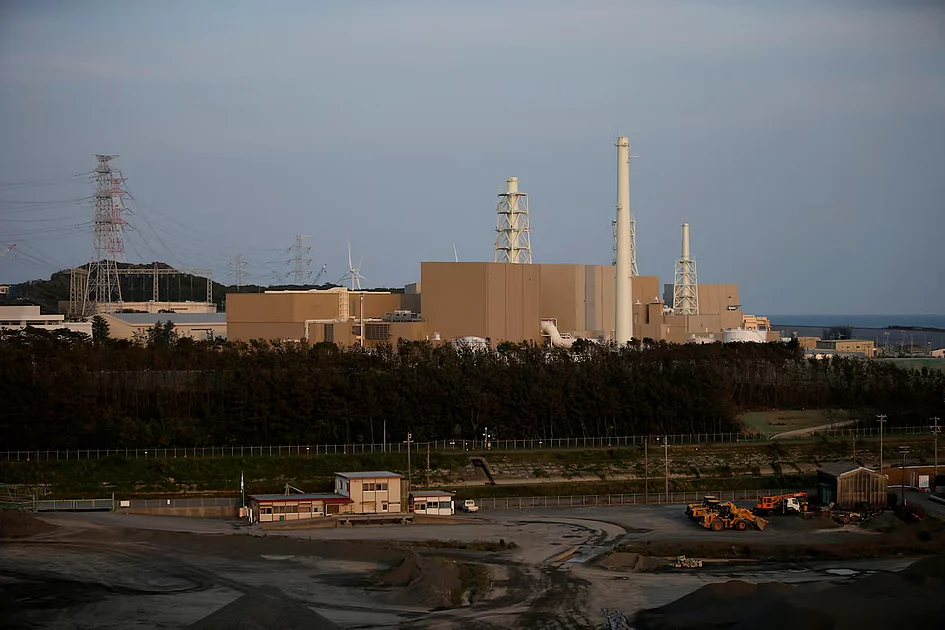
    A major Japanese energy utility has admitted to potentially providing regulators with inaccurate seismic data, casting doubt on earthquake risk assessments for one of its nuclear facilities. Chubu Electric Power Company disclosed that its estimated maximum seismic ground motion calculations for the Hamaoka nuclear plant might have been significantly underestimated.

    The revelation comes as Japan aggressively pursues nuclear power reactivation nearly fifteen years after the catastrophic Fukushima disaster. The Hamaoka facility, situated in central Japan’s Shizuoka prefecture, occupies a region scientists consider highly vulnerable to an impending ‘megaquake’ along the Nankai Trough seismic zone.

    Company President Kingo Hayashi addressed journalists during an emergency press conference, stating: ‘This incident could profoundly impact our safety review process and damage the trust of local communities and stakeholders, potentially shaking the very foundation of our nuclear operations.’

    The Nuclear Regulation Authority (NRA) suspended its safety evaluation process for Hamaoka in late December following whistleblower allegations received in February 2025. The informant claimed Chubu Electric might have utilized different data than what was officially presented to regulatory authorities.

    NRA official Keiichi Watanabe confirmed the agency launched an independent investigation, with public hearings scheduled to commence Wednesday. The seismic ground motion estimate—previously approved at 1,200 gal (a measurement of quake acceleration intensity)—serves as the critical foundation for earthquake-resistant nuclear plant design.

    This development occurs alongside Japan’s broader nuclear renaissance. The resource-limited nation seeks to reduce fossil fuel dependence, achieve carbon neutrality by 2050, and meet escalating energy demands driven by artificial intelligence infrastructure. The world’s largest nuclear facility, Kashiwazaki-Kariwa, anticipates operational restart later this month pending final regulatory approval.

    Government projections indicate a potential Nankai Trough earthquake could trigger catastrophic consequences, including tsunamis claiming up to 298,000 lives and causing approximately $2 trillion in damages. Chubu Electric has established a legal panel to investigate the data discrepancies as regulatory scrutiny intensifies.

  • Somalia calls Israeli FM visit to Somaliland an ‘incursion’

    Somalia calls Israeli FM visit to Somaliland an ‘incursion’

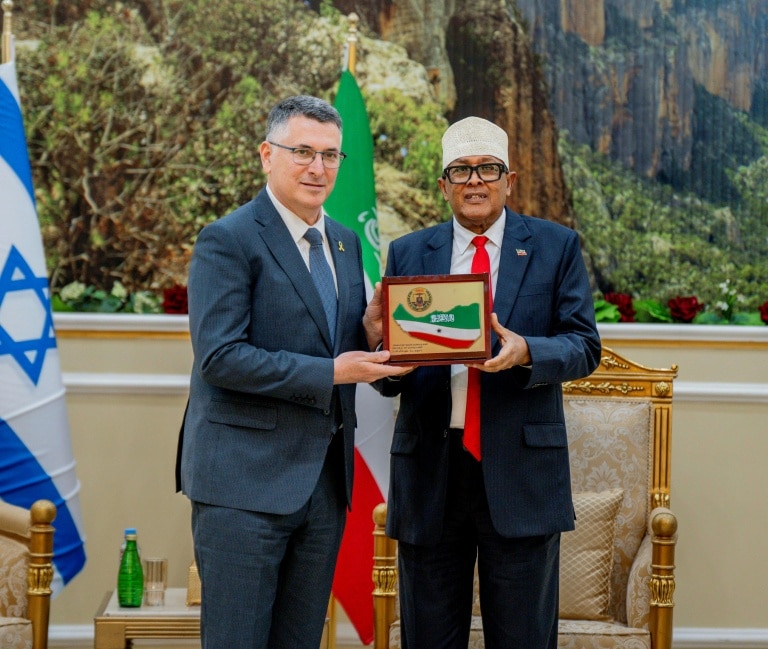
    Somalia has vehemently denounced Israeli Foreign Minister Gideon Saar’s official visit to the breakaway region of Somaliland, characterizing the diplomatic mission as an “unauthorized incursion” into its sovereign territory. The high-profile arrival on Tuesday marks the first ministerial-level engagement since Israel extended formal recognition to Somaliland last month—a landmark decision for the self-declared republic that separated from Somalia in 1991.

    Despite maintaining its own government, currency, and military forces, Somaliland has struggled to achieve broad international acknowledgment due to concerns about encouraging separatist movements across Africa. The region’s strategic positioning along the critical shipping lanes of the Gulf of Aden has attracted foreign interest, with Israel potentially gaining improved access to the Red Sea and enhanced capabilities against Houthi rebels in Yemen.

    During joint press conferences, Israeli officials described the recognition as “the moral thing to do,” while Somaliland President Abdirahman Abdullahi Mohamed praised the move as “courageous” and anticipated significant economic and development opportunities. However, Somalia’s foreign ministry asserted its right to pursue “all appropriate diplomatic and legal measures” to protect its territorial integrity, receiving support from the African Union Peace and Security Council which strongly condemned Israel’s recognition and demanded its immediate revocation.

    The diplomatic development has drawn mixed international reactions, with the United States supporting Israel’s position while Egypt, Turkey, the Gulf Cooperation Council, and the Organisation of Islamic Cooperation expressed criticism. The European Union emphasized the importance of respecting Somalia’s sovereignty. Adding to regional tensions, the Islamist militant group Al-Shabaab has threatened to combat any Israeli military presence in Somaliland, potentially escalating security challenges in the volatile Horn of Africa region.

    Historical context reveals that Somaliland briefly existed as an independent state in June 1960 after gaining independence from Britain before voluntarily uniting with Italian-administered Somalia. Somaliland leadership contends this union was never properly ratified and became invalid following Somalia’s governmental collapse in 1991.

  • Man charged after fatal assault of Donegal businessman

    Man charged after fatal assault of Donegal businessman

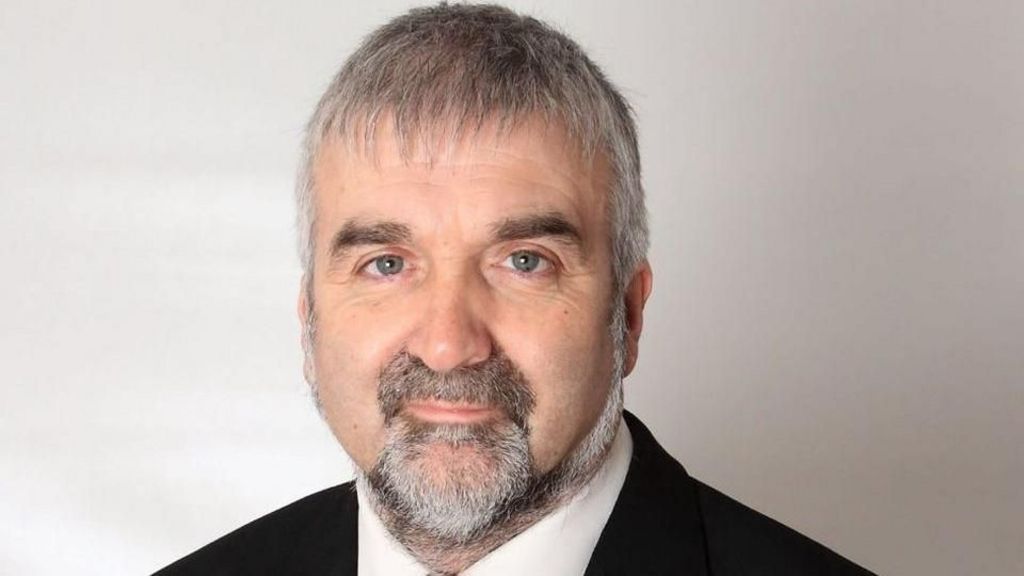
    A prominent County Donegal businessman has died following a violent assault, with authorities now charging a suspect in connection with the case. Stephen McCahill, a respected figure in his 60s known for his work as an auctioneer, publican, and business leader, was discovered deceased at a residence near Ardara in the early hours of Monday morning.

    Irish police (An Garda Síochána) confirmed that emergency services responded to the scene at approximately 03:50 local time after receiving reports of a disturbance. Following immediate investigation efforts, law enforcement officials arrested a man in his 30s believed to be connected to the incident.

    The investigation has progressed rapidly, with authorities formally charging the suspect within hours of the initial arrest. The accused individual is scheduled to appear before Letterkenny District Court on Tuesday, where preliminary hearings will establish the judicial process moving forward.

    The sudden and violent death has sent shockwaves through the close-knit communities of County Donegal, where McCahill was widely recognized and respected. Colleagues, friends, and community members have begun sharing heartfelt tributes, highlighting McCahill’s significant contributions to local business and community development throughout his career.

    Local authorities have increased patrols in the area while continuing their investigation into the circumstances surrounding the assault. Police have indicated that forensic teams remain active at the property where McCahill’s body was discovered, though specific details regarding the nature of the assault have not been publicly disclosed.

    The case represents one of the most significant violent crime investigations in the region in recent years, particularly given the victim’s prominent status within the community. Further developments are expected as the judicial process moves forward and additional investigation findings emerge.

  • Trump supporters across US react to Venezuela operation

    Trump supporters across US react to Venezuela operation

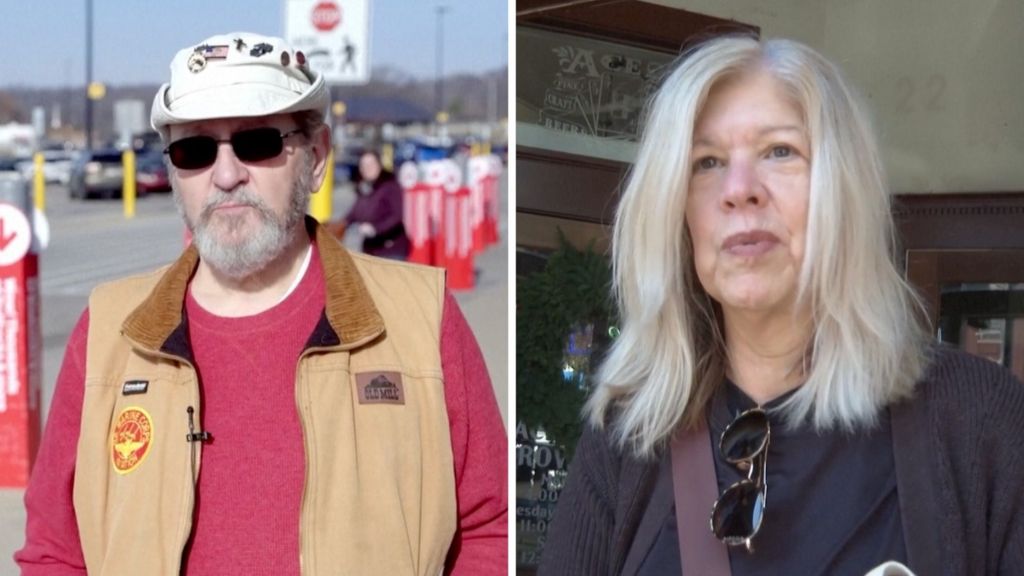
    A complex tapestry of reactions has emerged from former President Donald Trump’s support base following the recent U.S. military operation that resulted in the seizure of Venezuelan leader Nicolás Maduro. The dramatic development has exposed significant divisions within the political movement, highlighting contrasting perspectives on American interventionism.

    Initial responses from Trump loyalists revealed enthusiastic approval from certain quarters, with many celebrating the operation as a decisive blow against a controversial socialist leader long criticized by Washington. These supporters framed the action as a demonstration of American strength and a continuation of Trump’s hardline approach toward leftist regimes in Latin America.

    However, a substantial contingent within the Trump coalition expressed reservations about the long-term implications and potential consequences of such direct military involvement. These cautious voices raised questions about the operation’s timing, legal justification, and possible geopolitical fallout, reflecting a more non-interventionist streak that has gained traction within certain conservative circles.

    The divergent reactions underscore the ongoing ideological evolution within Trump’s political base, which has historically balanced nationalist rhetoric with varying attitudes toward foreign military engagements. This internal debate occurs against the backdrop of escalating tensions between Washington and Caracas, with Venezuela remaining a persistent foreign policy challenge through multiple U.S. administrations.

    Analysts suggest the mixed response illustrates the complex foreign policy expectations among Trump’s supporters, who simultaneously demand assertive American leadership while remaining wary of extended foreign entanglements. The operation and its aftermath are likely to fuel continued discussion about the proper scope of U.S. military action in pursuing international objectives.

  • Six dead in weather accidents as cold snap grips Europe

    Six dead in weather accidents as cold snap grips Europe

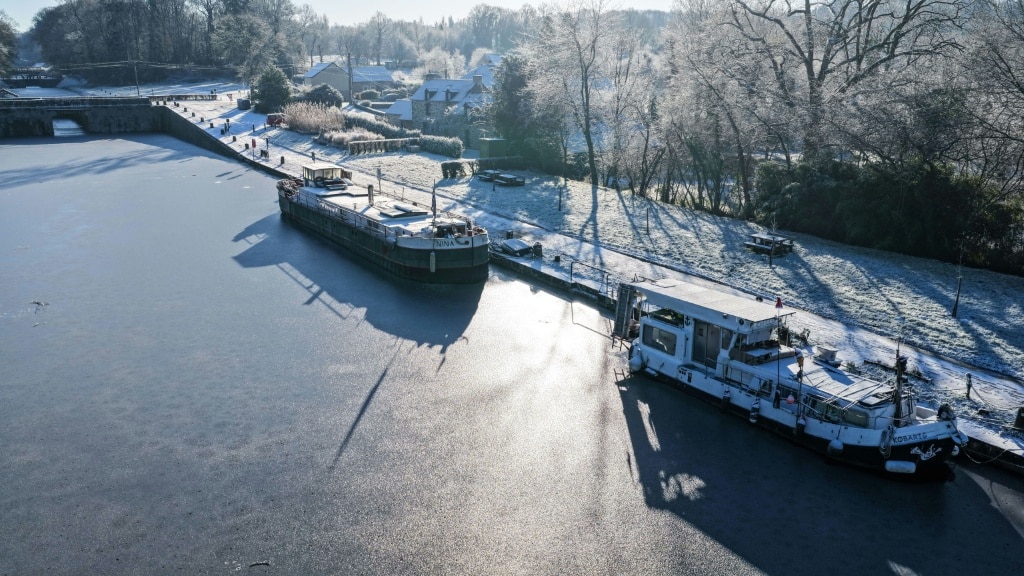
    A severe Arctic blast has enveloped Europe, triggering a cascade of fatal accidents and widespread transportation paralysis. The continent’s most intense cold spell this winter has resulted in six weather-related fatalities and created unprecedented travel disruption across multiple nations.

    France has borne the heaviest human toll, reporting five deaths linked to hazardous conditions. Authorities confirmed three individuals perished on icy roads in the southwest due to black ice accidents. Separately, a taxi driver died after skidding into the Marne River near Paris, while another motorist lost their life in a collision with a freight vehicle east of the capital.

    Transportation infrastructure faced severe strain as Paris’s Charles de Gaulle Airport prepared to cancel 40% of flights and Orly Airport 25% to facilitate runway clearing operations. Amsterdam’s Schiphol Airport experienced its second consecutive day of cancellations with over 400 flights grounded, creating massive passenger queues. The Dutch national railway system remained suspended until mid-morning, operating at reduced capacity thereafter.

    The Balkans confronted dual challenges of heavy snowfall and flooding. Sarajevo recorded 40 centimeters (16 inches) of snow accumulation, leading to one fatality when a snow-laden tree collapsed onto a woman. Widespread power outages affected dozens of Serbian villages, while Bosnia experienced river overflows and Albania conducted evacuations from flooded homes.

    Meteorological agencies reported extreme temperatures, with England’s Norfolk region recording -12.5°C and the Netherlands experiencing widespread sub -10°C conditions. Britain’s Met Office confirmed this represented the winter’s coldest night, with nearly the entire UK under weather alerts. Scotland faced particularly severe conditions with over 300 school closures and major rail disruptions.

    Transport Minister Fiona Hyslop urged Scots to avoid travel unless absolutely necessary, emphasizing the continued risks from additional expected snowfall. Despite challenges, airports in Liverpool and Aberdeen resumed operations after Monday’s closures.

    In Hungary, officials warned of deteriorating conditions with northeastern roads and railways becoming impassable. Construction and Transport Minister Janos Lazar advised citizens to venture out only for essential purposes as fresh snowfall continued.

    Urban centers faced unique challenges, with Parisian pedestrians navigating treacherously icy sidewalks. Tour guide Valeria Pitchouguina described the surreal beauty of snow-covered Paris while noting the practical difficulties of navigating Montmartre’s iconic steps under icy conditions, comparing the ascent to ‘climbing Mont Blanc.’