作者: admin

  • ‘They poisoned us’: grappling with deadly impact of nuclear testing

    ‘They poisoned us’: grappling with deadly impact of nuclear testing

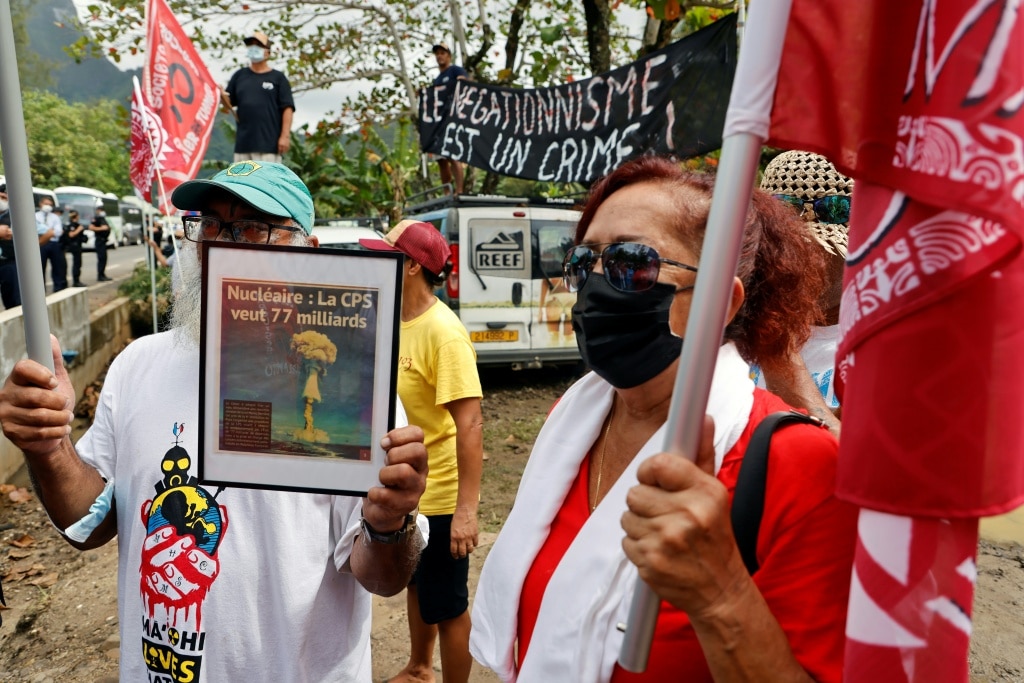
    A groundbreaking report from Norwegian People’s Aid (NPA) reveals nuclear weapons testing has inflicted catastrophic global health consequences, causing approximately four million premature deaths from cancer and related illnesses worldwide. The comprehensive 304-page study documents how over 2,400 nuclear detonations conducted between 1945 and 2017 continue to affect populations across continents.

    The research highlights how radiation exposure from atmospheric testing has left radioactive isotopes in the bones of every living person today. The report identifies particularly severe impacts on communities near test sites in 15 countries, many former colonies of nuclear-armed states, where residents experience elevated rates of cancer, congenital abnormalities, and intergenerational trauma.

    Hinamoeura Cross, a 37-year-old Tahitian parliamentarian who developed leukemia at age 24, represents the human toll of these tests. Her family history includes thyroid cancer in her grandmother, mother, and aunt—conditions she attributes to France’s 193 nuclear explosions in French Polynesia between 1966 and 1996. ‘These weren’t just tests. They were real bombs,’ Cross stated. ‘We were treated as guinea pigs.’

    The study condemns a persistent culture of secrecy among nuclear-armed nations, with critical health and environmental data remaining classified in locations like Kiribati and Algeria. Compensation programs, where they exist, primarily function to limit liability rather than provide meaningful support to victims.

    Medical experts contributing to the report emphasize that ionizing radiation from testing causes DNA damage, cardiovascular disease, and genetic effects even at low doses. Children and fetuses face the highest risks, with females 52% more vulnerable to radiation-induced cancer than males.

    The findings emerge amid concerning geopolitical developments, including former President Trump’s 2020 suggestion that the United States might resume nuclear testing. Researchers warn that renewed testing would compound existing health crises and undermine global non-proliferation efforts.
  • US allies won’t soon forget Greenland crisis triggered by Trump

    US allies won’t soon forget Greenland crisis triggered by Trump

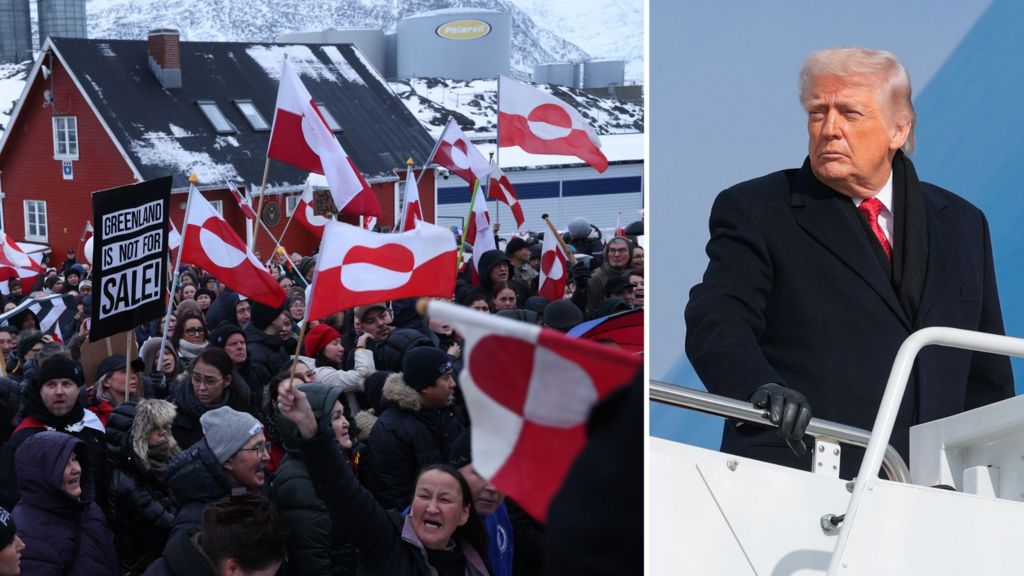
    A tense diplomatic standoff over Greenland’s sovereignty, ignited by Donald Trump’s acquisition threats and military rhetoric, appears to have been resolved through high-level NATO intervention. The crisis, which unfolded over two weeks and threatened transatlantic relations, culminated in a strategic agreement focused on Arctic security rather than territorial transfer.

    NATO Secretary General Mark Rutte played a pivotal role in de-escalating tensions following Trump’s provocative statements about purchasing Greenland and imposing tariffs on European allies. The breakthrough built upon preliminary discussions between Washington and a diplomatic delegation comprising Danish and Greenlandic foreign ministers, which established a working group to address the island’s future.

    While specific terms remain confidential, emerging details suggest the arrangement involves enhanced U.S. military presence on Greenland rather than sovereignty transfer. Anonymous officials cited by The New York Times indicate potential Danish cession of small territorial parcels for American military bases, mirroring the UK’s sovereign base model in Cyprus. President Trump additionally referenced secured access to Greenland’s substantial mineral resources, though neither Danish authorities nor NATO have confirmed these claims.

    NATO clarified that discussions center on collective Arctic security efforts among the seven Arctic allies—United States, Canada, Denmark, Norway, Sweden, Finland and Iceland—with explicit intent to counter Russian and Chinese military and economic expansion in the region.

    The resolution leaves behind diplomatic reverberations, with Canadian Prime Minister Mark Carney describing the episode as a ‘rupture’ in traditional alliances and EU Commission President Ursula von der Leyen referencing ‘seismic change’ in international relations. Observers note the crisis has accelerated calls for European strategic independence and exposed the fragility of existing alliance structures in the face of unilateral actions.

  • Stock market cuts through to Trump on Greenland in a way allies’ messages failed to resonate

    Stock market cuts through to Trump on Greenland in a way allies’ messages failed to resonate

    DAVOS, Switzerland — President Donald Trump abruptly reversed course on his threat to impose punitive tariffs against eight European allies following intense market reactions and diplomatic pressure over his controversial Greenland acquisition proposal. The dramatic shift occurred during the World Economic Forum where financial markets had registered their most significant declines since October.

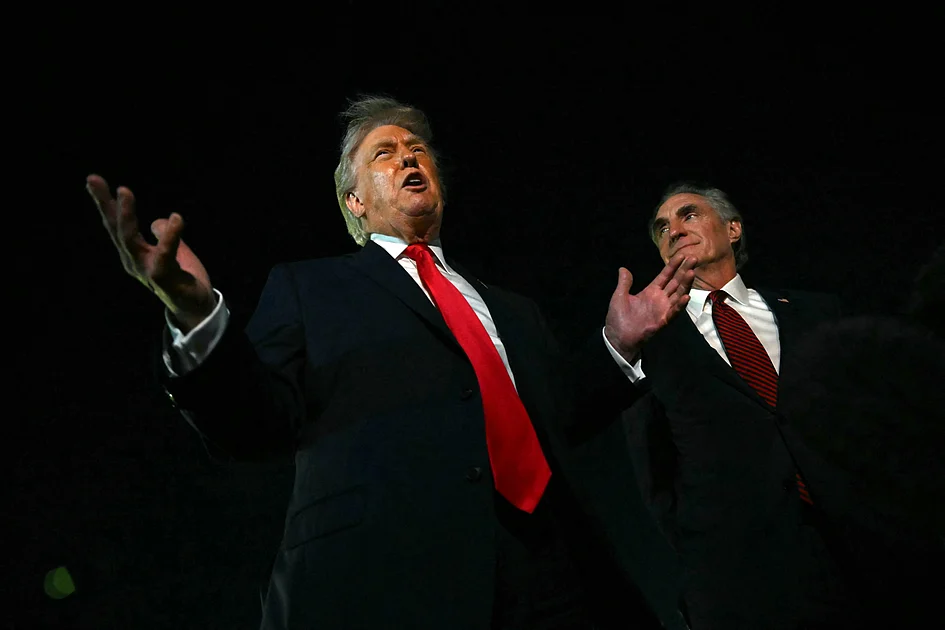
    The initial proposal to acquire Greenland from Denmark had sparked serious concerns within NATO about potential damage to the transatlantic military alliance that has served as a cornerstone of post-World War II security architecture. During his keynote address in Davos, Trump first dismissed the possibility of military action to seize Greenland, stating unequivocally: “I won’t do that. OK?”

    Hours later, the president announced a complete retreat from the tariff threat after claiming to have reached a “framework” agreement with NATO Secretary-General Mark Rutte regarding Greenland’s strategic future. Trump promptly appeared on CNBC to declare the framework “going to be a very good deal for the United States” while downplaying the role of market volatility in his decision.

    Financial markets responded positively to the de-escalation, with the S&P 500 rallying 1.2% following Trump’s remarks, recovering approximately half of its previous day’s losses. The Dow Jones Industrial Average and Nasdaq Composite showed similar gains.

    European officials familiar with the negotiations indicated that potential compromise solutions included expanded U.S. military infrastructure in Greenland through cooperation with Denmark and NATO. Rutte later confirmed on Fox News that discussions focused on preventing Russian and Chinese military and economic access to the Arctic region.

    The episode revealed significant concerns within the administration about how Trump’s aggressive stance toward allies could undermine other foreign policy objectives, particularly the proposed ‘Board of Peace’ initiative expected to be highlighted during the forum. Several European nations had already declined invitations to participate in this initiative following the tariff threats.

    Foreign policy experts offered mixed assessments of the strategy, with some viewing it as successful brinksmanship while others criticized it as unnecessarily damaging to alliances. The incident prompted Canadian leadership to propose smaller nations uniting against aggressive superpower tactics, highlighting the broader diplomatic repercussions of the confrontation.

  • Filipino journalist Frenchie Mae Cumpio found guilty of financing terrorism

    Filipino journalist Frenchie Mae Cumpio found guilty of financing terrorism

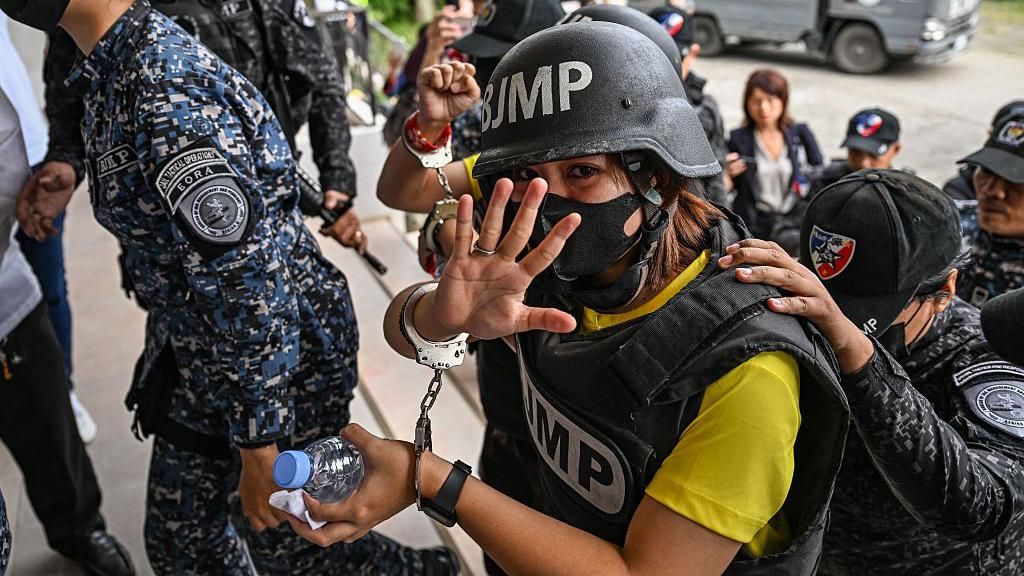
    In a landmark case raising alarm across global press freedom circles, Filipino journalist Frenchie Mae Cumpio has been convicted of financing terrorism and sentenced to a minimum of twelve years imprisonment. The verdict arrives after an extensive six-year pretrial detention period during which the 26-year-old reporter maintained her innocence against what advocacy groups characterize as politically motivated charges.

    The legal proceedings stem from a February 2020 nighttime raid conducted by joint police and military forces on Cumpio’s residence in Tacloban City. Authorities reported discovering a firearm, hand grenade, and communist propaganda materials during the operation, alongside approximately several thousand pounds in cash. While the court ultimately dismissed weapons possession charges due to insufficient evidence, it upheld the terrorism financing allegation based on the seized funds.

    Cumpio’s defense team contends the money constituted legitimate donations for Eastern Vista, the independent news platform where she served as director, and her community radio program on Aksyon Radyo-Tacloban DYVL. Prior to her arrest, Cumpio had established a reporting record focusing on military and police misconduct in Eastern Visayas, a region experiencing persistent poverty and social unrest.

    Press freedom organizations have unanimously condemned the judicial outcome. The National Union of Journalists of the Philippines labeled the conviction ‘a fabricated case designed to silence critical reporting,’ while international watchdog Reporters Without Borders highlighted the Philippines’ deteriorating environment for media professionals. Women’s media associations particularly emphasized the gendered dimension of the case, noting Cumpio’s prosecution represents ‘state-sponsored silencing of female journalists.’

    The verdict occurs against a backdrop of increasing legal harassment against journalists under the Philippines’ anti-terrorism legislation. Human rights monitors document numerous similar cases where terrorism charges have been allegedly weaponized against government critics. This judicial decision establishes a concerning precedent that may further constrain reporting on marginalized communities and official misconduct throughout the archipelago nation.

  • Rescue efforts underway after landslides hit New Zealand campground and house

    Rescue efforts underway after landslides hit New Zealand campground and house

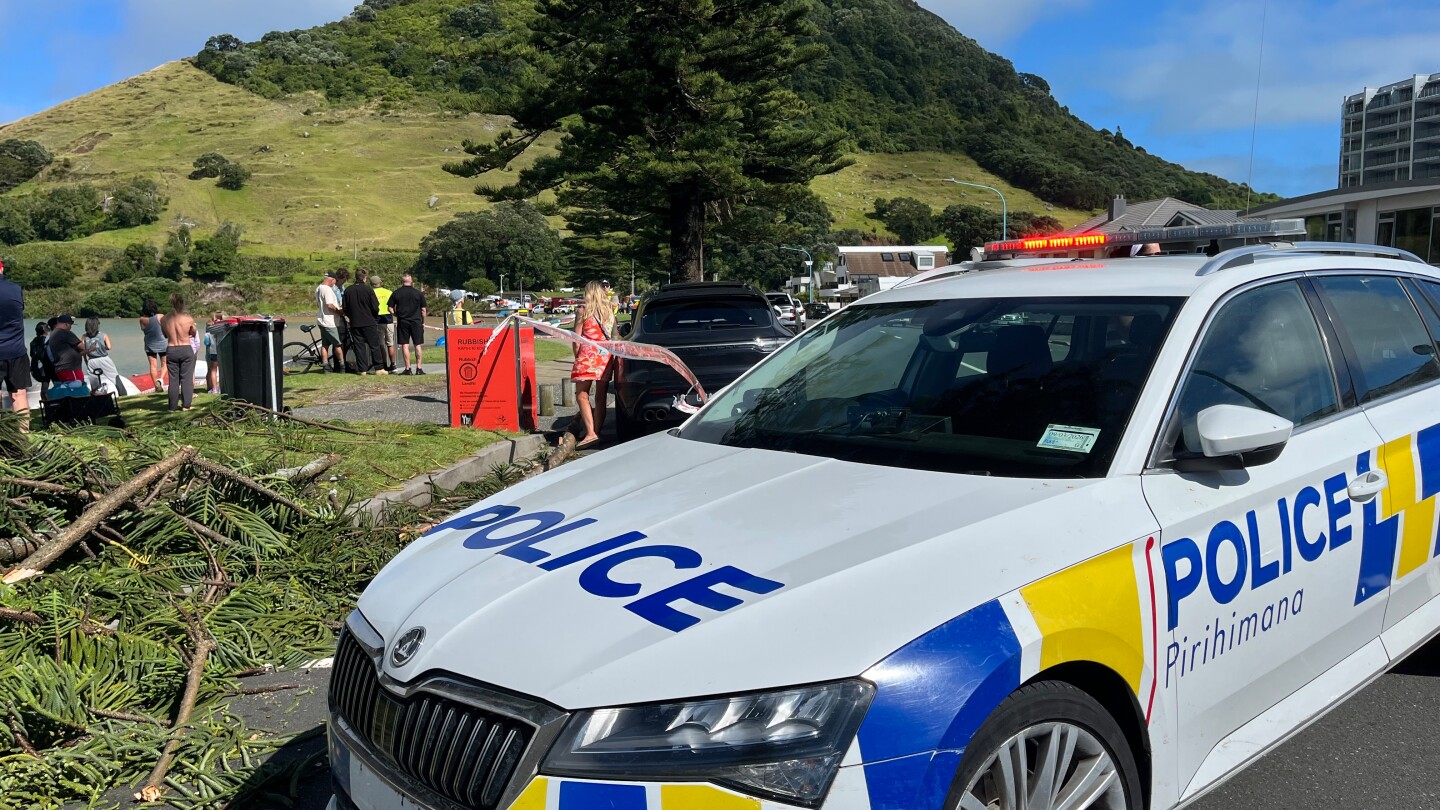
    NEW ZEALAND – Emergency response teams across New Zealand’s North Island are conducting critical rescue operations following multiple devastating landslides triggered by extreme weather conditions. The most severe incident occurred at approximately 9:30 a.m. Thursday at Beachside Holiday Park, situated at the base of Mount Maunganui’s extinct volcano, where a massive landslide buried portions of the campground under substantial rubble.

    Police Superintendent Tim Anderson confirmed that the number of individuals unaccounted for remains in “single figures” at the holiday park site. In a separate but related incident, another landslide struck a residential property in the nearby Bay of Plenty community overnight. While two occupants managed to escape safely, two others remain missing as rescue efforts continue.

    Further north near Warkworth, emergency services are searching for a man who was swept away by floodwaters Wednesday morning as torrential rains battered extensive regions of the North Island. The consecutive natural disasters have created a multi-front crisis for emergency response teams.

    Fire and Emergency NZ commander William Pike reported that initial responders and civilians heard voices from within the rubble shortly after the Mount Maunganui landslide, but subsequent movements forced the evacuation of rescue personnel from the unstable site. No signs of life have been detected since the initial response.

    New Zealand Prime Minister Christopher Luxon has issued urgent appeals for residents in affected areas to strictly follow safety directives from local authorities. “Extreme weather continues to create dangerous conditions across the North Island. Right now, the government is doing everything we can to support those impacted,” Luxon stated via social media.

    Emergency Management Minister Mark Mitchell confirmed that rescue operations continue at multiple locations, while Mayor Mahe Drysdale noted that some individuals initially reported missing had subsequently been accounted for after leaving the campground without official notification. The Beachside Holiday Park remains closed indefinitely following the catastrophic event.

  • Trump’s Board of Peace: Which countries accepted, rejected invites?

    Trump’s Board of Peace: Which countries accepted, rejected invites?

    The international community is exhibiting starkly divergent responses to the Trump administration’s controversial proposal for a ‘Board of Peace,’ with numerous nations either embracing or rejecting the initiative based on its unprecedented financial requirements and potential implications for global governance.

    Initially conceived as part of a 20-point Gaza peace plan in September, the initiative has evolved into a comprehensive global conflict resolution mechanism according to charter documents distributed to over 60 nations in January 2026. The proposed organization aims to ‘promote stability, restore dependable and lawful governance, and secure enduring peace in areas affected or threatened by conflict’ while operating ‘in accordance with international law.’

    The most contentious aspect emerges from the membership structure: participating nations would receive three-year provisional terms unless they contribute $1 billion toward funding the board’s operations, thereby securing permanent membership status. This financial prerequisite has generated significant diplomatic apprehension regarding the initiative’s potential to undermine existing international institutions.

    Multiple Middle Eastern powers have demonstrated enthusiastic support. The UAE, Bahrain, and Morocco have formally accepted membership, citing commitment to implementing Trump’s Gaza peace framework. They join Israel, Hungary, Belarus, Canada, Kosovo, and several Central Asian nations in supporting the initiative. Notably, seven Muslim-majority nations—Saudi Arabia, Qatar, Egypt, Jordan, Turkey, Indonesia, and Pakistan—issued a joint statement with the UAE confirming their participation.

    Conversely, major European powers have expressed firm opposition. France declared it ‘does not intend to answer favourably’ to the invitation, citing concerns about the charter’s broad mandate potentially compromising United Nations principles. Germany, Norway, and Slovenia similarly rejected participation, with Slovenian Prime Minister Robert Golob warning the initiative could ‘dangerously undermine the international order based on the United Nations Charter.’

    Several significant global powers remain undecided. China confirmed receipt of the invitation but withheld commitment regarding participation. India acknowledged reviewing the proposal, while Ukraine’s President Zelensky expressed reservations about collaborating with Russia within the same organizational framework. The developing situation continues to evolve as nations weigh the strategic implications of this unconventional peacebuilding approach against traditional multilateral mechanisms.

  • UAE weather tomorrow: Rough sea alert issued, mercury to dip further

    UAE weather tomorrow: Rough sea alert issued, mercury to dip further

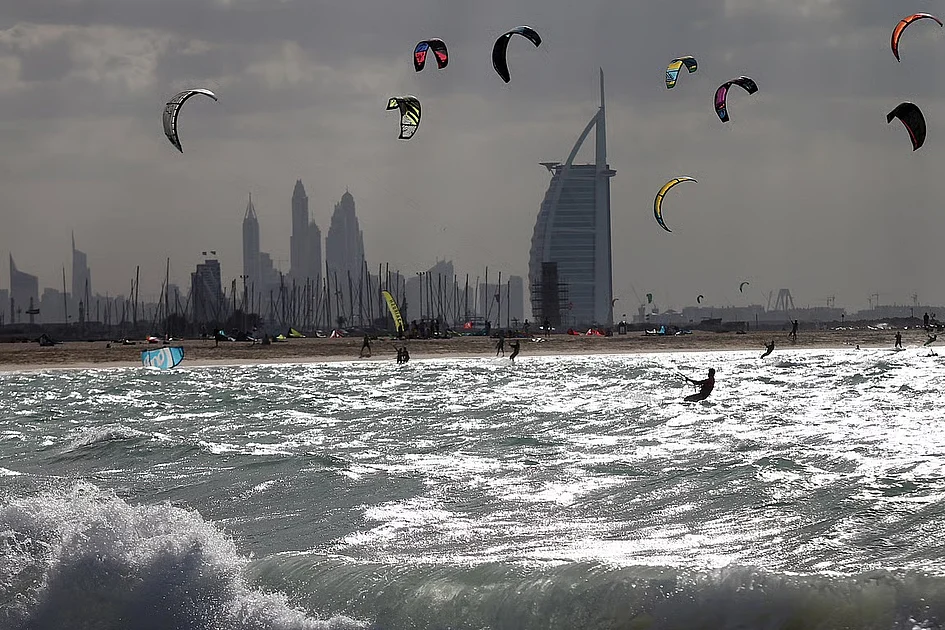
    The United Arab Emirates is bracing for significant weather developments as meteorological authorities issue comprehensive advisories for residents and mariners. The National Center of Meteorology has activated rough sea alerts across coastal regions, particularly highlighting dangerous conditions in the Oman Sea where wave heights are anticipated to reach six feet.

    Weather patterns for January 22 indicate partly cloudy conditions with low cloud formations expected along coastal and northern territories. A notable temperature decline continues across the emirates, with Dubai, Sharjah, and Abu Dhabi experiencing maximum temperatures of 23°C. Minimum temperatures will vary significantly between urban centers and mountainous regions, with Jais Mountain in Ras Al Khaimah recording an early morning low of 4.7°C.

    Wind patterns will feature moderate to fresh northwesterly and northeasterly currents, occasionally intensifying to 45 km/h during morning hours over maritime zones. These atmospheric conditions will likely cause blowing dust and sand across terrestrial areas, reducing visibility and creating challenging travel conditions.

    The Arabian Gulf will experience very rough to rough sea states during daylight hours, gradually moderating overnight. Mariners are advised to exercise extreme caution due to strong northwesterly winds reaching 40 km/h, particularly between Wednesday morning and Thursday evening.

    Humidity levels are forecasted to increase substantially during overnight and early morning periods, with mist formation probable in western regions. This combination of temperature fluctuations, wind activity, and maritime disturbances characterizes a complex weather system affecting the UAE region.

    Authorities continue to monitor developments closely and recommend that residents stay updated through official channels for the latest weather advisories and safety recommendations.

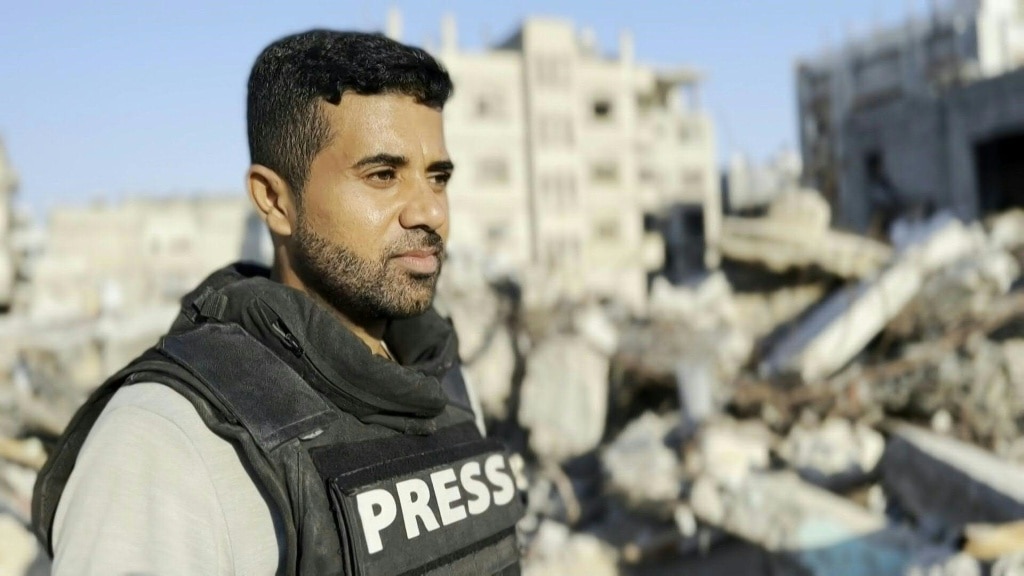
  • Israeli strike kills three Gaza journalists including AFP freelancer

    Israeli strike kills three Gaza journalists including AFP freelancer

    An Israeli military strike in Gaza’s Al-Zahra district has resulted in the deaths of three Palestinian journalists, including AFP freelance contributor Abdul Raouf Shaat. The incident occurred Wednesday while the journalists were documenting humanitarian aid distribution operations.

    According to Gaza’s civil defence agency, the casualties included Mohammed Salah Qashta, Abdul Raouf Shaat, and Anas Ghneim. Shaat had established himself as a regular contributor to AFP through his photojournalism and videography work, though he was not on assignment for the agency at the time of the strike.

    The Israeli military released a statement indicating its forces had targeted “suspects” operating a drone allegedly affiliated with Hamas, claiming the device posed a threat to troops. Military representatives stated the details remained under review but maintained the strike was conducted with precision.

    Eyewitness accounts and statements from the Egyptian Relief Committee contradict this narrative, reporting that the journalists were using a drone to capture images of aid distribution when their accompanying vehicle was struck. Mohammed Mansour, spokesperson for the Egyptian Relief Committee in Gaza, emphasized that all committee vehicles bear clear identifying logos and described the targeting as “criminal.

    AFP leadership expressed profound grief over Shaat’s death, remembering him as a “kind-hearted colleague with a gentle sense of humour” and a “deeply committed journalist.” The news agency has called for a comprehensive and transparent investigation into the circumstances surrounding his death.

    Media watchdogs responded with strong condemnation. Reporters Without Borders (RSF) expressed “deep anger” at the incident, with crisis desk head Martin Roux suggesting the strike “could indicate targeting and constitute a war crime.” The Committee to Protect Journalists similarly stated it was “appalled” by the event, with Middle East coordinator Sara Qudah noting Israel’s advanced surveillance technology makes “any claims of misidentification implausible.

    This incident occurs against the backdrop of a fragile US-sponsored ceasefire that took effect October 10, with both sides alleging frequent violations. According to Gaza’s health ministry, Israeli forces have killed at least 466 Palestinians since the ceasefire began, while the Israeli military reports three soldier fatalities from militant attacks during the same period.

    RSF data reveals a alarming pattern: nearly 220 journalists have been killed by Israeli forces since the conflict began in October 2023, making Gaza the world’s most dangerous location for media professionals. The organization documented at least 29 Palestinian journalist fatalities in Gaza between December 2024 and December 2025 alone.

  • Greenlanders doubtful over Trump resolution

    Greenlanders doubtful over Trump resolution

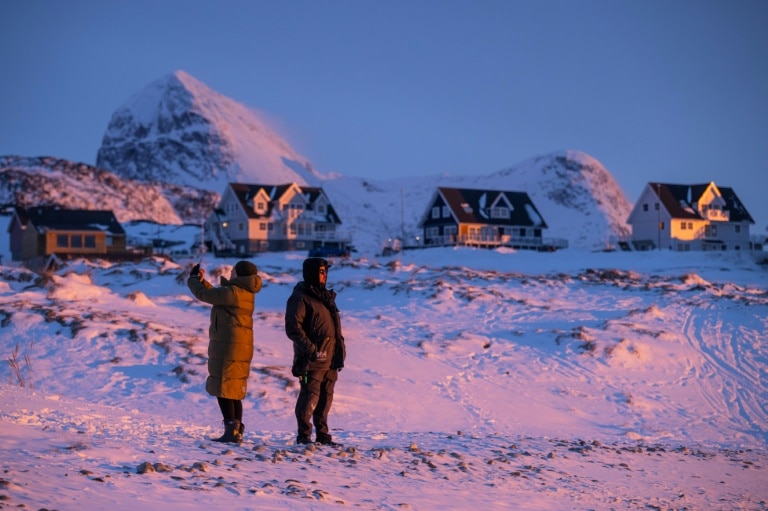
    Residents of Greenland have responded with profound skepticism to U.S. President Donald Trump’s recent declaration regarding the future status of the autonomous Danish territory. Speaking at the World Economic Forum in Davos, Trump announced he had established a satisfactory framework agreement concerning Greenland’s geopolitical position, though he provided no substantive details to support this claim.

    The announcement follows weeks of increasingly confrontational rhetoric from the American president regarding his administration’s interest in acquiring strategic control over the Arctic island. Despite Trump’s assertion that he reached this understanding during discussions with NATO Secretary General Mark Rutte, Greenlanders remain largely unconvinced.

    In interviews conducted in Nuuk, the capital of Greenland, residents expressed overwhelming doubt about the validity of Trump’s statements. Mickel Nielsen, a 47-year-old technician, characterized the announcement as ‘quite simply a lie,’ adding, ‘I don’t believe a word he says, and I don’t think I’m the only one.’

    This sentiment was echoed by Anak, a 64-year-old care worker, who stated unequivocally, ‘Trump? I don’t believe him. Greenland belongs to the Greenlanders.’ Another resident, identifying themselves as Miki, noted the inconsistency of Trump’s declarations, observing that ‘he can say something and two minutes later he says completely the opposite.’

    According to NATO spokesperson Allison Hart, the discussion between Trump and Rutte was ‘very productive,’ with allies prepared to examine a framework addressing U.S. security concerns about potential Russian and Chinese influence in Greenland. Hart indicated that subsequent negotiations would involve Denmark, Greenland, and the United States with the stated objective of preventing economic or military footholds by rival powers.

    However, Greenlandic political representatives have challenged the legitimacy of these discussions. Aaja Chenmitz, a Greenlandic member of the Danish parliament, emphasized that ‘NATO has absolutely no right to negotiate anything without us, Greenland. Nothing about us without us.’ She further characterized the idea of NATO influencing decisions about Greenland’s territory and mineral resources as ‘completely insane.’

    These developments occur against the backdrop of overwhelming public opposition to integration with the United States. A January 2025 poll revealed that 85% of Greenlanders oppose joining the United States, with only 6% expressing support for such a move.

  • Real Madrid top football rich list as Liverpool surge

    Real Madrid top football rich list as Liverpool surge

    Real Madrid has solidified its position as football’s financial powerhouse, maintaining the top spot in Deloitte’s annual Money League rankings with unprecedented revenue generation during the 2024/25 season. The Spanish giants amassed approximately €1.2 billion ($1.4 billion) despite failing to secure major silverware, demonstrating the club’s remarkable commercial resilience.

    The comprehensive redevelopment of Santiago Bernabeu Stadium has emerged as a transformative revenue driver, with commercial operations alone generating €594 million – sufficient to secure a top-ten position independently. Barcelona ascended to second position with €975 million, achieving this milestone while playing their entire season away from Camp Nou due to ongoing redevelopment delays.

    German champions Bayern Munich claimed third position with €861 million, narrowly surpassing Paris Saint-Germain whose Champions League victory provided significant financial impetus. The Premier League’s representation remained robust, with Liverpool leading English clubs for the first time following stadium expansion, Champions League participation, and domestic league triumph that collectively boosted revenues to €836 million.

    Notable shifts occurred in the rankings as Manchester City descended from second to sixth position following early European elimination and third-place domestic finish. Manchester United fell to eighth behind Arsenal after missing Champions League qualification and finishing 15th in Premier League competition.

    Collectively, Europe’s top 20 revenue-generating clubs achieved an 11% revenue increase to €12.4 billion. Deloitte Sports Business Group lead partner Tim Bridge observed: “The ranking’s upper echelon reflects strategic emphasis on commercial revenue development as domestic broadcast rights stabilize. Clubs are fundamentally transforming their business models through brand optimization and stadium asset maximization.”

    The emerging trend of multifunctional stadium facilities – incorporating breweries, hotels, and restaurants – demonstrates strategic diversification toward year-round entertainment destinations. The inaugural 32-team Club World Cup significantly influenced rankings, propelling Bayern into top-three positioning for the first time since 2020/21.

    In women’s football, Arsenal emerged as highest-earning club for the first time following their Champions League victory, generating €25.6 million to surpass London rivals Chelsea and Barcelona.