作者: admin

  • Israeli and Syrian officials hold ‘positive’ talks over security agreement

    Israeli and Syrian officials hold ‘positive’ talks over security agreement

    In a significant diplomatic development, Syrian and Israeli officials have concluded what participants described as a “positive” fifth round of U.S.-mediated security negotiations in Paris. The talks, held on Tuesday, marked a rare engagement between two nations lacking formal diplomatic relations.

    Delegations from both countries agreed to intensify their dialogue schedule and implement confidence-building measures following the Paris meeting. An Israeli official characterized the discussions to Axios as fundamentally constructive, noting that “both countries expressed a desire to reach a security agreement under President Trump’s vision for the Middle East.

    The high-level Israeli delegation included Ambassador to Washington Yechiel Leiter and Acting National Security Adviser Gil Reich. Syria’s representation featured Foreign Minister Asaad al-Shaibani and intelligence chief Hussein Salameh. The U.S. mediating team comprised Syria envoy Tom Barrack alongside presidential advisers Steve Witkoff and Jared Kushner.

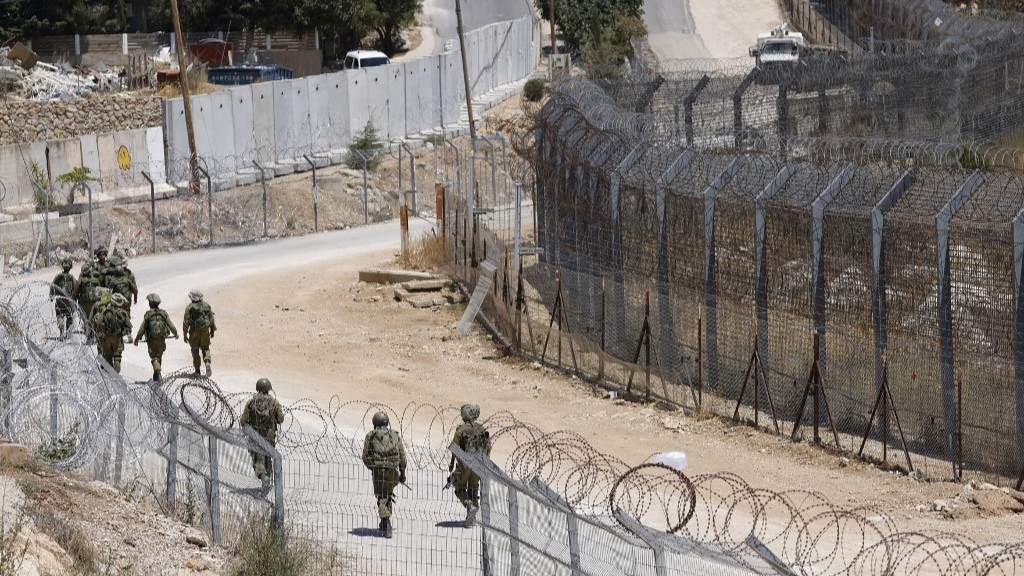
    These negotiations occur against a complex historical backdrop. Israel has maintained control of Syria’s Golan Heights since 1967, a occupation unrecognized by international law. The territorial situation further evolved following the contraction of Bashar al-Assad’s government, with Israel expanding its presence in southern Syria. In December 2024, Israeli forces assumed control of the entire UN-patrolled buffer zone on Mount Hermon that previously separated military forces in the Golan Heights.

    According to Syria’s state news agency Sana, Damascus seeks guaranteed Israeli withdrawal from positions held before December 8, 2024, through a reciprocal security agreement ensuring full Syrian sovereignty. The Paris discussions have additionally focused on revitalizing the 1974 Disengagement Agreement, which originally established a UN-monitored buffer zone following the 1973 Yom Kippur War.

    President Trump reportedly emphasized to Prime Minister Netanyahu during their December meeting in Florida the necessity of achieving tangible progress toward a comprehensive agreement, adding diplomatic urgency to these unconventional negotiations between longstanding adversaries.
  • ‘Finally told in the end’: Ben Stokes leaves the SCG with injury in latest blow to England

    ‘Finally told in the end’: Ben Stokes leaves the SCG with injury in latest blow to England

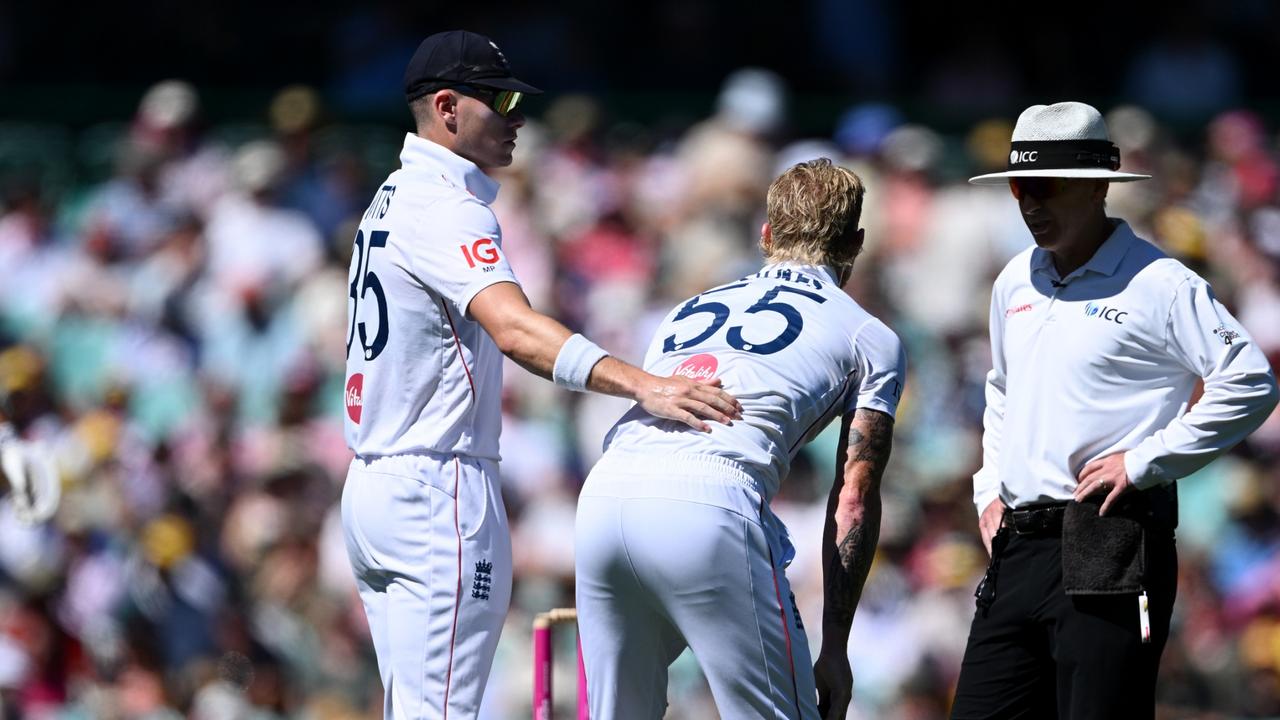
    England’s disastrous Ashes tour in Australia has descended into further turmoil after inspirational captain Ben Stokes was forced from the field with a significant injury during the fourth day of play at the Sydney Cricket Ground. The all-rounder, who has been England’s most consistent performer throughout the series, sustained a right adductor muscle injury while bowling his 28th over under punishing conditions. Stokes immediately recognized the severity of the issue and left the field without completing the over, with Jacob Bethell completing his bowling duties. The injury represents the latest devastating blow to England’s already depleted squad, which has lost fast bowlers Mark Wood, Jofra Archer, and Gus Atkinson to various injuries throughout the series. Commentary teams from multiple networks expressed concern about Stokes’ condition, with former Australian cricketers Mark Waugh and Adam Gilchrist noting that the captain had been managing the groin issue throughout the tour. Despite the physical challenges, Stokes has delivered an exceptional individual performance throughout the series, taking 15 wickets and scoring two half-centuries while leading a team facing inevitable defeat. Fox Cricket commentator Isa Guha described Stokes as a ‘warrior cricketer’ who worked tremendously hard to achieve fitness for the series but ultimately succumbed to the physical demands of captaincy, batting, and bowling responsibilities. The injury raises serious questions about whether Stokes will be able to bat in England’s second innings as Australia’s lead approaches 200 runs, fueled by centuries from Travis Head and Steve Smith.

  • Trump’s Venezuela raid has created chaos – and that is a risk for China

    Trump’s Venezuela raid has created chaos – and that is a risk for China

    The geopolitical landscape of the Western Hemisphere underwent a seismic shift when U.S. forces conducted a dramatic nighttime raid resulting in the capture of Venezuelan President Nicolás Maduro. This operation fundamentally altered a decades-long partnership China had meticulously built with the oil-rich South American nation.

    Just hours before his apprehension, Maduro had been warmly referring to Chinese President Xi Jinping as “an older brother” during diplomatic meetings, with state media showcasing the strong bilateral relationship through footage of officials reviewing some 600 active agreements between the two countries. The subsequent images of a blindfolded and handcuffed Maduro aboard a U.S. warship presented a stark contrast to this display of international cooperation.

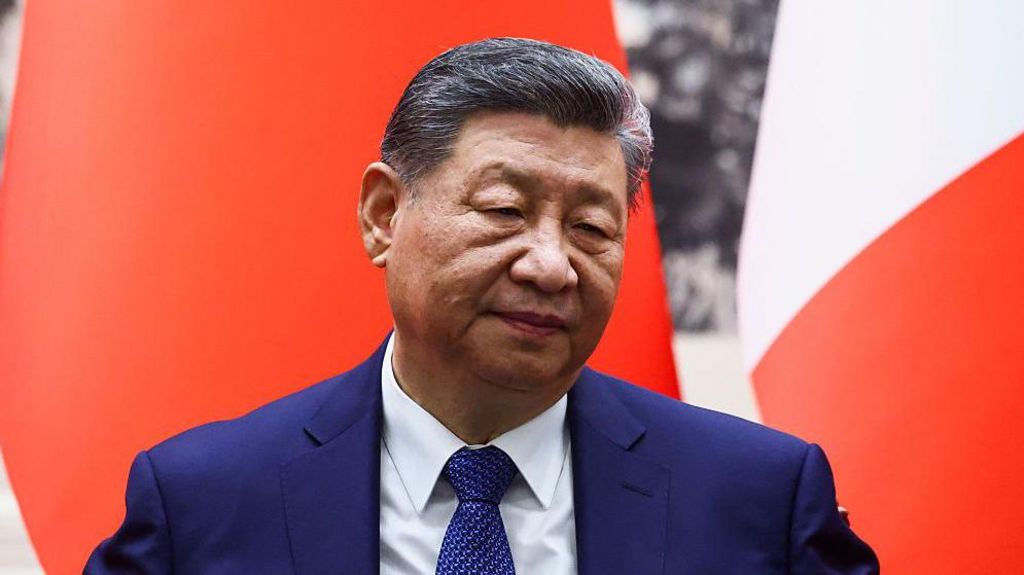
    Beijing responded with forceful condemnation, accusing Washington of acting as a “world judge” and emphasizing the importance of protecting national sovereignty under international law. Beyond the rhetorical response, Chinese leadership now faces complex calculations regarding its South American foothold and its increasingly volatile relationship with the Trump administration.

    The unexpected turn of events presents both opportunity and risk for China’s long-term strategic planning. While some Chinese nationalists have drawn parallels between U.S. actions in Venezuela and potential Chinese moves regarding Taiwan, experts caution against direct comparisons. David Sacks of the Council on Foreign Relations notes that Beijing considers Taiwan an internal matter and lacks confidence in achieving reunification through force “at an acceptable cost.”

    China’s substantial investments in Venezuela—exceeding $100 billion in infrastructure financing since 2000—now face uncertainty. While Venezuelan oil constitutes approximately 4% of China’s imports, major Chinese energy companies like CNPC and Sinopec have significant assets at risk of nationalization or marginalization amid the political turmoil.

    The broader concern for Beijing extends beyond Venezuela. As Eric Olander of The China-Global South Project observes, other South American nations may now hesitate to accept significant Chinese investments “out of concern of attracting unwanted U.S. attention.” This region represents a critical source of food, energy, and natural resources for China, with two-way trade exceeding half a trillion dollars.

    China’s patient strategy of cultivating relationships in the Global South through infrastructure investment and diplomatic persuasion—convincing numerous Latin American nations to switch recognition from Taiwan to China—now confronts a more unpredictable U.S. foreign policy approach. The Trump administration has additionally pressured Panama to cancel Chinese port holdings related to the Panama Canal, further complicating China’s regional ambitions.

    As Beijing navigates this new geopolitical reality, it must balance protecting its substantial investments, maintaining its fragile trade truce with the United States, and advancing its long-term strategy of presenting China as a stable alternative to American volatility in the Western Hemisphere.

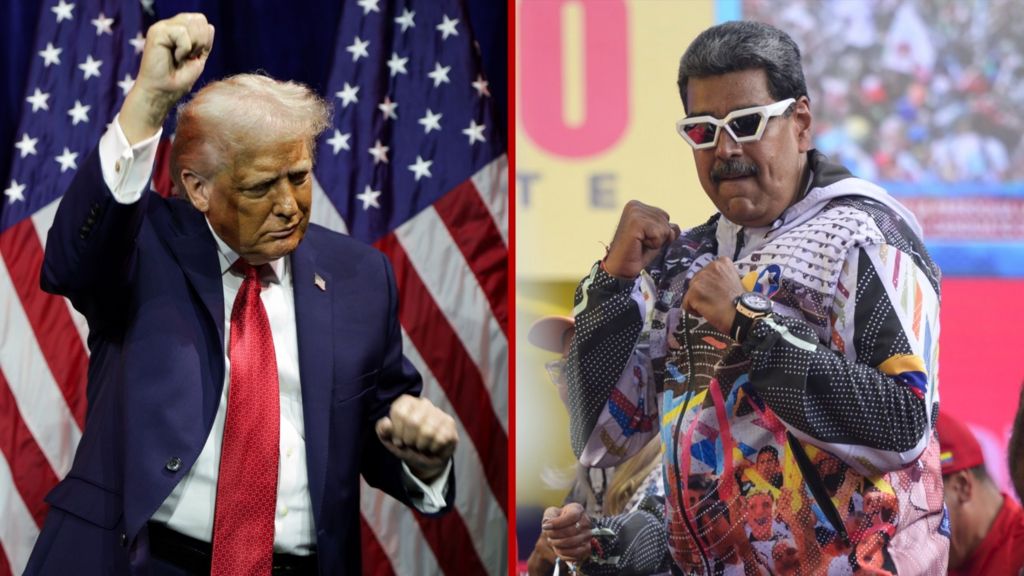
  • Watch: Trump says Maduro copied his dancing. Did he?

    Watch: Trump says Maduro copied his dancing. Did he?

    In an unusual diplomatic development, former U.S. President Donald Trump has publicly asserted that Nicolás Maduro, Venezuela’s controversial leader, deliberately mimicked his distinctive dance movements. The extraordinary allegation emerged on Tuesday, creating a surreal intersection of political theater and performative expression between the two nations’ leaders.

    This peculiar exchange occurs against the backdrop of significantly strained relations between the United States and Venezuela, where Maduro maintains power despite numerous international challenges to his legitimacy. The dancing comparison has sparked both amusement and bewilderment among political observers, who note the stark contrast between traditional diplomatic discourse and this unconventional form of political communication.

    Video evidence circulating online provides a comparative analysis of both leaders’ rhythmic expressions, revealing notable similarities in their movement patterns and stylistic approaches. The visual documentation offers fascinating insights into how body language and public performance have become increasingly relevant in modern political leadership.

    Political analysts suggest this incident reflects the evolving nature of international relations in the social media era, where symbolic gestures and visual messaging sometimes overshadow conventional diplomatic protocols. The dancing controversy represents just one episode in the complex relationship between the United States and Venezuela, which continues to navigate challenges related to governance, economic sanctions, and regional influence.

    The phenomenon also highlights how personal style and public presentation have become integral components of political identity in contemporary global leadership, potentially influencing public perception across international boundaries.

  • Saudi to open financial market to all foreign investors from Feb 1

    Saudi to open financial market to all foreign investors from Feb 1

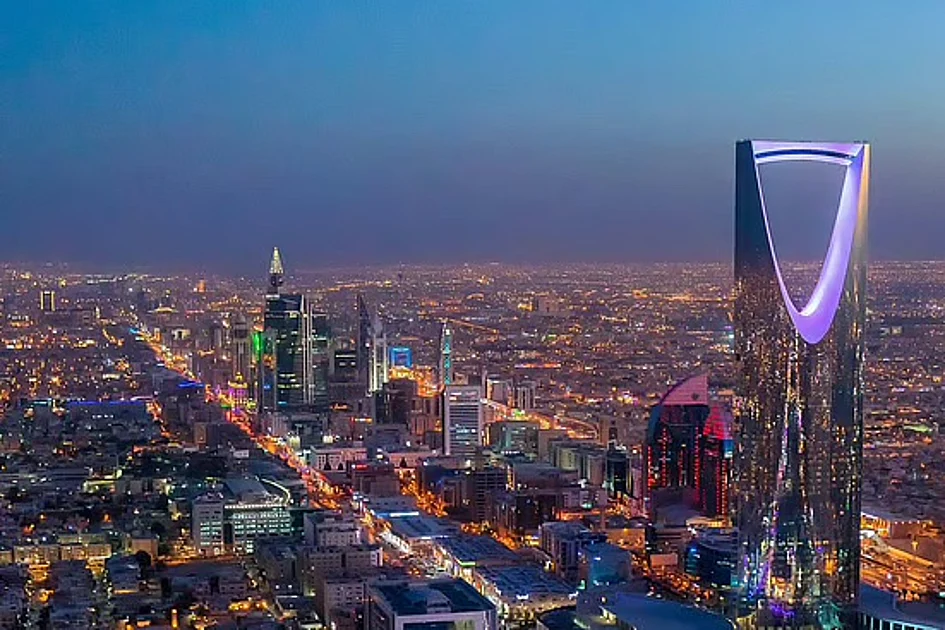
    In a landmark financial reform, Saudi Arabia’s Capital Markets Authority (CMA) announced Tuesday that the kingdom will fully open its financial markets to all foreign investors effective February 1, 2026. This decisive move eliminates the previous Qualified Foreign Investor framework that restricted direct market access to specific institutional investors.

    The regulatory overhaul represents the most significant opening of Saudi Arabia’s capital markets to date, allowing international investors worldwide to participate directly in the Middle East’s largest stock exchange. CMA officials stated the reforms are designed to stimulate substantial foreign capital inflows and enhance overall market liquidity.

    This development accelerates Saudi Arabia’s Vision 2030 economic diversification initiative, which aims to reduce the kingdom’s traditional dependence on oil revenues. The market opening follows several strategic moves to attract international investment, including the establishment of exchange-traded funds with Asian financial hubs in Japan and Hong Kong.

    Recent years have seen gradual financial liberalization measures, including last year’s regulatory change permitting foreign ownership of listed companies holding real estate in the holy cities of Mecca and Medina, while maintaining restrictions on direct land ownership. Saudi stocks previously surged in September 2025 on speculation of impending foreign ownership rule relaxations.

    According to CMA data, international investors already held approximately 590 billion riyals ($157 billion) in Saudi capital markets by the conclusion of the third quarter last year, demonstrating substantial existing foreign interest despite previous restrictions. The February opening is expected to significantly expand this foreign participation.

  • UAE: Back-to-school season could trigger rise in flu cases, doctors warn

    UAE: Back-to-school season could trigger rise in flu cases, doctors warn

    Medical professionals across the United Arab Emirates are alerting communities to anticipate a predictable increase in influenza cases coinciding with the post-holiday return to academic institutions. This annual pattern emerges as students congregate in educational environments following extensive travel and social gatherings during the winter break.

    Healthcare experts note that the convergence of children in classroom settings creates optimal conditions for viral transmission, particularly among younger demographics with developing immune systems. Dr. Mamata Bothra, Specialist in Pediatrics and Neonatology at International Modern Hospital Dubai, observed: ‘We are witnessing a marked escalation in flu-like ailments among pediatric patients shortly after school recommencement. This cyclical phenomenon remains consistent with previous epidemiological patterns.’

    The epidemiological situation mirrors developments in the United States, where the Centers for Disease Control and Prevention report escalating hospitalizations and record-breaking outpatient visits for respiratory illnesses. Although UAE authorities maintain the nation’s health status remains stable, physicians emphasize that identical seasonal factors are contributing to local transmission dynamics.

    Dr. Vishrut Singh, Pediatrics Specialist at Aster Clinic, Bur Dubai (AJMC), elaborated: ‘The current escalation represents an expected seasonal progression aligned with international travel resumption and routine transitions. Movement from holiday settings to structured educational environments naturally increases viral exposure frequency. Fortunately, most cases remain clinically manageable with enhanced community health awareness contributing to overall stability.’

    Medical recommendations emphasize proactive prevention strategies, including seasonal influenza vaccination, reinforced hygiene protocols, and parental vigilance regarding symptom monitoring. Physicians strongly advise against attending school during symptomatic periods to mitigate transmission risks. Dr. Nahed Mohamed Abdelgabaar Ali of Burjeel Medical Center, Al Shamkha emphasized: ‘Vaccination constitutes the most effective intervention for reducing influenza complications. Complementary measures including hand hygiene, respiratory etiquette, and maintaining adequate sleep and nutrition collectively support pediatric immune resilience during this vulnerable period.’

  • Euro zone inflation dips, growth holds up, backing ECB’s sanguine narrative

    Euro zone inflation dips, growth holds up, backing ECB’s sanguine narrative

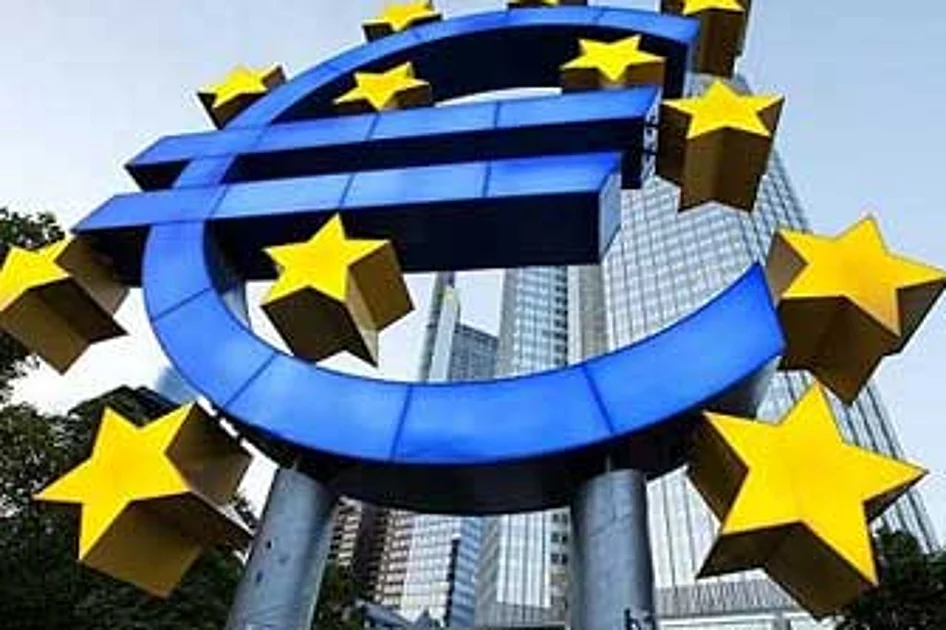
    The Eurozone economy is demonstrating remarkable resilience as it concludes 2025 with a favorable combination of moderating inflation and sustained economic expansion. Recent data reveals that price pressures have diminished more rapidly than anticipated across the bloc’s major economies while growth maintains its momentum, validating the European Central Bank’s optimistic assessment of regional economic conditions.

    Germany, Europe’s largest economy, witnessed a substantial deceleration in inflation, dropping to 2.0% from November’s 2.6%—significantly beneath economist projections of 2.2%. Concurrently, France experienced a modest decline to 0.7% from 0.8%, while Spain’s rate eased to 3.0% from 3.2%. This widespread disinflationary pattern suggests the Eurozone’s aggregate inflation reading could fall below the ECB’s 2% target when official figures are published.

    The economic landscape throughout 2025 has surpassed expectations as robust domestic consumption effectively compensated for declining export performance. This dynamic has created what financial analysts characterize as a ‘goldilocks scenario’—an ideal equilibrium where inflation stabilizes around central bank targets while economic activity remains buoyant.

    ECB policymakers have maintained a steady course, exhibiting minimal concern regarding projected below-target inflation readings in coming months. The central bank’s current stance reflects confidence in the economy’s underlying strength, with officials signaling no imminent adjustments to interest rates. Financial markets have aligned with this outlook, pricing in a stable 2% deposit rate throughout all eight of the ECB’s scheduled 2026 meetings.

    Supporting this positive narrative, Purchasing Managers’ Index data indicates the currency bloc completed 2025 with its most substantial quarterly growth in over two years. The services sector demonstrated particularly vigorous momentum, successfully counterbalancing continued manufacturing weakness.

    Nevertheless, potential risks persist within this generally favorable outlook. Energy price volatility, slowing wage growth, manufacturing stagnation, and Germany’s persistent recession threats present downward pressure on inflation. Conversely, geopolitical tensions disrupting global supply chains, expanding government expenditure, and tight labor market conditions could exert upward price pressures. These countervailing forces suggest economic conditions remain susceptible to sudden shifts, prompting ECB officials to maintain cautious forward guidance.

  • ‘Surreal’: Josh Curran the latest NRL star to sign with the Perth Bears

    ‘Surreal’: Josh Curran the latest NRL star to sign with the Perth Bears

    The Perth Bears have significantly bolstered their inaugural squad with the strategic acquisition of versatile forward Josh Curran, securing his services on a substantial three-year contract. This pivotal signing marks another crucial step in building a competitive roster for their 2027 debut campaign.

    Curran, a 26-year-old veteran with extensive experience across three NRL clubs including the Roosters, Warriors, and Bulldogs, brings both versatility and prime athletic conditioning to the expanding franchise. His unique ability to effectively play both edge and middle forward positions, combined with his renowned work ethic, provides the fledgling team with exactly the type of dynamic player needed to establish immediate competitiveness.

    “This represents an extraordinary opportunity that I simply couldn’t decline,” Curran expressed regarding his transition. “The prospect of becoming part of the Bears’ foundational squad and having my name included among their initial signings feels remarkably surreal. I’m particularly motivated by the chance to engage with the community and help build something transformative from the ground up that could potentially inspire an entire state.”

    Bears coach Mal Meninga praised the acquisition, highlighting Curran’s dual capabilities: “Josh possesses that rare combination of ball-playing finesse and defensive tenacity. He competes with exceptional intensity and demonstrates unwavering commitment to elevating his teammates’ performance. Beyond his on-field attributes, I’ve been tremendously impressed with his off-field leadership and substantial community investment efforts.”

    This signing continues Perth’s deliberate recruitment strategy that has already secured talents including Toby Sexton, Liam Henry, and Harry Newman. With Curran’s addition solidifying their forward pack, the organization now shifts focus toward acquiring marquee players for key spine positions as they continue constructing their historic inaugural roster.

  • Nine dead in clashes between Syria govt, Kurdish forces in Aleppo

    Nine dead in clashes between Syria govt, Kurdish forces in Aleppo

    A violent confrontation between Syrian government troops and Kurdish-led forces in the northern city of Aleppo resulted in at least nine fatalities on Tuesday, marking one of the most severe outbreaks of hostilities between the factions in recent months. The clashes, which persisted throughout the night, primarily claimed civilian lives and have severely jeopardized a critical integration agreement.

    The conflict ignited in the early hours when factions aligned with the Damascus government allegedly targeted the Kurdish-majority neighborhood of Sheikh Maqsud, according to the US-backed Syrian Democratic Forces (SDF). The SDF reported that the assault involved indiscriminate artillery, missile strikes, drone deployments, and direct sniper fire. By nightfall, the death toll in the districts of Sheikh Maqsud and Ashrafiyeh had risen to four civilians, including two women and a child.

    In a sharp rebuttal, Syria’s defence ministry, via the state news agency SANA, accused the SDF of initiating the violence by shelling government-adjacent neighborhoods. Official reports claimed five fatalities from SDF fire: four civilians, one of them a child, and a ministry of defence employee. The agriculture ministry further stated that two of the deceased were workers at a research centre, condemning the SDF for undermining the March 10 integration accord.

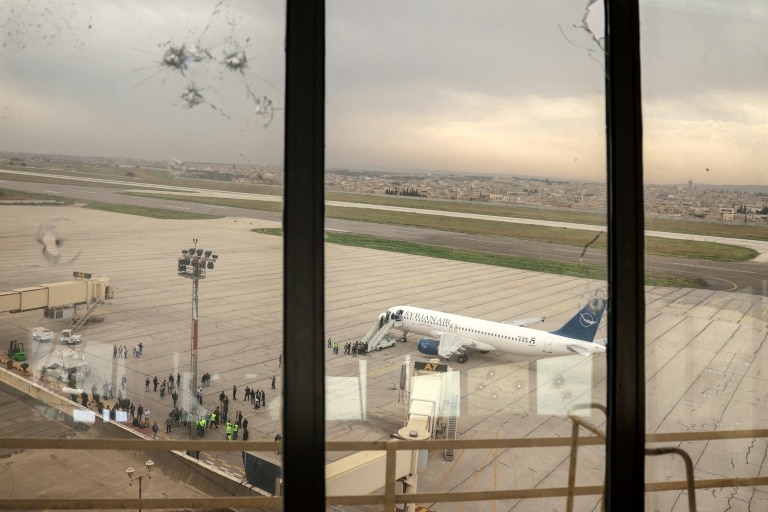
    The repercussions of the fighting extended beyond the immediate casualties. Syrian civil aviation authorities suspended all flights at Aleppo’s international airport for 24 hours, diverting air traffic to Damascus. The provincial governor announced the closure of schools, universities, and government offices for Wednesday, citing the targeting of medical facilities and public institutions.

    This flare-up represents a significant setback for the March agreement, which aimed to merge the SDF’s semi-autonomous administration and military apparatus into Syria’s new Islamist government by the end of 2025. Implementation has largely stalled, with the Kurds advocating for decentralized rule—a concept firmly rejected by the central authorities in Damascus.

    The international dimension of the conflict was also highlighted. In Ankara, Turkish Defence Minister Yasar Guler issued a stern warning, demanding that the SDF and its affiliated groups, which Turkey views as terrorist entities linked to the PKK, immediately lay down their weapons. Turkey, a key ally of Syria’s new government, has conducted multiple military operations along its 900-kilometer border with Syria to push Kurdish forces back from its frontier.

  • Jacob Duffy named in New Zealand’s squad for the T20 World Cup

    Jacob Duffy named in New Zealand’s squad for the T20 World Cup

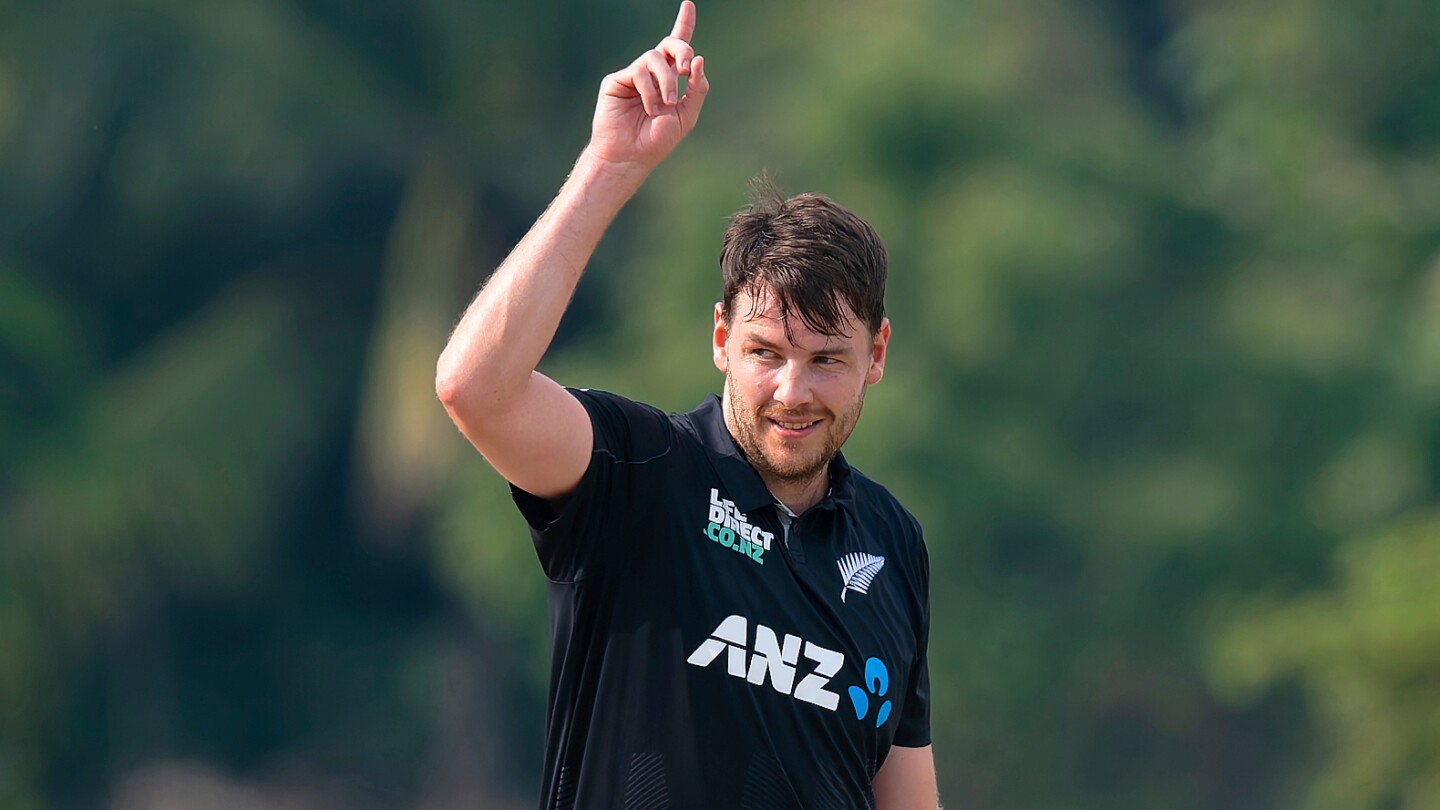
    WELLINGTON, New Zealand — Cricket New Zealand has unveiled its formidable squad for the upcoming Twenty20 World Cup, with record-setting pace bowler Jacob Duffy earning his maiden tournament selection following an extraordinary 2025 season. The 31-year-old right-armer shattered a four-decade-old national record by claiming 81 international wickets throughout the year, surpassing legendary all-rounder Richard Hadlee’s previous benchmark of 79 wickets set in 1985.

    Duffy’s remarkable performance has propelled him to second place in the global T20 bowling rankings, making him the only member of New Zealand’s 1,064-cap experienced squad yet to feature in a T20 World Cup tournament. He joins an established pace attack featuring Matt Henry, Lockie Ferguson, Adam Milne, and all-rounder Jimmy Neesham for the championship scheduled across India and Sri Lanka from February 7 to March 8.

    The Black Caps will be led by all-rounder Mitchell Santner, who captains a balanced squad featuring specialist spinner Ish Sodhi alongside all-round options Michael Bracewell, Glenn Phillips, and Rachin Ravindra. The batting department boasts power hitters Finn Allen, Mark Chapman, Devon Conway, Daryl Mitchell, and wicketkeeper-batter Tim Seifert, who will join the squad following his commitments in Australia’s Big Bash League.

    Head coach Rob Walter expressed confidence in the team’s composition, stating: ‘We’ve assembled a squad with substantial power and technical skill in our batting lineup, complemented by quality bowlers capable of adapting to diverse conditions. Our five all-rounders provide distinctive strategic options, and this experienced group possesses valuable sub-continent playing background.’

    The team faces some fitness concerns with Allen (finger/hamstring), Chapman (ankle), Ferguson (calf), Henry (calf), and Santner (adductor) currently undergoing treatment. Additionally, Ferguson and Henry may require short-term paternity leave during the tournament as their partners are expecting childbirth.

    Duffy’s selection comes after he shouldered New Zealand’s pace responsibilities across all formats during the domestic season, filling the void left by injured regulars including Henry, Will O’Rourke, Ben Sears, Kyle Jamieson (designated as pace bowling reserve), and Nathan Smith. His 81 wickets came at an impressive average of 17 across 36 international matches.

    New Zealand will fine-tune their preparations with a white-ball series in India during January, followed by a warm-up encounter against the United States before commencing their World Cup campaign in Group D alongside Afghanistan, UAE, South Africa, and Canada.