作者: admin

  • Abu Dhabi T10: Stallions reach final as Bulls set up do-or-die clash with Quetta

    Abu Dhabi T10: Stallions reach final as Bulls set up do-or-die clash with Quetta

    The Abu Dhabi T10 tournament witnessed dramatic developments on Saturday as two crucial matches determined the finalists lineup. In Qualifier 1, the Aspin Stallions secured their place in the championship final with a commanding seven-wicket victory over Quetta Qavalry at Zayed Cricket Stadium.

    The Stallions’ triumph was orchestrated by West Indies powerhouse Sherfane Rutherford, who delivered a spectacular unbeaten 66 runs from just 22 deliveries. His explosive innings, featuring six boundaries and six maximums, marked his first half-century of the tournament and propelled his team to chase down Quetta’s total of 102 with seven balls remaining.

    Despite early trouble at 13-2, Rutherford’s crucial 64-run partnership with captain Rahmanullah Gurbaz (19) stabilized the innings. The match reached its climax when Rutherford unleashed a devastating assault, scoring 22 runs from four consecutive balls against pace bowler Khuzaima Tanveer to seal the victory.

    Earlier, Quetta’s batting lineup struggled against the Stallions’ bowling attack, particularly Karim Janat (2/9) and Binura Fernando (2/14), who restricted them to 102-6 despite several batters making promising starts.

    In the Eliminator match, UAE Bulls kept their championship hopes alive with a dominant 47-run win against Ajman Titans. The Bulls posted the tournament’s highest total this season—162-3—fueled by Phil Salt’s 59 (26 balls), Tim David’s rapid 40 (13 balls), and Rovman Powell’s unbeaten 32 (10 balls). Their collective six-hitting exhibition overwhelmed the Titans.

    Although Ajman’s openers Alex Hales (35) and Aneurin Donald (37) mounted a strong 68-run partnership in 5.1 overs, UAE pace bowler Junaid Siddique turned the tide by dismissing both Hales and Rilee Rossouw in successive deliveries during the sixth over. The Titans eventually collapsed to 115-4, eliminating them from contention.

    The stage is now set for Sunday’s decisive Qualifier 2 between UAE Bulls and Quetta Qavalry at 3:30 PM, with the winner advancing to face Stallions in the championship final at 5:45 PM on the same ground.

  • UAE Lottery: Last Dh100 million remains unclaimed, 7 win Dh100,000 in latest draw

    UAE Lottery: Last Dh100 million remains unclaimed, 7 win Dh100,000 in latest draw

    The UAE Lottery’s latest Lucky Day draw has produced another group of fortunate winners while leaving the massive Dh100 million grand prize unclaimed for yet another drawing cycle. In the recently concluded 26th edition, seven participants secured guaranteed prizes of Dh100,000 each, adding to the growing list of lottery beneficiaries across the Emirates.

    The winning combination for the November 29th draw featured day numbers 16, 30, 25, 5, 26, and 20, complemented by the month number 3. The victorious Lucky Chance IDs that secured the substantial prizes have been officially identified as: BY4914265, AL1016451, BP4066235, DU9788071, CG5712673, DB7877266, and AH0600495.

    This latest distribution of winnings marks a significant milestone for the UAE Lottery initiative, bringing the total count of Dh100,000 winners to 233 participants since the program’s inception. The lottery scheme has consistently rewarded players through multiple editions, demonstrating its ongoing commitment to creating financial opportunities for residents.

    Despite the substantial payouts to these seven winners, the draw results published on the official lottery portal confirmed that no participants matched the required numbers for the top three tier prizes. The premier Dh100 million jackpot, along with the secondary and tertiary awards, will consequently roll over to subsequent draws, potentially creating even larger prize pools for future participants.

    The UAE Lottery continues to operate as a prominent gaming platform within the country, offering residents regular opportunities to participate in draws with life-changing monetary rewards. The ongoing unclaimed jackpot situation adds an element of anticipation to future draws, potentially driving increased participation as the prize pool accumulates.

  • Dictatorship-era army officers and supporters rally in Argentina in latest sign of political shift

    Dictatorship-era army officers and supporters rally in Argentina in latest sign of political shift

    BUENOS AIRES — In a provocative demonstration that has exposed deep societal fractures, former Argentine military officers and their families staged an unprecedented rally at Plaza de Mayo on Saturday, demanding the release of personnel imprisoned for human rights violations during the nation’s 1976-1983 dictatorship.

    The gathering represented a direct challenge to Argentina’s foundational “Nunca Más” (Never Again) principle that has guided the nation’s reckoning with authoritarian rule. The location itself carried profound symbolism—the same square where the Grandmothers of Plaza de Mayo have conducted silent weekly protests for decades seeking answers about children abducted by the junta.

    This demonstration occurred amidst a dramatic ideological shift under right-wing President Javier Milei, who has repeatedly characterized the dictatorship’s state terrorism as a necessary campaign against leftist guerrillas. His administration has taken unprecedented steps to rehabilitate the military’s image, including appointing Army chief Lt. Gen. Carlos Alberto Presti as defense minister—the first active military official to hold a cabinet position since democracy’s restoration in 1983.

    Vice President Victoria Villarruel, daughter of an Argentine lieutenant colonel, has spent years advocating for what she calls the “other victims” of left-wing guerrilla violence, further signaling the government’s revisionist approach to historical memory.

    Human rights organizations have expressed outrage at these developments, viewing them as attempts to legitimize systematic extrajudicial killings that resulted in an estimated 30,000 disappearances. The United Nations Committee Against Torture recently criticized Milei’s dismantling of programs investigating military actions during the dictatorship and budget cuts to institutions working on truth and justice initiatives.

    Counter-protesters flooded the plaza alongside military supporters, shouting insults and bearing “Never Again” signs. Police established physical barriers separating the factions, highlighting the tense divide over how Argentina should confront its violent past.

    The demonstration’s organizers brandished black bandanas—a deliberate contrast to the white kerchiefs embroidered with missing children’s names worn by the Grandmothers. Rally organizer Maria Asuncion Benedit decried what she called a “militant, activist judiciary” and demanded “moral vindication” for military veterans.

    Unlike other Latin American nations that granted amnesty after democratic transitions, Argentina has prosecuted over a thousand military officials for participation in state terror, with hundreds still awaiting trial. This ongoing pursuit of justice now faces its most significant political challenge in decades.

  • Drinking is a way of life in Ireland. Can a warning label change that?

    Drinking is a way of life in Ireland. Can a warning label change that?

    Ireland’s profound cultural entanglement with alcohol faces unprecedented regulatory challenges as the nation implements some of the world’s strongest alcohol warning labels. These labels, now appearing on bottles and cans nationwide, explicitly state that alcohol consumption causes liver disease and is linked to fatal cancers. The measures represent the latest development in Ireland’s complex relationship with drinking, where pub culture remains deeply embedded in social traditions.

    The legislation, initially signed into law in 2023, mandates physical barriers between alcohol and general products in supermarkets alongside graphic health warnings. However, in a controversial move criticized by public health advocates, the Irish government has postponed compulsory implementation until 2028, citing global trade uncertainties. Critics suggest industry lobbying influenced the delay, though Drinks Ireland, the industry representative body, maintains they sought “breathing space” and prefers EU-wide standardization.

    Despite decreasing overall consumption—down approximately one-third over 25 years according to The Drinks Industry Group of Ireland—concerning trends persist among youth. Public health organization Alcohol Action Ireland reports binge drinking rates among 15-24-year-olds have increased significantly, with two-thirds regularly engaging in hazardous consumption patterns. The average drinking initiation age has risen to 17, yet young Irish drinkers still rank among Europe’s heaviest consumers once they start.

    Interviews with Dublin residents reveal mixed reactions to the warnings. Jack, a 29-year-old advertising professional who regularly consumes six or more pints on heavy nights, acknowledges the labels but questions their efficacy: “I know my limits. As long as you know what your limits are, I think it’s fine health-wise.” Others like 23-year-old Amanda express skepticism: “You look at it and you’re like, ‘Oh, I just drank that. Should I drink another one?’”.

    Structural factors complicate Ireland’s drinking culture. Sean, 21, notes the lack of social alternatives: “There’s not much to do in Dublin after a certain time… you have to get a pint.” This pub-centric social landscape contrasts with emerging sober curious movements. Individuals like 27-year-old Sam, completely alcohol-free for three years, and Helen, who rarely drinks, represent growing demographic shifts despite facing social stigma for their choices.

    The delayed warning label implementation reflects broader tensions between public health objectives, cultural traditions, and economic considerations in a nation where alcohol brands like Guinness and Jameson remain iconic exports. With calorie and alcohol content labeling also postponed until 2028, Ireland’s journey toward alcohol harm reduction continues to navigate complex social and political currents.

  • UAE Lottery announces major changes: Weekly draws, new Dh30 million grand prize

    UAE Lottery announces major changes: Weekly draws, new Dh30 million grand prize

    The UAE Lottery has unveiled a comprehensive transformation of its Lucky Day game format coinciding with its first anniversary celebrations. The dramatic overhaul, announced during a live broadcast on Saturday evening, transitions the lottery draws from a bi-weekly to weekly schedule while introducing a substantial Dh30 million top prize.

    This landmark announcement preceded the final Dh100 million jackpot draw under the existing format, marking the conclusion of an era that has distributed Dh147 million to over 100,000 winners throughout its 26-draw history. The lottery’s inaugural year produced five millionaire winners who each claimed Dh1 million prizes.

    Key modifications to the Lucky Day game include a significantly enhanced prize structure featuring a revised grand prize of Dh30 million and an elevated second prize that has jumped from Dh1 million to Dh5 million. The new weekly draws will occur every Saturday, substantially increasing winning opportunities for participants.

    An innovative ‘Lucky Chance’ segment will be incorporated into each weekly event, awarding three fortunate players Dh100,000 each. The inaugural weekly draw under this revitalized format is scheduled for December 6, establishing a new chapter in the UAE’s gaming landscape.

    The transition to weekly events reflects the lottery’s commitment to maintaining engagement and excitement among participants while expanding the prize distribution framework. This strategic recalibration aims to sustain the momentum generated during the game’s successful first year of operation.

  • ‘Too scared to speak’ – Nigerian villagers on living in the midst of kidnap gangs

    ‘Too scared to speak’ – Nigerian villagers on living in the midst of kidnap gangs

    In the remote village of Papiri in Niger state, anguished parents maintain a fearful vigil outside St. Mary’s Catholic School, their silence speaking volumes about Nigeria’s escalating kidnapping epidemic. Their children—among them five-year-olds—vanished ten days ago when armed militants stormed the boarding facility under cover of darkness, part of a disturbing resurgence of mass abductions plaguing north and central Nigeria.

    Over 300 students were taken in the November 21 raid, with approximately 250 reportedly still missing despite official claims that numbers are exaggerated. The BBC has spoken with terrified parents who refuse to be identified, fearing brutal reprisals from captors they know operate just three hours from their community. “If they hear you say anything about them, before you know it they’ll come for you. They’ll come to your house and take you into the bush,” shared one father identified only as Aliyu, whose son remains among the missing.

    This incident follows a similar pattern to the abduction of 25 girls from Maga in Kebbi state just days earlier, though those students were subsequently rescued from a farm settlement by security forces. While no group has claimed responsibility, the Nigerian government suggests jihadist elements rather than conventional bandits may be behind these operations—a distinction that matters little to traumatized families.

    The crisis has forced remote communities to develop extraordinary survival strategies. After enduring a decade of violence with minimal government protection, some villages have initiated unprecedented peace negotiations with their tormentors. In Katsina state, communities like Jibia and Kurfi have brokered fragile agreements where bandits guarantee safety in exchange for access to resources—including mineral-rich lands and market privileges.

    Security analyst David Nwaugwe of SBM Intelligence explains: “Those communities severely affected by mass kidnappings have struck so-called peace deals with these bandits in exchange for access to mines.” Northwest Nigeria contains significant untapped mineral deposits, particularly gold, creating profitable opportunities for armed groups.

    These negotiations—conducted under shade trees with armed bandit leaders present—have yielded tentative successes. Schools have reopened, hostages have been released, and violence has decreased in participating areas. Bandit leader Nasiru Bosho, who participated in Kurfi talks, stated: “We are all tired of violence. We have agreed to live and let live.”

    However, security experts warn these local solutions may simply displace violence southward toward more economically advantaged regions where ransom payments are more substantial. The situation remains further complicated by international factors, including recent comments from U.S. political figures that Nigerian officials insist oversimplify the complex religious and criminal dynamics at play.

    As Christian Ani of the Institute for Security Studies notes: “Nigeria’s security situation is now very complicated. We don’t know how to draw the lines between violent extremist groups or bandits because they operate almost in the same areas and in a fluid manner.”

    For now, desperate parents in Papiri continue their vigil, hoping for their children’s safe return while larger solutions remain elusive in Africa’s most populous nation.

  • Watch: Moment huge fireball destroys Sydney waste facility

    Watch: Moment huge fireball destroys Sydney waste facility

    A catastrophic explosion rocked a waste management facility in Sydney, propelling a massive chemical storage tank into the sky and unleashing a towering inferno that required an unprecedented emergency response. The incident, captured in dramatic footage that circulated widely, shows a colossal fireball erupting with tremendous force, illuminating the night sky and sending plumes of thick, black smoke billowing across the metropolitan area.

    Emergency services scrambled to contain the blaze, deploying over 200 firefighters from multiple stations across the city to combat the intense flames. The complex nature of the fire, fueled by chemicals and waste materials, presented significant challenges to containment efforts. Authorities immediately established a substantial exclusion zone around the facility as a precautionary measure, urging nearby residents to remain indoors and keep windows closed to avoid exposure to potentially toxic fumes.

    The explosion’s cause remains under rigorous investigation by environmental agencies and fire authorities, with initial assessments pointing toward a possible chemical reaction within the facility’s storage systems. Structural engineers were called to evaluate the integrity of remaining infrastructure while environmental specialists began monitoring air quality across surrounding neighborhoods. The incident has raised serious questions about safety protocols at industrial facilities operating within urban environments, prompting calls for renewed scrutiny of hazardous material storage regulations.

  • Trump says Venezuela airspace should be considered ‘closed in its entirety’

    Trump says Venezuela airspace should be considered ‘closed in its entirety’

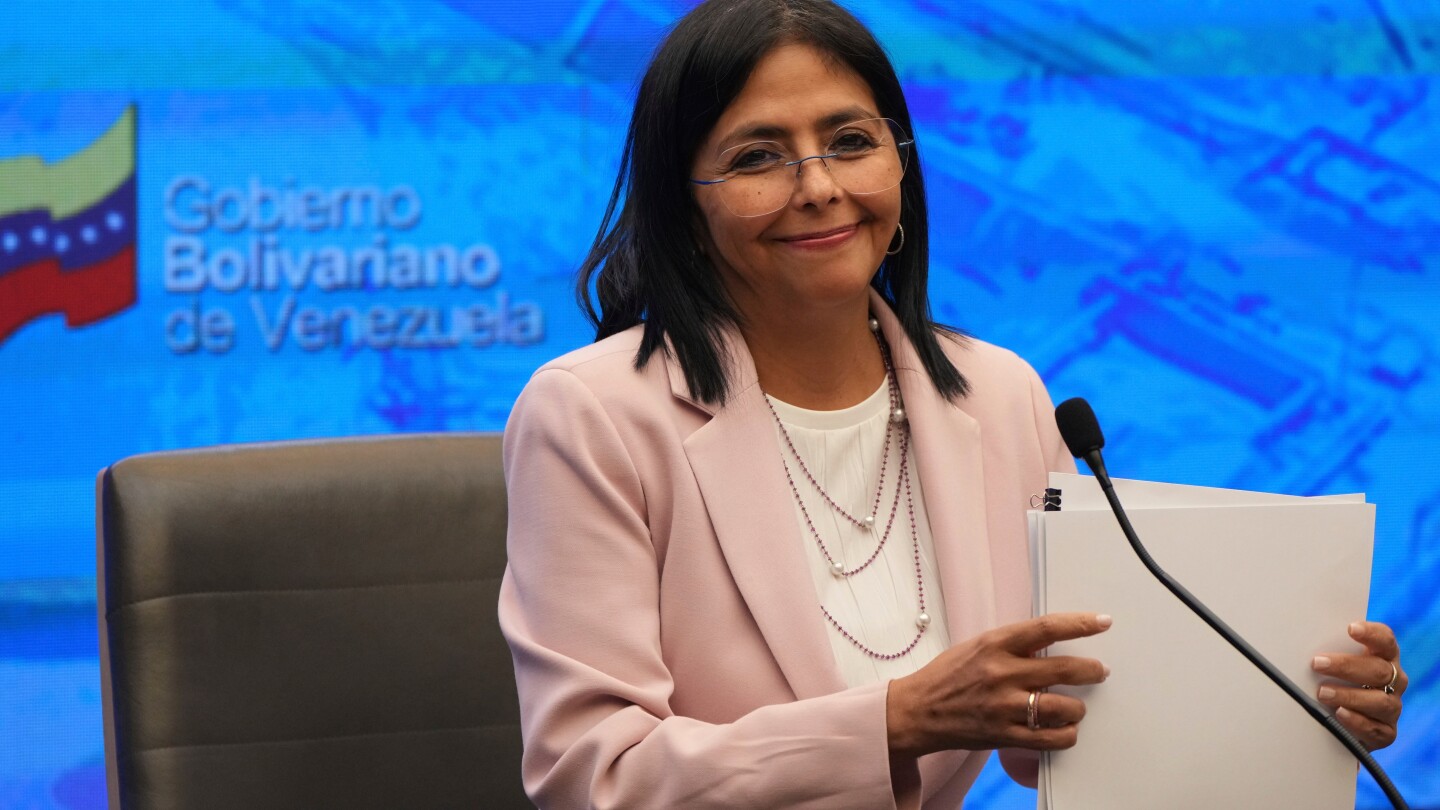
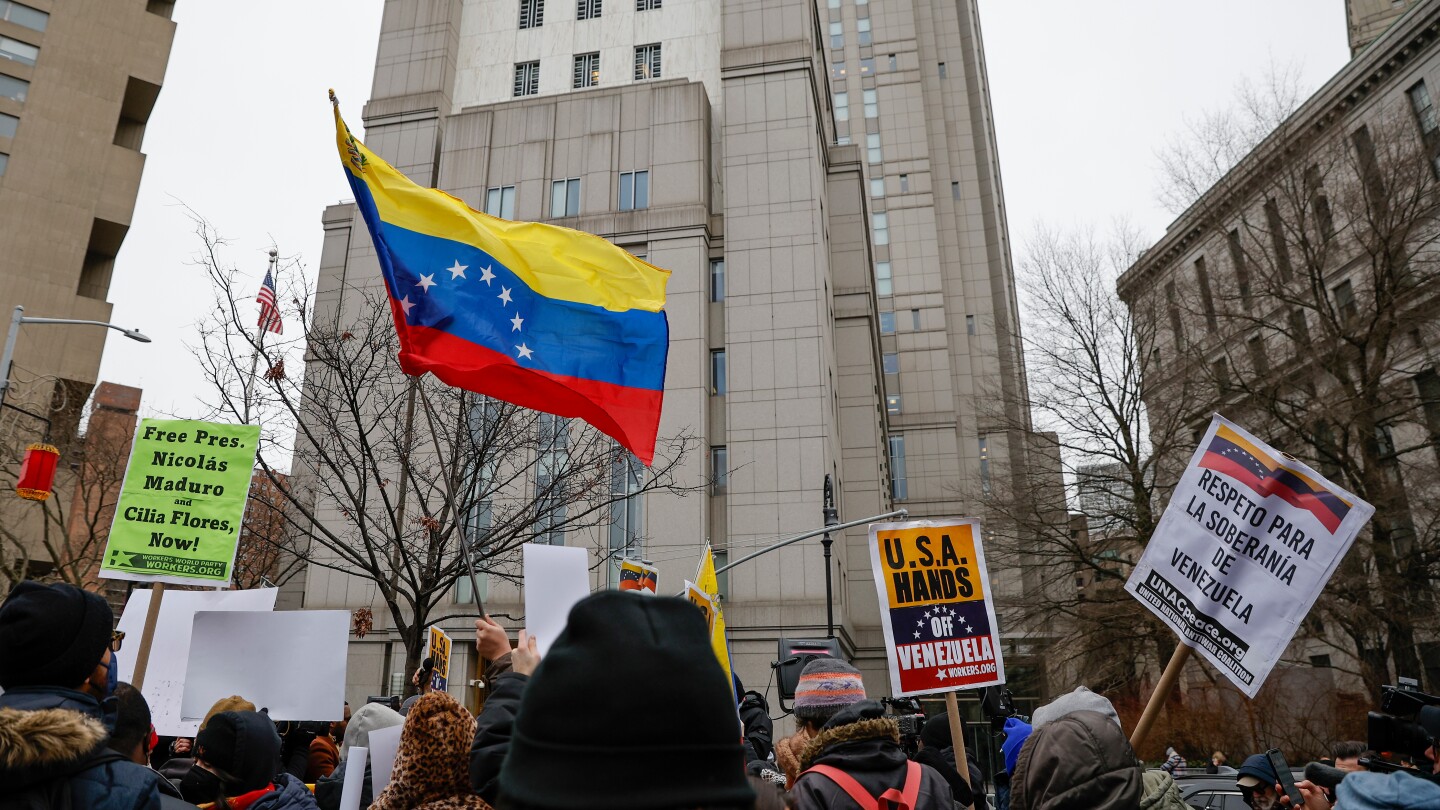
    In a dramatic escalation of tensions with Venezuela, U.S. President Donald Trump has issued an unprecedented declaration via his Truth Social platform, stating that all airspace above and surrounding Venezuela should be considered “closed in its entirety.” The announcement represents the latest development in an intensifying confrontation between Washington and Caracas that has now significantly disrupted regional aviation.

    The Trump administration has been building military pressure on the leftist government of Nicolás Maduro, deploying substantial naval assets to the Caribbean region including the world’s largest aircraft carrier. While Washington maintains its operations target drug trafficking networks, Venezuelan leadership insists the true objective is regime change.

    Since early September, U.S. forces have conducted strikes against more than 20 vessels allegedly involved in narcotics smuggling, resulting in at least 83 fatalities. Notably, American authorities have not publicly presented evidence verifying the targeted vessels were engaged in illicit activities, leading some experts to characterize the operations as extrajudicial killings.

    The situation has escalated further with Trump indicating that ground-based anti-trafficking operations would commence “very soon.” Recent aircraft tracking data reveals consistent U.S. fighter jet activity within dozens of kilometers of Venezuela’s coastline, while regional allies including the Dominican Republic and Trinidad and Tobago have provided logistical support to American military deployments.

    The aviation sector has borne immediate consequences from the rising tensions. Following a U.S. Federal Aviation Administration caution advisory regarding Venezuelan airspace due to security concerns, six major international carriers suspended service to the country. In retaliation, Caracas implemented flight bans against these airlines—including Iberia, TAP, Avianca, LATAM, GOL, and Turkish Airlines—accusing them of participating in “state terrorism” promoted by the United States.

    President Maduro, whose controversial reelection last year faced widespread international rejection, has responded with military exercises and mass demonstrations projecting national unity and defiance. Interestingly, The New York Times reported that despite public hostilities, Trump and Maduro held a telephone conversation last week discussing a potential meeting in the United States, suggesting diplomatic channels remain active behind the confrontational public rhetoric.

  • Dubai: Camel trekkers from 14 countries to embark on 1,000km desert journey for 21 days

    Dubai: Camel trekkers from 14 countries to embark on 1,000km desert journey for 21 days

    A diverse assembly of 33 adventurers from 14 nations is poised to undertake a monumental 21-day camel trek across 1,000 kilometers of the UAE’s desert landscape. Commencing at dawn on November 30th from As-Sila in the Al Dhafra region, this year’s expedition marks the longest journey in the event’s history, organized annually by the Hamdan Bin Mohammed Heritage Centre (HHC) since 2014.

    The participants, ranging from 16 to 60 years old, represent a global mosaic including China, Colombia, Spain, UK, Germany, Hong Kong, Russian Federation, Pakistan, New Zealand, Canada, Austria, Ireland, Italy, and the UAE. Selected through a rigorous HHC training program at a Dubai camel farm, these trekkers—both novices and veterans—will navigate prepared routes while camping at designated stations, culminating their desert voyage at Dubai’s Global Village on December 20th.

    HHC CEO Abdullah Hamdan Bin Dalmook emphasized the trek’s significance in promoting cultural heritage and embodying values of tolerance, endurance, and camaraderie. The initiative revives traditional Bedouin lifestyles while creating an extraordinary test of human spirit and collective effort against the challenging desert environment.

  • Forgotten photos reveal women who powered India’s freedom struggle

    Forgotten photos reveal women who powered India’s freedom struggle

    A remarkable photographic collection has emerged as transformative evidence documenting the previously underrecognized leadership of women in India’s historic civil disobedience movement of 1930-31. The Alkazi Foundation’s acquisition of the Nursey album—a previously obscure photographic record discovered at a London auction two decades ago—has fundamentally reshaped historical understanding of this critical anti-colonial struggle.

    The collection captures unprecedented visual testimony of women commanding political activities during Mahatma Gandhi’s civil disobedience campaign, often relegating male participants to supportive roles. These images document female volunteers manufacturing contraband salt, leading boycott processions through Bombay’s markets, confronting British police forces, and orchestrating mass demonstrations. Particularly striking are images of Congress leader Lilavati Munshi directing male volunteers at government salt pans and standing defiantly before boycotted British establishments.

    Historical significance extends beyond recognized figures like Munshi to thousands of anonymous women who joined the movement. The photographs reveal mothers bringing young daughters to protests, intergenerational transmission of political consciousness, and remarkable inversions of traditional gender dynamics. Middle-class men—many previously unfamiliar with domestic spaces—are shown conducting impromptu salt production classes, while women dominated public demonstrations carrying spindles symbolizing Gandhi’s homespun khadi movement.

    Scholars from Duke University note the collection’s unique value in capturing spontaneous action rather than staged imagery. The photographs reveal violent confrontations, monsoon-soaked marches, and wounded volunteers being loaded into ambulances—scenes absent from conventional historical accounts. This visual record demonstrates how women seized nationalist activities through direct action: challenging police authority, drumming support for boycotts, addressing crowds, and courting arrest.

    The rediscovery has prompted major scholarly reappraisal. As historian Sumathi Ramaswamy notes, while history associates civil disobedience with Gandhi, these images demonstrate how Bombay’s citizens fundamentally shaped the movement that subsequently amplified Gandhi’s global fame. The photographs now circulate publicly through the publication ‘Photographing Civil Disobedience’ and museum exhibitions titled ‘Disobedient Subjects’ at Mumbai’s CSMVS Museum and Duke University’s Center for Documentary Studies, offering belated recognition to women whose resolve remains palpable nearly a century later.