作者: admin

  • Ex-Gansu vice-governor convicted of bribery, insider trading

    Ex-Gansu vice-governor convicted of bribery, insider trading

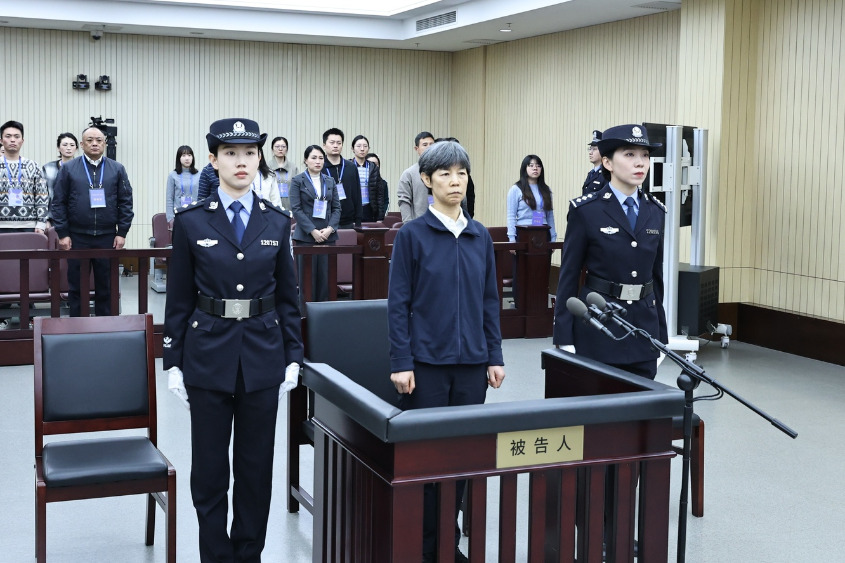
    In a significant anti-corruption ruling, Zhao Jinyun, former Vice-Governor of China’s Gansu province, has been sentenced to 15 years imprisonment for bribery and insider trading offenses. The Tianjin No. 2 Intermediate People’s Court delivered the verdict on Tuesday, marking another high-profile conviction in China’s ongoing anti-graft campaign.

    The court found Zhao guilty of leveraging her official positions from 2005 through October 2024 to illicitly benefit individuals and organizations in matters including construction contracts, mineral exploration permits, tax disputes, and employment arrangements. Together with her husband Bao Donghong, who held prominent roles in Gansu and Shaanxi provinces, Zhao accepted bribes exceeding 54.09 million yuan ($7.7 million).

    Additionally, between June 2018 and March 2022, Zhao engaged in insider trading by utilizing confidential information obtained through her government work. She executed stock transactions through securities accounts controlled by relatives and friends, generating illegal profits surpassing 300,000 yuan from trades totaling over 7.02 million yuan.

    The comprehensive sentence includes 13 years for bribery with a 3 million yuan fine, and 5 years for insider trading with a 500,000 yuan penalty, combined into a 15-year term. The court also ordered confiscation of all illicit gains and interests, which will be transferred to the state treasury.

    Despite the severity of the crimes, the court acknowledged mitigating factors including Zhao’s confession, voluntary disclosure of previously unknown bribery incidents, partial recovery of illegal proceeds, and the fact that some bribes remained unconsummated. Her husband Bao is being processed in a separate legal case.

    Zhao’s political career spanned decades, including membership in the Jiusan Society since 1999 and her appointment as Gansu Vice-Governor in December 2022. Her downfall began with an investigation into duty-related violations in October 2024, followed by removal from office in April 2025 and formal indictment three months later.

  • What to know about Ukraine allies’ security guarantees as the war nears 4 years

    What to know about Ukraine allies’ security guarantees as the war nears 4 years

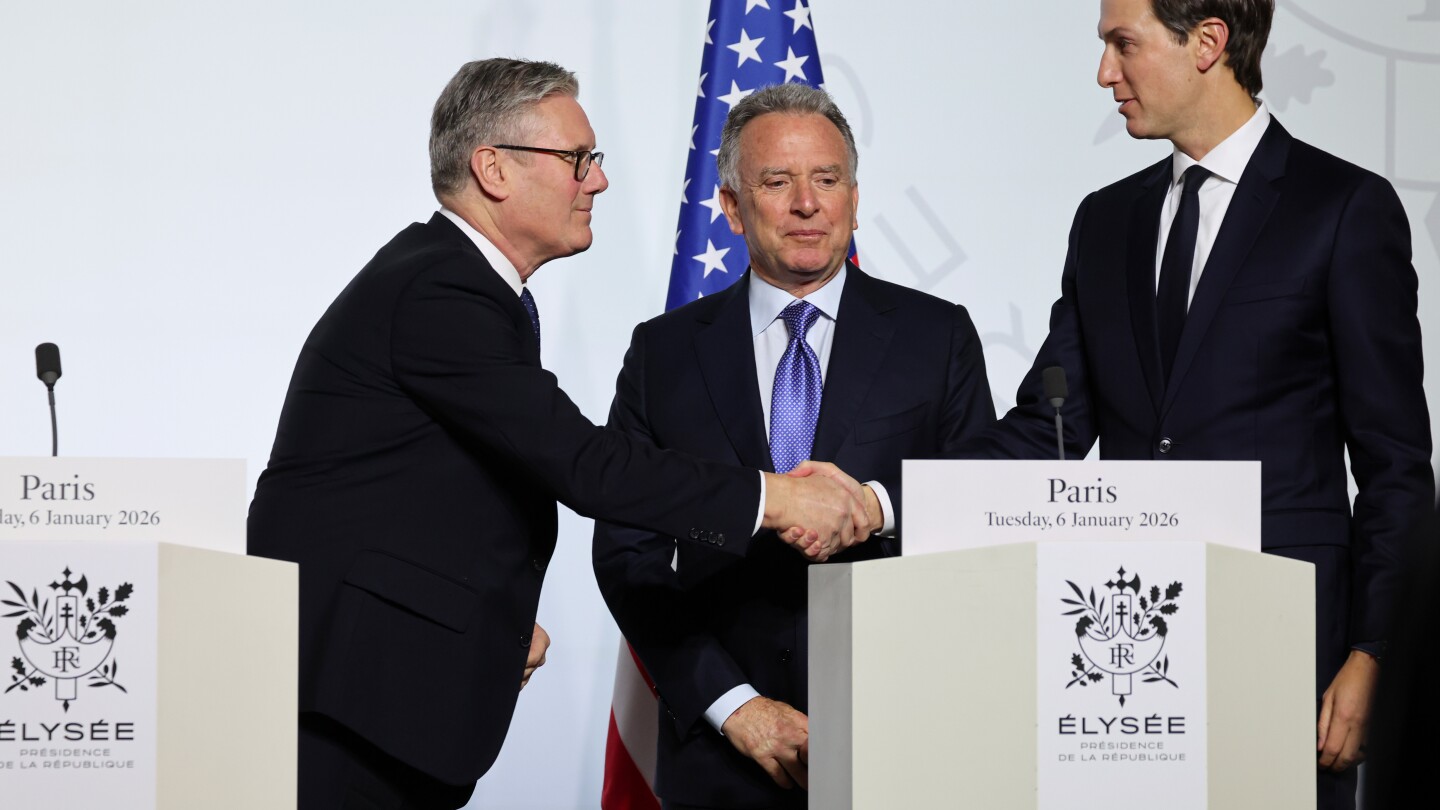
    PARIS — In a significant diplomatic development, Western nations have united to establish a comprehensive security architecture aimed at safeguarding Ukraine against potential future Russian aggression. The high-level gathering in Paris brought together leaders from European countries, Canada, and senior officials from both the European Union and NATO, alongside U.S. representatives, marking the most substantial collective effort to date in planning Ukraine’s long-term security.

    The consensus framework, endorsed by participating nations, outlines multilayered security guarantees designed to take effect following any ceasefire or peace settlement with Russia. Central to this agreement is the recognition that Ukraine’s armed forces will serve as the primary deterrent against future attacks, with international partners committing to sustained military assistance and arms provisions even after active hostilities conclude.

    French President Emmanuel Macron characterized the joint statement as a “significant step” toward resolving Russia’s ongoing invasion, though Moscow officials remained silent regarding the Paris meeting. The proposed security measures encompass five critical components: ceasefire monitoring mechanisms, continued support for Ukrainian armed forces, potential deployment of multinational forces across land, sea, and air domains, agreed response protocols for any future Russian aggression, and establishment of long-term defense cooperation with Ukraine.

    British Prime Minister Keir Starmer revealed that the United Kingdom and France plan to establish military installations throughout Ukraine to facilitate weapons storage and equipment protection, though any European troop deployments would require legislative approval in respective nations. U.S. envoy Steve Witkoff affirmed American support for the security guarantees without specifying military contributions.

    Ukrainian President Volodymyr Zelenskyy acknowledged progress in the talks while emphasizing that individual national ratifications must precede implementation. He noted that participants had identified leadership countries for various security elements and determined necessary force structures, though operational details, financing arrangements, and monitoring mechanisms remain unresolved.

    Prime Minister Starmer cautioned that “the hardest yards are still ahead,” highlighting continued Russian attacks and Vladimir Putin’s apparent unwillingness to pursue peace. The discussed security measures would only activate following a ceasefire or comprehensive settlement and subsequent domestic approval processes—a complexity Zelenskyy acknowledged by noting that not all nations are prepared to commit forces, with some preferring weapons, technology, or intelligence support instead.

    Russia maintains that ceasefire discussions cannot occur without a comprehensive settlement and has explicitly rejected any NATO troop presence on Ukrainian territory. Ukrainian officials have repeatedly warned that any ceasefire lacking enforceable guarantees could provide Moscow opportunity to regroup and launch renewed offensive operations.

    The Paris framework currently lacks binding commitments, leaving Ukraine dependent on allies’ political will to transform conceptual plans into operational realities. Potential obstacles include legislative approval requirements, unresolved force structure details, financing uncertainties, and transatlantic coordination challenges—all factors that could substantially delay or dilute the proposed security assurances.

    The participation of 35 representatives, including 27 heads of state or government, underscored the coalition’s breadth, though Zelenskyy observed that the coalition’s very existence depends on specific nations enhancing their engagement. For Ukraine, the paramount concern remains that deterrence mechanisms remain theoretical while active warfare continues.

  • After false claims online, authorities deny visa fee exemption in Kuwait

    After false claims online, authorities deny visa fee exemption in Kuwait

    Kuwaiti authorities have moved swiftly to counter misinformation spreading across social media platforms regarding residency fee exemptions. The Ministry of Interior has officially declared that viral claims suggesting broad exemptions under new residency regulations are entirely unfounded.

    Through an official statement posted on their X (formerly Twitter) account, the ministry clarified that residency procedures remain unchanged and all applicable fees continue to be collected in full compliance with existing laws. The circulation of an audio clip promoting fee exemptions prompted this official response to prevent widespread public confusion.

    The ministry specified that the only legitimate exemption concerns health insurance fees for domestic workers, which falls under the Ministry of Health’s updated health insurance framework for expatriates. This provision exclusively allows Kuwaiti families to avoid standard health insurance charges for their first three sponsored domestic workers.

    Authorities emphasized that this limited health insurance exemption does not extend to other resident categories or encompass any other residency-related costs, including visa processing fees or iqama (residency permit) charges. The clarification aims to ensure public awareness that general visa fees remain unaffected by this specific health insurance adjustment.

    The ministry has urged citizens and residents to verify information accuracy before sharing content and to rely exclusively on official government channels for updates regarding residency regulations and fee structures. This proactive approach seeks to maintain transparency and prevent the dissemination of false information that could cause unnecessary confusion among Kuwait’s resident population.

  • BBC looks into the relationship between Cuba and Venezuela

    BBC looks into the relationship between Cuba and Venezuela

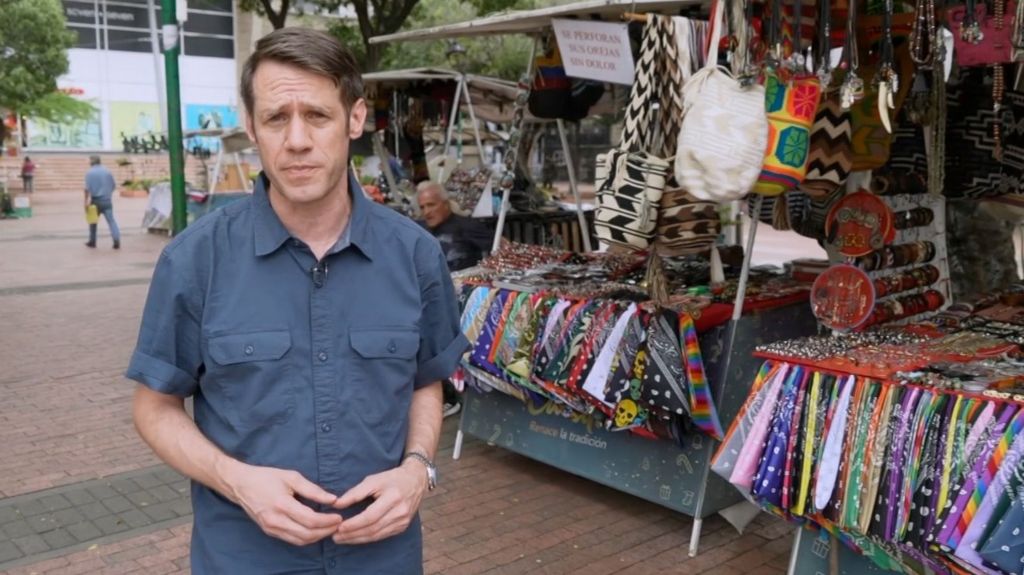
    The BBC has initiated a comprehensive examination of the intricate bilateral relationship between Venezuela and Cuba, with on-the-ground correspondent Will Grant providing expert analysis on this geopolitically significant alliance. This partnership, often described as a cornerstone of Latin American leftist solidarity, represents one of the most strategically important relationships in the Western Hemisphere.

    The Venezuela-Cuba dynamic operates through a well-established framework of reciprocal exchange that has evolved over decades. Venezuela provides Cuba with substantially discounted petroleum resources, which serve as a critical economic lifeline for the Caribbean nation amidst ongoing trade restrictions. In return, Cuba dispatches thousands of medical professionals, educational specialists, and security advisors to Venezuela, creating an interdependence that has weathered numerous political and economic challenges.

    This symbiotic relationship traces its origins to the personal rapport between the late Venezuelan President Hugo Chávez and Cuban revolutionary leader Fidel Castro, whose shared ideological vision forged an alliance that has persisted through leadership transitions in both nations. The partnership has consistently defied conventional diplomatic norms, maintaining resilience despite fluctuating global oil prices, international sanctions, and changing political landscapes across Latin America.

    The BBC’s investigation comes at a pivotal moment as both nations navigate complex economic circumstances and evolving international relations. The analysis provides crucial insights into how this bilateral relationship continues to influence regional politics, economic cooperation models, and geopolitical alignments throughout Latin America and beyond.

  • Swiss bar fire: Remains of UAE resident repatriated with honours

    Swiss bar fire: Remains of UAE resident repatriated with honours

    The remains of Emanuele Galeppini, a 17-year-old Italian student and promising golfer residing in Dubai, were repatriated to Italy with full military honors on Monday. Galeppini was among the 40 victims of a catastrophic New Year’s Eve fire that erupted at a popular bar in the exclusive Swiss ski resort of Crans-Montana.

    The tragic incident occurred during a celebratory event when an explosion, potentially ignited by sparkler candles placed on bottles too close to the ceiling, triggered a devastating flashover. This phenomenon caused the fire to engulf the entire enclosed space within seconds, resulting in significant casualties. Swiss authorities confirmed that all victims and 116 injured individuals have now been formally identified.

    Galeppini was returned to his homeland alongside four other Italian nationals who perished in the blaze: Achille Barosi and Chiara Costanzo from Milan, Giovanni Tamburi from Bologna, and another victim from Genoa. A military aircraft transported the coffins to Milan, where armed forces personnel rendered solemn salutes during the dignified transfer ceremony.

    The young golfer, ranked 3,454th in the world amateur golf rankings, was remembered by the Italian Golf Federation as “a young athlete who carried passion and authentic values with him.” The federation released an official statement expressing profound grief and extending condolences to his family and the wider sporting community.

    Tributes have emerged internationally, particularly from the United Arab Emirates where Galeppini had established his home. Stephen Deane, Dubai Golf Head International Development Coach who mentored Galeppini for several years, described him to Khaleej Times as both exceptionally talented and remarkably kind-hearted, emphasizing his genuine concern for others.

    While Italian officials and media have publicly confirmed the young athlete’s passing, Swiss police investigators continue their ongoing examination into the precise causes and circumstances surrounding one of Switzerland’s deadliest nightlife disasters in recent history.

  • “Far left” extremism must be included in Bondi inquiry’s terms of reference: Ley

    “Far left” extremism must be included in Bondi inquiry’s terms of reference: Ley

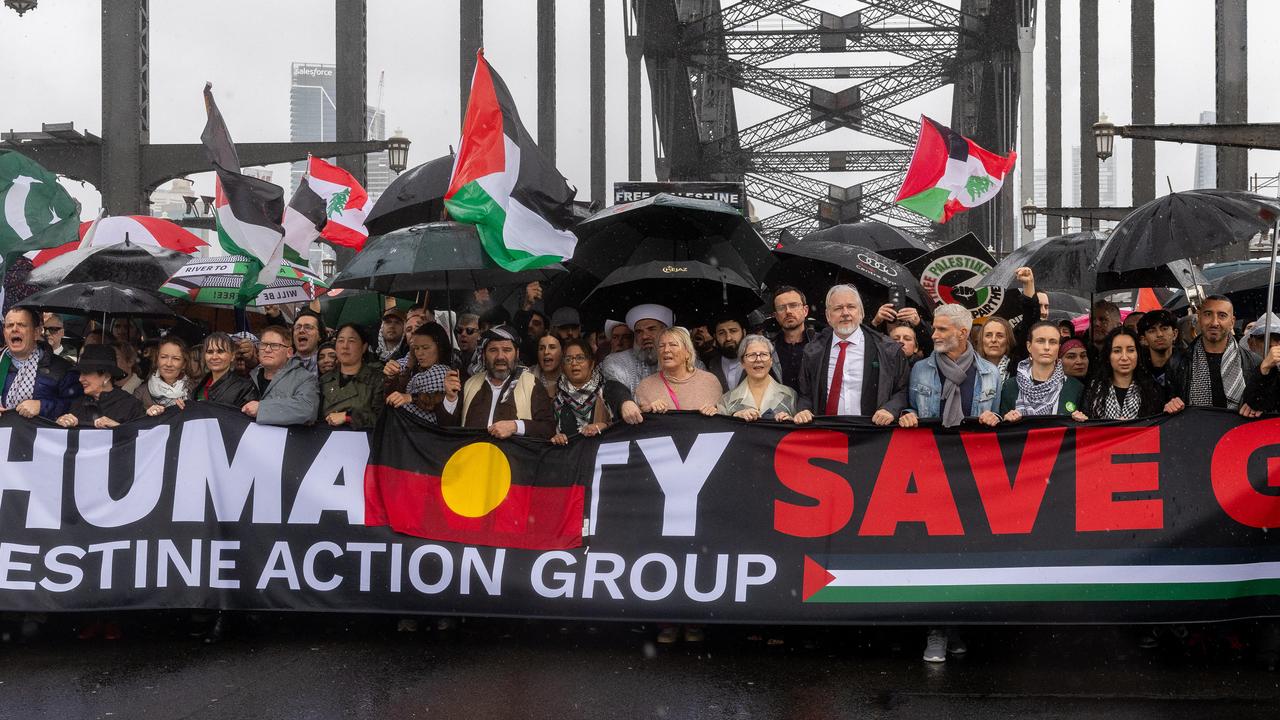
    Australia’s political leadership is confronting escalating demands for a comprehensive national investigation into extremist ideologies following the Bondi terrorist attack. Opposition Leader Sussan Ley has positioned her party to condition bipartisan support on the inclusion of three specific ideological threats: radical Islamic extremism, neo-Nazi extremism, and far-left extremism.

    During a press conference in Sydney, Ms. Ley articulated the Coalition’s firm stance that any prospective royal commission must explicitly reference all three movements. She emphasized that ‘anti-Semitism cannot be re-scoped or redefined,’ criticizing the Albanese government for what she characterized as insufficient attention to radical Islamic extremism in their post-attack response. Despite this criticism, she reaffirmed the opposition’s willingness to collaborate on establishing terms of reference, identifying these three components as the essential foundation for negotiations.

    The political pressure intensified significantly as over thirty former senior defense, security, and intelligence officials released an open letter urging immediate governmental action. The signatories, including former Australian Security Intelligence Service chief Paul Symon and former AFP commissioner Michael Keelty, asserted that anti-Semitism has ‘already exposed Australia to foreign interference from hostile states and extremist groups.’ They advocated for a federal royal commission capable of examining government decision-making processes, institutional frameworks, and national security responses following both the October 2023 Hamas attacks and the recent elevation of Australia’s terrorism threat level in August 2024.

    Independent MP Allegra Spender, representing the Bondi-containing electorate of Wentworth, simultaneously encouraged Prime Minister Anthony Albanese to reconsider his opposition to a national inquiry. She framed potential reconsideration not as leadership weakness but as democratic responsiveness, stating that leaders who ‘change their minds based on community feedback demonstrate openness to listening.’ Ms. Spender additionally proposed creating a ministerial portfolio dedicated to social cohesion to address anti-Semitism, Islamophobia, and other identity-based hatreds.

    Prime Minister Albanese, while maintaining his primary focus on the ongoing Richardson review of security agencies and planned hate speech legislation, notably softened previous absolute rejection of a broader inquiry. He stated his administration was ‘examining everything that is required’ to rebuild national unity, envisioning an Australia where citizens can practice their faith without fear of targeted violence or vilification.

  • Shenzhen’s innovative companies display their latest tech and products to a global audience

    Shenzhen’s innovative companies display their latest tech and products to a global audience

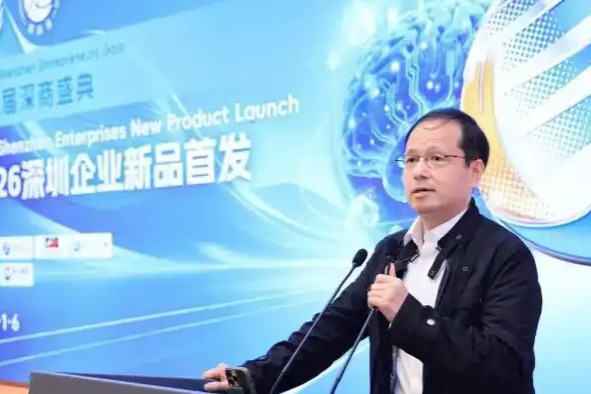
    Shenzhen’s innovation ecosystem took center stage on Tuesday as fifteen of the city’s most pioneering technology companies unveiled cutting-edge advancements to a worldwide audience. The digital showcase, orchestrated by the Federation of Shenzhen Commerce, generated remarkable engagement with over 1.6 million online viewers tuning in via live streaming platforms.

    The event served as a strategic bridge connecting technological research with practical industrial applications, while simultaneously providing unprecedented market exposure for participating enterprises. This demonstration of technological prowess also functioned as a preliminary event leading into the forthcoming 9th Global Shenzhen Entrepreneurs Convention and the 20th Anniversary celebration of the Chinese Entrepreneur Club, scheduled for January 11-12 in the innovation hub.

    Among the groundbreaking revelations, CIMC Vehicles (Group) Co. unveiled the world’s first comprehensive ecosystem for electric road trains. This revolutionary system integrates a pure electric tractor-trailer with an operational support base station, representing a significant leap in sustainable commercial transportation. The initiative aims to establish new industry standards while addressing critical challenges within the new energy vehicle sector, including market homogenization and inadequate support infrastructure.

    Topdon, a prominent automotive diagnostics specialist, introduced its AI-powered diagnostic platform TopFix alongside an industrial-grade AI tablet. Company representatives demonstrated how this intelligent system elevates automotive fault diagnosis accuracy to an impressive 90 percent threshold.

    Fadada, a cloud-based electronic signature and contract management platform, presented its global electronic signature solution engineered to ensure legal compliance across more than 200 countries and regions. This technological framework specifically supports the expanding international operations of Chinese enterprises navigating diverse regulatory landscapes.

    The showcase attracted participation from over thirty leading investment institutions, including Shenzhen Capital Group and Oriental Fortune Capital, facilitating direct engagement between innovators and potential investors. Gao Jianguang, partner at Oriental Fortune Capital, praised the Federation’s two-decade legacy in creating efficient platforms that successfully bridge capital with innovation, significantly enhancing both the innovative vitality and market potential of Shenzhen’s enterprises.

  • Trump says his voters loved the Venezuela attack — here’s what they really think

    Trump says his voters loved the Venezuela attack — here’s what they really think

    The dramatic capture of Venezuelan leader Nicolás Maduro by U.S. forces has ignited complex reactions within President Trump’s political base, revealing fissures in the “America First” coalition. While initial applause greeted the surgical operation that extracted Maduro from a military compound to a Brooklyn cell, underlying tensions emerged regarding long-term foreign entanglements.

    The raid represents a geopolitical pivot for an administration that campaigned against nation-building abroad. Trump supporters from Michigan to Mississippi expressed admiration for the operation’s precision but voiced concerns about potential escalation. Aaron Tobin, a Detroit-area supporter, envisioned cinematic potential in the raid while acknowledging the narrative remains in its opening chapter.

    Contrasting perspectives emerged across battleground states. In Colorado, Travis Garcia celebrated the capture of a “dictator constantly sending drugs our way,” seeing it as validation of Trump’s strong leadership. Yet nearby, retired engineer Patrick McCans noted the intervention contradicted campaign promises, preferring diplomatic solutions despite acknowledging possible justification.

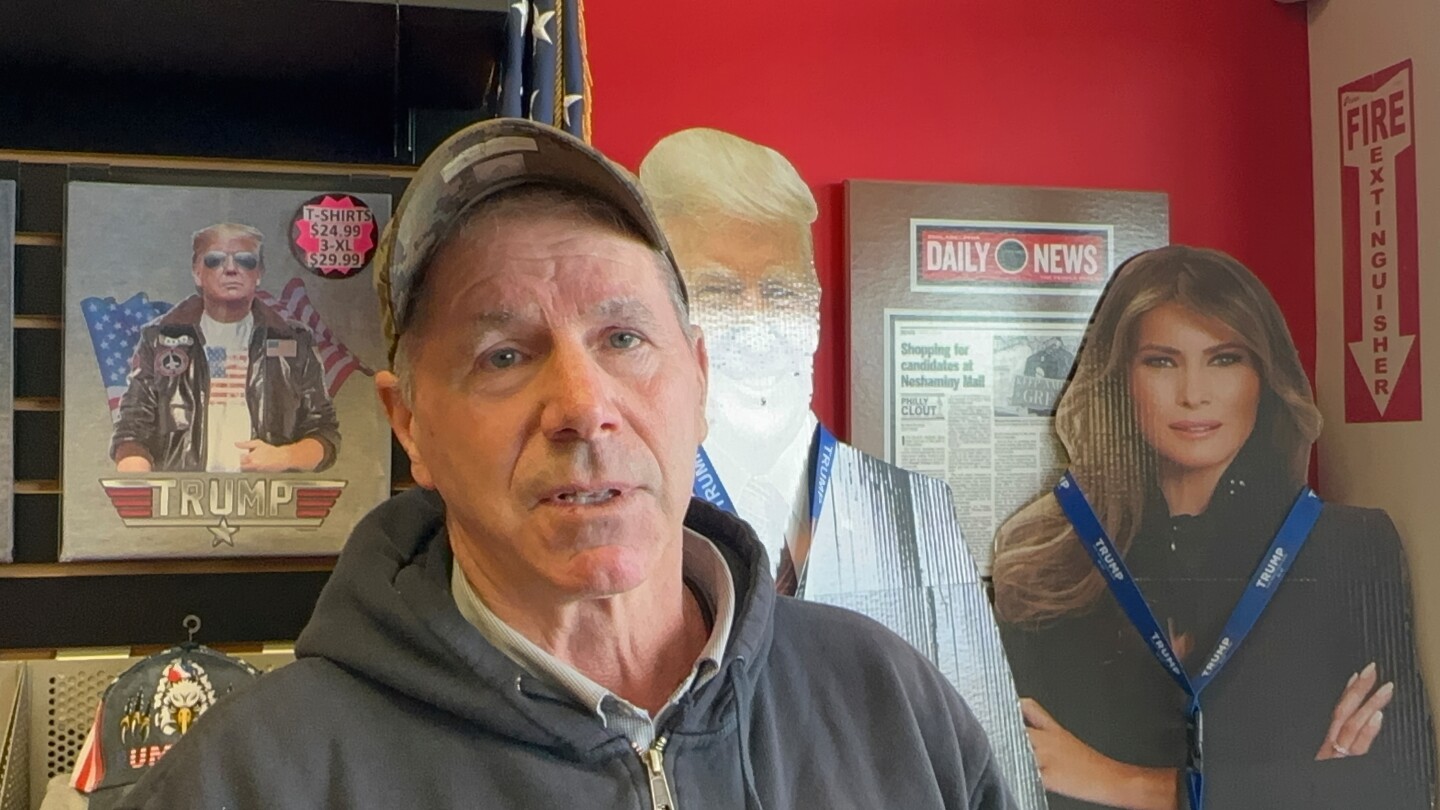
    Pennsylvania supporters demonstrated cautious optimism. Retired firefighter Kevin Carey recalled the 1979 Iran hostage crisis as a cautionary tale, while 88-year-old Ron Soto expressed unwavering faith in Trump’s ability to “straighten that country out.” The operation’s clinical execution drew widespread praise, though many emphasized their support depended on avoiding prolonged conflict.

    The episode forced supporters to reconcile Trump’s non-interventionist rhetoric with expanding hemispheric ambitions. Mississippi electrician apprentice Chase Lewis typified this conflict, praising Venezuelan liberation while worrying about military deployment costs and potential mission creep. Even enthusiastic supporters like Michigan’s Tobin conditioned further support on maintaining casualty-free operations.

    As the administration faces challenges from Epstein file controversies to rising living costs, the Venezuela operation represents both a unifying victory and a potential stress test for Trump’s coalition. The coming weeks will determine whether this bold action strengthens political bonds or exposes fundamental contradictions in the America First doctrine.

  • India probe finds Tata Steel, JSW Steel, SAIL breached antitrust law, regulatory order shows

    India probe finds Tata Steel, JSW Steel, SAIL breached antitrust law, regulatory order shows

    In a landmark antitrust development, India’s competition regulator has determined that the nation’s leading steel producers—Tata Steel, JSW Steel, and state-owned SAIL—alongside 25 additional firms, engaged in unlawful price collusion practices. According to a confidential October regulatory order obtained by Reuters, the Competition Commission of India (CCI) investigation revealed systematic coordination on steel pricing between 2015 and 2023.

    The probe, initiated in 2021 following complaints from construction industry stakeholders, has expanded to encompass 31 companies and industry associations. The CCI’s findings indicate that 56 senior executives, including JSW’s billionaire managing director Sajjan Jindal and Tata Steel CEO T.V. Narendran, bear individual liability for antitrust violations during varying periods within the eight-year timeframe.

    Evidence examined by investigators includes WhatsApp communications between regional steel industry groups that allegedly demonstrate coordinated price-fixing efforts and production manipulation. The CCI has formally requested audited financial statements from all implicated companies covering fiscal years 2016 through 2023, typically a precursor to penalty calculations.

    India, as the world’s second-largest crude steel producer, maintains strict antitrust provisions that empower the CCI to impose penalties of up to three times annual profit or 10% of turnover—whichever is higher—for each year of violation. Individual executives also face potential financial penalties.

    Market response manifested immediately through share price declines: JSW Steel dropped 1.33%, SAIL fell 3.2%, and Tata Steel declined 0.7% following the revelation. All implicated companies either declined to comment or did not respond to Reuters’ inquiries regarding the allegations.

    The case now enters its final review phase, where companies and executives may present objections before the CCI issues its definitive ruling—a process expected to require several months given the investigation’s complexity and scale.

  • China’s central bank signals flexible policy tools to guide financial growth

    China’s central bank signals flexible policy tools to guide financial growth

    The People’s Bank of China (PBOC) has articulated a strategic commitment to employing flexible and efficient monetary policy mechanisms to sustain economic vitality and direct the expansion of financial aggregates. This policy direction emerged from the central bank’s annual work conference convened from January 4-5, 2026, where key priorities for the upcoming year were established.

    Central to the PBOC’s approach is the tactical utilization of conventional instruments including adjustments to the reserve requirement ratio (RRR) and interest rates. These measures are designed to ensure ample liquidity within the financial system while promoting measured growth in credit and money supply.

    The institution further reinforced its dedication to preserving exchange rate stability, vowing to maintain the renminbi at a reasonable, equilibrium level while implementing safeguards against potential market overshooting. This dual focus aims to balance domestic monetary objectives with international financial stability.

    In a significant enhancement to its financial stability framework, the PBOC announced plans to establish specialized liquidity provision mechanisms for nonbank financial institutions during periods of market stress. Additionally, the central bank will optimize the deployment of two targeted monetary instruments specifically created to reinforce capital market resilience.

    The conference also highlighted the expanding role of China’s currency in global transactions. Policy makers emphasized strengthening renminbi internationalization through improved cross-border financial services, enhanced payment infrastructure, and expanded use of currency swap arrangements to facilitate trade and investment.

    Further initiatives include encouraging qualified international entities to access China’s panda bond market, promoting interoperability between fast payment systems, and advancing technical cooperation on QR code compatibility to streamline cross-border transactions.