作者: admin

  • ICC has taken ‘confidential’ measures to protect court from US sanctions, officials say

    ICC has taken ‘confidential’ measures to protect court from US sanctions, officials say

    The International Criminal Court (ICC) is deploying confidential defensive strategies to shield its operations from punitive US sanctions, senior officials revealed during the opening session of the Assembly of States Parties in The Hague. This year’s gathering of representatives from 125 member nations unfolds against a backdrop of severe geopolitical pressure, primarily triggered by the court’s investigation into Israeli officials concerning alleged war crimes in Gaza and Palestinian territories.

    The Trump administration’s sanctions regime, initiated in February against Chief Prosecutor Karim Khan and expanded in August to target two deputy prosecutors and six judges, has created profound operational challenges. These measures have frozen the officials’ international travel capabilities and severed their access to global financial networks, including within European jurisdictions. ICC President Tomoko Akane characterized the situation as unprecedented, noting that elected officials now share designation lists with terrorists and narcotics traffickers.

    President Akane further disclosed that Russian authorities have issued arrest warrants for one-third of the ICC’s judicial bench, including the entire presidency, in retaliation for the court’s probe into alleged Russian war crimes in Ukraine. Despite these coordinated pressures, court leadership maintains that their resolve has strengthened rather than diminished.

    Deputy Prosecutor Nazhat Shameem Khan confirmed the Office of the Prosecutor continues its work unimpeded, implementing protective measures whose specifics remain classified to preserve effectiveness. Notably, the court is pursuing technological sovereignty initiatives, including migrating from US-based cloud services provider Microsoft to ensure operational independence.

    The absence of European Union intervention through its Blocking Statute mechanism has drawn criticism from human rights organizations. Alexis Deswaef of the International Federation for Human Rights urged EU authorities to activate legal protections and establish financial systems independent of US networks to safeguard international justice mechanisms.

  • With Constellation frigates canceled, save Ticonderoga cruisers

    With Constellation frigates canceled, save Ticonderoga cruisers

    In a major strategic reversal, the US Navy has terminated its Constellation-class frigate program, opting to complete only two vessels currently under construction. This decision follows a cascade of program delays totaling 36 months, pushing the first frigate’s completion to 2029 with anticipated fleet deployment not expected until 2032-2034 after extensive testing.

    The Constellation-class was intended to replace the controversial Littoral Combat Ships (LCS), which naval experts previously deemed combat-unsurvivable despite their $500 million per unit cost with mission packages. The Navy maintains 25 LCS vessels despite known deficiencies, with annual operating costs reaching $70 million per ship.

    Compounding the crisis, the Navy has been rapidly decommissioning its capable Ticonderoga-class cruisers while the frigate program faltered. Fifteen cruisers have already been decommissioned, with five scrapped and six more scheduled for removal. This dismantling occurred despite a $3.7 billion modernization program for seven cruisers, four of which were decommissioned before returning to service, resulting in approximately $1.84 billion in wasted investments.

    The Constellation program’s failure stemmed from fundamental design flaws. Despite beginning with an proven Italian FREMM frigate design, numerous modifications reduced commonality to just 15%, while critical components including the power plant remained unfinished and untested—particularly concerning given previous propulsion failures in LCS vessels and British carriers.

    With only six new Arleigh Burke destroyers expected by 2029 at $2.5 billion each, naval analysts suggest reactivating modernized Ticonderoga cruisers as a stopgap solution. These cruisers boast formidable capabilities including AEGIS defense systems, 122-missile vertical launch capacity, and multi-mission versatility that could rapidly augment fleet strength while saving billions by retiring vulnerable LCS vessels.

  • Father-Son win gross title as Murray and James emerge overall winners in JGE Pairs

    Father-Son win gross title as Murray and James emerge overall winners in JGE Pairs

    The Earth Course at Jumeirah Golf Estates, still resonating with the prestige of hosting the 2025 DP World Tour Championship just a fortnight prior, became the stage for an intensely competitive November Pairs Tournament. A field of 108 golfers, comprising members and their guests, engaged in a fierce battle under the Pairs Scramble Stableford format, with distinct tee placements adding a strategic layer to the challenge.

    The competition reached a dramatic climax with the top twelve pairs separated by a mere two strokes, necessitating a tense back-nine countback to determine the victors. Ultimately, the duo of Stuart Murray and Adam James clinched the overall championship title with an impressive net score of 63, finishing nine under par.

    In a heartwarming display of familial synergy, the Gross Division was conquered by the father-son pair of Neil and Ryder Eatson. They secured their victory on a countback after carding a seven under-par gross score of 65. The Net Division witnessed its own tight contest, with James Finnigan and David Marshall claiming the runner-up position over Nicholas Whiteford and Christopher Incledon, also via countback, after both teams finished with a net 64.

    The event concluded with a celebratory gathering at the Tap and Grill, where participants enjoyed a buffet lunch and a prize ceremony. Cameron McWhinnie, Assistant Golf Services Manager, highlighted the exceptional condition of the championship course and expressed delight at seeing members compete on the same grounds that recently captivated a global audience.

  • Why more young US women appear ready to move abroad

    Why more young US women appear ready to move abroad

    A growing demographic shift is emerging among American women, with unprecedented numbers considering permanent relocation abroad. Recent data from analytics firm Gallup reveals that 40% of women aged 15-44 would move overseas given the opportunity—the highest migration aspiration rate ever recorded and more than double the percentage of young men expressing similar desires.

    This trend, developing over the past decade, represents a significant reversal from historical patterns where American women were less likely than their international peers to envision futures abroad. The phenomenon cuts across political affiliations, with women feeling caught between competing expectations from both conservative and progressive perspectives.

    Personal narratives illustrate the multifaceted reasons behind this emerging exodus. Aubrey and her wife, homeowners from upstate New York, are preparing for relocation to Costa Rica in January after months of unease about the political climate and concerns about basic safety. Their story echoes that of Kaitlin, 31, who abandoned her Los Angeles 9-to-5 job four years ago for Portugal, citing inadequate work-life balance and seeking cultural immersion. Similarly, Alyssa, a 34-year-old mother from Florida, relocated to Uruguay earlier this year following the Supreme Court’s reversal of Roe v. Wade, explaining that ‘the increasing governance of women’s bodies terrified me.’

    Beyond political concerns, economic pressures including student debt, rising healthcare costs, and housing affordability are contributing factors. A Harris Poll survey confirms that 40% of Americans have considered moving abroad, with Gen Z and Millennials being the most likely demographics. Lower living costs abroad frequently feature as primary motivators.

    The institutional trust crisis further compounds these migration considerations. Gallup data indicates confidence in national institutions has plummeted to historic lows, with only 26% of Americans trusting the presidency and 14% trusting Congress. This decline has been most precipitous among young women, whose scores on the National Institutions Index have dropped 17 points since 2015—the sharpest decline of any demographic group.

    Additional factors influencing relocation decisions include healthcare accessibility, climate concerns, and gun violence prevention. Marina, planning to move to Portugal with her boyfriend next May, notes: ‘Healthcare not being a human right in this country is a huge part of why we’re leaving.’ She also cites Portugal’s stricter gun laws and increasing extreme weather events in the US as determining factors.

    Georgetown University Professor Nadia E Brown emphasizes that these pressures reflect broader global challenges facing women, though they appear particularly acute in the American context. The absence of robust social supports—including maternal care, parental leave, and healthcare systems comparable to those in Europe—frequently becomes apparent only after women have experienced alternatives abroad, creating a potentially irreversible brain drain of young American women seeking autonomy, dignity, and safety elsewhere.

  • ‘We love you, UAE!’: Residents celebrate Eid Al Etihad in colourful parade

    ‘We love you, UAE!’: Residents celebrate Eid Al Etihad in colourful parade

    City Walk in Dubai transformed into a spectacular tapestry of international unity on Monday as thousands of residents gathered for the Eid Al Etihad parade, celebrating the UAE’s 54th National Day. The vibrant procession showcased an extraordinary display of cross-cultural harmony with participants from Russia, the Philippines, India, Pakistan, China, Turkey, and numerous other nations marching in unison while waving UAE flags and chanting expressions of affection for their host country.

    The thoroughfares brimmed with enthusiastic spectators adorned in the UAE’s distinctive colors, enthusiastically recording the dynamic performances on their mobile devices. Attendees journeyed from across the emirates to participate in the festivities, creating an atmosphere of genuine international camaraderie.

    Varvara Petrova, a Russian expatriate who accessorized with a traditional platok scarf, expressed how marching in the parade fostered a profound connection to the UAE. ‘Having resided here for four years, this procession demonstrates the nation’s remarkable inclusivity toward all nationalities,’ she remarked.

    Mary Marisol, representing the Filipino community contingent, emphasized their heartfelt gratitude through chants of ‘We love UAE.’ She elaborated, ‘Our chants reflect genuine appreciation for everything this nation has provided us. The collective celebration created an immensely uplifting experience.’

    Pakistani participant Bilal Ahmed highlighted the cultural fusion as the event’s defining characteristic. ‘Witnessing diverse nationalities marching together with authentic affection and brotherhood is uniquely Emirati. This unity exists nowhere else quite like this,’ he observed.

    The parade featured an enthralling sequence of cultural presentations, commencing with an Indian community band delivering spirited musical performances. Filipino groups followed with energetic cheers praising the UAE, while Chinese performers captivated audiences with an elegant umbrella dance that elicited enthusiastic applause. Russian contributors added chromatic vibrancy in traditional attire, and Pakistani contingents waved their flags with evident pride. Turkish residents displayed dual flags symbolizing their dual allegiances.

    Families with children clad in national colors frequently paused to photograph the multicultural displays. Ayesha Khan from Al Nahda brought her children specifically to demonstrate the UAE’s multicultural coexistence, noting, ‘This resembled an enormous international family gathering. My children were delighted seeing everyone united in celebrating the UAE.’

    Throughout the event, resonant chants of ‘We love UAE’ echoed across City Walk, powerfully conveying the profound connection expatriates feel toward their adopted homeland.

  • Eid Al Etihad 2025: UAE President highlights preserving Arabic language, national identity

    Eid Al Etihad 2025: UAE President highlights preserving Arabic language, national identity

    In a landmark address commemorating the UAE’s 54th National Day, President Sheikh Mohamed bin Zayed Al Nahyan articulated a compelling vision balancing technological advancement with cultural preservation. Speaking during the Eid Al Etihad celebrations, the leader emphasized that safeguarding national identity, values, and the Arabic language constitutes a fundamental national priority requiring collective societal effort.

    The President underscored the critical role of educational and cultural institutions in fostering moral development among youth. “While we want our youth to be fully engaged in the global march of scientific progress,” he stated, “we also want them to remain firmly grounded in their values, ethics, and national identity. A nation without identity has neither present nor future.”

    Sheikh Mohamed positioned citizens as both the foundation and ultimate beneficiaries of development, highlighting enhanced public participation as essential to national progress. The address marked December 2nd as a historic milestone representing unity and intergenerational inspiration across the Emirates.

    The leadership announced significant policy directions, with 2025 designated as the Year of the Community and 2026 as the Year of the Family. The President characterized family strengthening and fertility rate enhancement as national security priorities, describing families as “the first school of life and cornerstone of social development.”

    Educational advancement received particular emphasis, with the UAE committed to refining human capital development through global-standard education systems, scientific research, and lifelong learning initiatives. The President encouraged youth to responsibly leverage artificial intelligence and modern technologies while maintaining focus on nationally aligned academic disciplines.

    Environmental sustainability emerged as another key pillar, with reaffirmed commitment to achieving climate neutrality by 2050 through international cooperation and renewable energy investment. The address concluded with reaffirmations of the UAE’s global peacebuilding efforts and inclusive vision welcoming all contributors to national development within frameworks of tolerance and rule of law.

  • India’s Supreme Court upholds rights of poorest – but language reveals ‘bias’, study says

    India’s Supreme Court upholds rights of poorest – but language reveals ‘bias’, study says

    A groundbreaking study conducted in partnership with India’s Supreme Court has revealed a profound paradox within the nation’s highest judicial body. While the court has consistently upheld the rights of Dalits (historically marginalized communities comprising approximately 160 million citizens), its language frequently reinforces the very caste hierarchies it seeks to eliminate.

    The University of Melbourne-funded research, spanning 75 years of constitution bench rulings from 1950 to 2025, demonstrates how progressive legal outcomes often coexisted with regressive language. These landmark decisions, which set legal precedents and influence lower courts, contained terminology that researchers characterize as “demeaning or insensitive” toward oppressed communities.

    Analysis revealed multiple problematic linguistic patterns: some judgments compared caste oppression to disability, implying inherent inferiority; others described affirmative action as “crutches” that shouldn’t be depended upon too long; several rulings compared Dalits to “ordinary horses” while characterizing upper castes as “first class race horses.” Particularly troubling were descriptions of caste origins as “benign” division of labor, which researchers note “supported a bitterly unfair status quo that confines oppressed castes to reviled and poorly paid work.”

    Professor Farrah Ahmed of Melbourne Law School, a co-author of the study, emphasized that judges appeared genuinely unaware of their language’s implications. “I don’t think, in any of these cases, that there was an intention to insult or demean Dalit people,” she noted, while acknowledging that such language likely influenced judicial reasoning.

    The Supreme Court has recently taken steps toward addressing linguistic bias, including last year’s directive to revise prison manuals to eliminate caste-based discrimination and its 2023 publication of a ‘Handbook on Combating Gender Stereotypes.’ However, the study argues that meaningful change requires greater diversity within the judiciary itself.

    With only eight Dalit judges having served on the Supreme Court throughout its history, including recently retired Chief Justice BR Gavai (the second Dalit to lead the court), the institution lacks the diverse perspectives necessary to fully address caste bias. The researchers point to Justice KG Balakrishnan’s writing—which describes caste as “unbreakable bondage”—as evidence of how lived experience shapes judicial understanding.

    This internal reckoning suggests that the struggle for caste equality extends beyond laws and judgments into the fundamental language through which justice is articulated and understood.

  • Watch: Melania Trump reveals White House Christmas decorations

    Watch: Melania Trump reveals White House Christmas decorations

    First Lady Melania Trump has officially revealed the 2020 White House Christmas decorations, establishing a festive atmosphere throughout the executive residence with the theme ‘Home Is Where The Heart Is.’ The elaborate displays incorporate both traditional elements and modern technological touches, creating a distinctive holiday aesthetic for the final Christmas season of the Trump administration.

    The decor spans multiple rooms, featuring 41 Christmas trees, extensive garlands, and wreaths adorned with gold ribbons. Among the most notable installations are large-scale portraits of President Donald Trump and first President George Washington, meticulously crafted from Lego bricks. Adding a contemporary twist, many ornaments throughout the residence were produced using 3D printing technology.

    In her official statement, the First Lady emphasized that this year’s theme is intended to celebrate the profound meaning of home and the shared heart of the American people. The decorations aim to honor frontline workers and military families who have made significant sacrifices throughout the year. Public tours of the holiday displays will be conducted with adapted safety protocols in place due to ongoing health considerations.

    The overall design scheme maintains the gold color palette that has characterized Melania Trump’s previous holiday decorations, while introducing new elements that reflect both American heritage and innovation. The blend of traditional craftsmanship with Lego art and 3D-printed components represents a unique approach to White House holiday traditions.

  • Netanyahu corruption trials: What are the charges and will he be pardoned?

    Netanyahu corruption trials: What are the charges and will he be pardoned?

    Israeli Prime Minister Benjamin Netanyahu has formally petitioned President Isaac Herzog for a comprehensive pardon that would terminate all ongoing corruption proceedings against him. This extraordinary legal maneuver comes as Netanyahu faces the most severe criminal charges ever brought against a sitting Israeli leader, with potential implications for both his political future and the nation’s judicial integrity.

    The Prime Minister confronts three distinct cases—designated as Case 1000, Case 2000, and Case 4000—each containing allegations of bribery, fraud, and breach of trust. These cases, initially filed in 2019, represent the culmination of multiple corruption investigations that have shadowed Netanyahu’s lengthy political career. The most serious charge of bribery carries a maximum prison sentence of ten years, while even a single conviction would likely result in his permanent exclusion from public office.

    Case 1000, frequently termed the “gifts affair,” alleges that Netanyahu received luxury items valued at approximately $200,000 from Hollywood producer Arnon Milchan and Australian billionaire James Packer. Prosecutors contend these gifts were exchanged for political favors, including tax legislation beneficial to Milchan and intervention regarding his U.S. visa status. Both donors have acknowledged providing gifts but deny any illicit arrangements.

    Case 2000 involves allegations of a quid pro quo arrangement with Arnon Mozes, publisher of Yedioth Ahronoth, where Netanyahu supposedly promised to limit circulation of a competing newspaper in exchange for favorable coverage. Recordings presented as evidence capture discussions about mutual benefits, though Netanyahu maintains these conversations were insignificant.

    Case 4000 represents the most severe allegations, accusing Netanyahu of granting regulatory favors to telecommunications giant Bezeq in exchange for positive coverage on the Walla news platform. This case involves bribery charges requiring heightened evidentiary standards but carries the most substantial potential penalties.

    The timing of Netanyahu’s pardon request intersects critically with Israel’s ongoing military operations in Gaza and approaching elections scheduled for October 2026. Critics have accused the Prime Minister of prolonging conflict to divert attention from his legal troubles, while supporters characterize the prosecutions as politically motivated “witch hunts.”

    The judicial process has experienced numerous delays, complicated by security concerns, Netanyahu’s surgical procedures, and allegations of improper evidence collection. Most notably, prosecutors documented 1,778 instances during interrogation where the Prime Minister claimed inability to recall relevant information.

    President Herzog’s office has acknowledged the unprecedented nature of the pardon request, stating it will be evaluated with appropriate seriousness. The decision carries profound implications for Israel’s rule of law, particularly given that former Prime Minister Ehud Olmert previously served prison time for corruption offenses.

    Political reactions have been sharply divided. Opposition leader Yair Lapid insists any pardon must require admission of guilt and retirement from public life, while Netanyahu’s coalition allies maintain the proceedings constitute judicial persecution. Recent polling indicates approximately 38% of Israelis support clemency, reflecting the deeply polarized nature of the issue.

  • ‘Scapegoating’: Thousands of Afghans thrust into uncertainty after DC shooting

    ‘Scapegoating’: Thousands of Afghans thrust into uncertainty after DC shooting

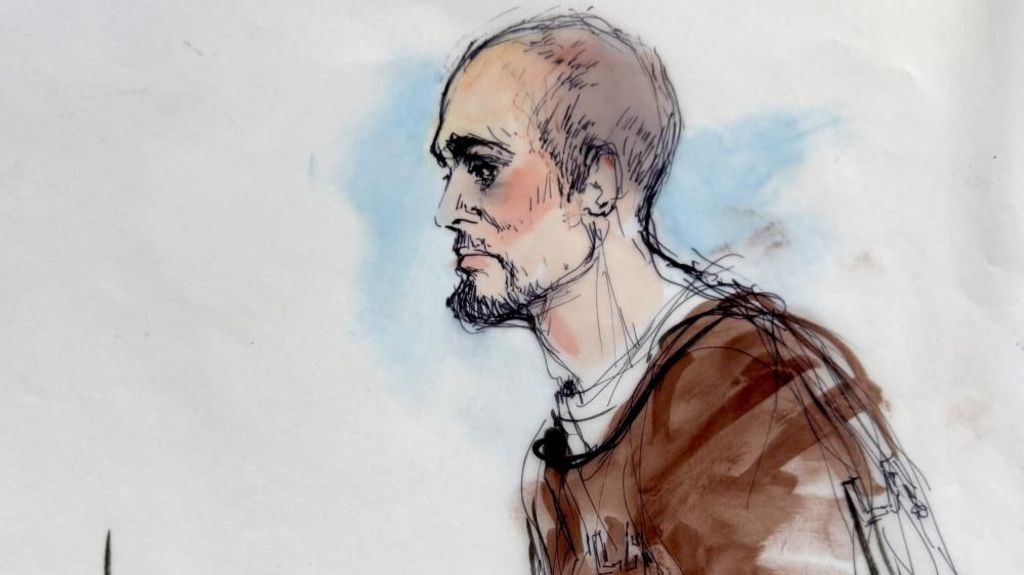
    The case of Rahmanullah Lakanwal, an Afghan national currently detained for shooting two National Guard members, has revealed complex layers of U.S. military involvement and subsequent immigration challenges. Lakanwal served as a critical CIA asset in Afghanistan’s Zero Unit, specifically within the elite Kandahar Strike Force (Unit 03), undergoing thorough intelligence vetting during America’s twenty-year conflict.

    Despite his approved asylum status through Operation Allies Welcome in April 2024, Lakanwal struggled significantly with resettlement challenges. Documentation indicates severe culture shock, isolation from family networks, and difficulties adapting from his previously well-compensated, high-ranking position to starting anew in the United States. In January 2024, resettlement agencies attempted behavioral health interventions which he reportedly declined.

    The incident has triggered immediate political repercussions. President Donald Trump utilized the tragedy to reinforce stricter immigration policies, declaring from Mar-a-Lago that immigrants unwelcoming to American values would face exclusion. His administration has moved to reinterview thousands of Afghan refugees admitted under Biden’s presidency while eliminating key resettlement infrastructures including Operation Enduring Welcome and the Office of the Coordinator for Afghan Relocation Efforts.

    These policy shifts have created substantial legal uncertainties for approximately 70,000 Afghans already in the U.S. and another 180,000 awaiting Special Immigrant Visas. The termination of Temporary Protected Status has left over 11,000 individuals in legal limbo, while USCIS backlogs intensify due to enhanced re-screening requirements encompassing social media scrutiny.

    Advocacy groups and Democratic lawmakers condemn the administration’s response as political weaponization of tragedy. Senators Mark Kelly and Chris Van Hollen emphasize that blanket targeting of Afghan communities contradicts evidence-based security approaches, noting that recent vetting occurred under the current administration. Legal organizations like Project ANAR are mobilizing against what they term ‘collective punishment,’ warning of decreased community engagement and increased fear among immigrant populations.

    The situation underscores broader questions about America’s responsibility toward wartime allies who risked their lives supporting democratic ideals. As former Afghan diplomat Omar Samad notes, the nation must reconcile its longest war’s legacy with its humanitarian obligations to those who partnered with U.S. forces.