
A fatal officer-involved shooting in a Minneapolis residential neighborhood has sparked an investigation after a U.S. Immigration and Customs Enforcement (ICE) agent shot and killed a woman during a traffic encounter. The incident unfolded on a quiet residential street in Minnesota, where the ICE officer was conducting official duties. According to preliminary reports from law enforcement, the shooting occurred following an interaction between the officer and a female driver. Minneapolis police are leading the investigation into the precise circumstances that led to the use of deadly force. The local police chief has provided an official statement detailing the sequence of events, though specific details regarding the initial reason for the traffic stop and the immediate catalyst for the shooting remain under review. The identity of the deceased woman has not been released pending family notification. The ICE officer involved has been placed on administrative leave, following standard protocol. The case has drawn attention to the procedures and authority of federal immigration officers operating in community settings.
作者: admin
-
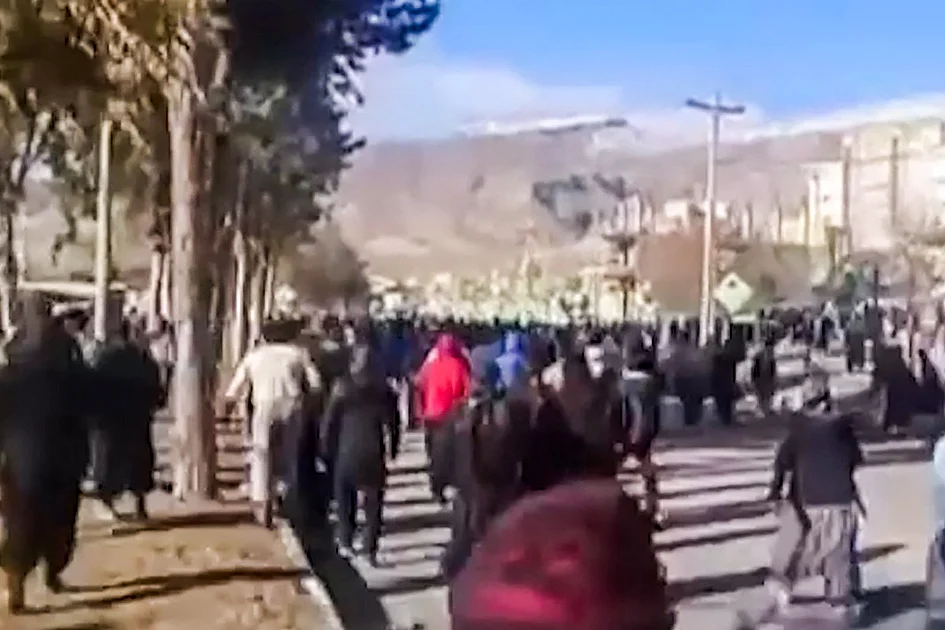
Australia tells citizens to leave Iran due to violent protests
The Australian government has escalated its travel advisory for Iran, issuing an urgent directive for all citizens to depart the country immediately. The updated warning, published on Wednesday, cites rapidly deteriorating security conditions stemming from widespread violent protests across the nation.
Official government channels emphasized the extreme volatility of the situation, noting that the ongoing civil unrest ‘may further escalate without notice.’ The advisory specifically instructs Australian nationals currently in Iran to arrange for their departure ‘as soon as possible’ due to the unpredictable and potentially dangerous environment.
The travel warning highlights concerns about the Iranian government’s response to the protests and the potential for sudden escalations in violence. Australian authorities have expressed particular apprehension about the possibility of foreign nationals becoming inadvertently caught in clashes between security forces and demonstrators.
This advisory represents one of the strongest warnings issued by Australia regarding travel to Iran, reflecting growing international concern about the stability of the region. The government has recommended that citizens monitor local media for developments and register their whereabouts with Australian diplomatic missions if they must remain in the country.
The updated travel guidance comes amid reports of increased tensions throughout Iran, with protests reportedly addressing various social and political grievances. Other nations are monitoring the situation closely, with several expected to review their own travel advisories for the region in response to the evolving security landscape.
-

Trump backs ban on institutional investor home purchases
In a significant policy shift, former US President Donald Trump has pledged to prohibit major corporate investors from acquiring single-family homes, aiming to improve housing accessibility for American families. The announcement, made through social media platforms on Wednesday, represents a direct response to growing concerns over Wall Street’s expanding influence in residential real estate markets across the nation.
Trump declared his intention to seek congressional approval to formally enact the prohibition, with plans to elaborate on the proposal during the upcoming World Economic Forum in Davos. The initiative aligns with increasing political attention toward corporate ownership of residential properties, an issue that has gained momentum among housing advocates and legislators from both major parties.
The policy statement triggered immediate market reactions, with shares of prominent private equity firm Blackstone declining over 5% following the announcement. Several housing-related stocks experienced similar downturns, including Invitation Homes, which specializes in single-family rentals and saw a 6% drop, and building supplier Builders FirstSource, which fell more than 5%.
Trump framed the proposal as essential to preserving the American Dream, asserting that ‘People live in homes, not corporations’ and highlighting the particular challenges facing younger prospective homeowners. The announcement coincides with mounting public dissatisfaction regarding economic management and escalating living expenses, with housing affordability ranking among top concerns for voters.
While housing advocacy groups welcomed the proposal, analysts expressed skepticism about its potential impact on market prices. Laurie Goodman of the Urban Institute noted that institutional investors, strictly defined as entities holding at least 1,000 units across multiple locations, control approximately 4% of the single-family market—a proportion that has remained stable in recent years amid elevated interest rates and property values.
The policy faces practical implementation challenges, including defining threshold criteria for ‘large’ investors and determining treatment of existing corporate-owned properties. Some experts, including Redfin’s Chief Economist Daryl Fairweather, caution that any vacuum created by restricting major investors might simply be filled by medium or smaller-scale investors rather than first-time homebuyers.
Political dimensions further complicate the proposal’s prospects. Senate Democrats previously attempted similar legislation without success, while Ohio Republican Senator Bernie Moreno has announced plans to introduce supporting legislation. The initiative emerges as a rare issue attracting bipartisan concern, though previous legislative efforts have struggled to gain traction despite widespread scrutiny of corporate housing investments.
-
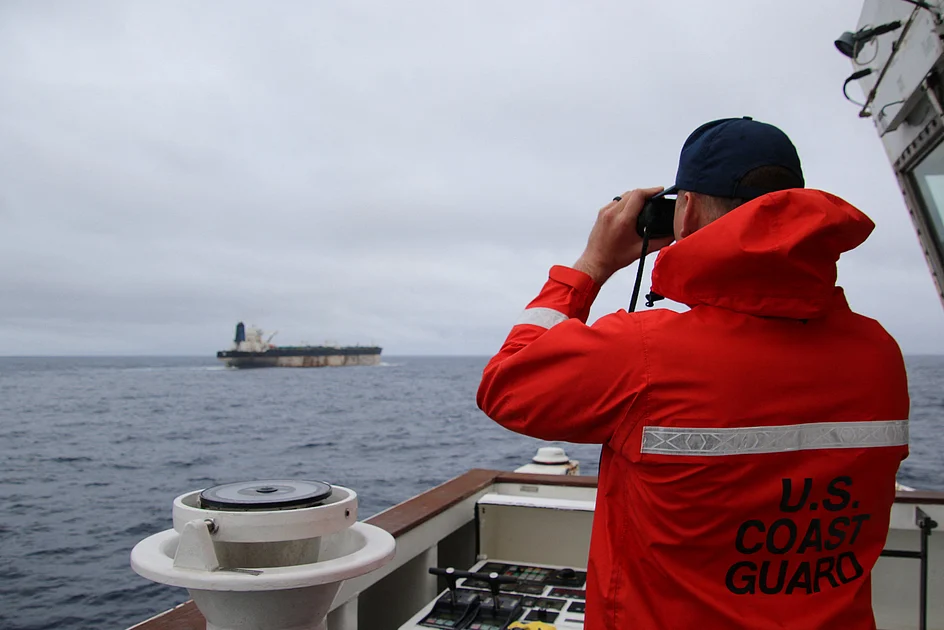
US military seizes Russian-flagged oil tanker M/T Sophia in North Atlantic
In a significant escalation of maritime enforcement operations, the United States military has confirmed the seizure of the Russian-flagged oil tanker M/T Sophia in the North Atlantic Ocean. The vessel was apprehended on Wednesday following an extensive multi-week pursuit by American forces for alleged violations of international sanctions.
The operation was conducted as a collaborative effort between the Department of Homeland Security and U.S. military personnel, according to an official statement from U.S. European Command posted on social media platform X. The tanker had previously evaded boarding attempts near Venezuelan waters before its eventual capture in international waters.
This seizure occurs within the context of heightened geopolitical tensions following the deposition of Venezuelan leader Nicolas Maduro. Washington has implemented a comprehensive blockade strategy targeting sanctioned vessels operating near the South American OPEC member nation. The U.S. Coast Guard and military forces had been pursuing this particular tanker since last month when it refused compliance with boarding procedures while sailing under the Russian flag.
The interception operation carried substantial diplomatic risks as Russian submarine and naval vessels were operating in proximity to the pursuit area after the two-week Atlantic chase. Moscow, which has consistently condemned U.S. actions regarding Venezuela and maintains existing tensions with Western nations over the Ukraine conflict, has characterized the seizure as provocative.
In a related development, U.S. authorities have simultaneously intercepted another fully-loaded tanker with connections to Venezuela near the northeastern coast of South America. This marks at least the fourth such enforcement action in recent weeks, signaling an intensified campaign to enforce sanctions through maritime interdiction operations.
-
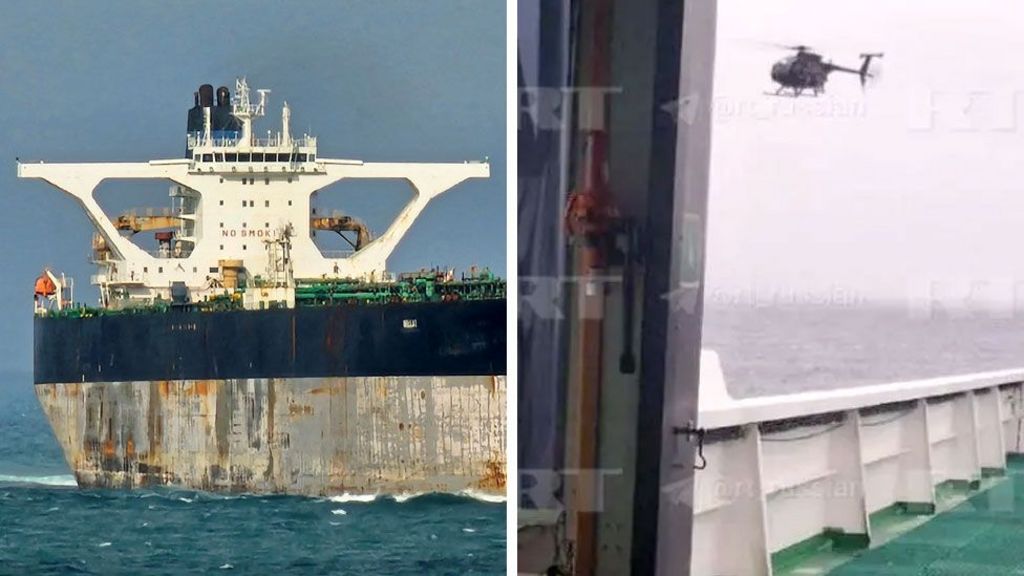
US seizes two ‘shadow fleet’ tankers linked to Venezuelan oil
In a significant escalation of sanctions enforcement, United States military forces have executed dual maritime interdictions targeting tankers associated with Venezuelan oil exports. The operations, conducted in both the North Atlantic and Caribbean Sea, represent the latest development in Washington’s campaign to restrict Caracas’s petroleum revenue streams.
The Russian-flagged vessel Marinera was apprehended following an extensive two-week pursuit through waters between Iceland and Scotland. US personnel boarded the tanker with logistical support provided by the UK Royal Navy through aerial and naval assets. Concurrently, American forces seized the M/T Sophia in Caribbean international waters, alleging the vessel was engaged in ‘illicit activities.’
These seizures occur amidst heightened tensions following the recent detention of Venezuelan President Nicolás Maduro by US special forces. Defense Secretary Pete Hegseth publicly affirmed that the ‘blockade of sanctioned Venezuelan oil remains in FULL EFFECT’ globally via social media.
Moscow has formally protested the seizure of the Marinera, despite the vessel having received only ‘temporary permission’ to fly the Russian flag according to transport ministry officials. The Russian government demanded proper treatment of crew members and their prompt repatriation. Initial reports suggesting Russian submarine deployment to safeguard the tanker proved unsubstantiated as US forces encountered no resistance during boarding.
The White House designated the intercepted vessel as ‘stateless’ due to alleged false flag representation, operating as part of Venezuela’s ‘shadow fleet’ with an existing judicial order against it.
Secretary of State Marco Rubio revealed Venezuela’s cooperation regarding the Caribbean seizure, stating Venezuelan authorities recognize that ‘the only way they can move oil and generate revenue’ without economic collapse is through cooperation with the United States. This development follows President Donald Trump’s announcement that Venezuela would transfer up to 50 million barrels of oil valued at approximately $2.8 billion to US control.
Rubio elaborated that confiscated petroleum would be sold at market rates, with proceeds managed to ‘benefit the Venezuelan people.’ The administration outlined a three-phase plan for Venezuela involving stabilization, recovery, and transition.
Congressional response remains divided, with Senate Majority Leader Chuck Schumer demanding clarification regarding troop commitments and operational costs. The Senate prepares to vote on a bipartisan war powers resolution seeking to constrain military engagement in Venezuela without legislative approval.
China, Venezuela’s primary oil customer in recent years, condemned US actions as threatening global energy security.
US European Command confirmed the Marinera (previously named Bella 1) was boarded for ‘violations of US sanctions’ pursuant to a federal warrant. Britain’s Ministry of Defence characterized their participation as ‘in full compliance with international law’ supporting global sanctions enforcement.
Maritime experts clarified that the vessel’s identity confusion stemmed from regulations prohibiting flag changes during voyages without legitimate ownership transfer. Under UN maritime law, stateless vessels remain subject to interdiction.
US Southern Command separately announced the apprehension of the ‘stateless, sanctioned dark fleet’ tanker M/T Sophia, now being escorted to the United States for disposition. Homeland Security Secretary Kristi Noem described the coordinated pre-dawn operations targeting ‘ghost fleet’ vessels with recent Venezuelan port connections.
-

Crowds line Saint-Tropez streets for Bardot funeral
The picturesque French Riviera town of Saint-Tropez witnessed an emotional farewell to cinematic legend Brigitte Bardot on Wednesday, as crowds lined the streets to honor the actress who revolutionized 1950s French cinema. Despite Bardot’s explicit instructions for a modest ceremony, admirers gathered in significant numbers to applaud her flower-draped coffin during its procession through the transformed fishing village.
The funeral service at a local church attracted notable figures including far-right politician Marine Le Pen and Equality Minister Aurore Bergé, both sharing Bardot’s passion for animal rights advocacy. The actress was laid to rest at a hillside cemetery overlooking the Mediterranean, joining her parents and first husband Roger Vadim, with her only son Nicolas-Jacques Charrier among the pallbearers.
Bardot’s passing at age 91 on December 28th marked the end of an era for French cinema. Known affectionately as ‘BB’ in her homeland, she appeared in nearly 50 films including the groundbreaking ‘And God Created Woman’ before abruptly retiring from acting in 1973 to dedicate her life to animal welfare through her foundation.
While President Emmanuel Macron eulogized her as ‘a legend of the century,’ Bardot’s later years were marked by controversy surrounding homophobic remarks and multiple convictions for inciting racial hatred, which complicated her legacy and alienated her from mainstream political circles. The ceremony balanced celebration of her artistic achievements with acknowledgment of her complex public persona.
-
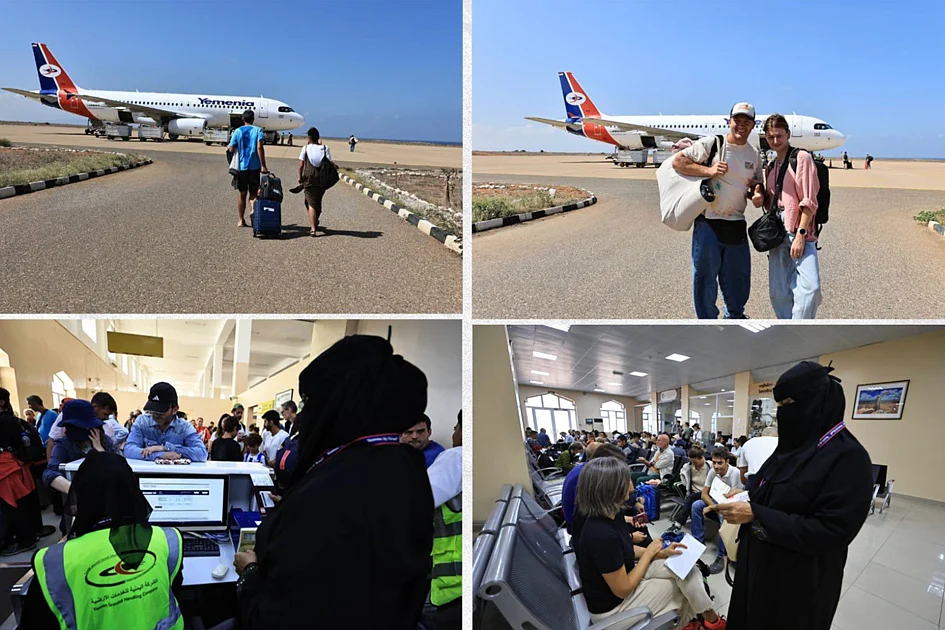
180 tourists evacuated from Yemen’s Socotra to Jeddah as others await rescue
Yemenia Airways has successfully evacuated 180 international tourists from the remote Socotra Archipelago to Jeddah, Saudi Arabia, marking a critical development in resolving the travel crisis caused by escalating regional tensions. The evacuation flight operated Wednesday represents the first major effort to restore air connectivity to the island paradise known for its unique biodiversity and pristine beaches.
According to Moammar Al Eyrani, Yemen’s Minister of Information, Culture and Tourism, this operation signifies a pivotal step toward reestablishing international travel routes to Socotra. In an official statement, the minister praised Yemen’s national carrier for executing the evacuation and expressed hope that this would evolve into regular direct services between Socotra and Jeddah.
The evacuation follows days of uncertainty for visitors who became trapped on the island when Yemeni authorities suspended all flights and closed exit ports due to deteriorating security conditions on the mainland. The exact number of remaining stranded tourists varies by source, with estimates ranging from 416 to approximately 600 individuals representing various nationalities including Russian, French, American, and British citizens.
Minister Al Eyrani emphasized that future tourism development would be approached with careful consideration for environmental sustainability, prioritizing the protection of Socotra’s unique ecosystem while developing local infrastructure and economic opportunities.
Situated approximately 300 kilometers south of Yemen’s coastline, Socotra has maintained relative tranquility throughout Yemen’s decade-long conflict. The island’s accessibility shifted significantly in December 2025 when the United Arab Emirates announced the withdrawal of its forces and the conclusion of counter-terrorism operations in Yemen, ending a military presence that had existed since 2018.
-
US immigration officer fatally shoots woman in Minneapolis
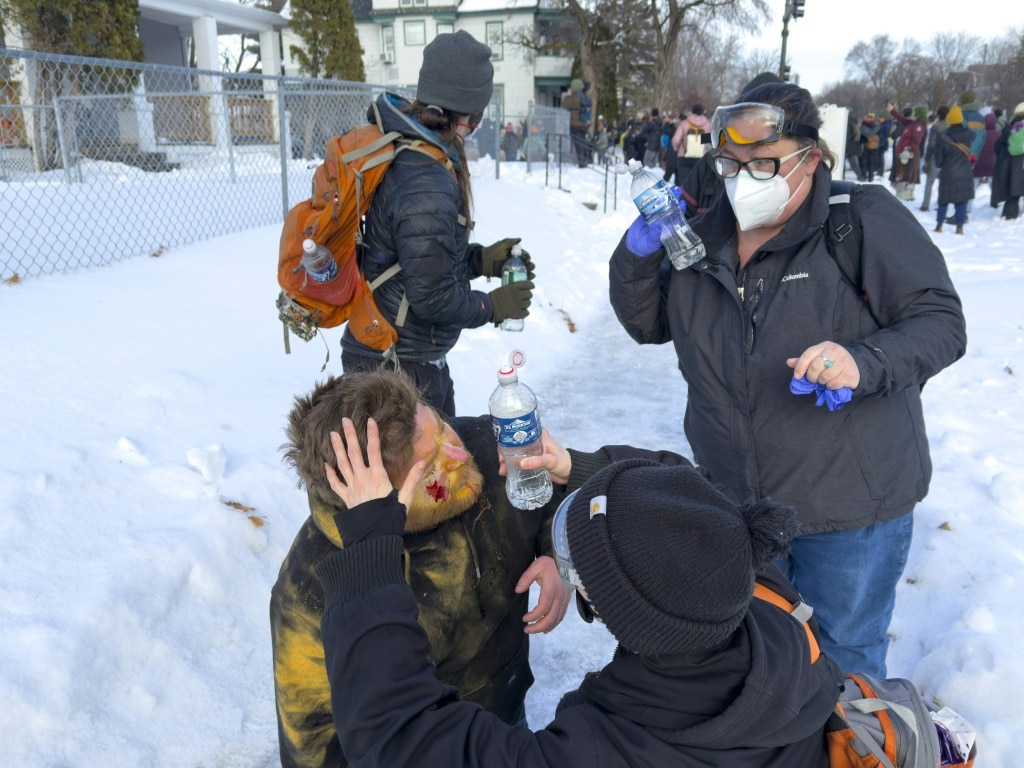
Minneapolis became the epicenter of national tension on Wednesday when a federal immigration officer fatally shot a 37-year-old woman during a controversial enforcement operation, sparking immediate outrage from local leaders and widespread protests. The incident occurred during a second day of large-scale Immigration and Customs Enforcement (ICE) raids ordered by the Trump administration, intensifying the existing rift between federal authorities and local officials.
According to witness accounts and unverified video footage, the confrontation unfolded on a snow-covered street. A Honda SUV was reportedly positioned in a manner that obstructed the path of unmarked law enforcement vehicles. As officers approached the stationary car and attempted to open the driver’s door, the woman, who was behind the wheel, began to drive away. A federal agent discharged his handgun three times into the vehicle as it moved, striking and killing the driver.
The response from government officials was starkly polarized. President Donald Trump defended the agent’s actions on his Truth Social platform, asserting the officer acted in ‘self-defense’ and accusing the victim of ‘viciously’ attempting to run him over. He described the woman as ‘very disorderly, obstructing and resisting.’ Conversely, Minneapolis Mayor Jacob Frey vehemently condemned the federal government’s narrative, labeling it ‘bullshit’ and demanding that ICE officers leave the city immediately. Minnesota Governor Tim Walz denounced the federal response as ‘propaganda’ and pledged a full state investigation.
The Department of Homeland Security (DHS), which oversees ICE, issued a statement characterizing the woman’s actions as ‘an attempt to kill’ law enforcement officers and ‘an act of domestic terrorism.’ They stated the agent fired ‘defensive shots’ fearing for his life and the safety of the public, confirming the alleged perpetrator was deceased and that injured ICE officers were expected to recover.
The scene following the shooting was one of chaos and grief. Large crowds gathered, chanting anti-ICE slogans. Witnesses described a harrowing scene, with one recounting to MS NOW that they heard three shots and recorded video of the body being carried to an ambulance. Another witness interviewed by local FOX9 reported seeing the surviving passenger emerge from the car ‘covered in blood’ and described a doctor being prevented from accessing the scene by officers. Nearby, ICE agents were captured on video by local CBS affiliate WCCO pepper-spraying and shoving protesters.
The shooting occurs against a backdrop of the Trump administration’s aggressive immigration enforcement agenda, which has prioritized the arrest and deportation of undocumented migrants on an unprecedented scale. A recent DHS recruitment drive aimed to add 10,000 new officers to ICE’s ranks, a move criticized for potentially deploying insufficiently trained personnel into the field. Critics have accused the agency of evolving into a paramilitary force, a transformation that has been met with passionate protests across the nation. The White House escalated its rhetoric in response to the Minneapolis fallout, calling Mayor Frey a ‘scumbag’ for his criticism of ICE’s operations.
-
US military says it seizes oil tanker linked with Russia, Venezuela in North Atlantic
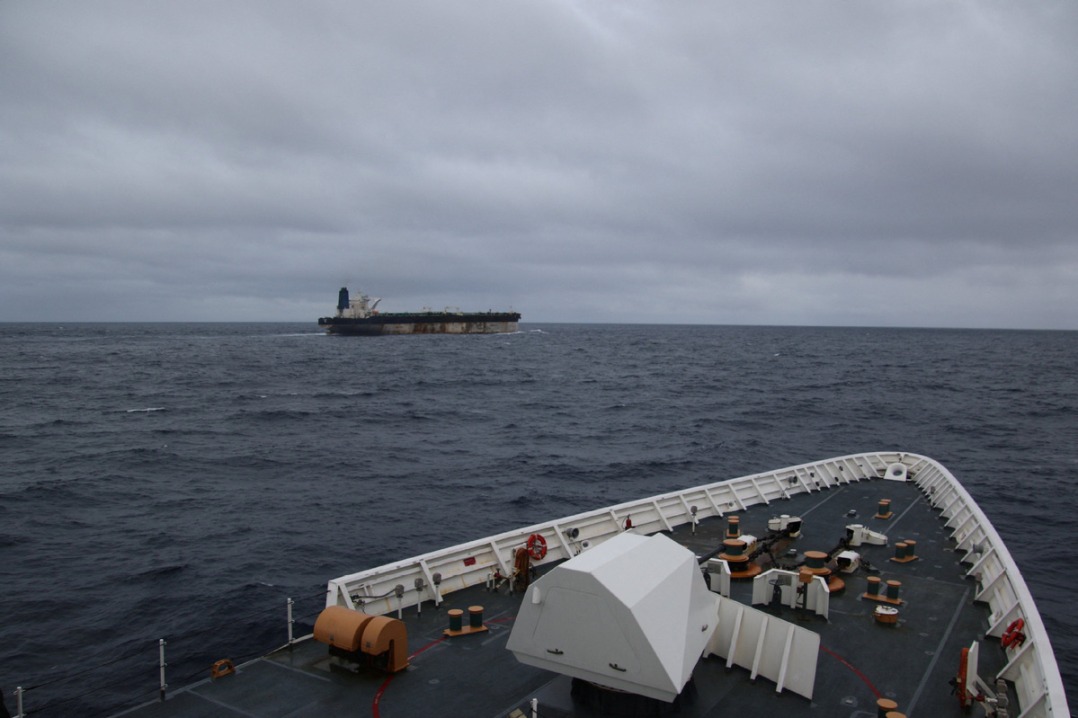
In a significant maritime enforcement operation, United States military forces have intercepted and seized a Russian-registered oil tanker with connections to Venezuela in the North Atlantic. The vessel, identified as the M/V Bella 1 (now renamed Marinera), was captured pursuant to a federal court warrant for violations of US sanctions regimes.
The operation, coordinated between the US Department of Justice, Department of Homeland Security, and Department of Defense, culminated after an extensive pursuit that began in late December. According to US European Command, the USCGC Munro—a Legend-class National Security Cutter capable of long-range missions—tracked and ultimately seized the vessel after it attempted to evade capture.
Media reports indicate Russian military vessels were present in the area during the interception, adding geopolitical complexity to the operation. The tanker had been under US sanctions targeting Iran before its ownership changes and attempted voyage to Venezuela.
The vessel’s crew had recently attempted to establish Russian affiliation by painting a Russian flag on the ship’s hull and registering with the Russian Maritime Register of Shipping under the new name Marinera on December 31. This development occurred after the tanker aborted its Caribbean course toward Venezuela approximately two-and-a-half weeks prior when pursued by US Coast Guard assets.
This seizure represents the third such interception of oil tankers by US forces near Venezuelan waters, reflecting intensified enforcement of President Donald Trump’s recent order implementing a “full and total blockade” against sanctioned vessels attempting to enter or leave Venezuelan ports.
-
Yemen’s STC says delegation in Riyadh disappeared onto bus and all contact lost
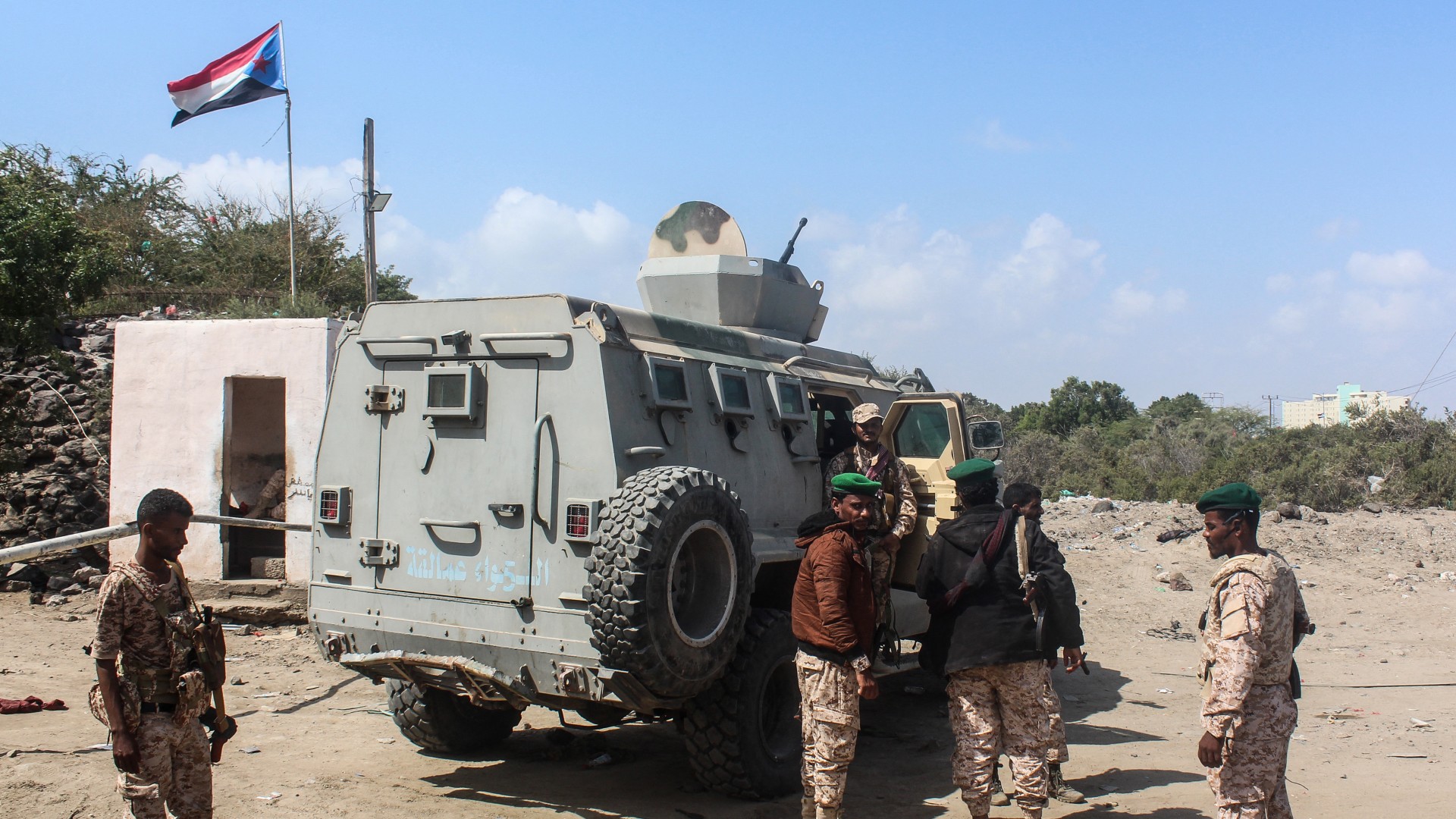
A significant diplomatic incident has unfolded as the Southern Transitional Council (STC), a Yemeni separatist faction, reports the complete disappearance of its high-level delegation in Saudi Arabia. According to senior STC foreign affairs official Amr al-Bidh, communication was lost with over 50 officials immediately after their arrival in Riyadh at 3 a.m. local time.
The delegation’s disappearance coincides with a severe political rupture within Yemen’s internationally recognized government. The Presidential Leadership Council (PLC) has formally expelled Aidarous al-Zubaidi, the UAE-backed head of the STC, accusing him of ‘high treason’ and initiating a formal investigation. The charges include damaging Yemen’s political standing, forming illegal armed groups, committing violations against civilians, and sabotaging military facilities.
In a parallel military escalation, Saudi Arabia conducted a series of airstrikes, described as ‘pre-emptive,’ targeting al-Dhale province, Zubaidi’s hometown. The STC claims these strikes resulted in civilian casualties, killing two and wounding fourteen. Concurrently, Saudi-backed ground forces were reported advancing towards the port city of Aden, a key STC stronghold, though the separatists maintain they still control the city.
The situation exposes a rare public fissure in the Gulf coalition. Saudi Arabia recently condemned the UAE’s backing of the southern separatists and even bombed an Emirati shipment at the port of Mukalla. In response, the UAE expressed surprise at the Saudi account and subsequently announced the withdrawal of all its military personnel from Yemen, citing ‘recent developments.’
The STC, which advocates for an independent South Yemen, had recently gained significant territory in a lightning offensive before this sudden reversal. The delegation’s mysterious disappearance in Riyadh now adds a complex layer of diplomatic intrigue to an already volatile conflict.