作者: admin

  • Tracking the oil tankers seized by the US

    Tracking the oil tankers seized by the US

    In a significant maritime enforcement operation, United States authorities have formally announced the interdiction and seizure of two oil tankers across strategic international waters. The operation targeted vessels suspected of violating international sanctions or engaging in illicit activities.

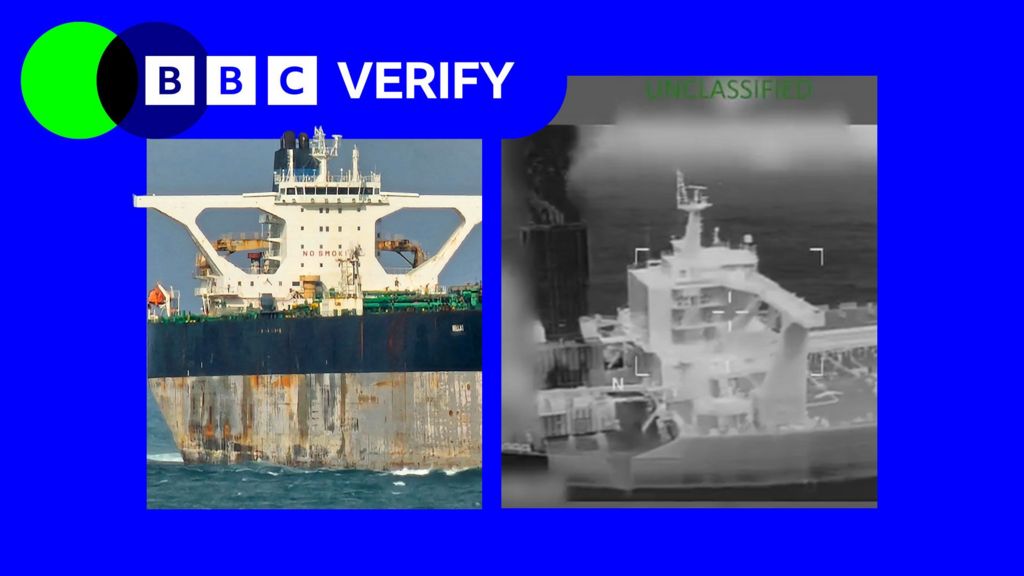
    The first vessel, identified as the Marinera (previously registered under the name Bella 1), was intercepted and taken into custody while navigating the North Atlantic Ocean. Concurrently, a second tanker, the Sophia, was successfully seized in international waters proximate to the Caribbean Sea. These coordinated actions underscore a continued escalation in U.S. efforts to enforce compliance with global maritime law and economic sanctions regimes.

    While the specific legal justifications for these seizures were not fully elaborated in the initial announcement, such operations are typically conducted under authority granted by national statutes or through rulings from U.S. courts. Historical precedents suggest these tankers may be linked to sanctions evasion, particularly related to oil shipments from embargoed nations like Iran or Venezuela.

    The strategic locations of these seizures—major transit routes for international shipping—highlight the global reach of U.S. maritime enforcement capabilities. These actions will likely have immediate operational repercussions for global shipping logistics and energy markets, potentially causing heightened due diligence among vessel operators and maritime insurers. The incidents also carry substantial diplomatic weight, potentially triggering formal protests or escalating tensions with the flagged states of the seized vessels.
  • Prime Minister Mark Carney to visit China next week as Canada pivots away from the US

    Prime Minister Mark Carney to visit China next week as Canada pivots away from the US

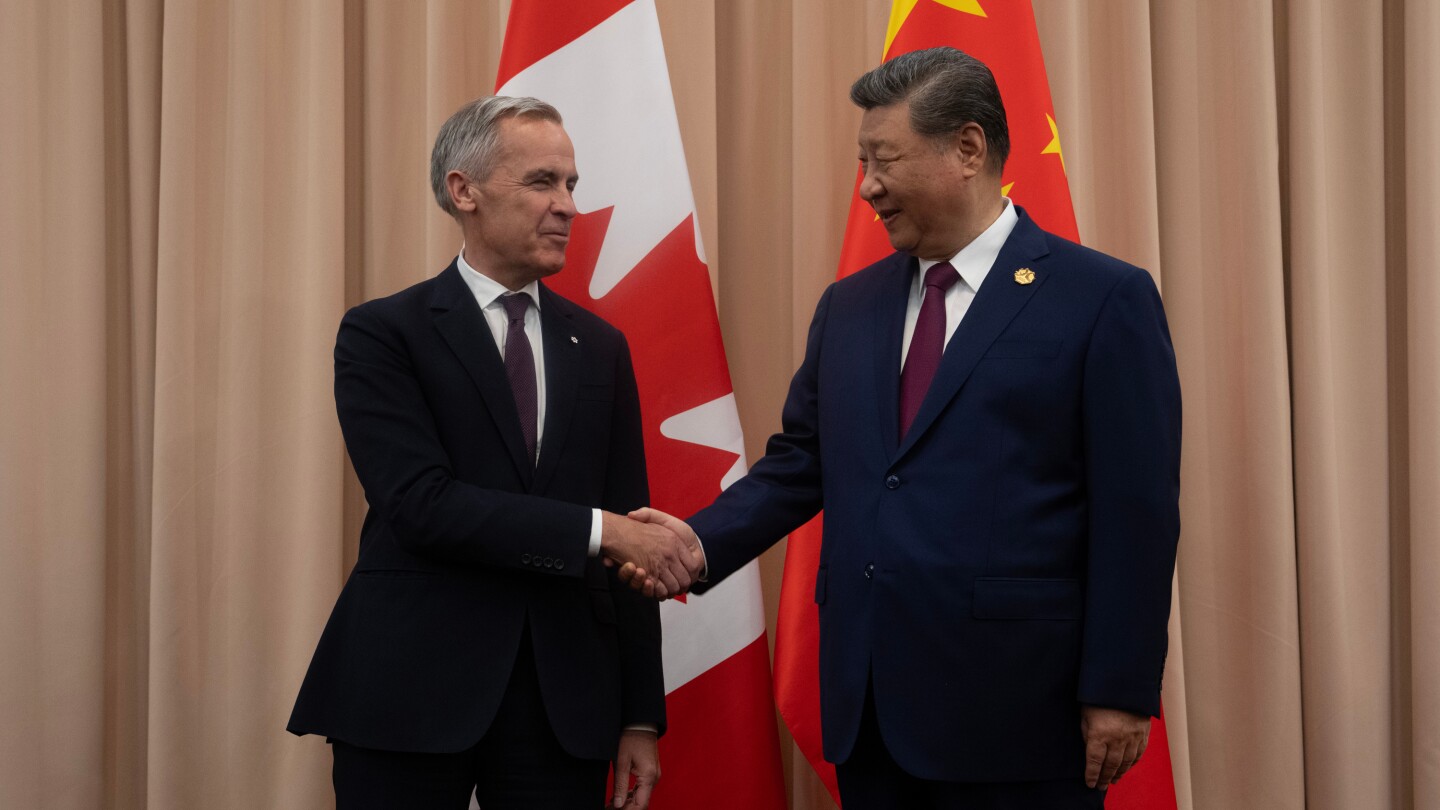
    In a significant diplomatic maneuver, Canadian Prime Minister Mark Carney will undertake an official state visit to China from January 13-17, marking the first such journey by a Canadian leader in over eight years. The visit comes at the invitation of Chinese President Xi Jinping, extending from their October encounter during the Asia-Pacific summit.

    This diplomatic initiative represents a strategic pivot in Canada’s foreign policy as the nation seeks to diversify its economic partnerships and reduce dependence on the United States. Prime Minister Carney articulated this strategic shift, stating, “We’re forging new partnerships worldwide to transform our economy from one reliant on a single trade partner to one that demonstrates greater resilience against global disruptions.”

    The timing of this rapprochement effort is particularly noteworthy given several contextual factors. Current trade tensions with the United States, including tariff threats and sovereignty concerns, have accelerated Canada’s pursuit of alternative markets. The North American free trade agreement undergoes review this year, while Canada simultaneously pursues ambitious targets to double non-U.S. exports within the coming decade.

    China currently stands as Canada’s second-largest trading partner, though the relationship has experienced significant turbulence. Bilateral relations deteriorated sharply in late 2018 following Canada’s arrest of a senior Huawei executive pursuant to its extradition treaty with the United States. China responded by detaining two Canadian citizens, creating a diplomatic standoff that lasted years.

    More recently, trade tensions have resurfaced through Canada’s imposition of 100% tariffs on Chinese electric vehicles, batteries, and related goods—a move coordinated with U.S. policy. China retaliated with targeted tariffs affecting Canadian canola, seafood, and pork producers. Beijing has proposed removing these import taxes should Canada reconsider its EV tariff policy.

    Following his China visit, Prime Minister Carney will attend the World Economic Forum Annual Meeting in Davos, Switzerland from January 19-21, further advancing Canada’s international economic diplomacy agenda.

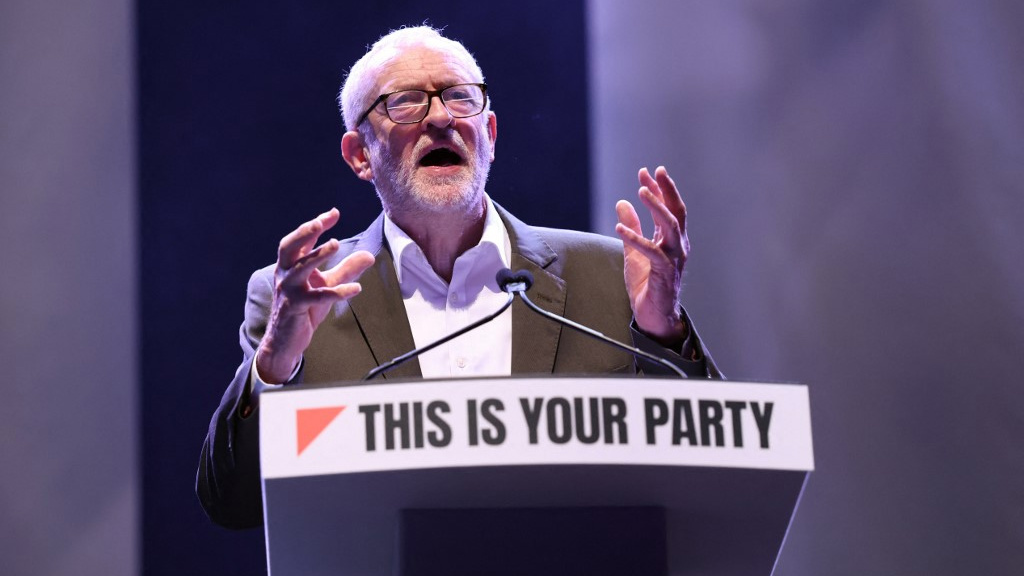
  • Corbyn slams UK for £240m deal with Israel-linked US tech giant Palantir

    Corbyn slams UK for £240m deal with Israel-linked US tech giant Palantir

    Former Labour leader Jeremy Corbyn has launched a scathing critique against the current UK Labour government for awarding a substantial £240 million contract to US technology firm Palantir, citing the company’s controversial associations with the Israeli military. The agreement, finalized by the Ministry of Defence (MoD) in December, secures Palantir’s data analytics capabilities for strategic and operational military decision-making over a three-year period.

    This new contract triples the value of a previous 2022 arrangement and positions Palantir as a key partner in modernizing Britain’s armed forces. The government has further committed to investing up to £750 million in collaborative opportunities with Palantir over the next five years.

    Corbyn, now representing the left-wing Your Party, condemned the partnership in remarks to Middle East Eye, stating: “From Trump’s anti-migrant authoritarianism to Israel’s genocide in Gaza, Palantir has enabled abominable human rights abuses worldwide. It is truly shameful that this government treats crimes against humanity as business opportunities.”

    The controversy extends beyond defense applications. Last summer, Palantir’s separate £330 million agreement to process National Health Service data drew significant criticism from medical professionals, including the British Medical Association, which warned the deal “threatens to undermine public trust in NHS data systems.”

    Palantir’s extensive government partnerships include a strategic alliance with Israel’s defense ministry established in January 2024 and ongoing collaboration with the US Immigration and Customs Enforcement (ICE) agency. The company’s technology was reportedly deployed in Israel’s September 2024 pager attacks in Lebanon, which resulted in 42 fatalities and thousands of injuries, including many civilians.

    According to UN Special Rapporteur Francesca Albanese’s July report, there are “reasonable grounds to believe Palantir has provided automatic predictive policing technology, core defence infrastructure for rapid and scaled-up construction and deployment of military software, and its Artificial Intelligence Platform, which allows real-time battlefield data integration for automated decision making.”

    The criticism transcends party lines, with former Conservative Defence Secretary Ben Wallace questioning the authenticity of the partnership, describing it as “some fake London office with a few PR people and ad campaigns abusing our Union Jack” rather than genuine defense collaboration.

    Palantir did not respond to requests for comment regarding these allegations.

  • Trump proposes massive increase in 2027 defense spending to $1.5T, citing ‘dangerous times’

    Trump proposes massive increase in 2027 defense spending to $1.5T, citing ‘dangerous times’

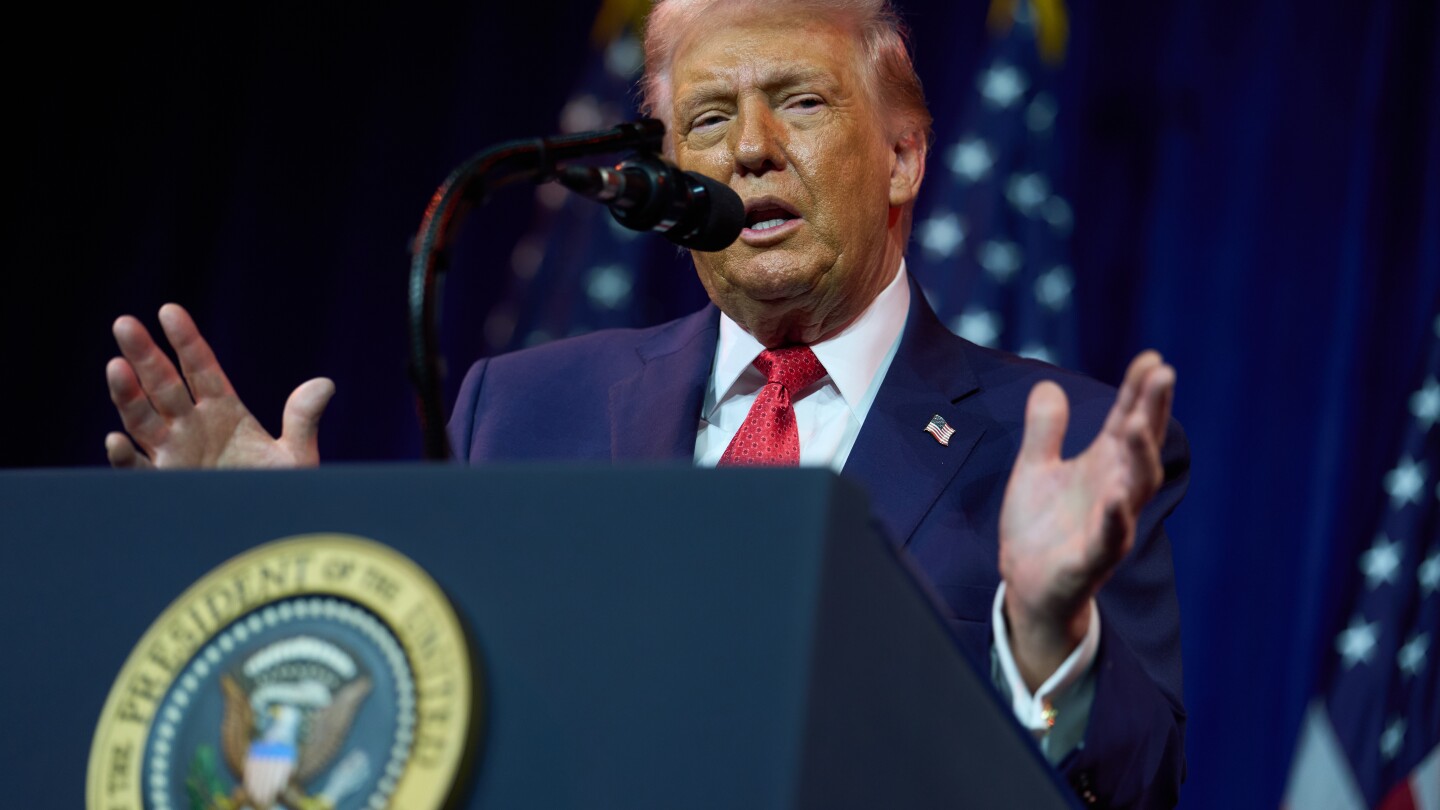
    WASHINGTON — In a significant policy announcement, President Donald Trump has unveiled an ambitious proposal to escalate United States military expenditure to an unprecedented $1.5 trillion by 2027. The declaration, made via his Truth Social platform on Wednesday, frames this monumental budget surge as an essential response to contemporary global threats that characterize what he termed “troubled and dangerous times.”

    The proposal arrives amidst a series of assertive geopolitical maneuvers by the Trump administration. These include a recent military operation aimed at apprehending Venezuelan leader Nicolás Maduro to face drug trafficking charges in the U.S., which has resulted in a continued massing of American forces in the Caribbean Sea. Furthermore, the President has expressed strategic interest in acquiring Greenland from Denmark for national security purposes and has hinted at potential military engagements in Colombia. Echoing this hardened stance, Secretary of State Marco Rubio issued a stark warning concerning Cuba, indicating a period of intensified foreign policy pressure.

    President Trump justified the colossal funding increase, a significant jump from the 2026 budget of $901 billion, by stating it would enable the construction of a ‘Dream Military’ to ensure national safety and security. He attributed the financial feasibility of this plan to heightened revenue streams generated by his administration’s widespread tariff policies imposed on both allied and adversarial nations since his return to office.

    Concurrently, the administration has adopted a confrontational posture toward the defense industry. President Trump explicitly threatened to sever Pentagon contracts with major defense contractor Raytheon unless it ceases its stock buyback programs and redirects profits toward expanding its weapons manufacturing infrastructure. This ultimatum, delivered on social media, criticized defense firms for perceived delays in critical weapons deliveries while simultaneously rewarding investors and executives with substantial dividends and salaries.

    The financial markets reacted promptly to this aggressive rhetoric, with shares of leading defense contractors like Northrop Grumman, Lockheed Martin, and RTX Corp. (Raytheon’s parent company) experiencing notable declines. This series of announcements signals a profound shift in U.S. defense strategy, prioritizing massive budgetary expansion and demanding greater industrial capacity from private sector partners.

  • Dubai: Al Warqa’a 1 Street expansion completed, to improve traffic flow by 30%

    Dubai: Al Warqa’a 1 Street expansion completed, to improve traffic flow by 30%

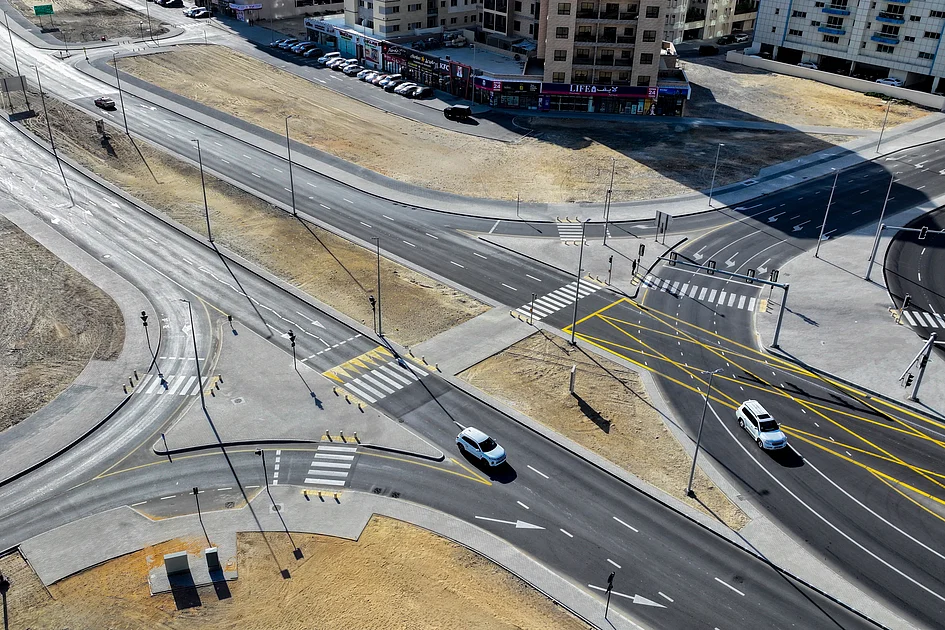
    Dubai’s Roads and Transport Authority (RTA) has officially completed a comprehensive infrastructure enhancement project along Al Warqa’a 1 Street, marking a significant milestone in the city’s ongoing urban development initiatives. The 7-kilometer expansion, stretching from Sheikh Mohammed Bin Zayed Road to Ras Al Khor Road, represents a strategic investment in the emirate’s transportation network.

    The transformative project has successfully converted four traditional roundabouts into intelligent signalized intersections, employing smart traffic management technology to optimize vehicle movement. This upgrade alone has contributed to a remarkable 30% improvement in traffic flow efficiency, substantially reducing congestion during peak hours.

    Beyond traffic management improvements, the initiative incorporated multifaceted infrastructure enhancements including the installation of 324 modern lighting poles equipped with energy-efficient illumination systems, significantly improving nighttime visibility and road safety. The project also addressed parking limitations by creating 111 new parking spaces and developed extensive pedestrian pathways spanning 41,000 square meters, ensuring safer mobility for non-vehicle users.

    Critical underground infrastructure received substantial upgrades with the construction of advanced stormwater drainage networks extending 6,600 linear meters, providing enhanced flood protection during seasonal rainfall.

    Hamad Al Shehhi, Director of Roads at RTA’s Traffic and Roads Agency, emphasized that this project builds upon previous infrastructure works completed in June 2025, which established direct access points between Al Warqa’a and Sheikh Mohammed Bin Zayed Road. “RTA remains committed to developing integrated infrastructure encompassing road networks, lighting, and drainage systems aligned with Dubai’s urban growth objectives,” Al Shehhi stated. “These efforts directly support the city’s vision as a smart, prosperous metropolis that prioritizes quality of life and resident satisfaction.”

    The authority continues to implement additional development projects in adjacent areas including Al Warqa’a 3 and 4, featuring road paving, expanded pedestrian infrastructure, and dedicated cycling tracks to promote sustainable transportation alternatives.

    RTA’s community engagement approach was demonstrated through interactive sessions held with Mirdif and Al Warqa’a residents last October, where officials discussed the upcoming Dubai Metro Blue Line project and addressed local transportation concerns. This participatory model reflects the authority’s commitment to incorporating public feedback into urban planning decisions.

  • City stumble again in title race as Villa held

    City stumble again in title race as Villa held

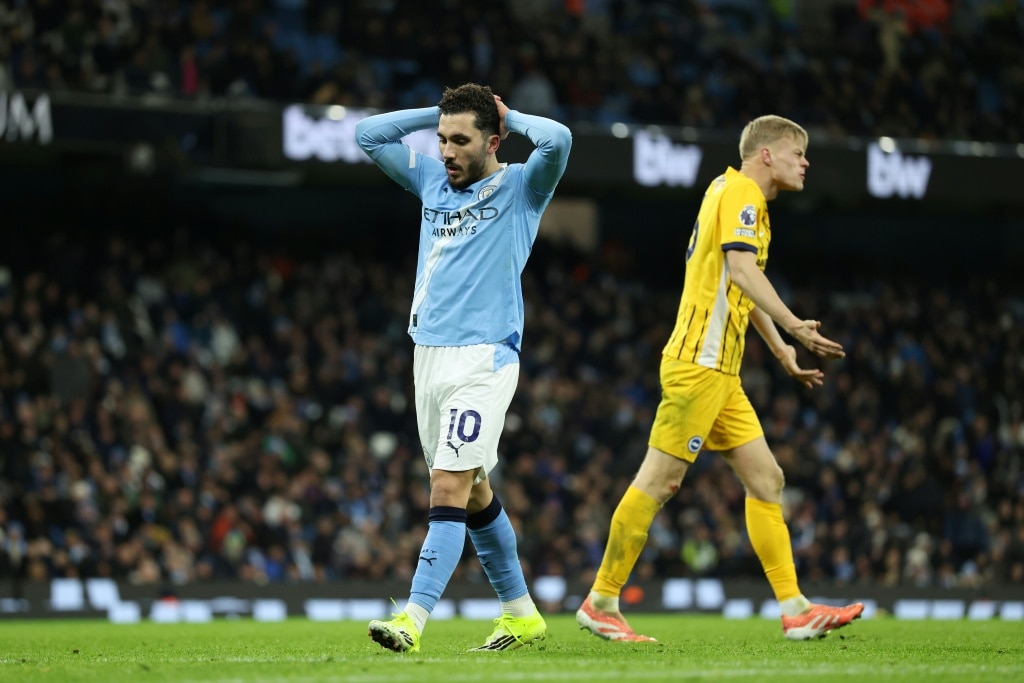
    In a dramatic twist for the Premier League title race, Manchester City failed to capitalize on their opportunity to close the gap with league leaders Arsenal, settling for a 1-1 draw against Brighton at the Etihad Stadium on Wednesday. The stalemate marks City’s third consecutive draw, raising questions about their consistency in the championship pursuit.

    Norwegian sensation Erling Haaland etched his name in the record books by netting his 150th goal for the club from a penalty spot, achieving this milestone in just 173 appearances—28 games faster than any previous Premier League player. Despite Haaland’s historic achievement, Brighton’s Kaoru Mitoma delivered a superb equalizer in the 60th minute, curling a precise shot into the bottom corner from the edge of the area.

    The result leaves Manchester City stranded at 43 points, five points behind Arsenal, who now have the chance to extend their lead to eight points with a victory against Liverpool on Thursday. In a parallel development, Aston Villa also remained at 43 points after being held to a goalless draw by Crystal Palace at Selhurst Park.

    Elsewhere in the league, Chelsea suffered a 2-1 defeat to Fulham at Craven Cottage in front of newly appointed manager Liam Rosenior, who watched from the stands. The Blues were reduced to ten men after Marc Cucurella received a straight red card for a professional foul on Harry Wilson. Raul Jimenez and Wilson scored for Fulham, with Liam Delap managing a consolation goal for Chelsea.

    In other matches, Bournemouth secured a 3-2 victory over struggling Tottenham, with Antoine Semenyo scoring what is likely his final goal for the club before an anticipated transfer to Manchester City. Brentford dominated Sunderland 3-0 with Igor Thiago scoring twice, while Everton held bottom-placed Wolves to a 1-1 draw despite finishing with nine men.

    Manchester United, under interim manager Darren Fletcher following Ruben Amorim’s dismissal, faced Burnley in a late fixture. Meanwhile, Newcastle United fans paid emotional tribute to former manager Kevin Keegan after his family announced his cancer diagnosis, displaying supportive messages on the stadium screens at St James’ Park.

  • Fifa urged to stop Israeli demolition of West Bank refugee camp football pitch

    Fifa urged to stop Israeli demolition of West Bank refugee camp football pitch

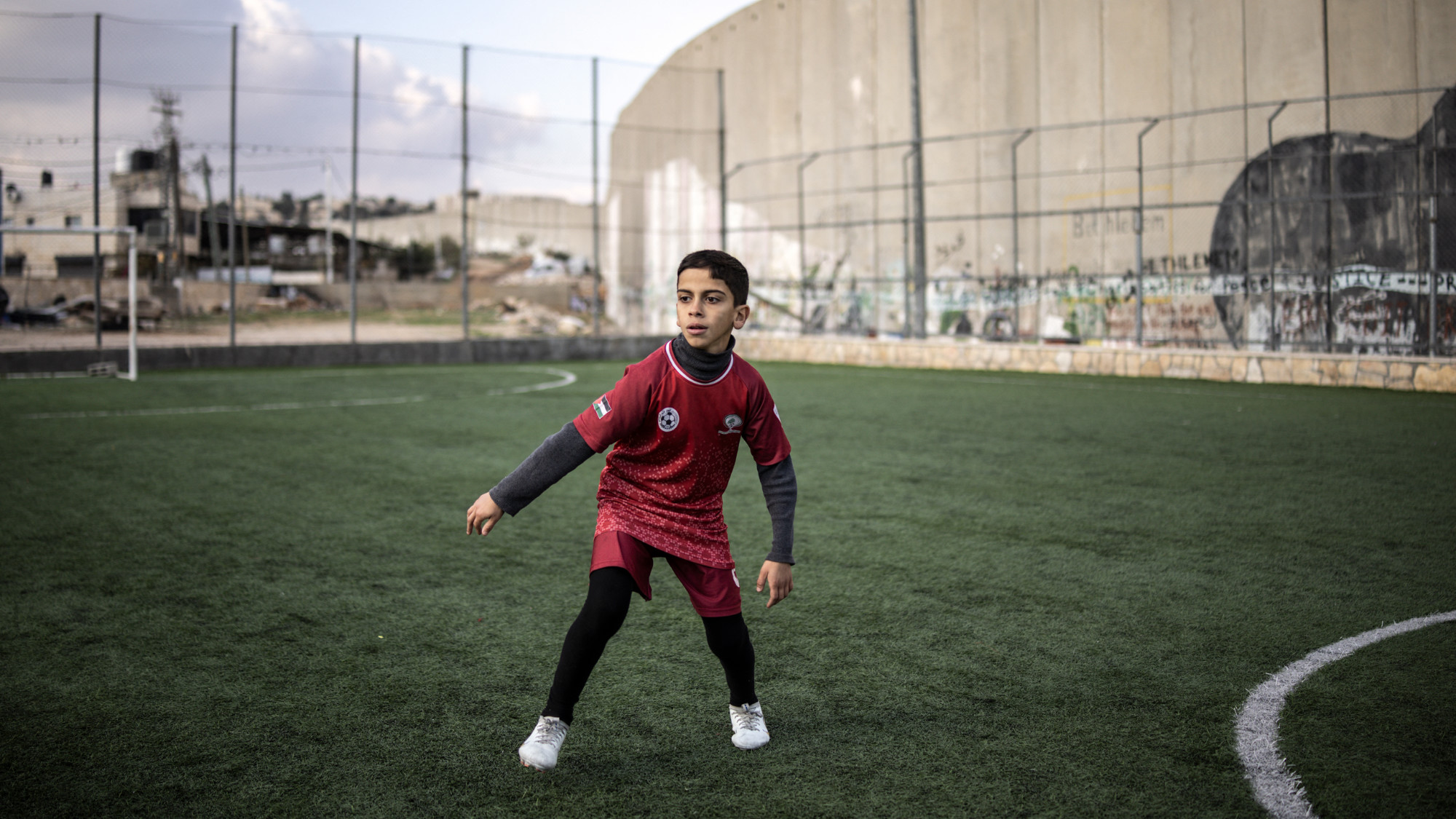
    A Palestinian youth organization has urgently petitioned FIFA leadership to prevent the imminent demolition of a crucial football facility in the occupied West Bank. The Aida Youth Centre, located near Bethlehem’s separation wall, received official notification from Israeli authorities on December 31st that their artificial turf pitch would be destroyed within seven days.

    This sporting facility, installed in 2021 on land owned by the Armenian Church within the Aida refugee camp, serves as the sole recreational space for approximately 2,500 children residing in one of the region’s most densely populated areas. The pitch functions as both a training ground for the center’s football academy and a rare sanctuary for youth living amidst military checkpoints, watchtowers, and constant security operations.

    The center’s board director, Munther Amira, articulated in a January 6th letter addressed to FIFA President Gianni Infantino and Swiss Foreign Minister Ignazio Cassis that the demolition constitutes “a clear and callous attempt to deprive Palestinians of a facility critical to their physical and mental welfare.” The communication emphasized the pitch’s role as “a rare place of hope and joy for children who endure severe hardship.”

    Notably, the facility has demonstrated significant impact on women’s football development, with three former academy players having represented Palestine at the West Asia Football Federation’s under-14 girls’ championship in December. Local authorities, including Bethlehem Mayor Maher Canawati, are pursuing diplomatic, legal, and sporting channels to halt the demolition, asserting that proper leasing agreements with the Armenian Patriarchate render the construction fully authorized.

    The appeal emerges weeks after FIFA announced plans to construct two mini-pitches in the West Bank by 2026 through its FIFA Arena initiative, co-funded by the Swiss government with a commitment of approximately $150,000. The potential demolition creates a stark contradiction with FIFA’s stated mission of expanding football access in challenging regions.

    Israeli military officials previously posted demolition notices in November, claiming the structure lacked proper permits—an assertion local authorities vehemently deny. For residents of the camp established in 1950 for Nakba refugees, the pitch represents more than sports infrastructure; it serves as psychological relief and one of the few safe spaces available to children growing up in what has been described as one of the world’s most heavily militarized civilian areas.

  • Algeria could sever ties with UAE ‘in the coming days’ amid links to separatists

    Algeria could sever ties with UAE ‘in the coming days’ amid links to separatists

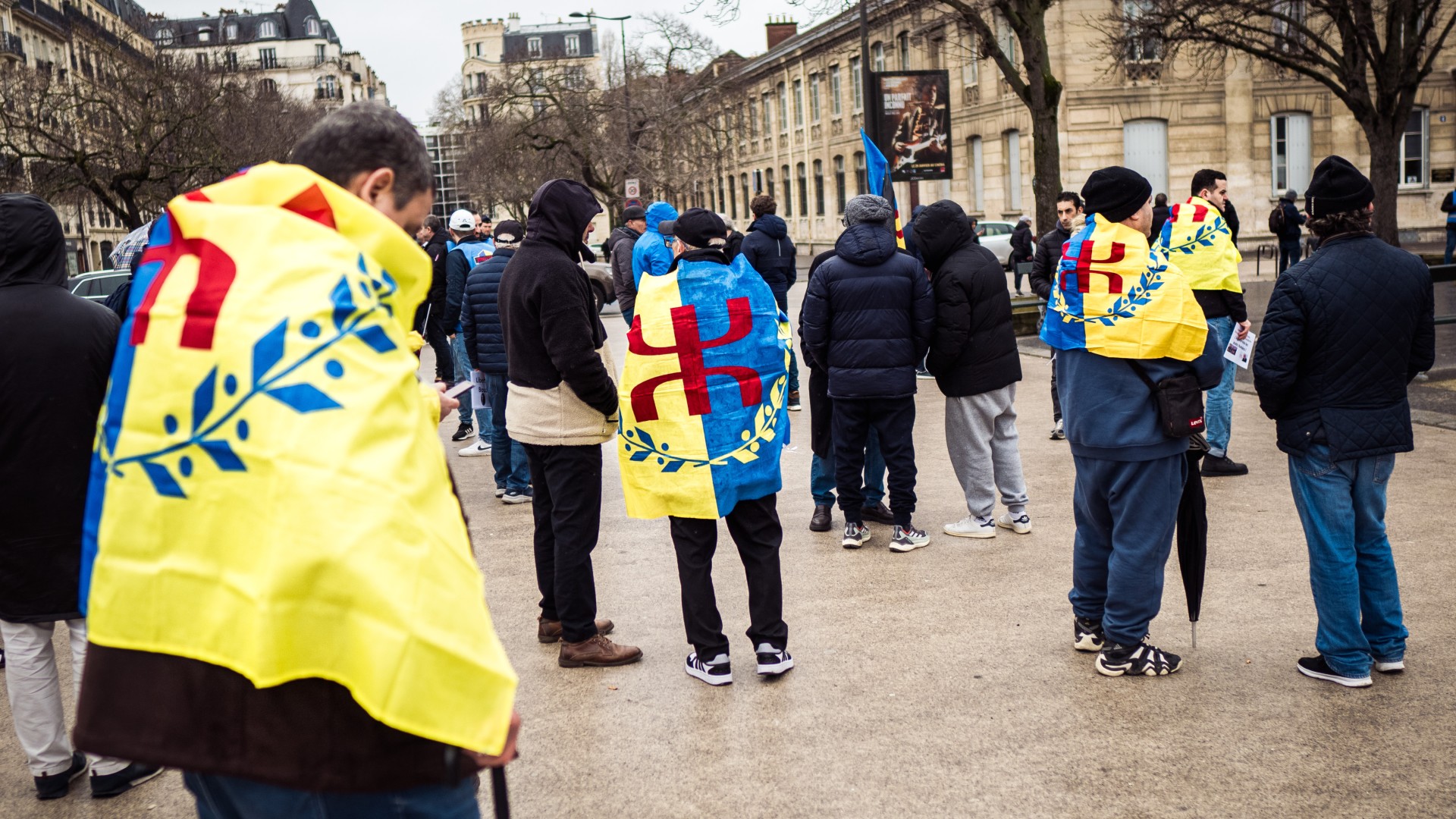
    Algeria stands on the precipice of severing diplomatic ties with the United Arab Emirates amid escalating allegations that Abu Dhabi is actively destabilizing Algerian national unity through support of a designated terrorist organization. According to El-Khabar, a publication with established links to Algerian authorities, the UAE stands accused of backing the Movement for the Autonomy of Kabylia (MAK)—a Paris-based separatist group seeking independence for the northern Kabylia region.

    The newspaper reports that Algeria’s diplomatic relationship with the UAE has deteriorated significantly compared to its ties with other Arab nations. Official sources cite ‘hostile’ Emirati actions conducted without consultation or Arab consensus, which allegedly endanger broader Arab interests and promote fragmentation agendas benefiting only external enemies.

    President Abdelmadjid Tebboune previously delivered veiled criticisms toward an unnamed Gulf state, questioning, ‘Why are you interfering in our internal issues?’ and emphasizing that national sovereignty remains a ‘red line.’ Algerian official circles have repeatedly accused the UAE embassy of ‘suspicious moves’ and described its ambassador as being ‘on a mission to destabilize’ the country.

    The allegations extend beyond bilateral tensions. Reports indicate the UAE has established communications with MAK, which also receives support from Israel and Morocco—both rivals of Algeria. French judicial authorities are reportedly investigating suspicious financial transfers worth millions of euros to MAK leaders through a non-profit cultural association.

    This situation reflects broader regional concerns about UAE foreign policy. Abu Dhabi faces accusations of supporting insurgencies and separatist movements across multiple countries including Libya, Sudan, Yemen, Somalia, and Syria. In Yemen specifically, UAE backing of Southern Transitional Council separatists has created tensions with Saudi Arabia.

    Algeria additionally expresses concern about the UAE’s expanding military presence across Africa, its support for Morocco, and its developing relations with Israel—all positions that contradict Algeria’s historical support for Palestinian sovereignty. El-Khabar concludes that continued ‘conspiracy-minded’ policies from the UAE could push bilateral relations to a point of no return, potentially resulting in a permanent diplomatic break.

  • US suspends assistance to Somalia’s federal government, alleging it seized food aid

    US suspends assistance to Somalia’s federal government, alleging it seized food aid

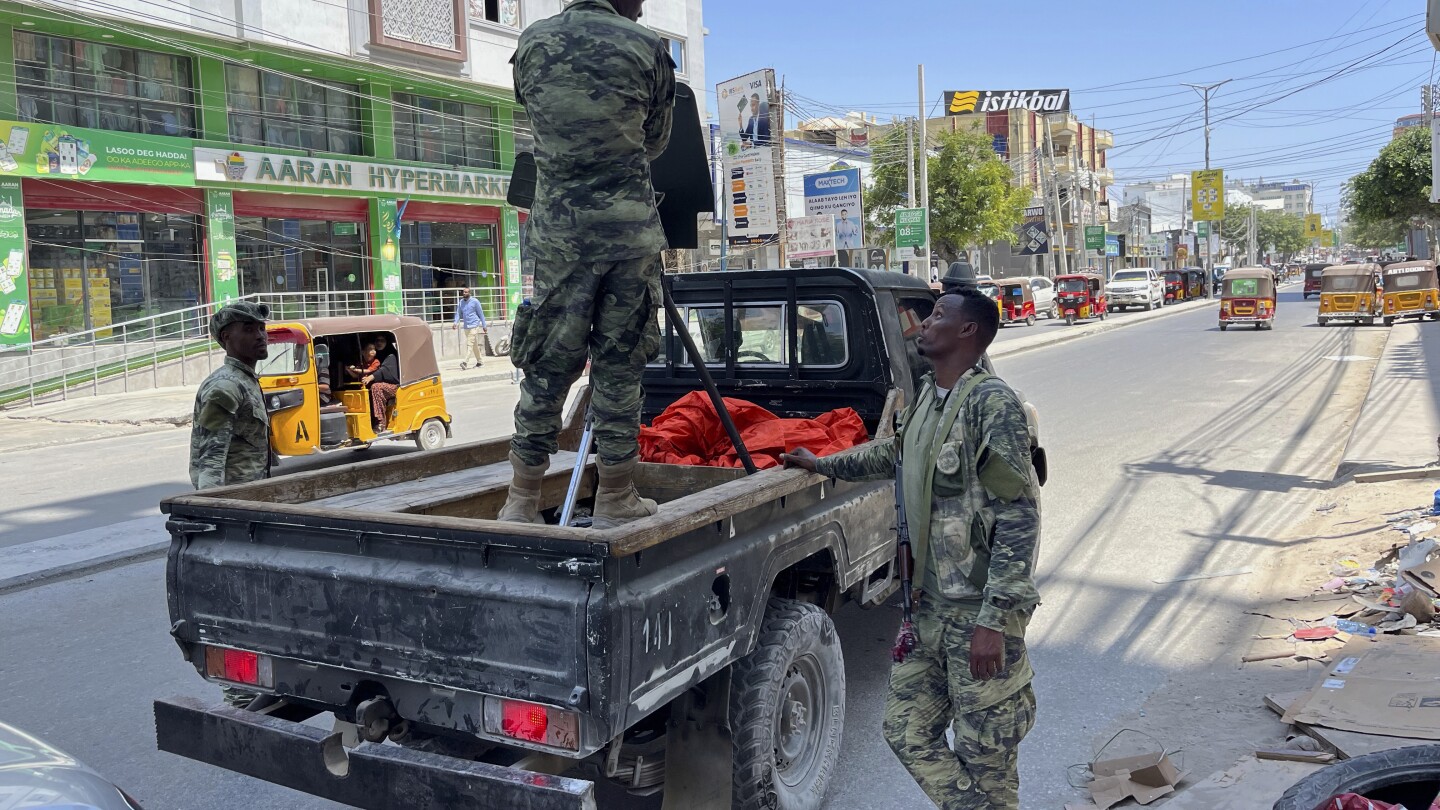
    The United States has implemented an immediate suspension of all assistance programs benefiting Somalia’s federal government following confirmed reports that Somali authorities confiscated 76 metric tons of American-funded food aid and destroyed a World Food Program warehouse. The State Department announced this decisive action on Wednesday, characterizing it as a response to unacceptable diversion of life-saving resources intended for vulnerable civilians.

    This development occurs amidst escalating tensions between the two nations, with the Trump administration simultaneously intensifying criticism of Somali refugee communities within American borders. Recent months have witnessed heightened scrutiny regarding fraud allegations connected to childcare centers in Minnesota and the implementation of stricter immigration controls affecting Somali nationals.

    While the precise financial impact remains unclear due to the administration’s broader reductions in foreign aid expenditures and restructuring of international development agencies, the suspension represents a significant diplomatic rebuke. Historical data indicates that during the final year of the Biden administration, the U.S. allocated approximately $770 million toward Somali assistance projects, though only a minor portion was channeled directly through governmental structures.

    Somalia’s strategic position within the Horn of Africa places it among the world’s most impoverished nations, where persistent conflict and recurring natural disasters have created one of the most challenging humanitarian environments globally. This aid suspension threatens to exacerbate an already critical situation for civilians dependent on international support.

  • Chinese embodied AI startup makes debut with precision robotics demonstration after $242M fundraising year

    Chinese embodied AI startup makes debut with precision robotics demonstration after $242M fundraising year

    In a remarkable technological unveiling, Chinese artificial intelligence startup TARS has demonstrated unprecedented capabilities in precision robotics, marking its public debut after securing $242 million in funding throughout 2025. The December 19 showcase featured the world’s first robotic system capable of performing complex hand embroidery—a feat requiring extraordinary precision and delicate material manipulation.

    The demonstration went far beyond theatrical display, serving as a comprehensive validation of TARS’ groundbreaking flexible manipulation technology. The robot executed intricate embroidery processes with sub-millimeter precision, showcasing coordinated bimanual operation, sophisticated force and tactile control, and exceptional adaptability to flexible materials. These capabilities maintained consistently high success rates throughout extended, complex operational sequences.

    More significantly, TARS revealed practical industrial applications for its technology, particularly in autonomous wire harness assembly—a domain where traditional industrial robots have historically struggled. This breakthrough addresses critical challenges in manufacturing flexibility and precision, offering new pathways for intelligent transformation within high-end manufacturing sectors.

    The company simultaneously unveiled its Industrial Robot A-Series and General-Purpose Robot T-Series, emphasizing that the embroidery demonstration symbolized just the beginning of robotics integration into production and daily life. TARS positions its creations not as merely controlled machines, but as reliable intelligent agents capable of stable long-term operation.

    With substantial funding and proven technology, TARS has established foundations for international expansion, identifying the Middle Eastern market as a likely initial focus for its global operations.