作者: admin

  • India defends antitrust penalty law in Apple fight

    India defends antitrust penalty law in Apple fight

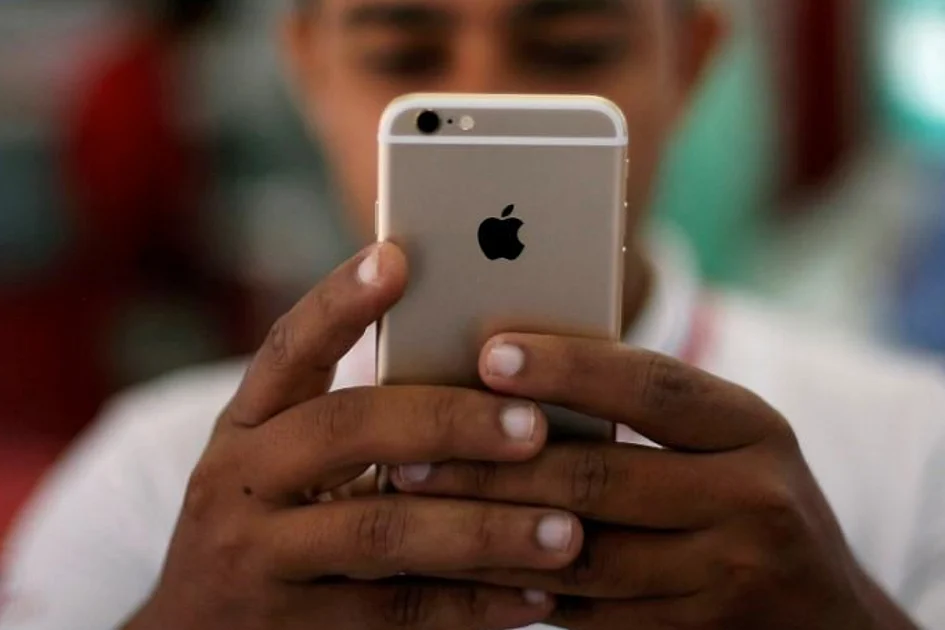
    India’s Competition Commission (CCI) has formally defended its controversial antitrust penalty legislation before the Delhi High Court, pushing back against Apple’s legal challenge to the 2024 measure that allows fines based on global revenue. The regulatory body asserts that the law brings Indian competition enforcement in line with international standards and serves as a crucial deterrent against violations by multinational corporations.

    In court documents dated December 15, the CCI argued that calculating penalties based solely on India-specific turnover would fail to adequately penalize global digital giants for anti-competitive behavior. The regulator emphasized that this approach ensures penalties ‘retain real deterrent value in complex, digital and cross-border markets’ rather than becoming ‘nominal or easily absorbable for large multinational players.’

    Apple initiated legal proceedings in November 2025, seeking to invalidate the law which it claims could expose the company to disproportionate penalties reaching up to $38 billion in a separate case involving alleged App Store dominance. The technology giant contends the CCI is illegally applying the legislation retroactively and that penalties should reflect only India-based operations.

    The CCI countered that the legislation merely clarifies existing powers that always allowed penalties of up to 10% of a company’s turnover, and that clarificatory provisions operate retrospectively as they ‘explain the true intent of the legislature.’ The regulator accused Apple of attempting to misguide the court, noting it had specifically requested only India-specific financial details despite its broader authority.

    The high-stakes legal battle, scheduled for hearing on January 27, 2026, carries significant implications for other multinational corporations including Pernod Ricard, Publicis, and Amazon, all of which face ongoing antitrust scrutiny in India.
  • Weekly quiz: Which sport helped Timothée Chalamet win a Best Actor award?

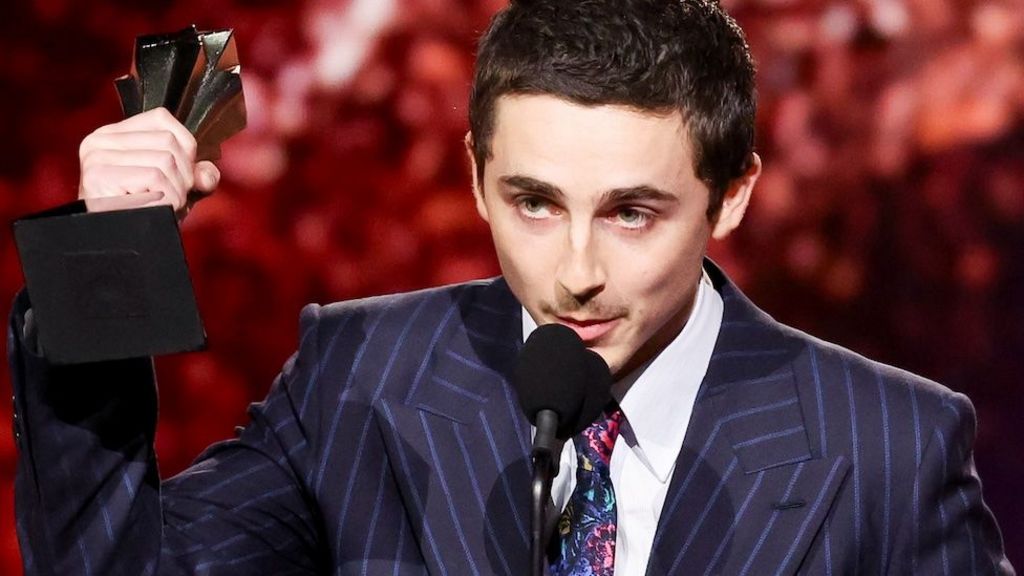
    Weekly quiz: Which sport helped Timothée Chalamet win a Best Actor award?

    The past week witnessed significant developments across global affairs, commerce, and social discourse, capturing international attention. In a dramatic escalation of tensions, United States authorities conducted a surprise operation resulting in the apprehension of Venezuelan President Nicolás Maduro at his private residence. This bold maneuver represents a substantial intensification of Western pressure on the South American nation’s leadership.

    Concurrently in the retail sector, Claire’s Stores Inc., the ubiquitous accessories retailer found in shopping centers worldwide, confronted mounting financial instability. The company grappled with severe liquidity challenges that threatened its operational continuity, signaling deeper troubles within the traditional brick-and-mortar retail industry.

    In the cultural sphere, actress and public figure Ashley Tisdale leveraged her platform to address concerning social dynamics, speaking out against perceived toxicity within certain parenting communities. Her critique highlighted the psychological pressures and judgmental environments that some maternal support groups foster, bringing attention to modern parenting challenges in the digital age.

    These disparate yet significant events collectively painted a picture of a week characterized by geopolitical boldness, economic vulnerability, and social consciousness, demonstrating the interconnected nature of global developments across political, economic, and societal domains.

  • New clashes in Iran as opposition urges more protests

    New clashes in Iran as opposition urges more protests

    Iran entered its twelfth consecutive day of widespread civil unrest on Thursday as security forces deployed tear gas against demonstrators protesting the country’s severe economic deterioration. The protests, which originated in Tehran’s bazaar on December 28 following the rial’s collapse to unprecedented lows, have now expanded across all 31 provinces, presenting the most significant challenge to the clerical establishment in years.

    According to the HRANA monitoring group, demonstrations have been documented in 348 locations nationwide, with videos emerging showing protesters in Kuhchenar, Fars province, tearing down a statue of Qassem Soleimani, the Revolutionary Guards commander killed by a U.S. strike in 2020. The Norway-based Iran Human Rights organization reported security forces have employed live ammunition, tear gas, and physical violence against civilians, with at least 27 protesters confirmed dead, including five minors under age 18.

    The movement has gained momentum through calls from exiled opposition figures, particularly Reza Pahlavi, son of the deposed shah, who described Wednesday’s turnout as “unprecedented” and urged intensified demonstrations. Pahlavi warned via social media that authorities were attempting to disrupt internet connectivity to suppress organizing efforts.

    Judicial authorities have taken a hardline stance, labeling participants as “rioters” and promising “no leniency” in prosecution. The tension escalated further Wednesday when an Iranian police officer was fatally stabbed near Tehran during unrest containment operations, as reported by Fars news agency.

    The protests occur against a backdrop of economic crisis exacerbated by years of international sanctions and recovery efforts following June’s conflict with Israel. Demonstrators have adopted increasingly bold slogans including “this is the final battle, Pahlavi will return” and direct calls for the overthrow of Supreme Leader Ayatollah Ali Khamenei.

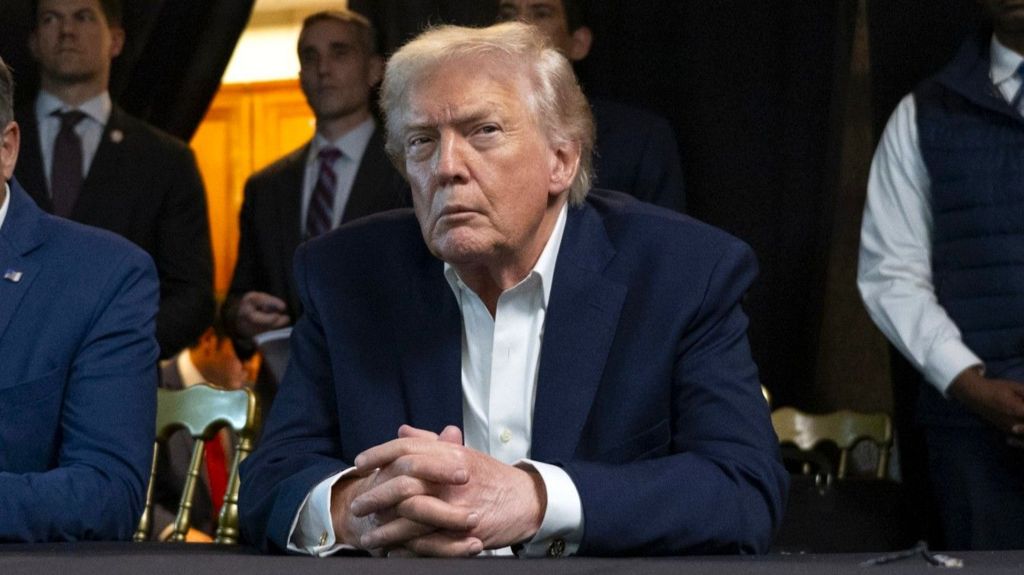
  • Bowen: Trump risks pushing world back to age of empires

    Bowen: Trump risks pushing world back to age of empires

    In a dramatic escalation of hemispheric policy, former Venezuelan President Nicolás Maduro has been captured by U.S. special forces and transported to a detention facility in Brooklyn, New York. The operation, monitored in real-time by former President Donald Trump from his Mar-a-Lago estate, represents what Trump characterizes as a “decisive victory” for his administration’s foreign policy approach.

    Trump enthusiastically described the operation to Fox News, marveling at the “speed and violence” of the tactical mission that resulted in Maduro’s capture without American casualties. The former president framed the intervention as demonstrating his administration’s commitment to following through on campaign promises through direct action.

    This operation signals the emergence of what Trump has rebranded as the “Donroe Doctrine” – an intensified version of the nineteenth-century Monroe Doctrine that asserts unprecedented U.S. dominance throughout the Western Hemisphere. The policy explicitly warns rival powers, particularly China, to avoid regional engagement and claims expanded American authority over resources and governance across Latin America and beyond.

    Strategic resources appear central to this policy shift, with Venezuela’s substantial oil reserves and Greenland’s mineral deposits specifically identified as priorities. Trump administration officials have indicated willingness to use military and economic coercion against nations perceived as “out of line,” with Colombia, Mexico, Cuba, and Denmark explicitly warned about potential future actions.

    The approach represents a fundamental break from established U.S. foreign policy traditions. Unlike previous administrations that sought legitimacy through international institutions or alliances, Trump’s doctrine operates explicitly through assertions of raw power and national interest. This marks a departure from both the isolationism of George Washington’s farewell address and the alliance-building of the post-World War II Truman Doctrine that established NATO and transatlantic partnerships.

    Stephen Miller, a key Trump adviser, articulated this worldview on CNN, describing international relations as governed by “strength, force, and power” rather than diplomatic conventions or multilateral agreements. This perspective challenges the rules-based international order that has predominated since World War II, potentially returning to a nineteenth-century model of spheres of influence and great power competition.

    The capture of Maduro and declaration of the Donroe Doctrine suggests a fundamental reorientation of American foreign policy toward explicit unilateralism and resource acquisition, with implications for global stability and international law.

  • Syria tells civilians to leave Aleppo’s Kurdish areas

    Syria tells civilians to leave Aleppo’s Kurdish areas

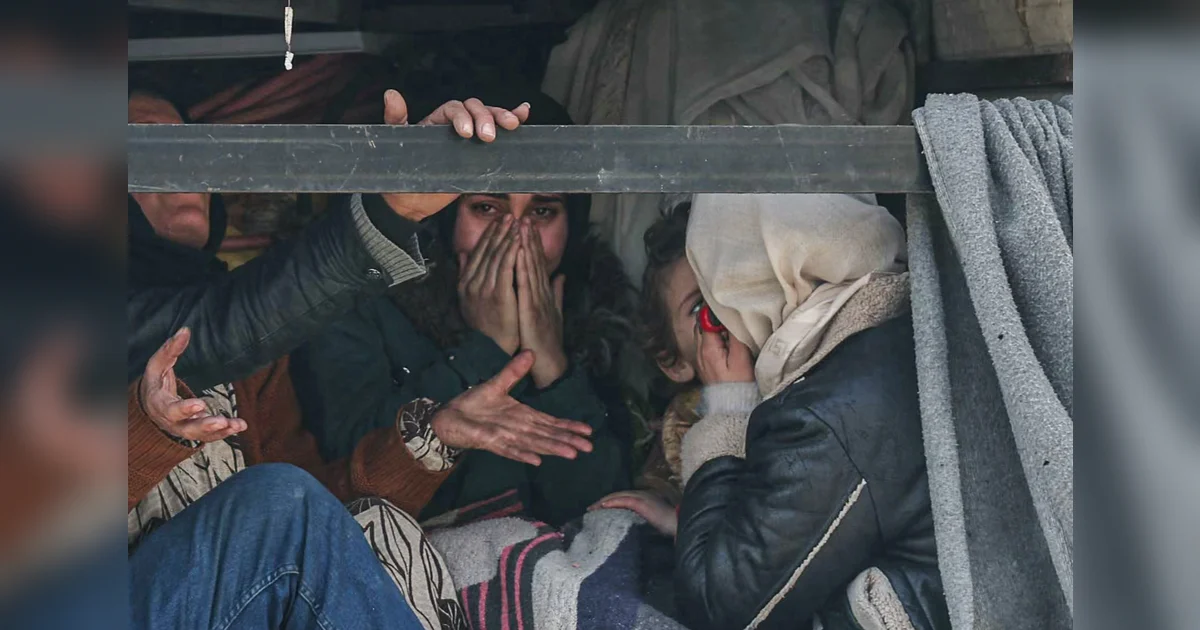
    The Syrian military has issued a formal evacuation order for civilians residing in the Kurdish-dominated neighborhoods of Sheikh Maqsud and Ashrafiyeh in Aleppo, signaling preparations for renewed offensive operations. This development follows two days of intense clashes that have resulted in at least 17 fatalities and triggered mass civilian displacements.

    The current violence represents a significant breakdown in the implementation of a March agreement designed to integrate the semi-autonomous Kurdish administration and military forces into Syria’s new Islamist government structure. The strategic city of Aleppo has effectively shut down, with educational institutions, commercial establishments, and public services remaining closed for consecutive days as security conditions deteriorate.

    Military authorities established evacuation corridors on Wednesday that enabled thousands of residents to flee before initiating artillery bombardments against Kurdish positions. A subsequent deadline was imposed on Thursday, with civilians given until 1:00 PM local time to depart before the army threatened to resume combat operations.

    A Syrian military official characterized the operation as “limited” in scope, describing its primary objective as pressuring Kurdish fighters to withdraw and enabling government forces to establish complete control over Aleppo. The situation has drawn international concern, with UN Secretary-General António Guterres urging restraint and calling for renewed negotiations to salvage the March integration agreement.

    The crisis has generated regional repercussions, with Turkey expressing willingness to support Syrian government operations against Kurdish forces if formally requested. Meanwhile, Israeli Foreign Minister Gideon Saar condemned the offensive as “serious and dangerous” targeting of ethnic minorities, drawing parallels to Israel’s previous intervention during violence involving Syria’s Druze community.

    In the northeastern Kurdish stronghold of Qamishli, hundreds of protesters demonstrated against the Aleppo offensive, carrying banners reading “no to war” and “no to ethnic cleansing” while appealing for international intervention to protect Kurdish communities.

  • What is ICE and what powers do its agents have to use force?

    What is ICE and what powers do its agents have to use force?

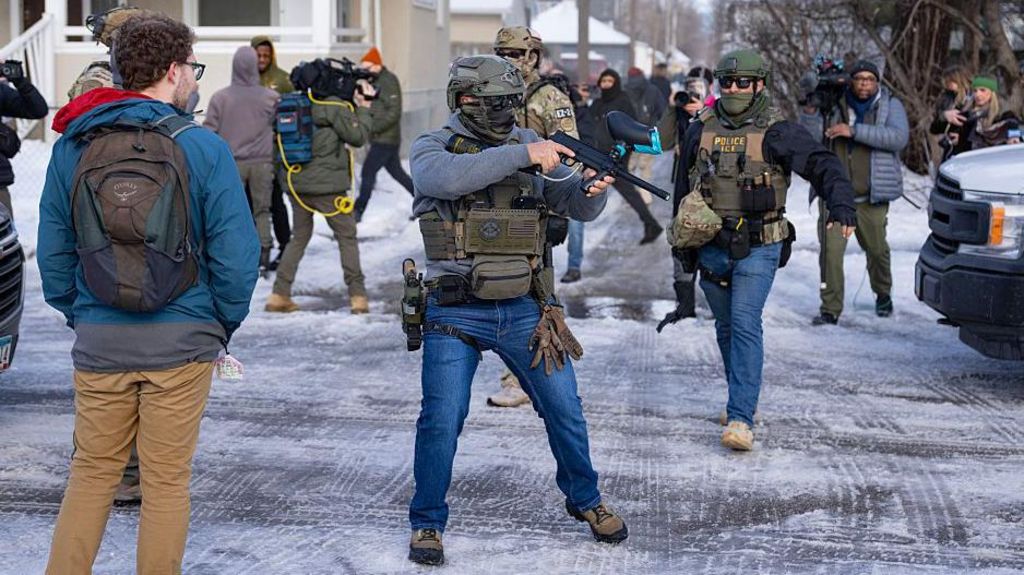
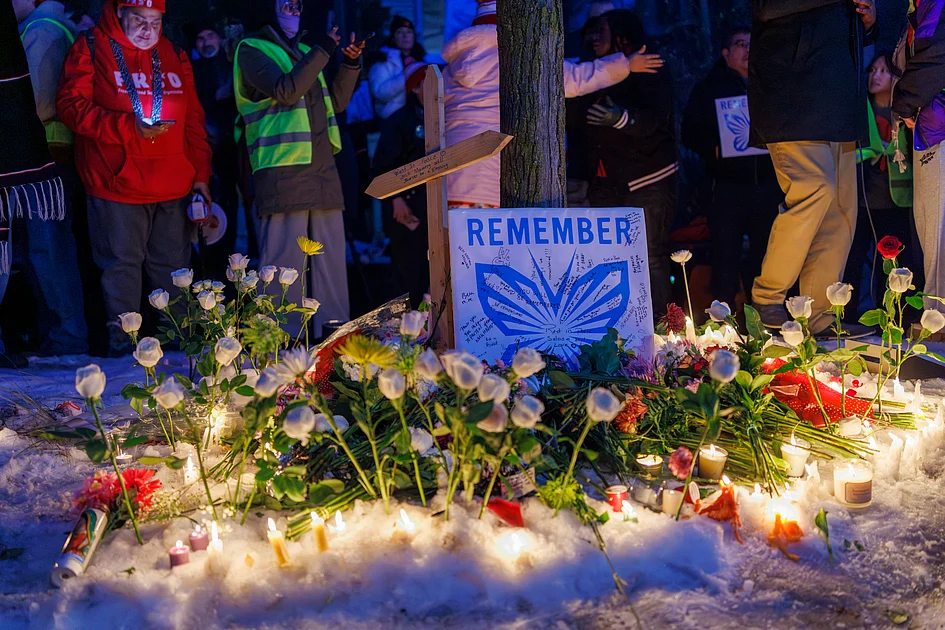
    The fatal shooting of 37-year-old Renee Nicole Good by a U.S. Immigration and Customs Enforcement (ICE) officer in Minneapolis has triggered widespread protests and intensified examination of the agency’s expanding domestic operations. The incident occurred during a routine enforcement action when Good was driving a vehicle, culminating in a deadly confrontation that has become emblematic of growing tensions between federal immigration authorities and local communities.

    Since President Trump’s return to the White House, ICE has dramatically increased its enforcement activities, making thousands of arrests often in public settings. This aggressive approach has positioned ICE at the forefront of the administration’s mass deportation initiative, a cornerstone of Trump’s campaign promises. The agency has seen substantial budget increases and mission expansion under the current administration, despite being originally established under the Homeland Security Act of 2002 as a response to the September 11 terrorist attacks.

    ICE’s operational parameters grant agents significant authority to detain and arrest individuals suspected of unlawful presence in the United States. While technically limited in detaining U.S. citizens, documentation from ProPublica reveals more than 170 incidents during the first nine months of Trump’s presidency where federal agents held American citizens against their will, often mistakenly suspecting them of being undocumented immigrants.

    The use of deadly force by ICE officers is governed by a complex framework of constitutional standards, federal law, and Department of Homeland Security policy guidelines. According to legal experts, officers may only employ lethal force when facing imminent threat of serious bodily harm or death. However, Supreme Court precedents have traditionally afforded law enforcement considerable discretion in split-second decisions.

    The Trump administration has deployed an unprecedented number of federal officers to major cities including Los Angeles, Chicago, and now Minneapolis, with the Associated Press reporting up to 2,000 officers mobilizing for the latest operation. This deployment has increasingly blurred traditional jurisdictional boundaries between ICE and its sister agency, Customs and Border Protection, with Border Patrol officers now frequently operating inland alongside ICE agents.

    Deportation statistics underscore the scale of current enforcement efforts. The administration reports 605,000 formal deportations between January 20 and December 10, 2025, alongside 1.9 million immigrants who allegedly ‘voluntarily self-deported’ following aggressive public awareness campaigns. Current detention figures indicate approximately 65,000 individuals in ICE custody as of late November 2025.

    Community resistance to ICE operations has grown substantially, with residents increasingly documenting encounters through video recording. Several confrontations have turned violent, including incidents in Chicago where media organizations sued Border Patrol alleging excessive force against journalists and protesters. The Minneapolis shooting represents the latest in a series of violent encounters, following October incidents in Los Angeles where agents fired at drivers allegedly threatening officers with vehicles.

    Public opinion reflects divided perspectives on immigration enforcement. Pew Research Center data from October 2025 indicates slight majority support for some level of deportation, but 53% of Americans believe the administration is doing ‘too much’ to deport undocumented immigrants, with only 36% fully endorsing the current approach.

  • ‘Close to death’: What 60 days on hunger strike is doing to Palestine Action prisoners

    ‘Close to death’: What 60 days on hunger strike is doing to Palestine Action prisoners

    Medical specialists are issuing grave warnings regarding Palestine Action activists whose prolonged hunger strikes have surpassed 60 days, entering a critical phase where physiological damage may become permanent and mortality risks escalate dramatically.

    Heba Muraisi, now on day 66 without solid nutrition, and Kamran Ahmed, at day 60, demonstrate severe physical deterioration according to family accounts. Muraisi recently described herself as ‘dying in her cell,’ while Ahmed’s relatives report his body is experiencing catastrophic decline with muscle atrophy and organ failure.

    Emergency medicine physician Dr. James Smith of University College London, who advises the families, explains the terrifying biological processes underway: ‘After exhausting fat reserves, the body begins consuming its own muscle tissue – including cardiac and respiratory muscles. This systemic breakdown affects every vital function.’

    The physiological consequences extend beyond visible wasting. Dr. Smith emphasizes the critical depletion of electrolytes and micronutrients: ‘Deficiencies in potassium, magnesium and essential vitamins create substantial risks of irreversible neurological damage and potentially fatal heart arrhythmias.’

    Legal representatives have made repeated appeals to UK Justice Secretary David Lammy, highlighting concerning symptoms including intermittent hearing loss, dangerously low pulse rates, and breathing difficulties that prevent proper attorney consultation.

    Historical data from hunger strikes indicates mortality typically occurs between 45-75 days, with survival variables including hydration levels, medical monitoring, and baseline health. Dr. Smith notes that even if nutrition resumes, long-term complications may include chronic organ disease, permanent weakness, and cognitive impairment.

    The protest, initiated against detention conditions and remand imprisonment, has reached its most precarious stage. Medical experts conclude that these activists now exist in a fragile state where catastrophic organ failure could develop with minimal warning, potentially resulting in permanent disability or death.

  • Brazil to play friendlies against France and Croatia in the US ahead of the World Cup

    Brazil to play friendlies against France and Croatia in the US ahead of the World Cup

    In a strategic move to fine-tune their squad ahead of the upcoming global tournament, the Brazilian national soccer team has confirmed two high-profile international friendlies on American soil. The five-time World Cup champions are set to clash with formidable European opponents France and Croatia during their stateside training camp.

    The highly anticipated matches, announced Thursday by a coalition of sports promotion groups including Unified Events and Pitch International, will see Brazil’s Seleção confront France at Gillette Stadium in Foxborough, Massachusetts on March 26th. Following this encounter, the South American giants will test their mettle against Croatia’s national team at Camping World Stadium in Orlando, Florida on March 31st.

    This series of preparatory matches extends beyond Brazil’s schedule, forming part of an international showcase of soccer talent. The coordinated fixture list includes an additional matchup between Croatia and Colombia in Orlando on March 26th, while Colombia will subsequently face France at FedExField in Landover, Maryland on March 29th.

    The carefully orchestrated friendly matches serve as crucial preparation for Brazil’s World Cup campaign, which commences on June 13th against Morocco at MetLife Stadium in East Rutherford, New Jersey. The Brazilian squad will subsequently compete against Haiti at Philadelphia’s Lincoln Financial Field on June 19th before concluding their group stage commitments against Scotland at Hard Rock Stadium in Miami Gardens, Florida on June 24th.

    The collaborative organization of these international contests involves multiple prominent sports entities, including Florida Citrus Sports, Lions Sports & Media, and Cardenas Media Network, ensuring top-tier production and promotion of these elite soccer exhibitions.

  • US immigration officer fatally shoots woman in Minneapolis, sparking protests

    US immigration officer fatally shoots woman in Minneapolis, sparking protests

    Minneapolis witnessed significant civil unrest and protests following the fatal shooting of a 37-year-old American woman by a federal immigration officer on Wednesday. The incident occurred during heightened immigration enforcement operations in the city’s southern district, sparking immediate condemnation from local officials and community members.

    Eyewitness footage captured the moment a masked Immigration and Customs Enforcement (ICE) agent discharged three rounds at point-blank range into a Honda SUV driven by Renee Nicole Good. The vehicle subsequently careened out of control before colliding with stationary cars as horrified bystanders shouted obscenities at federal agents. Good’s bloodied body remained visible in the wreckage following the impact.

    The shooting ignited immediate political controversy with sharply divergent narratives emerging. The Trump administration characterized the incident as ‘domestic terrorism,’ asserting Good had attempted to use her vehicle as a weapon against federal officers. Homeland Security Chief Kristi Noem stated the victim had been ‘stalking and impeding ICE operations throughout the day’ before allegedly attempting to run over the officer.

    Minneapolis Mayor Jacob Frey vehemently rejected this characterization, dismissing the administration’s claims as ‘bullshit’ and demanding ICE’s removal from the city. Minnesota Governor Tim Walz similarly condemned the federal response as ‘propaganda’ while promising a comprehensive state investigation into the shooting.

    The incident occurred amid broader tensions surrounding ICE’s expanded enforcement activities under the Trump administration’s immigration crackdown. The Department of Homeland Security had recently launched an aggressive recruitment drive to add 10,000 officers to ICE’s existing 6,000-strong force, raising concerns about training adequacy and operational protocols.

    Thousands of protesters braved frigid temperatures to demonstrate against the shooting, carrying signs reading ‘ICE out of MPLS’ and expressing outrage over the perceived militarization of immigration enforcement. The victim’s mother, Donna Ganger, told local media her daughter ‘was probably terrified’ during the encounter and was not involved in organized resistance against ICE operations.

    This marks at least the second fatal shooting by immigration enforcement officers in recent months, following a similar incident in Chicago last September where an undocumented immigrant was killed under comparable circumstances.

  • Algeria apologises after player mocks Congolese superfan dressed as pan-African hero

    Algeria apologises after player mocks Congolese superfan dressed as pan-African hero

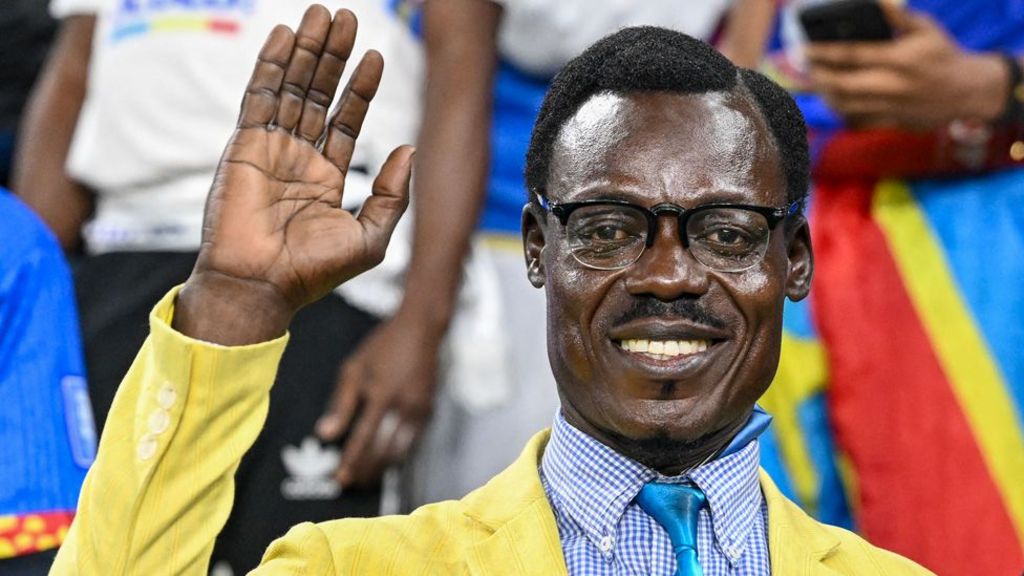
    The Algerian Football Federation (FAF) has extended a formal apology to Michel Nkuka Mboladinga, the Congolese superfan who has emerged as an unofficial mascot of the Africa Cup of Nations (AFCON) in Morocco. Mboladinga captured global attention by supporting the Democratic Republic of Congo team while impersonating the nation’s assassinated first prime minister, Patrice Lumumba, standing motionless on a pedestal throughout matches with his right arm raised in tribute.

    The controversy erupted following Algeria’s dramatic 1-0 victory over DR Congo in Tuesday’s round of 16 match. Algerian forward Mohamed Amine Amoura triggered widespread criticism when he mimicked collapsing to the ground in a gesture that appeared to mock Mboladinga’s statue-like pose. The Wolfsburg player subsequently issued a public apology on Instagram, clarifying that his actions were intended as good-natured humor without malicious intent toward DR Congo or its symbolic figure.

    In a diplomatic resolution effort, FAF’s media officer Saïd Fellak traveled to Casablanca to personally meet with Mboladinga and present him with an official Algerian national team jersey bearing the name ‘Lumumba’ on the back. The reconciliation ceremony, attended by Congolese Sports Minister Didier Budimbu, was documented by Congolese supporters and shared across social media platforms.

    Historical context underscores the sensitivity of the incident: Patrice Lumumba remains a revered anti-colonial icon across Africa, particularly in DR Congo where he was assassinated in 1961 in a plot involving Western powers. Mboladinga’s tribute, featuring period-accurate hairstyle and glasses, transformed him into a living monument throughout Congo’s four AFCON matches.

    The sporting drama unfolded during a tense match decided by Adil Boulbina’s 119th-minute goal, securing Algeria’s quarter-final placement against Nigeria while eliminating DR Congo from the tournament. Despite the elimination, Amoura expressed hope that DR Congo would qualify for the upcoming World Cup, for which Algeria has already secured placement.