作者: admin

  • Sharjah Ruler raises monthly social support to Dh17,500 for 4,237 cases

    Sharjah Ruler raises monthly social support to Dh17,500 for 4,237 cases

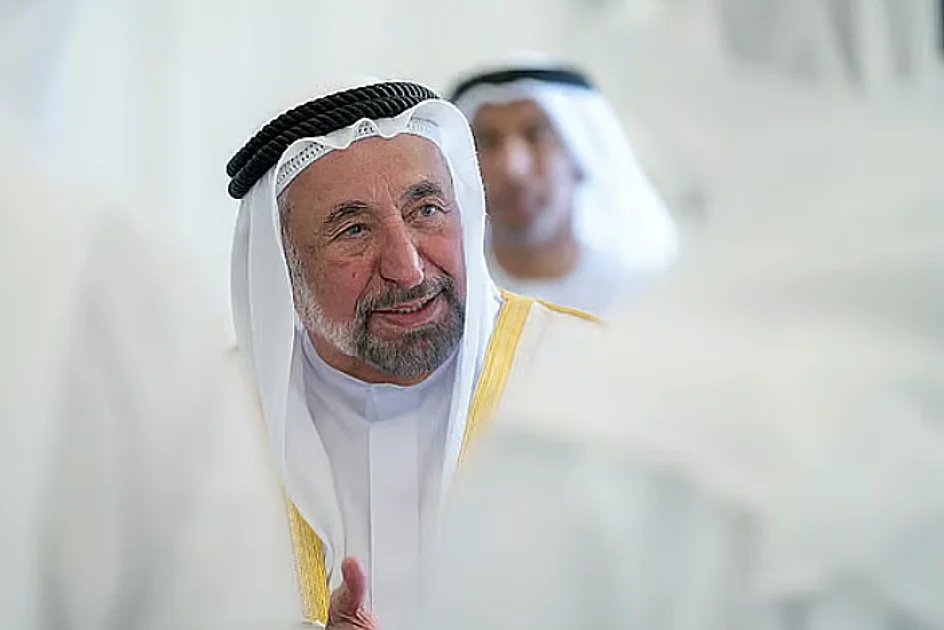
    In a significant move to strengthen social welfare protections, Sharjah’s Ruler Sheikh Dr. Sultan bin Mohammed Al Qasimi has authorized a substantial increase in monthly financial assistance for vulnerable residents. The enhanced program will provide 17,500 AED (approximately $4,765) per month to 4,237 eligible cases across the emirate, representing an annual investment exceeding 404 million AED.

    The comprehensive social support initiative specifically targets several demographic groups facing economic challenges. Elderly residents constitute the largest beneficiary group with 3,126 cases, followed by 877 divorced women and 134 widows. Additionally, 100 low-income households comprising two or more persons aged 45-59 will receive the enhanced assistance.

    Implementation will follow a phased approach beginning in Sharjah City, where 2,415 cases will receive support costing over 231 million AED annually. Subsequent expansion will cover Khor Fakkan (513 cases, 50 million AED), Kalba (588 cases, 57 million AED), Dibba Al-Hisn (248 cases, 23 million AED), and Al Dhaid (173 cases, 16.4 million AED).

    The welfare enhancement forms part of Sharjah’s broader strategy to establish an integrated social safety net. In parallel developments, the Ruler has approved processing 560 employment requests and addressing 672 housing rent cases, while accelerating housing construction applications across the emirate.

    This initiative follows closely after Sheikh Dr. Sultan’s January 5 directive increasing support for Department of Islamic Affairs employees. In another significant policy shift, mosque imams previously working under stipend arrangements will be transitioned to official government payroll positions effective January 1, with retroactive compensation for their prior service period.
  • ‘Appalling’: Samoa to open Israel embassy in Jerusalem, sparking criticism

    ‘Appalling’: Samoa to open Israel embassy in Jerusalem, sparking criticism

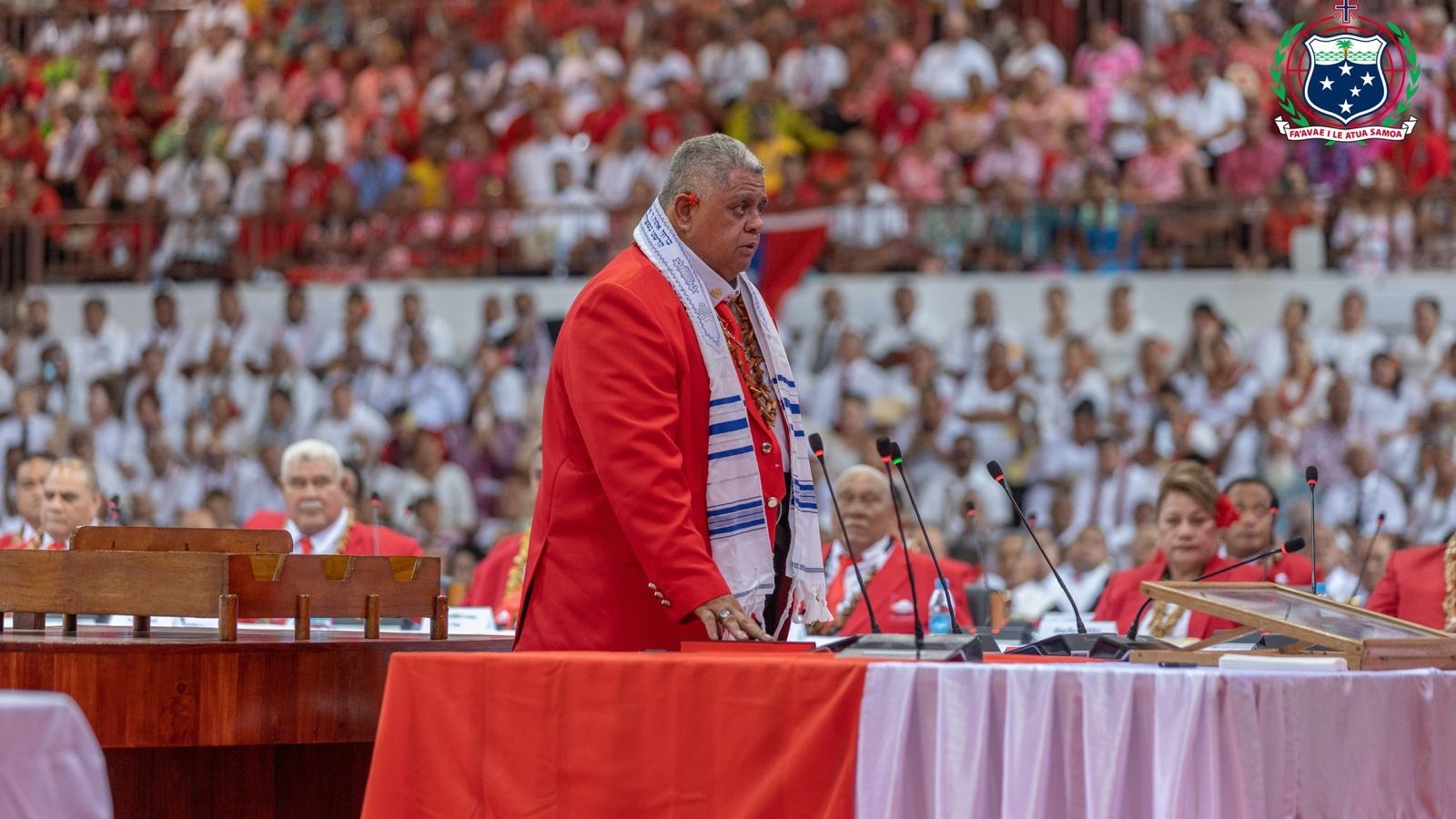
    The South Pacific nation of Samoa has announced plans to establish its diplomatic embassy in Jerusalem, aligning with Israel’s contested claim to the city as its capital. Prime Minister Laʻauli Leuatea Schmidt made the declaration during a special prayer service for Israel, instructing foreign affairs officials to begin preparations for the Jerusalem office opening this year.

    This decision places Samoa among a small group of only eight nations that have relocated their Israeli embassies to Jerusalem, following the United States’ controversial move in 2018 under the Trump administration. The announcement has triggered significant domestic criticism from Samoan activists who view the move as contradicting their nation’s historical struggle against colonial rule.

    The embassy relocation represents a deeply symbolic gesture, with Schmidt emphasizing religious and cultural ties to Israel, stating: “Our forefathers decided Samoa adopt the God of Israel and the Biblical account that God blesses those who protect and pray for his people.” This theological alignment reflects Samoa’s identity as a Christian state, where many equate the modern state of Israel with biblical references.

    However, the move contradicts international consensus, as most countries maintain embassies in Tel Aviv pending final status negotiations between Israel and Palestinians. East Jerusalem, occupied by Israel since 1967, is claimed by Palestinians as their future capital. The decision has exposed generational divides within Samoan society, with younger activists increasingly critical of Israel’s treatment of Palestinians while older generations maintain religious solidarity.

    The controversy emerges against the backdrop of Pacific Island nations’ complex voting patterns at the United Nations, where several have frequently supported Israel despite global criticism. The embassy decision highlights the ongoing tension between religious diplomacy and international human rights concerns in foreign policy decisions.

  • Australia: Boycott calls after art festival pulls Palestinian author in wake of Bondi attack

    Australia: Boycott calls after art festival pulls Palestinian author in wake of Bondi attack

    Australia’s prestigious Adelaide Festival is confronting significant backlash and mounting boycott calls following its controversial decision to cancel Palestinian-Australian author Dr. Randa Abdel-Fattah’s scheduled appearance. The festival board justified its action by citing concerns about “cultural sensitivity” in the aftermath of the Bondi Beach attack that occurred during a Hanukkah celebration in December.

    In an official statement released Thursday, the festival board clarified they “do not suggest in any way that Dr. Randa Abdel-Fattah or her writings have any connection with the tragedy at Bondi,” but referenced “her past statements” as the determining factor. This rationale has sparked widespread condemnation across Australia’s literary and academic communities.

    Dr. Abdel-Fattah, a prominent scholar and award-winning novelist, denounced the decision as “a blatant and shameless act of anti-Palestinian racism” in her response on social media platform X. She rejected any association with the Bondi massacre, stating the board’s reasoning suggests “my mere presence is ‘culturally insensitive’; that I, a Palestinian who had nothing to do with the Bondi atrocity, am somehow a trigger for those in mourning.”

    The cancellation has triggered a domino effect of withdrawals from the festival’s Writers’ Week program. At least eleven authors have officially withdrawn their participation, with prominent writer Jane Caro declaring “authoritarianism is rising” and refusing to participate in what she characterized as the festival’s “censoring [of] ideas it does not like.”

    Poet Evelyn Araluen announced her boycott, asserting that “removing Palestinians from writers’ festivals won’t prevent antisemitism,” while expressing disappointment at “yet another absurd and irrational capitulation to the demands of a genocidal foreign state from the Australian arts sector.”

    The Australia Institute, an independent think tank that was sponsoring festival events, has withdrawn its support, stating that “censoring and cancelling authors is not in the spirit of an open and free exchange of ideas.”

    Social media platforms have erupted with calls for a comprehensive festival boycott, with users praising the withdrawing authors and condemning what many characterize as racist censorship. One user emphasized that “Palestinians had absolutely nothing to do with the Bondi shooting,” while another noted it’s “very disturbing that so many institutions can reproduce vicious assertions without evidence about the link between Palestinian rights campaigns and the Bondi killings.”

    This incident marks the second time Dr. Abdel-Fattah has been at the center of censorship controversies in Australian literary festivals, following a similar incident at the Bendigo Writers’ Festival in 2025 where she was among 50 authors who boycotted over censorship concerns.

    The Adelaide Festival has not responded to media requests for comment regarding the growing backlash and boycott movement.

  • Jilin winter fishing festival fetches record auction, visitors

    Jilin winter fishing festival fetches record auction, visitors

    The 24th Chagan Lake Ice and Snow Fishing and Hunting Cultural Tourism Festival commenced in Songyuan, Jilin province, drawing massive crowds to witness the spectacular winter fishing traditions. The event’s opening ceremony witnessed an extraordinary auction where the season’s inaugural catch—a massive 19-kilogram fish—commanded a record-breaking price of 1,699,999 yuan (approximately $243,453). All proceeds from this historic auction were dedicated to the Chagan Lake Ecological Environment Protection Charity Fund, supporting vital conservation efforts for the lake’s water quality and aquatic ecosystems.

    The festival showcased rich cultural performances, including traditional Buddhist dances by local lamas and ceremonial chants by head fishermen paying homage to heaven, earth, and the lake. These rituals, deeply rooted in regional heritage, symbolize prayers for bountiful harvests and safe fishing operations throughout the season.

    Local resident Hao Yingjia expressed profound appreciation for the ceremonies, noting: ‘This ancient tradition powerfully demonstrates humanity’s reverence for nature. It’s both a visual spectacle and cultural treasure that deserves global recognition.’

    The festival will continue through early March, featuring 57 national and provincial events including snow football leagues and ice hockey tournaments. To enhance accessibility, Songyuan city has implemented complimentary direct bus services connecting urban centers to Chagan Lake for both tourists and residents.

  • Saudi Arabia bans poultry, eggs from France, Poland over avian disease outbreaks

    Saudi Arabia bans poultry, eggs from France, Poland over avian disease outbreaks

    Saudi Arabia’s Food and Drug Authority (SFDA) has implemented an immediate temporary prohibition on poultry and table egg imports originating from France and Poland. This decisive action comes in response to confirmed outbreaks of highly pathogenic avian influenza (HPAI) and Newcastle disease (ND) within both European nations. The ban follows official advisories issued by the World Organization for Animal Health (OIE) regarding the escalating health crisis affecting poultry populations.

    The regulatory measure includes specific exemptions for products that have undergone sufficient heat treatment to eliminate pathogenic viruses, provided they meet established health standards. All permitted imports must be accompanied by official health certification from competent authorities in the exporting countries confirming either virus-free status or successful viral eradication.

    Current epidemiological data reveals concerning patterns of HPAI H5N1 transmission across European regions, with France and Poland experiencing particularly severe outbreaks in both domestic poultry and wild bird populations. The European Food Safety Authority (EFSA) has documented 2,896 H5 virus detections across 29 European countries between September and November, primarily affecting wild birds (2,454 cases) with 442 outbreaks in poultry facilities.

    The global H5N1 outbreak, ongoing since 2021, has now expanded to affect over 50 mammalian species, presenting unprecedented challenges for containment strategies. While human infections remain relatively uncommon with 19 confirmed cases across four nations resulting in two fatalities, health authorities maintain vigilant surveillance for potential viral mutations that could enable human-to-human transmission.

    Migratory bird patterns have contributed to an earlier-than-typical outbreak season this year, with significant wild bird mortality observed along migration routes through Germany, France, and Spain. Despite reduced mammalian infections compared to 2022-2023 levels, the persistent circulation of avian influenza viruses continues to threaten global food security and agricultural stability.

  • Emergency crews battle wildfire in Shenzhen

    Emergency crews battle wildfire in Shenzhen

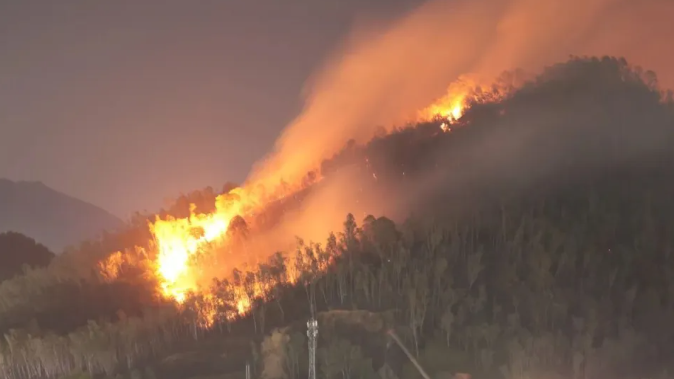
    Emergency response teams in Shenzhen are engaged in intensive firefighting operations against a significant wildfire that ignited in the Shijing area of Pingshan District on Thursday afternoon. According to an initial report from China Central Television, the blaze remained uncontained as of 7:30 pm local time on the day it started.

    The municipal emergency management system has been fully activated, with multiple departments coordinating efforts to combat the spreading flames. The specific cause of the wildfire outbreak and the exact scale of the affected area have not been immediately disclosed by authorities. The response highlights the city’s rapid mobilization capabilities in addressing public safety emergencies.

    This incident occurs amid global concerns regarding climate patterns and wildfire frequency. The emergency operation continues as firefighters work to establish containment lines and prevent the fire from threatening residential zones or critical infrastructure within the district.

  • Pope indicates new governing style for Catholic Church with regular, annual cardinal meetings

    Pope indicates new governing style for Catholic Church with regular, annual cardinal meetings

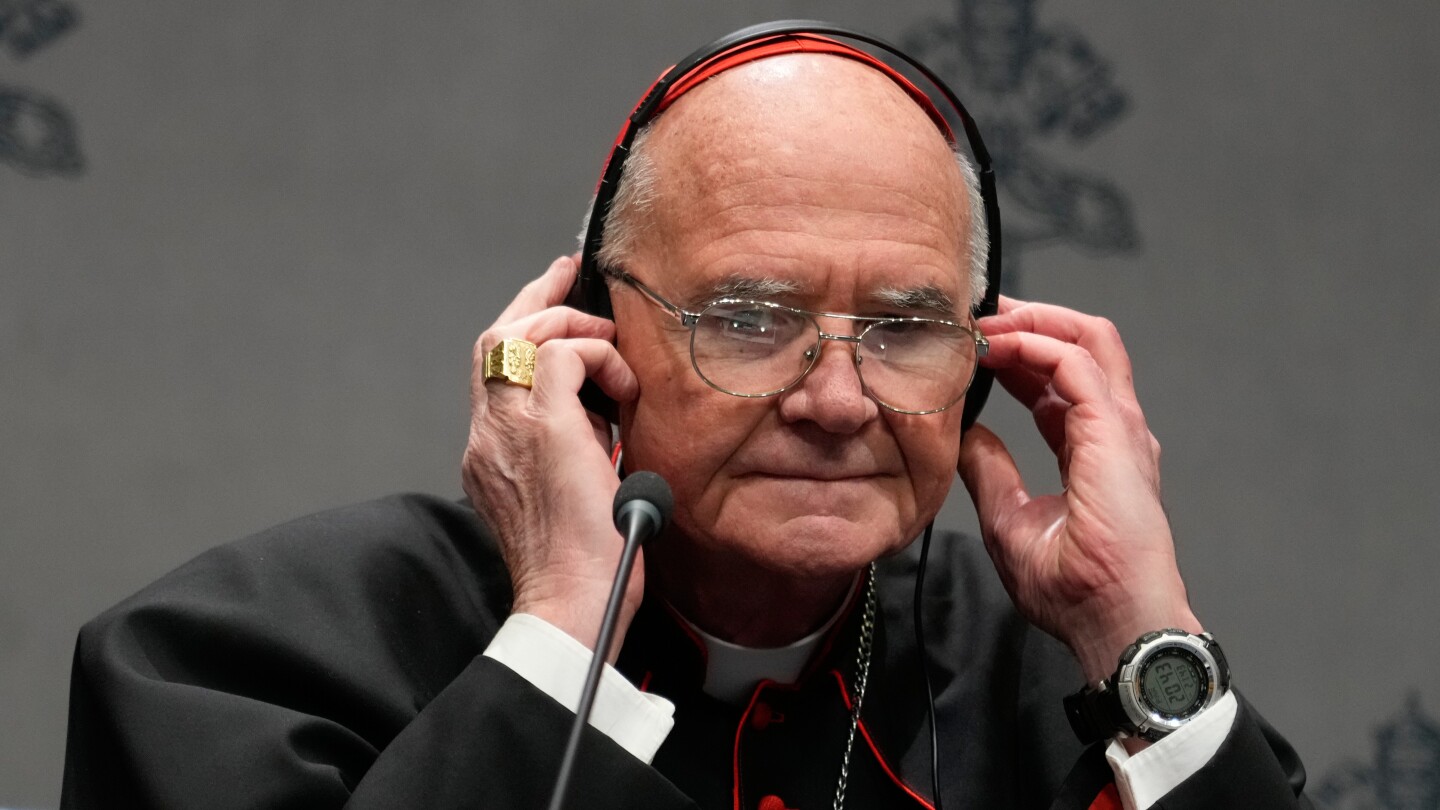
    In a significant departure from his predecessor’s governing approach, Pope Leo XIV has announced the establishment of annual gatherings for the College of Cardinals, signaling a new era of collaborative leadership within the Catholic Church. The announcement came Thursday at the conclusion of the pontiff’s first consistory—a meeting that cardinals from across the globe described as a constructive step toward greater collegiality.

    Vatican spokesman Matteo Bruni confirmed that Pope Leo has requested all cardinals to return to Rome for a second session scheduled for June 27-28, with plans to continue these meetings annually for three to four days each year. This structural shift represents a dramatic change from Pope Francis’ preference for relying on a hand-picked group of nine cardinals who met periodically to provide counsel.

    The move directly addresses concerns raised during the May conclave that elected Leo, where numerous cardinals had expressed frustration with what they perceived as Francis’ solitary leadership style. Many had advocated for regular consistories that would allow the collective body of cardinals to advise the pope on critical issues facing the global church.

    Cardinal Stephen Brislin of Johannesburg, South Africa, characterized the development as evidence that “the pope wants to be collegial and he wants to draw on the experience and the knowledge of different cardinals coming from all the different parts of the world.” He emphasized the value of diverse geographical perspectives in helping “the successor of Peter give leadership to the church.”

    Beyond governance implications, the regular meetings will address practical concerns about familiarity among the cardinals themselves. During pre-conclave discussions, many had noted the challenge of electing a pope when some cardinals from remote regions had never met their counterparts.

    Cardinal Cristóbal López Romero of Rabat, Morocco, described the initial gathering as “very fruitful because it allowed us to know one another better, to be in contact with the pope and take the pulse of how things are going.”

    The consistory also provided cardinals with their first extended opportunity to observe the leadership style of history’s first U.S. pope, whom many still consider somewhat enigmatic due to his reserved demeanor and preference for listening rather than speaking. Cardinal Pablo Virgilio David of the Philippines noted that Leo took “copious notes” during discussions, suggesting serious consideration of the cardinals’ input.

    Cardinal Jean-Paul Vesco of Algiers observed that beyond the substantive discussions, the gathering fostered an atmosphere of mutual respect and brotherhood, noting that cardinals felt both valued by and supportive of the new pontiff.

  • India regulator alleges Bank of America breached rules in 2024 stock deal, document shows

    India regulator alleges Bank of America breached rules in 2024 stock deal, document shows

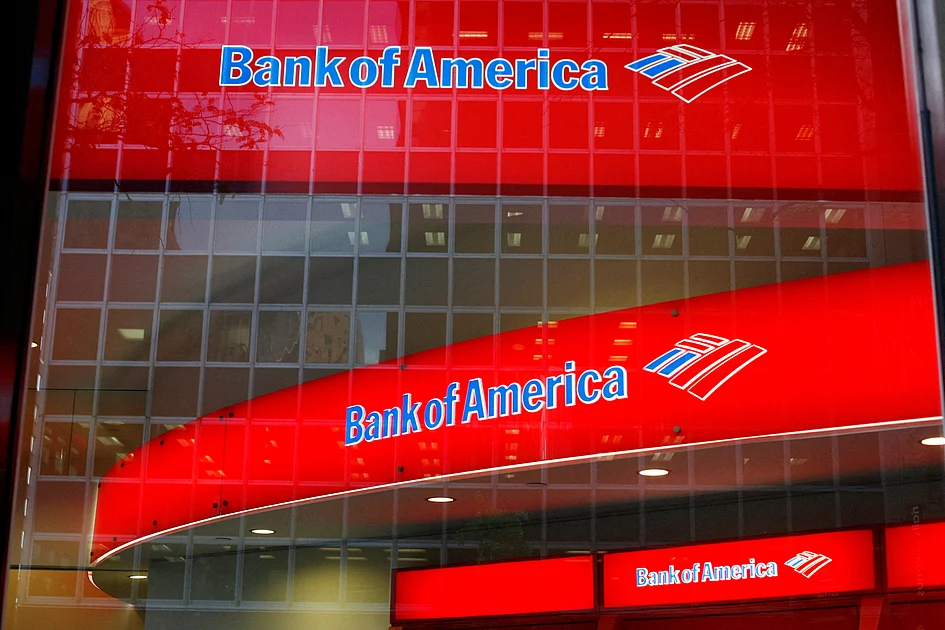
    India’s securities regulator has formally charged a Bank of America subsidiary with significant regulatory breaches during a 2024 stock offering, according to an official notice reviewed by Reuters. The Securities and Exchange Board of India (SEBI) alleges that the bank’s domestic securities unit violated insider trading protocols and compromised internal information barriers while managing a March 2024 share sale for Aditya Birla Sun Life Asset Management (ABSL AMC).

    The regulatory investigation uncovered that Bank of America’s deal team, while possessing confidential price-sensitive information, improperly coordinated with potential investors through both direct and indirect channels. According to the October 30-dated notice, the bank’s broking division, research analysts, and Asia-Pacific syndicate team contacted investors at the deal team’s request, sharing valuation reports and other protected details.

    SEBI’s findings indicate a systemic failure in maintaining ‘Chinese walls’ – the internal barriers designed to prevent information sharing between different divisions of financial institutions. The regulator stated that the bank’s conduct demonstrated inadequate safeguards for confidential information and deficient internal controls throughout the transaction process.

    The case originated from a 2024 whistleblower complaint that triggered both an internal bank investigation and subsequent regulatory scrutiny, resulting in the departure of several senior officials. Bank of America has reportedly submitted a settlement application to SEBI seeking resolution without admitting guilt, though the proposal remains under review according to sources familiar with the matter.

    While the notice references interactions with three specific investors – HDFC Life, Norges Bank, and Enam Holdings – regulatory officials emphasized they found no evidence of actual exchange of specific price-sensitive information. Legal experts characterize the case as primarily concerning internal governance failures rather than traditional insider trading, though such violations can still warrant substantial regulatory penalties.

  • Explainer: Can the ICE agent who fatally shot Minneapolis woman be prosecuted?

    Explainer: Can the ICE agent who fatally shot Minneapolis woman be prosecuted?

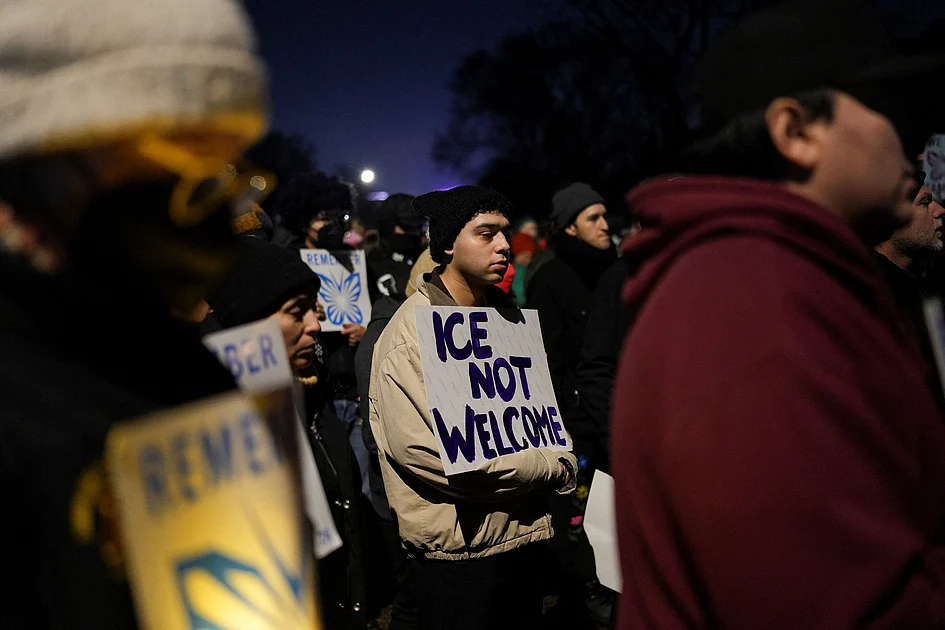
    A profound legal and political confrontation has emerged following the fatal shooting of a 37-year-old Minneapolis woman by a U.S. Immigration and Customs Enforcement (ICE) agent during Wednesday’s federal operations. The incident has ignited intense scrutiny over the boundaries of federal authority and accountability mechanisms for law enforcement personnel.

    The Department of Homeland Security initially characterized the shooting as defensive, claiming the agent feared for his life when a “violent rioter” allegedly attempted to run over officers. However, this official narrative faces serious challenges from video evidence authenticated by Reuters, which depicts a more complex sequence of events. The footage reveals agents approaching the vehicle, with one officer moving in front of the car before discharging multiple rounds as the driver attempted to maneuver away from the scene.

    At the heart of the legal controversy lies the doctrine of federal immunity, which typically shields federal agents from state prosecution for actions undertaken within their official capacity. Minnesota state law permits deadly force only when reasonable officers would deem it necessary to prevent death or serious harm—a standard that mirrors federal guidelines but operates within different jurisdictional frameworks.

    The potential for state prosecution faces significant hurdles, as the agent could petition for case removal to federal court and assert immunity protections. Successfully prosecuting such cases requires demonstrating that the officer’s actions were objectively unreasonable, clearly unlawful, or fell outside official duties—a formidable legal challenge given existing precedents.

    Federal prosecution remains equally improbable due to the exceptionally high evidentiary threshold. Prosecutors would need to establish that the agent knowingly violated constitutional rights or acted with reckless disregard for legal boundaries—a standard that has resulted in few successful cases against law enforcement officials.

    The incident has reignited debates about qualified immunity, which protects federal officers from civil lawsuits unless their conduct unequivocally violates established constitutional rights. This legal principle, extensively documented in Reuters’ 2020 investigative series, has frequently shielded officers from accountability in excessive force cases.

    With the Trump administration maintaining support for the agent’s actions, the case exemplifies deepening tensions between federal enforcement strategies and local accountability measures, potentially establishing significant precedents for future law enforcement interactions during federal operations.

  • India plans to scrap curbs on Chinese firms bidding for government contracts, sources say

    India plans to scrap curbs on Chinese firms bidding for government contracts, sources say

    India’s Finance Ministry is preparing to dismantle significant restrictions that have prevented Chinese companies from bidding on government contracts since 2020, according to sources familiar with the matter. The proposed policy shift signals a substantial warming of commercial relations between the two Asian powers following years of diplomatic tension.

    The restrictions, originally implemented after deadly border clashes between Indian and Chinese troops, mandated that Chinese bidders undergo rigorous registration processes with a specialized government committee and obtain comprehensive political and security clearances. These measures effectively created a substantial barrier to entry, resulting in Chinese firms being excluded from government contracts collectively valued between $700 billion and $750 billion.

    Two government officials, speaking on condition of anonymity, revealed that ministry officials are actively working to eliminate the registration requirements for bidders from nations sharing borders with India. The final decision rests with Prime Minister Narendra Modi’s office, which will evaluate the proposal’s broader implications.

    The 2020 restrictions produced immediate tangible effects. China’s state-owned CRRC Corporation was disqualified from competing for a $216 million train manufacturing contract shortly after the rules were implemented. According to a 2024 Observer Research Foundation report, the value of new projects awarded to Chinese bidders plummeted 27% year-over-year to $1.67 billion in 2021.

    The push for policy revision stems from multiple government departments experiencing significant project delays and equipment shortages directly attributable to the restrictions. Particularly affected is India’s power sector, where import constraints on Chinese equipment have hampered plans to expand thermal power capacity to approximately 307 gigawatts over the coming decade.

    A high-level committee chaired by former Cabinet Secretary Rajiv Gauba has endorsed easing the restrictions, adding weight to the Finance Ministry’s proposal. The diplomatic context surrounding this potential policy shift includes Prime Minister Modi’s first visit to China in seven years, during which both nations committed to enhancing commercial cooperation. This rapprochement occurred against the backdrop of former U.S. President Donald Trump’s imposition of 50% punitive tariffs on Indian goods and warming relations between Washington and Pakistan.

    Despite these positive developments, India maintains a cautious approach, with foreign direct investment restrictions on Chinese companies remaining firmly in place. The United States continues to send ambiguous signals regarding a potential Washington-New Delhi trade agreement, creating geopolitical conditions that experts suggest may facilitate improved India-China relations.