作者: admin

  • Huge anti-government protests in Tehran and other Iranian cities, videos show

    Huge anti-government protests in Tehran and other Iranian cities, videos show

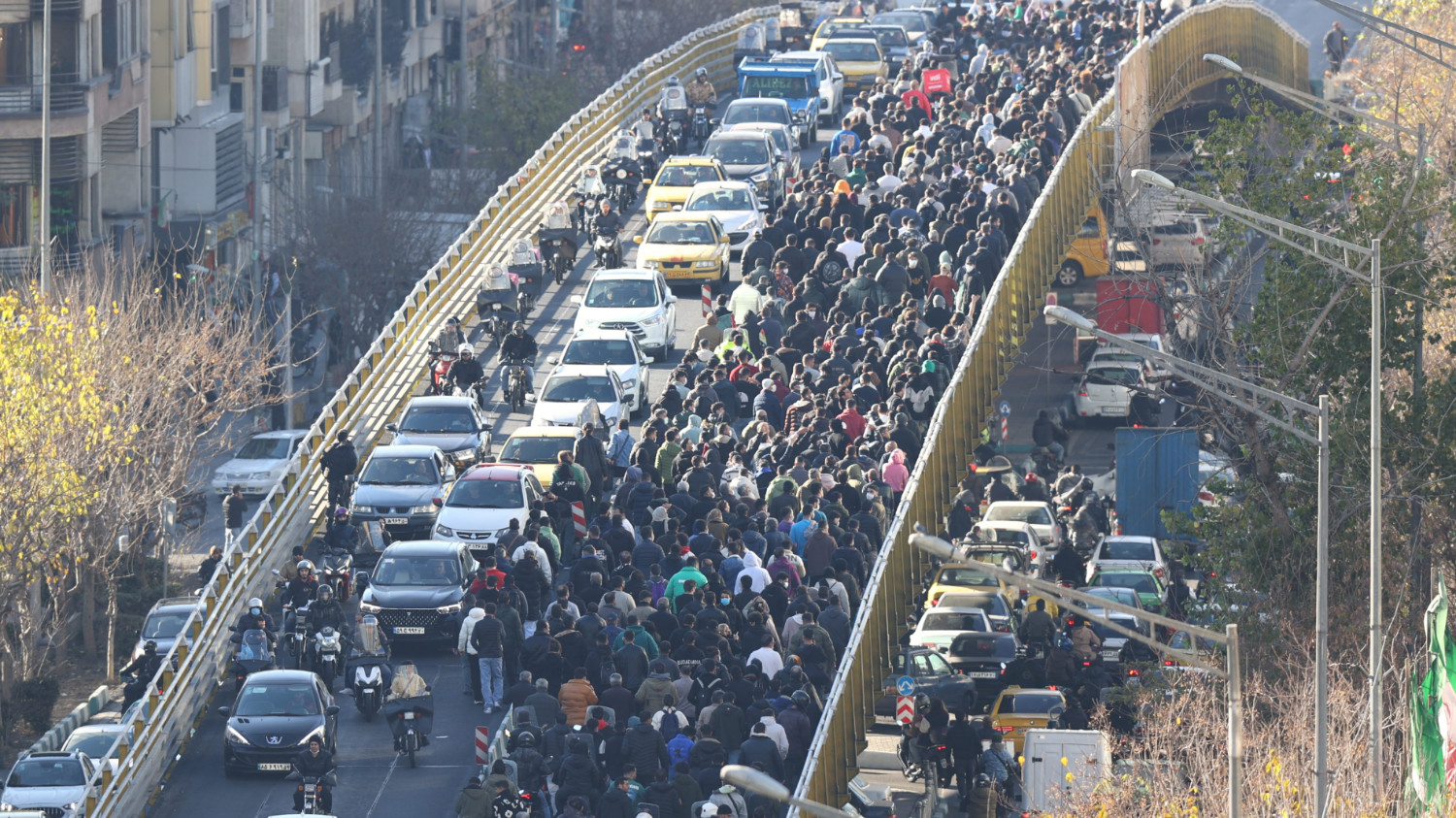
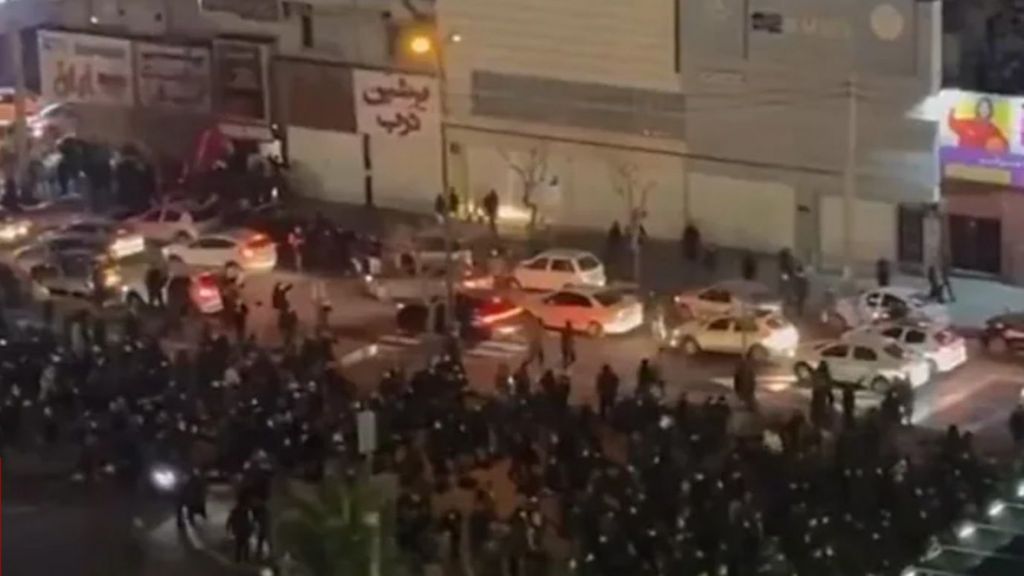
    Tehran has become the epicenter of escalating civil unrest as Iran enters its twelfth consecutive day of widespread demonstrations. Verified footage from multiple sources reveals substantial crowds marching through the capital and other urban centers, marking the most significant challenge to Iran’s clerical leadership in recent years.

    The protests originated on December 28th when merchants took to Tehran’s streets to voice frustration over the Iranian rial’s catastrophic devaluation. The currency has plummeted to unprecedented lows against the US dollar, with parallel inflation rates surging to approximately 40%. This economic collapse stems from international sanctions targeting Iran’s nuclear program, compounded by systemic government mismanagement and corruption.

    What began as economic demonstrations has rapidly evolved into broader political dissent. University students have joined the movement, with protests now confirmed across 140 municipalities spanning all 31 Iranian provinces. In Mashhad, Iran’s second-largest city, protesters openly demanded the removal of Supreme Leader Ayatollah Ali Khamenei and advocated for the return of Reza Pahlavi, exiled son of the former Shah.

    The human cost continues to mount amid conflicting casualty reports. The US-based Human Rights Activist News Agency documents at least 34 protester fatalities and seven security personnel deaths, alongside 2,270 arrests. Norway-based Iran Human Rights presents higher figures, claiming at least 45 protesters including eight children have been killed by security forces. BBC Persian has independently verified 21 fatalities, while Iranian authorities acknowledge five security personnel deaths.

    Notably, security forces have permitted some peaceful rallies to continue without intervention, though Wednesday witnessed violent clashes in multiple urban centers. The persistence of demonstrations across nearly two weeks suggests deepening societal fractures and represents the most sustained challenge to Iran’s establishment in years.
  • Yemen: STC control evaporates in Aden as its would-be capital switches sides

    Yemen: STC control evaporates in Aden as its would-be capital switches sides

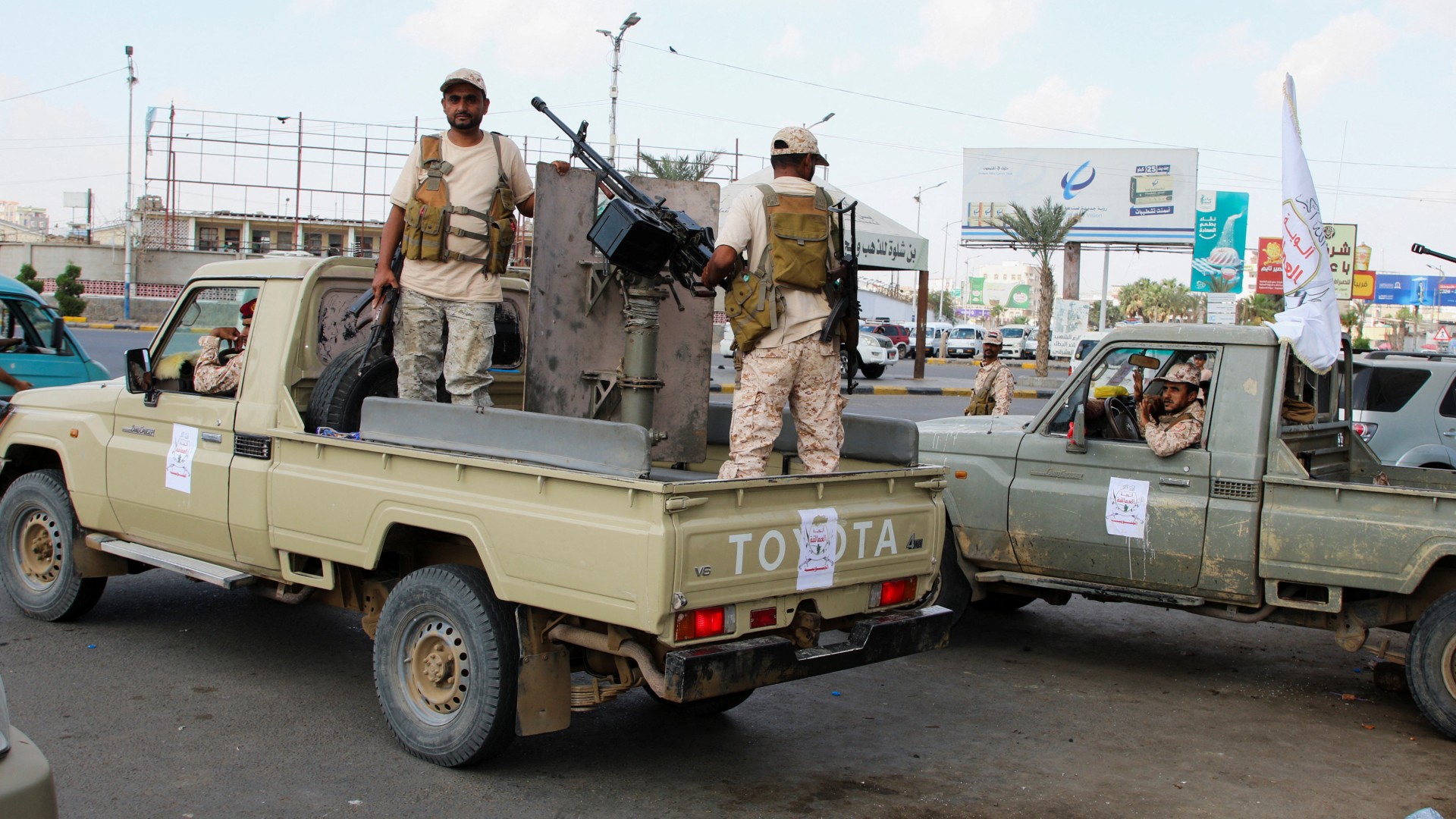
    Aden has witnessed a dramatic political transformation as Yemen’s national flag now flies over government buildings for the first time in years, replacing the separatist banner of the Southern Transitional Council (STC). The blue triangle and red star flag representing the former South Yemen has been removed from public display following a swift military reversal that saw STC fighters replaced by Salafist Giants Forces pledging allegiance to the Saudi-backed Presidential Leadership Council (PLC).

    The strategic port city, which had served as the envisioned capital for the STC’s proposed independent state of South Arabia, has experienced a remarkable shift in territorial control. Saudi-backed Homeland Shield Forces (HSF), operating with air support from Riyadh, have rapidly reversed the stunning gains the separatists made last month in Hadhramaut and al-Mahrah provinces.

    STC leader Aidarous al-Zubaidi faces accusations from Saudi authorities of having fled to the United Arab Emirates via Somaliland. Meanwhile, residents of Aden report a sense of relief and normalization after years of conflict. Local shopkeeper Saif al-Maqtari expressed cautious optimism, stating: “I’m happy this morning, not necessarily because of the new forces, but because I see Aden is safe and life is normal.”

    The transition has been facilitated by significant defections from within the STC ranks, with many soldiers now patrolling the city under the command of Abu Zaraa al-Mahrami—a PLC member and Zubaidi’s former deputy. This change in military alignment occurred despite the STC’s substantial popular support in al-Dhale governorate, Zubaidi’s hometown, which remains the last stronghold for loyalists.

    The recent escalation began on January 2nd when Saudi air strikes targeted STC positions across southern and eastern Yemen, accompanied by ground offensives from HSF fighters. The conflict has resulted in numerous casualties over the past week, with Saudi-backed forces entering Aden governorate on Wednesday.

    Political undercurrents continue to influence the situation, as some residents expressed dissatisfaction with the STC’s governance approach. Alaa, an accountant from Aden, described feelings of regional marginalization: “I felt neglected by the STC. They appointed management from al-Dhale governorate in almost all public institutions.”

    The political dimension expanded earlier this month when Saudi Arabia invited southern separatists to a “southern forum” in Riyadh. While the STC initially agreed to participate, Zubaidi ultimately sent a delegation of over 50 members instead of attending personally. This delegation has reportedly been out of contact since arriving in the Saudi capital, with senior STC official Amr al-Bidh suggesting their phones were confiscated.

    Despite the apparent setback, some STC supporters maintain their allegiance, with one anonymous source praising Zubaidi’s “refusal to surrender to Saudi pressure” and insisting the leader remains in Yemen preparing for his eventual return to prominence.

  • Nvidia’s Jensen Huang: no problem with California billionaire tax

    Nvidia’s Jensen Huang: no problem with California billionaire tax

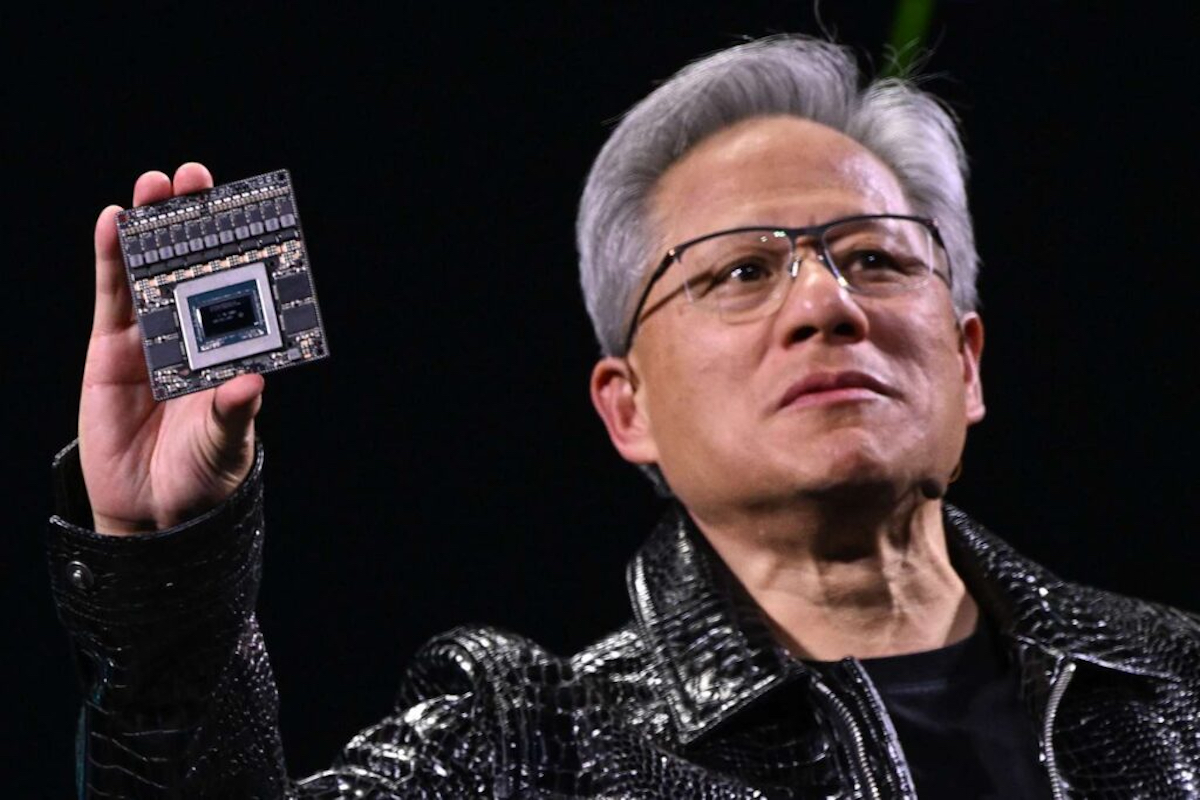
    Nvidia CEO Jensen Huang, ranked as the world’s eighth-wealthiest individual with a net worth of $165 billion, has expressed surprising support for a proposed one-time wealth tax targeting California’s billionaire residents. In a recent Bloomberg interview, Huang demonstrated remarkable equanimity toward the potential 5% levy that would cost him approximately $8 billion, stating he is “perfectly fine” with the proposal.

    The tech magnate’s response stands in stark contrast to the alarmed reactions from other wealthy Californians. “We chose to live in Silicon Valley, and whatever taxes, I guess, they would like to apply, so be it,” Huang remarked with notable nonchalance. When questioned about the tax initiative, he revealed that “it never crossed my mind once.”

    The proposed ballot measure, if approved by California voters in November, would impose a one-time tax on approximately 200 billionaires residing in the state as of January 1, 2026. Affected individuals would have payment flexibility, allowing them to settle their tax obligation either immediately or across a five-year period. The estimated $100 billion revenue generated would be allocated to bolster the state’s healthcare infrastructure, food assistance programs, and educational resources.

    This wealth tax proposal emerged as a direct response to substantial Medicaid cuts implemented by President Donald Trump and the Republican-controlled Congress during summer 2025. The initiative has garnered support from labor organizations, including the Service Employees International Union-United Healthcare Workers West, whose chief of staff Suzanne Jimenez applauded Huang’s pragmatic stance.

    Huang’s position diverges significantly from other tech elites like David Sacks, the White House cryptocurrency czar who relocated to Texas in late 2025 apparently to avoid potential tax implications. Sacks predicted that Austin would replace San Francisco as America’s tech capital in response to what he termed “socialism.”

    Matt Bruenig, founder of the left-leaning People’s Policy Project, characterized Huang’s reaction as appropriate given the minimal impact relative to his substantial wealth: “‘Who cares?’ is absolutely the appropriate reaction. It means nothing to him.”

  • Chinese companies maintain strong presence at CES 2026 in Las Vegas

    Chinese companies maintain strong presence at CES 2026 in Las Vegas

    LAS VEGAS – The 2026 Consumer Electronics Show (CES) commenced on January 6th with Chinese technology enterprises demonstrating a remarkably robust participation footprint at this premier global technology exhibition. Despite evolving geopolitical dynamics, China’s innovation sector continues to showcase cutting-edge advancements across multiple technological domains at the Las Vegas convention center.

    The annual CES event, recognized as one of the world’s most influential technology exhibitions, has historically served as a platform for Chinese manufacturers to demonstrate their technological capabilities and global market ambitions. This year’s participation underscores China’s persistent commitment to maintaining its competitive edge in the global technology landscape despite international market challenges.

    Industry analysts note that Chinese representation spans multiple high-tech sectors including artificial intelligence, smart home ecosystems, electric vehicle technology, and next-generation display systems. The strong showing occurs amid ongoing global supply chain transformations and shifting international trade relationships that have characterized the technology sector in recent years.

    Technology specialists observing the event highlight that Chinese companies appear focused on establishing collaborative international partnerships while simultaneously showcasing independent technological innovations. This dual approach reflects the complex realities of global technology development where cross-border cooperation and national technological sovereignty increasingly coexist.

    The sustained Chinese presence at CES 2026 provides critical insights into the evolving architecture of global technology competition and cooperation frameworks, offering stakeholders valuable perspectives on future technological trajectories and market developments.

  • Pakistanis in UAE, GCC allowed to import used cars under new rules

    Pakistanis in UAE, GCC allowed to import used cars under new rules

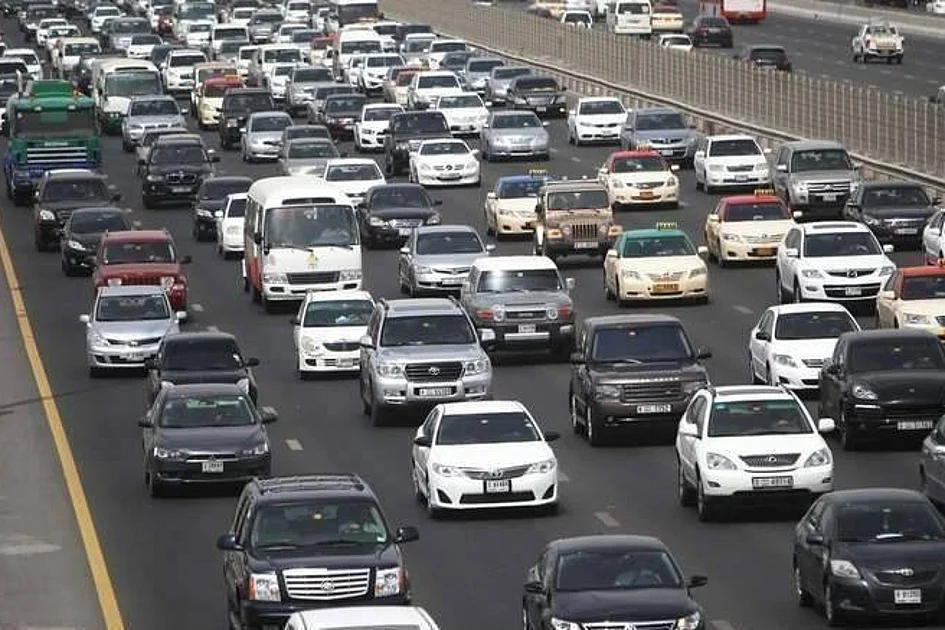
    In a significant policy shift, Pakistan has officially authorized its overseas citizens residing in the UAE, GCC nations, and other countries to import used vehicles under revised regulatory frameworks. The federal cabinet has ratified a decision from the Economic Coordination Committee, dated December 9, 2025, which specifically permits the import of cars up to three years old. This provision is exclusively available through two channels: the Gift Scheme and the Transfer of Residence Scheme.

    The Federal Board of Revenue (FBR) has issued clarifications, stating that eligibility is restricted to non-resident Pakistanis utilizing these specific schemes. A notable condition mandates that any imported vehicle cannot be sold or transferred to a new owner for a minimum period of one year after importation. Conversely, the government has explicitly excluded the Personal Baggage scheme from this new allowance, maintaining previous restrictions on that category.

    This legislative amendment addresses long-standing requests from the vast Pakistani diaspora, which includes over 1.7 million individuals in the UAE and more than 5.5 million across GCC member states. The global community of overseas Pakistanis exceeds nine million. Many families seeking to repatriate after extended periods abroad have expressed a desire to bring personal assets, including vehicles, with them. The policy revision aims to facilitate their return while mitigating concerns among some officials about potential misuse of such import facilities, which had previously led to calls for the program’s discontinuation.

  • Nigel Farage met senior UAE officials to discuss Muslim Brotherhood on funded trip

    Nigel Farage met senior UAE officials to discuss Muslim Brotherhood on funded trip

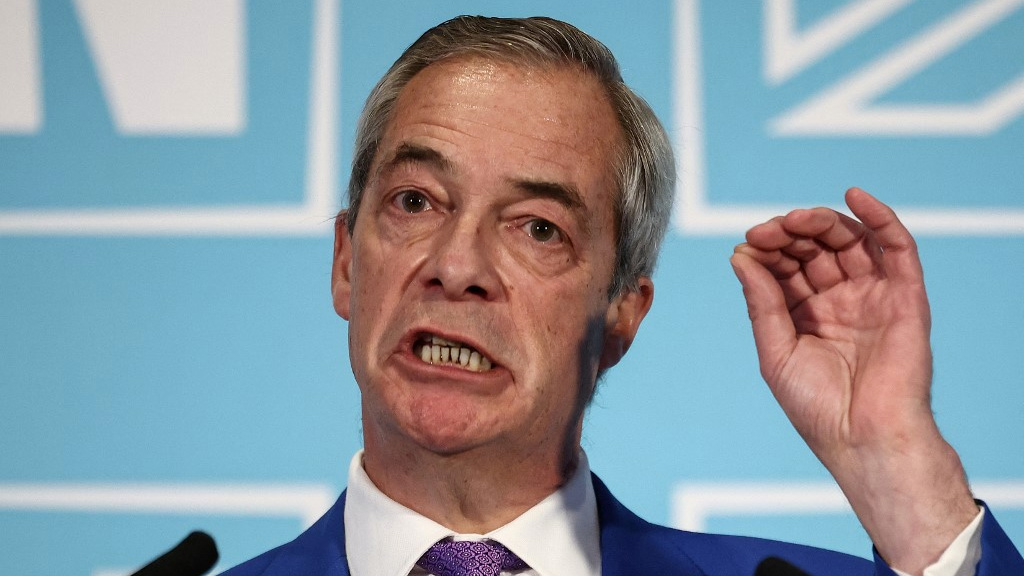
    Reform UK leader Nigel Farage accepted a fully-funded trip to Abu Dhabi in early December, with expenses covered by the United Arab Emirates government. The visit, valued at approximately £1,000 and documented in the parliamentary register of interests, included accommodation and premium access to a Formula 1 event. During his two-day stay, Farage engaged in high-level discussions with senior Emirati officials.

    The Financial Times revealed that the UAE’s outreach to Reform UK stemmed from mutual opposition to the Muslim Brotherhood. This alignment was publicly demonstrated at Reform’s September conference, where Farage pledged to proscribe the organization as a terrorist entity if elected, criticizing both Conservative and Labour parties for their perceived inaction.

    Founded in Cairo in 1928, the Muslim Brotherhood represents one of the world’s most prominent political Islam groups. While it maintains a commitment to peaceful political participation, numerous Middle Eastern autocratic regimes, including Egypt, Saudi Arabia, Bahrain, and the UAE, have banned the organization due to its electoral successes in limited democratic processes within the region.

    The relationship has drawn criticism from academic experts. Dr. Andreas Krieg of King’s College London characterized Farage as a ‘useful idiot’ for the UAE’s political influence operations in Europe, noting Abu Dhabi’s emergence as a hub for far-right European politicians.

    This development occurs alongside the UAE’s January 2025 designation of eight British organizations as terrorist groups over alleged Muslim Brotherhood connections—none of which have violated UK laws. Reform MP Richard Tice subsequently pressured the Labour government to take action against these groups.

    The controversy extends to Farage’s recent appointments, including senior advisor James Orr, who faced racism allegations in 2023 for comments about Arab immigration, and Matthew Goodwin, accused of promoting racist views regarding immigrant assimilation. The party also appointed Alan Mendoza of the Henry Jackson Society, a neoconservative think tank with internal criticism regarding its racial stance.

    Farage’s historical comments about British Muslims have further complicated the narrative. In a Sky News interview, he explicitly linked his concerns about un-British values to Muslim communities, drawing criticism from advocacy groups like the Council for the Advancement of Arab-British Understanding, which highlighted his ‘entrenched aversion to Muslims generally.’

  • ‘Losing a friend was hard’: Jennifer Garner speaks about her divorce with Ben Affleck

    ‘Losing a friend was hard’: Jennifer Garner speaks about her divorce with Ben Affleck

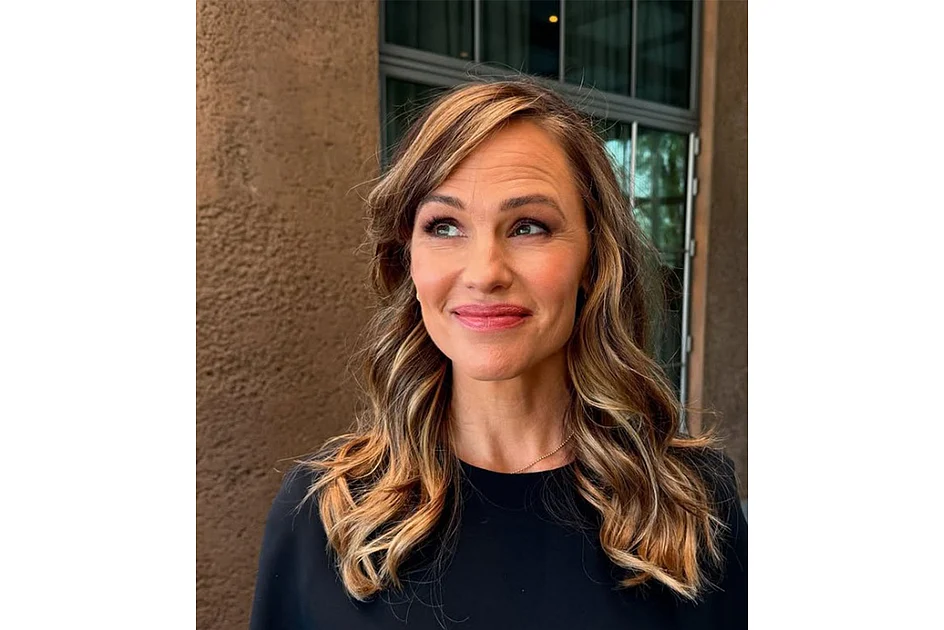
    In a remarkably candid revelation, acclaimed actress Jennifer Garner has opened up about the profound emotional impact of her separation from actor-director Ben Affleck. During a recent interview, the 53-year-old star characterized the dissolution of their marriage as an exceptionally challenging experience, focusing particularly on the loss of a deep friendship and the fracturing of family unity.

    Garner, who finalized her divorce from Affleck in 2018 after their initial separation in 2015, dismissed the notion that media scrutiny represented the most difficult aspect of the process. ‘You have to be smart about what you can and can’t handle,’ she stated, ‘and I could not handle what was out there. But what was out there was not what was hard.’

    The true difficulty, according to Garner, resided in the fundamental reality of the situation: ‘The actual breaking up of a family is what was hard. Losing a true partnership and friendship is what was hard.’ She revealed her conscious strategy to avoid engaging with gossip or speculation about her personal life, particularly when it involves her three children—Violet, Seraphina, and Samuel—considering such consumption counterproductive.

    Despite the initial challenges, Garner described achieving a state of peaceful coexistence with Affleck in their co-parenting relationship. She characterized their current dynamic as marked by ‘peace and equanimity,’ demonstrating their successful navigation toward mutual respect and collaborative parenting.

    Reflecting on her broader life journey, Garner expressed gratitude for her sustained career, healthy children, and enduring professional relationships that have evolved into ‘familial friendships’ over decades. Now in a relationship with tech CEO John Miller since 2018, Garner emphasized the transformative power of time in healing emotional wounds.

    She offered poignant advice for women experiencing similar situations: ‘I think it’s important for women to know, when they think, ‘Oh, I’ll never see that, I’ll never have that feeling, I’ll never be friends with this person again,’ that time is the opportunity. Time is the opportunity to heal. Time is the opportunity to forgive, to move on and to find a new way to be friends.’

  • Rising prices, rising anger: Inside Iran’s new wave of economic unrest

    Rising prices, rising anger: Inside Iran’s new wave of economic unrest

    A severe economic crisis has triggered significant civil unrest across Iran, with protests spreading to dozens of cities in the most substantial challenge to the Islamic Republic since the 2022-23 Women, Life, Freedom movement. The demonstrations originated from public fury over hyperinflation and the rial’s historic depreciation but have rapidly evolved into broader expressions of political dissent.

    Iranians from diverse backgrounds report an increasingly unmanageable economic reality where basic commodity prices fluctuate dramatically within days. “In just a few days, prices have multiplied. How can it be this disastrous?” questioned Mani, a 27-year-old demonstrator from Mashhad. This sentiment echoes throughout the country as routine purchases become financial uncertainties, with one Tehran resident reporting sunflower oil prices more than doubling within 72 hours.

    Government response has been characterized by suppression and attribution of blame to external forces. Security forces have employed firearms and teargas against protesters, resulting in violent clashes. Rights organizations estimate between 25-38 fatalities, including minors, with thousands detained. Iranian authorities acknowledge two security force casualties and numerous injuries.

    The political establishment has framed the unrest as foreign-instigated violence. Supreme Leader Ayatollah Ali Khamenei declared that “rioters must be put back in their place,” while Judiciary Chief Gholamhossein Mohseni Ejei accused external forces of exploiting economic grievances, specifically referencing statements from Israel and the United States.

    Protesters uniformly reject these allegations. “Every time we get tired of this situation and come out to the streets, we are suddenly called Israelis or CIA agents,” Mani countered. For many, official warnings have reinforced rather than deterred dissent. “Our lives and our youth have been wasted under the Islamic Republic. Now they threaten us. What do we really have left to lose?” expressed Mehdi, a 31-year-old from Isfahan province.

    The protests have revealed emerging political divisions regarding Iran’s future. Supporters of Reza Pahlavi, the exiled son of Iran’s last shah, have become visible at demonstrations, while others express wariness about replacing religious rule with monarchy. Despite these differences, most protesters currently prioritize immediate economic survival and opposition to the current system over specific political alternatives.

    Political observers note that while these demonstrations are generally smaller than the 2022 uprising, their geographic scope and intensity raise concerns within the establishment. The government has historically combined limited concessions with repression to weather protest waves, but some analysts warn that these scattered protests across multiple cities might coalesce into a more substantial movement capable of systemic challenge.

  • French researcher freed from Russia in prisoner exchange

    French researcher freed from Russia in prisoner exchange

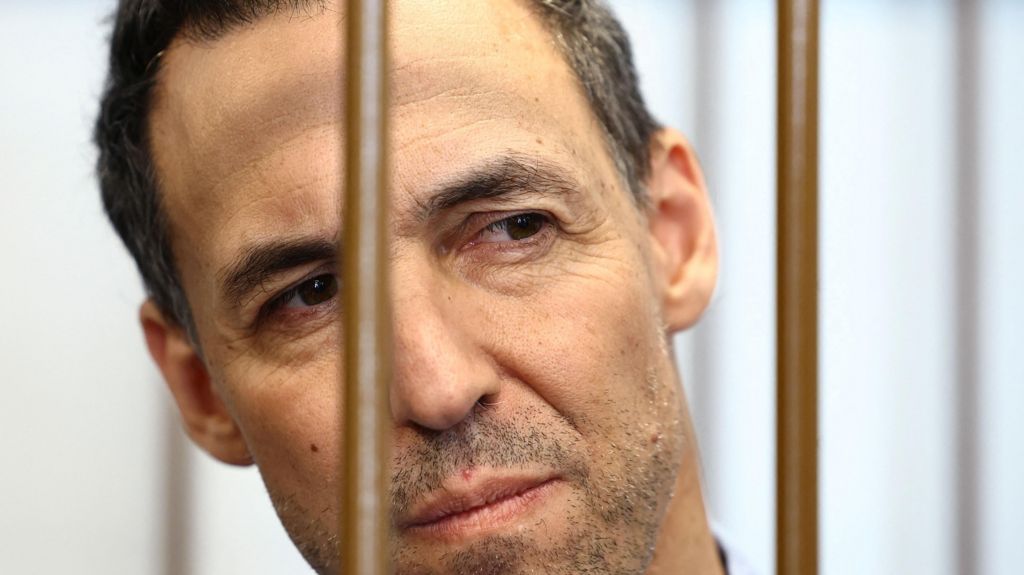
    In a significant diplomatic resolution, Russia has released French researcher Laurent Vinatier following a negotiated prisoner exchange with France. This development concludes a detention lasting over a year for Vinatier, who was imprisoned on charges of failing to register as a “foreign agent.”

    The swap involved the reciprocal release of Russian national Daniil Kasatkin, a professional basketball player detained in France since June 2023. Kasatkin’s arrest was executed at the behest of U.S. authorities, who have accused him of involvement in a major hacking and ransomware scheme.

    The transfer, confirmed by Russia’s state-owned RIA news agency, was formalized through a presidential pardon from Vladimir Putin. Vinatier, a 49-year-old affiliated with a Swiss conflict mediation organization, was arrested in Moscow. Russian prosecutors alleged his research activities involved gathering sensitive information on the nation’s military apparatus—a charge that intersects with laws mandating the registration of individuals receiving foreign support.

    Following his return to Paris, Vinatier was reunited with his family and officially received by French Minister Delegate for Europe, Jean-Noël Barrot. French President Emmanuel Macron publicly expressed relief on social media platform X, stating, “Our compatriot is back in France.”

    This exchange occurs against a backdrop of severely strained relations between Moscow and Western nations, exacerbated by the ongoing conflict in Ukraine. It echoes a pattern of prisoner diplomacy; a landmark Cold War-scale swap in August 2024 saw 24 individuals released between Russia and Western countries. Kremlin spokesman Dmitry Peskov had previously indicated that Moscow had presented Paris with an offer, stating the decision was thereafter France’s to make.

    During his judicial proceedings, Vinatier entered a guilty plea, expressing regret and claiming unawareness of the registration requirement. He was subsequently sentenced to a three-year term, a ruling the French government decried as “extremely harsh.” Conversely, Kasatkin has consistently denied the U.S. allegations against him.

  • Two starkly opposed Americas laid bare by deadly ICE shooting

    Two starkly opposed Americas laid bare by deadly ICE shooting

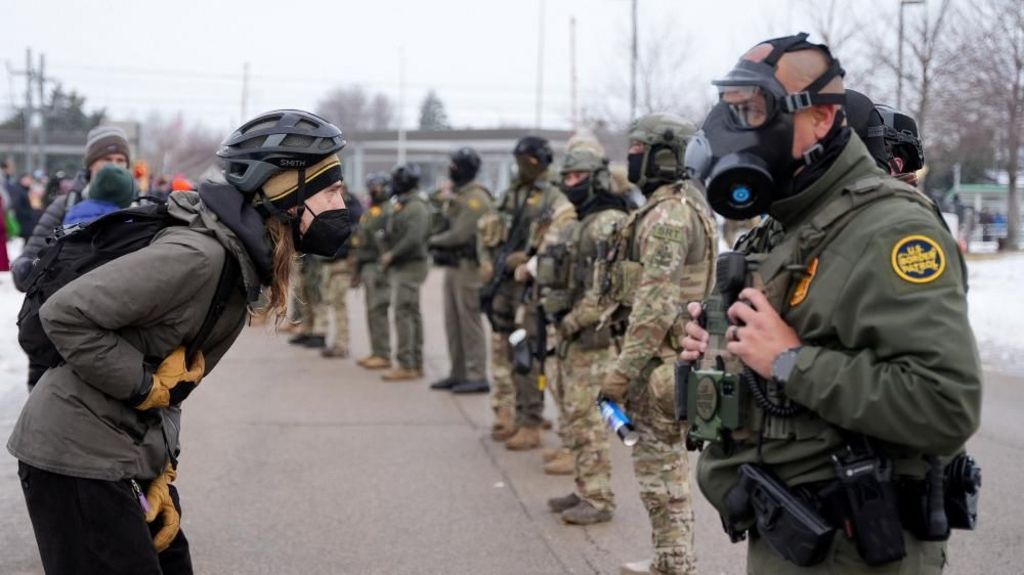
    A fatal shooting involving a federal immigration officer in Minneapolis has ignited intense political polarization across the United States, revealing profound divisions in the ongoing national debate over immigration enforcement. The incident, which resulted in the death of 37-year-old Renee Good, has prompted starkly contrasting narratives from federal and local officials despite multiple video recordings capturing the event.

    Federal authorities, including Homeland Security Secretary Kristi Noem and President Donald Trump, characterized the shooting as a justified response to what they described as a ‘domestic terror attack’ and ‘professional agitator’ activity. In contrast, Minnesota Democratic leadership, including Mayor Jacob Frey and Governor Tim Walz, condemned the federal officer’s use of lethal force as ‘reckless’ and ‘totally avoidable,’ linking it to recent surges in immigration enforcement operations.

    The political fallout intensified when federal investigative agencies withdrew from cooperation with Minnesota’s state-level investigation, assuming exclusive control over the inquiry into the officer’s actions. This jurisdictional conflict underscores the deepening tension between state and federal authorities regarding immigration policy implementation.

    Historical context adds layers of significance to the Minneapolis incident, occurring just miles from where George Floyd’s killing sparked nationwide protests in 2020. Governor Walz has activated the National Guard as precautionary measure against potential civil unrest, while acknowledging the state’s unfortunate position as a recurring flashpoint for national controversies.

    The shooting represents at least the ninth immigration-enforcement-related shooting since September, according to New York Times reporting, highlighting patterns of escalated force during vehicle-targeted operations. Democratic officials nationwide are amplifying calls for increased law enforcement accountability and oversight mechanisms.

    The Trump administration maintains that its aggressive enforcement approach reflects electoral mandates and points to reduced undocumented entries as evidence of effectiveness. Vice-President JD Vance defended the Minneapolis officer’s actions, asserting that the driver attempted to prevent lawful duty execution.

    With even video evidence subject to contradictory interpretations along political lines, the Minneapolis shooting exemplifies how preexisting ideological positions shape factual analysis in contemporary American politics, demonstrating the formidable challenges facing national consensus on immigration policy.