作者: admin

  • Astronaut’s ‘serious medical condition’ forces Nasa to end space station mission early

    Astronaut’s ‘serious medical condition’ forces Nasa to end space station mission early

    NASA has initiated an unprecedented early return of four International Space Station crew members, shortening their mission by approximately one month due to an undisclosed medical condition affecting one astronaut. The decision marks the first medical-related early evacuation in both the 24-year continuous habitation of the ISS and NASA’s 65-year human spaceflight history.

    The affected crew member, whose identity remains protected under medical privacy laws, is reported to be in stable condition. NASA officials emphasized this does not constitute an emergency evacuation, with Administrator Jared Isaacman stating, ‘We always prioritize astronaut health and safety above mission duration.’

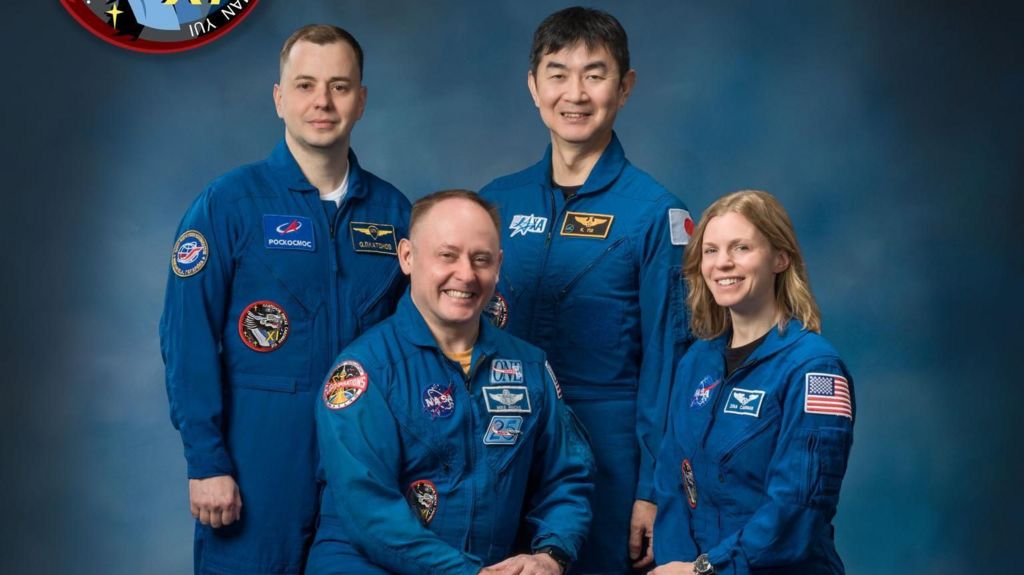
    Crew-11 comprises NASA astronauts Zena Cardman (commander) and Mike Fincke (pilot), alongside mission specialists Kimiya Yui from Japan’s JAXA space agency and Russian cosmonaut Oleg Platonov. The team launched aboard a SpaceX Crew Dragon in August 2025 for what was intended to be a standard six-month orbital mission.

    Medical officer Dr. James Polk clarified the condition is unrelated to space operations or injury, though specifics remain confidential. The ISS’s onboard medical capabilities, including secure Earth-communication systems and basic treatment equipment, have facilitated remote consultation with ground-based physicians.

    While one American astronaut and two Russian cosmonauts will maintain station operations, space scientist Dr. Simeon Barber notes the reduced crew may delay scientific experiments and require focus on essential maintenance until replacement Crew-12 arrives next month. NASA expects to provide updated return timeline details within 48 hours.
  • Rio Tinto eyes acquisition of rival Glencore in major merger discussions

    Rio Tinto eyes acquisition of rival Glencore in major merger discussions

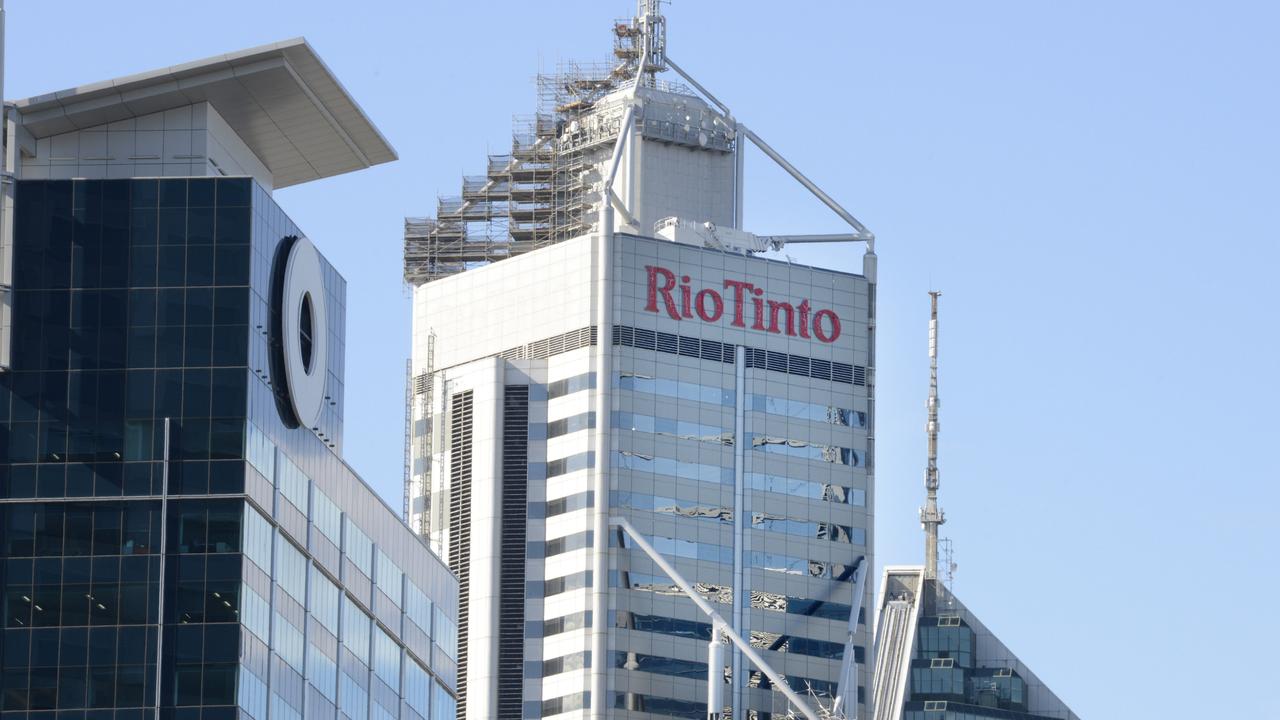
    In a landmark development within the global resources sector, mining behemoths Rio Tinto and Glencore have officially acknowledged engaging in preliminary merger discussions. This potential consolidation could forge one of the planet’s most formidable mining entities.

    Both corporations released separate statements confirming exploratory talks regarding a ‘potential combination of some or all of their business operations.’ Rio Tinto, the larger entity with a market valuation of approximately $US142 billion, indicated that any transaction would likely materialize as its acquisition of Glencore, which holds a market capitalization of $US65 billion. The proposed mechanism would be a court-sanctioned scheme of arrangement.

    This is not the first time the two giants have contemplated a merger; previous discussions were abandoned last year. Rio Tinto faces a deadline of 5:00 PM London time on February 5th to either formally declare its intention to make an offer or to withdraw from negotiations.

    The market reacted swiftly to the news. At the time of reporting, Rio Tinto’s shares experienced a significant downturn, sliding 5.25 percent to $144.62. Both companies emphasized the preliminary nature of the talks, with Rio Tinto explicitly stating, ‘There can be no certainty that an offer will be made or as to the terms of any such offer, should one be made.’ The outcome of these discussions is poised to reshape the competitive landscape of the global mining industry.

  • Venezuela helps vault Rubio to quarterback of Trump’s foreign policy team

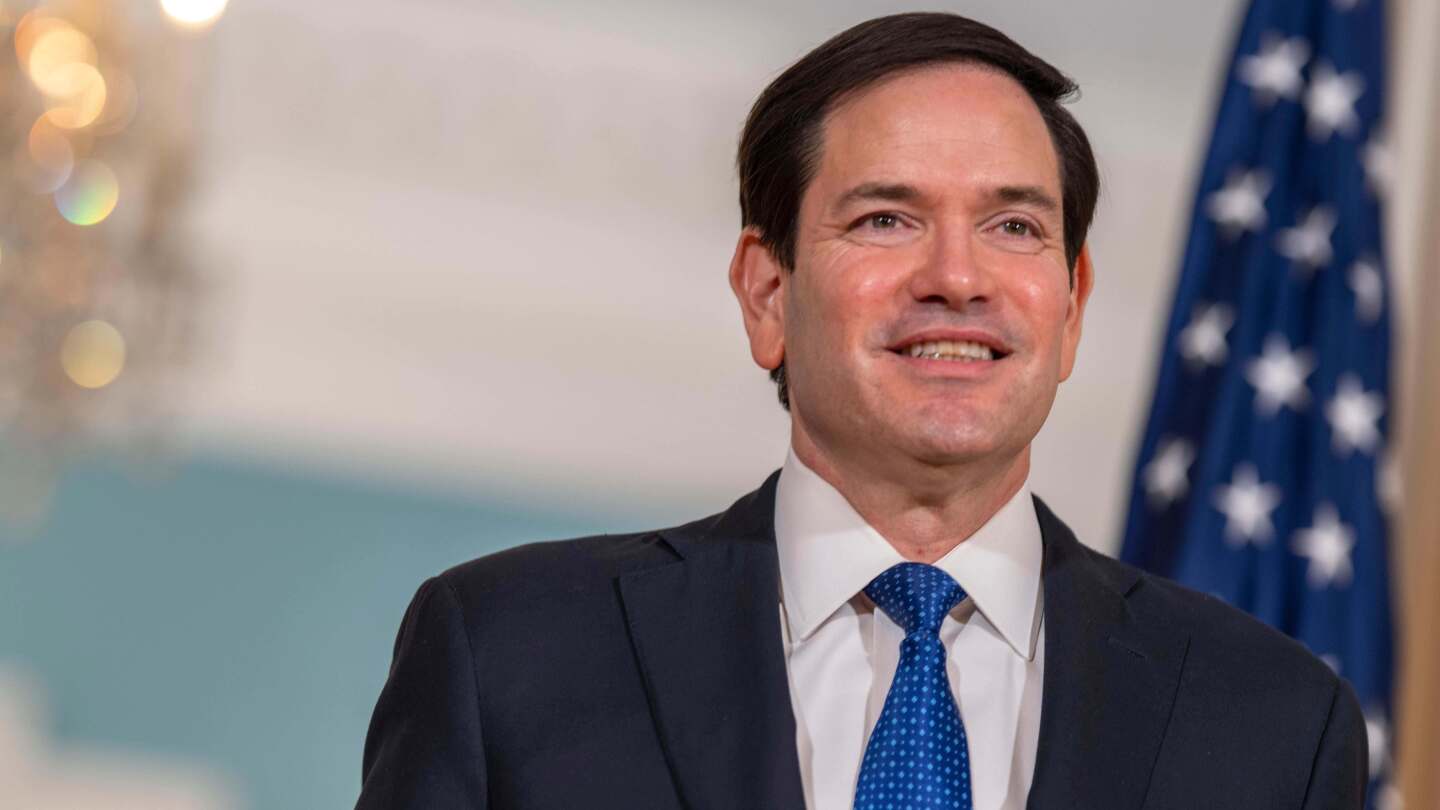
    Venezuela helps vault Rubio to quarterback of Trump’s foreign policy team

    In the turbulent arena of the Trump administration’s foreign policy, Secretary of State Marco Rubio has assumed a pivotal role as a stabilizing force. The administration’s recent audacious moves—including the military operation that deposed Venezuelan President Nicolás Maduro and controversial musings about annexing Greenland—have sent shockwaves through the international community. Yet Rubio, a former Florida senator with deep personal and political ties to Latin America, has skillfully positioned himself as an interpreter and moderator of the President’s more incendiary rhetoric.

    Drawing on his background as the child of Cuban immigrants and his collegiate football experience, aides now describe Rubio as the ‘quarterback’ of Trump’s advisory team. He operates at the intersection of Secretary of State and national security adviser, translating broad presidential directives into actionable, if contentious, policy. His influence extends across multiple hotspots, with key players including Defense Secretary Pete Hegseth, Energy Secretary Chris Wright, and Vice President JD Vance on Venezuela, while Vance, alongside special envoy Steve Witkoff and Jared Kushner, handle fragile peace efforts in Gaza and Ukraine.

    Following the Caracas raid that extracted Maduro, President Trump’s vague declaration that the U.S. would ‘run’ Venezuela sparked fears of another prolonged occupation. Rubio moved quickly to clarify, emphasizing that American strategy would leverage oil sanctions and the threat of further military action rather than direct governance. Similarly, he has sought to reframe the Greenland discussion, stating the administration’s intent is purchase, not invasion.

    On Capitol Hill, Rubio has taken the lead in closed-door briefings, facing lawmakers’ questions and criticisms. He outlined a three-phase plan for Venezuela: selling seized oil to fund reconstruction, restoring civil society, and transitioning to a new government—currently led by interim President Delcy Rodríguez with U.S. support.

    However, Rubio’s strategy faces a tight timeline and bipartisan scrutiny. Lawmakers demand more details and public oversight, with Democrats expressing disappointment over the lack of consultation. For Rubio, whose family history and Miami upbringing deeply inform his views, Venezuela represents a long-standing personal crusade against what he sees as a continuation of Castro-style communism. His once-surprising partnership with Trump—following their 2016 primary rivalry—now appears seamless, with the President echoing Rubio’s decade-old rhetoric on the region.

  • US: Killing of unarmed woman by ICE agent triggers national backlash

    US: Killing of unarmed woman by ICE agent triggers national backlash

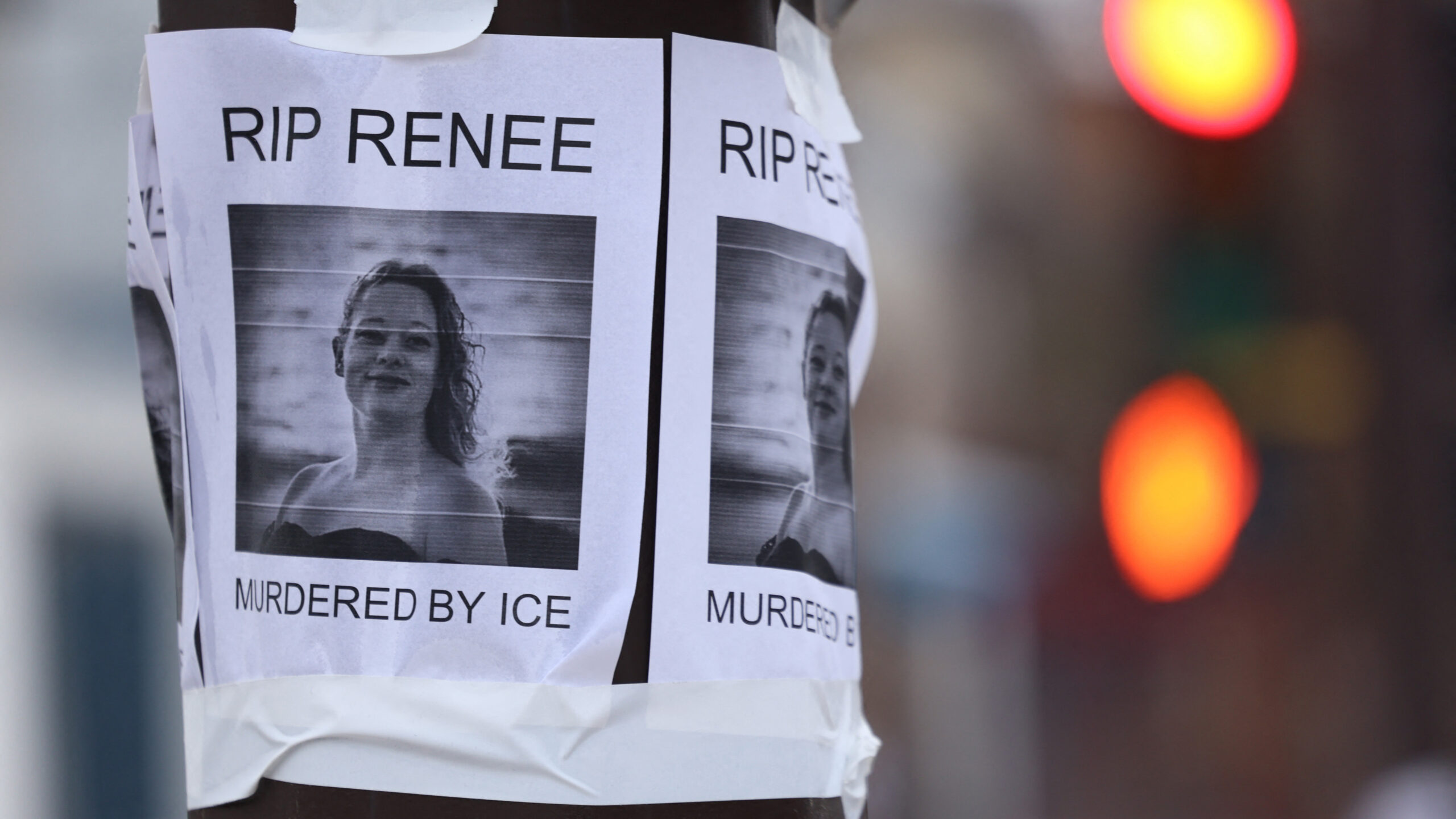
    The fatal shooting of 37-year-old mother and poet Renee Nicole Good by an Immigration and Customs Enforcement (ICE) officer during a federal operation in Minneapolis has erupted into a major political controversy, exposing deep divisions in American society. The incident occurred on Wednesday when ICE agents approached Good’s vehicle during what the Department of Homeland Security described as its “largest DHS operation ever.”

    Bystander footage circulating on social media shows the tense encounter: one officer approaches Good’s vehicle demanding she open the door while a second agent, positioned in front of the car, suddenly moves to the side and discharges his weapon through the driver’s side window at close range. The vehicle subsequently careens out of control and collides with nearby cars.

    The Trump administration immediately defended the shooting, asserting the officer perceived an imminent threat and acted in self-defense. This justification was vehemently challenged by Minneapolis Mayor Jacob Frey, who dismissed the claims as “bullshit,” and by hundreds of protesters who filled Minneapolis streets on Thursday.

    The victim’s background adds layers to the controversy. Good was a creative writing graduate from Old Dominion University, an awarded poet, and according to reports, had just dropped off her six-year-old child at school before the incident. City officials identified her as a legal observer of ICE activities, while her mother described her as “extremely compassionate” and loving.

    Vice President JD Vance escalated the political rhetoric, characterizing Good as “part of a broader left-wing network” and accusing her of attempting to ram the officer with her car. During a White House press briefing, Vance condemned media coverage of the incident as “an absolute disgrace” and framed the shooting as necessary defense against what he called “domestic terror techniques” aimed at undermining immigration enforcement.

    The operation itself involved up to 2,000 officers targeting what authorities described as “fraudsters, murderers, rapists, and gang members,” with particular focus on Minnesota’s Somali community following allegations of welfare fraud. The killing has reignited contentious debates about ICE’s expanded presence nationwide and accusations of harassment against both citizens and non-citizens alike.

  • Minnesota officials say FBI blocked their access to ICE shooting probe

    Minnesota officials say FBI blocked their access to ICE shooting probe

    A deepening jurisdictional conflict has emerged between Minnesota state authorities and federal agencies regarding the investigation into the fatal shooting of 37-year-old Renee Good by a U.S. Immigration and Customs Enforcement (ICE) agent. The incident, which occurred Wednesday in Minneapolis, has sparked public outrage and street protests while exposing significant tensions between state and federal governance.

    Minnesota’s Bureau of Criminal Apprehension (BCA) announced it has ‘reluctantly withdrawn’ from the investigation after the FBI reversed an initial agreement for joint cooperation and denied state officials access to critical evidence and case materials. This development came despite earlier assurances of collaborative oversight between federal and state law enforcement agencies.

    At the heart of the controversy are conflicting narratives about the circumstances leading to Good’s death. The Trump administration, through Homeland Security Secretary Kristi Noem, maintains the ICE agent acted in self-defense, claiming Good attempted to run over the officer with her vehicle. Conversely, local officials assert that the woman posed no credible threat to the armed federal agents.

    Minnesota Governor Tim Walz expressed profound concerns about the integrity of the investigation, stating that the federal government’s exclusion of state authorities undermines the possibility of an unbiased outcome. ‘It feels now that Minnesota has been taken out of the investigation,’ Walz commented during a Thursday news conference. ‘It feels very, very difficult that we will get a fair outcome.’

    Vice President JD Vance countered these concerns by characterizing the investigation as exclusively federal matter, arguing that local involvement would contradict established legal precedents for cases involving federal officers.

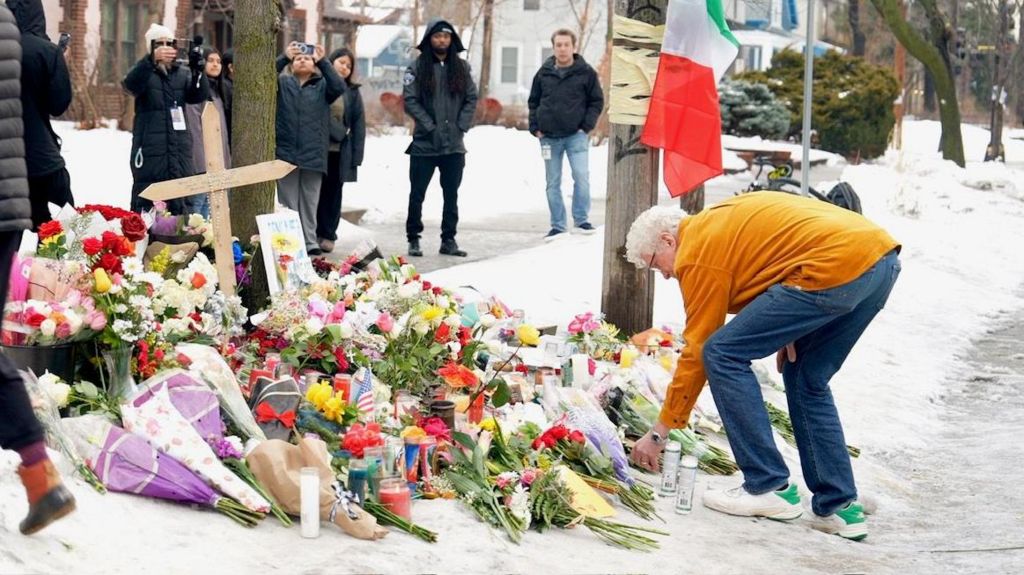
    Community response has been immediate and emotional. Hundreds of demonstrators gathered at the shooting site and federal buildings in Minneapolis, creating memorials with candles and roses while demanding accountability. Those who knew Good described her as a compassionate poet and musician who had recently moved to Minneapolis. Her mother, Donna Ganger, told local media her daughter was ‘probably terrified’ during the fatal confrontation.

    Criminologist Edward Maguire of Arizona State University noted that the jurisdictional dispute likely reflects political efforts to control the investigation’s narrative rather than purely legal considerations. Legal experts suggest Minnesota could still pursue criminal charges against the federal officer once the FBI completes its investigation.

    The case continues to develop amid growing tensions between state and federal authorities, with community members maintaining vigil at the shooting site and promising continued protests until justice is served.

  • Venezuelan government begins releasing political prisoners

    Venezuelan government begins releasing political prisoners

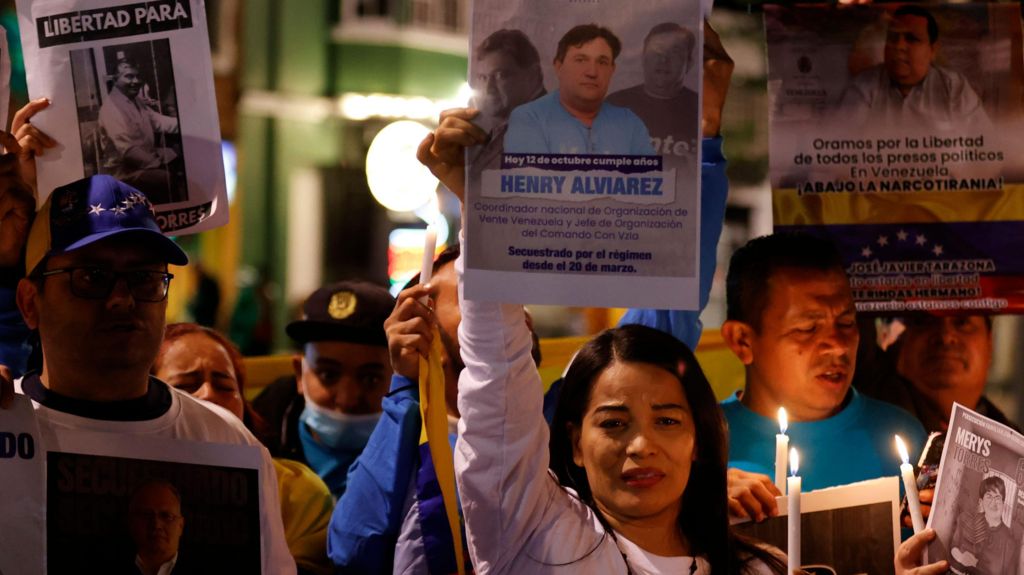
    In a significant diplomatic development, Venezuela’s interim government has initiated the release of individuals long classified as political prisoners by international human rights organizations. The move, characterized by officials as a gesture of goodwill, follows the extraordinary capture of President Nicolás Maduro by US forces during a raid in Caracas last Saturday.

    Spain’s foreign ministry confirmed the release of five Spanish nationals, including one dual citizen, among whom is prominent rights activist Rocio San Miguel. Jorge Rodríguez, head of Venezuela’s National Assembly and brother of interim President Delcy Rodríguez, announced on state television that ‘a significant number’ of detainees would be immediately freed in the interest of ‘national unity and peaceful coexistence,’ though specific numbers and identities were not disclosed.

    The release marks a pivotal shift in Venezuela’s approach to longstanding US demands regarding political prisoners, particularly during periods of heightened repression around elections or protests. San Miguel, a security and defense expert and vocal Maduro critic, was arrested in February 2024 on allegations of involvement in an assassination plot against the then-president, facing charges of treason, conspiracy, and terrorism.

    Venezuelan human rights organizations, many with members or founders currently imprisoned, responded to the developments with cautious optimism. The interim administration under Delcy Rodríguez has demonstrated unexpected willingness to cooperate with the US since Maduro’s capture and subsequent transfer to New York to face drug trafficking charges.

    Attention now turns to the notorious El Helicoide prison, where 50-80 prisoners are believed detained. US President Donald Trump announced the facility’s closure following Maduro’s capture, though human rights group Provea warns this should not divert attention from other detention sites across the country. The prison gained international notoriety for holding alleged political opponents under conditions involving torture, beatings, and electrocution.

    The developments occur against a backdrop of increased legal proceedings against activists, journalists, and political adversaries since the widely disputed 2024 election. While opposition leader and Nobel Peace Prize winner Maria Corina Machado has repeatedly demanded releases, government officials including Attorney General Tarek Saab have consistently denied holding political prisoners, maintaining those detained were arrested for legitimate crimes.

  • Watch: BBC speaks to Minneapolis residents gathered at shooting site

    Watch: BBC speaks to Minneapolis residents gathered at shooting site

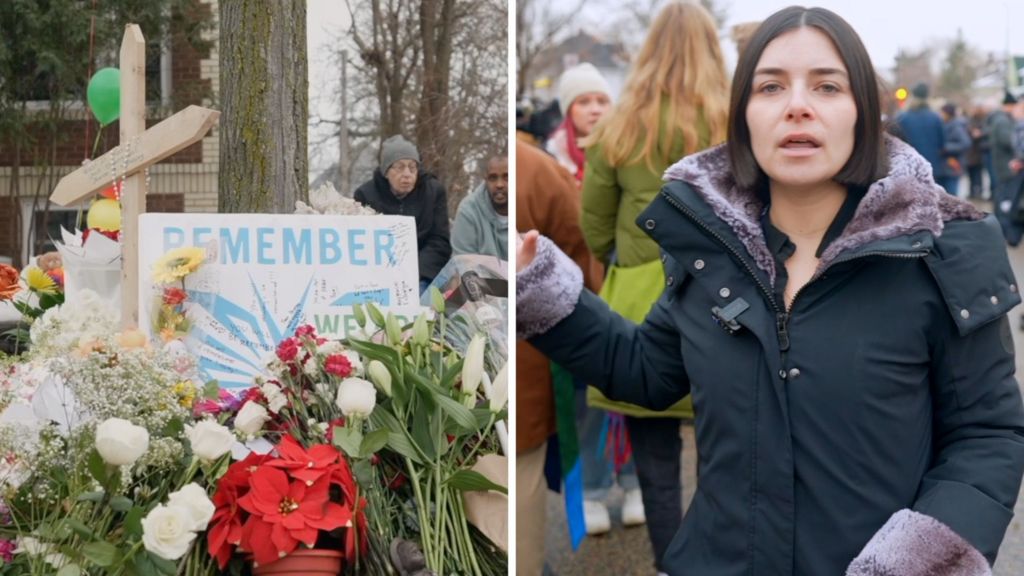
    A somber gathering unfolded in Minneapolis as community members assembled at a makeshift memorial honoring Renee Good, who was fatally shot by a U.S. immigration agent just one day prior. The impromptu vigil served as both a tribute to the deceased and a focal point for collective grief and rising public concern. Local residents, visibly distraught, congregated at the site of the shooting to pay their respects, leaving flowers, candles, and personal notes. The incident has ignited urgent conversations regarding law enforcement protocols and the use of lethal force by federal immigration authorities in community settings. Eyewitnesses at the memorial shared their anguish with reporters, calling for transparency and a thorough investigation into the circumstances that led to the shooting. The emotional gathering underscores a deepening tension between federal agencies and the communities they operate within, highlighting demands for accountability and justice.

  • Reform’s Laila Cunningham claimed Shabana Mahmood protects Pakistani vote base

    Reform’s Laila Cunningham claimed Shabana Mahmood protects Pakistani vote base

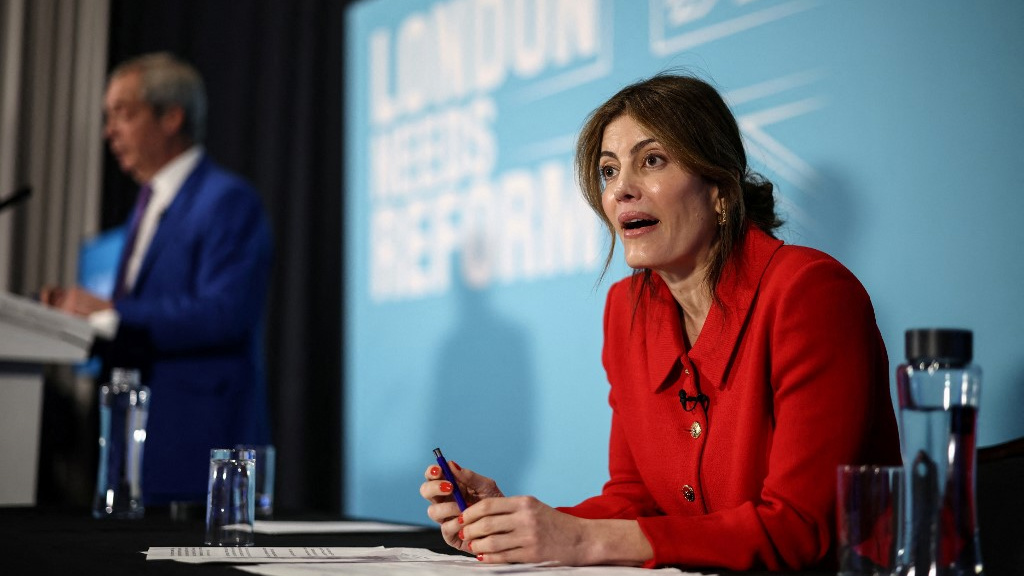
    Laila Cunningham, Reform UK’s newly announced candidate for London mayor, has ignited significant controversy with allegations against Home Secretary Shabana Mahmood and endorsements of contentious statements by former US President Donald Trump.

    In an interview with YouTuber Andrew Gold, Cunningham accused Mahmood of refusing to impose visa restrictions on Pakistan as punishment for not accepting Pakistani grooming gang offenders from Britain. She suggested this decision was politically motivated to protect a “Pakistani voter base” rather than based on national interest. When questioned about potential electoral considerations behind Mahmood’s position, Cunningham stated, “That is the assumption, or else you’d crack down on it.”

    The former Conservative councillor, who recently defected to Reform UK, further claimed the Home Secretary prioritizes her religious beliefs over her nationality in decision-making. This criticism references Mahmood’s previous statements about her Muslim faith being “the absolute driver of everything that I do,” though she has never explicitly stated religion takes precedence over national duty.

    In additional controversial remarks published in the Daily Mail, Cunningham endorsed Donald Trump’s widely criticized assertion that London under Mayor Sadiq Khan was moving toward implementing Sharia law. She argued that Britain has permitted “a shadow system to exist alongside our own courts,” specifically referencing Sharia councils operating throughout the country.

    Cunningham, who identifies as Egyptian-British, has faced significant online abuse from far-right accounts since her appointment. She has distanced herself from specific Muslim communities, stating, “I’m not part of a Muslim community, I’m part of a British community,” while simultaneously criticizing certain groups for “bringing shame on the rest of the Muslims.”

    The political context includes Reform leader Nigel Farage’s pledge to ban the Muslim Brotherhood, which Cunningham supports by referencing Egypt’s prohibition of the organization. Recent revelations indicate Farage traveled to Abu Dhabi funded by the United Arab Emirates, which shares Reform’s opposition to the Muslim Brotherhood.

    Neither Mahmood’s office nor the Labour Party has responded to requests for comment regarding Cunningham’s allegations. The next London mayoral election is scheduled for 2028.

  • Saudi’s Sabic sells assets in Europe, Americas worth $950 million

    Saudi’s Sabic sells assets in Europe, Americas worth $950 million

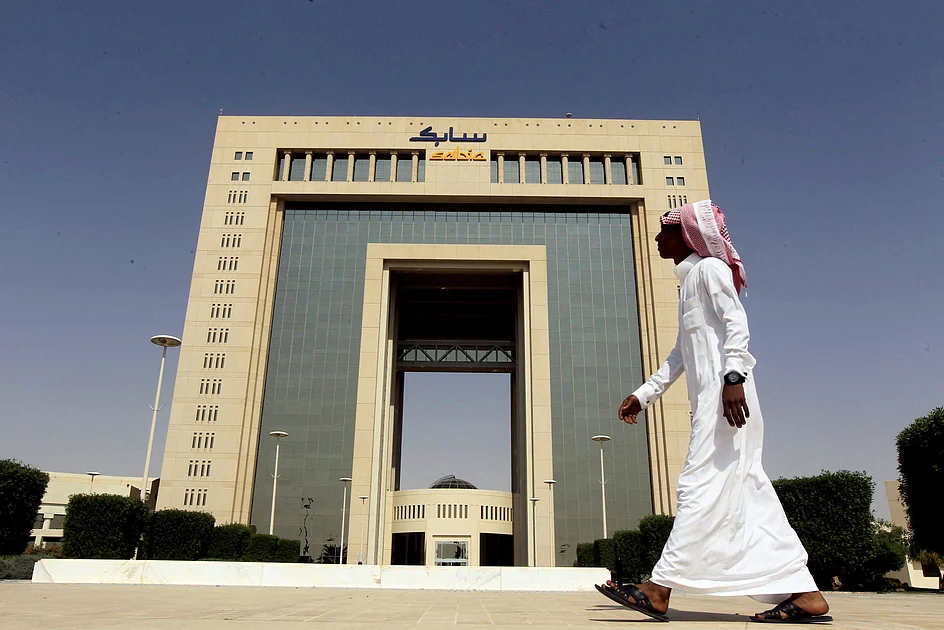
    In a significant strategic move reflecting broader industry challenges, Saudi Basic Industries Corporation (SABIC) has finalized two major divestitures totaling $950 million in enterprise value. The Saudi chemical giant is restructuring its global portfolio in response to persistent market weakness and declining demand across the petrochemical sector.

    The comprehensive divestiture program includes the sale of SABIC’s European Petrochemical (EP) business unit to Munich-based investment firm AEQUITA for $500 million. This transaction encompasses manufacturing facilities located in the United Kingdom and Germany. Simultaneously, the company has agreed to transfer its Engineering Thermoplastics (ETP) operations in both Europe and the Americas to German holding company Mutares for $450 million. The ETP business includes production sites across Canada, the United States, Brazil, and Spain.

    This strategic repositioning occurs against a backdrop of notable financial pressure for SABIC. The company’s shares plummeted to a 17-year low during early trading in Riyadh, dropping 4.8% to 48.2 riyals ($12.85) per share. Over the past twelve months, SABIC has witnessed a substantial 26.4% decline in its stock value, reflecting investor concerns about the chemical industry’s prolonged slowdown.

    CEO Abdulrahman Al-Fageeh characterized these transactions as a continuation of SABIC’s portfolio optimization initiative, which commenced in 2022. Previous divestments under this program included the Functional Forms, Hadeed, and Alba business units. The current disposals are projected to enhance SABIC’s core profit margins and strengthen free cash flow generation despite the challenging market conditions.

    The restructuring aligns with the strategic direction of SABIC’s majority shareholder, oil behemoth Aramco, which maintains a 70% stake in the chemical company. Aramco has been implementing its own cost-reduction and asset-divestment strategy to balance capital expenditures against lower oil prices and substantial shareholder returns.

    SABIC has engaged top-tier financial advisors for these transactions, with Goldman Sachs advising on the EP divestiture and J.P. Morgan consulting on the ETP transaction. Lazard acted as independent financial advisor for both deals. The company has committed to ensuring minimal operational disruption throughout the separation process.

  • ‘Deciding to leave has been the hardest’: Nick Meaney and Tyran Wishart to leave Storm, expected to join Bears

    ‘Deciding to leave has been the hardest’: Nick Meaney and Tyran Wishart to leave Storm, expected to join Bears

    The Melbourne Storm’s off-season has been dealt another severe setback with the confirmed departures of versatile stars Nick Meaney and Tyran Wishart at the conclusion of the 2026 NRL season. Both players are widely anticipated to join the newly formed Perth Bears, marking a significant coup for the expansion club’s inaugural recruitment drive.

    Meaney, a former Knight and Bulldog who found a home in Melbourne since 2022, evolved into an indispensable asset for the Storm. His adaptability saw him excel on the wing, at centre, and most notably at fullback during Ryan Papenhuyzen’s extended injury absences. His exit creates a critical void, particularly in goal-kicking—a specialist role where the club now admits to having no proven depth.

    Wishart, equally valued for his utility value, emerged as a formidable force off the bench, with the capacity to start in the halves or at dummy-half. His departure further depletes a squad already reeling from the losses of Papenhuyzen, Nelson Asofa-Solomona, and Jonah Pezet.

    In emotional farewell statements, both players expressed profound gratitude toward the Storm organization. Meaney described the choice to leave as “the hardest decision,” citing his family’s deep connections to the club. Wishart echoed this sentiment, acknowledging the Storm for granting him his first-grade debut and vowing full commitment to a successful 2026 campaign.

    Storm CEO Justin Rodski acknowledged the difficulty of losing players of such calibre but respected their decisions. The club now faces the dual challenge of managing immediate on-field deficiencies while leveraging its financial flexibility and pathways program to rebuild roster depth for the future.