作者: admin

  • US withdrawal from 66 international organisations reasserts America First policy

    US withdrawal from 66 international organisations reasserts America First policy

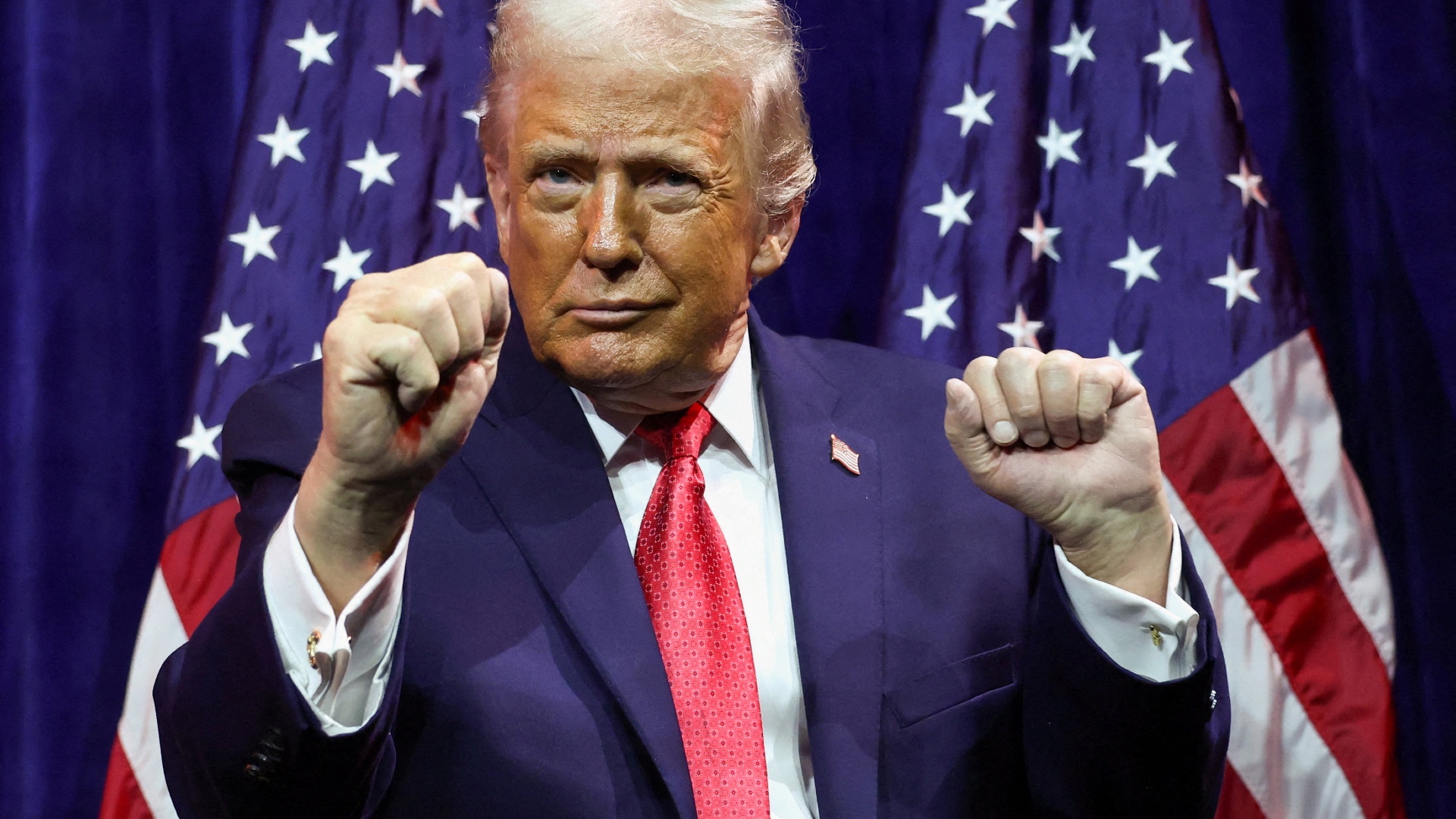
    In a decisive move underscoring its America-first foreign policy, the Trump administration formally withdrew from 66 multilateral institutions through an executive order signed Wednesday. Approximately half of these entities operate under the United Nations umbrella, spanning critical areas from climate governance to counterterrorism initiatives.

    Secretary of State Marco Rubio justified the unprecedented withdrawal in an official statement, characterizing these organizations as “redundant, mismanaged, wasteful, and poorly run.” He further asserted that many had been “captured by interests advancing agendas contrary to our own” and posed threats to “our nation’s sovereignty, freedoms, and general prosperity.” The administration declared an end to the era of American taxpayer dollars flowing to foreign interests with minimal tangible returns.

    The list of exited organizations reflects established policy priorities, including withdrawals from climate-focused bodies like the UN Framework Convention on Climate Change and the 24/7 Carbon-Free Energy Compact, aligning with the administration’s promotion of traditional energy sources. However, the withdrawal extended beyond predictable targets to include entities with historically bipartisan American support, such as the UN register of conventional arms and the office dedicated to children in armed conflict.

    Paolo Von Schirach of the Global Policy Institute interpreted the move as a logical extension of the administration’s preference for bilateral engagement over multilateral forums, which it views as inefficient and ineffective. This action continues a pattern of disengagement from international institutions that began during Trump’s first term with exits from UNESCO, the UN Human Rights Council, and the termination of funding for UNRWA, primarily citing anti-Israel bias.

    The implications extend beyond symbolism. Organizations like Civicus, a global civil society alliance, warned the order “poses severe implications for people of the US and the world,” stalling progress on human rights and sustainable development. Analysts noted the withdrawal creates a strategic vacuum, potentially allowing powers like China, which openly champions multilateralism, to exert greater influence within these UN bodies. Daniel Forti of The Crisis Group highlighted the particular significance of abandoning the Peace Building Commission, noting the striking symbolism of a founding architect of the post-WWII order stepping back from the very institutions it helped establish.
  • Storm Goretti: Heavy wind, rain, snow to batter Europe

    Storm Goretti: Heavy wind, rain, snow to batter Europe

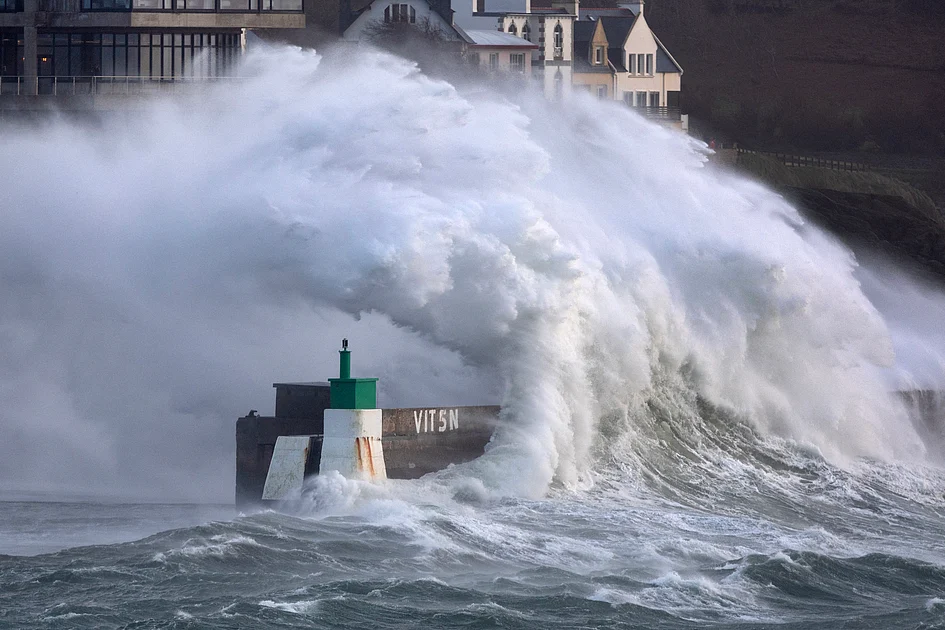
    A powerful weather system named Storm Goretti descended upon Europe on Thursday, bringing a dangerous combination of extreme winds, heavy snowfall, and freezing temperatures. Meteorological agencies across the continent issued severe warnings, predicting significant disruptions to daily life and infrastructure from Britain to Germany.

    In the United Kingdom, the Met Office took the rare step of issuing its highest-level red wind alert for southwestern England, including the Isles of Scilly and Cornwall. Forecasters warned of potentially catastrophic wind gusts reaching 160 kilometers per hour (100 mph), accompanied by dangerously large coastal waves. Simultaneously, an amber snow warning covered Wales, the Midlands, and northern England, with predictions of up to 30 centimeters (11 inches) of accumulation. The severe conditions prompted National Rail to advise against all non-essential travel for the next 48 hours as train services faced inevitable disruptions.

    Across the Channel, northern France prepared for similar onslaught, particularly in the Manche department where schools were ordered closed for Friday. Authorities issued urgent safety directives across 30 northwestern regions, advising residents to seek shelter and avoid vehicle use while ensuring emergency supplies of lighting and drinking water.

    Germany’s meteorological service (DWD) reported approaching heavy snow and powerful winds expected to cripple transportation networks and public services. Northern regions braced for up to 15 centimeters (6 inches) of snow, while southern areas faced hazardous icy conditions. The cities of Hamburg and Bremen preemptively canceled school for Friday as public transport networks already experienced significant delays on Thursday. Deutsche Bahn mobilized over 14,000 employees to combat the expected infrastructure challenges.

    Meteorologist Andreas Walter of the DWD noted the exceptional nature of this storm compared to recent milder winters, directly linking the pattern shift to climate change. While cold snaps with substantial snowfall remain possible despite rising global temperatures, Walter emphasized such events would become increasingly rare in the future.

    Adding to the extraordinary weather patterns, Norway’s Meteorological Institute reported that only one region in the entire country recorded temperatures above freezing on Thursday: the Arctic archipelago of Svalbard.

  • Six whales die after mass stranding on remote NZ beach

    Six whales die after mass stranding on remote NZ beach

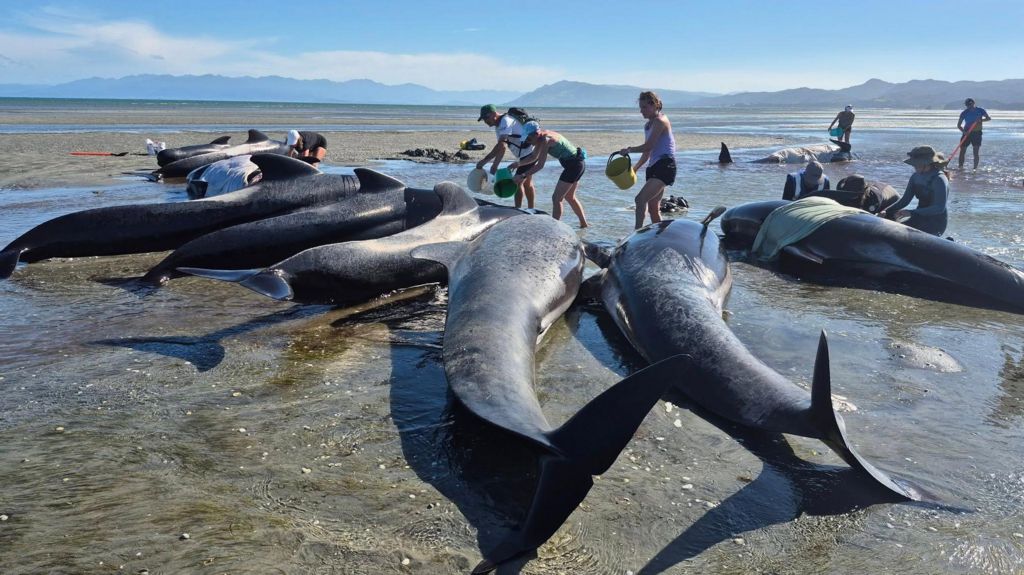
    A critical rescue operation is underway on New Zealand’s remote Farewell Spit following a mass whale stranding that has left six pilot whales dead and 15 others fighting for survival. The dramatic event began Thursday when approximately 55 marine mammals washed ashore on the South Island’s northernmost coastline.

    While most of the initially stranded whales managed to return to sea during high tide, a group of 15 individuals became restranded along a kilometer-long stretch of beach. Conservation organization Project Jonah has mobilized teams of volunteers who are working against the clock to keep the surviving whales hydrated and cool through constant water application.

    Louisa Hawkes of Project Jonah emphasized the urgency of the situation: ‘When the tide comes in, we’re going to have to move really quickly to bring these whales together, then move them out to deeper waters.’ The rescue strategy focuses on leveraging pilot whales’ highly social nature by forming them into a tight-knit group to encourage collective swimming back to safety.

    New Zealand’s Department of Conservation has deployed additional resources including rangers, marine vessels, and drone technology to monitor the area for further strandings. Farewell Spit is notoriously known as a natural ‘whale trap’ due to its gently sloping tidal flats and rapidly receding waters that frequently disorient marine mammals following their migratory routes.

    This location has witnessed numerous mass strandings throughout history, most notably in February 2017 when over 400 pilot whales beached themselves in what became New Zealand’s largest recorded stranding event in a century. The current operation represents another chapter in the ongoing challenge of marine mammal conservation in this geographically vulnerable region.

  • US Senate advances resolution to limit Trump’s war powers following Venezuela strike

    US Senate advances resolution to limit Trump’s war powers following Venezuela strike

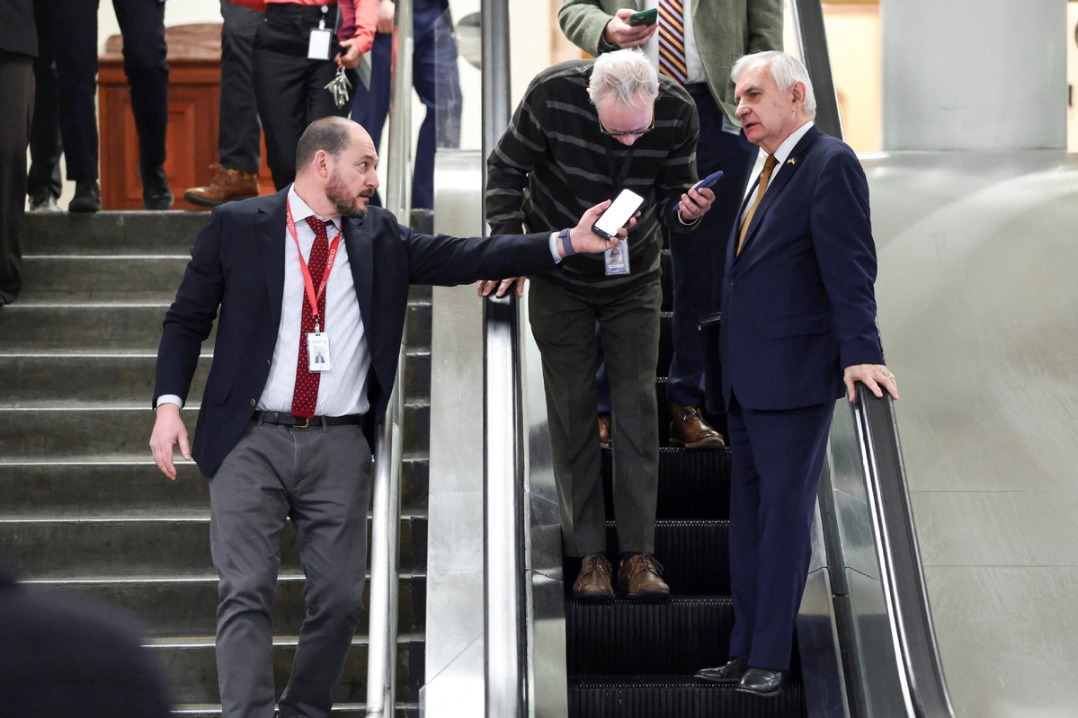
    The United States Senate has taken decisive steps to constrain presidential military authority following recent strikes in Venezuela. On Thursday, legislators advanced a significant resolution designed to limit President Donald Trump’s capacity to initiate further armed engagement against the South American nation without explicit congressional approval.

    The legislative action emerged as a direct response to military operations authorized by the administration, signaling growing congressional concern over executive branch war powers. The resolution, spearheaded by Senator Jack Reed (D-RI), represents a notable assertion of legislative authority in matters of military engagement and foreign policy.

    Following the Senate vote, Senator Reed addressed reporters on Capitol Hill, emphasizing the constitutional responsibility of Congress to oversee military commitments. “This measure reaffirms the fundamental principle that decisions of war and peace must reflect the collective judgment of the representatives of the American people,” Reed stated.

    The resolution development follows reports of significant casualties from recent military actions in Venezuela, with the country’s interior ministry claiming approximately 100 fatalities resulting from US operations. These events have intensified existing tensions between the two nations and prompted renewed scrutiny of presidential war powers.

    The legislative measure continues a longstanding tension between executive and legislative branches regarding military authorization that has persisted across multiple administrations. The resolution’s advancement suggests a reassertion of congressional authority in security matters that could establish significant precedents for future military engagements.

    International observers have closely monitored the development, with several European allies expressing concern over escalating tensions in Venezuela and the broader implications for regional stability in Latin America. The Senate’s action demonstrates increasing congressional willingness to shape foreign policy direction through legislative mechanisms.

  • ‘How do we look Indian?’: Student’s killing puts spotlight on racism in India

    ‘How do we look Indian?’: Student’s killing puts spotlight on racism in India

    A fatal assault on two brothers from India’s northeastern region has exposed deep-seated racial tensions and sparked nationwide demands for legal reforms. Anjel Chakma, 24, succumbed to stab wounds seventeen days after being attacked alongside his brother Michael in Dehradun on December 9. The siblings, who had migrated from Tripura for education, faced racial slurs before the physical assault occurred according to their father Tarun Chakma.

    Uttarakhand police have detained five suspects but controversially denied racial motivations behind the violence—a position vehemently contested by the victims’ family. This incident has amplified longstanding concerns about systemic discrimination faced by northeastern communities in major Indian cities, where they frequently endure racial profiling, housing discrimination, and public harassment based on physical features.

    The tragedy has triggered protests across multiple cities and revived painful memories of similar cases, including the 2014 killing of Nido Tania in Delhi. Activists note that despite government committees and recommendations following previous incidents, meaningful legislative action remains absent. The federal government’s crime reports notably exclude segregated data on racial violence, obscuring the scale of the problem.

    For northeastern migrants like Ambika Phonglo and Mary Wahlang, daily microaggressions and overt racism have become routine experiences. Many resort to living in segregated neighborhoods for safety and cultural preservation. Alana Golmei of a government-formed monitoring committee emphasizes that dismissing such attacks as isolated incidents exacerbates the problem, noting that acceptance and acknowledgment must precede solutions.

    The Chakma family’s tragedy has renewed calls for specific anti-racism legislation, with advocacy groups citing successful precedents in dowry and caste-based violence laws. As Tarun Chakma mourns his elder son, he faces an impossible choice regarding his surviving son’s education—balancing safety concerns against the pursuit of opportunity that originally motivated their journey from Tripura.

  • Significant number of Venezuelan, foreign prisoners to be freed, says top lawmaker

    Significant number of Venezuelan, foreign prisoners to be freed, says top lawmaker

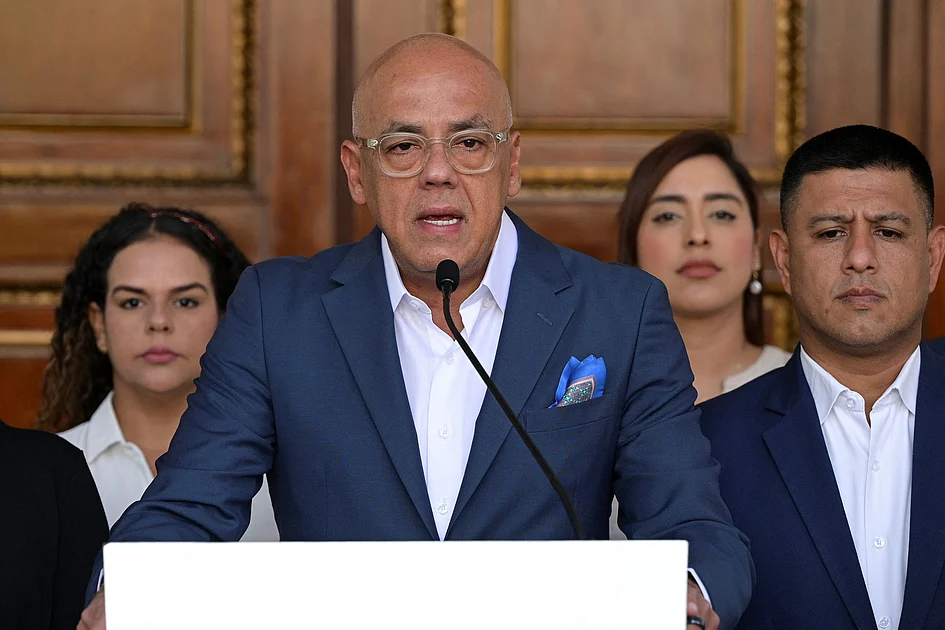
    In a significant political development, Venezuela’s National Assembly President Jorge Rodriguez declared on Thursday that authorities would imminently release a substantial number of detainees, including both Venezuelan nationals and foreign citizens. The announcement marks a notable concession to opposition demands and represents what Rodriguez characterized as a unilateral peace initiative by the Bolivarian government.

    Rodriguez emphasized that this prisoner release operation was already underway during his Thursday announcement, describing it as a sovereign decision made independently without negotiations or agreements with external parties. The move addresses longstanding calls from Venezuela’s political opposition for prisoner releases, though Rodriguez did not specify the exact number of individuals to be freed or provide detailed identification of those included in the amnesty.

    This development occurs within Venezuela’s complex political landscape, where prisoner releases have frequently served as both confidence-building measures and bargaining chips in past political dialogues. The inclusion of foreign nationals suggests potential diplomatic dimensions to the decision, possibly affecting Venezuela’s international relations amid ongoing economic challenges and political tensions.

    The government’s framing of this action as a ‘gesture of peace’ indicates a possible strategic shift in its approach to domestic opposition and international observers, though the ultimate impact and motivations behind this unilateral move remain to be fully assessed as implementation proceeds.

  • International Space Station crew to return early after astronaut medical issue

    International Space Station crew to return early after astronaut medical issue

    In an unprecedented development for space operations, NASA has initiated the first controlled medical evacuation from the International Space Station following an undisclosed health incident involving a crewmember. The decision, announced Thursday, marks a historic moment in the orbital laboratory’s 25-year continuous habitation.

    The four astronauts of NASA-SpaceX Crew-11 mission—American astronauts Mike Fincke and Zena Cardman, Japanese space agency member Kimiya Yui, and Russian cosmonaut Oleg Platonov—will conclude their mission ahead of schedule, returning to Earth within days via standard splashdown procedures. Officials emphasized this does not constitute an emergency evacuation but rather a precautionary measure.

    NASA Chief Medical Officer Dr. James Polk explained the decision stemmed from persistent uncertainties regarding the crewmember’s condition rather than immediate danger. “We’re dealing with lingering risk and a lingering question as to what that diagnosis is,” Polk stated during the briefing. The affected astronaut, whose identity remains confidential, is reported in stable condition with no connection to station operations or injuries.

    Amit Kshatriya, NASA’s associate administrator, highlighted the significance of this milestone: “This is the first time we’ve done a controlled medical evacuation from the vehicle. The crew demonstrated exceptional professionalism in managing this unexpected medical situation, exactly as trained.”

    The Crew-11 mission launched from Kennedy Space Center on August 1, 2025, and was originally scheduled to conclude in early 2026 after approximately six months in orbit. Their premature return will necessitate adjustments to station operations, including the postponement of a planned 6.5-hour spacewalk intended for power system upgrades.

    NASA officials confirmed that Chris Williams, who arrived via Russian spacecraft, will maintain American presence aboard the station alongside Russian cosmonauts Sergey Kud-Sverchkov and Sergei Mikaev. The agency is evaluating potential schedule modifications for subsequent missions to minimize operational disruptions.

    The International Space Station, continuously occupied since November 2000, serves as a critical platform for scientific research advancing humanity’s capabilities for deep space exploration, including future missions to Mars. The station is scheduled for decommissioning after 2030, with planned atmospheric disposal over the remote Pacific Ocean region known as Point Nemo.

  • Minneapolis ICE shooting: FBI, DOJ exit cooperation on probe, says state crime bureau

    Minneapolis ICE shooting: FBI, DOJ exit cooperation on probe, says state crime bureau

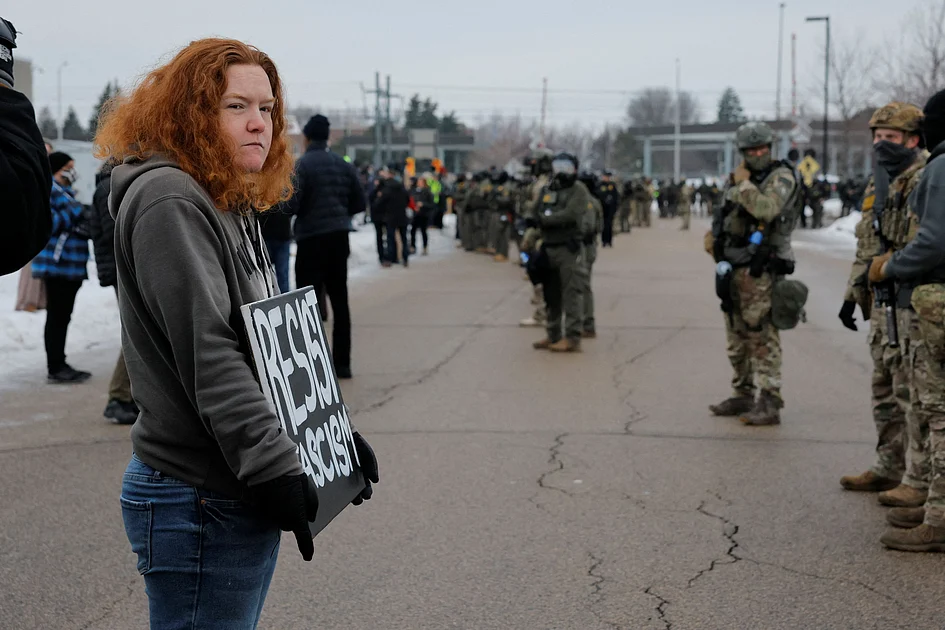
    In a significant development for a high-profile law enforcement case, the Minnesota Bureau of Criminal Apprehension (BCA) announced on Thursday, January 8, 2026, that it has been compelled to withdraw from its investigation into a fatal shooting involving a federal immigration agent. The decision came after the Federal Bureau of Investigation (FBI) and the U.S. Department of Justice (DOJ) abruptly terminated their cooperative agreement with the state-level agency.

    The case centers on the death of a 37-year-old woman in Minneapolis, who was fatally shot by an agent from U.S. Immigration and Customs Enforcement (ICE). The BCA, which had been leading the probe, stated that the federal withdrawal of support created an insurmountable obstacle. The federal agencies’ exit means the BCA no longer has access to critical evidence, witness testimonies, and case information gathered under the federal purview.

    In an official statement, the BCA expressed profound frustration with the turn of events, emphasizing that its standards for a transparent and thorough investigation, as mandated by Minnesota state law and public expectation, could no longer be met. ‘Without complete access to the evidence, witnesses, and information collected, we cannot proceed,’ the Bureau stated, characterizing its withdrawal as ‘reluctant.’ This move halts the state’s independent inquiry and casts serious doubt on the future of accountability in the case, effectively leaving the investigation in the hands of the federal agencies that were subjects of the probe. The incident raises urgent questions about jurisdictional conflicts and oversight in cases involving federal law enforcement officers.

  • Rare gorilla twins born in conflict-hit DR Congo nature park

    Rare gorilla twins born in conflict-hit DR Congo nature park

    In a remarkable event offering hope amidst ongoing conflict, Virunga National Park in eastern Democratic Republic of Congo has welcomed the birth of rare mountain gorilla twins. The endangered mother gorilla, Mafuko, gave birth to twin males in the UNESCO World Heritage site, which has long faced security challenges from armed groups operating in the region.

    Scientific data indicates that twin births occur in fewer than one percent of mountain gorilla pregnancies, making this event exceptionally rare. This represents only the second documented case of gorilla twins in Congo, with the previous occurrence also recorded within Virunga’s boundaries in 2020.

    Park officials confirmed that trackers first observed the newborns on Saturday, immediately implementing specialized monitoring and protection protocols to enhance the infants’ survival prospects. Methode Uhoze, a park representative, provided confirmation of the twin birth to AFP on Thursday.

    The Congolese Institute for the Conservation of Nature, which oversees the country’s national parks, celebrated the birth as a triumph of life despite significant challenges. The institution shared an image on social media showing mother Mafuko cradling her two tiny offspring.

    Established in 1925 as Africa’s oldest nature reserve, Virunga National Park spans 7,800 square kilometers near Congo’s borders with Rwanda and Uganda. This biodiverse region currently faces substantial security threats, including territory controlled by the Rwanda-backed M23 militia, which has expanded its influence in recent months. Additionally, forests within the park are believed to serve as hideouts for the Islamic State-affiliated Allied Democratic Forces.

    With approximately 1,000 mountain gorillas remaining in the wild, conservation efforts take on critical importance. Virunga’s authorities reported hosting 350 of these great apes in 2021, with eight other mountain gorilla births recorded in the park during 2025, according to park spokesman Bienvenu Bwende.

  • Chief Trump ideologue Miller, an unabashed meanie from the get-go

    Chief Trump ideologue Miller, an unabashed meanie from the get-go

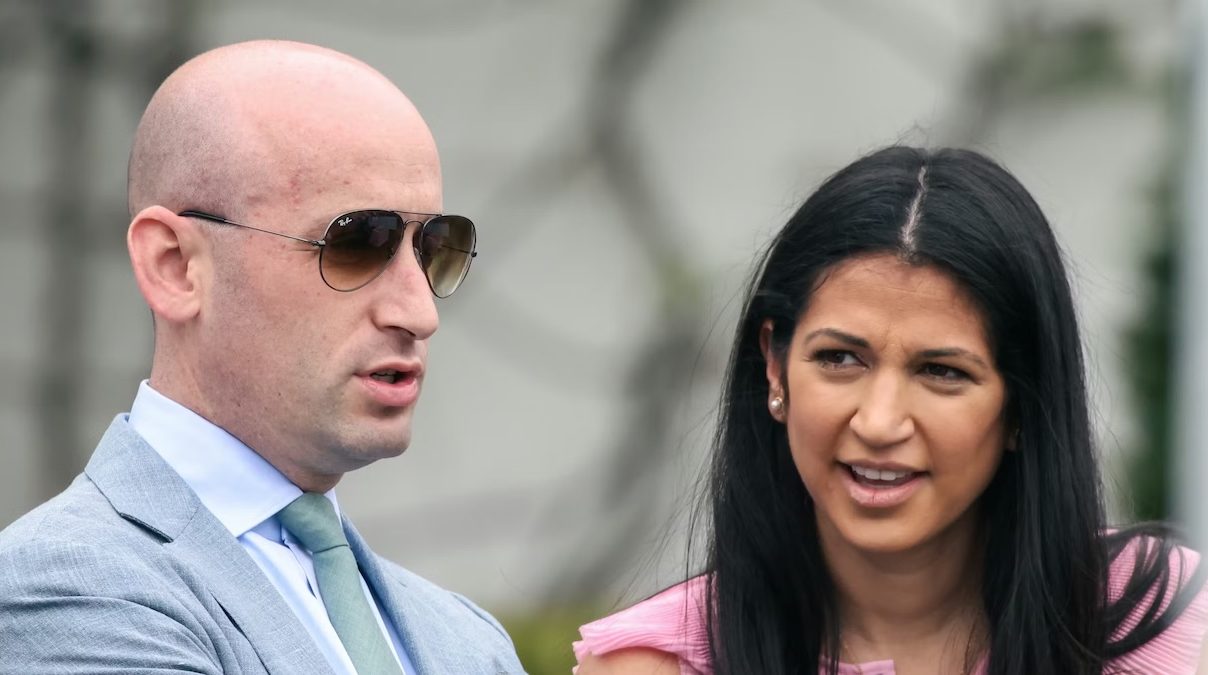
    Stephen Miller, the White House deputy chief of staff and one of President Trump’s most enduring advisers, has articulated a radical foreign policy doctrine centered on raw power dynamics during a recent CNN interview. Speaking with Jake Tapper, Miller asserted that the United States would embrace its superpower status under Trump’s leadership, explicitly framing international relations through the lens of strength and force rather than diplomatic conventions.

    The interview notably addressed the administration’s controversial aspirations regarding Greenland, with Miller dismissing “international niceties” in favor of realpolitik considerations. This worldview aligns with Miller’s decades-long advocacy for extreme policies, tracing back to his teenage years in California where he first expressed contentious views about immigration and multiculturalism.

    Miller’s influence has expanded significantly from his initial role as speechwriter to becoming a key policy interpreter and executor for Trump. He maintains daily coordination with the president and chief of staff Susie Wiles, while also serving as a critical liaison between the White House and Capitol Hill.

    His ideological development reveals consistent extremism: from criticizing Hispanic classmates’ language skills in high school, to attacking multiculturalism at Duke University, to developing the Trump administration’s most severe immigration policies including family separation—a practice condemned internationally as cruel. In Trump’s second term, Miller continues pushing radical initiatives including ending birthright citizenship and challenging constitutional norms regarding habeas corpus and judicial oversight.

    The Millers have become increasingly prominent, with wife Katie Miller generating controversy through social media posts about Greenland acquisition and hosting a podcast platforming administration officials. Their growing visibility presents both an asset for mobilizing Trump’s base and a liability for appealing to independent voters, with critics like California Governor Gavin Newsom comparing Miller to the villain Voldemort from Harry Potter.

    As the administration continues implementing its “America First” agenda, Miller’s philosophy of might-makes-right governance appears positioned to shape U.S. foreign and domestic policy fundamentally, despite concerns about its constitutional implications and electoral consequences.