作者: admin

  • Russia attacks Ukraine with drones and missiles, killing 4 in Kyiv

    Russia attacks Ukraine with drones and missiles, killing 4 in Kyiv

    Ukrainian cities faced a severe escalation in hostilities as Russian forces executed a coordinated multi-front assault overnight Thursday into Friday. The offensive, which combined drone and missile strikes, resulted in significant civilian casualties and infrastructure damage across multiple regions.

    According to official statements from Kyiv’s military administration, the attacks claimed four lives and left at least twenty-two individuals wounded. Among the fatalities was an emergency medical responder, highlighting the dangers faced by first responders during active combat operations. Ukraine’s security service confirmed that five rescue personnel sustained injuries while attempting to provide assistance at attack sites.

    The western city of Lviv experienced particularly concerning developments when an unidentified ballistic missile targeted critical infrastructure facilities. Mayor Andriy Sadoviy reported the strike, while Ukraine’s Western Air Force Command later disclosed the missile traveled at approximately 13,000 kilometers per hour. Military analysts are currently working to identify the specific rocket type used in this unprecedented attack.

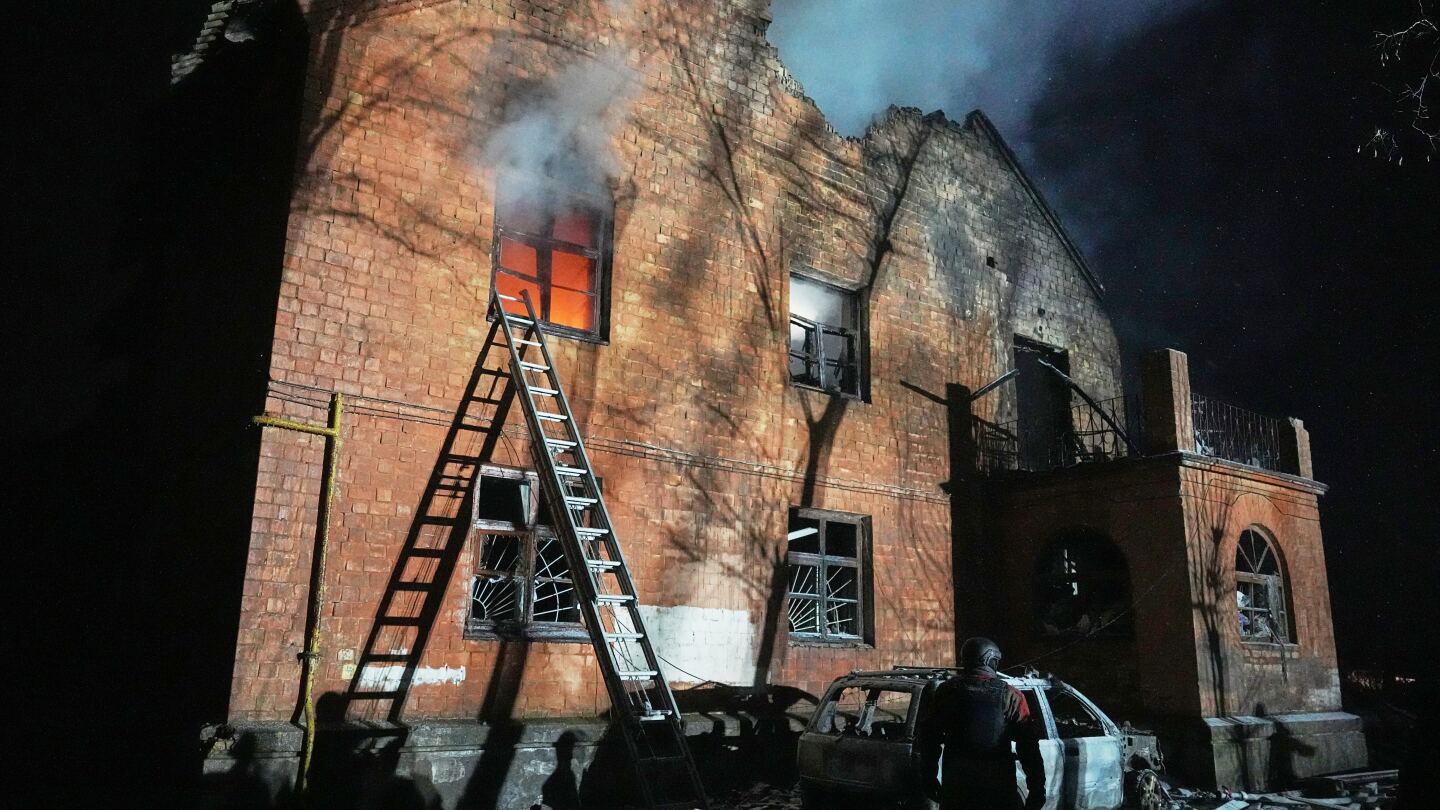
    In the capital, several districts suffered direct impacts from the assault. The Desnyanskyi district witnessed a drone collision with a multi-story residential building, while another location within the same district sustained damage to the lower floors of an apartment complex. Meanwhile, in Dnipro district, debris from downed drones ignited fires and caused structural damage to civilian housing.

    The aftermath of the bombardment created widespread disruption throughout Kyiv, with Mayor Vitali Klitschko reporting interruptions to both water and electricity services. These utility failures occurred during particularly harsh winter conditions, compounding the challenges for emergency response teams.

    This escalation comes shortly after Ukrainian President Volodymyr Zelenskyy warned the nation about Russia’s planned large-scale offensive operations. The president specifically noted Russia’s intention to exploit adverse weather conditions, including dangerously icy roads and frigid temperatures that complicate defense efforts.
  • Nationwide internet blackout reported in Iran as protests persist

    Nationwide internet blackout reported in Iran as protests persist

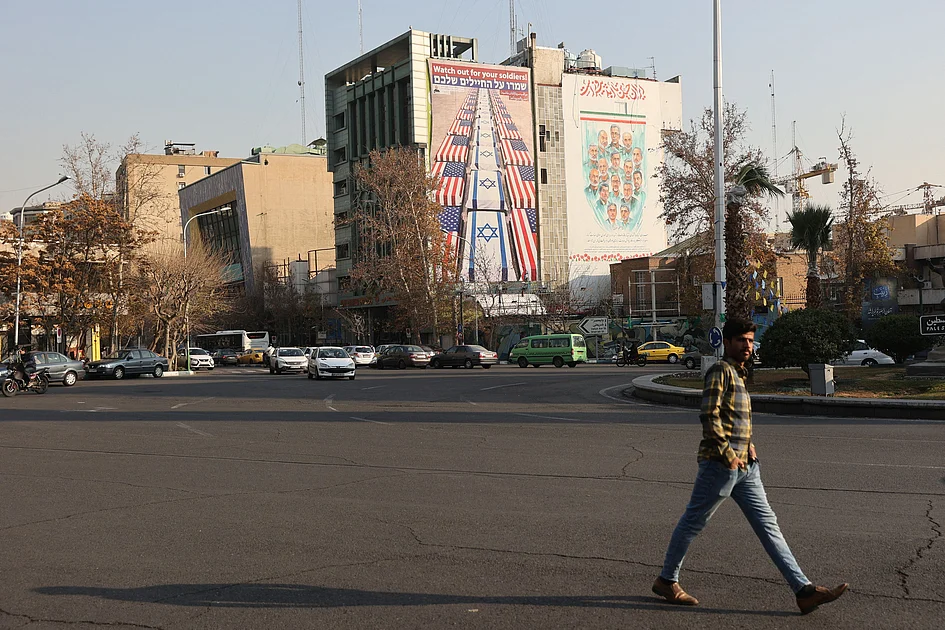
    Iran experienced a comprehensive internet shutdown on Thursday as widespread protests over economic hardships intensified across the nation. Internet monitoring organization NetBlocks confirmed the nationwide blackout, though specific details regarding the outage’s technical aspects remained unavailable.

    In Tehran, Mashhad, and Isfahan, witnesses reported continued demonstrations with protesters voicing opposition to the country’s clerical leadership. The unrest represents the most significant wave of dissent witnessed in Iran over the past three years, initially triggered by currency devaluation concerns among Tehran’s merchant community before expanding nationwide.

    The protests have emerged against a backdrop of severe economic challenges, including hyperinflation attributed to both domestic mismanagement and international sanctions. Social media posts, which Reuters could not independently verify, indicated some demonstrators expressed support for Reza Pahlavi, the exiled son of Iran’s former Shah, who had previously called for intensified protests through digital channels.

    Iranian state media presented a contrasting narrative, maintaining that cities throughout the country remained calm. Meanwhile, President Masoud Pezeshkian addressed the economic concerns by warning suppliers against hoarding and price manipulation, emphasizing the government’s commitment to ensuring adequate goods distribution.

    The situation develops under substantial international scrutiny, with former U.S. President Donald Trump threatening intervention should security forces employ violence against protesters. This occurs seven months following joint Israeli-American airstrikes targeting Iranian nuclear facilities, further complicating the geopolitical landscape.

  • UN report forecasts global economic output to grow 2.7 percent in 2026

    UN report forecasts global economic output to grow 2.7 percent in 2026

    The United Nations has projected a global economic expansion of 2.7 percent for 2026, according to its World Economic Situation and Prospects 2026 report released Thursday. This figure represents a marginal deceleration from the 2.8 percent growth estimated for 2025 and remains substantially below the pre-pandemic average of 3.2 percent, indicating a prolonged period of moderated economic performance worldwide.

    Regional economic trajectories reveal significant variations. The United States is anticipated to maintain relative stability with 2 percent growth in 2026, slightly improving from 1.9 percent in 2025, bolstered by monetary and fiscal easing measures. Conversely, the European Union faces a downturn to 1.3 percent growth in 2026 from 1.5 percent, constrained by elevated U.S. tariffs and persistent geopolitical uncertainties affecting export performance.

    East Asia demonstrates resilient yet slowing expansion at 4.4 percent for 2026, down from 4.9 percent, as the temporary stimulus from front-loaded exports diminishes. Japan’s economy is expected to grow modestly at 0.9 percent. South Asia maintains robust growth at 5.6 percent, primarily driven by India’s strong 6.6 percent expansion, though this represents a slight easing from regional performance in 2025.

    Notable improvements are forecast for Western Asia, with GDP growth accelerating to 4.1 percent from 3.4 percent. Africa projects a marginal uptick to 4 percent growth despite confronting substantial challenges including high debt burdens and climate-related disruptions. Latin America and the Caribbean anticipate moderate growth of 2.3 percent, slightly down from 2.4 percent, supported by steady consumer demand and gradual investment recovery.

    The Commonwealth of Independent States and Georgia demonstrate remarkable stability with 2.1 percent growth projected for 2026, maintaining pace despite ongoing macroeconomic pressures from the Ukraine crisis.

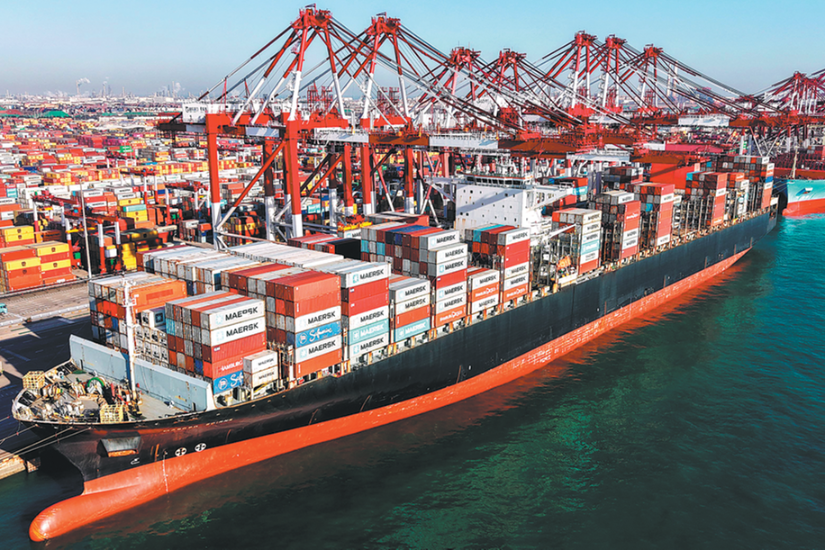
    Global trade exhibited unexpected resilience in 2025, expanding 3.8 percent despite policy uncertainties and rising protectionist measures, fueled by early-year shipment surges and vigorous services trade. However, this momentum is expected to moderate significantly to 2.2 percent growth in 2026, reflecting broader economic headwinds.

  • New Chelsea boss Rosenior faces FA Cup test

    New Chelsea boss Rosenior faces FA Cup test

    Three Premier League managers find themselves under intense scrutiny as the FA Cup third round provides a dramatic backdrop for critical career moments. Newly appointed Chelsea boss Liam Rosenior steps into his first match with the Blues facing a potential giant-killing scenario against second-tier Charlton Athletic. The 41-year-old manager, who surprisingly earned the Stamford Bridge position after impressive work with French club Strasbourg, knows that a loss against a Championship side sitting 19th in their table would constitute a disastrous start to his Chelsea reign.

    Meanwhile, Tottenham Hotspur’s Thomas Frank battles to save his job amid growing discontent from supporters. Hailed as an ideal appointment after his successful tenure at Brentford, the Danish tactician has struggled to implement his defensive-minded philosophy at a club accustomed to attacking football. With just three wins in their last thirteen matches, Frank faces mounting pressure ahead of Tottenham’s clash with Aston Villa.

    At Manchester United, caretaker manager Darren Fletcher attempts to strengthen his case for an extended tenure when the Red Devils face Brighton. Following the dismissal of Ruben Amorim on Monday, United plan to utilize an interim coach until season’s end while pursuing a permanent appointment. Fletcher’s opportunity comes despite a disappointing 2-2 draw against Burnley, though the performance showed promising attacking improvements. The former United midfielder must overcome Brighton’s strong historical record at Old Trafford to keep United’s silverware hopes alive.

  • Two wounded in shooting involving federal agents in Portland

    Two wounded in shooting involving federal agents in Portland

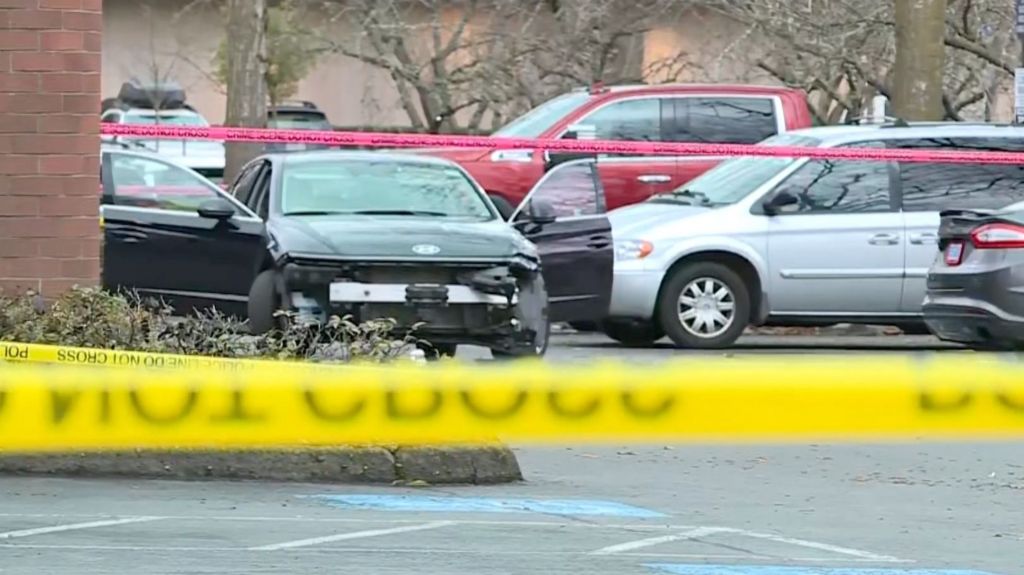
    A contentious shooting incident involving federal agents has intensified the political climate in Portland, Oregon, leaving two individuals wounded and sparking demands for the suspension of federal immigration operations. According to the Department of Homeland Security (DHS), the altercation occurred during a traffic stop targeting a Venezuelan national allegedly affiliated with the transnational Tren de Aragua criminal network. DHS claims the individual attempted to use his vehicle as a weapon against agents, prompting one officer to fire a defensive shot. The wounded driver and passenger fled the scene but were later discovered several blocks away by Portland Police, who administered emergency medical aid before transporting them to the hospital. Their current conditions remain undisclosed. Media sources indicate the victims are a married couple. This event follows closely on the heels of a fatal shooting by federal agents in Minneapolis, which has ignited nationwide protests against aggressive federal law enforcement tactics. In response, Portland Mayor Keith Wilson, a Democrat, has publicly called for Immigration and Customs Enforcement (ICE) to cease all operations within the city pending a full investigation. He accused the federal administration of attempting to ‘divide us and pit communities against each other.’ The FBI has assumed control of the investigation, a move that has raised concerns about transparency and impartiality among local leaders. Democratic State Senator Lew Frederick emphasized that without local oversight, the community is unlikely to trust the investigation’s outcomes. The incident underscores the escalating tensions between local governments and federal agencies, reflecting broader national debates over immigration enforcement and police accountability.

  • Syrian government announces ceasefire in Aleppo after deadly clashes

    Syrian government announces ceasefire in Aleppo after deadly clashes

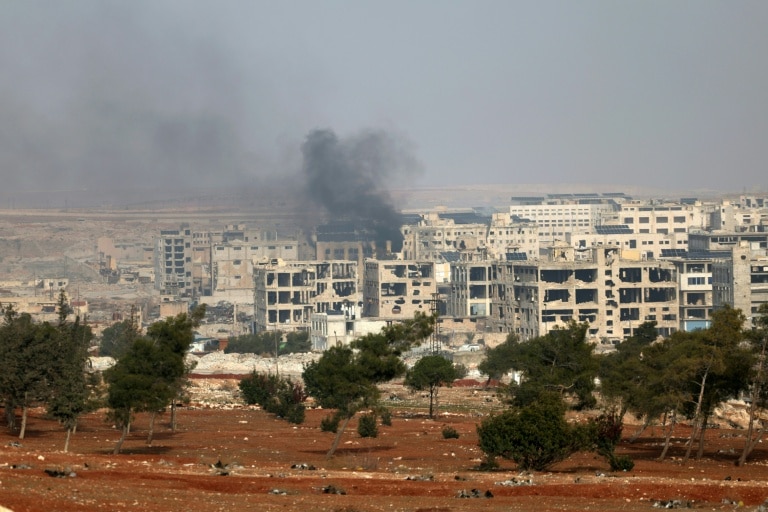
    The Syrian Defence Ministry has enacted a conditional ceasefire in the northern city of Aleppo, effective from 3:00 am local time Friday. This decision follows four days of intense combat between Syrian government troops and US-backed Kurdish-led forces that resulted in a minimum of 21 fatalities and triggered a mass civilian exodus.

    The clashes, described as the most severe since Islamist authorities assumed power over a year ago, centered on the predominantly Kurdish districts of Sheikh Maqsud, Ashrafiyeh, and Bani Zeid. Syrian state media reported approximately 16,000 residents fled through designated humanitarian corridors as artillery and sniper fire engulfed these neighborhoods. “We’ve endured terrifying circumstances… my children were paralyzed with fear,” recounted Rana Issa, a 43-year-old evacuee from Ashrafiyeh.

    This violence erupts amid stalled negotiations regarding a March integration agreement intended to merge the Kurdish-administered Syrian Democratic Forces (SDF) and their autonomous institutions into Syria’s central government. Kurdish demands for decentralized governance have significantly impeded implementation. The SDF, which controls substantial oil-producing territories in northeast Syria and spearheaded the campaign against Islamic State, accused Damascus of undermining potential diplomatic resolutions.

    Analysts warn that Aleppo represents a critical vulnerability for Kurdish forces. Aron Lund of Century International think tank cautioned that further escalation could ignite a extensive Damascus-SDF conflict across northern Syria, potentially drawing in regional powers like Turkey and Israel with catastrophic implications for national stability.

    The ceasefire mandates Kurdish fighters withdraw from specified zones by 9:00 am Friday, permitting displaced civilians to “return and resume normal lives under secure conditions.” However, the SDF has not immediately responded to the government’s declaration. Concurrently, hundreds protested in Kurdish-held Qamishli and Diyarbakir, Turkey, bearing signs reading “No to war” and appealing for international intervention to prevent ethnic cleansing.

  • Americans outraged after ICE agent kills Renee Nicole Good in Minneapolis

    Americans outraged after ICE agent kills Renee Nicole Good in Minneapolis

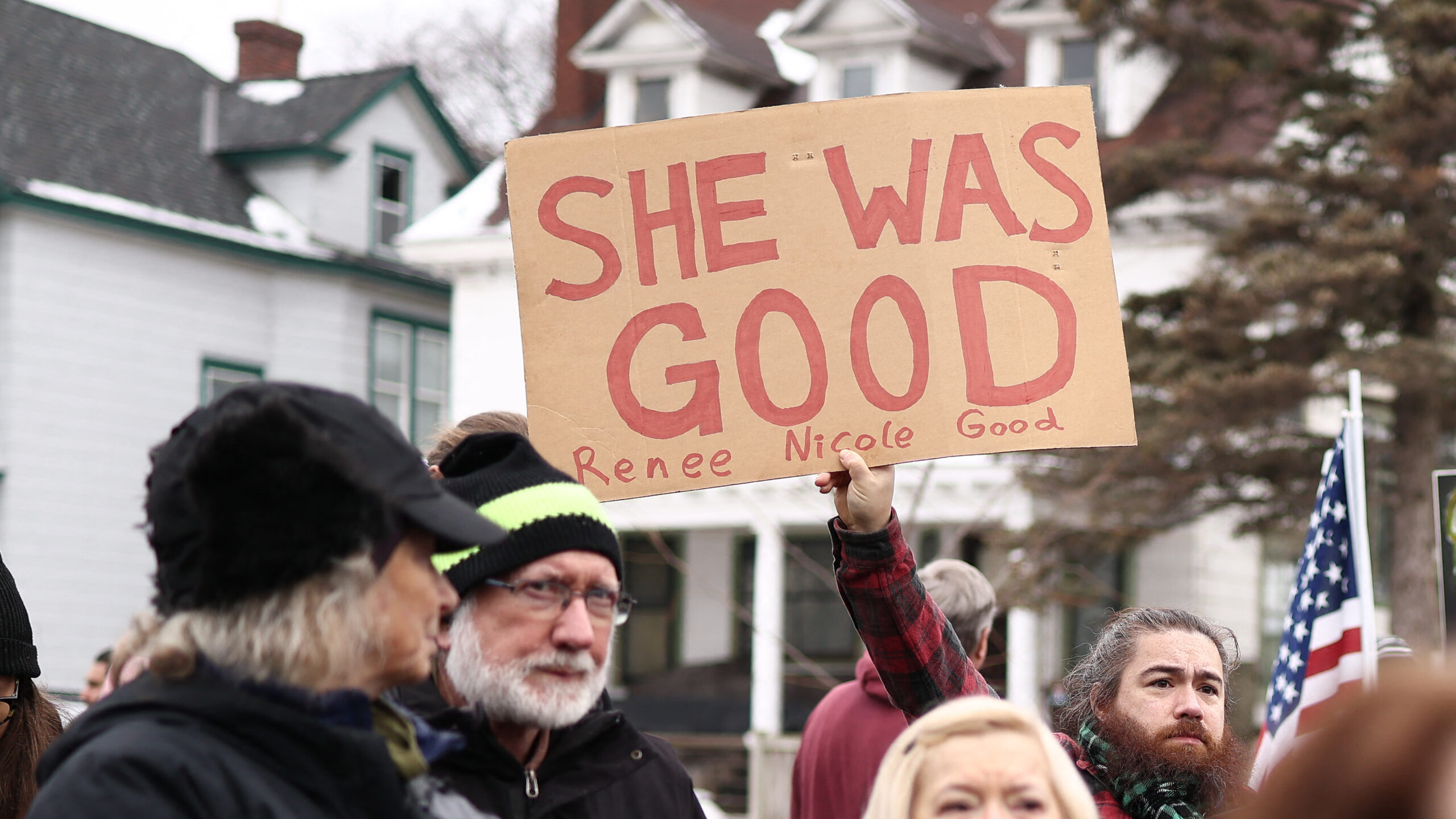
    A fatal encounter between U.S. Immigration and Customs Enforcement (ICE) agents and 37-year-old mother Renee Nicole Good has ignited nationwide condemnation, raising profound questions about law enforcement accountability and the use of lethal force. The incident occurred during a federal operation in Minneapolis, Minnesota, where Good, a U.S. citizen and mother of three, was shot at close range through her vehicle’s side window.

    Multiple bystander videos circulating on social media platforms depict a sequence where an officer approaches Good’s stationary vehicle, demands she open the door, and attempts to access the handle. As the car begins moving forward, a second ICE agent positioned near the front rapidly moves aside, draws his firearm, and discharges multiple shots through the side window at proximate range.

    The Trump administration’s assertion that the agent faced an imminent threat stands in stark contrast to eyewitness testimonies and visual evidence. Social media users and public commentators have highlighted the discrepancy between official narratives and the documented events, with many noting the agent fired into the side window rather than facing an oncoming vehicle threat.

    The aftermath footage further intensified public anger, showing agents allegedly celebrating the shooting and reportedly preventing medical personnel from providing immediate assistance to the wounded woman. Journalist Briahna Joy Gray described the scene as agents ‘congratulating one another with her blood still drying on the airbag.’

    The rapid characterization of Good as a ‘domestic terrorist’ by government officials and right-wing commentators drew additional criticism, with many accusing authorities of attempting to discredit the victim rather than address the shooting’s circumstances. The incident has prompted widespread comparisons to authoritarian tactics, including references to George Orwell’s ‘1984’ regarding the dismissal of visual evidence.

    Political responses have been forceful, with Minnesota Representative Ilhan Omar calling for comprehensive investigation and legal action against ICE, while Congresswoman Rashida Tlaib renewed calls to abolish the agency entirely. Minneapolis Mayor Jacob Frey delivered an expletive-laden directive for ICE to leave his city.

    The tragedy has sparked broader conversations about state violence, with some commentators drawing parallels to international human rights concerns while others emphasized the distinctly American nature of the incident. The case has emerged as a polarizing moment in national discourse surrounding law enforcement practices and government accountability.

  • UAE: Heartbroken father recalls final hours with 4 sons killed in Abu Dhabi road crash

    UAE: Heartbroken father recalls final hours with 4 sons killed in Abu Dhabi road crash

    A grieving father in the United Arab Emirates has publicly shared his harrowing account of the final hours spent with his four sons before they perished in a devastating road accident on January 3rd. The emotional revelation came during a condolence gathering at Al Warqa Grand Mosque on Thursday, where hundreds of community members assembled to offer prayers and support to the bereaved family.

    The Dubai-based family, originally from Kerala, India, had initially planned a camping excursion to Hatta. The children had enthusiastically participated in planning the itinerary, looking forward to their outdoor adventure. After setting up camp in Hatta on January 2nd, the boys expressed their desire to visit the Liwa festival instead, seeking to maximize their weekend enjoyment. The father, demonstrating typical parental devotion, agreed to this spontaneous change of plans without hesitation.

    Tragedy struck during the return journey from Liwa when their vehicle was involved in a severe collision. The accident instantly claimed the lives of three boys and their housemaid, while the fourth son later succumbed to injuries at a medical facility. Both parents and their daughter sustained significant injuries in the crash.

    The father, still recovering from his own physical injuries and confined to a wheelchair following surgery, spoke softly with visitors during the condolence gathering. He faces an extended recovery period of at least three weeks, while the children’s mother awaits scheduled surgery in the coming days. Family members indicate she requires both medical treatment and emotional preparation for the challenging journey ahead.

    The community response has been overwhelming, with friends, neighbors, and relatives maintaining a constant presence at the family’s home since the tragedy. The Thursday morning gathering at the mosque saw more than a hundred mourners offering silent prayers and words of comfort, creating a powerful demonstration of collective support during this unimaginable loss.

  • An Argentine court offers hope for Venezuelans seeking justice for abuses under Maduro

    An Argentine court offers hope for Venezuelans seeking justice for abuses under Maduro

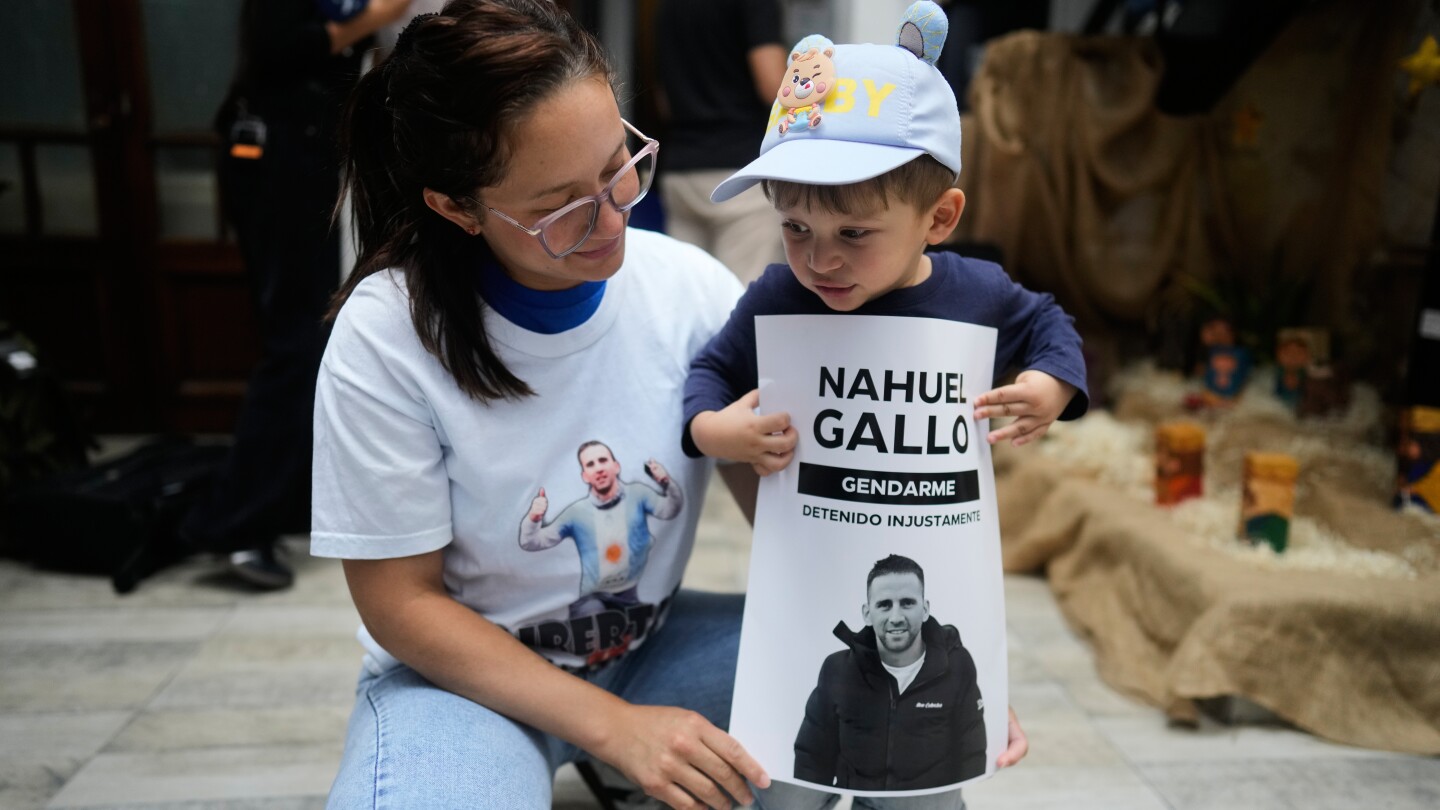
    In a landmark judicial decision, Argentina’s federal court has mandated the continuation of investigations into alleged crimes against humanity committed by Venezuela’s National Guard officers. This ruling, issued Thursday, rejects an appeal from a former Venezuelan officer challenging Argentina’s jurisdictional authority and instead invokes the principle of universal jurisdiction—a legal doctrine enabling nations to prosecute severe human rights violations regardless of where they occurred.

    The case, initiated in 2023, centers on accusations against 14 officers involved in the violent suppression of anti-government protests in 2014, during which security forces under President Nicolás Maduro allegedly engaged in torture, extrajudicial killings, and systematic repression. The court’s refusal to dismiss the case emphasizes the ‘extreme gravity’ of these allegations, compelling Argentina’s judiciary to pursue accountability.

    This development occurs amid complex geopolitical shifts. While the recent U.S. military intervention led to Maduro’s capture and the surprise appointment of Delcy Rodríguez as acting president, many Venezuelan rights advocates express skepticism about Washington’s commitment to human justice. Instead, they view Argentina’s legal perseverance as a more reliable pathway to accountability, especially given Venezuela’s entrenched impunity and the slow mechanisms of the International Criminal Court.

    Argentina’s role in such investigations is historically significant. Having successfully prosecuted its own military junta for atrocities committed during the 1976–1983 dictatorship, the country has emerged as a global hub for transnational justice. It has previously addressed cases ranging from Franco-era crimes in Spain to the persecution of Rohingya Muslims in Myanmar.

    Despite ideological alignments between Argentine President Javier Milei and the U.S. administration—both of whom celebrated Maduro’s capture—the Argentine judiciary remains independent. Its continued pursuit of this case signals a commitment to legal principles over political expediency. For Venezuelan victims and activists, this offers a beacon of hope amid fears that geopolitical interests, particularly concerning Venezuela’s oil reserves, may overshadow demands for justice and democratic restoration.

  • ‘Hectic’ bushfires threaten rural towns in Australian heatwave

    ‘Hectic’ bushfires threaten rural towns in Australian heatwave

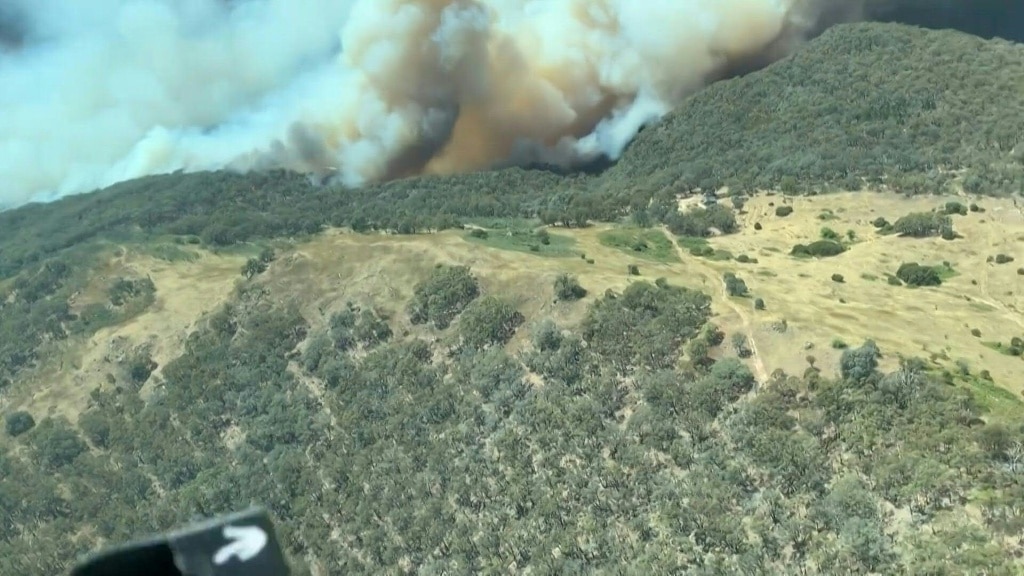
    Australia’s southeastern regions are facing a severe bushfire crisis as extreme heatwave conditions create what officials describe as the most dangerous fire weather since the devastating 2019-2020 Black Summer blazes. Fire authorities have issued catastrophic danger warnings—the highest possible rating—for multiple areas across Victoria state, where approximately 30 separate fires are actively burning.

    Emergency Management Commissioner Tim Wiebusch delivered urgent evacuation directives to residents in dozens of rural communities, stating unequivocally that failure to leave immediately could result in loss of life. The situation has been exacerbated by powerful wind gusts exceeding 100 kilometers per hour, which have temporarily grounded critical firefighting aircraft operations.

    One particularly destructive blaze near the town of Longwood, approximately 150 kilometers north of Melbourne, has already consumed an estimated 28,000 hectares of land. Local fire captain George Noye reported complete devastation of properties, including the destruction of livelihoods, agricultural infrastructure, and livestock, though thankfully no fatalities have been confirmed thus far.

    The extreme conditions have generated pyrocumulonimbus clouds—fire-induced thunderstorms—near the small community of Walwa, demonstrating the unprecedented intensity of these blazes. Victoria Premier Jacinta Allan emphasized the historic danger posed by the current situation, urging residents to prioritize evacuation over property protection.

    This crisis occurs against the backdrop of Australia’s documented 1.51°C temperature increase since 1910, which climate researchers link to increasingly frequent extreme weather events. The current heatwave affects millions across Victoria and New South Wales, including major urban centers like Sydney and Melbourne, with temperatures forecast to exceed 40°C.

    The devastating Black Summer fires of 2019-2020 serve as a grim reference point, during which millions of hectares burned, thousands of homes were destroyed, and cities were blanketed in hazardous smoke. Australia continues to be one of the world’s leading producers and exporters of coal and gas, fossil fuels identified as major contributors to global climate change.