作者: admin

  • ‘Great ship’ of shared future sails onward

    ‘Great ship’ of shared future sails onward

    Drawing inspiration from its ancient maritime heritage, China continues to champion a diplomatic philosophy rooted in peaceful coexistence and mutual development. The legendary 15th-century voyages of Ming Dynasty navigator Zheng He, who commanded the world’s most powerful fleet across the Indian Ocean to more than 30 regions without territorial conquest, established a historical precedent for China’s contemporary global engagement.

    President Xi Jinping has frequently invoked Zheng He’s expeditions as emblematic of China’s commitment to harmonious international relations. In a 2014 address, Xi emphasized that these historical missions ‘sowed the seeds of peace and friendship,’ countering narratives that equate national strength with expansionist ambitions. ‘The Chinese people don’t have the gene for invasion and hegemony in their blood,’ Xi stated, referencing an ancient Chinese maxim that ‘a warlike state would eventually perish however big it might be.’

    This historical continuity finds modern expression in the Belt and Road Initiative (BRI), which scholars identify as the contemporary manifestation of China’s enduring approach to international relations. Wang Youming of the China Institute of International Studies notes that from the ancient Silk Road to Zheng He’s treasure ships, China has consistently emphasized ‘peaceful interaction and mutual benefit, rather than expansion through force.’

    At the third Belt and Road Forum in 2023, President Xi articulated this vision as building ‘an open, inclusive and interconnected world for common development.’ The initiative, now encompassing over 150 countries and 30 international organizations, represents what experts describe as a shift from exchange to shared responsibility in addressing global challenges.

    The metaphor of maritime cooperation has evolved in China’s diplomatic discourse. While Zheng He’s treasure ships carried friendship across oceans, Xi now describes all nations as aboard ‘a giant ship on which their shared destiny hinges’ rather than ‘riding separately in some 190 small boats.’ This conceptual framework underscores the necessity of collective action in facing contemporary global challenges.

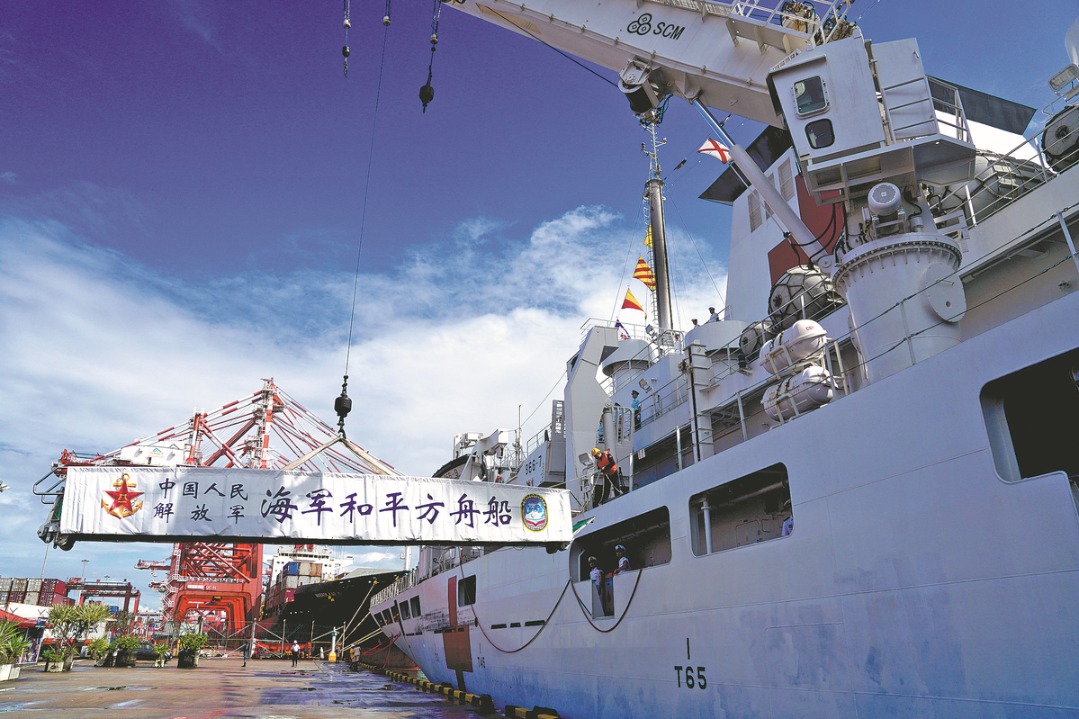
    China’s commitment to peaceful development is constitutionally enshrined and demonstrated through initiatives like the Peace Ark hospital ship, which has provided medical services to 49 countries and treated over 370,000 people since 2010. The vessel’s Mission Harmony voyages, including the dramatic rescue of a Bangladeshi newborn named ‘Chin’ (meaning China in Bengali) in 2010, exemplify what scholars term China’s ‘people-centered approach’ to international cooperation.

    As traditional and non-traditional security challenges intersect, China’s proposed frameworks—the BRI alongside the Global Development, Security, Civilization, and Governance Initiatives—offer practical mechanisms for translating the vision of a shared human future into concrete action, continuing a maritime tradition that began centuries ago.


  • Jayden Brian: Methodist Ladies’ College swim coach charged with sexually abusing child

    Jayden Brian: Methodist Ladies’ College swim coach charged with sexually abusing child

    A prominent Melbourne educational institution faces disturbing allegations as former Methodist Ladies’ College swim coach Jayden Brian, 32, stands accused of multiple child sexual offenses involving a 13-year-old girl he allegedly contacted through social media platforms. The case, currently unfolding in Melbourne Magistrates Court, reveals a pattern of predatory behavior that ultimately led to Brian’s dramatic arrest while coaching students in the school’s pool last October.

    Court documents indicate Brian initially connected with the minor through a social media application that displayed her age before transitioning their communication to Snapchat in September. Prosecutors allege Brian rapidly sexualized the conversations, repeatedly soliciting and receiving intimate images from the child. The interactions culminated in arrangements for an in-person meeting where Brian allegedly agreed to provide alcohol and cigarettes in exchange for sexual contact.

    According to police evidence, the encounter occurred earlier than planned on September 25 when Brian arrived in his partner’s vehicle. Investigators claim he engaged in inappropriate physical contact with the child before departing and subsequently sent her a $50 digital gift card. The victim reported the incident to authorities two days later, triggering an investigation that included undercover operations.

    Police deployed a covert operative posing as a 15-year-old, with Brian allegedly responding with sexually explicit messages and requests to meet. His arrest occurred on October 3 after he sent a photograph of himself wearing Methodist Ladies’ College apparel to the undercover officer. Senior Constable Matt Henning testified that forensic examination of Brian’s devices revealed extensive evidence, including approximately 50 child abuse material files and hundreds of potentially inappropriate images of schoolgirls.

    Additional concerning details emerged during bail proceedings, with police alleging evidence of Brian communicating with young girls dating back to 2018. Authorities have identified a second complainant, now an adult, who claims Brian paid her for explicit images while she was seventeen years old. The prosecution strongly opposes bail, citing Brian’s demonstrated propensity for targeting vulnerable minors through social media and the substantial risk he poses to the community.

    Despite defense arguments emphasizing Brian’s family support and caregiving responsibilities for his fiancée, the court has adjourned the bail decision until next Friday. Methodist Ladies’ College has confirmed Brian’s termination and maintains there have been no complaints regarding his conduct with students during his nine-year employment. The case continues to develop as investigators examine the full scope of allegations against the former coach.

  • Ten photos from across China: Jan 2 – 8

    Ten photos from across China: Jan 2 – 8

    China Daily Information Co (CDIC) has reinforced its copyright protection measures for all digital content published across its platforms. The comprehensive notice explicitly states that all materials—including textual articles, photographic images, and multimedia information—remain the exclusive intellectual property of CDIC since 1994.

    The publication mandates that any republication or utilization of its protected content requires prior written authorization from the company. This policy applies to all forms of content usage, emphasizing the organization’s commitment to safeguarding its journalistic assets against unauthorized distribution.

    Technical recommendations accompany the copyright notice, suggesting that visitors utilize displays with 1024*768 resolution or higher for optimal viewing experience. The publication also provides reference numbers for its multimedia publishing license (0108263) and registration details (130349) in compliance with regulatory requirements.

    Additionally, the platform offers navigation options for prospective advertisers, employment seekers, and general inquiries through dedicated sections for site advertising, contact information, and employment opportunities for both domestic and expatriate professionals. The notice concludes with social media integration prompts, encouraging readers to follow their digital channels for ongoing updates.

  • ASX flat as Rio Tinto-Glencore merger talks, falling banks weigh on market

    ASX flat as Rio Tinto-Glencore merger talks, falling banks weigh on market

    The Australian equity market concluded Friday’s session with minimal movement, showcasing a tense equilibrium between surging energy stocks and downward pressure from financial and mining sectors. The benchmark S&P/ASX 200 index experienced a marginal decline of 3 points, settling at 8,717.80, while the broader All Ordinaries index also remained virtually unchanged, dipping a mere 0.60 points to 9,045.90. The Australian dollar witnessed a slight depreciation, closing at 66.94 US cents.

    Market dynamics revealed a sectoral split, with five sectors advancing and six retreating. The energy sector emerged as the standout performer, propelled by a consecutive two-day rally in Brent crude futures, which climbed back above $92 per barrel. This bullish sentiment fueled significant gains for industry leaders: Woodside Energy ascended 2.79%, Santos surged 3.54%, and Ampol advanced 1.03%. Capital.com’s senior analyst, Kyle Rodda, attributed this momentum to markets recalibrating supply and demand equations following Venezuela’s reintegration into global energy markets.

    Conversely, the market faced substantial headwinds from two primary sources. Mining behemoth Rio Tinto plummeted 6.27% following its confirmation of preliminary merger discussions with London-based Glencore. In official ASX statements, both corporations acknowledged exploratory talks regarding a ‘possible combination,’ with Rio Tinto indicating any transaction would likely constitute its acquisition of Glencore through a court-sanctioned scheme. This development created a ripple effect across mining equities, though rival BHP managed a 0.80% gain while Fortescue Metals experienced a slight decline.

    The financial sector exerted additional downward pressure, with all four major banks closing in negative territory. ANZ led the losses with a 0.64% drop, followed by Westpac (0.29%), NAB (0.19%), and Commonwealth Bank (0.08%). Investment bank Macquarie Group further weighed on the sector, retreating 1.25%.

    Several individual companies delivered exceptional performances. Technology firm Codan skyrocketed 16.88% after announcing unaudited first-half profits surged 52% to $70 million. Biotechnology company Mesoblast rallied 4.07% on robust revenue growth, while defense contractors Droneshield and Austal advanced 4.41% and 3.33% respectively, bolstered by expanded U.S. military spending initiatives.

  • US protests erupt nationwide over strike on Venezuela

    US protests erupt nationwide over strike on Venezuela

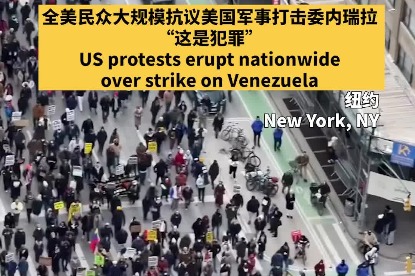
    Across the United States, thousands of citizens mobilized in coordinated demonstrations over the weekend to voice vehement opposition to American military operations in Venezuela. The protests, characterized by passionate outcries against foreign intervention, saw participants brandishing signs declaring “Bombing Venezuela is a crime” while chanting slogans demanding “US hands off foreign soil.

    The widespread civic action represents a significant domestic response to recent developments in US-Venezuela relations. Protest organizers coordinated events in multiple urban centers, drawing diverse crowds concerned about the ethical implications and potential consequences of military engagement in South America.

    This grassroots movement emerges amid escalating tensions between the two nations, with demonstrators expressing apprehension about the humanitarian impact and geopolitical ramifications of the strikes. The scale and coordination of these protests indicate substantial public dissent regarding current foreign policy approaches, highlighting deepening divisions within American society over appropriate international engagement strategies.

    The demonstrations reflect growing public scrutiny of military decision-making processes and underscore the complex relationship between government actions and citizen accountability in matters of international conflict.

  • Jersey returns £7m of ‘tainted’ funds to Nigeria

    Jersey returns £7m of ‘tainted’ funds to Nigeria

    In a significant move against international financial corruption, the Government of Jersey has formally agreed to repatriate $9.5 million (£7 million) in illicit funds to Nigeria. The restitution follows a landmark ruling by Jersey’s Royal Court, which determined the assets were “more likely than not” derived from a corrupt scheme involving Nigerian officials.

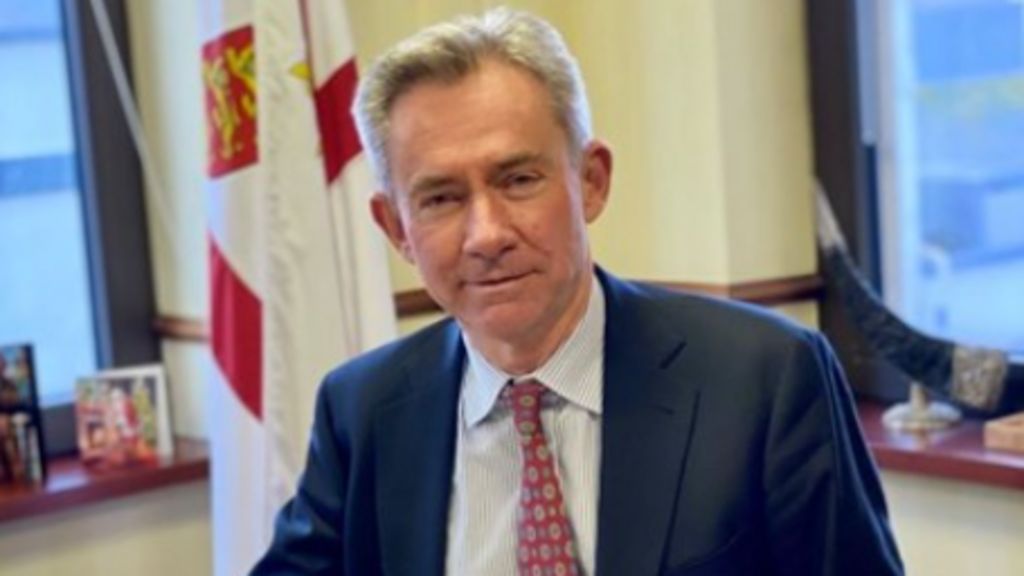
    The funds, held in a Jersey-based financial institution, were identified as proceeds from a corruption network where third-party contractors systematically diverted government money for the benefit of senior Nigerian officials and their associates. His Majesty’s Attorney General for Jersey, Mark Temple KC, finalized the restitution process through a Memorandum of Understanding (MOU) signed with Nigerian authorities in December.

    This agreement represents the third major asset repatriation arrangement between Jersey and Nigeria, following previous agreements that facilitated the return of over $300 million in stolen assets. The latest recovery underscores Jersey’s robust anti-corruption framework and its commitment to international judicial cooperation.

    Nigerian Attorney-General and Minister of Justice Lateef Fagbemi confirmed the returned assets would be allocated according to the MOU’s provisions, specifically supporting the completion of a critical highway infrastructure project connecting Nigeria’s capital with its second-largest city. Fagbemi emphasized that the successful recovery demonstrates Nigeria’s effective collaboration with international partners in combating illicit wealth transfer to foreign jurisdictions.

    Attorney General Temple highlighted the case as evidence of Jersey’s powerful civil forfeiture legislation, which serves as an essential tool in the global fight against corruption. The restitution sets another precedent for international cooperation in tracking and returning illicit assets to their rightful owners.

  • Beijing moves to cut losses in Venezuela after Maduro’s capture

    Beijing moves to cut losses in Venezuela after Maduro’s capture

    In the wake of the United States’ military operation that resulted in the capture of Venezuelan leader Nicolás Maduro on January 3, China has initiated a comprehensive reassessment of its overseas investment strategy. The Chinese government has been conducting urgent evaluations of potential economic losses and strategic implications stemming from the political upheaval in the Latin American nation.

    Multiple sources within China’s policy circles indicate that Beijing has concluded its initial assessment, with officials and commentators publicly expressing concerns about overexposure in Venezuela. The consensus reveals a recognition that China placed excessive confidence in international law protections and underestimated the Trump administration’s determination to assert dominance in the Western Hemisphere.

    Financial exposure remains a immediate concern, with Venezuela owing China between $10-20 billion, primarily repaid through crude oil shipments. Short-term strategy focuses on maintaining oil flows, while medium to long-term approaches may involve asset sales to Western firms or establishing partnerships to mitigate losses. This recalibration comes as President Trump announced Venezuela’s interim authorities would transfer 30-50 million barrels of oil worth approximately $2.75 billion to the United States.

    Einar Tangen, senior fellow at the Center for International Governance Innovation, notes that China’s total investments in Venezuela exceed $60 billion across various sectors including energy and infrastructure. Despite the political crisis, Tangen observes that Maduro’s government structure remains nominally intact, with the primary current challenge being the naval blockade preventing shipments.

    The Ministry of Commerce reaffirmed China’s commitment to economic cooperation with Venezuela, emphasizing that bilateral agreements operate under international law and should not be subject to third-party interference. Officials condemned US actions as violations of international law and Venezuelan sovereignty while emphasizing that China’s Latin American engagements follow principles of mutual benefit rather than sphere-of-influence building.

    Analysts suggest that while China may experience tactical setbacks in its Belt and Road Initiative, the strategic outcome could ultimately benefit Beijing by validating its warnings about US unilateralism. The incident has sparked serious discussions within Chinese policy circles about enhancing legal protections, diplomatic responses, and even military capabilities to safeguard overseas investments in an increasingly volatile global landscape.

  • Colombia sees ‘real threat’ of US military action, president tells BBC

    Colombia sees ‘real threat’ of US military action, president tells BBC

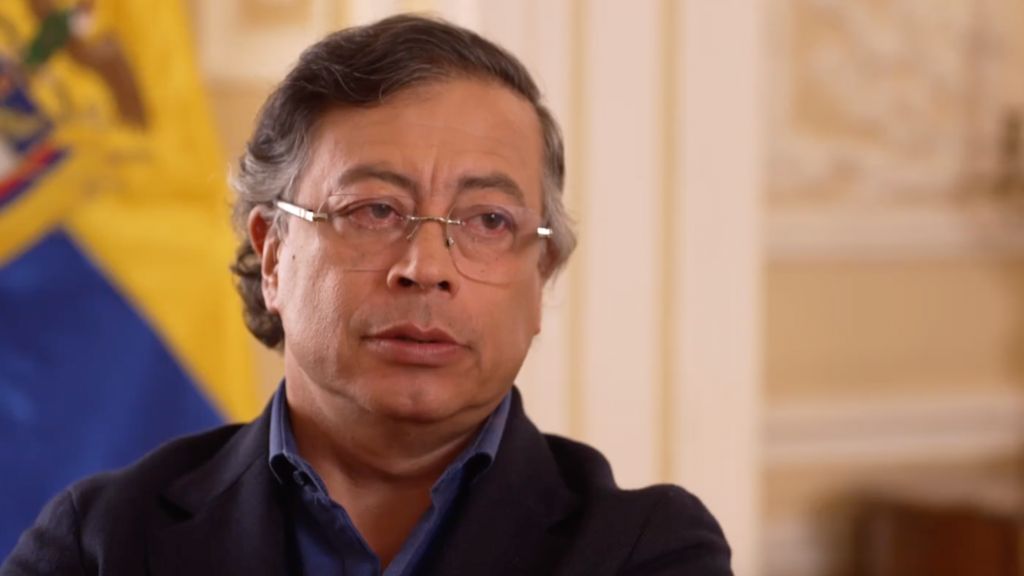
    Colombian President Gustavo Petro has issued a stark warning to the BBC, stating he perceives a ‘real threat’ of potential US military intervention against his nation. This alarming assessment follows former President Donald Trump’s recent threats of military action against Colombia and his characterization of Petro as a ‘sick man’ involved in cocaine trafficking—an accusation Petro vehemently denies.

    The escalating diplomatic crisis reveals profoundly divergent worldviews. Petro accuses the United States of operating as an ’empire’ that treats other nations as subordinates rather than sovereign equals. He delivered particularly sharp criticism of US Immigration and Customs Enforcement (ICE), comparing their operations to ‘Nazi brigades’ and citing recent agent-involved shootings of US citizens as evidence of recklessness.

    Trump’s administration has significantly expanded ICE operations, reporting the deportation of approximately 605,000 individuals between January 20 and December 10, 2025, alongside 1.9 million ‘voluntary self-deportations’ through an aggressive public awareness campaign.

    The relationship between the two leaders has been marked by public confrontations, including Trump’s instruction for Petro to ‘watch his ass’ and Petro’s condemnation of US military actions in Venezuela as motivated by ‘oil and coal’ interests. Despite a recent phone conversation that Trump described as a ‘Great Honour’ on his Truth Social platform, Petro indicates relations remain tense, with the call lasting nearly an hour and covering drug trafficking and regional politics.

    Petro emphasized Colombia’s preference for diplomatic resolution but noted the country’s historical resilience against larger military forces, referencing Colombia’s challenging terrain and popular mobilization capabilities. He also revealed communications with Venezuela’s acting president Delcy Rodríguez and expressed concerns about intelligence agency operations in the region.

    As the world’s largest cocaine producer with significant natural resources including oil, gold, and emeralds, Colombia finds itself at the center of US drug policy enforcement. Petro defends his ‘total peace’ strategy of negotiating with armed groups while maintaining military options, citing reduced homicide rates and slowing coca cultivation growth in southern Colombia as evidence of progress.

  • Rybakina has little hope of change to tennis schedule

    Rybakina has little hope of change to tennis schedule

    In a stark assessment of professional tennis governance, reigning Wimbledon champion Elena Rybakina has aligned with fellow Grand Slam winner Aryna Sabalenka’s characterization of the WTA Tour schedule as “insane,” while expressing profound skepticism about potential reforms. The world No. 5 made these remarks following her unexpected straight-sets defeat to Karolina Muchova at the Brisbane International tournament.

    The core controversy revolves around the WTA’s mandatory tournament requirements, which compel top-ranked players to participate in all four Grand Slams, ten WTA 1000 events, and six WTA 500 tournaments annually. These regulations carry financial penalties for non-compliance unless athletes can provide medically validated excuses.

    Sabalenka, the four-time Grand Slam titlist, previously declared her willingness to accept financial sanctions rather than jeopardize her physical wellbeing through excessive competition. Rybakina—who defeated Sabalenka to claim the 2023 WTA Finals championship—echoed these concerns, advocating for enhanced scheduling autonomy.

    “What we fundamentally need is greater freedom in selecting our competitive calendar,” stated the Moscow-born Kazakhstani professional. “The current framework essentially compels participation in most events, which is far from ideal. Given the immense physical toll, nobody should be mandated to compete at such frequency.”

    Rybakina emphasized the practical impossibility of maintaining peak performance levels year-round while preserving athletic health under these demands. Despite ongoing player advocacy, she anticipates minimal substantive change from tour organizers.

    The WTA previously informed AFP that athlete welfare constitutes a “top priority,” though players clearly seek concrete policy adjustments rather than organizational assurances.

  • New Zealand’s rare flightless parrot begins breeding again

    New Zealand’s rare flightless parrot begins breeding again

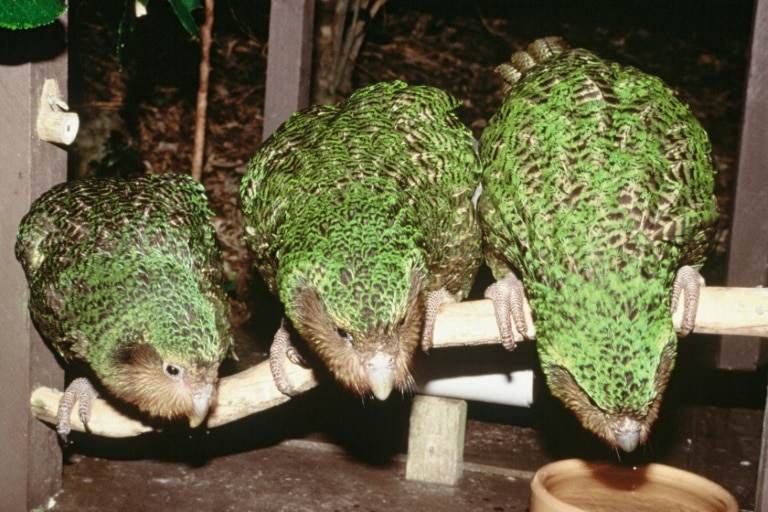
    In a significant development for conservation efforts, New Zealand’s critically endangered kakapo parrot has commenced its breeding cycle for the first time since 2022, igniting optimism among wildlife experts for a potentially record-breaking season. The flightless, nocturnally active parrot—known for its distinctive green plumage and robust physique—initiated mating activities last week across three carefully managed island sanctuaries.

    The current wild population stands at precisely 236 individuals, with 83 females of reproductive age participating in this season’s breeding activities. Conservation authorities from New Zealand’s Department of Conservation express particular enthusiasm for this cycle, noting the four-year interval since the last breeding event aligns with the species’ natural reproductive patterns.

    Deidre Vercoe, Kakapo Recovery Operations Manager, emphasized the significance of this development: ‘The anticipation surrounding this breeding season has been substantial given the extended gap since previous activities. We’re projecting potentially unprecedented chick production numbers this year, possibly marking the most successful season since program initiation three decades ago.’

    The Kakapo Recovery Programme—established collaboratively in 1995 between the Department of Conservation and Ngai Tahu, the indigenous Māori tribe—commenced with merely 51 birds facing imminent extinction risk. While population numbers peaked at 252 in 2022, subsequent years witnessed a decline of 16 individuals due to natural causes and environmental factors.

    This season represents the thirteenth documented breeding cycle within the program’s 30-year history, consistent with the species’ characteristic two-to-four year reproductive intervals. Beyond numerical targets, conservationists emphasize broader ecological objectives including reduced human intervention and eventual establishment of self-sustaining populations.

    Tane Davis, Ngai Tahu representative within the recovery program, articulated long-term aspirations for species reintroduction throughout New Zealand’s South Island territories. The initial chick hatchings are projected for mid-February, with conservation teams implementing enhanced monitoring protocols to maximize reproductive success.