作者: admin

  • Standoff between Iran and West to continue after turbulent year

    Standoff between Iran and West to continue after turbulent year

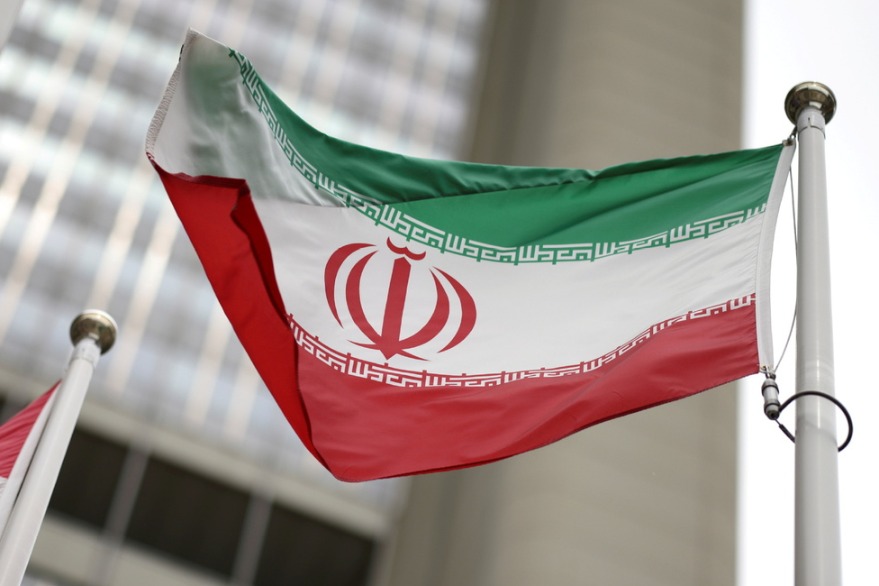
    The geopolitical stalemate between Iran and Western powers is poised to extend through 2026, marked by deteriorating trust, regional conflict spillover, and the complete dissolution of the 2015 nuclear agreement. This dangerous limbo has created conditions for potential military escalation despite brief periods of ceasefire.

    The confrontation entered a new phase in December when Israeli Prime Minister Benjamin Netanyahu reportedly sought U.S. approval for expanded military operations targeting Iran’s ballistic missile programs, signaling a strategic shift beyond previous focus on nuclear facilities. President Donald Trump responded with explicit threats to “eradicate” any Iranian attempts to rebuild its nuclear or missile capabilities.

    Iran’s leadership remained defiant, with Supreme Leader adviser Ali Shamkhani declaring the country’s missile capability “not containable or permission-based” and promising “immediate harsh response” to any aggression.

    The current tensions follow June 2025’s watershed 12-day conflict that shattered long-standing taboos on direct confrontation. Israel initiated surprise airstrikes against Iranian nuclear and military sites, followed by U.S. bombing of key nuclear facilities. Iran retaliated with strikes on the Al-Udeid U.S. base in Qatar, creating what analysts describe as a tense mutual deterrence situation.

    The collapse of the Joint Comprehensive Plan of Action (JCPOA) in October 2025 significantly compounded the crisis. Iran formally declared itself no longer bound by the agreement, while European signatories (UK, Germany, and France) triggered the snapback process to reimpose all UN and EU sanctions.

    Experts warn that the fundamental trust deficit between Tehran and Western powers has created a policy deadlock. Trita Parsi of the Quincy Institute notes that Israel seeks “absolute dominance rather than conventional security,” potentially ensuring “forever war” conditions. Researchers from multiple think tanks predict continued conflict throughout 2026 across economic, political, and possibly military dimensions.

    Despite the grim outlook, diplomatic voices advocate for returning to the negotiating table through “small reciprocal steps” and multilateral engagement. China has consistently opposed unilateral coercive measures, while European analysts warn that without diplomatic reengagement, all parties risk perpetual confrontation with potentially catastrophic regional consequences.
  • Exit of US from key intl groups draws criticism

    Exit of US from key intl groups draws criticism

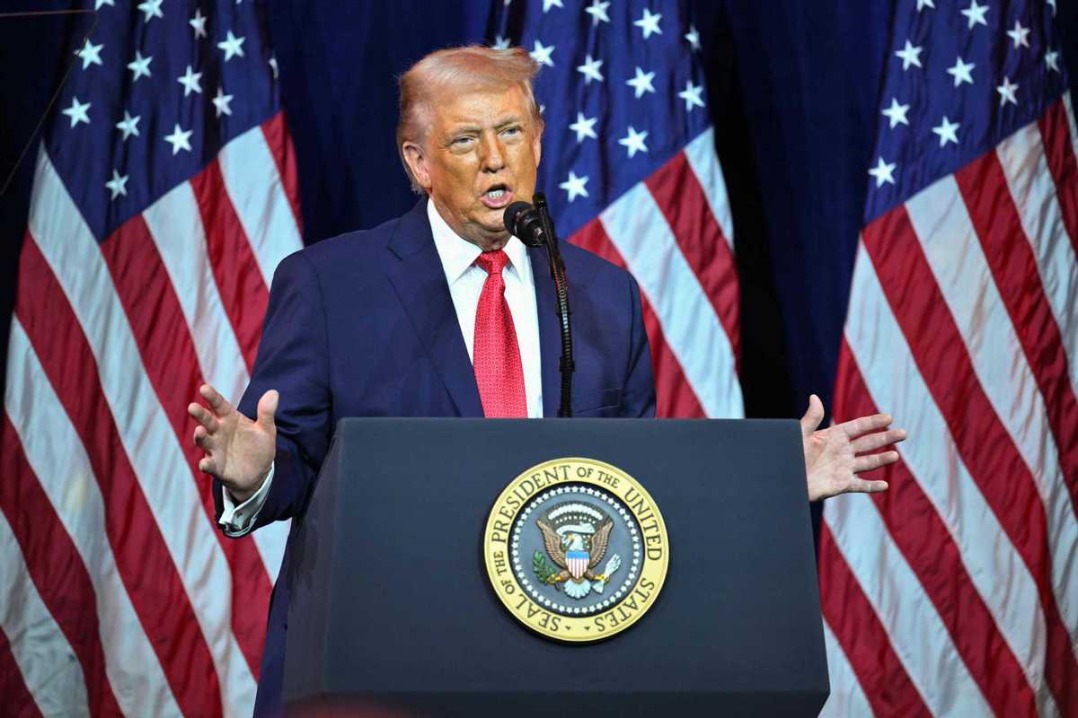
    In an unprecedented move that experts warn could fundamentally reshape global governance, the Trump administration has initiated withdrawal from 66 international organizations and treaties, marking the most extensive retreat from multilateral engagement in modern history.

    President Donald Trump signed an executive memorandum on January 6, 2026, directing the comprehensive disengagement from institutions the White House characterizes as ‘no longer serving American interests’ or promoting ‘hostile agendas.’ The sweeping list includes 31 United Nations entities and 35 non-UN organizations spanning climate, health, education, and development sectors.

    Among the most significant withdrawals are the UN Framework Convention on Climate Change—the foundational treaty for the Paris Agreement—alongside UN Women and the UN Population Fund. This decision follows previous exits from the World Health Organization, UNESCO, and the Paris climate accord, consolidating a pattern of systematic disengagement from global institutions.

    According to Yuan Sha, a governance expert at the China Institute of International Studies, the financial implications could be catastrophic for these organizations. ‘The United States contributes approximately 20 percent of the UN’s regular budget,’ Yuan noted. ‘This withdrawal will trigger severe financial crises that could undermine operational capacity and institutional authority.’

    Professor Zhu Jiejin of Fudan University’s Center for the Study of the UN highlighted the procedural irregularities in these withdrawals. ‘Unlike previous disengagements that followed established protocols,’ Zhu observed, ‘the current administration is bypassing treaty obligations by immediately ceasing participation and funding.’

    The administration has further reinforced this isolationist stance by dismantling domestic support structures, including the July 2025 shutdown of the United States Agency for International Development (USAID).

    At a recent press briefing, Chinese Foreign Ministry spokeswoman Mao Ning reaffirmed Beijing’s commitment to multilateralism, stating that China ‘will continue to support the UN’s central role in global affairs’ and work toward ‘a more just and equitable global governance system.’

    Experts universally characterize these actions as embodying an ‘America First’ unilateralism that prioritizes absolute national interests over international cooperation. This approach, they warn, not only threatens global governance mechanisms but also severely damages American credibility as a reliable international partner, potentially reverting global relations to zero-sum power dynamics.

  • US may lose voting rights at UN General Assembly at certain point: UN spokesperson

    US may lose voting rights at UN General Assembly at certain point: UN spokesperson

    The United States faces the tangible prospect of losing its voting privileges within the United Nations General Assembly, a UN spokesperson confirmed on Thursday. This potential suspension stems from the country’s continued failure to fulfill its financial obligations to the world body.

    Stephane Dujarric, spokesperson for the UN Secretary-General, explicitly referenced Article 19 of the UN Charter when addressing inquiries about member states in arrears. “The Charter is clear about what happens when a country doesn’t pay its dues for a certain number of years,” Dujarric stated. “It’s not a decision of the Secretary-General. It’s in the Charter, and it implies that at some point a country may lose its vote in the General Assembly.”

    The spokesperson confirmed that the United States did not make its required financial contributions to the United Nations in 2025, adding to existing arrears. According to Article 19 provisions, a member state loses its General Assembly voting rights if its unpaid dues equal or exceed the contributions required for the preceding two full years. The only exception occurs if the General Assembly determines that the payment failure resulted from circumstances beyond the member’s control.

    This development coincides with increased U.S. disengagement from multilateral institutions. A presidential memorandum signed Wednesday indicated the United States intends to withdraw from 66 international organizations, signaling a broader pattern of retreat from global cooperation frameworks. The combination of financial delinquency and institutional withdrawal represents a significant shift in American foreign policy engagement with international institutions.

  • Hundreds in Somalia’s capital protest Israel’s recognition of breakaway territory of Somaliland

    Hundreds in Somalia’s capital protest Israel’s recognition of breakaway territory of Somaliland

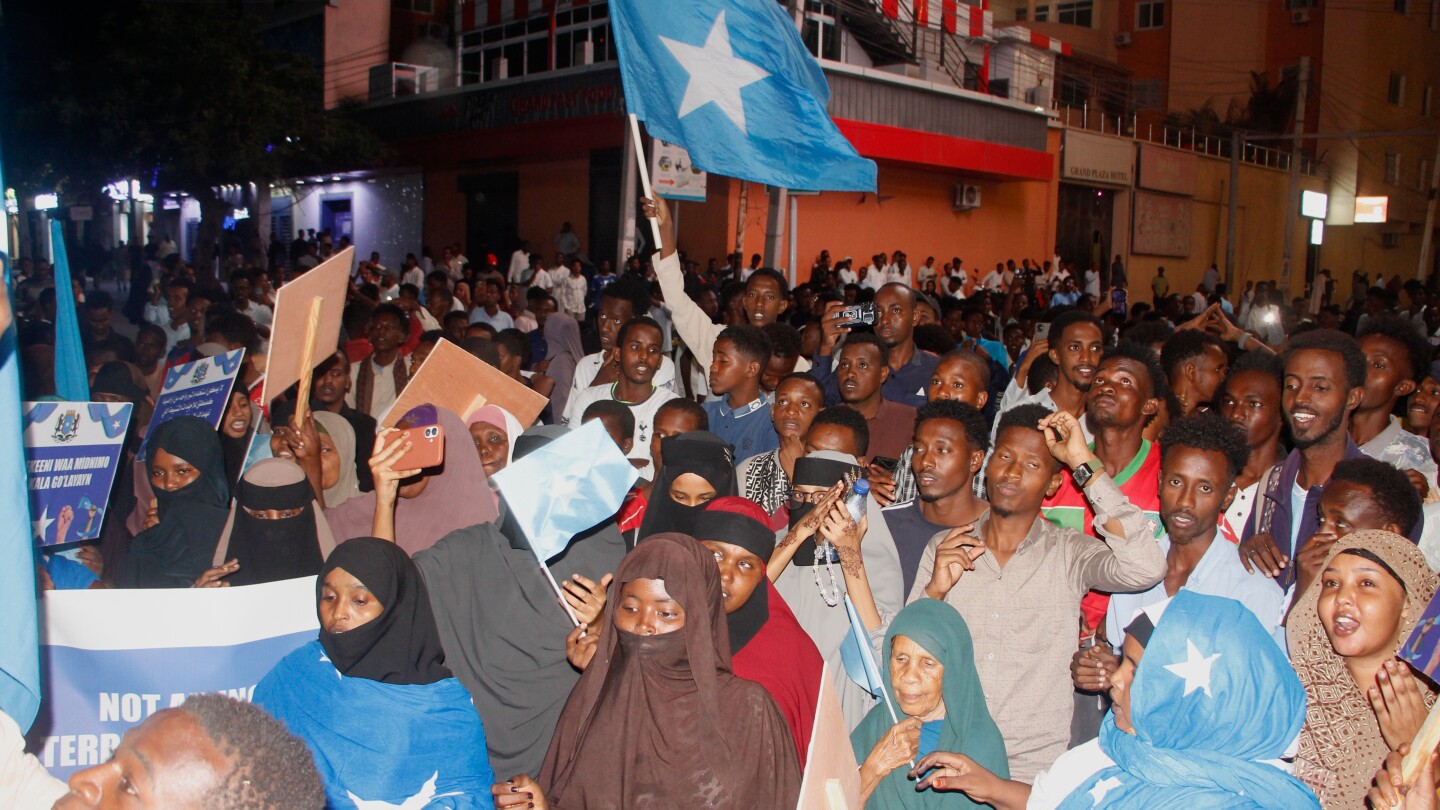
    MOGADISHU, Somalia — Hundreds of demonstrators converged at Taleh Square in downtown Mogadishu on Thursday night, staging a vigorous protest against Israel’s recent recognition of the self-declared Republic of Somaliland. The gathering marked the third such demonstration since Israel’s December 26 announcement, with participants waving Somali flags and chanting patriotic anthems in a powerful display of national solidarity.

    Protesters condemned Israel’s diplomatic move as a direct violation of Somalia’s sovereignty and territorial integrity. They carried placards denouncing foreign interference in the nation’s internal affairs, with demonstrator Said Gedi declaring, ‘We are protesting against the division of our country. This is against the sovereignty, independence and territorial integrity of Somalia.’

    The rally occurred just two days after Israeli Foreign Minister Gideon Saar visited Hargeisa, Somaliland’s capital, where he announced plans to establish an embassy and appoint an ambassador. This development has sparked significant diplomatic tensions across the Horn of Africa region.

    In a televised address coinciding with the protests, Somali President Hassan Sheikh Mohamud vehemently rejected Israel’s decision, emphasizing that ‘the Republic of Somalia is a sovereign and united country. Its territory cannot be divided or ceded by any letter written by Israel or signed by Netanyahu.’

    President Mohamud warned that the dispute could potentially undermine Somalia’s political stability, economic recovery, and development if not handled with caution. He urged Somaliland’s leadership to engage in dialogue with the federal government, citing South Sudan’s 2011 independence through political agreement as a precedent for successful secession processes.

    The controversy has drawn international attention, with more than 20 predominantly Middle Eastern and African nations, along with the Organization of Islamic Cooperation, rejecting Israel’s recognition. Egyptian Foreign Minister Badr Abdelatty characterized the move as a ‘dangerous precedent that threatens regional and international peace and security.’

    Somaliland, a former British protectorate, declared independence from Somalia in 1991 following the collapse of the central government. Despite maintaining its own institutions and relative stability, it had never gained recognition from any UN member state prior to Israel’s announcement.

    The United States has clarified its position, with the State Department affirming continued recognition of ‘the territorial integrity of Somalia, which includes the territory of Somaliland,’ effectively distancing itself from Israel’s diplomatic initiative.

  • Yemen rift deepens as separatist leader skips talks

    Yemen rift deepens as separatist leader skips talks

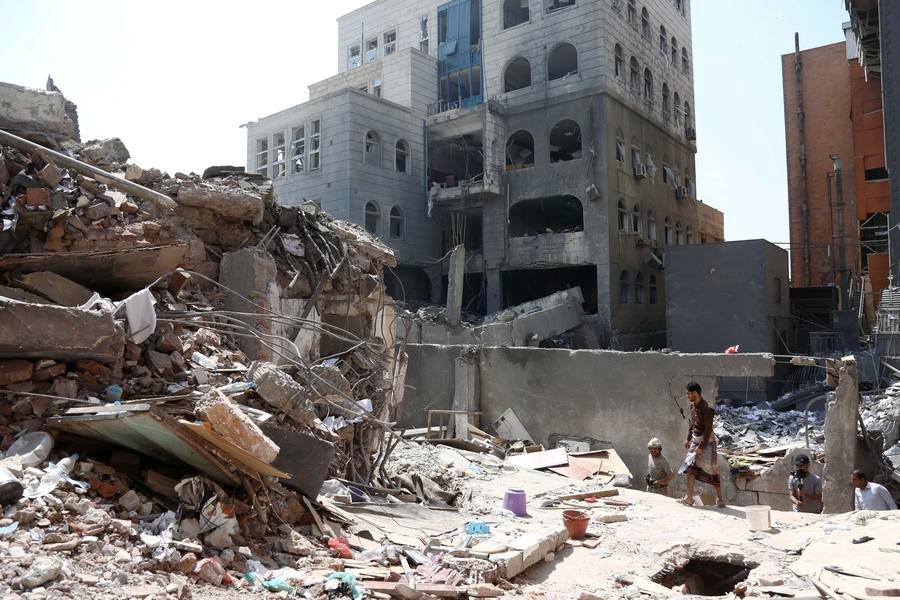
    Yemen’s precarious political landscape has descended into deeper crisis following the dramatic defiance of Southern Transitional Council (STC) leader Aidarous al-Zubaidi, who refused to attend critical reconciliation talks in Riyadh this week. This act of rebellion triggered a chain of escalating responses, including Saudi-led coalition airstrikes in Zubaidi’s home province of Al-Dhalea and his subsequent removal from Yemen’s Presidential Leadership Council on charges of “high treason.”

    The situation intensified when Zubaidi, instead of traveling to Saudi Arabia, embarked on an unexpected journey to the United Arab Emirates via Mogadishu, Somalia. The Saudi military confirmed his circuitous route from Aden to Abu Dhabi, though Emirati officials maintained conspicuous silence regarding his arrival.

    The rupture follows the STC’s aggressive territorial expansion last month and Zubaidi’s recent proclamation of a two-year transition plan for southern independence. Coalition spokesman Turki al-Maliki justified military operations as “limited preemptive strikes” necessary to prevent Zubaidi from “escalating the conflict” after reports emerged of his forces mobilizing armored vehicles and heavy weaponry.

    Meanwhile, the STC appears fractured internally, with deputy leader Abdulrahman al-Muharrami remaining in Riyadh and receiving instructions to maintain security in Aden. Concurrently, Saudi-backed National Shield Forces have been deployed toward the strategic port city, which serves as Yemen’s temporary capital and STC headquarters.

    The escalating tensions have sparked widespread panic among Aden residents, with civilians rushing to stockpile food, fuel, and essential supplies amid fears of imminent urban combat or airstrikes. In a separate humanitarian development, the first evacuation flight transported 180 stranded tourists from Yemen’s Socotra Island to Jeddah, with additional rescues planned for those trapped by mainland fighting.

  • Switzerland honors the victims of the deadly Alpine bar fire in a national day of mourning

    Switzerland honors the victims of the deadly Alpine bar fire in a national day of mourning

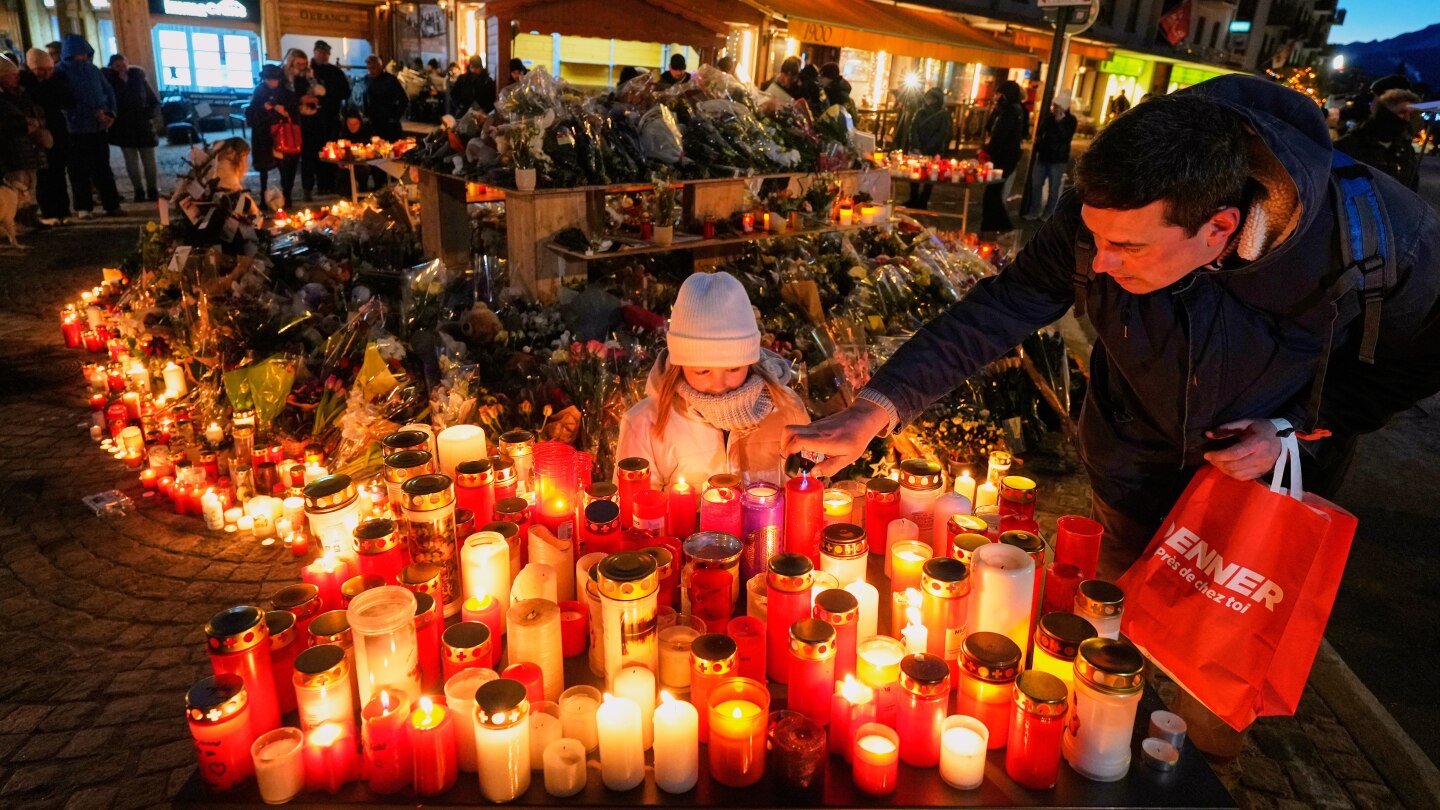
    The Swiss nation will observe a solemn day of mourning on Friday to commemorate the 40 individuals who perished in a devastating fire at the Le Constellation bar in Crans-Montana during New Year’s celebrations. The memorial service forms the centerpiece of a national tribute, with church bells scheduled to resonate across the country for five minutes at 2 p.m. local time, followed by a minute of collective silence.

    Official investigations into the January 1st catastrophe, which also left 116 people injured—many with severe burns—point to a tragic ignition source. Preliminary findings suggest that sparkling candles adorning Champagne bottles, lit during the festivities, came into contact with the ceiling’s soundproofing material, triggering the rapid blaze. The inquiry is now rigorously examining whether this acoustic paneling met existing safety regulations and if the use of such pyrotechnic devices was legally permitted within the establishment.

    A critical aspect of the investigation reveals that the venue had not undergone a mandatory fire safety inspection since 2019. The intensity of the fire complicated victim identification procedures, necessitating the use of DNA samples provided by grieving families. Police reports indicate a significant number of the deceased were young adults, ranging from their late teens to mid-twenties.

    In response to the incident, Valais regional prosecutors have initiated a criminal investigation targeting the bar’s management. The proprietors now face serious allegations, including involuntary homicide, involuntary bodily harm, and negligently causing a fire, as authorities seek to determine the full extent of operational liabilities.

  • ‘He’s crazy’: BBC speaks to Greenlanders about Trump’s threats

    ‘He’s crazy’: BBC speaks to Greenlanders about Trump’s threats

    Residents of Greenland have expressed overwhelming skepticism and disbelief regarding former U.S. President Donald Trump’s repeated interest in purchasing the autonomous Danish territory, with many characterizing his proposals as ‘crazy’ and fundamentally unserious. The BBC’s Europe Editor, Katya Adler, traveled to the Arctic island to gauge local reactions, uncovering a widespread sentiment that such geopolitical maneuvers demonstrate a profound misunderstanding of Greenland’s political status and cultural identity.

    Interviews conducted across the icy landscape revealed that Greenlanders view themselves as a distinct nation with rich Inuit heritage, not as a real estate commodity. Many questioned the very premise of the proposal, emphasizing that the island is not for sale and that its people possess full autonomy over their domestic affairs despite Denmark handling foreign policy and defense. The notion of a land purchase was widely perceived as a colonial-era anachronism that ignores modern sovereignty rights.

    Beyond cultural offense, residents raised practical concerns about the environmental implications of Trump’s interest, which appeared driven by the island’s strategic position and mineral resources rather than its 56,000 inhabitants’ welfare. Locals fear that increased great power competition in the Arctic could threaten their fragile ecosystem and traditional way of life. The consensus among those interviewed suggests Trump’s proposition has backfired, strengthening Greenlandic resolve to determine its own future rather than submit to external ownership fantasies.

  • Novel pay systems to aid medical access

    Novel pay systems to aid medical access

    China’s National Healthcare Security Administration has unveiled an ambitious three-year plan to transform medical insurance payments through advanced digital integration. The initiative aims to address longstanding inefficiencies in healthcare reimbursement systems by implementing a comprehensive payment platform combining facial recognition, one-code scanning, mobile, and credit-based options.

    The innovative framework will streamline outpatient, emergency, and inpatient services nationwide. Facial recognition technology will particularly benefit elderly patients who often struggle with physical cards or smartphone applications. The one-code system consolidates insurance reimbursement, personal account deductions, and out-of-pocket expenses into a single transaction, while mobile payments dramatically reduce waiting times.

    A groundbreaking credit payment component allows banks to cover patients’ medical expenses within pre-approved limits through contractual agreements, creating a ‘treatment first, payment later’ model. Provincial authorities will pilot the system in at least two cities each throughout 2026, with full implementation across all designated insurance hospitals targeted for 2028.

    Early implementations demonstrate promising results. Hami City in Xinjiang launched China’s first regional credit payment program in early 2025, offering residents up to ¥5,000 ($716) in interest-free medical credit. Within its initial month, the program attracted 120 users and processed 538 transactions totaling ¥43,000. Similarly, Dalian in Liaoning province has successfully integrated insurance and personal payments into unified processes across 200 medical institutions, significantly reducing administrative burdens and repeat visits for patients.

  • Iran rocked by night of protests despite internet blackout: videos

    Iran rocked by night of protests despite internet blackout: videos

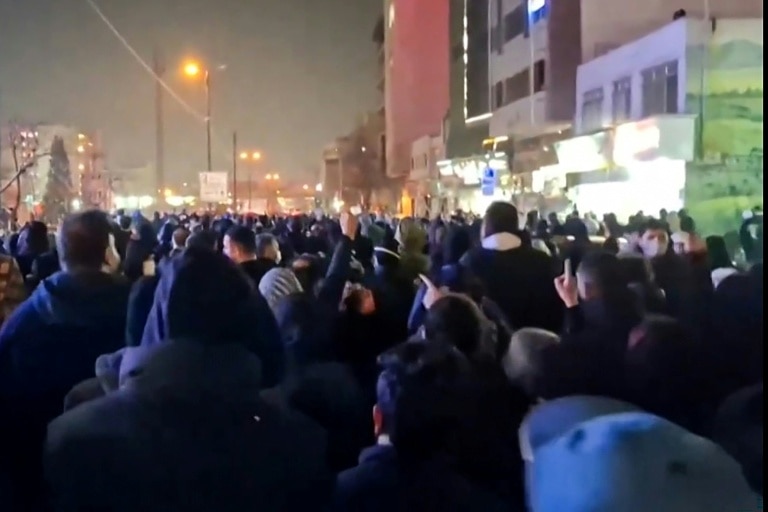
    Iran experienced its most significant civil unrest in years on Thursday night as widespread protests erupted across multiple cities, defying a government-imposed internet blackout designed to suppress demonstrations. Videos verified by international news agencies show thousands of citizens flooding major boulevards in Tehran and regional centers, chanting anti-government slogans including “death to the dictator” in reference to Supreme Leader Ayatollah Ali Khamenei.

    The protests, now entering their second week, originated from public anger over deteriorating economic conditions and rising living costs but have evolved into broader anti-establishment demonstrations. Footage from numerous cities shows protesters setting fire to government buildings, including the regional state television headquarters in Isfahan and the governor’s building in Shazand, Markazi province.

    Internet monitoring organization Netblocks confirmed authorities implemented a near-total connectivity blackout late Thursday, reporting the country had been offline for over 12 hours in what appears to be a deliberate attempt to control information flow and suppress dissent. This digital censorship strategy mirrors previous government responses to civil unrest.

    The scale of protests represents the most substantial challenge to Iranian leadership since the 2022-2023 demonstrations triggered by the death of Mahsa Amini. Notably, security forces appeared restrained in some footage from Tehran, though rights groups have previously accused authorities of using lethal force against protesters in earlier clashes.

    Adding international dimension to the events, US-based Reza Pahlavi, son of Iran’s deposed shah, has openly supported the protests and called for continued demonstrations on Friday to further pressure the regime. The involvement of diaspora figures highlights the expanding nature of the anti-government movement.

  • Yellow River reserve bans drones following bird strike

    Yellow River reserve bans drones following bird strike

    The Yellow River Delta National Nature Reserve in China’s Shandong province has enacted stringent restrictions on unmanned aerial vehicle operations following a November incident where a migratory bean goose perished in a collision with a drone. This critical wetland sanctuary, spanning 153,000 hectares with wetlands constituting 74% of its territory, serves as a vital hub along the East Asian-Australasian and West Pacific migratory flyways.

    Authorities in Dongying city have implemented comprehensive drone prohibitions during peak migration seasons in spring and autumn. The ban extends to all UAV flights within the reserve and surrounding three-kilometer buffer zones. Reserve management official Hao Yingdong emphasized the commitment to deploying advanced digital technologies to enforce flight restrictions and prevent unauthorized drone operations.

    The protection initiative leverages an sophisticated monitoring network integrating 66 avian observation cameras, 75 wetland tracking systems, and over 40 human activity monitors. This infrastructure employs 5G connectivity, intelligent perception systems, and artificial intelligence to maintain 24-hour surveillance across critical zones. The reserve’s AI-powered recognition technology has achieved over 90% accuracy in identifying flagship species and larger birds despite challenges presented by seasonal molting patterns.

    Conservation efforts have yielded significant ecological dividends. Over three decades, documented bird species have doubled from 187 to 374, with annual populations now exceeding 6 million birds. James Fitzsimons, senior advisor at The Nature Conservancy’s Global Protection Strategies, acknowledged the delta’s globally recognized significance for both breeding populations and migratory species.

    The ecological revival has concurrently stimulated economic benefits. During November and December 2024, the ecological tourism zone welcomed 86,700 visitors—a 43.5% annual increase—generating 4.27 million yuan ($602,800) in revenue. Tourism official Liu Yang highlighted new bird-watching routes, themed cultural products, and enhanced service stations developed to accommodate growing enthusiast interest.