作者: admin

  • Argentine historian and journalist condemns US imperialist aggression

    Argentine historian and journalist condemns US imperialist aggression

    In a stark condemnation of recent military actions, prominent Argentine historian and journalist Néstor Restivo has characterized United States operations in South America as unprecedented imperialist aggression. Restivo emphasized that this marks the first historical instance of direct US military engagement against a capital city within the South American continent.

    The academic warned that such unilateral actions represent a severe breach of international norms that is systematically dismantling Latin American unity and regional integration efforts. According to Restivo, these operations have created exceptionally challenging circumstances for the entire continent, undermining decades of diplomatic progress and regional cooperation frameworks.

    Amidst these developments, Restivo identified emerging counterbalancing forces in the Global South, particularly through the BRICS alliance (Brazil, Russia, India, China, and South Africa). He portrayed these nations as advocating for an alternative international framework based on mutual cooperation, peaceful resolution of conflicts, and renewed respect for established global governance protocols. This perspective suggests a significant geopolitical realignment, with Global South nations increasingly asserting their influence against traditional Western hegemony.

    The analysis comes amid growing international scrutiny of US foreign policy in Latin America, with many regional observers expressing concern about the long-term implications for sovereignty and self-determination in the hemisphere.

  • Visiting EU leaders pledge to support Syria’s recovery after years of civil war

    Visiting EU leaders pledge to support Syria’s recovery after years of civil war

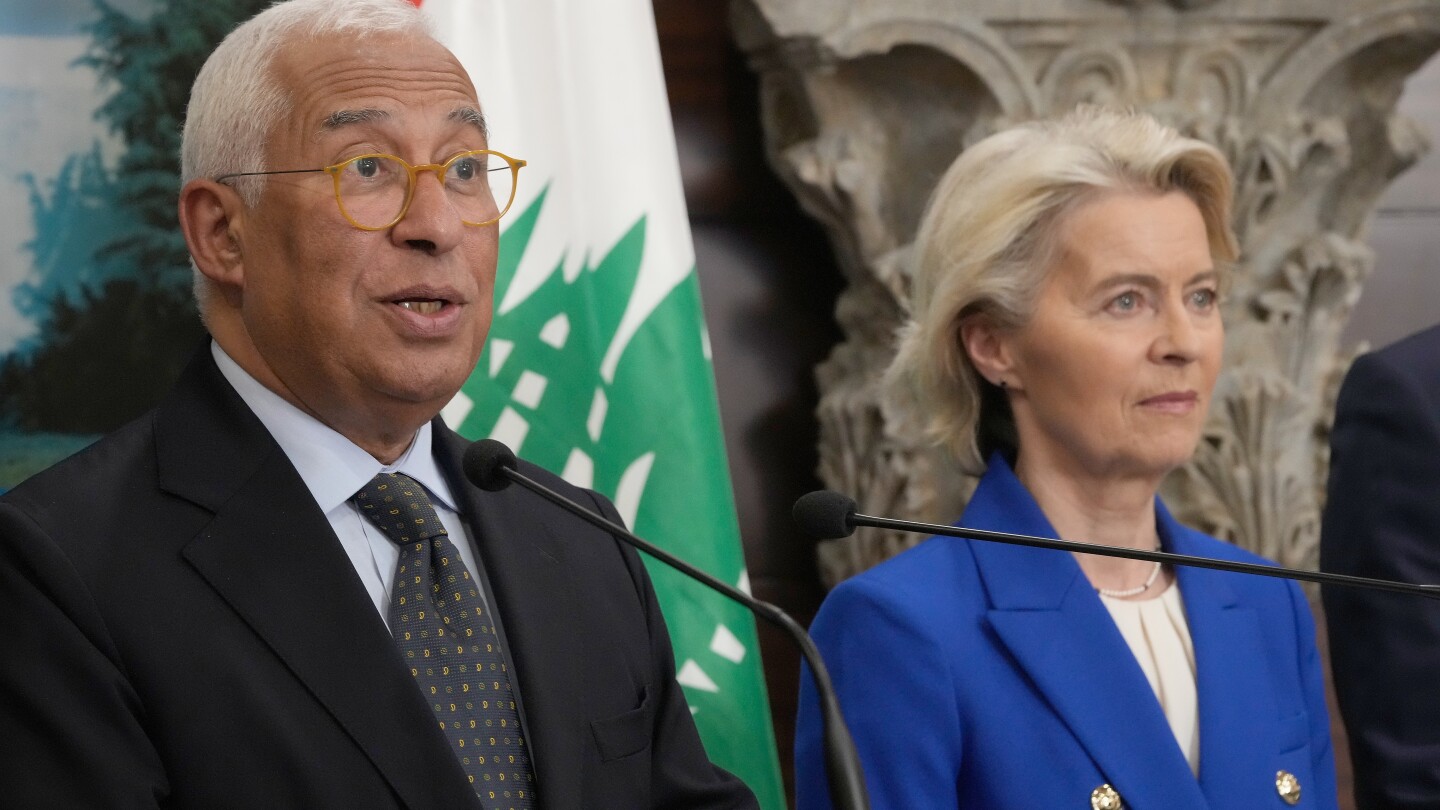
    In a landmark diplomatic engagement, high-ranking European Union officials conducted an unprecedented visit to Damascus on Friday, signaling a profound shift in Syria’s international relations. European Commission President Ursula von der Leyen and European Council President António Costa held substantive talks with Syrian Interim President Ahmad al-Sharaa, discussing post-conflict recovery strategies nearly two years after the conclusion of Syria’s devastating civil war.

    The fourteen-year conflict reached its conclusion in December 2024 when rebel forces led by al-Sharaa successfully ousted former President Bashar Assad, whose regime had faced extensive international condemnation for systematic human rights violations. The new administration has since embarked on a remarkably successful diplomatic campaign, restoring ties with numerous Western and Arab nations that had previously isolated Assad’s government.

    During the historic meeting, President Costa announced the European Union’s commitment to provide €620 million (approximately $723 million) in comprehensive financial support scheduled for 2026-2027. This assistance package combines immediate humanitarian relief with substantial reconstruction funding—previously obstructed by international sanctions during Assad’s tenure that have now been lifted.

    President von der Leyen characterized the development as Syria’s ‘journey toward hope and renewal’ in a social media statement, affirming Europe’s commitment to supporting national recovery efforts. Despite these diplomatic advances, significant challenges persist within Syria, including economic instability, sporadic sectarian violence, and ongoing consolidation efforts by al-Sharaa’s government.

    Recent days have witnessed renewed hostilities between government forces and Kurdish fighters in Aleppo, complicating negotiations regarding the integration of Kurdish-led Syrian Democratic Forces into the national military structure. Although Syria’s Defense Ministry announced a ceasefire arrangement on Friday, Kurdish forces had not publicly acknowledged the agreement at the time of reporting.

    President Costa acknowledged these security concerns during the visit, describing recent violent escalations as ‘worrisome’ while emphasizing the necessity of continued dialogue. He recognized that the path to comprehensive reconciliation and recovery remains ‘difficult and long,’ requiring sustained international engagement.

    The EU delegation subsequently traveled to Lebanon, where officials welcomed the Lebanese army’s progress in implementing weapon disarmament plans for non-state groups, including the powerful Hezbollah militia. Von der Leyen specifically endorsed disarmament efforts south of the Litani River and called for full compliance with the November 2024 ceasefire agreement that ended recent Israel-Hezbollah hostilities. She emphasized the fundamental importance of Lebanon’s territorial integrity and the complete disarmament of Hezbollah, even as Israel continues airstrikes targeting what it identifies as Hezbollah’s rearmament attempts.

  • David Bowie’s childhood home in London is set to open to the public next year

    David Bowie’s childhood home in London is set to open to the public next year

    LONDON — The humble suburban bedroom where David Bowie first dreamed of stardom will soon welcome pilgrims to the very space where his legendary career was born. The Heritage of London Trust has acquired the musician’s childhood residence in Bromley, announcing plans to transform the historic property into a public museum by late 2027.

    The 19th-century railway worker’s cottage, where Bowie lived from age 8 to 20, will undergo meticulous restoration to recreate its 1960s aesthetic. Central to the experience will be the modest 9-by-10-foot bedroom that Bowie once described as ‘my entire world’—the creative incubator where he immersed himself in books, music, and records that would shape his artistic evolution.

    Supported by Bowie’s estate and a £500,000 charitable grant, the project will preserve the environment where the artist formerly known as David Jones transformed from a suburban schoolboy into the beginnings of an international icon. The house will eventually host public visits and creative workshops for children, serving as both memorial and inspiration.

    The announcement coincides with the tenth anniversary of Bowie’s passing on January 10, 2016, just two days after releasing his final album ‘Blackstar.’ This new cultural destination complements the David Bowie Centre at the V&A Museum, which opened last year to house the artist’s 90,000-item archive.

    Childhood friend George Underwood reflected: ‘We were dreamers in that house, listening to and playing music together. That David’s music would eventually save and change lives seems amazing when you consider these small beginnings.’

  • Winter storm slams UK and France, disrupting travel and leaving tens of thousands without power

    Winter storm slams UK and France, disrupting travel and leaving tens of thousands without power

    Western Europe faced severe weather disruptions on Friday as Storm Goretti, a powerful Atlantic weather system, battered coastal regions of northern France and southern England with destructive winds, heavy precipitation, and significant infrastructure damage.

    The meteorological event originated as a deep low-pressure system that first struck the Isles of Scilly off England’s southwestern coast, where wind velocities reached unprecedented speeds of 99 mph (159 kph). The extreme conditions resulted in blocked transportation routes, structurally compromised buildings, and extensive power failures that subsequently affected water supply systems in multiple communities.

    According to National Grid, Britain’s primary electricity transmission operator, over 57,000 households and commercial establishments experienced power interruptions across southwestern England, the Midlands, and Wales. The situation intensified as the advancing storm front interacted with an established Arctic air mass, generating substantial snowfall across northern territories and torrential rainfall in southern regions.

    Northern Scotland endured particularly severe conditions, with accumulated snow depths exceeding half a meter (20 inches) from earlier winter events. Municipal authorities deployed snowplows continuously to maintain road accessibility, while educational institutions remained shuttered—over 250 schools across Scotland canceled classes, with some facilities closing for five consecutive days.

    Transportation networks suffered extensive disruptions throughout the United Kingdom. National Rail issued comprehensive travel advisories warning of service interruptions across England, Scotland, and Wales. Birmingham Airport implemented temporary closures due to hazardous conditions, later resuming operations with significantly reduced runway capacity.

    The Met Office, Britain’s national meteorological service, had preemptively declared its highest-level red weather warning for southwestern England—an exceptional measure reserved for potentially life-threatening conditions.

    Simultaneously, northwestern France experienced comparable devastation from the storm’s onslaught. French power grid operator Enedis reported approximately 320,000 households without electricity by midday Friday, notably concentrated in Normandy where wind gusts reached extraordinary velocities of 213 kph (132 mph) at Gatteville-le-Phare.

    Météo-France, the national weather service, had issued severe weather alerts recommending residents remain indoors. Regional rail services throughout northwestern France were suspended indefinitely, while high-speed rail connections and Paris airport operations maintained minimal service levels despite the challenging conditions.

  • $1.5t military budget for 2027 sparks war concerns

    $1.5t military budget for 2027 sparks war concerns

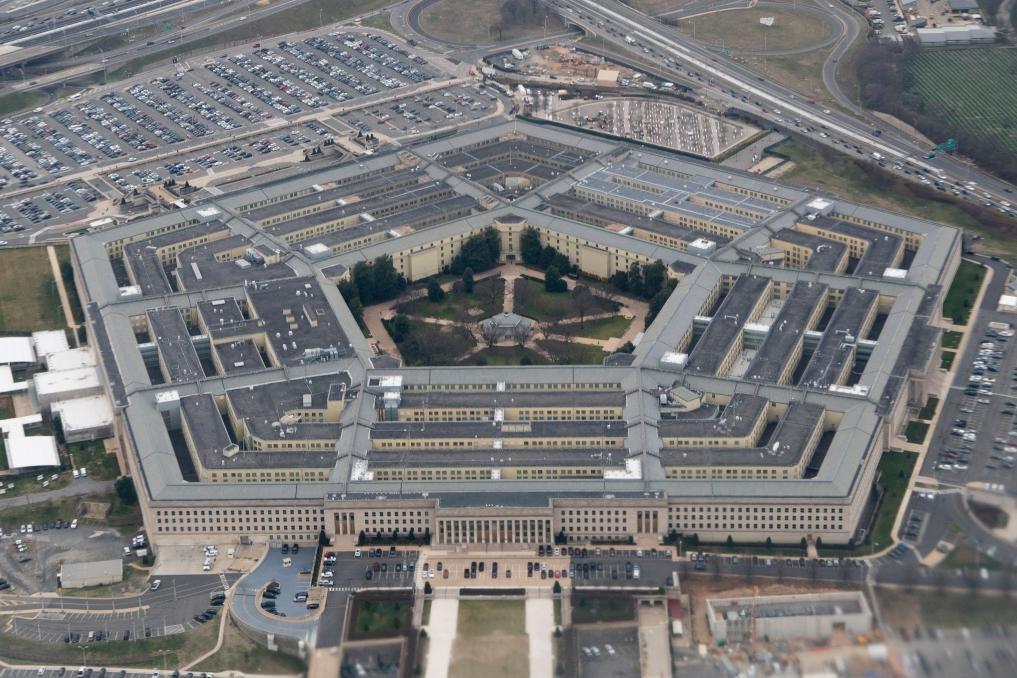
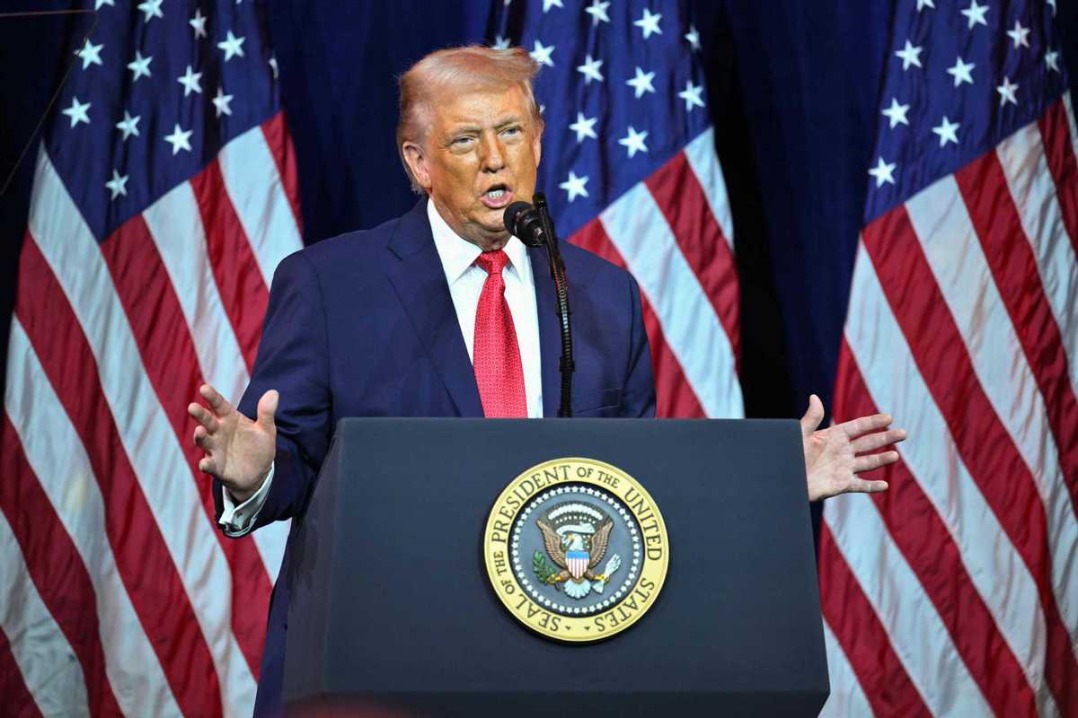
    WASHINGTON — In a move that has ignited international alarm, former President Donald Trump unveiled a staggering $1.5 trillion military budget proposal for fiscal year 2027, marking a dramatic 66% increase from the previously approved $901 billion defense allocation for 2026.

    The unprecedented defense spending plan was announced Wednesday through Trump’s Truth Social platform, where the former president characterized the massive funding increase as essential for national security during what he described as “very troubled and dangerous times.” Trump claimed the budget framework emerged from “long and difficult negotiations” with congressional leaders and administration officials.

    “This will allow us to build the ‘Dream Military’ that we have long been entitled to and, more importantly, that will keep us safe and secure, regardless of foe,” Trump asserted in his social media post. He further suggested that revenue generated from tariffs would help finance the monumental defense expenditure.

    The proposal has drawn immediate criticism from security analysts and political commentators. Prominent journalist Tucker Carlson denounced the budget as fundamentally aggressive rather than defensive in nature, stating on his program: “This is not a peacekeeping budget—this is a big war budget. Obviously, that’s the kind of budget that a country that anticipates a global or regional war has for its military.”

    Carlson expressed grave concerns about escalating global tensions, noting: “It’s fair to expect and all the signs suggest that we’re going to have a big war soon. Hope it doesn’t happen, but obviously we’re moving in that direction toward a world war.”

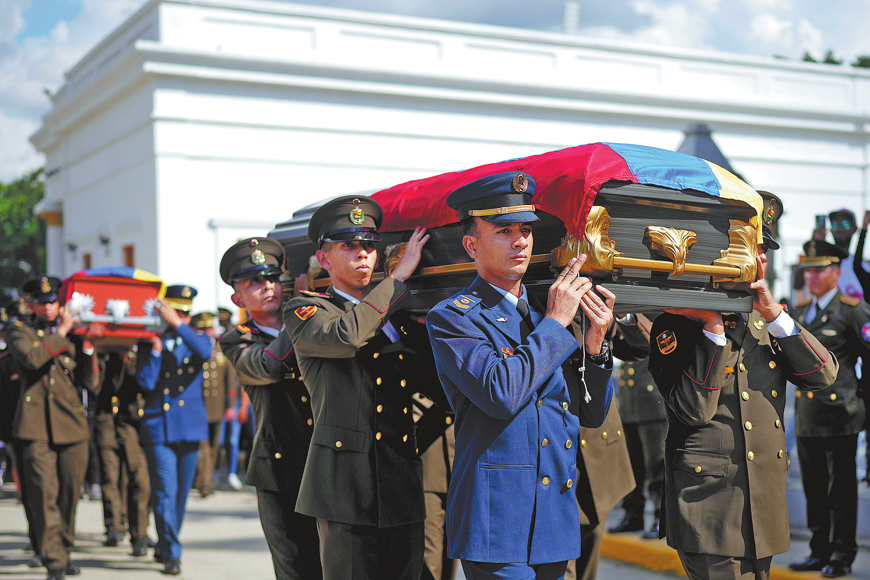
    The budget revelation follows closely after recent U.S. military actions in Venezuela, where American forces conducted a raid that resulted in the capture of President Nicolás Maduro and his wife. This event has already heightened geopolitical tensions across the Western Hemisphere.

    The proposed $1.5 trillion military budget would require congressional approval, presenting a significant legislative challenge. The United States already maintains the world’s largest military expenditure, consistently outspending all other nations both in absolute terms and as a percentage of global defense allocations.

    Strategic analysts note that such a substantial increase in military funding would dramatically alter global power dynamics and potentially trigger a new international arms race. The proposal comes amid already elevated global tensions and raises questions about the administration’s strategic priorities and anticipated security threats.

  • Switzerland holds day of mourning after deadly New Year fire

    Switzerland holds day of mourning after deadly New Year fire

    Switzerland fell silent Friday in solemn remembrance of 40 victims, predominantly teenagers, who perished in a catastrophic New Year’s Eve blaze at the Le Constellation bar in Crans-Montana. The Alpine nation observed a minute of silence at 2:00 PM local time, followed by a synchronized chorus of church bells echoing across valleys and mountainsides.

    President Guy Parmelin, joined by French President Emmanuel Macron and Italian Prime Minister Giorgia Meloni, presided over a memorial ceremony in Martigny. The service drew top officials from Belgium, Luxembourg, Serbia, and the European Union, reflecting the international scope of the tragedy that claimed lives from 19 different nationalities.

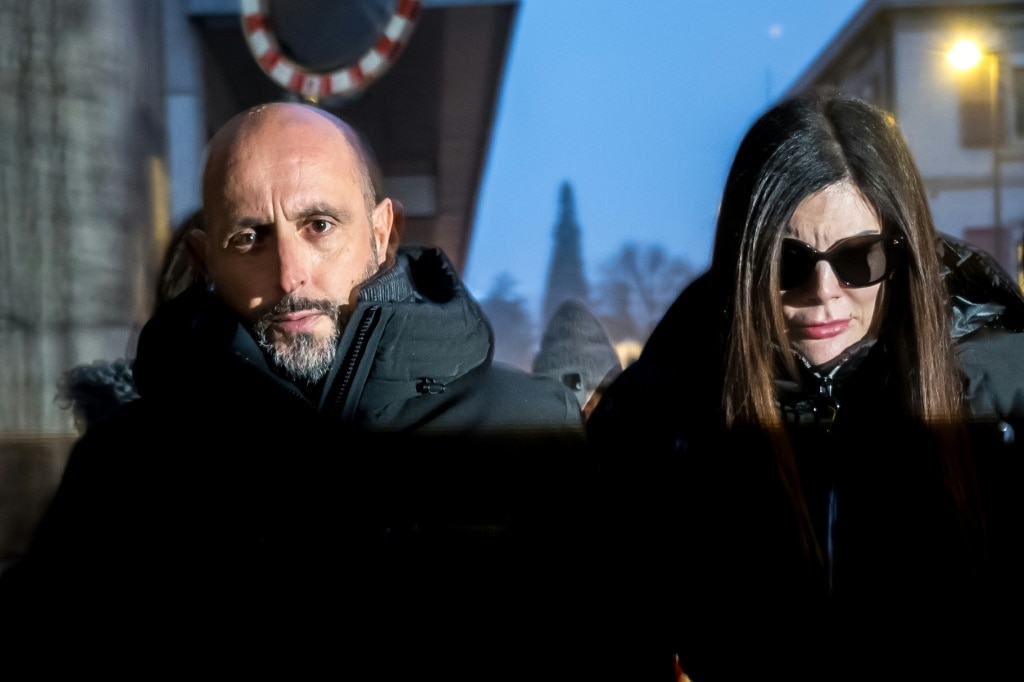
    As heavy snowfall blanketed the resort town, investigators pursued critical questions about fire safety oversight. Prosecutors revealed no safety inspections had occurred at the establishment since 2019, prompting public outrage. The bar’s French owners, Jacques and Jessica Moretti, faced questioning on charges including manslaughter by negligence and bodily harm by negligence.

    Preliminary investigation suggests the inferno ignited when champagne bottles equipped with sparklers were raised too close to soundproofing foam on the ceiling. Disturbing video evidence depicts young revelers desperately breaking windows in attempts to escape the rapidly spreading flames.

    Of the 116 injured, 83 remained hospitalized as of Monday, with the most severely burned patients transferred to specialized treatment centers across Europe. A makeshift memorial featuring flowers, candles, and photographs of victims now stands protected beneath a temporary structure, preserving tributes to what President Parmelin described as ‘one of Switzerland’s worst tragedies.’

  • US tightens grip on oil after Caracas raid

    US tightens grip on oil after Caracas raid

    The United States has declared its intention to maintain indefinite authority over Venezuela’s oil industry following a military operation in Caracas that resulted in the capture of President Nicolas Maduro and his wife. US Energy Secretary Chris Wright announced on Wednesday that Washington would continue marketing Venezuelan crude oil globally, asserting permanent control over the nation’s petroleum resources.

    This development comes after President Donald Trump revealed that Venezuela’s interim government would transfer 30-50 million barrels of high-quality sanctioned oil to the US, valued at approximately $2.8 billion based on current global prices. Trump explicitly stated that the profits from these oil sales would be controlled by his administration and immediately brought into the United States.

    White House Press Secretary Karoline Leavitt confirmed that the US government has already initiated the global marketing of Venezuelan crude, with proceeds to be disbursed “for the benefit of the American people and the Venezuelan people at the discretion of the United States government.”

    The Trump administration has established stringent conditions for the resumption of Venezuela’s oil operations, including severing ties with China, Cuba, Iran, and Russia while agreeing to exclusive partnership with the United States on oil production. Additionally, US officials indicated that discussing a timetable for Venezuelan elections remains “too premature and too early.”

    In a significant escalation, US forces seized two Venezuela-linked oil tankers in the Atlantic Ocean, including one sailing under Russia’s flag, as part of Washington’s broader strategy to control oil flows throughout the Americas. This action risks further confrontation with Russia, which has condemned US operations in Venezuela.

    Critics have characterized the US actions as exceeding mere military intervention. Vijay Prashad, director of the Tri-continental: Institute for Social Research, described Trump’s oil statement as “beyond an act of war; it is an act of colonization” that violates the UN Charter.

    The developments occur against the backdrop of more than two decades of US sanctions against Venezuela, justified by Washington citing concerns including alleged government links to narcotics trafficking, which US officials characterize as “narco-terrorism” threatening national security, alongside accusations of widespread corruption and democratic erosion.

  • Standoff between Iran and West to continue after turbulent year

    Standoff between Iran and West to continue after turbulent year

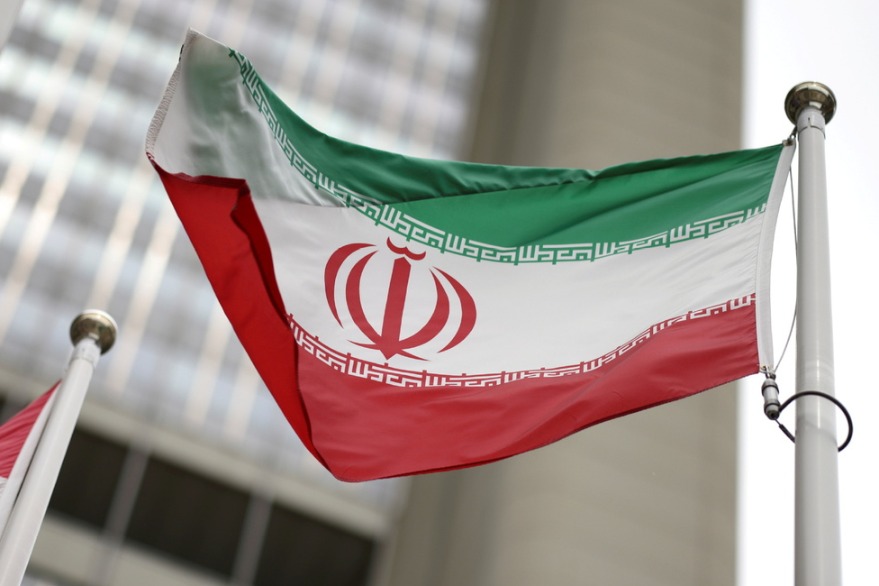
    The geopolitical stalemate between Iran and Western powers is poised to extend through 2026, marked by deteriorating trust, regional conflict spillover, and the complete dissolution of the 2015 nuclear agreement. This dangerous limbo has created conditions for potential military escalation despite brief periods of ceasefire.

    The confrontation entered a new phase in December when Israeli Prime Minister Benjamin Netanyahu reportedly sought U.S. approval for expanded military operations targeting Iran’s ballistic missile programs, signaling a strategic shift beyond previous focus on nuclear facilities. President Donald Trump responded with explicit threats to “eradicate” any Iranian attempts to rebuild its nuclear or missile capabilities.

    Iran’s leadership remained defiant, with Supreme Leader adviser Ali Shamkhani declaring the country’s missile capability “not containable or permission-based” and promising “immediate harsh response” to any aggression.

    The current tensions follow June 2025’s watershed 12-day conflict that shattered long-standing taboos on direct confrontation. Israel initiated surprise airstrikes against Iranian nuclear and military sites, followed by U.S. bombing of key nuclear facilities. Iran retaliated with strikes on the Al-Udeid U.S. base in Qatar, creating what analysts describe as a tense mutual deterrence situation.

    The collapse of the Joint Comprehensive Plan of Action (JCPOA) in October 2025 significantly compounded the crisis. Iran formally declared itself no longer bound by the agreement, while European signatories (UK, Germany, and France) triggered the snapback process to reimpose all UN and EU sanctions.

    Experts warn that the fundamental trust deficit between Tehran and Western powers has created a policy deadlock. Trita Parsi of the Quincy Institute notes that Israel seeks “absolute dominance rather than conventional security,” potentially ensuring “forever war” conditions. Researchers from multiple think tanks predict continued conflict throughout 2026 across economic, political, and possibly military dimensions.

    Despite the grim outlook, diplomatic voices advocate for returning to the negotiating table through “small reciprocal steps” and multilateral engagement. China has consistently opposed unilateral coercive measures, while European analysts warn that without diplomatic reengagement, all parties risk perpetual confrontation with potentially catastrophic regional consequences.

  • Exit of US from key intl groups draws criticism

    Exit of US from key intl groups draws criticism

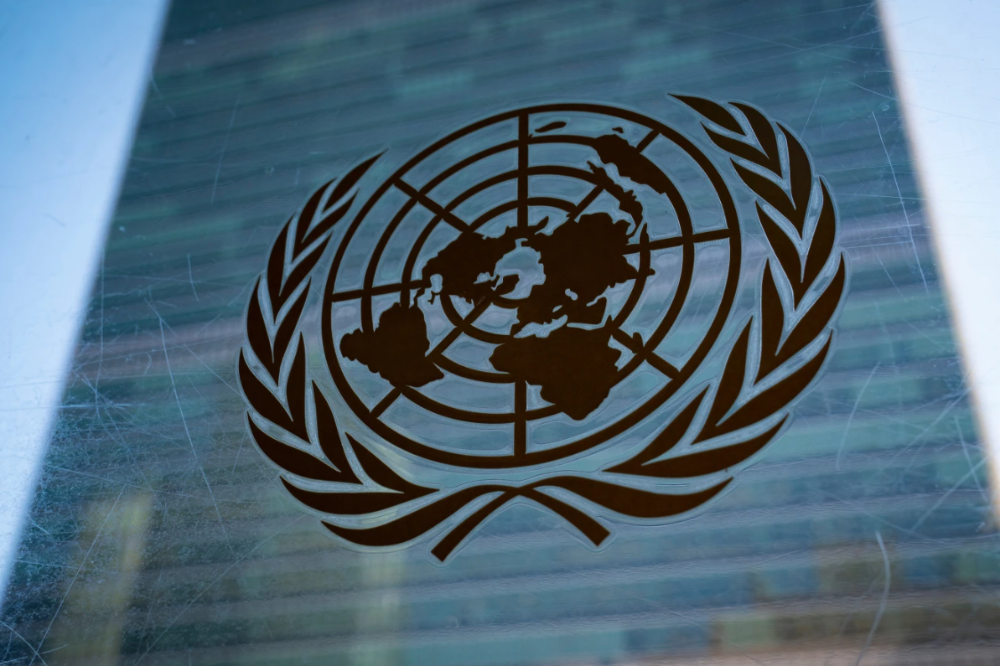
    In an unprecedented move that experts warn could fundamentally reshape global governance, the Trump administration has initiated withdrawal from 66 international organizations and treaties, marking the most extensive retreat from multilateral engagement in modern history.

    President Donald Trump signed an executive memorandum on January 6, 2026, directing the comprehensive disengagement from institutions the White House characterizes as ‘no longer serving American interests’ or promoting ‘hostile agendas.’ The sweeping list includes 31 United Nations entities and 35 non-UN organizations spanning climate, health, education, and development sectors.

    Among the most significant withdrawals are the UN Framework Convention on Climate Change—the foundational treaty for the Paris Agreement—alongside UN Women and the UN Population Fund. This decision follows previous exits from the World Health Organization, UNESCO, and the Paris climate accord, consolidating a pattern of systematic disengagement from global institutions.

    According to Yuan Sha, a governance expert at the China Institute of International Studies, the financial implications could be catastrophic for these organizations. ‘The United States contributes approximately 20 percent of the UN’s regular budget,’ Yuan noted. ‘This withdrawal will trigger severe financial crises that could undermine operational capacity and institutional authority.’

    Professor Zhu Jiejin of Fudan University’s Center for the Study of the UN highlighted the procedural irregularities in these withdrawals. ‘Unlike previous disengagements that followed established protocols,’ Zhu observed, ‘the current administration is bypassing treaty obligations by immediately ceasing participation and funding.’

    The administration has further reinforced this isolationist stance by dismantling domestic support structures, including the July 2025 shutdown of the United States Agency for International Development (USAID).

    At a recent press briefing, Chinese Foreign Ministry spokeswoman Mao Ning reaffirmed Beijing’s commitment to multilateralism, stating that China ‘will continue to support the UN’s central role in global affairs’ and work toward ‘a more just and equitable global governance system.’

    Experts universally characterize these actions as embodying an ‘America First’ unilateralism that prioritizes absolute national interests over international cooperation. This approach, they warn, not only threatens global governance mechanisms but also severely damages American credibility as a reliable international partner, potentially reverting global relations to zero-sum power dynamics.

  • US may lose voting rights at UN General Assembly at certain point: UN spokesperson

    US may lose voting rights at UN General Assembly at certain point: UN spokesperson

    The United States faces the tangible prospect of losing its voting privileges within the United Nations General Assembly, a UN spokesperson confirmed on Thursday. This potential suspension stems from the country’s continued failure to fulfill its financial obligations to the world body.

    Stephane Dujarric, spokesperson for the UN Secretary-General, explicitly referenced Article 19 of the UN Charter when addressing inquiries about member states in arrears. “The Charter is clear about what happens when a country doesn’t pay its dues for a certain number of years,” Dujarric stated. “It’s not a decision of the Secretary-General. It’s in the Charter, and it implies that at some point a country may lose its vote in the General Assembly.”

    The spokesperson confirmed that the United States did not make its required financial contributions to the United Nations in 2025, adding to existing arrears. According to Article 19 provisions, a member state loses its General Assembly voting rights if its unpaid dues equal or exceed the contributions required for the preceding two full years. The only exception occurs if the General Assembly determines that the payment failure resulted from circumstances beyond the member’s control.

    This development coincides with increased U.S. disengagement from multilateral institutions. A presidential memorandum signed Wednesday indicated the United States intends to withdraw from 66 international organizations, signaling a broader pattern of retreat from global cooperation frameworks. The combination of financial delinquency and institutional withdrawal represents a significant shift in American foreign policy engagement with international institutions.