作者: admin

  • UN rights office cites ‘widespread repression’ in Uganda before next week’s presidential election

    UN rights office cites ‘widespread repression’ in Uganda before next week’s presidential election

    GENEVA — The United Nations Human Rights Office has issued a stark warning regarding Uganda’s upcoming presidential election, characterizing the pre-election environment as one dominated by systematic repression and intimidation tactics against opposition figures and dissenting voices. In a comprehensive report released Friday, the Office of the UN High Commissioner for Human Rights (OHCHR) detailed concerning patterns of state-sponsored suppression ahead of the January 15 vote.

    The Geneva-based agency documented multiple instances where Ugandan authorities have employed legal warfare and military legislation to curtail political activities. Security forces have reportedly utilized live ammunition to break up peaceful assemblies and deployed unmarked vehicles—locally referred to as ‘drones’—to abduct supporters of opposition parties.

    UN High Commissioner for Human Rights Volker Türk emphasized the imperative for Ugandan authorities to guarantee all citizens’ right to participate safely in the electoral process under international law. He specifically called for restraint, urging that ‘no unnecessary or disproportionate force, including lethal force, be used to disperse peaceful protests.’

    The report highlights several specific cases, including the ongoing detention of opposition leader Kizza Besigye on treason charges and the imprisonment of prominent civic leader Sarah Bireete. Bireete, director of the Center for Constitutional Governance, was arrested December 30 on allegations of illegally accessing the national voters’ registry. A magistrate ordered her detained until January 21, effectively silencing one of the government’s most vocal critics during the critical pre-election period.

    Human Rights Watch condemned Bireete’s arrest as evidence of the government’s ‘continuing intolerance of dissent.’ Before her detention, Bireete had publicly characterized President Yoweri Museveni’s administration as ‘a military dictatorship masquerading as democracy.’

    President Museveni, 81, Africa’s third-longest-serving leader, seeks a seventh term amid accusations of systematically undermining democratic institutions. His main challenger, musician-turned-politician Bobi Wine (Kyagulanyi Ssentamu), has repeatedly reported military victimization of himself and his supporters, alleging that security forces dominate election preparations.

    Ugandan police spokesman Kituuma Rusoke did not immediately respond to requests for comment on the UN allegations. The country has not witnessed a peaceful presidential transition since gaining independence from British colonial rule six decades ago.
  • Syrian government announces ceasefire in Aleppo, at least 21 killed

    Syrian government announces ceasefire in Aleppo, at least 21 killed

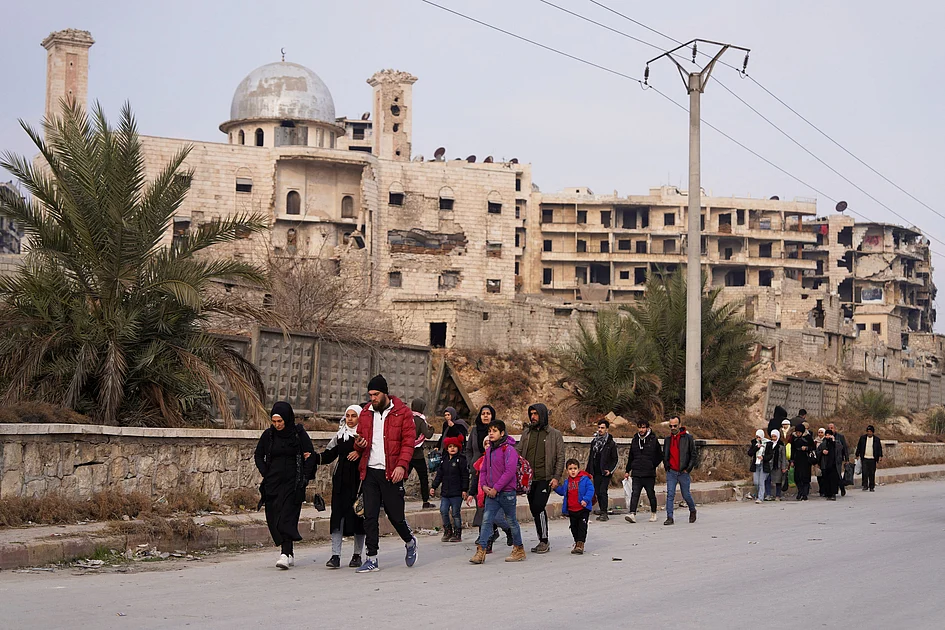
    The Syrian Ministry of Defence has officially declared a unilateral cessation of hostilities in multiple districts of Aleppo, effective from 3:00 am local time on Friday. This decision follows several days of intense combat between government forces and the Kurdish-led Syrian Democratic Forces (SDF) that resulted in at least 21 fatalities.

    The ceasefire specifically covers the Sheikh Maqsoud, Alashrafieh, and Bani Zeid neighborhoods where the most severe fighting occurred. In an official statement, the Ministry cited concerns about “preventing any slide towards a new military escalation within residential neighbourhoods” as the primary motivation for the truce.

    This outbreak of violence represents the most significant military confrontation in Aleppo since Syria’s current Islamist authorities assumed power. Both conflicting parties have exchanged accusations regarding which side initiated Tuesday’s clashes, which have disrupted a stalled agreement aimed at integrating Kurdish administrative and military structures into the central government.

    The escalation has additionally highlighted complex regional tensions, particularly involving Turkey—a key Damascus ally—and Israel, which has formally condemned what it characterized as attacks targeting Kurdish populations. The timing of these clashes coincides with deteriorating progress on implementation of the Kurdish-government integration deal, suggesting deeper political challenges beyond immediate military concerns.

  • China, Russia and Iran join South Africa for naval drills as tensions run high

    China, Russia and Iran join South Africa for naval drills as tensions run high

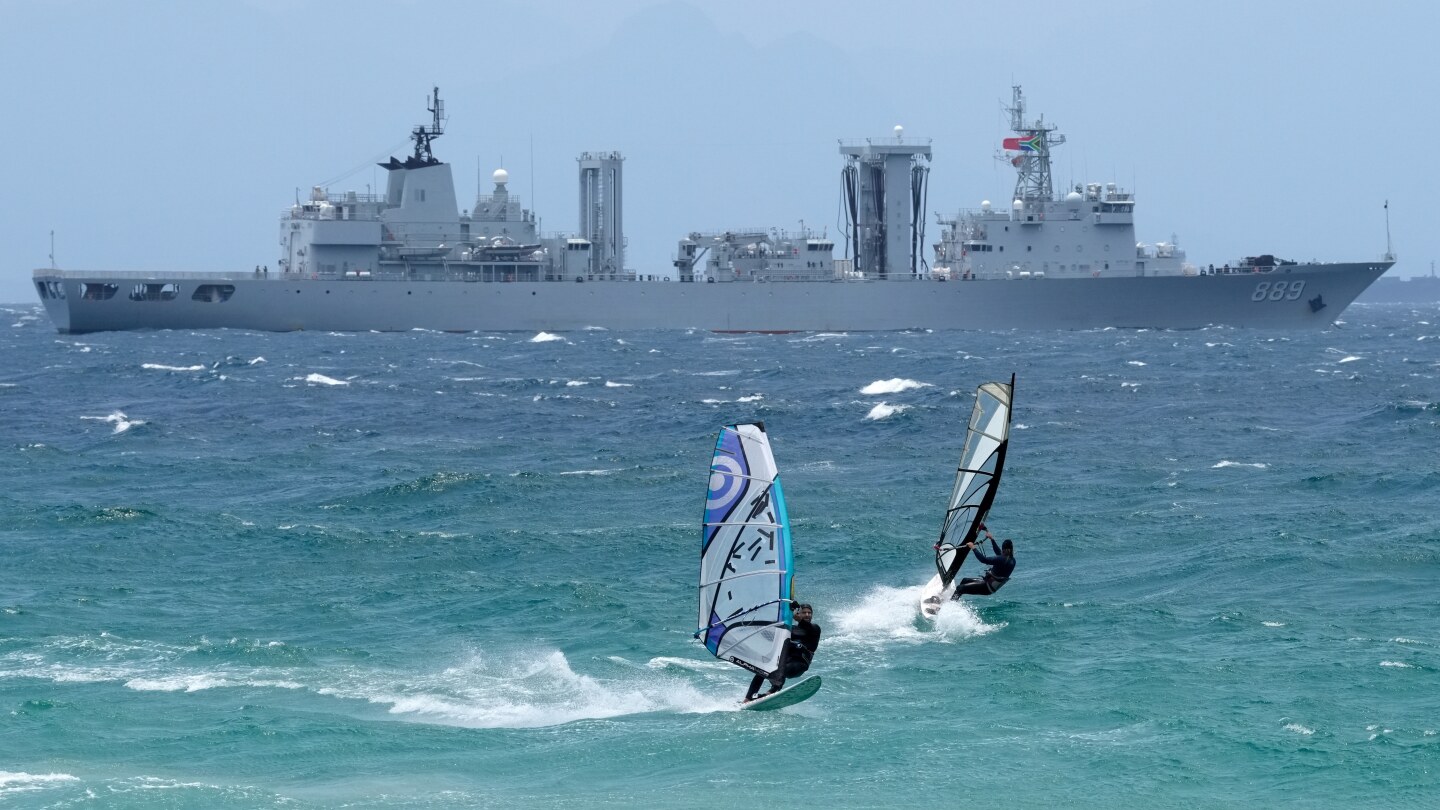
    CAPE TOWN, South Africa — In a significant display of naval cooperation, warships from China, Russia, and Iran commenced joint maritime exercises with South Africa’s navy on Friday. The week-long drills, occurring off the strategic Cape Town coast where the Atlantic and Indian Oceans converge, underscore evolving geopolitical alliances amid heightened tensions with Western powers.

    The maneuvers, organized under the BRICS framework of developing nations, were originally scheduled for November but postponed due to diplomatic considerations during South Africa’s hosting of the G20 summit. South African military officials describe the operations as focusing on maritime security protocols and anti-piracy tactics, emphasizing their goal to ‘deepen cooperation’ among participating nations.

    Notable vessels participating include China’s 161-meter destroyer Tangshan and Russia’s Stoikiy warship accompanied by a support tanker from the Baltic Fleet. The exercises mark the second consecutive year of such cooperation, following similar drills in 2023.

    The participation occurs against a complex backdrop: Iran joins despite ongoing domestic protests against its leadership, while all participating nations face varying degrees of Western sanctions. The BRICS bloc, which expanded in 2024 to include Iran alongside core members Brazil, Russia, India, China, and South Africa, has frequently served as a platform for criticizing American foreign policy.

    These developments have exacerbated strains in U.S.-South African relations, with the Trump administration previously accusing Pretoria of supporting ‘bad actors on the world stage’ and specifically citing its Iranian ties when cutting aid. The Biden administration further escalated tensions in 2023 by alleging South Africa permitted a sanctioned Russian vessel to load weapons for Ukraine conflict at Simon’s Town naval base—charges South Africa denies.

    Domestically, the governing coalition faces criticism from the Democratic Alliance, the second-largest party, which condemns the hosting of ‘heavily sanctioned’ nations and characterizes the BRICS branding as a ‘political trick’ masking military alignment with controversial regimes.

  • Pope to visit Spain this year, with stops in Madrid, Barcelona and Canary Islands, cardinal says

    Pope to visit Spain this year, with stops in Madrid, Barcelona and Canary Islands, cardinal says

    VATICAN CITY — Pope Leo XIV is preparing for a significant journey to Spain in 2026, with an itinerary featuring Madrid, Barcelona, and the Canary Islands. This pilgrimage fulfills a vision initially contemplated by his predecessor, Pope Francis, particularly regarding visiting a crucial migration gateway to Europe.

    Cardinal José Cobo Cano, Archbishop of Madrid, confirmed the developing plans following high-level discussions with Vatican officials. While speculation had suggested a June timeline, the cardinal emphasized that specific dates remain undetermined. The proposed agenda includes official engagements in the capital city of Madrid and a ceremonial visit to Barcelona’s iconic Sagrada Familia basilica. This segment holds special significance as 2026 marks the centenary of architect Antoni Gaudí’s death, who currently awaits possible beatification.

    The Canary Islands segment represents the most symbolically charged portion of the visit. This archipelago, situated near northwest Africa, serves as a primary entry point for migrants crossing from West Africa. Pope Francis had previously expressed particular interest in visiting these islands to demonstrate solidarity with migrants and refugees, though he consistently declined invitations to mainland Spain during his pontificate.

    This Spanish journey constitutes the first confirmed international travel plans for Pope Leo XIV in 2026. The American pontiff has additionally expressed intentions to visit Africa, with Algeria featuring prominently due to its connection to St. Augustine, foundational to Leo’s Augustinian order. Potential visits to Peru—where he served as a missionary for twenty years—along with Argentina and Uruguay are also under consideration.

    The announcement coincided with a landmark development in Spain’s Catholic Church governance. Spanish bishops recently conceded to grant the state ombudsman ultimate authority in determining compensation for clergy sexual abuse victims, representing a substantial shift in ecclesiastical policy.

  • 1 dead, 38 missing after Philippine dump site collapse

    1 dead, 38 missing after Philippine dump site collapse

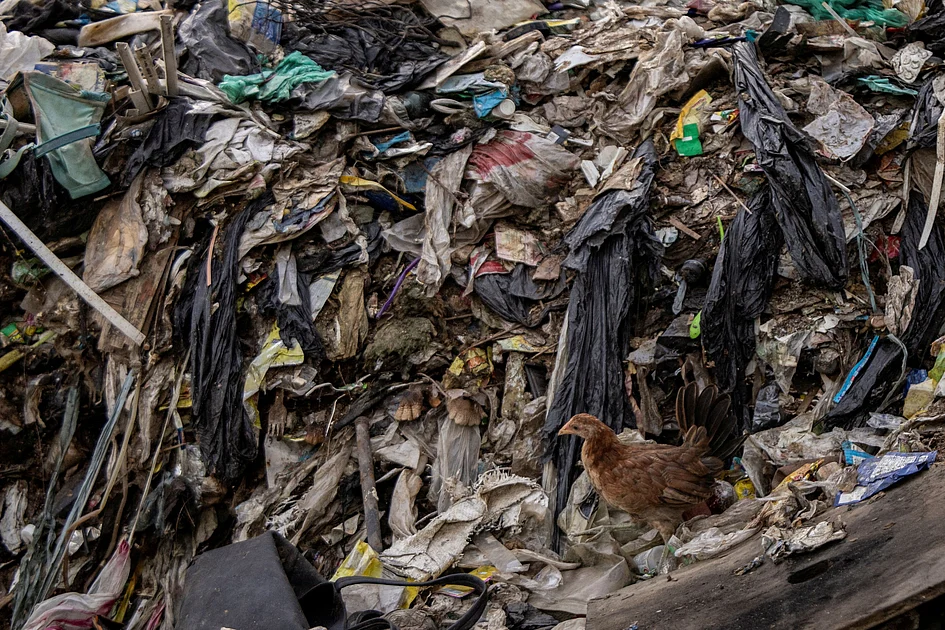
    A catastrophic collapse at the Binaliw Landfill in Cebu, Philippines, has resulted in one confirmed fatality with 38 individuals reported missing, plunging the community into a desperate search and rescue operation. The incident occurred on Thursday afternoon when a massive accumulation of garbage gave way, burying dozens of sanitation workers who were on site.

    Local authorities confirmed that at least 12 employees have been successfully extracted from the debris and are currently hospitalized, their conditions varying. The official Facebook page of Cebu City Mayor Nestor Archival released a statement indicating that rescue teams are “fully engaged in search and retrieval efforts to locate the remaining missing persons.”

    The cause of the sudden collapse remains undetermined, adding a layer of mystery to the tragedy. Marge Parcotello, a civilian staff member with the Consolacion police department, noted that the weather was clear at the time, stating, “We don’t know what caused the collapse. It wasn’t raining at all.” The town of Consolacion, which shares a boundary with the government-run landfill facility, is believed to be home to many of the victims. The Binaliw Landfill serves Cebu, a major metropolitan hub and popular tourist destination with a population of approximately one million people.

  • Dolby showcases latest innovations at CES 2026, highlighting Chinese partnership

    Dolby showcases latest innovations at CES 2026, highlighting Chinese partnership

    At the 2026 Consumer Electronics Show in Las Vegas, Dolby Laboratories unveiled groundbreaking advancements in immersive technology while highlighting its strategic collaborations with leading Chinese manufacturers. The audio-visual pioneer demonstrated how these partnerships are accelerating the adoption of premium entertainment experiences across multiple consumer platforms.

    The centerpiece of Dolby’s exhibition was Dolby Vision 2, representing a significant evolution from the established Dolby Vision standard. This next-generation imaging technology delivers unprecedented picture authenticity and performance optimization for modern television displays. According to Dolby engineers, the innovation addresses evolving consumer expectations by enhancing visual quality across all screen sizes and entertainment formats.

    Chinese television manufacturers emerged as early adopters of this technology. Hisense announced integration of Dolby Vision 2 across its premium RGB-MiniLED television series, including UX, UR9 and UR8 models, with plans to extend compatibility to additional MiniLED TVs through future firmware updates. Similarly, TCL confirmed implementation within its 2026 X QD-Mini LED TV Series and C Series products.

    Javier Foncillas, Dolby’s Vice-President of Commercial Partnerships and Global Sales, emphasized the strategic importance of Chinese collaborations: “Hisense and TCL exemplify ideal innovation partners who rapidly implement emerging technologies. Our assessment identifies Chinese companies as particularly advanced in automotive, mobile and social media applications.”

    The automotive sector featured prominently in Dolby’s showcase, with Chinese electric vehicle manufacturer NIO presenting its ET9 luxury sedan equipped with both Dolby Vision and Dolby Atmos. Industry analysis reveals at least 35 automotive manufacturers now incorporate Dolby Atmos technology, with Chinese EV manufacturers representing a substantial portion of new implementations.

    Foncillas noted the distinctive advantages of Chinese partnerships: “Startup culture and leadership engagement create exceptional implementation velocity. Company founders frequently prioritize cutting-edge technology integration, creating mutually beneficial development relationships.”

    Beyond television and automotive applications, Chinese dominance extends to mobile and social media platforms. Smartphone brands including Oppo, Vivo and Xiaomi have adopted Dolby technologies, while platforms like Bilibili and Douyin have implemented Dolby Vision support.

    The executive cited Shanghai’s innovation ecosystem as particularly influential, referencing collaborations with music studios, gaming companies and eSports organizations utilizing Atmos technology. These partnerships reflect Dolby’s expanding footprint across China’s diverse digital entertainment landscape.

  • Iranians step up protests as death toll mounts, internet cut

    Iranians step up protests as death toll mounts, internet cut

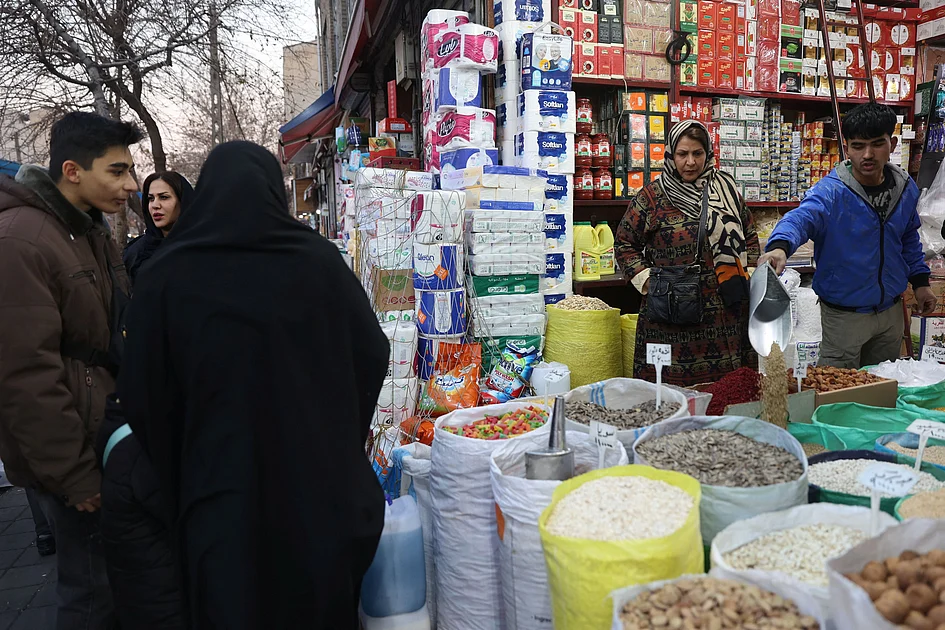
    Iran is experiencing its most significant civil unrest in years as nationwide protests intensify against the clerical leadership. The demonstrations, which originated on December 28th following the collapse of Iran’s rial currency to unprecedented lows, have now expanded across all 31 provinces with reports of gatherings in 348 distinct locations.

    The Norway-based organization Iran Human Rights has documented at least 45 fatalities since the movement began, including eight minors, with Wednesday marking the deadliest day of confrontations. Security forces have allegedly employed live ammunition against demonstrators, resulting in hundreds of injuries and over 2,000 arrests according to human rights monitors. Iranian state media, however, maintains a significantly lower official death toll of 21 individuals, including security personnel.

    In response to the escalating situation, authorities have implemented a comprehensive internet blackout across the nation, severely restricting information flow and communication capabilities. Despite this digital suppression and the violent crackdown, protests continued into Thursday night with significant gatherings reported on Tehran’s Ayatollah Kashani Boulevard and in numerous other urban centers.

    The current wave of dissent presents a substantial challenge to Ayatollah Ali Khamenei’s administration, which already contends with severe economic difficulties exacerbated by prolonged international sanctions. The protests have drawn international attention, with U.S. President Donald Trump issuing a stark warning against further violence toward demonstrators, while German Foreign Minister Johann Wadephul condemned Tehran’s ‘excessive use of force.’

    Notably, the movement has seen participation from diverse segments of society, including Kurdish regions where opposition parties called for a general strike, and academic institutions where final examinations at Tehran’s Amir Kabir University were postponed. Symbolic acts of defiance have emerged, including the toppling of a statue commemorating Qassem Soleimani, the Revolutionary Guards commander killed in a 2020 U.S. strike.

    This represents the most widespread challenge to Iran’s leadership since the 2022-2023 demonstrations triggered by Mahsa Amini’s death in custody, with current protests echoing similar anti-establishment sentiments and calls for political change.

  • US will provide $45 million in aid to Thailand and Cambodia in a bid to ensure regional stability

    US will provide $45 million in aid to Thailand and Cambodia in a bid to ensure regional stability

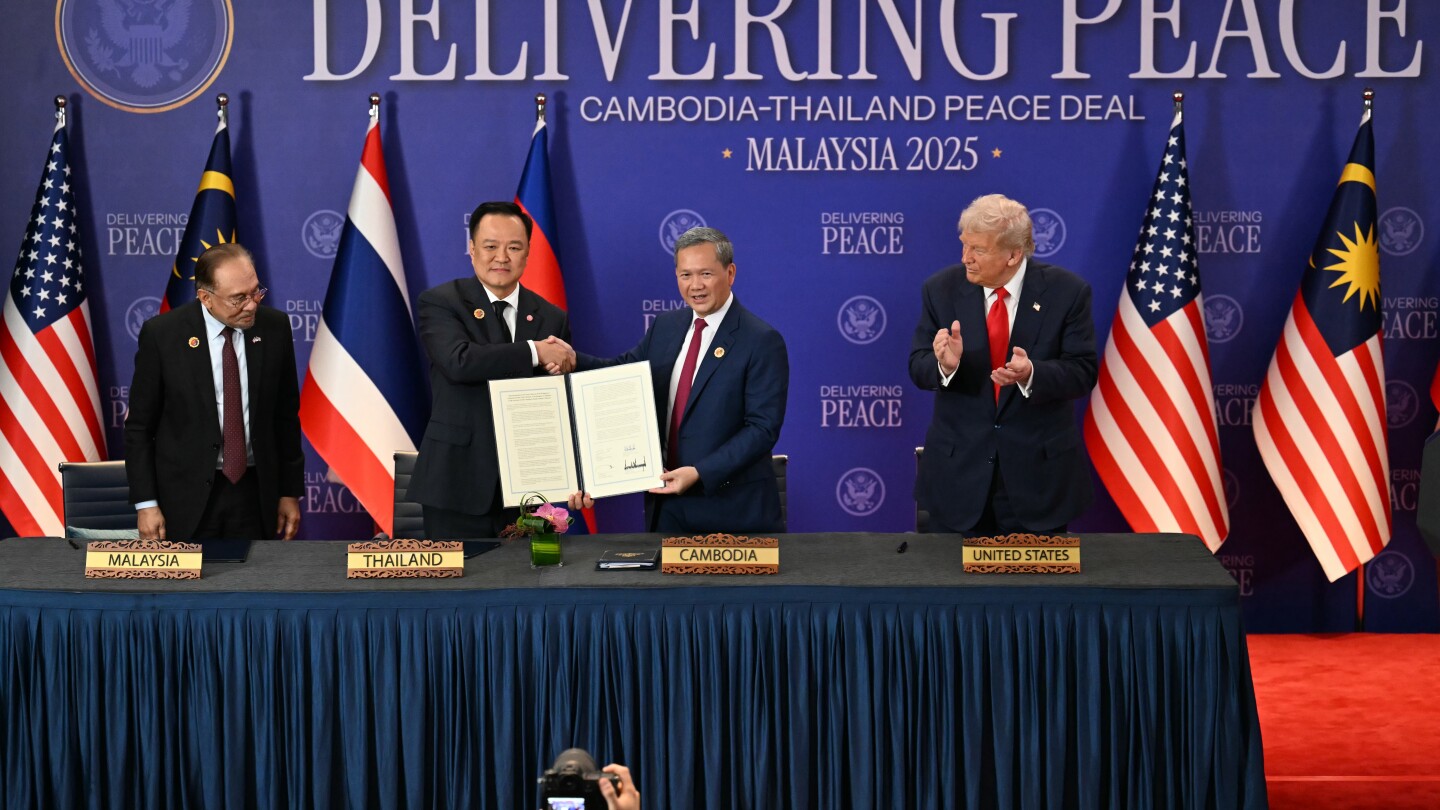
    BANGKOK — In a significant move to reinforce regional stability, the United States has pledged $45 million in comprehensive assistance to Thailand and Cambodia following last year’s border conflicts. The announcement was delivered Friday by Michael DeSombre, U.S. Assistant Secretary of State for East Asian and Pacific Affairs, during a digital press conference from Bangkok.

    The substantial aid package targets multiple critical areas: $15 million allocated for border stabilization and community recovery programs, $10 million designated for demining operations and clearance of unexploded ordinances, and $20 million committed to combating transnational crimes including scam operations and drug trafficking. These initiatives directly address the aftermath of armed clashes that displaced hundreds of thousands and resulted in approximately 100 military and civilian casualties.

    The border tensions, rooted in longstanding territorial disputes, escalated into military confrontations in July and December. The initial ceasefire, brokered in October as the Kuala Lumpur Peace Accords, received crucial reinforcement through diplomatic intervention from the Trump administration. President Donald Trump personally warned both nations that continued hostilities would jeopardize potential trade agreements with Washington.

    DeSombre emphasized that peaceful borders create unprecedented opportunities for deepened cooperation, stating: ‘The restoration of peace at the Thai-Cambodian border opens new opportunities for the United States to deepen our work with both countries to promote regional stability and advance our interests in a safer, stronger and more prosperous Indo-Pacific.’

    The assistance addresses persistent security challenges, including landmine contamination from Cambodia’s civil war era and newly laid mines that have injured Thai patrol personnel. Additionally, it targets sophisticated online scam networks operating from Southeast Asia that have defrauded global victims of billions.

    This commitment marks a strategic reengagement after previous cuts to U.S. humanitarian and development programs. DeSombre is scheduled to continue diplomatic discussions with Cambodian officials in Phnom Penh on Saturday, further solidifying implementation details of both the peace agreement and assistance package.

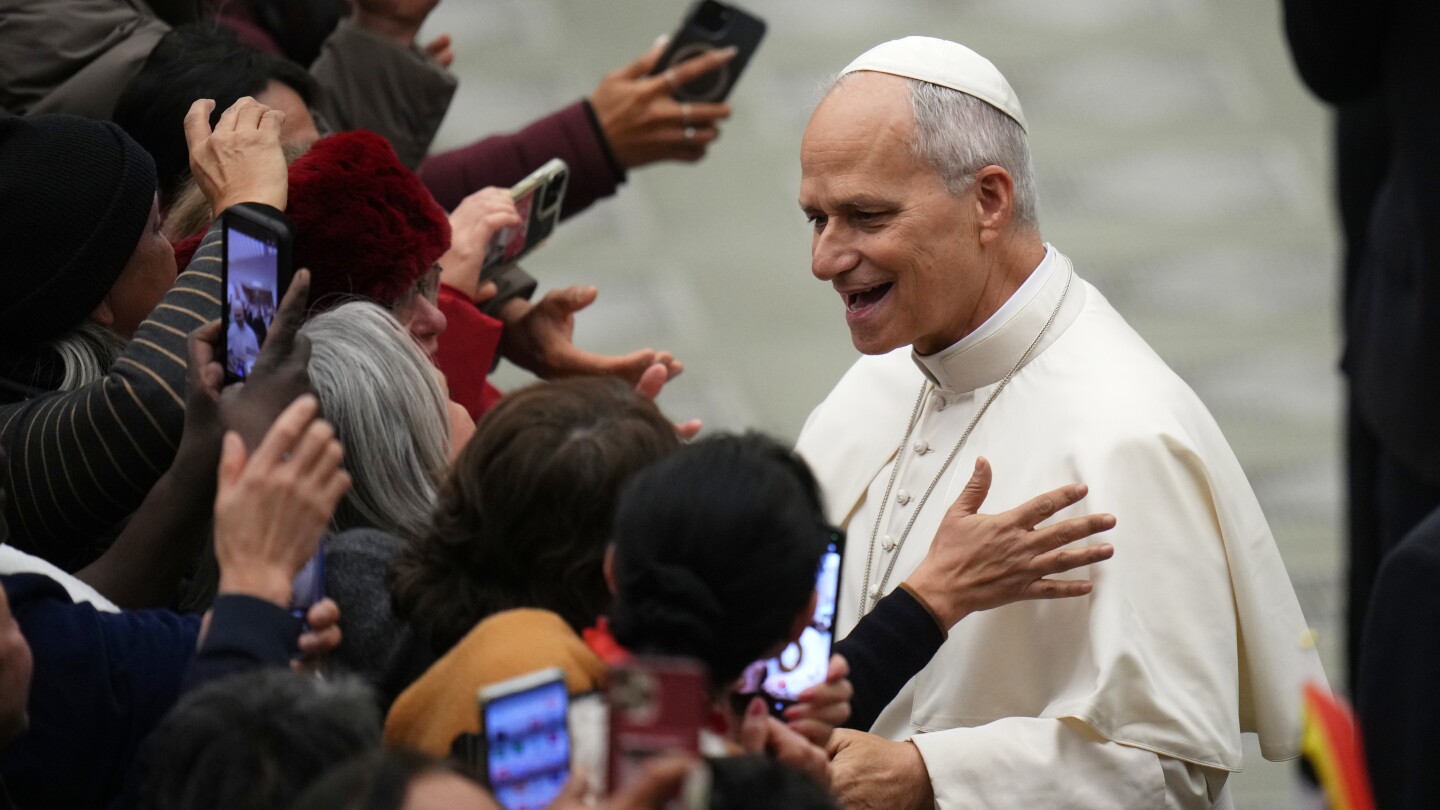
  • The pope in a major foreign policy address blasts how countries are using force to assert dominion

    The pope in a major foreign policy address blasts how countries are using force to assert dominion

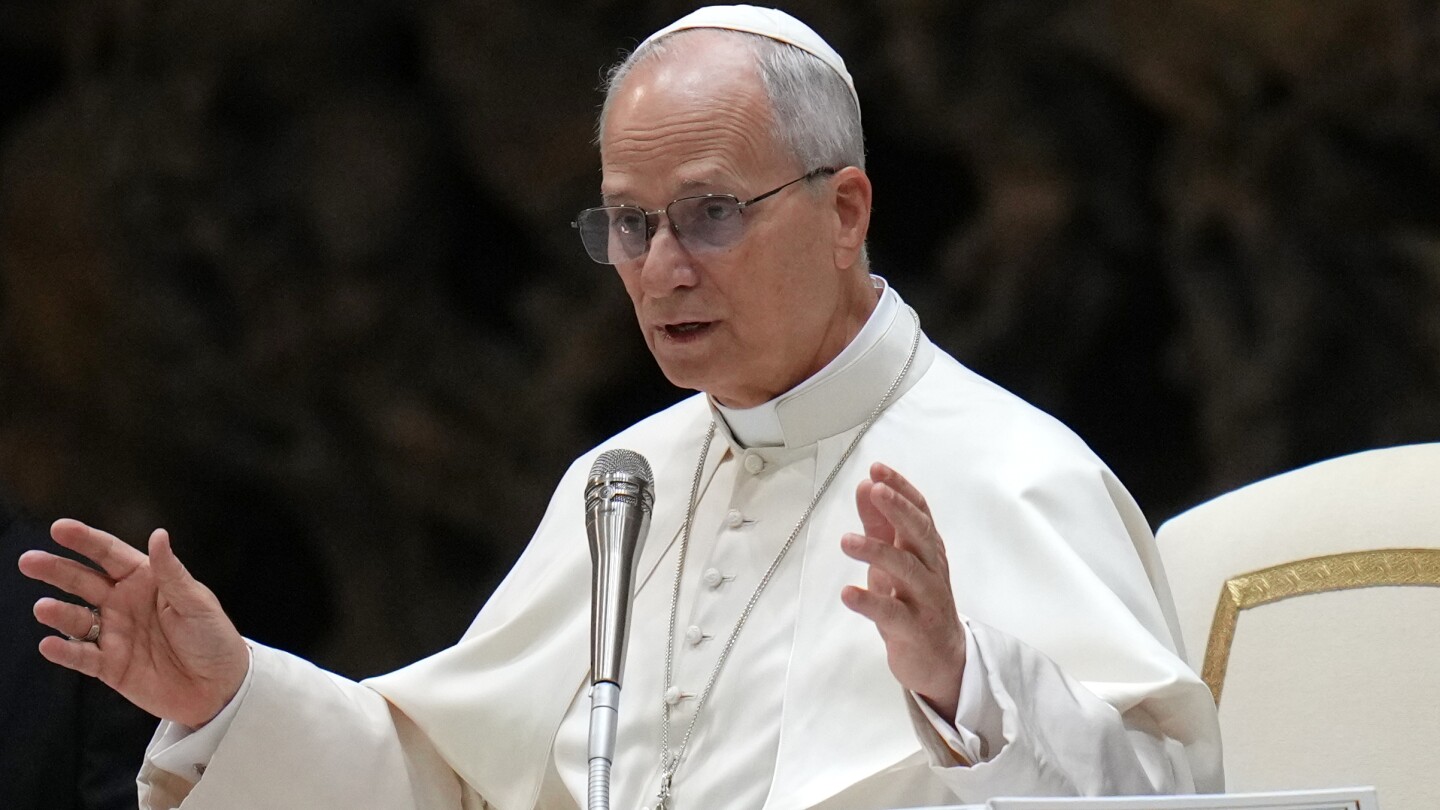
    In a groundbreaking diplomatic address that broke with Vatican tradition, Pope Leo XIV issued his most comprehensive condemnation to date of escalating military interventions by global powers. Speaking before the assembled diplomatic corps at the Holy See on Friday, the first U.S.-born pontiff in history delivered a stark warning about the resurgence of warfare as an instrument of foreign policy.

    The pontiff’s unusually direct speech, delivered primarily in English rather than the customary Italian or French, represented a significant departure from diplomatic protocol. While not explicitly naming specific nations, the address clearly referenced recent U.S. operations in Venezuela, Russia’s ongoing engagement in Ukraine, and multiple other conflict zones that have challenged the post-World War II international legal framework.

    Leo XIV articulated profound concerns about the systematic undermining of multilateral institutions, particularly the United Nations, and the dangerous shift from diplomacy to military coercion. “A diplomacy that promotes dialogue and seeks consensus among all parties is being replaced by a diplomacy based on force,” he declared, adding that the fundamental principle prohibiting nations from violating others’ borders through force had been “completely undermined.”

    The address extended beyond geopolitical matters to address fundamental human rights issues. The Pope highlighted the global persecution of Christians as one of today’s most widespread human rights crises, affecting approximately one in seven Christians worldwide. He cited specific instances of religiously motivated violence across multiple continents while noting that more subtle forms of discrimination also persist in Western nations.

    Reaffirming traditional Catholic teachings, Leo XIV expressed deep concern about expanding access to abortion services and strongly condemned surrogacy arrangements, which he characterized as reducing human life to commercial transactions that violate the dignity of both children and women. He framed these issues within the broader context of defending the most vulnerable members of society, including the unborn, refugees, and migrants.

    The comprehensive nature of this annual foreign policy address signals a potentially new direction for Vatican diplomacy under its American-born leader, combining traditional moral teachings with urgent contemporary concerns about global stability and human dignity.

  • Nevada eyes Chinese tech cooperation to boost economic diversification

    Nevada eyes Chinese tech cooperation to boost economic diversification

    In a strategic move to accelerate its economic transformation, the US state of Nevada is actively pursuing deeper technological and trade cooperation with China. Lieutenant Governor Stavros Anthony articulated this vision during the recent Consumer Electronics Show (CES) in Las Vegas, signaling a deliberate shift from the state’s iconic gaming and tourism image toward a diversified, innovation-driven economy.

    Anthony emphasized that Nevada’s longstanding diversification strategy now prioritizes attracting global high-tech enterprises, with Chinese technology firms representing a key demographic. This outreach occurs against the backdrop of enduring US-China trade tensions, yet Nevada maintains its commitment to being a business-friendly jurisdiction open to international investment.

    Chinese technological prowess was prominently displayed at CES 2026, where companies led advancements in robotics, intelligent automotive systems, next-generation displays (MiniLED and rollable OLED), AI applications, smart home ecosystems, and clean energy solutions. Multiple Chinese manufacturers received CES Innovation Awards, evidencing their manufacturing sophistication and design innovation.

    Nevada’s development priorities align closely with these technological strengths. The state is actively promoting sustainable industries, particularly those focused on water conservation and energy efficiency—critical concerns given its arid climate. Anthony explicitly welcomed Chinese companies specializing in renewable energy and water-efficient technologies to explore investment opportunities within the state.

    The historical context underpins this modern partnership. Chinese immigrants contributed significantly to Nevada’s 19th-century development through mining and railroad construction. Today, China remains Nevada’s largest import source, supplying electronics, machinery, and furniture, making the state one of the most reliant on Chinese goods in the US.

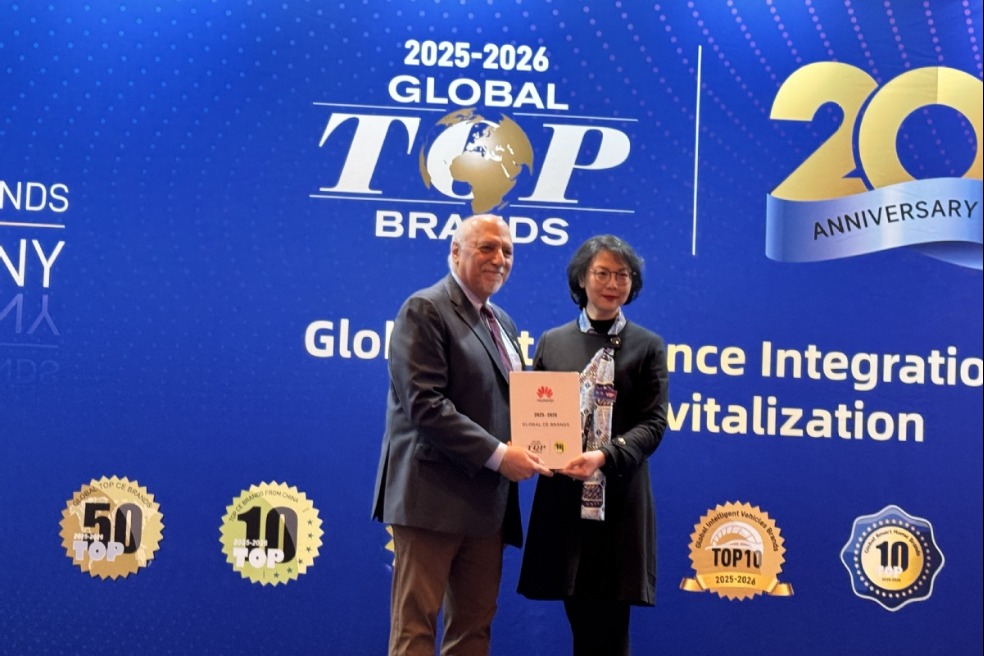
    Demonstrating its commitment, Nevada’s leadership formally recognized leading Chinese brands including Huawei, TCL, Haier, and Hisense at the Global Top Brands Awards ceremony co-hosted during CES, acknowledging their global innovative contributions. Anthony concluded by reinforcing Nevada’s ambition to be a ‘global state’ that collaborates internationally, including with China, to build a resilient and sustainable economic future.