作者: admin

  • Trump promises oil executives ‘total safety’ if they invest in Venezuela after Maduro ouster

    Trump promises oil executives ‘total safety’ if they invest in Venezuela after Maduro ouster

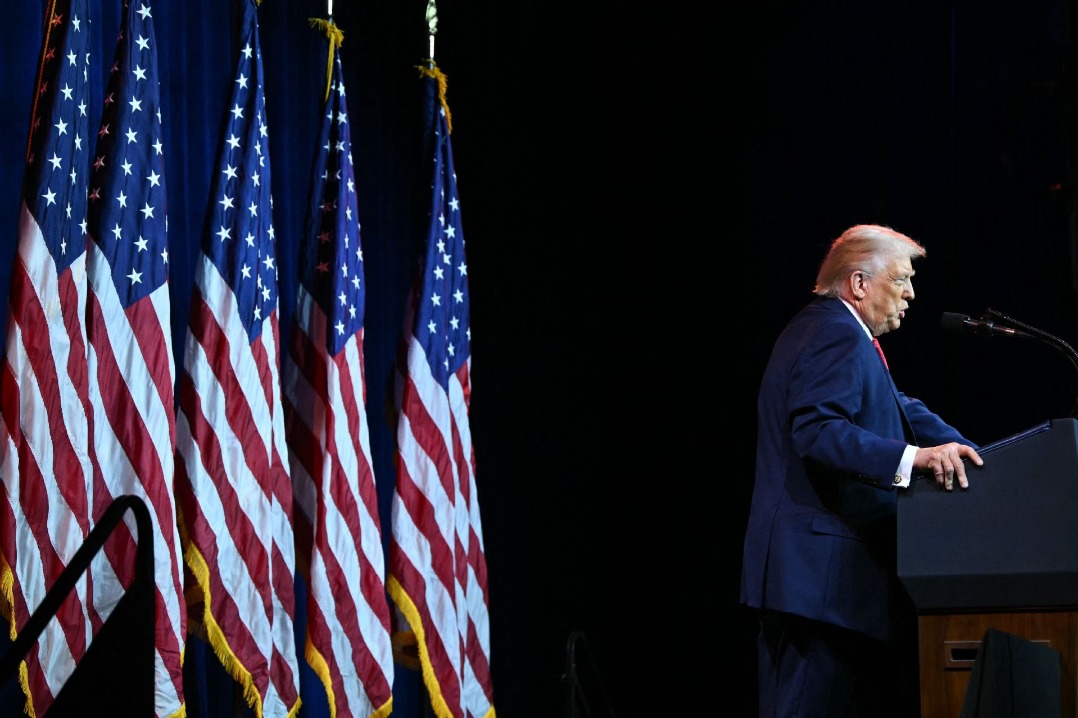
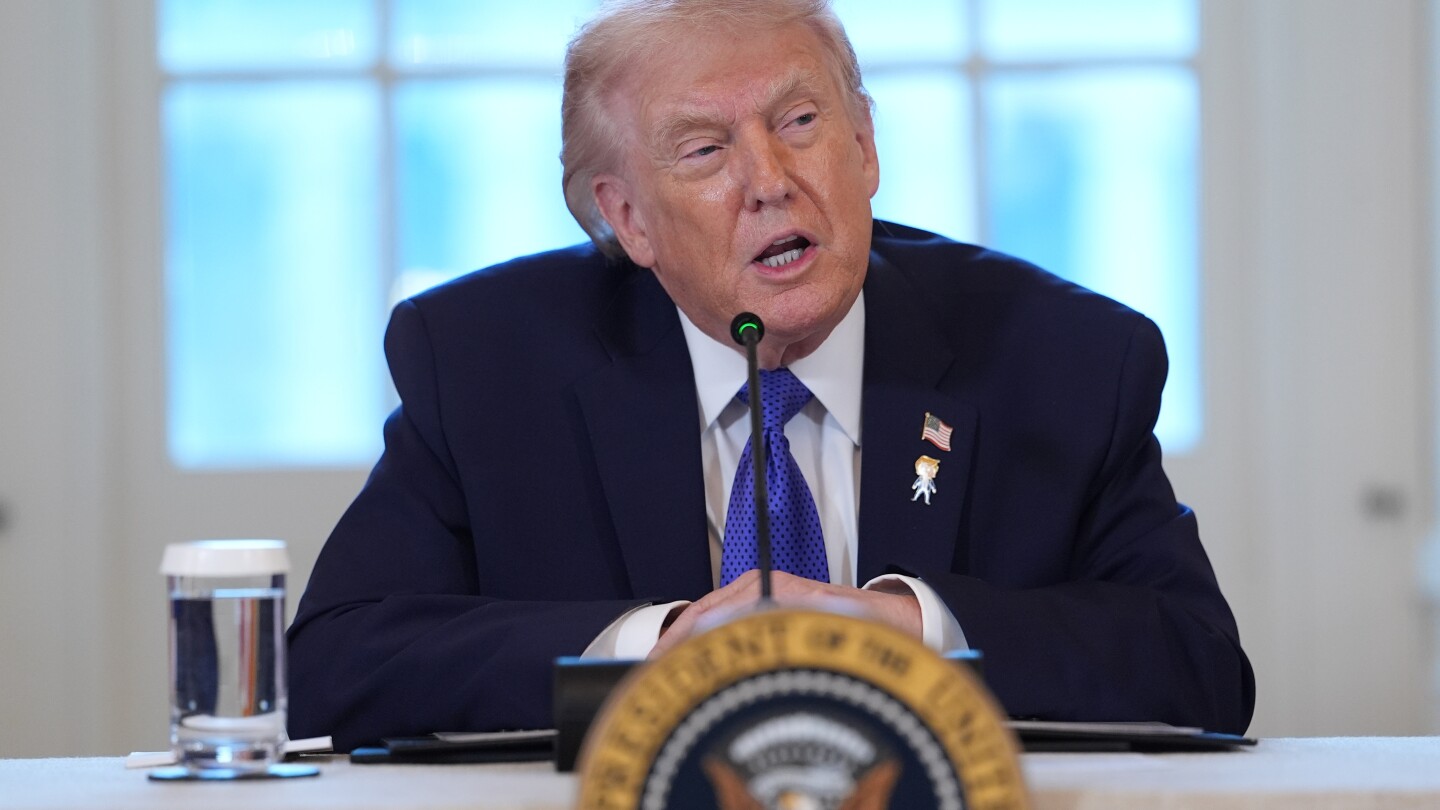
    WASHINGTON — In a strategic pivot following the military operation that ousted Nicolás Maduro, President Donald Trump convened top oil industry executives at the White House to champion a massive $100 billion private investment initiative aimed at revitalizing Venezuela’s crippled energy infrastructure. The Friday meeting marked a dramatic shift from military action to economic opportunity, with Trump positioning Venezuela’s vast petroleum reserves as a prime target for American energy corporations.

    The administration’s aggressive posture includes seizing tankers carrying Venezuelan crude and assuming control over global sales of 30-50 million barrels of previously sanctioned oil. Trump personally assured skeptical executives of “total safety” in potential ventures, emphasizing they would be “dealing with us directly and not dealing with Venezuela at all.” This unprecedented arrangement would see the U.S. government acting as intermediary for energy investments in a foreign nation.

    Despite presidential assurances, industry leaders expressed significant reservations. ExxonMobil CEO Darren Woods characterized Venezuela as “un-investable” under current frameworks, citing the need for comprehensive legal overhauls and durable investment protections. The company’s assets were seized twice previously in the country, reflecting the challenging operational environment.

    The mobilization forms part of Trump’s broader effort to curb gasoline prices, merging assertive presidential power with economic spectacle ahead of election season. Beyond domestic considerations, the president presented the intervention as preempting Chinese or Russian control of Venezuelan resources, stating: “If we didn’t do this, China or Russia would have done it.”

    In parallel diplomatic developments, both nations are exploring restored relations, with U.S. officials conducting preliminary assessments for reopening the Caracas embassy. The administration also announced upcoming meetings with Venezuelan opposition leader Maria Corina Machado and Colombian President Gustavo Petro, signaling complex regional realignments following Maduro’s ouster.

    Energy Secretary Chris Wright projected optimism post-meeting, noting “tremendous interest” from attendees and suggesting production could triple to 3 million barrels daily within 8-12 years. The assemblage included Chevron, ConocoPhillips, Shell, and international firms Trafigura, Eni, and Repsol, representing global stakes in Venezuela’s energy future.
  • The continued mysteries surrounding the intelligence operation to seize Maduro

    The continued mysteries surrounding the intelligence operation to seize Maduro

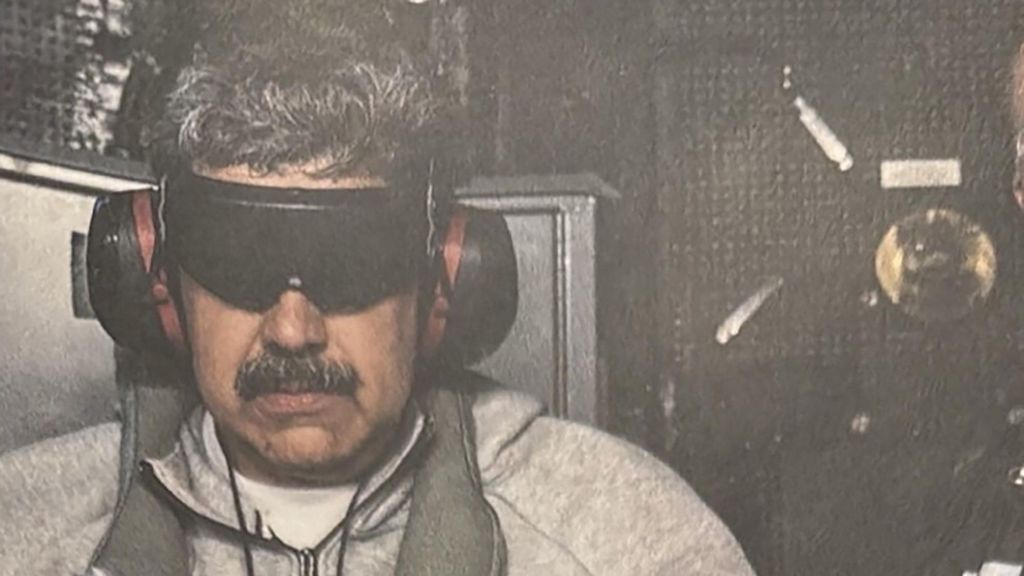
    The meticulously orchestrated capture of Venezuelan President Nicolás Maduro represents a watershed moment in modern intelligence and military operations. New disclosures reveal an unprecedented multi-agency mission involving months of strategic planning and cutting-edge technological warfare.

    Operating in what intelligence communities classify as a ‘denied area’ without diplomatic cover, CIA operatives conducted extensive ground reconnaissance in Venezuela throughout August. Their success hinged on a crucial government source within Maduro’s inner circle who provided real-time intelligence on the leader’s movements—a testament to the penetration of his security apparatus.

    The operational execution demonstrated remarkable coordination: approximately 150 aircraft participated in the mission, with helicopters flying at ultra-low altitudes to evade detection. The involvement of US Cyber Command proved pivotal, as their expertise facilitated a city-wide blackout in Caracas that provided critical cover for special forces insertion. Simultaneously, US Space Command created an invisible ‘pathway’ for forces to approach undetected, while advanced electronic warfare systems reportedly neutralized Chinese and Russian air defense systems.

    The assault on Fuerte Tiuna, Venezuela’s largest military complex, resulted in the deaths of 32 Cuban nationals serving as Maduro’s personal security detail. Notably absent were Venezuelan security forces at the compound’s inner perimeter, raising questions about possible internal collaboration. US forces intercepted Maduro moments before he could secure himself in a reinforced safe room, demonstrating precise knowledge of the compound’s layout.

    Pre-operation analysis by CIA strategists concluded that maintaining stability would require cooperation with elements of the existing regime rather than installing exiled opposition figures. This assessment paved the way for back-channel communications with Maduro’s inner circle, including Vice President Delcy Rodríguez, to discuss transitional arrangements.

    The mission’s flawless execution—achieved without US casualties—marks a paradigm shift in combined intelligence and military operations, though many technological and strategic details remain classified. America’s adversaries are now undoubtedly analyzing the operation to understand the full scope of capabilities demonstrated.

  • The musician and the strongman leader – what you need to know about Uganda’s election

    The musician and the strongman leader – what you need to know about Uganda’s election

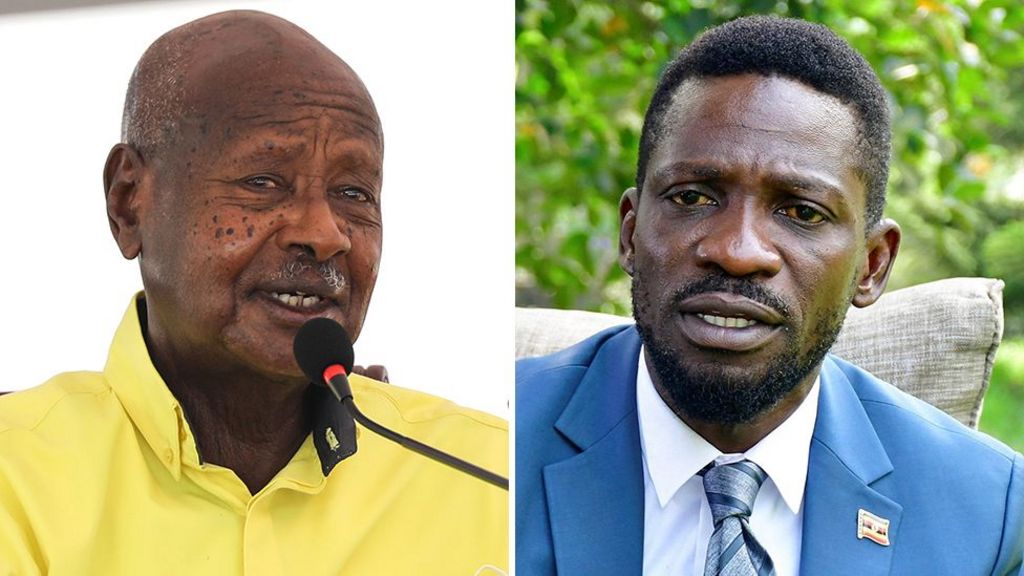
    Uganda stands at a pivotal juncture as it prepares for presidential elections on January 15th, presenting voters with a stark choice between continuity and transformation. President Yoweri Museveni, 81, seeks to extend his 40-year reign—one of Africa’s longest administrations—while his primary challenger, 43-year-old former pop sensation Bobi Wine, promises radical governance reforms and represents generational change.

    The electoral landscape is characterized by significant tension, with opposition campaigns experiencing systematic disruption through activist detentions and police intervention at rallies. These developments occur against a backdrop of pressing economic concerns, particularly youth unemployment in a nation where over three-quarters of the population is under 30.

    This marks the second electoral confrontation between Museveni and Wine, following the contentious 2021 poll where Museveni secured 58% of votes amid widespread allegations of electoral manipulation and opposition suppression. Museveni’s prolonged tenure has been facilitated by constitutional amendments eliminating presidential age and term limits, enabling his seventh consecutive candidacy.

    Bobi Wine (legal name Robert Kyagulanyi) has emerged as the most formidable opposition figure, capitalizing on his popularity among urban youth and working-class constituencies. His National Unity Platform became parliament’s largest opposition party following the previous election, though Wine has faced persistent harassment from security forces throughout the campaign period.

    Beyond the two frontrunners, six additional candidates complete the presidential field, though none are projected to secure significant vote shares. Notably absent is veteran opposition leader Kizza Besigye, currently imprisoned on treason charges in Kenya.

    Economic considerations dominate voter concerns, with unemployment, infrastructure deficiencies, and unequal access to education and healthcare representing primary issues. While Uganda has avoided the severe inflation affecting neighboring nations, corruption remains pervasive—the country ranks 140th globally on Transparency International’s Corruption Perceptions Index.

    International observers have expressed concern about the electoral environment, with UN experts noting a ‘pervasive climate of fear’ and Amnesty International documenting a ‘brutal campaign of repression’ involving tear gas, pepper spray, and physical violence against opposition supporters. The government maintains these measures are necessary to ensure peaceful elections.

    Election officials promise transparent voting procedures with party agents and independent monitors observing the count, though critics question the electoral commission’s independence. Opposition leaders have urged supporters to safeguard ballots against potential manipulation, while preparing technological solutions like Bluetooth-enabled monitoring apps to circumvent possible internet restrictions.

    According to electoral regulations, presidential results must be announced within 48 hours of polling closure. A candidate must secure over 50% of the national vote to avoid a runoff—a threshold Museveni has consistently achieved in previous elections.

  • 5.3-magnitude earthquake strikes Tajikistan; tremors felt in Pakistan

    5.3-magnitude earthquake strikes Tajikistan; tremors felt in Pakistan

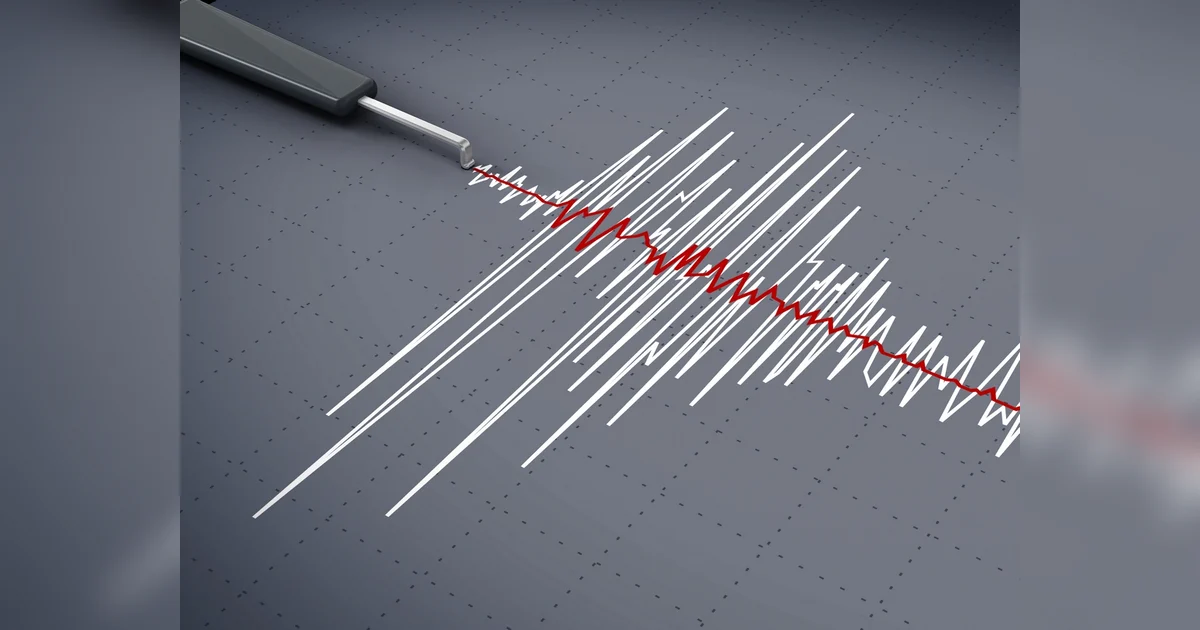
    A substantial earthquake measuring 5.3 on the Richter scale struck the mountainous nation of Tajikistan on Friday, January 9th, 2026, according to official reports from the National Center for Seismology (NCS). The seismic event occurred at 02:44:16 IST at a considerable depth of 110 kilometers, with its epicenter located at coordinates 38.26°N latitude and 73.42°E longitude.

    The tremors were felt across multiple neighboring countries including Pakistan, China, and Afghanistan, highlighting the regional significance of the geological activity. This event follows another recent seismic occurrence in the same region, where a 4.5 magnitude earthquake was recorded on January 7th at an even greater depth of 170 kilometers.

    Tajikistan’s unique geological profile makes it particularly susceptible to natural disasters. The country’s diverse topography, characterized by extensive mountain ranges and glacier-dependent river systems, creates inherent vulnerabilities to various climate hazards. Beyond earthquakes, the nation regularly contends with floods, droughts, avalanches, landslides, and mudslides.

    The World Bank Climate Change Knowledge Portal indicates that environmental challenges are intensifying for Tajikistan, with projections suggesting that 30% of the country’s glaciers may disappear by 2050. This glacial melt further exacerbates existing vulnerabilities in river basins that are critical for hydropower generation and agricultural irrigation.

    Adding to these challenges, Tajikistan remains one of the world’s most isolated countries, a situation compounded by frequent natural disasters that damage transportation infrastructure. Landslides, debris flows, and floods regularly render bridges unsafe and roads impassable, gradually weakening flood defense systems that protect vulnerable communities.

  • How radioactive rhino horns are helping with conservation

    How radioactive rhino horns are helping with conservation

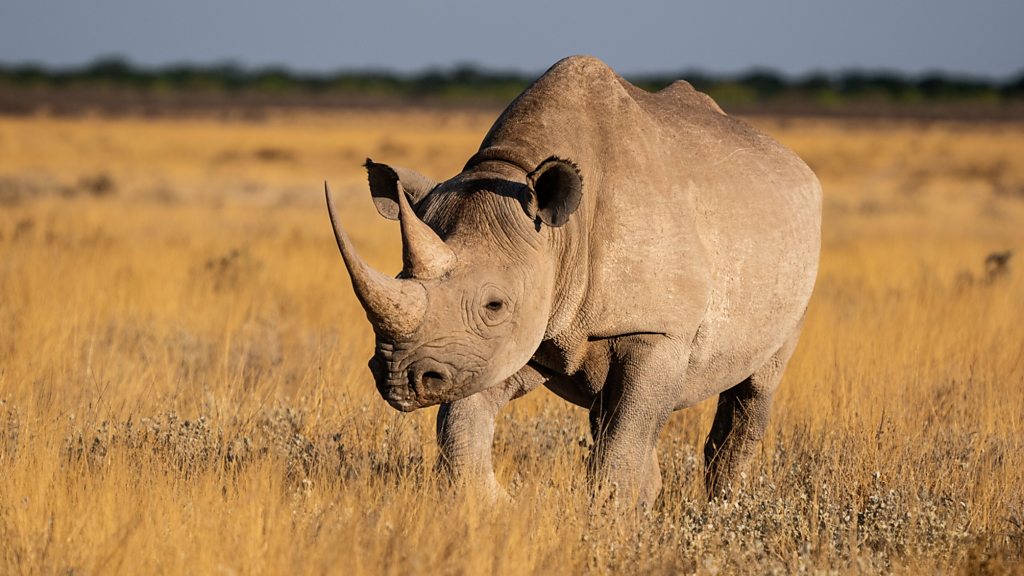
    In a groundbreaking anti-poaching initiative, South African conservationists are implanting radioactive isotopes into the horns of live rhinoceroses. This radical approach aims to render the horns dangerously radioactive, thereby making them easier to detect at international border crossings and significantly less desirable on the black market.

    The project, a collaboration between the University of the Witwatersrand and other research entities, utilizes a process of drilling a small hole into the inert keratin of the horn to insert a minute quantity of radioactive material. This substance is carefully calibrated to be powerful enough to trigger radiation monitors installed at ports, airports, and border posts—key smuggling checkpoints globally—while posing no health risk to the animal itself or its surrounding ecosystem.

    The primary objective is to drastically increase the cost and difficulty for wildlife traffickers. By turning the horn into a radioactive product that would be flagged by security systems, the method introduces a formidable layer of risk for smugglers, potentially deterring poachers and disrupting illicit supply chains. This innovation represents a fusion of nuclear science and conservation biology, offering a new, high-tech weapon in the ongoing battle to protect these critically endangered species from extinction driven by the illegal wildlife trade.

  • US intercepts fifth sanctioned tanker as it exerts control over Venezuelan oil distribution

    US intercepts fifth sanctioned tanker as it exerts control over Venezuelan oil distribution

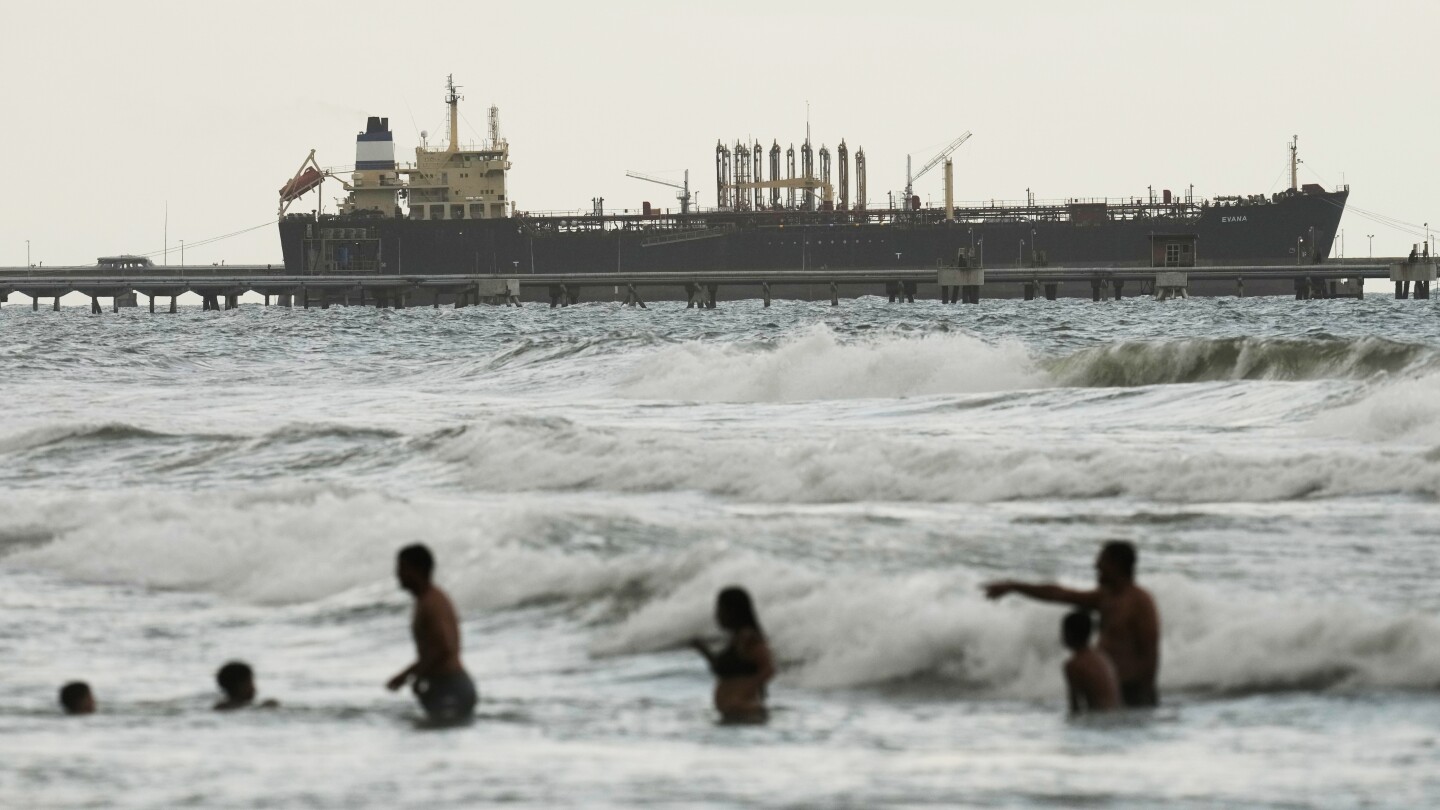
    In a predawn maritime operation on Friday, U.S. military forces conducted a strategic boarding of the oil tanker Olina in the Caribbean Sea. The intervention represents the latest escalation in the Trump administration’s comprehensive campaign to control Venezuela’s oil production and distribution networks while enforcing international sanctions.

    According to U.S. Southern Command, the operation involved Marines and Navy sailors deployed from the aircraft carrier USS Gerald R. Ford, part of a substantial naval presence built up in the Caribbean region over recent months. The Coast Guard subsequently assumed control of the vessel following the initial seizure. Unclassified footage released by military authorities and Homeland Security Secretary Kristi Noem depicted a U.S. helicopter landing on the tanker’s deck, with personnel conducting thorough searches and deploying what appeared to be explosive breaching devices.

    The Olina represents the fifth tanker intercepted by U.S. forces as part of Washington’s strategy to regulate Venezuela’s oil exports, and the third such seizure since the U.S. recognized the ouster of Venezuelan President Nicolás Maduro. Secretary Noem characterized the vessel as belonging to the so-called ‘ghost fleet’ of tankers attempting to transport embargoed petroleum products while evading detection.

    President Trump announced via social media that the operation was conducted ‘in coordination with the Interim Authorities of Venezuela,’ though the White House provided no additional details regarding this collaboration. The Venezuelan government subsequently acknowledged cooperating with U.S. authorities to return the tanker, which they stated had departed without proper authorization or payment.

    Maritime intelligence analysts from TankerTrackers.com identified at least 16 vessels that have departed Venezuela’s coast in violation of the U.S.-imposed quarantine blocking sanctioned ships from conducting trade. The Olina, previously sanctioned for moving Russian oil under the name Minerva M, was reportedly flying a false flag of Timor-Leste despite being registered to a Hong Kong-based company. The vessel had been operating with its location beacon disabled since November.

    The administration has framed these seizures as both a law enforcement measure and an economic strategy. Officials anticipate selling 30-50 million barrels of sanctioned Venezuelan oil, with proceeds designated for both American and Venezuelan interests. President Trump met with oil executives Friday to discuss a proposed $100 billion investment plan to rebuild Venezuela’s energy infrastructure, while Vice President JD Vance emphasized the U.S. could control Venezuela’s ‘purse strings’ by dictating oil distribution channels.

    Industry experts estimate the Olina was carrying approximately 707,000 barrels of oil valued at over $42 million at current market prices.

  • As Trump promises Venezuelan renaissance, locals struggle with crumbling economy

    As Trump promises Venezuelan renaissance, locals struggle with crumbling economy

    CARACAS, Venezuela — While Washington pledges a golden economic future for Venezuela following the dramatic capture of former President Nicolás Maduro, ordinary citizens confront a starkly different reality of hyperinflation and severe scarcity that defines daily existence.

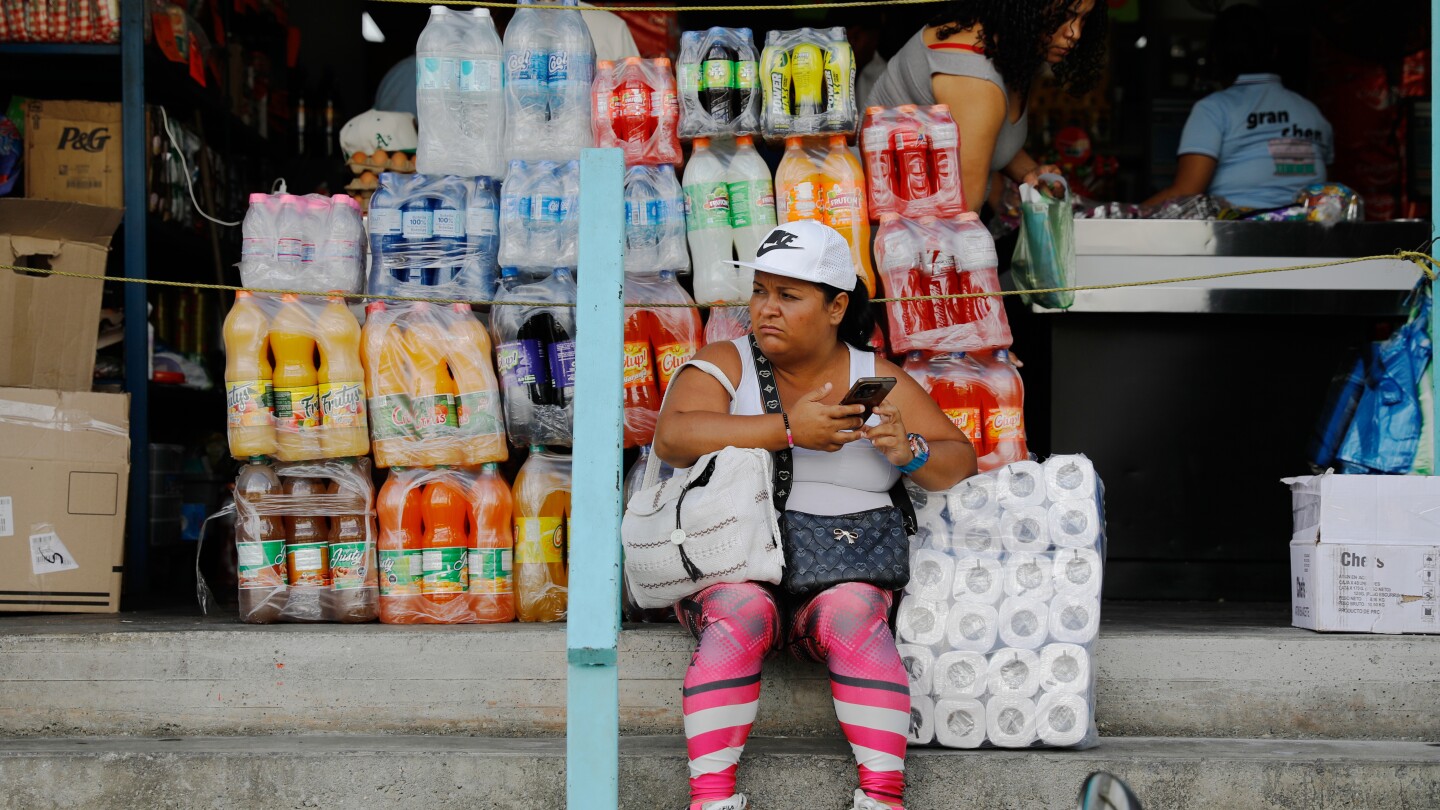
    At a sprawling street market in the capital, utility worker Ana Calderón illustrates the profound disconnect between political promises and ground-level suffering. Her immediate concern isn’t geopolitical shifts but the impossible mathematics of assembling a simple pot of soup. “Food is incredibly expensive,” she states, noting how celery now costs twice what it did weeks ago while a kilogram of meat sells for more than $10—a sum representing 25 times the country’s frozen monthly minimum wage of just $0.40.

    This economic catastrophe has unfolded despite Venezuela possessing the world’s largest proven oil reserves. The current crisis finds its roots in the Chavez-Maduro era, where corruption, declining production, and disastrous economic policies created a perfect storm. Since 2012, poverty has engulfed approximately 80% of the population, the middle class has virtually disappeared, and more than 7.7 million people have fled their homeland.

    President Trump’s administration vows that American intervention will channel billions into infrastructure, revitalize the crippled oil industry, and ultimately restore prosperity. Commitments include distributing oil sale proceeds to Venezuelans and repairing the collapsed electricity grid. However, the immediate White House focus appears centered on extracting more Venezuelan oil and opening the sector to U.S. investment—a process Trump acknowledges “will take years.”

    Economists express profound skepticism about rapid improvement. Luisa Palacios, a Venezuelan-born scholar at Columbia University, observes that while people remain hopeful, “they don’t see it yet on the ground. What they’re seeing is repression. They’re seeing a lot of confusion.” Usha Haley, an economist specializing in emerging markets, confirms that rampant inflation and currency collapse cannot be solved by a single oil sale, predicting that “jobs, prices, and exchange rates will probably not shift quickly.”

    For now, Venezuelans survive through a philosophy of “resolver”—figuring out each day through multiple jobs, delicate financial calculations, and heartbreaking choices between medicine and food. As vendor Neila Roa summarizes while selling cigarettes to survive: “What we don’t know is whether the change is for better or for worse. We’re in a state of uncertainty.”

  • Trump signals he may let last US-Russia nuclear treaty expire

    Trump signals he may let last US-Russia nuclear treaty expire

    The future of nuclear arms control between the world’s two largest nuclear powers hangs in the balance as former President Donald Trump indicates willingness to let the New START treaty expire without replacement. In a recent interview with The New York Times, Trump suggested rejecting Moscow’s proposal to maintain the treaty’s limitations, instead advocating for a broader agreement involving additional nations.

    The New Strategic Arms Reduction Treaty (New START), enacted in 2011, represents the final remaining nuclear arms control agreement between the United States and Russia. The landmark pact imposes crucial restrictions, capping deployed strategic nuclear warheads at 1,550 per country and limiting deployed delivery systems—including intercontinental ballistic missiles, bombers, and submarines—to 700 units. Without extension or replacement, this critical arms control mechanism is scheduled to terminate on February 5, 2026.

    Trump’s stance marks a significant departure from previous administrations. When questioned about the treaty’s potential expiration, the former president responded with apparent indifference, stating, ‘If it expires, it expires.’ He instead emphasized his preference for negotiating a ‘better agreement’ that would incorporate ‘a couple of other players’ beyond the current bilateral framework.

    This development carries profound implications for global security architecture. Should the treaty lapse, it would represent the first time in nearly fifty years that the United States and Russia operate without legally binding constraints on their nuclear arsenals. The original treaty framework permitted one five-year extension, which was utilized in 2021 through an agreement between Russian President Vladimir Putin and then-President Joe Biden.

    The current situation emerges against a backdrop of diplomatic outreach from Moscow. In September 2025, Putin reportedly proposed that both nations voluntarily continue observing the treaty’s limitations even without formal extension—a suggestion that appears to find no favor with the Trump administration. This potential collapse of nuclear arms control mechanisms raises significant concerns among international security experts about a new nuclear arms race and the erosion of strategic stability between the world’s premier nuclear powers.

  • Who was Renee Nicole Good, the woman killed by US immigration police?

    Who was Renee Nicole Good, the woman killed by US immigration police?

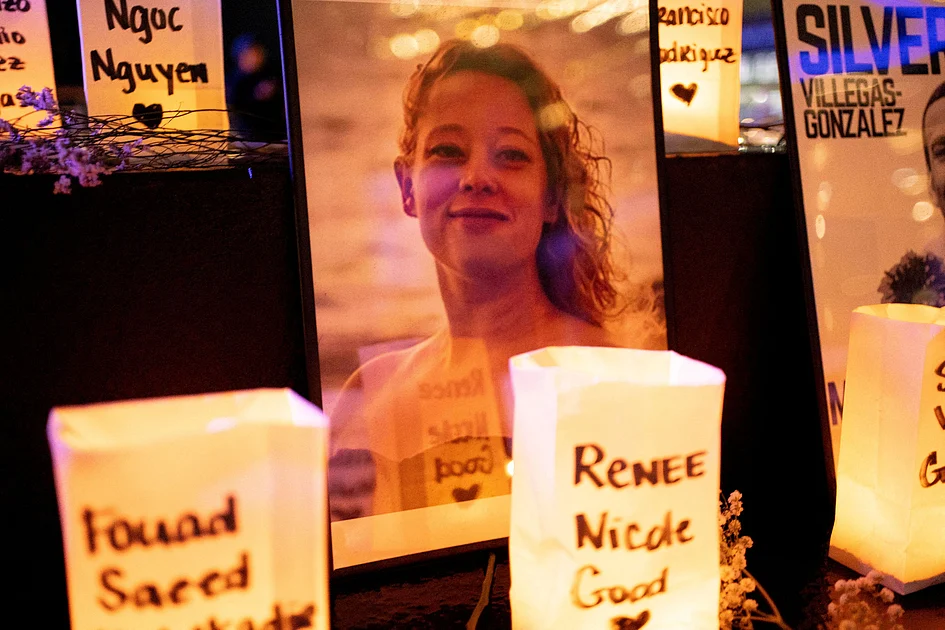
    The fatal shooting of 37-year-old poet and mother Renee Nicole Good by a U.S. Immigration and Customs Enforcement (ICE) officer in Minneapolis has ignited national controversy and raised serious questions about the use of deadly force by federal agents. The incident occurred Wednesday when Good was behind the wheel of her vehicle, though conflicting narratives have emerged regarding the circumstances.

    Contrary to the Trump administration’s immediate characterization of the shooting as an act of self-defense, local authorities and multiple eyewitnesses have disputed this account. Video evidence circulating widely on social media platforms appears to contradict the official version of events, showing no immediate threat to the ICE officer at the time of the shooting.

    Good was remembered by her family as an exceptionally compassionate individual who dedicated her life to caring for others. Her mother, Donna Ganger, described her to the Minnesota Star-Tribune as “loving, forgiving, and affectionate—an amazing human being” who consistently demonstrated concern for those around her.

    An accomplished writer and 2020 graduate of Old Dominion University with a degree in English literature, Good received the Academy of American Poets poetry prize during her academic career. University President Brian O. Hemphill honored her memory in an official statement, expressing hope that her life would serve as “a reminder of what unites us: freedom, love, and peace” during what he characterized as “one of the darkest and most uncertain periods in our nation’s history.”

    Beyond her literary achievements, Good was a devoted mother to three children, with personal interests including movie marathons and creative art projects with her family. Her first husband, who requested anonymity, confirmed her deep Christian faith and stated she was not involved in any activist movements targeting ICE operations.

    The tragedy has generated substantial public support, with more than $800,000 raised through crowdfunding initiatives to assist her surviving children and family members. The case continues to develop as multiple investigations proceed amid growing calls for transparency and accountability in law enforcement practices.

  • Italy backs historic EU-Mercosur trade deal after 25 years of negotiations

    Italy backs historic EU-Mercosur trade deal after 25 years of negotiations

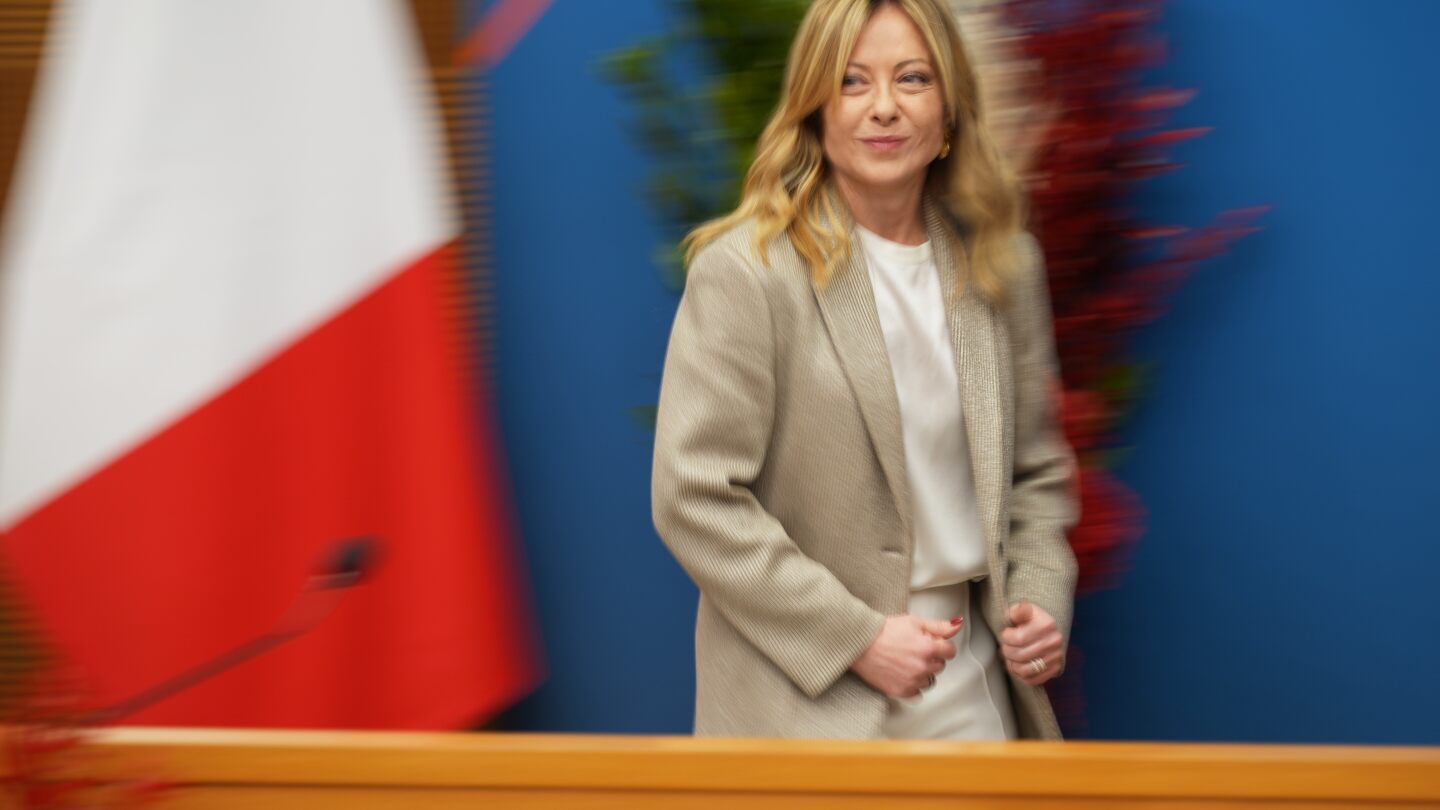
    BRUSSELS — In a decisive political breakthrough, the European Union has secured Italy’s pivotal endorsement for its landmark free trade agreement with the Mercosur bloc, overcoming decades of negotiations and significant internal opposition. Italian Prime Minister Giorgia Meloni, previously viewed as the swing vote, announced her support following assurances that protected Italian agricultural interests, particularly safeguarding the nation’s premium food products from unfair competition.

    The agreement, negotiated over 25 years with Brazil, Argentina, Paraguay, Uruguay, and Bolivia, establishes one of the world’s largest free trade zones encompassing approximately 780 million people and representing a quarter of global GDP. European Commission President Ursula von der Leyen hailed the development as a powerful demonstration of EU economic sovereignty amid an increasingly transactional global landscape, announcing plans to travel to Paraguay for upcoming Mercosur meetings.

    German Chancellor Friedrich Merz characterized the pact as a milestone in European trade policy that enhances strategic autonomy. The deal provides Brussels with a significant diplomatic victory at a time of global economic uncertainty, creating a counterweight to American protectionist tendencies and Chinese export controls. Brazilian President Luiz Inácio Lula da Silva celebrated the agreement as a triumph for multilateralism during an era of growing protectionism.

    Despite this progress, substantial opposition persists. France, Poland, Austria, Hungary, and Ireland voted against the agreement, citing concerns about agricultural sector vulnerabilities. French President Emmanuel Macron acknowledged that while safeguards had been incorporated—including emergency import brakes and mirrored food safety regulations—the economic benefits remained insufficient to justify risks to EU farmers. Environmental groups additionally condemned the pact, warning it would accelerate Amazon deforestation and undermine climate objectives.