作者: admin

  • Romance and parenthood feel remote in Ukraine: ‘I haven’t had a date since before the war’

    Romance and parenthood feel remote in Ukraine: ‘I haven’t had a date since before the war’

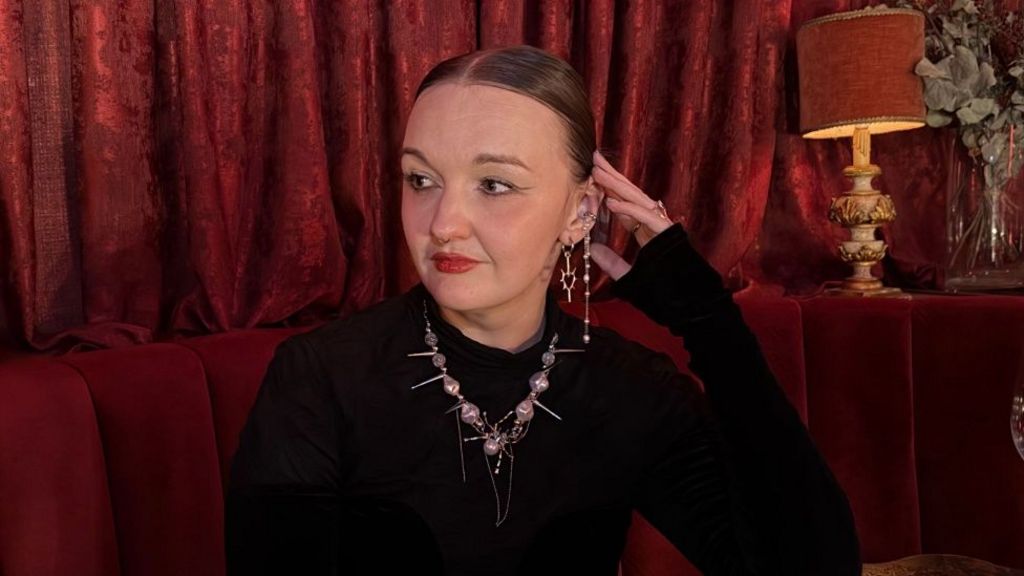
    In the dim ambiance of a Kyiv wine bar on a Saturday evening, 34-year-old Daria scrolls through a dating app before dismissing it with palpable resignation. Having emerged from long-term relationships prior to the conflict, her romantic prospects have evaporated amid Ukraine’s protracted war. ‘I haven’t had a proper date since before the war,’ she confesses, encapsulating a nationwide phenomenon where personal connections have become collateral damage in the struggle for national survival.

    Four years of relentless conflict have compelled Ukrainian society to reconfigure fundamental aspects of human existence, with relationships and reproductive choices now standing at the forefront of demographic concerns. With millions of women establishing new lives abroad since the 2022 invasion and hundreds of thousands of men either deployed or living overseas, those remaining face profoundly constrained options.

    Khrystyna, a 28-year-old Lviv resident, observes the conspicuous absence of eligible men with mounting frustration. ‘Many, I would say most [men] are afraid to go out now,’ she notes, referencing conscription squads patrolling urban centers. The psychological toll on military personnel further complicates romantic prospects, as she explains: ‘Many are traumatized now because most of them – if they have returned – were in places where they experienced a lot.’

    Daria conceptualizes the dating pool through three unsatisfactory categories: conscription-avoiders confined to their homes (‘not a person you want to build a relationship with’), soldiers engaged in sporadic long-distance relationships (‘you build a connection, then he leaves’), and men under conscription age who retain emigration options. None present viable foundations for meaningful partnerships.

    Frontline perspectives reinforce this romantic impasse. Ruslan, serving in the Kharkiv region, questions what tangible offerings he can provide beyond ‘visits once or twice a year, flower deliveries and the odd phone call.’ Denys, a 31-year-old drone operator in eastern Ukraine, articulates the moral dilemma through a voice message: ‘Promising a wife or fiancée any long-term plans is difficult. Every day there is a risk of being killed or injured, and then all plans will, so to speak, go nowhere.’

    The demographic consequences are both severe and quantifiable. Marriage rates have plummeted from 223,000 in 2022 to 150,000 in 2024, while fertility rates have reached a historic low of 0.9 children per woman—dramatically below the 2.1 replacement level and substantially beneath the EU average of 1.38. Combined with mass emigration (over six million departed since 2022) and elevated mortality, Ukraine faces what demographer Oleksandr Hladun of the National Academy of Sciences terms the ‘social catastrophe of war.’

    Projections indicate a potential population collapse to 25.2 million by 2051—less than half the 1992 figure—with war-induced stress creating fertility complications that may persist for generations. Dr. Liubov Mykhailyshyn, a gynecologist in Lviv, expresses concern about ‘years of chronic stress and sleepless nights’ affecting reproductive health, creating ripple effects that will impact birth rates for years to come.

    Even determined couples confront overwhelming obstacles. Olena, a 33-year-old policewoman and military instructor, undergoes fertility treatments while acknowledging the precarious timing: ‘taking into account my work and the situation in the country.’ She reflects on the transformational impact of the invasion: ‘During the first year of the war, it felt as if everything had stopped. Everything we were striving for – building a home, planning children – nothing mattered anymore.’

    Government initiatives addressing childcare and housing affordability have achieved limited traction due to decentralized implementation. Hladun concedes that policy solutions remain ineffective while ‘would-be mothers and children remain exposed to the dangers of war.’ Demographic recovery would require the return of a substantial proportion of the 6.5 million Ukrainians abroad, yet repatriation remains uncertain even after hostilities cease.

    The demographic crisis transcends social concerns to become a national security issue. Hladun frames the population decline within strategic parameters: ‘Russia is simply demographically much larger. And in this sense, it has more resources for war.’ This perspective transforms family planning into geopolitical calculus, where personal choices accumulate into national consequences.

    For ordinary Ukrainians, the psychological adaptation proves as challenging as the practical circumstances. Daria summarizes the collective resignation: ‘Planning a future feels fragile, almost naive. This uncertainty is painful, but it becomes a part of everyday life. I’ve come to accept that I might stay alone not because I want to, but because war reshapes what feels possible. Learning to live with that is, in itself, a form of survival.’
  • Elon Musk names son Strider Sekhar inspired by Indian scientist, Lord of the Rings

    Elon Musk names son Strider Sekhar inspired by Indian scientist, Lord of the Rings

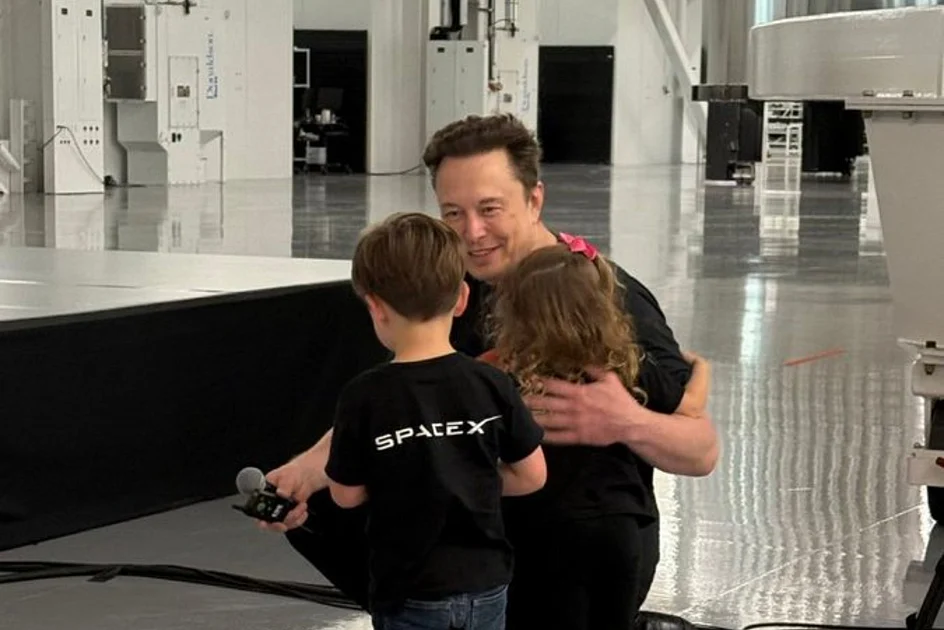
    Elon Musk, the visionary entrepreneur known for his unconventional approaches, has once again captured global attention with the distinctive naming of his twin children with Neuralink executive Shivon Zilis. In a recent social media revelation, Musk disclosed that his son bears the name Strider Sekhar—a deliberate homage to both J.R.R. Tolkien’s legendary character Aragorn from *The Lord of the Rings* and the groundbreaking Indian-American astrophysicist Subrahmanyan Chandrasekhar, Nobel laureate in Physics (1983).

    The name ‘Strider’ evokes the rugged Ranger who eventually ascends as king in Tolkien’s epic fantasy series, while ‘Sekhar’ honors Dr. Chandrasekhar, renowned for his seminal work on stellar evolution and black hole theory. Musk’s daughter, conversely, is named Comet Azure, inspired by the immensely powerful spell within the acclaimed action role-playing game *Elden Ring*, which features narrative world-building by George R.R. Martin.

    This naming choice continues Musk’s pattern of selecting unique and culturally rich names for his children, reminiscent of his earlier decision to name his son with musician Grimes ‘X Æ A-Xii’. The twins, born via IVF in 2021, are part of a larger family dynamic—Musk and Zilis share four children together, with two more born via surrogacy in 2024 and 2025. Notably, Zilis herself has familial ties to India through her mother, Sharda Zilis, who is of Punjabi descent, adding a layer of personal significance to the tribute paid to Dr. Chandrasekhar.

  • UK government co-owns Somaliland port at centre of Horn of Africa crisis

    UK government co-owns Somaliland port at centre of Horn of Africa crisis

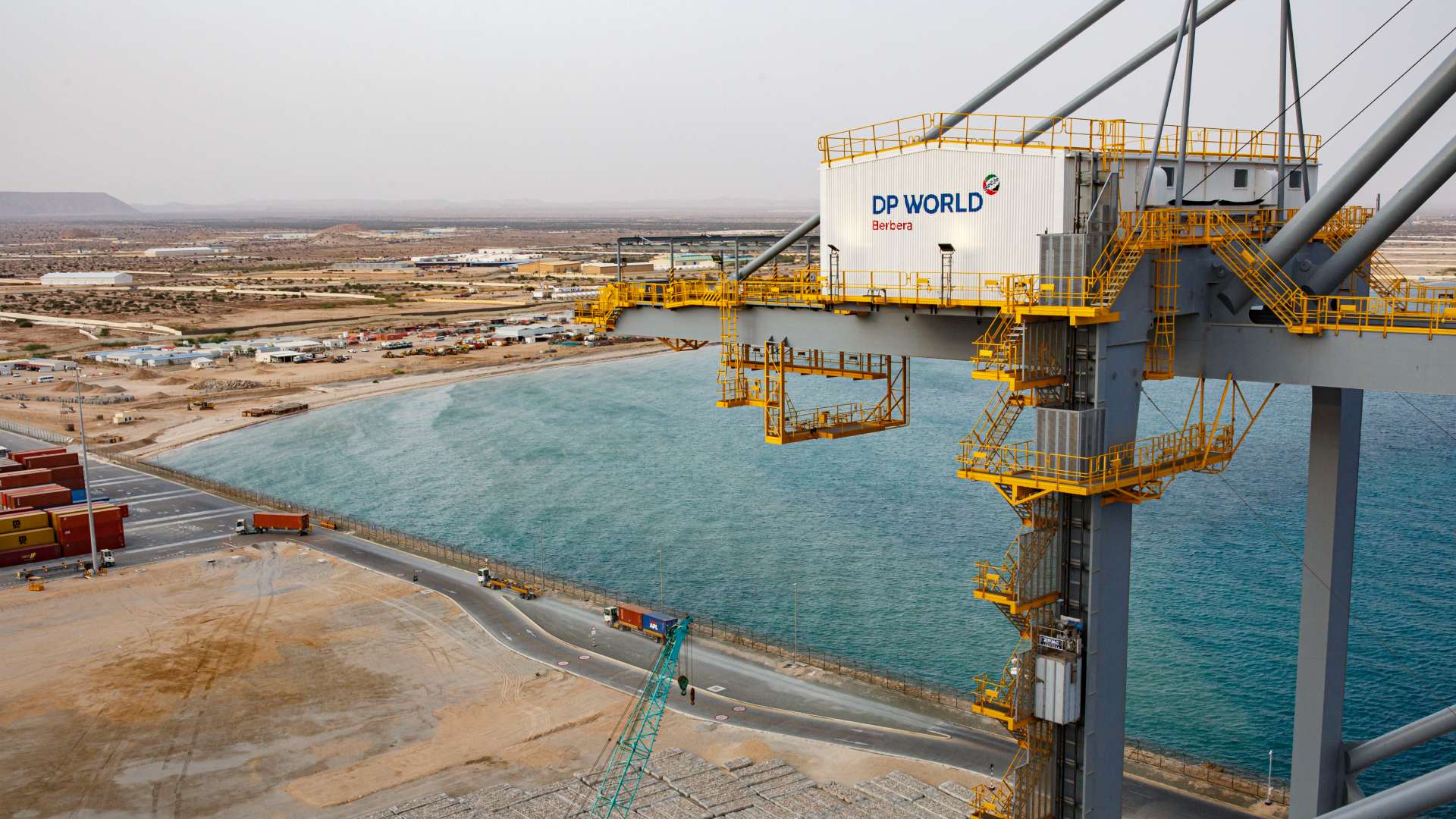
    A complex geopolitical entanglement has emerged as the British government maintains co-ownership of a strategic Somaliland port controlled by the United Arab Emirates, raising serious questions about conflict of interest regarding the ongoing conflict in Sudan. Through its foreign investment arm, British International Investment (BII), the UK holds a minority stake in Berbera port alongside Emirati logistics giant DP World and the Somaliland government.

    The port forms part of a network of UAE-controlled infrastructure across the Horn of Africa that multiple sources indicate is being utilized to arm the paramilitary Rapid Support Forces (RSF) in Sudan. This connection creates a diplomatic dilemma for the UK, which has sanctioned RSF commanders for atrocities including mass killings and sexual violence in Darfur.

    Somaliland itself represents a diplomatic flashpoint, being a breakaway region of Somalia that only Israel has recognized as independent—a move that has drawn widespread international condemnation. The territory has recently hosted high-level Israeli delegations discussing potential military bases, while simultaneously serving as a hub for regional power plays involving Yemeni separatists.

    The UK government maintains that its investment through BII represents purely commercial interests focused on regional development. A recently published impact assessment commissioned by the Foreign Office described Berbera as “a strategic gateway to Somaliland and a potential alternative trade corridor for Ethiopia,” highlighting the creation of 2,500 jobs and $45 million in economic value.

    However, policy experts argue that the UK cannot simultaneously condemn atrocities in Sudan while potentially benefiting from infrastructure that supports the conflict. Flight tracking data, cargo inventories, and multiple official sources indicate that Berbera’s facilities, including one of Africa’s longest runways capable of handling military aircraft, form part of the supply chain sustaining the RSF’s operations.

    The situation illustrates the challenging balance between commercial investment and diplomatic principles, with British-made military equipment having been discovered in Sudan and the UK’s extensive commercial ties to the UAE facing increasing scrutiny amid the humanitarian crisis.

  • Fearing backlash, Iranian Kurds wary of fully joining protests

    Fearing backlash, Iranian Kurds wary of fully joining protests

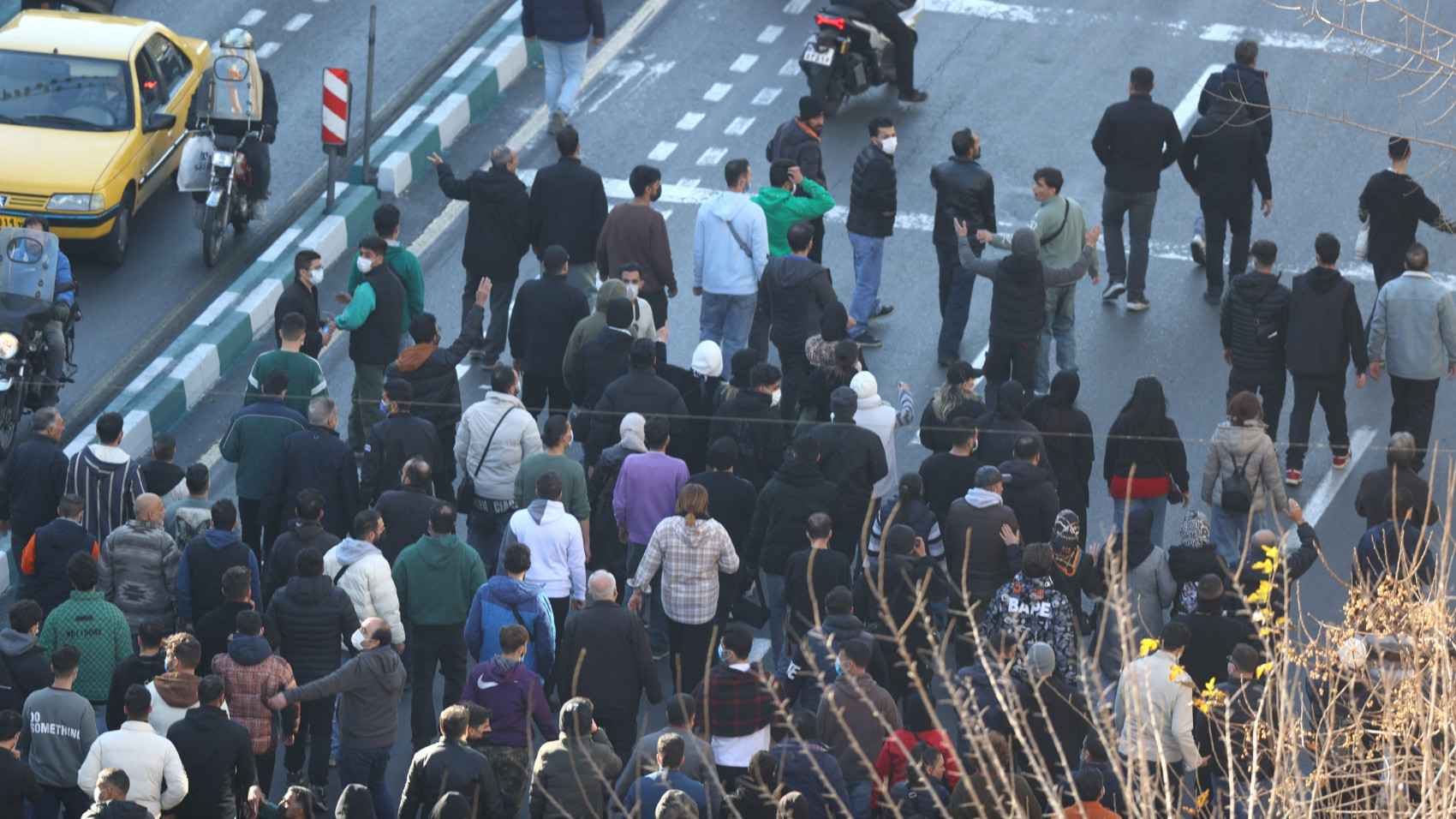
    A complex pattern of protest participation is emerging across Iran’s Kurdish regions as nationwide demonstrations triggered by a severe economic crisis continue to unfold. While western provinces with Shia Kurdish majorities have witnessed the most violent clashes, the northern Kurdish towns that ignited the historic 2022 uprising have remained notably quiet—a phenomenon experts attribute to the lingering trauma of previous state repression.

    According to documentation by the Kurdish-Iranian rights organization Hengaw, the most intense recent protests and government crackdowns have occurred in western provinces including Ilam and Kermanshah. This stands in stark contrast to northern Rojhelat Kurdish cities such as Saqqez—the hometown of Mahsa Amini, whose 2022 death in police custody sparked the ‘Woman, Life, Freedom’ movement—and Sanandaj, the provincial capital of Kurdistan, where significant street protests have been conspicuously absent.

    Kurdish journalist Kaveh Ghoreishi confirms this geographical divergence, noting that activists attribute the hesitation in northern Kurdish areas to the devastating consequences they suffered during the 2022 demonstrations. The previous crackdown resulted in hundreds killed and wounded, thousands detained, and dozens facing capital charges, creating what Zhila Mostajer of Hengaw describes as ‘little capacity to endure further sacrifice.’

    The current protest movement began in Tehran on December 28th, initially focusing on economic grievances including spiraling prices and currency devaluation before evolving into broader anti-government sentiment. Demonstrations have since spread across 111 cities in 31 provinces, though demands vary significantly by region according to Mostajer, who notes that while economic hardship affects all areas, Kurdish protests have maintained explicitly political objectives calling for regime change.

    Kurdish political organizations have pursued a strategy of solidarity strikes rather than mass gatherings. On January 5th, seven Kurdish parties from the Dialogue Centre for Inter-Party Cooperation called for a general strike, which was observed in over 57 towns across Iranian Kurdistan according to Arash Saleh of the Democratic Party of Iranian Kurdistan. While injecting momentum into the national movement, most towns refrained from subsequent physical protests, possibly due to concerns about supporting Reza Pahlavi, the exiled son of Iran’s last shah, who has been promoted as a leader by some Persian-language media.

    Hussein Yazdanpana, leader of the Kurdistan Freedom Party (PAK), emphasizes that different Kurdish regions have varying capacities for mobilization, with western areas now bearing the brunt of protest activity while northern regions recover from the 2022 crackdown. The conflict has already turned deadly, with four PAK fighters reportedly killed in clashes with security forces in Malekshahi on January 7th.

    International dimensions have emerged as Yazdanpana calls for the implementation of statements by U.S. President Donald Trump, who initially vowed intervention if protesters were killed but later suggested some deaths resulted from stampedes—a claim disputed by Kurdish leaders. With documented protester deaths ranging from 25 to 42, including minors, and thousands detained, the situation remains volatile with significant potential for further expansion according to Kurdish political representatives.

  • ‘I feel free’: Australia’s social media ban, one month on

    ‘I feel free’: Australia’s social media ban, one month on

    Australia’s groundbreaking social media prohibition for users under 16 has yielded divergent outcomes one month after implementation, with some teenagers reporting liberation from digital addiction while others have found creative workarounds.

    The controversial legislation, enacted December 10th, mandates that platforms including Instagram, TikTok, Facebook, and Snapchat implement age verification systems or face staggering penalties up to A$49.5 million. The government initiative aims to shield young Australians from online predators, cyberbullying, and harmful content.

    Fourteen-year-old Amy represents the policy’s success stories. Her digital diary reveals a transformative journey: from instinctively reaching for Snapchat each morning to discovering newfound freedom without the pressure of maintaining ‘streaks’—the platform’s addictive feature requiring daily photo exchanges. ‘I now reach for my phone less and mainly use it when I genuinely need to do something,’ the Sydney teen reports, noting her screen time has halved since the ban.

    Conversely, 13-year-old Aahil demonstrates the regulations’ limitations. Using fabricated birthdates, he maintains access to YouTube and Snapchat while spending 2.5 daily hours on gaming platforms Roblox and Discord—neither prohibited under the current framework. His mother observes increased moodiness and gaming immersion, though acknowledges typical teenage development might contribute.

    Consumer psychologist Christina Anthony explains this behavioral divergence through compensatory theory: ‘When a familiar and emotionally rewarding activity is restricted, people don’t simply stop seeking that reward—they look for alternative ways to get it.’ This phenomenon manifested in pre-ban surges for obscure platforms Lemon8, Yope, and Coverstar, though downloads have since normalized.

    The ban has inadvertently stimulated migration to unregulated messaging services. WhatsApp and Facebook Messenger have become vital communication channels for teens whose friends lost social media access. This shift underscores Anthony’s observation that ‘the enjoyment doesn’t come from scrolling alone, but from shared attention.’

    Technical circumvention attempts proved largely unsustainable. Virtual Private Network (VPN) downloads spiked initially but returned to baseline levels as teens discovered social platforms could detect such tools and required creating entirely new accounts—losing established networks and content.

    Notably excluded gaming platforms now face scrutiny as potential alternative social spaces. Digital culture expert Mark Johnson notes while migration to platforms like Discord is plausible, gaming requires greater technical and cultural literacy than social media, creating natural barriers.

    The eSafety Commissioner will release comprehensive data on account deactivations in coming weeks. Meanwhile, government spokesperson maintains the policy is ‘making a real difference,’ with global leaders considering emulating Australia’s model. For now, families await long-term assessment of whether this digital intervention will ultimately produce healthier adolescent development.

  • Two-week trip reshapes views of China

    Two-week trip reshapes views of China

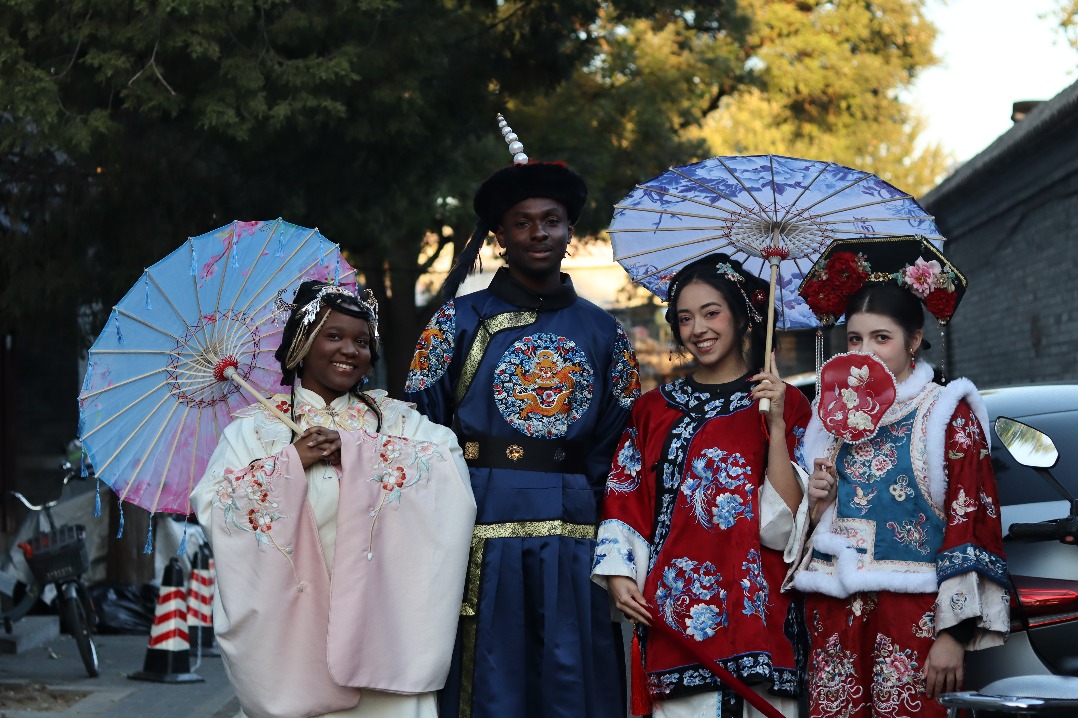
    A group of Canadian university students returned from a transformative two-week cultural immersion program in Beijing with perspectives dramatically altered from their pre-trip expectations shaped by Western media. The program, hosted by Beijing Normal University last fall, provided firsthand experience that participants described as fundamentally reshaping their understanding of modern Chinese society.

    Daniel William Ho, a University of Waterloo student, noted the profound disparity between media portrayals and reality. “Beijing felt safe, secure and the cleanest I’ve ever seen,” Ho reported, describing the public transit system as “on another world” and characterizing the experience as “the most freeing and transformative two weeks in my university career.”

    For political science major Conner Sherman Tye, the visit prompted a reevaluation of political discourse surrounding China. “Western media outlets nearly always portray China in a negative light, citing its problems as an indictment of the whole society,” Tye observed. After direct engagement with Beijing residents, he concluded that Chinese citizens demonstrate greater political awareness than the average American or Canadian.

    Participants particularly noted China’s unique integration of rapid modernization with historical preservation. Gia-Thanh Yvonne Ly described an architectural landscape reflecting “a long and rich history as well as a strong sense of modern ambition,” from ancient temples to innovative skyscrapers. She emphasized the efficiency of daily systems, noting that “delivery services, transportation systems and digital payment methods were efficient, fast and widely integrated into routines” creating a more streamlined daily life than what she experiences in Canada.

    The program also challenged preconceptions about safety and social atmosphere. Natalie Hermila Garcia Munoz, who has traveled to 24 countries, found Beijing distinctive for its advanced subway system and sense of security even during late hours. Mudupeola Aladetokunbo Caxton-Martins appreciated the city’s smooth operation and vibrant community life, feeling comfortable going out at 3 am.

    Notably, students of color who had been warned about potential discrimination reported overwhelmingly positive experiences. Aliyah Novia-Georgia Alexander-Tinker, who had been cautioned as a Black traveler, stated: “Fortunately, I had no reason to worry. I felt welcomed during my entire stay.” Caxton-Martins described locals initiating conversations, requesting photos, and shop owners offering free food—an experience “nothing like I had ever expected.”

  • California winemaker honors Chinese roots

    California winemaker honors Chinese roots

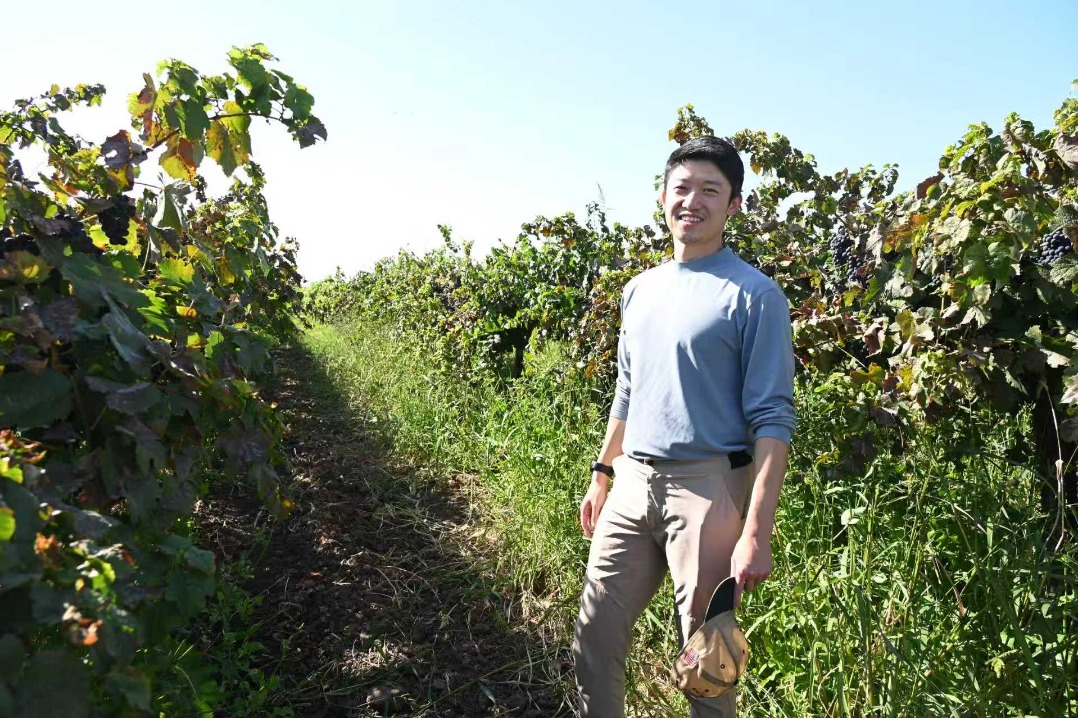
    In the prestigious vineyards of California’s wine country, a significant transformation is underway as Han Han ascends to the role of Director of Winemaking at Bear Creek Winery in Lodi. His appointment marks both a personal achievement and a historical correction in an industry that has largely overlooked the foundational contributions of Chinese laborers.

    More than a century ago, Chinese workers performed the backbreaking labor that established California’s premier wine regions—terracing hillsides, digging irrigation channels, and tending vines under discriminatory conditions. Despite their instrumental role, their stories were systematically erased from the industry’s narrative that primarily celebrated European vintners and American entrepreneurs.

    ‘It embodies the spirit of ‘chiku’—those Chinese laborers who endured immense hardship to build this industry,’ Han explained, referencing the Chinese concept of ‘eating bitterness’ to achieve future rewards. ‘Their legacy has been largely forgotten, yet they made contemporary California wine country possible.’

    Han’s journey to leadership represents a challenge to the industry’s Eurocentric traditions. Born in Harbin, China, he immigrated with his parents to South Dakota in the 1990s, where he witnessed firsthand his parents’ embodiment of perseverance—working at a Chinese restaurant while pursuing engineering degrees with limited English proficiency.

    ‘Observing my parents overcome such obstacles taught me that determination can conquer any difficulty,’ reflected Han, now a father of two.

    After initially pursuing biochemistry at UC Davis, Han discovered winemaking through a friend in the viticulture program. Despite sending 20 applications post-graduation, he received only one response—from Chateau St Jean Winery in Sonoma County. This single opportunity launched his career, beginning in 2012 as a lab technician at Bear Creek Winery where he rapidly advanced from enologist to his current directorship in just over a decade.

    Han acknowledges the industry’s relational nature presented significant barriers: ‘Without established connections or family history in wine, building networks from scratch proved intimidating. The field heavily emphasizes who you know.’

    His bicultural background has evolved into a professional advantage. Bear Creek now exports its Ironstone label to China, with Han creating Chinese-language promotional materials and leveraging his language skills—a capability he credits to his parents’ insistence on maintaining cultural ties.

    Facing contemporary industry challenges including climate change and shifting consumer preferences, Han applies the long-term perspective inherited from his heritage: ‘During uncertain times, we focus not merely on immediate concerns but on five or ten years ahead. This industry requires patience and perseverance—the essence of ‘chiku’.’

    Standing among the barrels at Bear Creek, Han embodies both the realization of immigrant dreams and the belated recognition of those Chinese workers whose contributions built an industry that once excluded them.

  • Fractures are starting to show in Trump’s GOP at the start of this election year

    Fractures are starting to show in Trump’s GOP at the start of this election year

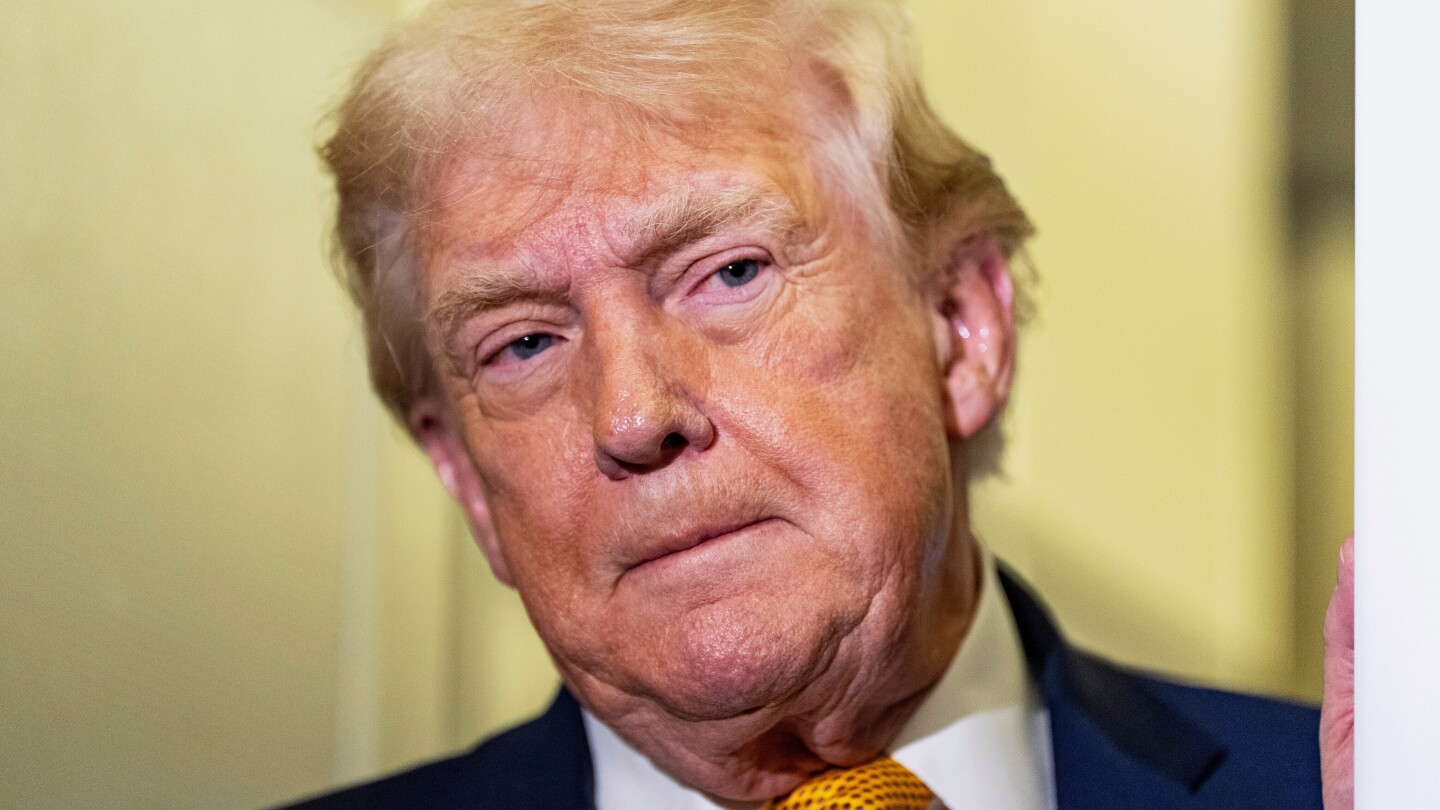
    WASHINGTON — The Republican Party is demonstrating notable fractures and growing independence from former President Donald Trump as the midterm election year begins, marking a significant shift from the previous year’s pattern of near-total acquiescence to his demands.

    The political divergence manifests across multiple fronts, from foreign policy to domestic legislation. Republican lawmakers are pushing back against Trump’s self-described “Donroe doctrine” of aggression in the Western Hemisphere, expressing concerns about his military operation targeting Venezuelan leader Nicolás Maduro and his controversial threats to use military force to acquire Greenland from Denmark.

    This newfound independence extends to critical domestic issues as well. In a striking break from party unity, 17 House Republicans joined Democrats to pass legislation extending expired health care subsidies for Affordable Care Act plans, despite Trump’s explicit urging for Republicans to “own” the health care issue during a recent speech at Washington’s Kennedy Center.

    The foreign policy rift became particularly evident when five Republican senators supported a procedural vote on war powers legislation that would restrict Trump’s ability to attack Venezuela without congressional approval. While such measures rarely succeed, the Republican support indicates growing concern about potential foreign entanglements.

    Senator Todd Young (R-Ind.), who voted for the resolution, argued that “a drawn-out campaign in Venezuela involving the American military, even if unintended, would be the opposite of President Trump’s goal of ending foreign entanglements.”

    Trump reacted with fury to the dissent, calling for the five Republicans—including Senator Susan Collins of Maine, who faces reelection this year—to “never be elected to office again.”

    The administration’s Greenland ambitions also met significant Republican resistance. Retiring Senator Thom Tillis (R-N.C.) took to the Senate floor to proclaim he was “sick of stupid” and specifically criticized White House deputy chief of policy Stephen Miller for suggesting Greenland should be part of the U.S.

    Even as these fractures emerge, Trump maintains considerable command over most of the party, as demonstrated by unsuccessful House veto override votes where most GOP members stood with the president. However, the accumulating policy disagreements and retirements of several lawmakers who had uneasy relationships with Trump are creating complications for Republican campaign strategies.

    The political dynamics are further complicated by recent shootings by Immigration and Customs Enforcement officers in several U.S. cities, which have raised new questions about Republicans’ hard-line immigration agenda and shifted attention from what they previously viewed as successful border management.

    Democrats are capitalizing on the apparent divisions, with Senate Democratic Leader Chuck Schumer arguing that Trump is “lurching towards another endless, expensive war, all the while American families here are struggling with skyrocketing costs.”

  • Pakistan on verge of $1.5bn deal to provide weapons and jets to Sudan

    Pakistan on verge of $1.5bn deal to provide weapons and jets to Sudan

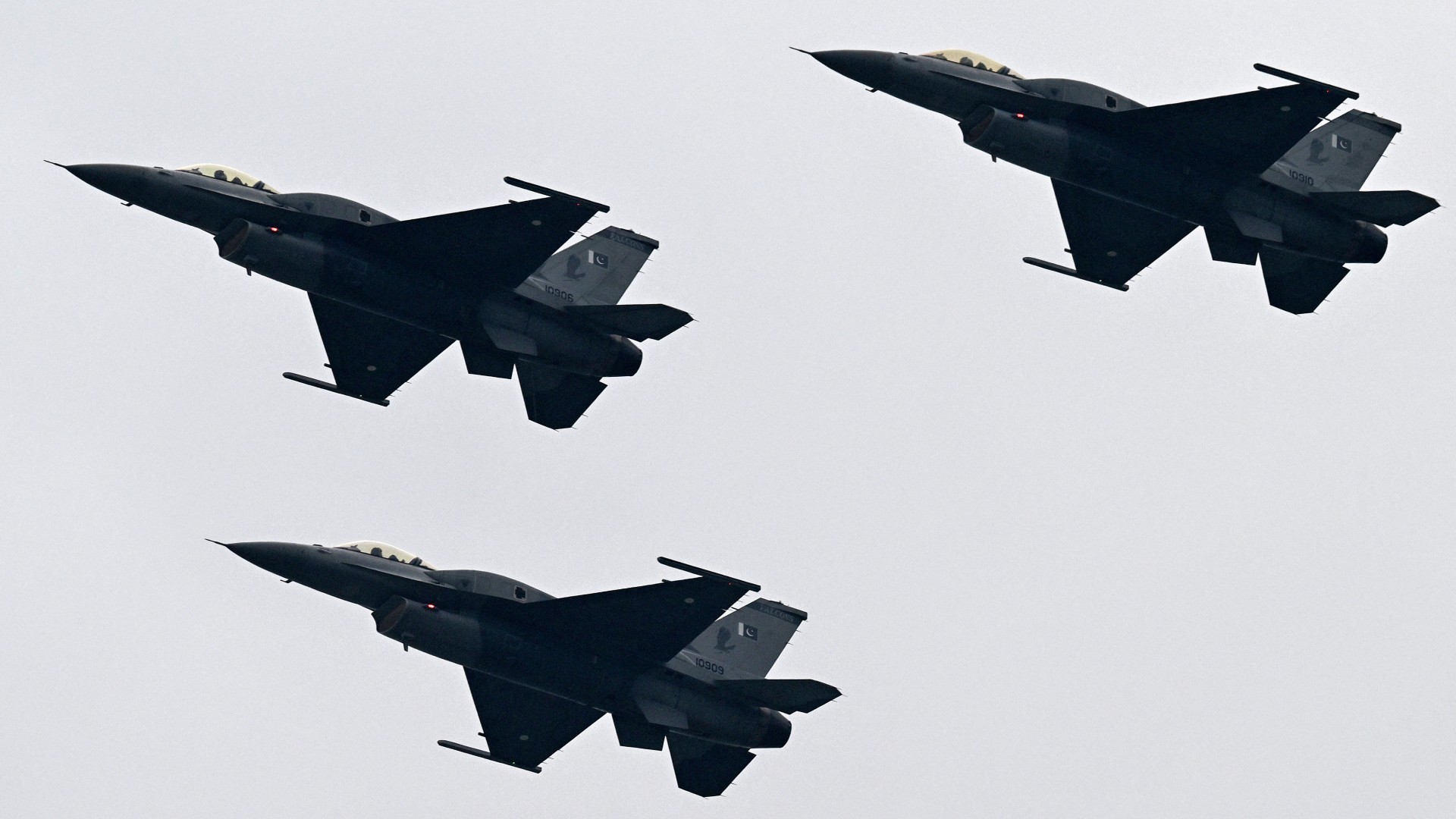
    Pakistan is finalizing a significant $1.5 billion defense agreement to supply military aircraft and weaponry to Sudan’s national army, currently engaged in a protracted conflict against the paramilitary Rapid Support Forces (RSF). According to sources familiar with the negotiations and a retired senior military official, the comprehensive package includes 10 Karakorum-8 light attack aircraft, over 200 reconnaissance and kamikaze attack drones, and sophisticated air defense systems.

    Retired Pakistani Air Marshal Aamir Masood, who maintains briefings on air force operations, confirmed the arrangement as essentially finalized. The deal reportedly extends beyond attack capabilities to include Super Mushshak trainer aircraft and potentially JF-17 Thunder fighter jets—a collaborative development between Pakistan and China.

    The financing mechanism for this substantial arms transfer remains unclear amid conflicting reports. While Masood suggested potential Saudi Arabian financial backing, citing Riyadh’s pattern of supporting friendly Gulf regimes in acquiring Pakistani military equipment, other sources directly involved denied Saudi financial involvement. These sources acknowledged Saudi Arabia’s role as negotiation broker but emphasized no evidence suggests direct funding from the kingdom. This development coincides with ongoing discussions between Islamabad and Riyadh concerning a separate defense agreement valued between $2 billion and $4 billion.

    This potential arms transfer occurs against the backdrop of Sudan’s devastating civil war, which erupted in April 2023 following the collapse of the alliance between the national army and the RSF. The conflict has created one of the world’s most severe humanitarian crises, with tens of thousands killed and approximately 13 million people displaced from their homes.

    The RSF, commanded by Mohamed Hamdan ‘Hemedti’ Dagalo, faces widespread allegations of atrocities including torture, sexual violence, and extrajudicial killings, resulting in international sanctions and genocide accusations. The United Arab Emirates stands accused of violating UN arms embargoes by providing military support to the RSF, with critics alleging complicity in war crimes. Meanwhile, the Sudanese Armed Forces have also faced accusations of human rights violations during the ongoing conflict.

  • Hunan students craft opera headpieces from recycled materials

    Hunan students craft opera headpieces from recycled materials

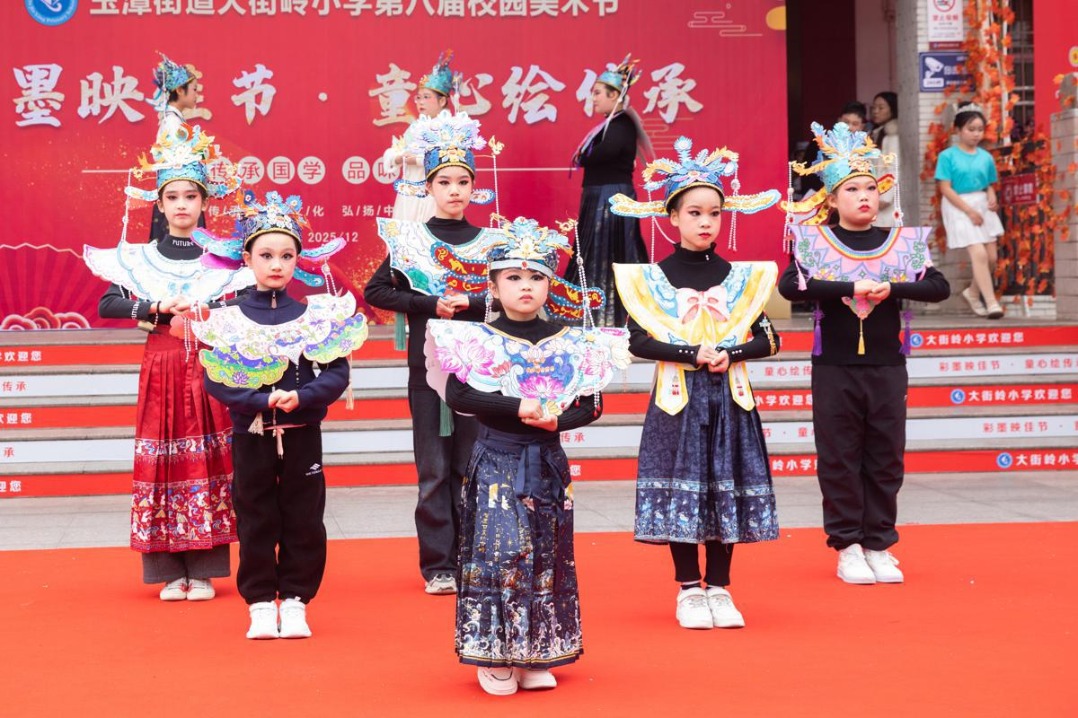
    In an innovative fusion of cultural preservation and environmental awareness, young students from Ningxiang’s Dajieling Primary School have demonstrated extraordinary creativity by crafting traditional Chinese opera headpieces entirely from recycled materials. The project, showcased during the school’s recent Art Week, featured 38 distinctively designed headdresses created from fabric scraps, discarded buttons, colorful strings, and various repurposed household items.

    The initiative represents a significant educational approach that simultaneously addresses multiple objectives: preserving intangible cultural heritage, promoting environmental sustainability, and fostering artistic expression among youth. Each headpiece displayed remarkable attention to detail and understanding of traditional opera aesthetics while incorporating modern eco-conscious values.

    School administrators emphasized that this hands-on project provided students with practical experience in both artistic creation and environmental responsibility. The activity allowed children to connect with traditional Chinese performing arts while developing skills in creative problem-solving and resourceful material usage. The project has received widespread recognition from educational experts who praise its integration of cultural education with contemporary environmental concerns.

    This innovative educational model demonstrates how traditional art forms can be adapted to modern contexts while maintaining their cultural significance. The success of the project has inspired discussions about implementing similar programs in other schools throughout Hunan province and beyond, potentially creating a new framework for cultural and environmental education.