作者: admin

  • Iran’s rulers face legitimacy crisis amid spreading unrest

    Iran’s rulers face legitimacy crisis amid spreading unrest

    Iran’s clerical establishment faces a profound crisis of legitimacy as anti-government demonstrations that originated in Tehran last month have now expanded across all 31 provinces, creating the most significant challenge to the Islamic Republic in recent years.

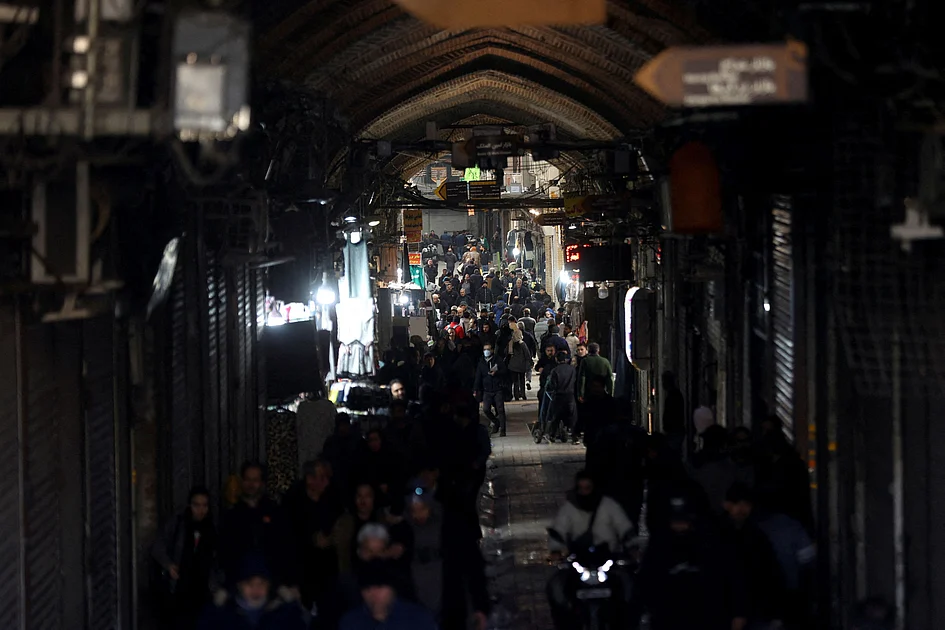
    The current unrest, while not yet reaching the scale of the 2022-2023 protests triggered by Mahsa Amini’s death, represents a broader coalition of dissent. Initially sparked by economic grievances among Tehran’s Grand Bazaar merchants angered by the rial’s sharp depreciation, the movement has evolved to include predominantly young men—a demographic shift from the previous female-led protests.

    According to the U.S.-based Human Rights Activists News Agency (HRANA), the turmoil has resulted in at least 34 protester fatalities, four security personnel deaths, and approximately 2,200 arrests. Analysts interpret these developments as evidence of deepening disillusionment with the Shi’ite establishment.

    Alex Vatanka, director of the Iran Program at the Middle East Institute in Washington, D.C., observed: ‘The collapse is not just of the rial but of trust.’

    Authorities have adopted a dual strategy, acknowledging the legitimacy of economic protests while employing tear gas and forceful measures during street confrontations. This approach highlights the regime’s struggle to reconcile its revolutionary priorities with the aspirations of a youthful population.

    Mina, a 25-year-old unemployed university graduate from Kuhdasht in Lorestan province, expressed a common sentiment: ‘I just want to live a peaceful, normal life… Instead, they insist on a nuclear programme, supporting armed groups in the region, and maintaining hostility toward the United States. Those policies may have made sense in 1979, but not today.’

    Verified videos from Mashhad show protesters tearing down the Iranian flag, while clashes occurred in Tehran’s Grand Bazaar. Additional footage from Gonabad depicted young men abandoning a seminary mosque to join cheering crowds in what appeared to be a symbolic revolt against the clergy.

    Vatanka suggests the clerical system’s survival strategy—combining repression with tactical concessions—may be reaching its limits. ‘Change now looks inevitable; regime collapse is possible but not guaranteed,’ he noted.

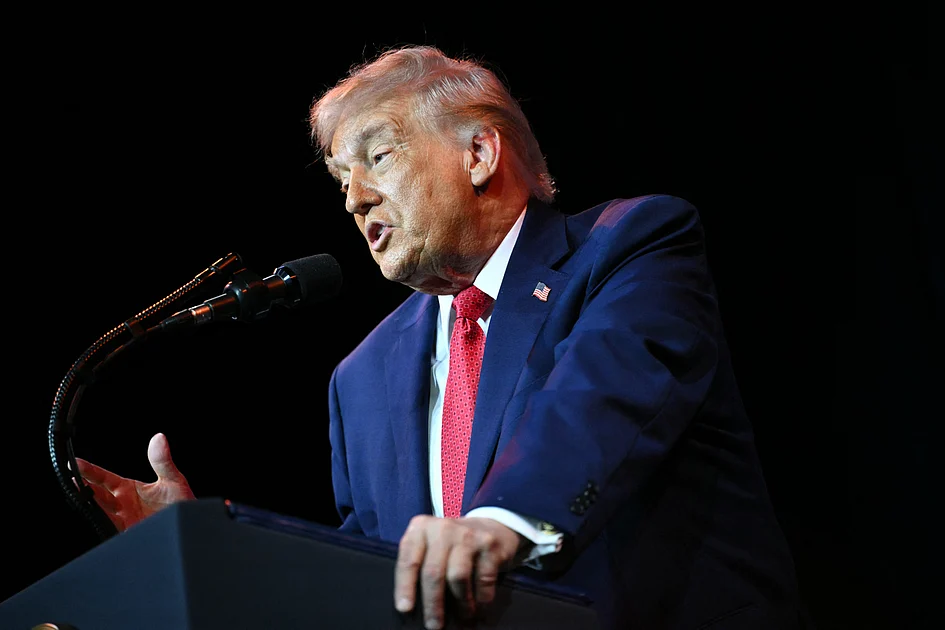
    The geopolitical dimension intensified when U.S. President Donald Trump hinted at potential intervention, stating on January 2: ‘We are locked and loaded and ready to go.’ This followed a 12-day military conflict seven months prior involving Israeli and U.S. bombing of Iranian nuclear sites.

    Supreme Leader Ayatollah Ali Khamenei, facing one of the most precarious moments of his decades-long rule, vowed Iran ‘will not yield to the enemy.’ However, analysts note the 86-year-old leader’s policies—including proxy network development, sanction evasion, and nuclear advancement—appear to be unraveling.

    Within Iran, opinions remain divided regarding foreign intervention. A 31-year-old Isfahan resident captured the ambivalence: ‘Enough is enough. For 50 years this regime has been ruling my country. Look at the result. We are poor, isolated and frustrated.’ When asked about foreign military support, he responded: ‘No. I don’t want my country to suffer military strikes again. Our people have endured enough.’

    Exiled opposition groups, though deeply fragmented, sense an opportunity to overthrow the establishment but face uncertainty regarding their domestic support base.
  • Iran’s Khamenei says ‘arrogant’ Trump will be overthrown, tells him to focus on problems in US

    Iran’s Khamenei says ‘arrogant’ Trump will be overthrown, tells him to focus on problems in US

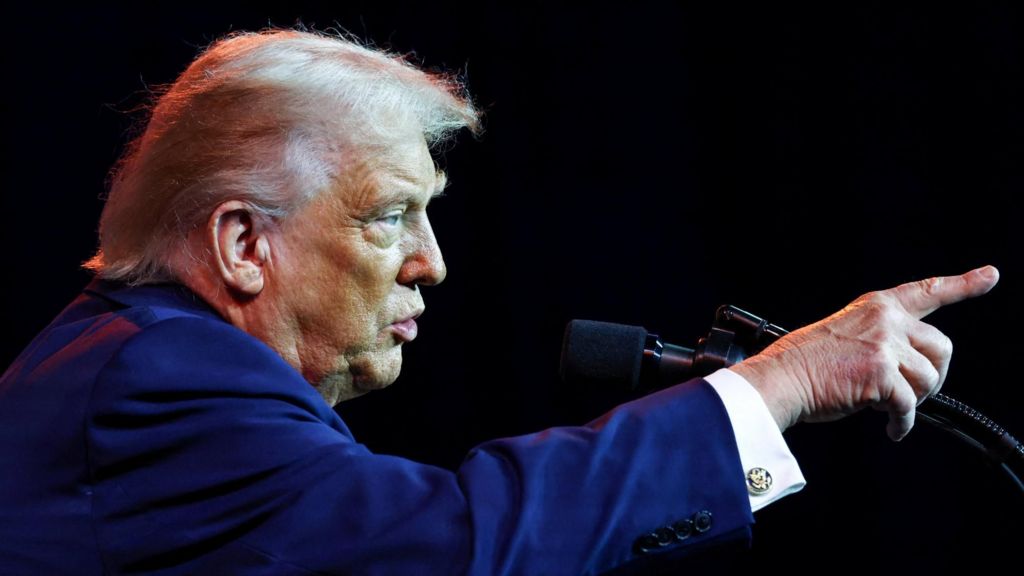
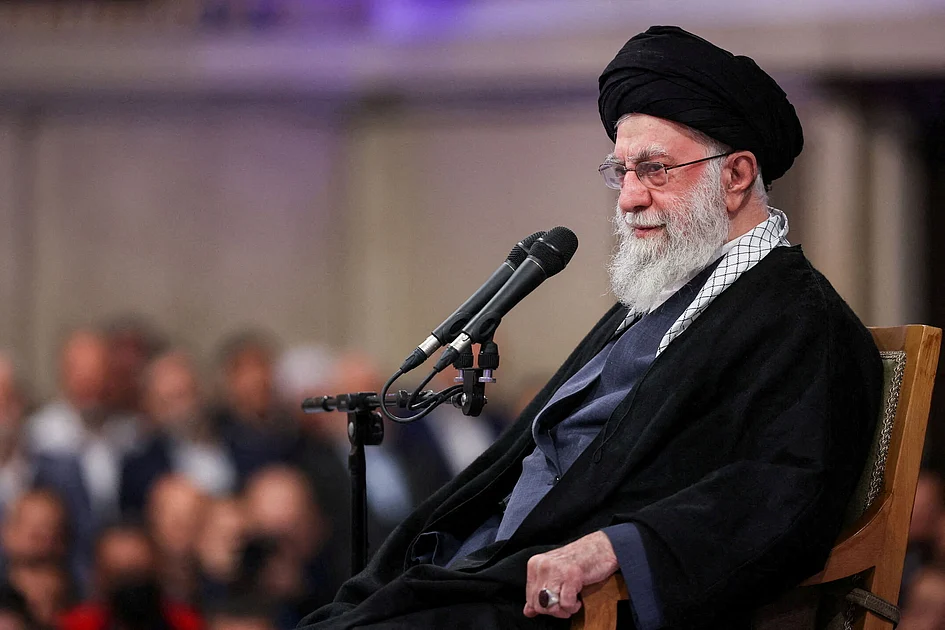
    In his first public address addressing nationwide unrest, Iranian Supreme Leader Ayatollah Ali Khamenei delivered a scathing condemnation of former U.S. President Donald Trump while confronting escalating domestic protests. Speaking on January 9, 2026, Khamenei characterized Trump as “arrogant” and predicted his political downfall, drawing parallels to Iran’s pre-revolution monarchy.

    The supreme leader’s remarks came amid sustained demonstrations triggered by economic grievances and rising living costs. Khamenei accused “vandals” and “saboteurs” of damaging public property to curry favor with American leadership, asserting Iran’s resilience against such actions. Despite government-imposed communication restrictions aimed at quelling dissent, protests continued with reported incidents of government buildings being set ablaze.

    Simultaneously, Reza Pahlavi—son of Iran’s deposed shah and now U.S.-based opposition figure—called for reinforced demonstrations following what he described as successful protests on January 8. Pahlavi claimed visible retreats by security forces and urged expanded Friday rallies to further weaken governmental control.

    Khamenei’s dual-front address combined familiar anti-American rhetoric with direct confrontation of domestic discontent, highlighting the regime’s challenge in balancing ideological opposition to Western powers with addressing internal economic dissatisfaction.

  • Kurdish forces refuse to withdraw from Aleppo after ceasefire

    Kurdish forces refuse to withdraw from Aleppo after ceasefire

    In a significant defiance of Syrian government authority, Kurdish-led forces have rejected ceasefire terms requiring their withdrawal from Aleppo. The political councils governing the Ashrafieh and Sheikh Maqsoud districts declared the evacuation demand equivalent to “a call to surrender,” instead pledging to defend their neighborhoods against what they described as intensive government shelling.

    The initially proposed truce, announced by Syria’s defense ministry, established a six-hour window for the US-backed Syrian Democratic Forces (SDF) to exit the Kurdish-majority districts with only personal light weapons. The arrangement aimed to prevent further civilian casualties in Syria’s second city, where recent fighting has claimed at least 22 lives and displaced over 140,000 residents.

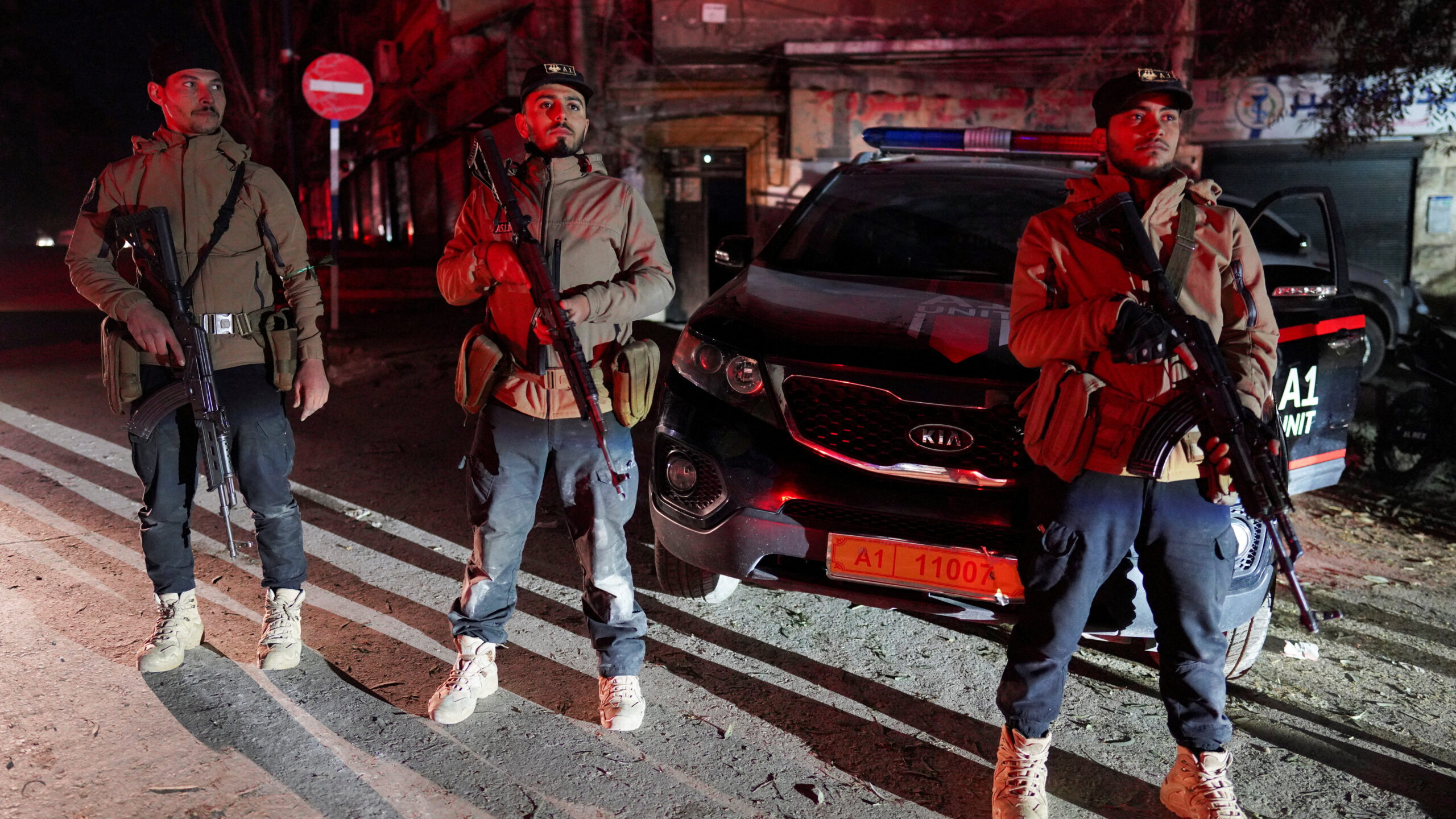
    Despite the expired ceasefire window, relative calm prevailed as Syrian security forces advanced into sections of Ashrafieh, securing key thoroughfares and structures. State media reported the seizure of weapons and ammunition while broadcasting footage showing military positioning and the arrival of transport buses intended to relocate fighters to eastern Kurdish-held territories.

    The humanitarian situation remains critical with Aleppo’s hospitals operating beyond capacity and entire neighborhoods evacuated virtually overnight. Syrian authorities have cautioned displaced families against returning due to unexploded ordnance and ongoing security operations.

    International dimensions complicate the conflict: Damascus accuses SDF forces of shelling a university housing complex, while Turkey—viewing the SDF as linked to the outlawed PKK—has threatened military action if integration agreements aren’t honored. The United States, through envoy Tom Barrack, welcomed the temporary ceasefire and advocated for its extension.

    Concurrently, in Damascus, President Ahmed al-Sharaa met with European Commission President Ursula von der Leyen—the highest-ranking EU official to visit since Sharaa’s 2024 inauguration—who pledged Europe’s support for Syria’s recovery despite the ongoing tensions.

  • Trump says there could be more US strikes in Nigeria

    Trump says there could be more US strikes in Nigeria

    Former President Donald Trump has indicated potential escalation of U.S. military involvement in Nigeria during a recent interview with the New York Times. Trump asserted that continued violence against Christian communities in the African nation could prompt multiple American strikes, despite Nigeria’s consistent denials of systematic religious persecution.

    The remarks follow a controversial Christmas Day operation where U.S. forces conducted a targeted strike against Daesh militants in northwestern Nigeria. According to military officials, this action was executed at the explicit request of the Nigerian government, which subsequently characterized it as a joint counterterrorism effort with no religious motivations.

    Trump’s statements reveal a significant policy position: ‘I’d prefer to consider this a single intervention… However, if the killing of Christians persists, we will respond with multiple strikes.’ This stance appears at odds with assessments from his own Africa advisory team, which noted that extremist groups like Daesh and Boko Haram have actually claimed more Muslim than Christian lives in the region.

    When confronted with this discrepancy, Trump acknowledged Muslim casualties but maintained that ‘the primary victims are Christians.’ His comments extend previous warnings issued in late October, when he declared Christianity faced an ‘existential threat’ in Nigeria and threatened military intervention over perceived government inaction.

    Nigeria, with its population of approximately 230 million people divided nearly equally between Christians (predominantly in the south) and Muslims (mainly in the north), continues to face complex security challenges. While acknowledging persistent violence from extremist insurgents in northern regions, Nigerian authorities strongly reject characterization of systematic religious persecution, noting that militants target both Muslim and Christian communities alike.

    The Nigerian government has previously responded to Trump’s threats by expressing willingness to collaborate with Washington against militant groups while firmly rejecting language suggesting special peril for Christian communities.

  • Trump warns of more Nigeria strikes if Christians ‘continue to be killed’

    Trump warns of more Nigeria strikes if Christians ‘continue to be killed’

    Former US President Donald Trump has issued a stark warning regarding potential military escalation in Nigeria, suggesting increased airstrikes if violence against Christians persists in the West African nation. During a comprehensive interview with the New York Times, Trump addressed the controversial Christmas Day operations in Sokoto state that targeted Islamist militants, indicating these strikes could become recurrent rather than isolated incidents.

    Trump’s comments directly contradict Nigeria’s official position, which maintains that both Muslim and Christian communities face equal threats from jihadist organizations. The Nigerian government has previously rejected Trump’s characterization of religious persecution, emphasizing their commitment to protecting all citizens regardless of faith.

    This diplomatic tension emerges against the backdrop of Nigeria’s complex security landscape, where multiple insurgent groups including Boko Haram and IS-affiliated factions have created a devastating fifteen-year insurgency primarily affecting the northeastern regions. The country additionally contends with criminal kidnapping networks, resource-based conflicts, and separatist movements across various territories.

    Regarding the December strikes, US and Nigerian authorities described targeting camps operated by Lakurawa—a jihadist organization operating in the northwestern border region near Niger. While both governments confirmed the operation as a collaborative effort, they provided conflicting narratives regarding its religious motivations and timing. Nigerian Foreign Minister Yusuf Maitama Tuggar explicitly denied any connection to Christmas celebrations, despite Trump’s characterization of the strikes as a ‘Christmas present.’

    The situation remains diplomatically delicate, with Nigeria’s foreign ministry spokesperson Alkasim Abdulkadir emphasizing continued engagement with international partners ‘on the basis of mutual respect, international law, and Nigeria’s sovereignty.’ Demographic context reveals Nigeria’s population of over 230 million people is nearly evenly divided between Christians (predominantly in the south) and Muslims (concentrated in northern regions), complicating simplistic religious narratives about the conflict.

  • US seizes fifth oil tanker linked to Venezuela, officials say

    US seizes fifth oil tanker linked to Venezuela, officials say

    United States military forces have executed another strategic seizure of a sanctioned oil tanker in the Caribbean Sea, marking the fifth such interception in recent weeks as part of the Trump administration’s escalating campaign against Venezuelan oil exports. The targeted vessel, identified as the Olina, was apprehended in a pre-dawn operation conducted jointly by Marines and naval personnel in coordination with the Department of Homeland Security.

    According to US Southern Command officials, the Olina had departed Venezuelan waters while attempting to evade US naval forces. The vessel had been sailing under a false flag registered to Timor-Leste and had its location tracker disabled for 52 days prior to interception, as reported by maritime risk firm Vanguard Tech. Homeland Security Secretary Kristi Noem characterized the vessel as another ‘ghost fleet’ tanker suspected of transporting embargoed oil.

    The operation continues the US government’s multi-front effort to dismantle what officials describe as a ‘dark fleet’ of over 1,000 vessels transporting sanctioned and illicit oil globally. The Olina itself had been previously sanctioned in January under the name Minerva M for allegedly helping finance Russia’s war in Ukraine through oil transportation.

    This latest seizure follows two additional tanker interceptions earlier this week in the North Atlantic and Caribbean, including the Russian-flagged Marinera captured with support from the UK Royal Navy. US authorities have declared these vessels stateless due to fraudulent flag representation, invoking United Nations maritime provisions that permit boarding of such ships.

    Concurrently, US diplomats have initiated exploratory talks in Caracas regarding potential re-establishment of diplomatic relations, which were severed by Venezuelan leader Nicolás Maduro in 2019. The Trump administration has announced plans to redirect proceeds from seized oil shipments—estimated at 50 million barrels worth $2.8 billion—to benefit the Venezuelan people through market-rate sales controlled by US authorities.

  • Five Palestinian children among 14 killed by Israel in heavy Gaza bombing

    Five Palestinian children among 14 killed by Israel in heavy Gaza bombing

    Israeli military forces launched a severe aerial bombardment across the Gaza Strip on Thursday, resulting in the deaths of at least 14 Palestinians, among them five children. The attacks targeted multiple locations including displacement tents in Khan Younis, educational facilities converted into shelters in northern Gaza, and residential buildings within the Nuseirat refugee camp and Gaza City.

    This military escalation occurs precisely three months after Israel and Hamas formalized a ceasefire agreement designed to terminate hostilities and alleviate the humanitarian siege. Despite this accord, documentation indicates Israel has committed nearly 1,200 violations over the past three months, encompassing airstrikes, artillery shelling, and home demolitions that have collectively claimed 439 Palestinian lives. The longstanding blockade remains predominantly enforced, with border crossings persistently closed and critical humanitarian aid severely constrained.

    Philippe Lazzarini, Commissioner-General of UNRWA, confirmed to Anadolu Agency that assistance efforts “is still not at scale,” describing inadequate living conditions where populations reside in non-waterproof tents and suffer from comprehensive deprivation of basic necessities.

    Hamas authorities issued a formal condemnation of Thursday’s operations, alleging Israeli violation of the truce agreement and deliberate obstruction of the US-supported transition plan for Gaza. The group appealed to international mediators and guaranteeing nations to denounce these actions, which they attribute to Israeli leadership under false pretenses.

    Israel’s military justification cited a reportedly failed projectile launch from Gaza City that allegedly fell within Palestinian territory, though no substantiating evidence was provided. The military stated its strikes specifically targeted Hamas infrastructure and combatants.

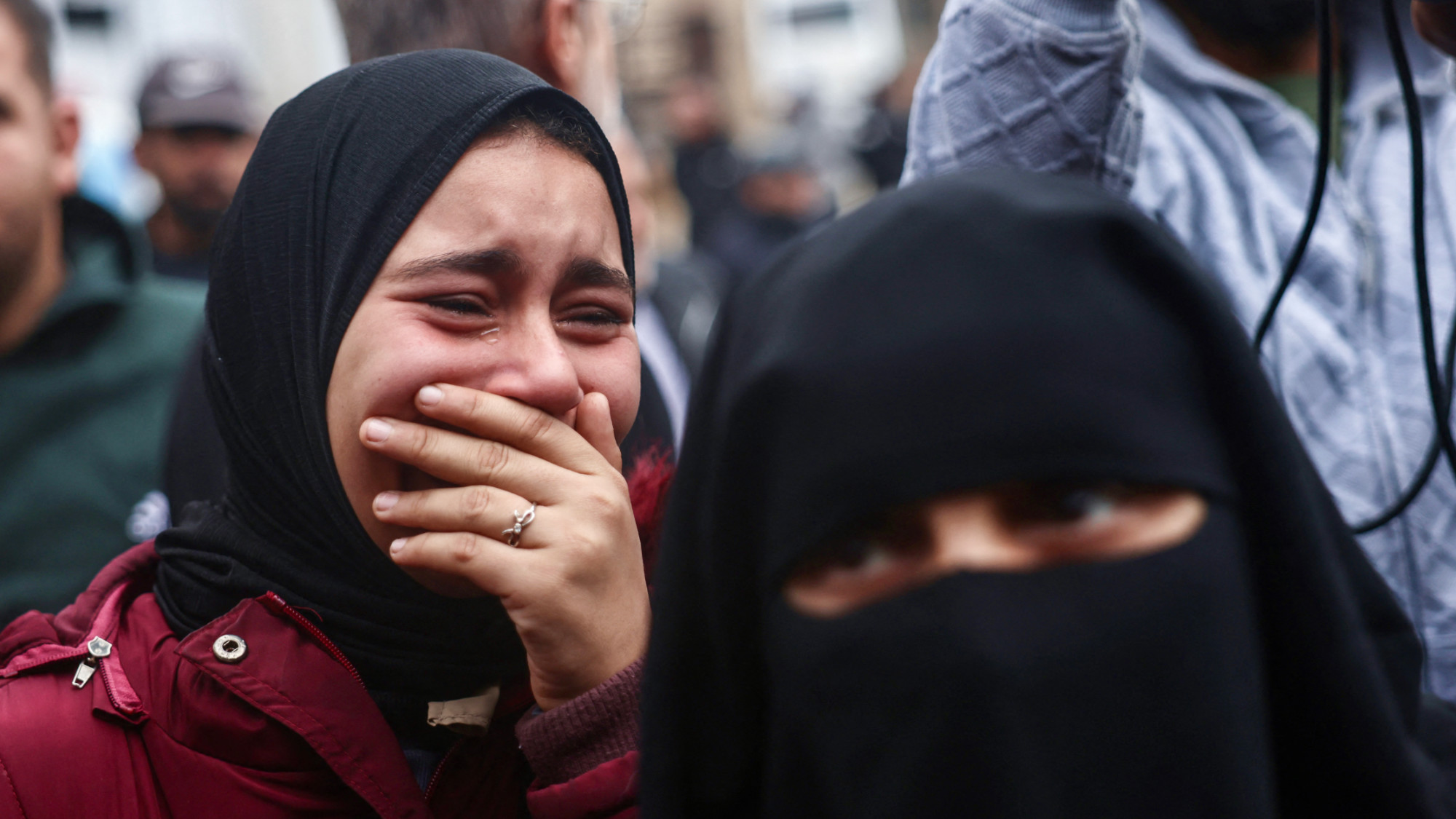
    Among the victims was 11-year-old Hamsa Nidal Hawso, whose uncle expressed profound anguish to local media, questioning the continued violence despite the supposed ceasefire. According to Palestinian health authorities, Israeli military operations since October 2023 have resulted in over 71,400 Palestinian fatalities, including at least 20,000 children.

  • US and Venezuela take first steps toward restoring relations after Maduro’s ouster

    US and Venezuela take first steps toward restoring relations after Maduro’s ouster

    In a significant geopolitical shift, the United States and Venezuela have commenced exploratory talks aimed at normalizing diplomatic relations after years of heightened tensions. The development follows a high-stakes intervention by U.S. military forces that resulted in the capture and extradition of former Venezuelan President Nicolás Maduro to face drug trafficking charges in New York.

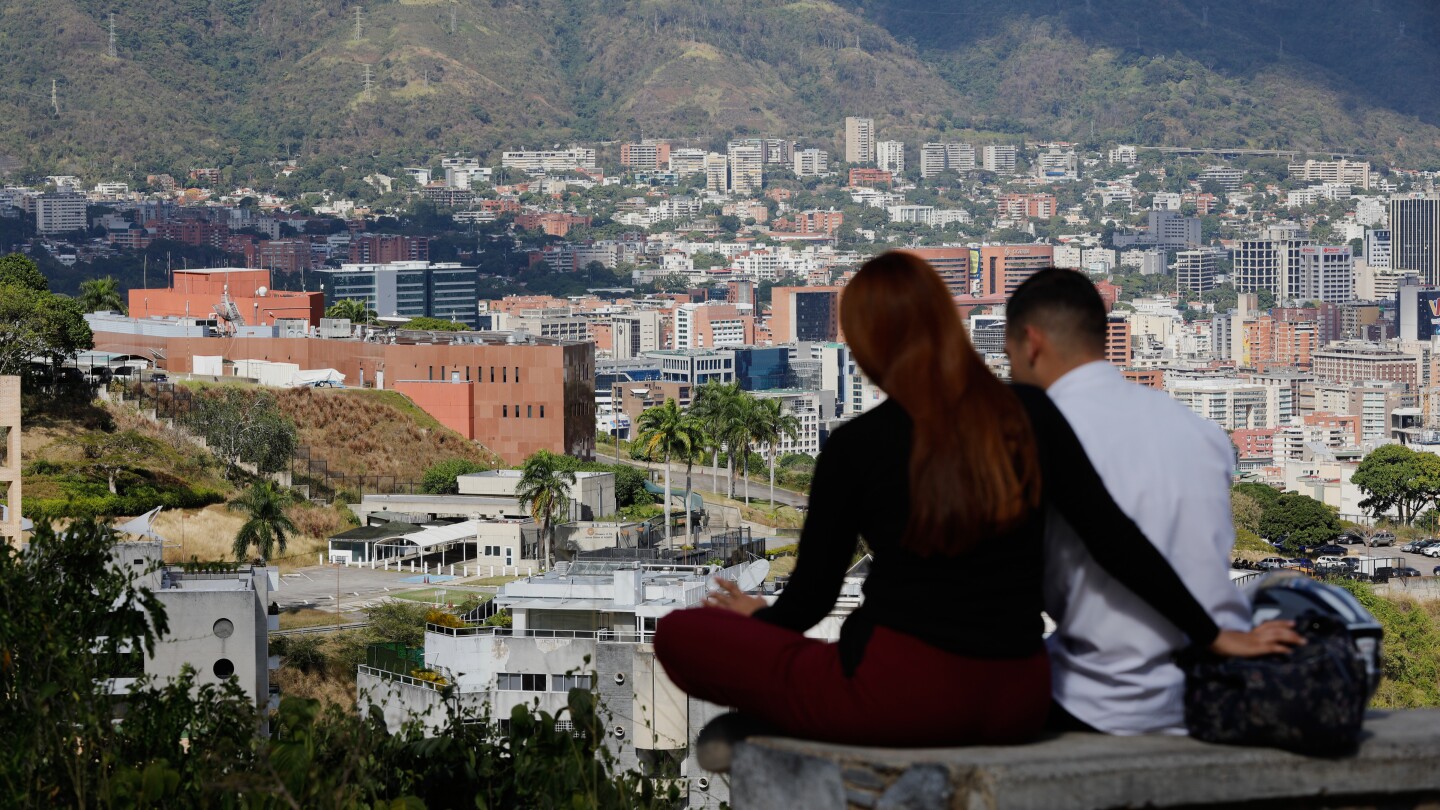
    A specialized delegation of American diplomats and security personnel arrived in Caracas to assess the potential reopening of the U.S. Embassy, which was shuttered in 2019 during the Trump administration’s previous term. The State Department confirmed the preliminary mission, characterizing it as an initial step toward reestablishing formal diplomatic channels.

    Venezuela’s acting government under President Delcy Rodríguez simultaneously announced plans to dispatch its own delegation to the United States, though specific timelines remain undisclosed. Such travel would necessitate special sanctions waivers from the U.S. Treasury Department, highlighting the complex regulatory hurdles facing normalization efforts.

    Rodríguez finds herself navigating competing pressures—addressing Washington’s demands while maintaining support from military hardliners furious over Maduro’s capture. Her public statements revealed this delicate balancing act, simultaneously condemning U.S. actions as “grave, criminal, illegal, and illegitimate aggression” while advocating diplomacy as the optimal path to secure Maduro’s eventual return and protect Venezuelan sovereignty.

    The diplomatic overture represents a dramatic reversal from 2019, when the Trump administration recognized opposition leader Juan Guaidó as Venezuela’s legitimate president and closed its Caracas embassy, relocating diplomatic operations to Bogotá, Colombia. The current engagement continues a pattern of cautious re-engagement that began last February when Trump envoy Richard Grenell met with Maduro, resulting in the release of six detained Americans.

    Underlying the diplomatic maneuvering remains the strategic importance of Venezuela’s oil reserves, the world’s largest, which have long been an objective of U.S. energy policy. The normalization process signals potential opportunities for American energy companies while testing Rodríguez’s ability to reconcile diplomatic pragmatism with ideological commitments to the Maduro legacy.

  • US treasury secretary says Argentina has repaid its US credit line in a win for Milei

    US treasury secretary says Argentina has repaid its US credit line in a win for Milei

    BUENOS AIRES, Argentina — In a significant financial milestone, Argentina has fully settled its obligations from a controversial $20 billion credit facility extended by the Trump administration, U.S. Treasury Secretary Scott Bessent confirmed on Friday. This repayment marks a critical achievement for President Javier Milei’s radical libertarian government as it works to stabilize the nation’s perpetually troubled economy.

    While Bessent did not disclose the exact repayment amount, Treasury Department records indicate Argentina’s central bank had utilized approximately $2.5 billion from the swap arrangement by October’s end. The Argentine Central Bank subsequently verified the complete settlement.

    The original financial rescue package, deemed contentious by many analysts, provided essential dollar liquidity to the Trump administration’s politically aligned but financially strained partner. This intervention effectively arrested a severe market collapse in Argentina just before pivotal midterm elections last October, where Milei’s party secured a substantial victory that bolstered support for his stringent austerity measures.

    The successful debt repayment has generated renewed investor confidence in Argentina’s economic direction. In a telling development, the government recently issued its first dollar-denominated bond in eight years, signaling a potential return to international capital markets.

    Treasury Secretary Bessent hailed the repayment as vindication for the bailout decision, which had faced criticism for potentially contradicting Trump’s ‘America First’ doctrine and exposing U.S. taxpayer funds to risk. “Stabilizing a strong American ally while generating substantial profits for Americans represents an America First success story,” Bessent stated. “A stable Argentina that contributes to Western Hemisphere prosperity clearly serves our national interest.”

    Argentine Economy Minister Luis Caputo expressed gratitude for the Trump administration’s “trust in our economic policy,” noting the importance of “building this geopolitical alliance with the world’s most significant nation.”

    Despite this progress, Argentina’s economic challenges persist. Foreign exchange reserves remain dangerously depleted, and the nation faces mounting pressure from impending repayments on previous International Monetary Fund loans and additional private debt obligations in the coming months.

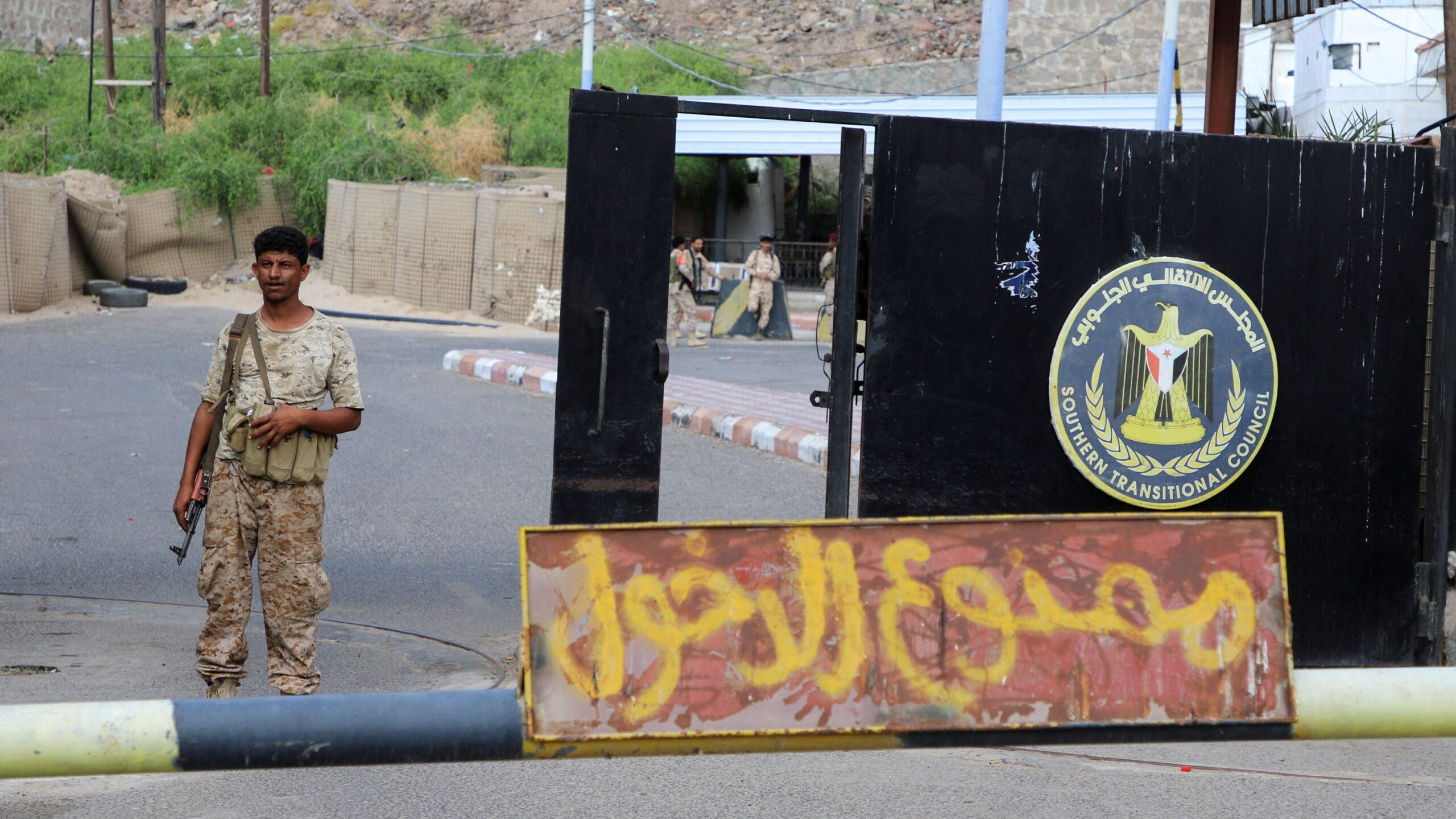
  • Yemen’s STC denies disbanding and says it cannot be done ‘under duress’

    Yemen’s STC denies disbanding and says it cannot be done ‘under duress’

    A significant diplomatic dispute has erupted between Yemen’s Southern Transitional Council (STC) and Saudi Arabia following contested claims about the separatist group’s dissolution. Saudi state media announced on Friday that STC delegates in Riyadh had agreed to disband the organization, a report immediately rejected by STC representatives who allege their members are being held under duress.

    Mohamed Alsahimi, the STC’s UK representative, explicitly denied the dissolution reports to Middle East Eye, stating that any legitimate disbandment would require formal approval from both the council and its UAE-backed leader Aidarous al-Zubaidi, who has reportedly fled Yemen. Alsahimi asserted that the delegation in Riyadh had been effectively detained since Wednesday, with their communication devices confiscated.

    “This cannot be done under duress. This will be done when the STC delegation in Riyadh is released,” Alsahimi declared, adding that the group remains committed to constructive political engagement regarding southern Yemen’s future.

    The controversy emerges amid dramatic shifts in southern Yemen’s power dynamics. STC forces have recently lost control of their Aden stronghold to Saudi-backed Giants Brigades, who have raised Yemen’s national flag over government buildings for the first time in years. Saudi Defense Minister Khalid bin Salman Al Saud praised the alleged dissolution as a “brave decision” that would facilitate inclusive talks about southern Yemen’s future through an upcoming Riyadh conference.

    Meanwhile, Abu Dhabi-based STC spokesman Anwar al-Tamimi dismissed the Saudi announcement as “ridiculous,” highlighting the deepening complexities of the Yemen conflict where competing Gulf powers support different factions within the anti-Houthi alliance.