作者: admin

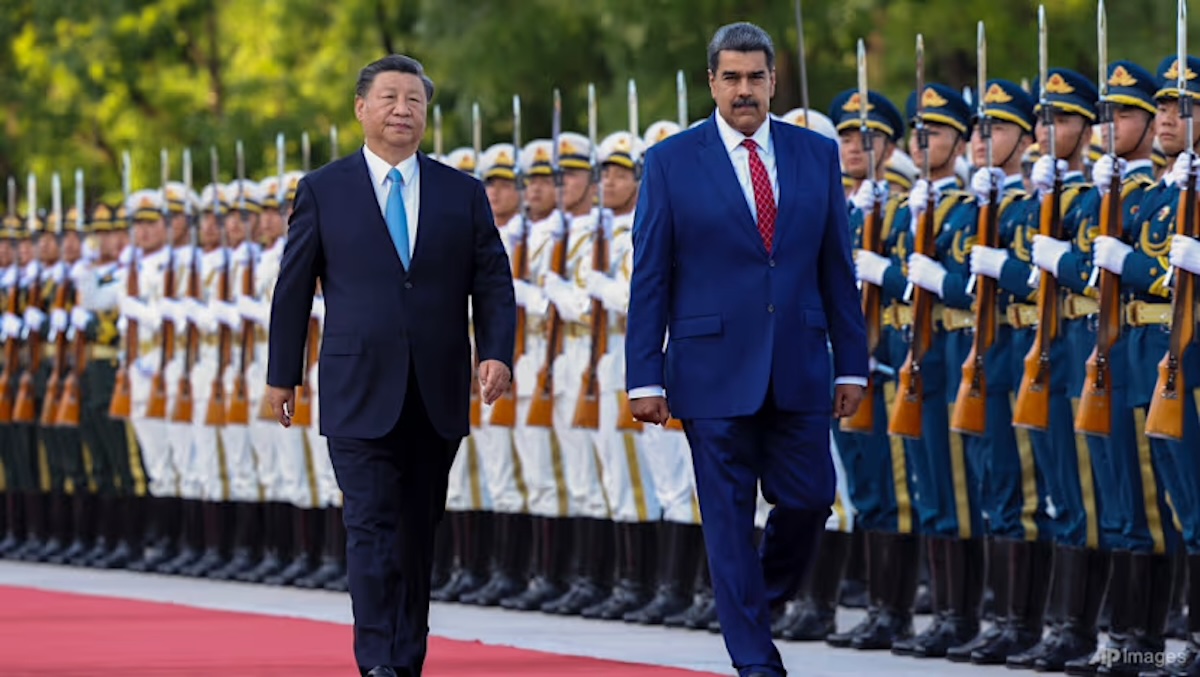
  • America’s Venezuelan adventure has limited impact on Asia

    America’s Venezuelan adventure has limited impact on Asia

    The United States’ covert operation to apprehend Venezuelan President Nicolás Maduro and its subsequent moves to seize Venezuelan oil assets have triggered significant geopolitical repercussions, particularly across Asian nations. This development has prompted serious examination of Washington’s strategic priorities and their implications for regional security dynamics.

    Historical narratives depicting America as a benevolent global power promoting universally beneficial rules now face intense scrutiny. The Maduro operation, coupled with explicit statements from the Trump administration regarding Venezuelan oil acquisition, has substantially damaged US credibility throughout the Global South, including key Asian partners. China’s diplomatic and propaganda machinery has effectively capitalized on this situation to amplify anti-American sentiment.

    While European allies have expressed notable discomfort, Asian partners demonstrate more measured responses. Both Japanese and South Korean governments have refrained from outright condemnation of US actions in Venezuela. Japanese Prime Minister Sanae Takaichi carefully avoided direct criticism, with senior officials primarily concerned about potential dilution of international resolve against Chinese expansionism in Asia. Similarly, South Korea’s Democratic Party-led administration issued a neutral statement urging all parties to reduce regional tensions.

    The Venezuela intervention potentially signals a strategic reorientation toward Western Hemisphere priorities, which would objectively benefit Moscow and Beijing by diverting American resources from Asian theaters. However, this doesn’t necessarily indicate complete victory for isolationist ‘restrainers’ over China-focused ‘prioritizers’ within US policy circles. The current National Security Strategy maintains commitment to preventing Chinese dominance in Asia, representing a scaled-back but still active engagement posture.

    Fundamentally, both Washington and Beijing pursue contradictory sphere-of-influence objectives while rejecting each other’s claimed domains. China’s naval expansion into Pacific island territories, unexpected military exercises near Australia, and previously robust Venezuelan relations demonstrate Beijing’s willingness to operate in America’s strategic backyard, mirroring US presence in China’s periphery.

    Legal analysts note the Maduro operation violates international law, potentially creating dangerous precedents for Russian and Chinese actions. However, historical context reveals numerous US interventions in Latin America throughout the previous century, making this less a novelty than a continuation of established practice. Neither Moscow nor Beijing have shown particular restraint regarding international norms, as evidenced by Russia’s Ukraine invasion and China’s rejection of UNCLOS rulings in the South China Sea.

    The Venezuela operation unlikely strengthens deterrence against Chinese adventurism regarding Taiwan. While demonstrating willingness to take limited military action against weaker opponents, the Trump administration has consistently expressed reluctance about defending Taiwan and seeks bilateral trade agreements with China, creating disincentives for confrontation.

    Potential mission creep in Venezuela could mirror Somalia’s 1992-93 intervention, where humanitarian purposes devolved into combat operations. Sustained military engagement in Latin America would inevitably divert resources and administrative attention from Asian security concerns, while reinforcing American war weariness that might discourage future intervention in Taiwan Strait scenarios.

    Ultimately, China’s regional calculations follow their own strategic logic rather than reacting to global norm violations. The Venezuela intervention represents just one factor in complex Asia-Pacific security equations, with limited but notable impact on regional perceptions of US commitment and reliability.

  • India scolds Mamdani for sending letter to Indian activist held without trial

    India scolds Mamdani for sending letter to Indian activist held without trial

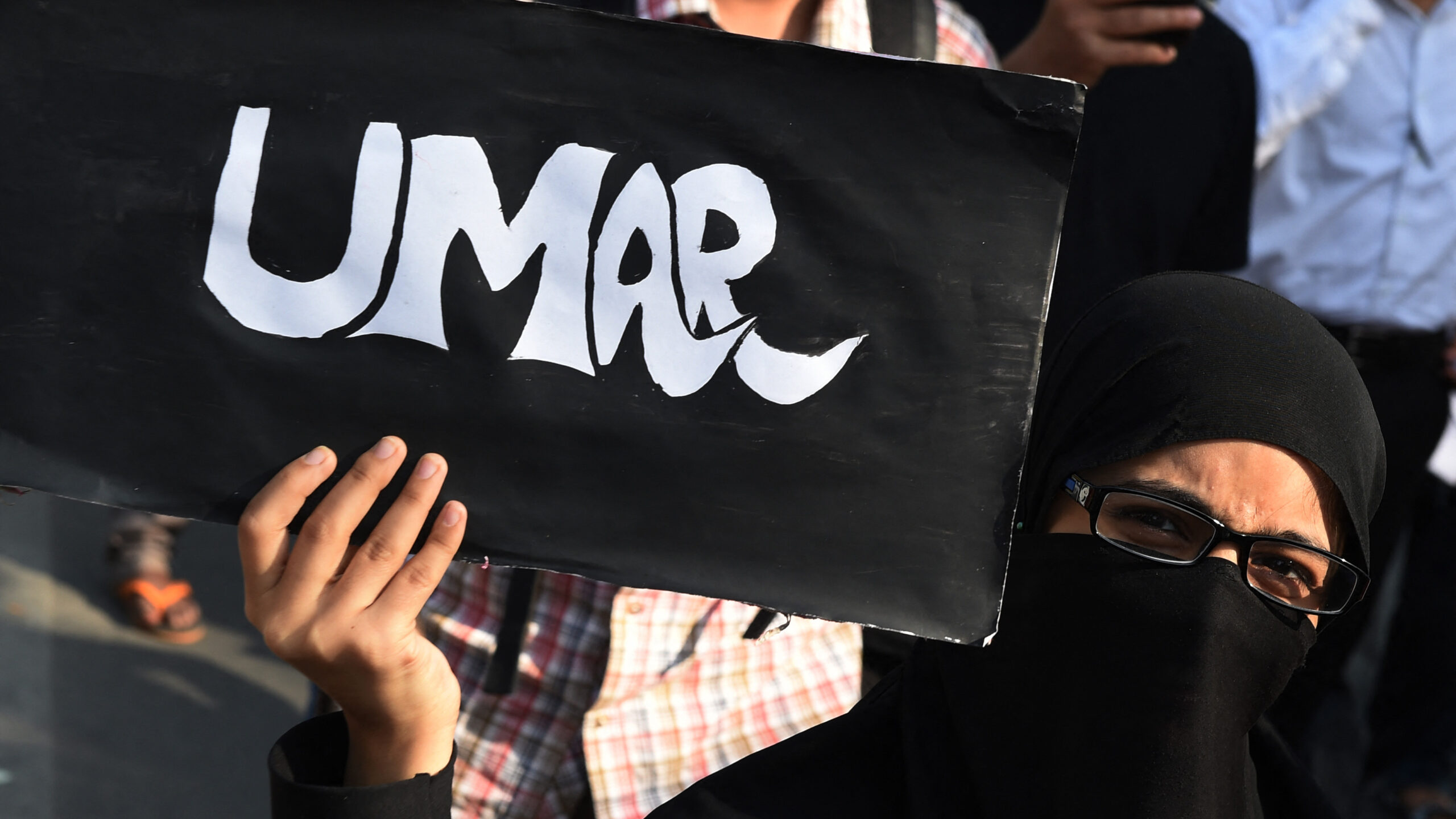
    India’s Ministry of External Affairs has issued a stern diplomatic reprimand to New York City Mayor Zohran Mamdani following the public circulation of his letter to imprisoned Indian activist Umar Khalid. The communication, penned in early December after Mamdani met with Khalid’s parents during their U.S. visit, surfaced on social media platforms several days ago.

    External Affairs Ministry spokesperson Randhir Jaiswal delivered a sharply worded statement urging foreign officials to respect judicial independence in other democracies. ‘We expect public representatives to be respectful of the independence of judiciaries in other democracies,’ Jaiswal stated. ‘Expressing personal prejudices does not behoove those in office. Instead of such comments, it would be better to focus on the responsibilities entrusted to them.’

    Khalid, a student activist detained without trial since September 2020, faces allegations of orchestrating the February 2020 New Delhi riots. His case has drawn international scrutiny, with the U.S. Commission on International Religious Freedom (USCIRF) identifying him as persecuted for ‘protesting religious freedom conditions’ and recommending India be designated a ‘Country of Particular Concern’ for religious intolerance.

    The legal proceedings against Khalid operate under India’s Unlawful Activities (Prevention) Act (UAPA), legislation permitting extended detention periods while severely restricting bail opportunities. India’s Supreme Court recently rejected Khalid’s latest bail application, maintaining his imprisonment.

    Mamdani’s letter expressed personal solidarity, stating: ‘Dear Umar, I think of your words on bitterness often and the importance of not letting it consume one’s self. It was a pleasure to meet your parents. We are all thinking of you.’

    Simultaneously, eight U.S. lawmakers including Democratic Congressman Jim McGovern (co-chair of the Tom Lantos Human Rights Commission) and Senators Chris Van Hollen and Peter Welch dispatched a formal letter to Indian Ambassador Vinay Mohan Kwatra on December 30th. The communication urged India to provide Khalid with bail and a fair trial ‘in accordance to international law.’

    The controversy originates from the 2020 citizenship law amendments under Modi’s government that expedited citizenship for persecuted non-Muslim religious minorities from neighboring countries. Muslim exclusion protests prompted violent clashes in New Delhi, resulting in over 50 fatalities—predominantly Muslims—in the capital’s worst religious violence since the 1984 anti-Sikh riots.

    Indian police arrested approximately 2,000 individuals following the disturbances, with critics alleging anti-Muslim bias in targeting activists and students. Among at least 18 detained leaders, Khalid has faced repeated bail rejections over five years despite international human rights organizations demanding his release. While some co-accused were granted bail on January 5th, Khalid and associate Sharjeel Imam remain imprisoned, with Amnesty International condemning their continued detention as based on ‘politically motivated allegations.’

  • Pair shot by immigration agents in Portland had gang links, officials say

    Pair shot by immigration agents in Portland had gang links, officials say

    Federal authorities have confirmed that two individuals shot by an immigration agent during a Portland, Oregon traffic stop possess connections to the Venezuelan criminal organization Tren de Aragua. The incident, which occurred on Thursday, unfolded when a Department of Homeland Security (DHS) agent initiated a routine stop.

    According to official statements, the agent discharged his weapon in self-defense after the driver attempted to use the vehicle as a weapon. Portland Police Chief Bob Day stated during a Friday press briefing that both individuals sustained injuries but are currently conscious and recovering in hospital care.

    The DHS has identified the driver as Luis David Nino-Moncada, who allegedly entered the United States illegally in 2022 and has prior arrests for driving under influence and unauthorized vehicle use. The passenger was identified as Yorlenys Betzabeth Zambrano-Contreras, who reportedly crossed the border illegally near El Paso, Texas in 2023.

    Federal officials clarified that contrary to some media reports, the two are not married. The DHS further alleged that Zambrano-Contreras participated actively in a Tren de Aragua prostitution operation and may have been involved in a previous Portland shooting incident.

    Following the shooting, the vehicle traveled approximately five miles before the occupants summoned emergency medical services at an apartment complex. Chief Day confirmed investigative links between the individuals and a July shooting incident involving alleged Tren de Aragua members, though specific details remain undisclosed.

    The police chief emphasized that while Tren de Aragua maintains some presence in Portland, its operational scale appears less extensive than public perception might suggest. This shooting incident occurred amidst heightened immigration enforcement operations across multiple US cities, including recent sweeps in Minneapolis where a similar agent-involved shooting took place.

    Thursday night witnessed significant public response as hundreds gathered outside a Portland immigration detention facility in protest, resulting in six arrests for disorderly conduct.

  • China’s Hurricane 3000 casts an electric storm in the Taiwan Strait

    China’s Hurricane 3000 casts an electric storm in the Taiwan Strait

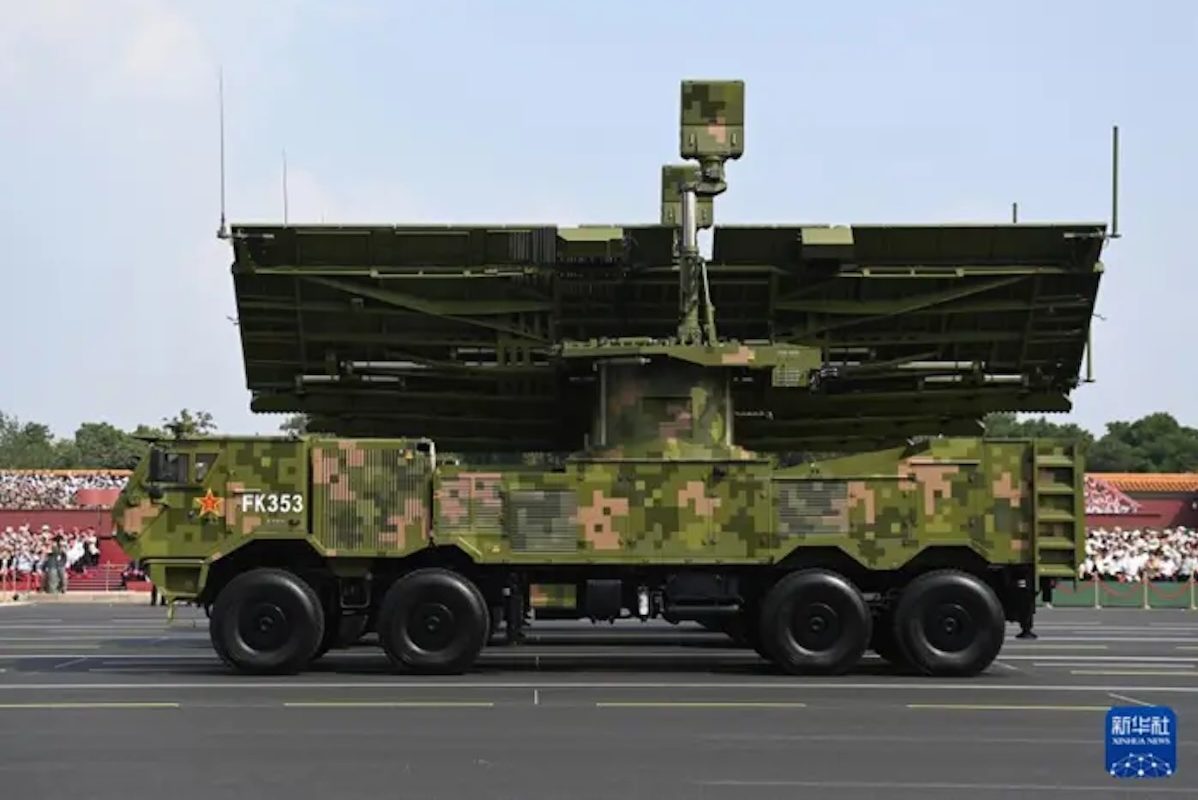
    China’s recent unveiling of its advanced Hurricane 3000 high-power microwave (HPM) weapon system marks a significant evolution in electromagnetic warfare capabilities, particularly in the context of escalating drone competition across the Taiwan Strait. Developed by state-owned defense contractor Norinco, this truck-mounted system represents a strategic shift from traditional platform-centric warfare to cost-effective electromagnetic domain control.

    The Hurricane 3000, first showcased during Beijing’s September 2025 military parade, demonstrates an impressive operational range exceeding 3 kilometers against small unmanned aerial vehicles (UAVs). According to Norinco expert Yu Jianjun, the system’s capability surpasses comparable American technologies, enabling it to transition from short-range point defense to broader area denial operations. The weapon employs radar detection and electro-optical targeting before emitting concentrated microwave beams that instantly disable drone electronics through both antenna-based and circuit-level electromagnetic coupling.

    This technological advancement addresses the critical challenge of drone swarm saturation attacks by offering a low-cost-per-shot solution with minimal collateral damage and virtually unlimited firing capacity. The system can operate independently or integrate with laser and artillery systems within layered defense networks, reflecting China’s comprehensive approach to enhancing air, border, and urban security amid rapidly evolving drone warfare technologies.

    Research published in the January 2024 edition of Electronics journal details how HPM systems disrupt UAV operations by overwhelming electronic subsystems through multiple pathways. Even autonomous and fiber-optic drones, designed to avoid traditional jamming techniques, become vulnerable to HPM-induced electronic noise and overheating that compromises their operational capabilities.

    Strategic analysts from the Belfer Center (January 2025) and Center for a New American Security (September 2025) note that HPM weapons serve as critical point-defense tools for protecting invasion forces and key installations during potential Taiwan contingencies. These systems function as a ‘final force field’ against drones penetrating outer defensive layers, though their effectiveness depends on integration within broader counter-drone architectures due to range limitations and potential friendly electronic interference.

    The development carries particular significance for the US Replicator initiative, a Department of Defense project aiming to deploy thousands of low-cost autonomous systems to deter Chinese aggression toward Taiwan. While drone hardening techniques exist—including shielding, reflective surfaces, and obscurants—these countermeasures increase weight, complexity, and production costs, potentially undermining the economic rationale behind attritable drone swarms.

    Military analysts suggest that future drone effectiveness will depend on adapting tactics to exploit HPM limitations through maneuver, dispersion, multi-axis approaches, and environmental exploitation rather than relying solely on numerical superiority. This evolving dynamic shifts the strategic competition toward cost-exchange management and system resilience rather than simple technological superiority.

  • Night of Swiss ski bar fire ‘apocalyptic’, woman tells Crans-Montana memorial

    Night of Swiss ski bar fire ‘apocalyptic’, woman tells Crans-Montana memorial

    Switzerland observed a solemn day of national mourning on Friday as church bells resonated across the nation, commemorating the 40 young lives tragically lost in the New Year’s Eve inferno at Le Constellation bar in Crans-Montana. The emotional commemorations were immediately overshadowed by significant judicial developments, with authorities detaining bar co-owner Jacques Moretti following a reassessment of his flight risk.

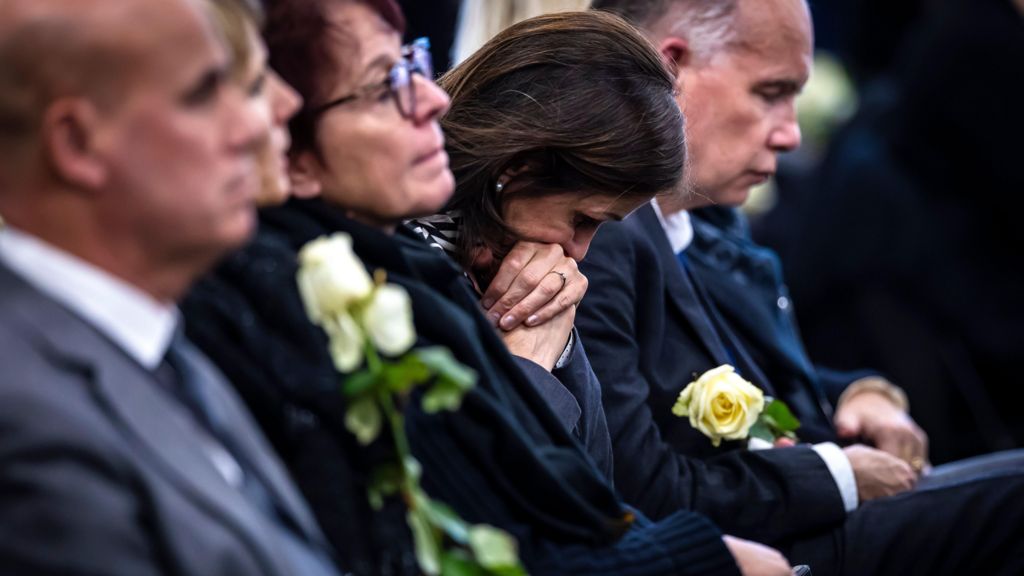
    The memorial ceremony in Martigny witnessed heartbreaking scenes as grieving families, survivors—some still hospitalized—and international dignitaries including the presidents of France and Italy gathered in solidarity. Attendees clasped white roses and held hands for comfort during the service, where firsthand accounts revealed the horror of the catastrophic blaze.

    Marie, a witness who assisted victims from the adjacent bar, delivered a chilling testimony: “We faced unbearable images—a scene worse than nightmare. Screams piercing the icy cold, the smell of burning. It was apocalyptic.” Her words echoed through the ceremony attended by representatives from nations whose citizens perished in the tragedy.

    Judicial authorities have launched a negligence investigation against both bar owners, Jacques and Jessica Moretti, for allegedly causing death and injury through negligence. Jessica Moretti broke her silence after questioning, stating: “I constantly think of the victims. It happened in our establishment, and I would like to apologize for this unimaginable tragedy.”

    Emerging evidence paints a disturbing picture of preventable failures. Mobile footage indicates the fire originated from a sparkler contacting soundproofing foam that had never undergone safety testing. Additional footage from six years prior reveals staff warnings about the flammable ceiling material, raising questions about long-standing negligence.

    Local authorities admitted to not conducting mandatory safety inspections for five years, compounding the systemic failures. Italy’s Ambassador to Switzerland, Gian Lorenzo Cornado, emphasized the demand for justice: “It was a hell inside that bar with over 1,000 degrees temperature. There was no way to escape.”

    Medical personnel at Sion regional hospital faced extraordinary challenges, with doctors fearing their own children might be among the victims. Hospital director Eric Bonvin described the identification process for severely burned victims and the long recovery ahead as a “rebirth” process for those facing life-altering injuries.

    The tragedy continues to resonate through the community where makeshift memorials grow daily, protected from the elements by canvas, as Switzerland seeks answers and accountability for one of its deadliest modern disasters.

  • Trump says US needs to ‘own’ Greenland to prevent Russia and China from taking it

    Trump says US needs to ‘own’ Greenland to prevent Russia and China from taking it

    A significant diplomatic rift has emerged within the NATO alliance following provocative statements by former U.S. President Donald Trump regarding the sovereignty of Greenland. Speaking to reporters, Trump asserted that the United States must exercise outright ownership of the vast Arctic territory to counter perceived threats from Russia and China, explicitly dismissing the value of existing lease agreements.

    The controversial remarks, made in response to questioning from the BBC, included Trump’s declaration that this objective would be pursued either ‘the easy way or the hard way.’ This ambiguous threat was interpreted as leaving open the possibility of military annexation, a notion the White House has previously refused to rule out despite its extreme nature.

    This stance has been met with unified and forceful rejection from both the Danish government and Greenland’s political leadership. In a powerful joint statement, Greenland’s party leaders across the political spectrum condemned what they termed ‘the US’s disregard for our country,’ emphatically stating, ‘We do not want to be Americans, we do not want to be Danes, we want to be Greenlanders.’ They underscored that the future of the semi-autonomous territory must be determined exclusively by its people.

    The geopolitical significance of Greenland lies in its strategic location between North America and the Arctic. Its value extends beyond early-warning systems for missile defense to include vast untapped natural resources—rare earth minerals, uranium, iron, and potential oil and gas reserves—that are becoming increasingly accessible due to climate-induced ice melt.

    In a swift show of solidarity, Denmark’s NATO allies, including major European powers and Canada, have rallied behind Copenhagen. They issued coordinated statements reaffirming that sovereignty matters concerning Greenland are the exclusive purview of Denmark and Greenland itself. These allies emphasized that Arctic security, while a shared priority, must be achieved collectively by upholding fundamental principles of the UN Charter, including territorial integrity and the inviolability of borders.

    The situation is further inflamed by recent U.S. military action in Venezuela, which has heightened global anxieties about the potential for force being used elsewhere. This is not the first time Trump has expressed interest in acquiring Greenland; a similar offer was rebuffed in 2019 during his first term. U.S. Secretary of State Marco Rubio is scheduled to hold talks with Danish officials next week in an attempt to manage the escalating crisis.

  • ‘An attack on women’s dignity’: Walls whitewashed after silhouettes defaced in Indian city

    ‘An attack on women’s dignity’: Walls whitewashed after silhouettes defaced in Indian city

    A disturbing incident of public art vandalism in Gwalior, central India, has ignited nationwide conversations about gender-based harassment and women’s safety in public spaces. The controversy began when a school student’s Instagram video revealed deliberately defaced female yoga silhouettes on a city beautification mural, with explicit markings targeting the genital areas of the figures.

    The teenage activist expressed profound disappointment in her viral post, stating that witnessing the sexualized defacement of artistic representations filled her with ‘anger and disgust.’ Her documentation triggered substantial social media backlash, with numerous commentators noting that women remain vulnerable ‘even in graffiti.’ National media outlets characterized the incident as both shameful and symptomatic of deeper societal issues.

    In response to mounting public pressure, local authorities initiated whitewashing of the affected walls. Municipal spokesman Umesh Gupta attributed the vandalism to unidentified ‘miscreants’ and acknowledged surveillance limitations in the area. The corporation subsequently announced a street art competition focusing on civic themes, though notably excluding yoga motifs from the proposed subjects.

    Social activist Kalpana Viswanath of Safetipin contextualized the event within India’s broader challenges regarding women’s access to public spaces. She emphasized that such acts constitute a form of sexual harassment regardless of whether directed at women or their artistic representations. While acknowledging the psychological impact of such incidents on women’s freedom of movement, Viswanath found encouragement in young women’s increasing willingness to challenge patriarchal norms, particularly those from smaller urban centers.

    The incident reflects global patterns of gendered interactions with public art, paralleling phenomena like the discolored breasts of bronze statues worldwide due to inappropriate touching. This case underscores the complex intersection of public art, gender politics, and urban space management in contemporary India.

  • Judge dismisses lawsuit calling for evacuation of Palestinian Americans in Gaza

    Judge dismisses lawsuit calling for evacuation of Palestinian Americans in Gaza

    A federal court in Chicago has dismissed a lawsuit against the U.S. government over its evacuation procedures for Palestinian-Americans stranded in Gaza. Chief Judge Virginia Kendall of the U.S. District Court acknowledged the plaintiffs’ dire circumstances but ruled that the judiciary lacks both the authority and the diplomatic resources to evaluate or mandate executive branch foreign policy decisions, particularly those involving wartime evacuations.

    The legal action, initiated in December 2024 by nine Palestinian-Americans with support from the Council on American-Islamic Relations (CAIR) and attorney Maria Kari, accused the Biden administration of violating constitutional equal protection rights. The plaintiffs argued that the government abandoned them and their families during the ongoing conflict, failing to implement standard evacuation protocols that would be extended to other U.S. citizens abroad.

    Despite expressing sympathy for the plaintiffs’ ‘impossible positions,’ Judge Kendall’s ruling emphasized the constitutional separation of powers. She stated that determining the ‘when, how, and under what circumstances evacuations from war zones should proceed’ is a duty committed to the executive and legislative branches, not the judiciary.

    The court noted evidence indicating that the U.S. government had developed an evacuation plan and that all nine plaintiffs had either been successfully evacuated or had declined offers that did not include their immediate family members. The State Department had previously reported assisting over 1,600 individuals, including citizens and eligible family members, in leaving Gaza via the Rafah crossing, though the criteria for evacuation were narrowly defined to include only spouses, parents, and unmarried children under 21.

    The dismissal highlights the complex and often restrictive process for evacuation, which requires multi-level approvals from U.S., Egyptian, Israeli, and Palestinian authorities. At the time of publication, the U.S. Department of State had not issued an immediate response to requests for comment.

  • South Africa’s strained ties with US face new test – war games with China, Iran and Russia

    South Africa’s strained ties with US face new test – war games with China, Iran and Russia

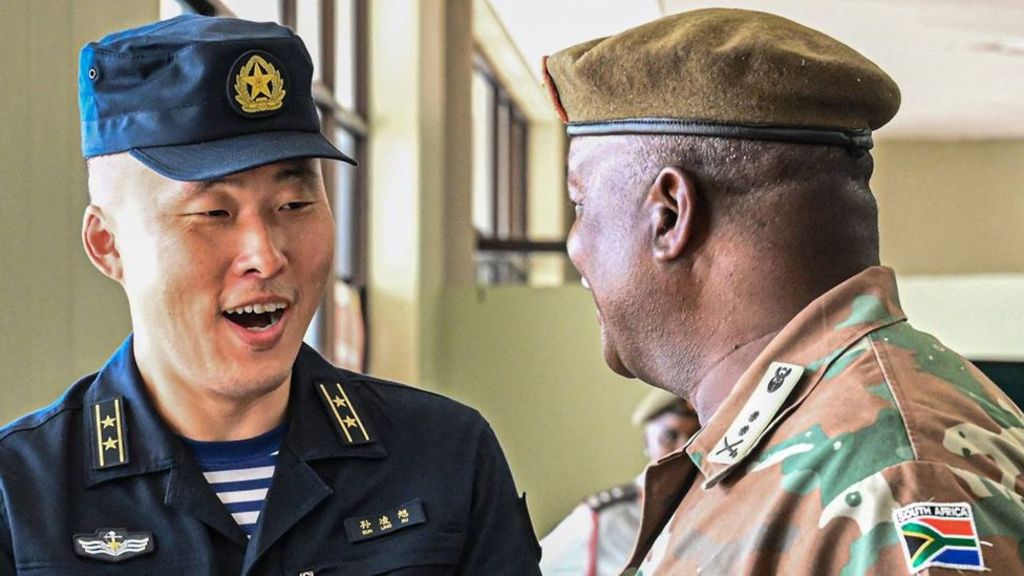
    South Africa finds itself at a geopolitical crossroads as it hosts joint naval exercises with China, Russia, and Iran—a move that risks further deteriorating its already strained relationship with the United States. The week-long ‘Will for Peace’ maritime drills, initiated on Friday off the coast of Simon’s Town, represent an expansion of the BRICS+ alliance’s activities beyond economic cooperation into military collaboration.

    The exercise, originally conceived as the third iteration of the China-Russia-South Africa ‘Mosi’ series, was rebranded and broadened to include other BRICS+ members following its postponement from November due to the G20 summit. This development occurs against the backdrop of severely compromised US-South Africa relations, exacerbated by the Trump administration’s accusations regarding treatment of white farmers and Pretoria’s genocide case against Israel at the International Court of Justice.

    Defense analysts highlight the paradoxical nature of the military cooperation, noting that BRICS+ members include nations with opposing political interests and even active border conflicts. The South African government maintains the exercises focus on maritime safety and interoperability, while opposition parties condemn the participation of sanctioned nations as a violation of the country’s professed non-aligned stance.

    The economic implications are substantial. With the US implementing 30% tariffs on South African exports—potentially costing 100,000 jobs—and remaining a crucial trading partner that supports over 500,000 jobs through American companies, the naval exercises risk further alienating a critical economic ally. Meanwhile, China’s economic footprint, while growing, reportedly generates significantly fewer jobs despite government claims of 400,000 positions.

    South Africa’s military acknowledges practical motivations for the drills, citing budget constraints that have decimated naval capabilities and limited opportunities for international training. However, commentators warn that the optics of cooperating with US adversaries could provoke stronger reactions from the Trump administration, potentially squeezing South Africa in the escalating great power competition between Washington and the BRICS+ nations.

  • Romance and parenthood feel remote in Ukraine: ‘I haven’t had a date since before the war’

    Romance and parenthood feel remote in Ukraine: ‘I haven’t had a date since before the war’

    In the dim ambiance of a Kyiv wine bar on a Saturday evening, 34-year-old Daria scrolls through a dating app before dismissing it with palpable resignation. Having emerged from long-term relationships prior to the conflict, her romantic prospects have evaporated amid Ukraine’s protracted war. ‘I haven’t had a proper date since before the war,’ she confesses, encapsulating a nationwide phenomenon where personal connections have become collateral damage in the struggle for national survival.

    Four years of relentless conflict have compelled Ukrainian society to reconfigure fundamental aspects of human existence, with relationships and reproductive choices now standing at the forefront of demographic concerns. With millions of women establishing new lives abroad since the 2022 invasion and hundreds of thousands of men either deployed or living overseas, those remaining face profoundly constrained options.

    Khrystyna, a 28-year-old Lviv resident, observes the conspicuous absence of eligible men with mounting frustration. ‘Many, I would say most [men] are afraid to go out now,’ she notes, referencing conscription squads patrolling urban centers. The psychological toll on military personnel further complicates romantic prospects, as she explains: ‘Many are traumatized now because most of them – if they have returned – were in places where they experienced a lot.’

    Daria conceptualizes the dating pool through three unsatisfactory categories: conscription-avoiders confined to their homes (‘not a person you want to build a relationship with’), soldiers engaged in sporadic long-distance relationships (‘you build a connection, then he leaves’), and men under conscription age who retain emigration options. None present viable foundations for meaningful partnerships.

    Frontline perspectives reinforce this romantic impasse. Ruslan, serving in the Kharkiv region, questions what tangible offerings he can provide beyond ‘visits once or twice a year, flower deliveries and the odd phone call.’ Denys, a 31-year-old drone operator in eastern Ukraine, articulates the moral dilemma through a voice message: ‘Promising a wife or fiancée any long-term plans is difficult. Every day there is a risk of being killed or injured, and then all plans will, so to speak, go nowhere.’

    The demographic consequences are both severe and quantifiable. Marriage rates have plummeted from 223,000 in 2022 to 150,000 in 2024, while fertility rates have reached a historic low of 0.9 children per woman—dramatically below the 2.1 replacement level and substantially beneath the EU average of 1.38. Combined with mass emigration (over six million departed since 2022) and elevated mortality, Ukraine faces what demographer Oleksandr Hladun of the National Academy of Sciences terms the ‘social catastrophe of war.’

    Projections indicate a potential population collapse to 25.2 million by 2051—less than half the 1992 figure—with war-induced stress creating fertility complications that may persist for generations. Dr. Liubov Mykhailyshyn, a gynecologist in Lviv, expresses concern about ‘years of chronic stress and sleepless nights’ affecting reproductive health, creating ripple effects that will impact birth rates for years to come.

    Even determined couples confront overwhelming obstacles. Olena, a 33-year-old policewoman and military instructor, undergoes fertility treatments while acknowledging the precarious timing: ‘taking into account my work and the situation in the country.’ She reflects on the transformational impact of the invasion: ‘During the first year of the war, it felt as if everything had stopped. Everything we were striving for – building a home, planning children – nothing mattered anymore.’

    Government initiatives addressing childcare and housing affordability have achieved limited traction due to decentralized implementation. Hladun concedes that policy solutions remain ineffective while ‘would-be mothers and children remain exposed to the dangers of war.’ Demographic recovery would require the return of a substantial proportion of the 6.5 million Ukrainians abroad, yet repatriation remains uncertain even after hostilities cease.

    The demographic crisis transcends social concerns to become a national security issue. Hladun frames the population decline within strategic parameters: ‘Russia is simply demographically much larger. And in this sense, it has more resources for war.’ This perspective transforms family planning into geopolitical calculus, where personal choices accumulate into national consequences.

    For ordinary Ukrainians, the psychological adaptation proves as challenging as the practical circumstances. Daria summarizes the collective resignation: ‘Planning a future feels fragile, almost naive. This uncertainty is painful, but it becomes a part of everyday life. I’ve come to accept that I might stay alone not because I want to, but because war reshapes what feels possible. Learning to live with that is, in itself, a form of survival.’