作者: admin

  • US film stars Meagan Good and Jonathan Majors become Guinea citizens after DNA tests

    US film stars Meagan Good and Jonathan Majors become Guinea citizens after DNA tests

    In a significant cultural ceremony on Friday, acclaimed Hollywood actors Meagan Good and Jonathan Majors were formally granted citizenship by the Republic of Guinea after tracing their ancestral lineage to the West African nation through DNA testing. The private event, organized by Guinea’s Ministry of Culture at the Gbassi Kolo tourist and cultural center, represents the latest initiative by African nations to encourage diaspora communities to reclaim their heritage.

    Djiba Diakité, Minister and Chief of Staff of the Presidency, presented the official passports to the couple on behalf of President Mamadi Doumbouya. “We both believe that you are among the worthy sons and daughters of Guinea to represent our country and the red and green flag throughout the world,” Diakité stated during the ceremony, which featured traditional dance performances and djembe drumming.

    The actors, who began dating in May 2023 and married last year, expressed their profound connection to Guinea. “We could absolutely see ourselves having a home here and spending meaningful time in Guinea,” the couple told the BBC via email. “This is not a fleeting connection – it’s something we see as long-term and evolving.”

    Majors, known for his roles in ‘Creed’ and ‘Ant-Man,’ described the citizenship as a means of “bridging the gap” between their identities as entertainers and members of the African diaspora. Good, celebrated for her performance in ‘Think Like a Man,’ noted this marked her first visit to Guinea.

    The ceremony occurred against the backdrop of Guinea’s recent political transition. The country has recently returned to civilian rule following elections last month, won by coup leader General Mamady Doumbouya with 87% of the vote. Unlike other West African nations that have experienced recent coups, Guinea has maintained relations with Western governments, particularly France.

    This event continues a trend began by Ghana’s 2019 “Year of Return” initiative, which has seen several prominent figures including Stevie Wonder (2024), Ciara (Beninese citizenship), and Samuel L. Jackson (Gabonese passport) establish formal ties with African nations. Guinea itself has historical precedent in welcoming diaspora figures, having hosted South African singer Miriam Makeba and civil rights activist Stokely Carmichael (later known as Kwame Ture) in the 1960s.

    The couple’s itinerary includes a tour of Boké, a coastal region containing historic slave trade sites. While their specific investment plans remain unclear, the gesture symbolizes Guinea’s ongoing outreach to the global African community despite the country’s economic challenges—being mineral-rich yet having one of West Africa’s poorest populations.

  • Mbeumo ‘sad’ over Cameroon Afcon exit

    Mbeumo ‘sad’ over Cameroon Afcon exit

    In a thrilling quarter-final clash at the 2025 Africa Cup of Nations, host nation Morocco secured a 2-0 victory against Cameroon at Rabat’s packed Prince Moulay Abdellah Stadium. The match saw Brahim Diaz and Ismael Saibari net decisive first-half goals that ultimately proved insurmountable for the Indomitable Lions.

    Cameroon’s Manchester United forward Bryan Mbeumo expressed profound disappointment with his team’s initial performance, acknowledging that their hesitant start significantly compromised their chances. “Our first-half display fell considerably short of our capabilities,” Mbeumo stated. “We demonstrated marked improvement after the interval, forcing Morocco to adapt, but ultimately they capitalized on their opportunities.”

    The match represented a personal milestone for Mbeumo, who was competing in his first AFCON tournament since switching international allegiance from France to Cameroon in 2022. Despite failing to score throughout the competition, the 26-year-old contributed a crucial assist during Cameroon’s opening victory against Gabon.

    Cameroon’s head coach David Pagou, who assumed leadership shortly before the tournament following the controversial dismissal of Belgian manager Marc Brys, concurred with Mbeumo’s assessment. Pagou noted the team’s initial timidity but praised their second-half resurgence and overall tournament performance, emphasizing that the youthful squad had provided “significant emotions to the Cameroonian people.”

    The victory held particular historical significance for Morocco, marking their first semi-final appearance since 2004. Real Madrid playmaker Brahim Diaz continued his exceptional tournament form, scoring his fifth goal to become Morocco’s all-time top scorer in a single AFCON competition. Head coach Walid Regragui hailed Diaz as the team’s “X factor” and praised his transformed mentality, suggesting the player possesses potential to become “the world’s best.”

    The electric atmosphere generated by Moroccan supporters received special recognition from both teams, with Saibari describing the environment as “amazing” and Regragui noting the crowd effectively functioned as a twelfth player. Morocco now advances to face the winner of the Algeria-Nigeria matchup, continuing their quest for a second continental title fifty years after their first triumph.

  • Trump calls for one-year cap on credit card interest rates at 10%

    Trump calls for one-year cap on credit card interest rates at 10%

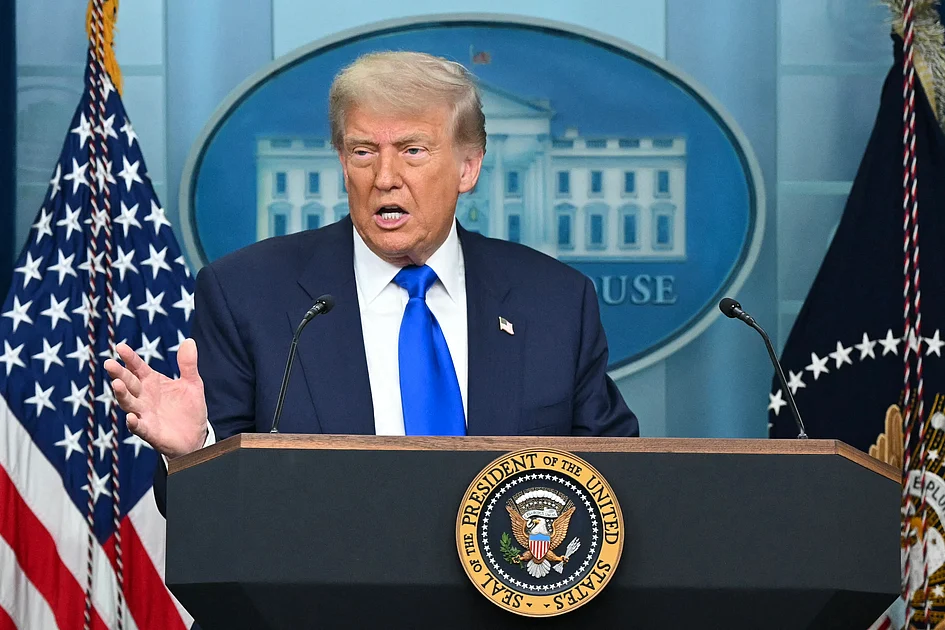
    In a significant policy announcement, former U.S. President Donald Trump has publicly called for implementing a one-year cap on credit card interest rates at 10%, effective January 20, 2026. The declaration, made through his Truth Social platform, represents a revival of his 2024 campaign pledge that previously faced widespread skepticism from financial analysts.

    Trump’s proposal emerges amid growing bipartisan concern in Congress regarding exorbitant credit card rates, though the announcement notably lacked specific implementation details or enforcement mechanisms. Financial experts immediately questioned the proposal’s feasibility, noting that such sweeping financial regulation would require congressional approval rather than executive action alone.

    Legislative efforts to address high interest rates have already gained traction across party lines. Senators Bernie Sanders (I-VT) and Josh Hawley (R-MO) previously introduced bipartisan legislation seeking a five-year 10% rate cap, while Representatives Alexandria Ocasio-Cortez (D-NY) and Anna Paulina Luna (R-FL) proposed similar measures in the House. These initiatives reflect rare cross-aisle consensus on consumer financial protection.

    Banking industry representatives responded with strong opposition, with major advocacy groups issuing a joint statement warning that artificial rate caps would reduce credit availability and push consumers toward unregulated lending alternatives. Major financial institutions including JPMorgan, Bank of America, and Citigroup declined to comment on the proposal.

    Democratic lawmakers criticized Trump’s announcement as insufficient without concrete legislative action. Senator Elizabeth Warren (D-MA) dismissed the move as ‘begging credit card companies to play nice’ while noting Trump’s simultaneous efforts to dismantle existing consumer protections through the Consumer Financial Protection Bureau.

    The proposal comes against the backdrop of the Trump administration’s successful legal challenge to the Biden-era $8 credit card late fee cap, which was overturned by a federal judge after business groups challenged its legality. This history of deregulation adds complexity to Trump’s current consumer protection stance.

  • US says claims ‘delusional’ after Iran tells UN Washington to blame for ‘violent’ protests

    US says claims ‘delusional’ after Iran tells UN Washington to blame for ‘violent’ protests

    In a significant escalation of diplomatic tensions, the United States has categorically rejected Iran’s allegations of American involvement in fueling violent protests within the Islamic Republic. The confrontation unfolded at the United Nations Security Council where Iran’s Ambassador Amir Saeid Iravani presented formal accusations against Washington.

    The Iranian delegation circulated a letter asserting that the United States, acting in coordination with Israel, bears responsibility for transforming peaceful demonstrations into ‘violent, subversive acts and widespread vandalism.’ The document condemned what it described as unlawful interference in Iran’s internal affairs through threats, incitement, and deliberate encouragement of instability.

    US State Department officials responded with forceful dismissal, characterizing the Iranian claims as ‘delusional’ and describing them as a transparent attempt to divert attention from the regime’s domestic challenges. The American rebuttal came directly in response to similar accusations made by Iranian Foreign Minister Abbas Araghchi during his diplomatic visit to Lebanon.

    Independent reports from Norway-based Iran Human Rights indicate that security forces have killed at least 45 protesters, including eight minors, during the crackdown on demonstrations that began in late December. The protests represent the largest wave of civil unrest since the 2022-2023 nationwide rallies triggered by the custody death of Mahsa Amini.

    The current demonstrations initially emerged from economic grievances, particularly anger over rising living costs, but have evolved into broader expressions of dissent. Recent videos from Iran show protesters chanting anti-government slogans and setting fire to official buildings, indicating escalating tensions between civil society and state authorities.

  • Rescuers race to find dozens missing in deadly Philippines landfill collapse

    Rescuers race to find dozens missing in deadly Philippines landfill collapse

    Emergency crews in the central Philippine city of Cebu are engaged in a critical round-the-clock operation to locate more than 30 missing individuals following a catastrophic landfill collapse. The disaster struck the privately-operated Binaliw landfill on Thursday while approximately 110 workers were present at the site.

    Cebu City Mayor Nestor Archival confirmed Saturday that rescue teams have detected promising signs of life beneath the massive debris field, though unstable conditions continue to hamper recovery efforts. The confirmed death toll stands at four persons, with twelve others having been transported to medical facilities for treatment.

    Authorities face significant operational challenges due to precarious debris formations that pose ongoing safety risks. Rescue coordination officials emphasize they are awaiting the deployment of specialized heavy equipment, including a 50-ton crane, to facilitate careful excavation of identified survival zones.

    Families of missing workers maintain vigil at the disaster perimeter, clinging to hope despite the elapsed time since the incident. Jerahmey Espinoza, whose husband remains among the missing, conveyed to Reuters: “They haven’t seen him or located him ever since the disaster happened. We’re still hopeful that he’s alive.”

    Preliminary investigations suggest the collapse may stem from problematic waste management practices. City councillor Joel Garganera indicated operators had been excavating soil from the mountainside while simultaneously accumulating waste into artificial peaks, potentially compromising structural integrity.

    The 15-hectare facility serves as a critical waste management hub for Cebu, the central trading and transportation nexus of the Visayas island chain. Such landfill sites remain commonplace across major Philippine urban centers, raising ongoing concerns about infrastructure safety and regulatory oversight in waste management systems.

  • Hollywood couple Meagan Good and Jonathan Majors gain Guinean citizenship

    Hollywood couple Meagan Good and Jonathan Majors gain Guinean citizenship

    In a significant cultural moment, American actors Meagan Good and Jonathan Majors were formally granted citizenship by the Republic of Guinea during a private ceremony in Conakry on Friday. The recognition came after the couple successfully traced their ancestral lineage to the West African nation through DNA testing.

    Djiba Diakité, head of the presidential cabinet, presided over the ceremony, stating: “We consider you among Guinea’s most worthy descendants. You will represent our nation and the red-yellow-green flag across the globe.”

    The citizenship award places the Hollywood couple among a growing trend of African nations extending formal recognition to descendants of the diaspora. This development follows similar initiatives by Benin, which granted citizenship to singer Ciara last year, and Ghana, which naturalized 524 African Americans in 2019 as part of commemorations marking the 400th anniversary of the first enslaved Africans’ arrival in North America.

    Majors’ career trajectory adds complexity to the story. Once positioned for Hollywood’s highest echelons following acclaimed performances in “Da 5 Bloods” and “Lovecraft Country,” and his casting as Kang the Conqueror in the Marvel Cinematic Universe, his career faced substantial challenges after a 2023 assault conviction. The legal proceedings resulted in his departure from Marvel Studios and the delayed release of his film “Magazine Dreams.”

    Throughout his legal challenges, Good maintained a consistent presence, with the couple engaging in 2024 and marrying last year during an impromptu ceremony. Their Guinean citizenship comes during a period of political transition in the country, which has been under military rule since General Mamadi Doumbouya’s 2021 coup. Doumbouya recently secured a controversial presidential election victory amid reported suppression of political opposition.

    The newly minted citizens are scheduled to tour Guinea’s significant cultural and tourist sites on Sunday, deepening their connection to their ancestral homeland.

  • Long-awaited connectivity: How Etihad Rail will impact lives of many

    Long-awaited connectivity: How Etihad Rail will impact lives of many

    The United Arab Emirates’ national rail project has reached a transformative milestone with Etihad Rail announcing seven new passenger stations that will complete the country’s comprehensive rail network. This strategic expansion will significantly enhance connectivity across Abu Dhabi’s Al Dhafra region and Sharjah, effectively bridging remote and semi-urban communities with major population centers.

    For residents in border communities like Al Sila, located near the UAE-Saudi border, this development represents a long-awaited solution to transportation challenges. Local resident Salma Almansoori expressed relief, noting that ‘living in Al Sila means long drives whenever we need to travel to other cities. The passenger train will make travel easier, especially for families and elderly residents who prefer not to drive long distances.’

    The newly announced stations—Al Dhannah, Al Mirfa, Mezairaa, Al Faya, and Al Dhaid—complement previously revealed stations at Mohammed Bin Zayed City in Abu Dhabi, Jumeirah Golf Estates in Dubai, University City in Sharjah, and the Al Hilal area in Fujairah. This comprehensive network will offer passengers breathtaking scenic journeys through the nation’s diverse landscapes, from Abu Dhabi’s golden sand dunes to the majestic Hajar Mountains.

    Beyond convenience, the rail project promises substantial regional development benefits. In Madinat Zayed, the administrative center of the Al Dhafra region, residents anticipate the station will significantly support daily commuting and economic growth. Local resident Mayam Almazrouei emphasized that ‘Madinat Zayed is a central point for many surrounding communities. A passenger rail station here will connect people to Abu Dhabi and beyond, and it will be especially useful for students and employees who travel frequently.’

    The project is also expected to alleviate road congestion, enhance travel safety, and reduce the exhaustion associated with long-distance driving. While operational details including fares and schedules remain undisclosed, the confirmed launch timeline has generated considerable anticipation among communities that will benefit from this infrastructure revolution. The Etihad Rail passenger services are scheduled to commence operations later this year, marking a new era of integrated transportation in the UAE.

  • VR headsets are ‘hope machines’ inside California prisons, offering escape and practical experience

    VR headsets are ‘hope machines’ inside California prisons, offering escape and practical experience

    A groundbreaking virtual reality initiative is revolutionizing rehabilitation within California’s correctional system, offering incarcerated individuals both psychological respite and practical skills for societal reintegration. Spearheaded by Los Angeles-based nonprofit Creative Acts, the program utilizes Meta-donated Oculus headsets to transport inmates to diverse environments ranging from Thailand’s vibrant markets to simulated job interview settings.

    At Valley State Prison near Fresno, participants like Jacob Smith—who has served twenty years—experience transformative journeys through VR technology. ‘I went to Thailand, man!’ Smith exclaimed, describing his first immersive encounter with Southeast Asian landscapes. Beyond providing temporary escape, the program specifically designs scenarios addressing real-world challenges former inmates will face, including employment interviews, civic procedures, and everyday tasks like using ATMs or public transportation.

    Founder Sabra Williams characterizes the VR devices as ‘hope machines,’ evolving from her previous prison arts projects. The program now includes 100 headsets deployed across four California prisons, serving both general populations and solitary confinement units three times annually. Post-experience debriefing sessions help process emergent emotions and traumas, with volunteers like former inmate Richard Richard guiding participants through their psychological responses.

    Criminal justice experts recognize the program’s dual benefits. Nancy La Vigne of Rutgers-Newark School notes VR’s potential for reducing aggression through nature exposure while preparing long-incarcerated individuals for technological changes. The California Department of Corrections officially endorses these innovative approaches, acknowledging VR’s capacity to ‘heal trauma, regulate emotional response, and prepare for safe, successful reentry.’

    For many participants, the experience proves profoundly emotional. Williams recounts numerous instances of inmates removing headsets in tears, expressing awe that ‘I never knew the world was so beautiful.’ As the program expands, it represents a significant advancement in correctional rehabilitation methodologies, blending technological innovation with psychological support to address recidivism and prisoner welfare.

  • Ceasefire announced in Syria’s Aleppo

    Ceasefire announced in Syria’s Aleppo

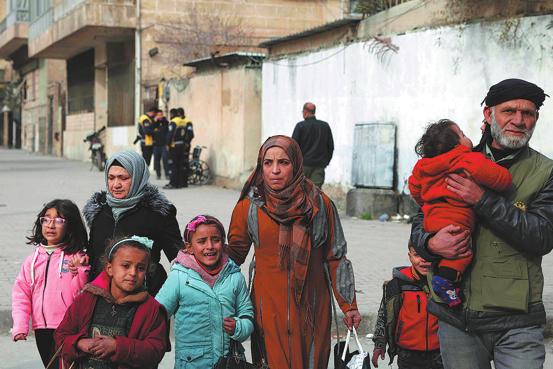
    A tense ceasefire has been implemented in the northern Syrian city of Aleppo, following several days of intense combat between government-aligned forces and US-backed Kurdish fighters. The Syrian Ministry of Defense formally announced the truce, which took effect at 3:00 AM local time on Friday, specifically covering the Sheikh Maqsud, Ashrafiyeh, and Bani Zeid districts.

    The hostilities, which erupted earlier this week, represent a significant setback for stabilization efforts in the war-torn nation. The clashes pitted Syrian government forces against the Kurdish-led Syrian Democratic Forces (SDF), resulting in at least 21 fatalities and triggering a massive civilian exodus. State media estimates indicate approximately 16,000 residents were forced to flee their homes amid the violence that persisted through Thursday night.

    This recent military confrontation stems from stalled negotiations regarding a March 2025 integration agreement that aimed to incorporate the SDF—which controls substantial territory in Syria’s oil-rich northeast—into national institutions and the state army. Disagreements over Kurdish demands for decentralized governance have hampered implementation of the accord.

    Under the ceasefire terms, Kurdish fighters were given until 9:00 AM Friday to withdraw from the specified neighborhoods with their light weapons, relocating to eastern Kurdish-dominated areas. Aleppo Governor Azzam al-Gharib personally inspected security arrangements in Ashrafiyeh following the announcement.

    The United States, through envoy Tom Barrack, expressed approval of the ceasefire via social media, stating Washington hopes for “a more enduring calm and deeper dialogue” while working intensively to extend the temporary peace. Notably, Kurdish forces had not issued an immediate response to the government’s statements at the time of reporting.

    Mazloum Abdi, commander of the SDF, previously warned that attacks on Kurdish areas “undermine the chances of reaching understandings,” having recently visited Damascus for discussions about the integration deal. The Syrian army emphasized that the ceasefire’s primary objective is enabling displaced civilians “to return and resume their normal lives in an atmosphere of security and stability.”

  • Internet blackout in Iran amid protests

    Internet blackout in Iran amid protests

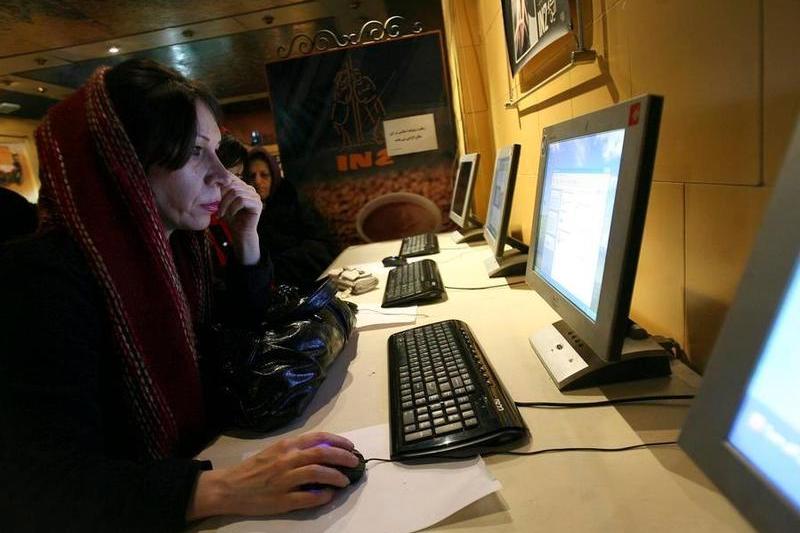
    Iran has plunged into a nationwide digital darkness as authorities implemented a comprehensive internet blackout beginning Thursday night. This drastic measure coincides with escalating civil unrest that has swept across multiple Iranian cities since late December, triggered by the catastrophic collapse of the national currency and persistent economic distress.

    The protests reached Tehran this week, prompting Supreme Leader Ali Khamenei to address the nation through state television on Friday. He called for national unity while delivering a defiant message against what he characterized as foreign-backed “mercenaries” seeking to destabilize the Islamic Republic. His remarks came in direct response to U.S. President Donald Trump’s threat to respond “very hard” if Iranian security forces employed violence against demonstrators.

    Khamenei launched a sharp counterattack against Trump, accusing the American president of having “hands stained with the blood of more than a thousand Iranians” and predicting his eventual overthrow similar to Iran’s pre-revolution monarchy. While acknowledging the legitimacy of economic grievances in the sanctions-crippled nation, the Supreme Leader simultaneously issued warnings against what he termed “rioters.”

    The Iranian Foreign Ministry condemned Washington’s statements as “interventionist and deceptive,” characterizing them as part of a longstanding policy of pressure rather than genuine concern for Iranian welfare.

    Digital monitoring organization NetBlocks confirmed the extensive internet disruption, reporting live metrics indicating a near-total nationwide blackout. The communication breakdown has affected both landline and mobile networks, with reports of canceled flights adding to the disruption.

    State media reported significant violence during Friday’s demonstrations, detailing attacks on public infrastructure including metro stations, fire trucks, buses, and private vehicles. According to media tallies citing local reports and official statements, at least 21 individuals including security personnel have lost their lives nationwide. The semi-official Mehr News Agency reported 23 police officers and one protester injured in recent clashes within Khorasan Razavi Province.

    In response to the crisis, President Masoud Pezeshkian advocated for “utmost restraint” in handling demonstrations, emphasizing avoidance of “violent or coercive behavior” while promoting dialogue and engagement with public demands. Concurrently, the government announced a new monthly subsidy program equivalent to $7 for basic goods purchases, potentially benefiting over 71 million citizens.

    Amid the domestic turmoil, Foreign Minister Abbas Araghchi stated Iran’s preference to avoid military confrontation with Israel or the United States while affirming readiness to respond if attacked. He expressed conditional openness to nuclear negotiations based on mutual respect rather than what he described as American “dictation.”