作者: admin

  • ‘Racing against time’: Death toll rises after Philippines trash site collapse

    ‘Racing against time’: Death toll rises after Philippines trash site collapse

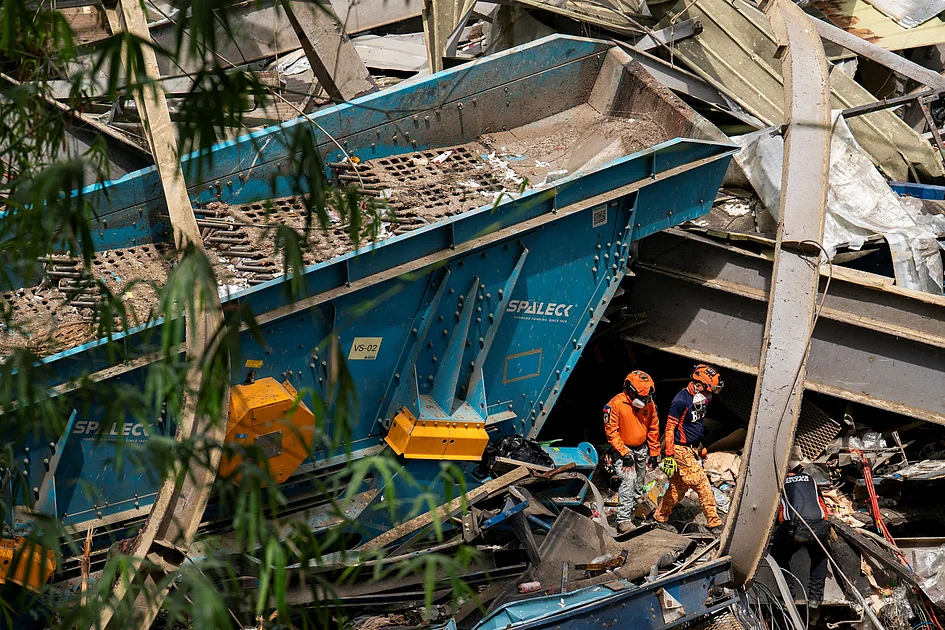
    Emergency crews in Cebu City, Philippines, are engaged in a critical round-the-clock operation to locate survivors following the catastrophic collapse of a massive garbage mound at the privately operated Binaliw Landfill. The incident, which occurred on Thursday, buried approximately 50 sanitation workers under tons of refuse that fell from what officials estimate was a height equivalent to a 20-story building.

    As of Saturday, the confirmed death toll has risen to six individuals, with 32 people still unaccounted for amidst the unstable wreckage. Rescue teams have successfully extracted twelve employees alive from the debris, all of whom have been hospitalized for treatment.

    The rescue operation faces significant challenges due to the continuously shifting nature of the landfill material. Jo Reyes, a Cebu rescue official, reported that operations must periodically halt as the garbage mound continues to move, creating additional hazards for rescue personnel. The situation is further complicated by large metal beams that have trapped victims, requiring specialized equipment to cut through the obstructions.

    Cebu City Councilor Dave Tumulak, who chairs the city’s disaster council, emphasized the urgency of the mission, stating, ‘We are racing against time, that’s why our deployment is 24/7.’ The city has deployed 20 trucks equipped with hydraulic cranes and cutting attachments to assist rescuers who must crawl through blocked areas to reach potential survivors.

    Families of the missing workers maintain vigil at the site, hoping for positive news amidst the grim circumstances. Councilor Joel Garganera described the emotional atmosphere, noting, ‘We are hoping against hope here and praying for miracles.’

    The disaster has raised serious questions about landfill safety protocols, with Garganera pointing out that the garbage mountain’s sponge-like properties made it particularly vulnerable to collapse, especially during rainfall. The facility, operated by Prime Integrated Waste Solutions, processes approximately 1,000 tons of municipal solid waste daily and serves as the primary waste management provider for Cebu and surrounding communities. The company has not responded to multiple inquiries regarding the incident.

    The collapse has created a dual crisis for the region, simultaneously causing human tragedy while disrupting essential waste management services for the entire metropolitan area.
  • Trump seeks $100bn for Venezuela oil, but Exxon boss says country ‘uninvestable’

    Trump seeks $100bn for Venezuela oil, but Exxon boss says country ‘uninvestable’

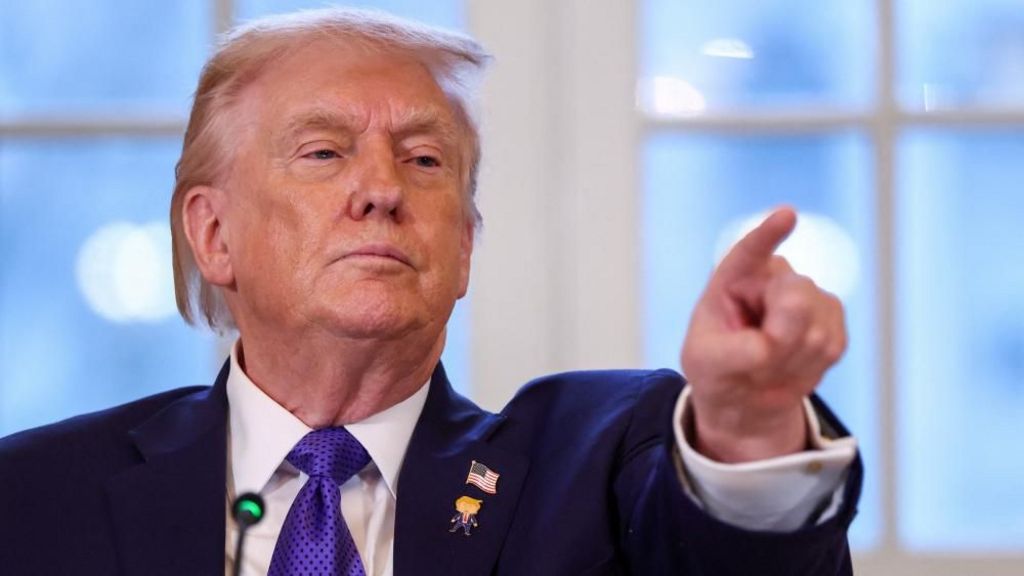
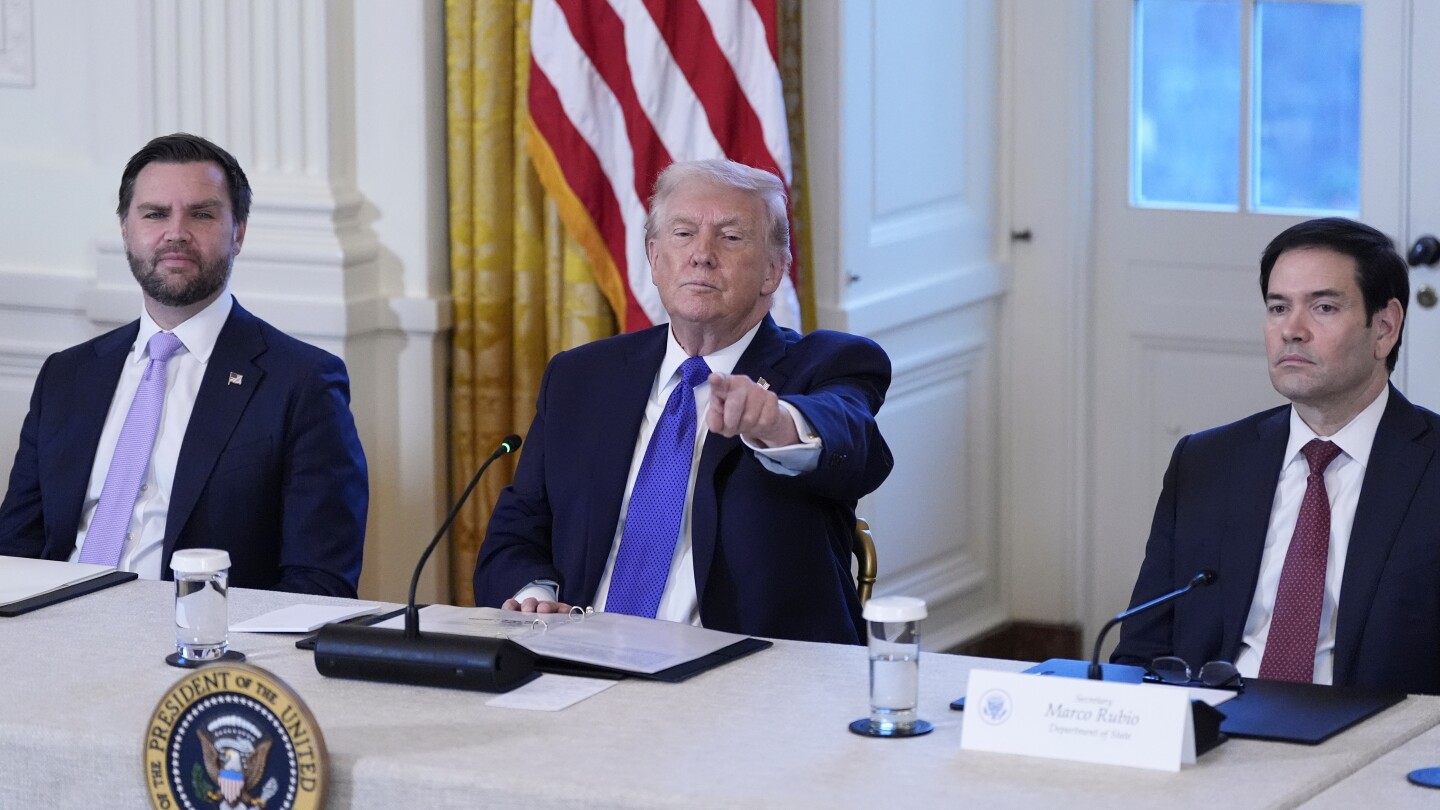
    President Donald Trump’s ambitious plan to mobilize $100 billion in oil investments for Venezuela following the ouster of Nicolás Maduro has encountered significant industry resistance during a White House meeting with major energy executives. Despite Trump’s portrayal of Venezuela as an unparalleled energy opportunity, industry leaders expressed deep reservations about the country’s current investability.

    Executives from Exxon, Chevron, and other major firms acknowledged Venezuela’s substantial oil reserves but highlighted the substantial risks involved. Exxon CEO Darren Woods emphasized the company’s historical difficulties, noting they had assets seized twice previously and would require “pretty significant changes” before considering re-entry. The consensus among industry leaders was that Venezuela remains “uninvestable” in its current state.

    Trump’s administration is implementing a comprehensive strategy to control Venezuela’s oil revenue, including selective sanctions relief and establishing US-controlled accounts for oil proceeds. The President signed an executive order prohibiting US courts from seizing Venezuelan oil revenue held in American Treasury accounts, framing it as essential for maintaining foreign policy leverage and ensuring stability.

    While Chevron, the last major US operator in Venezuela, plans to increase production from its existing operations, and companies like Repsol envision tripling output under favorable conditions, analysts caution that meaningful investment requires political stability, legal certainty, and physical security that currently don’t exist. Energy experts estimate that substantial production increases would require sustained annual investments of $8-9 billion, far from the immediate large-scale commitments Trump seeks.

  • Trump signs executive order meant to protect the money from Venezuelan oil

    Trump signs executive order meant to protect the money from Venezuelan oil

    WEST PALM BEACH, Fla. — The Trump administration has enacted a new executive order designed to protect Venezuelan oil revenues from being seized through judicial proceedings, framing the measure as essential to U.S. efforts to stabilize the South American nation’s economy and political landscape.

    The order, released publicly on Saturday, establishes that oil funds controlled by the United States constitute Venezuelan government property held for “governmental and diplomatic purposes” and declares them exempt from private legal claims. President Trump justified the action by stating that potential seizure of these assets would “undermine critical U.S. efforts to ensure economic and political stability in Venezuela.”

    This legal protection mechanism arrives amid growing concerns from major petroleum corporations about Venezuela’s investment climate. During a White House meeting convened Friday with industry executives, ExxonMobil CEO Darren Woods characterized Venezuela as “uninvestable” under current commercial frameworks, citing the country’s prolonged political turbulence, history of state asset seizures, and ongoing U.S. sanctions.

    President Trump attempted to reassure energy company leaders during the discussions, promising they would negotiate directly with U.S. authorities rather than with Venezuelan government entities. The administration has identified attracting American oil investment to rebuild Venezuela’s crippled energy infrastructure as a primary objective following the ouster of Nicolás Maduro.

    The White House has adopted an economically-focused approach to Venezuelan reconstruction, with measures including the seizure of tankers transporting Venezuelan crude, assumption of control over sales of 30-50 million barrels of previously sanctioned oil, and plans to manage global sales indefinitely. Trump reinforced his commitment via social media on Saturday, stating: “I love the Venezuelan people, and am already making Venezuela rich and safe again.”

    The executive order derives its legal authority from the National Emergencies Act and the International Emergency Economic Powers Act, classifying potential litigation targeting oil revenues as an “unusual and extraordinary threat” to national security interests.

  • Iran blocks internet and deploys IRGC as widespread protests continue

    Iran blocks internet and deploys IRGC as widespread protests continue

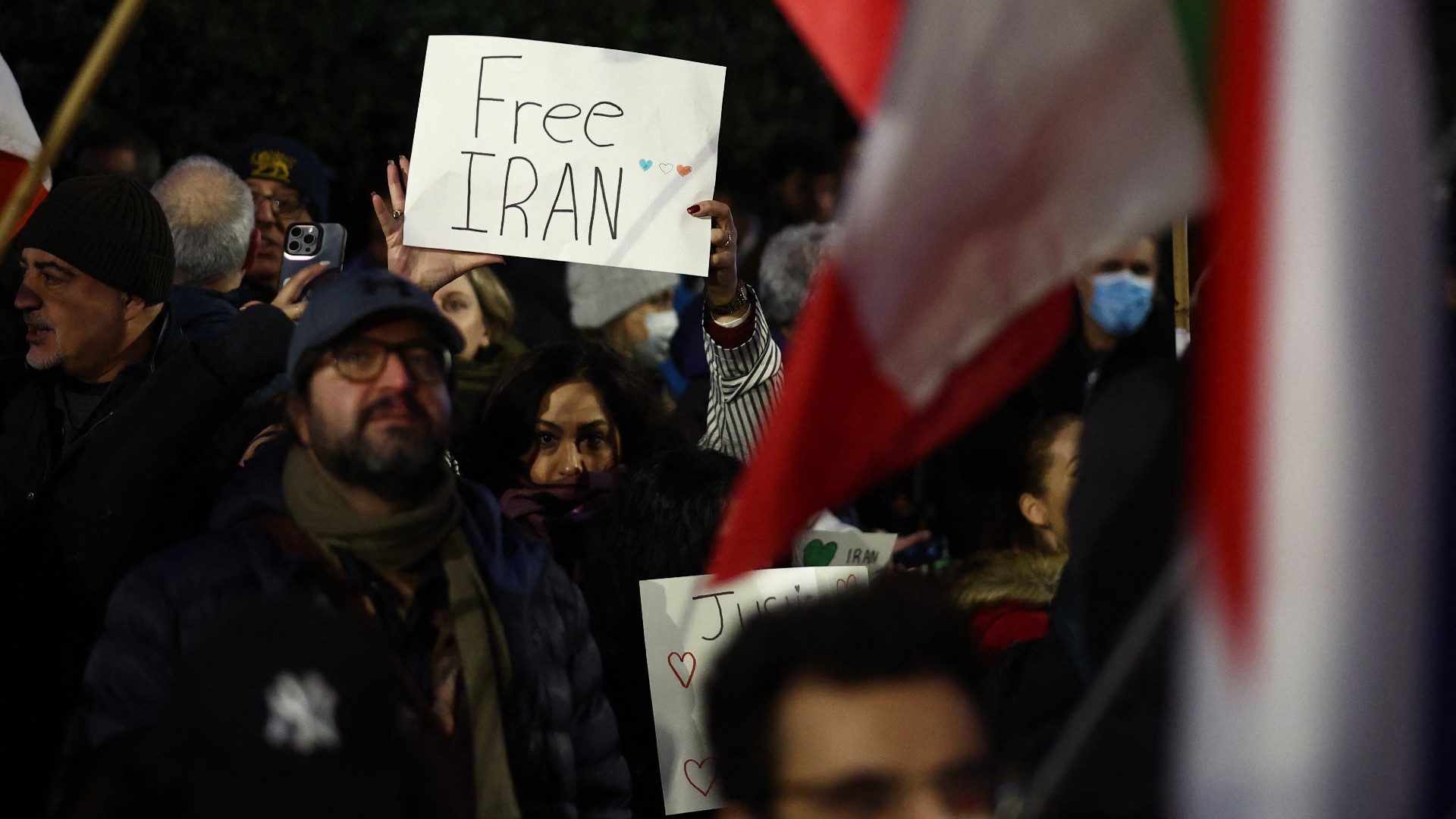
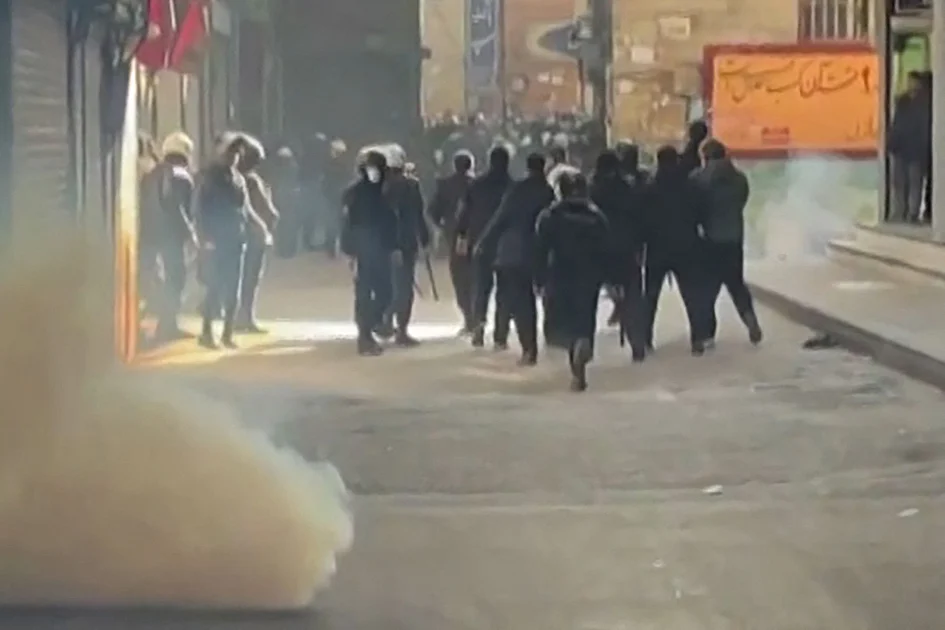
    Iran’s Islamic Revolutionary Guard Corps (IRGC) has issued a stark warning, declaring the protection of national security an inviolable ‘red line’ as the nation experiences its most significant civil unrest in years. The elite military force, operating separately from Iran’s conventional army, pledged on Saturday to defend both the nation’s security apparatus and the foundational achievements of the 1979 Islamic Revolution.

    The IRGC has attributed recent violence to ‘terrorist elements,’ accusing them of orchestrating attacks on military and law enforcement installations during overnight demonstrations. These alleged assaults reportedly resulted in casualties among both citizens and security personnel, alongside significant property destruction through arson attacks.

    Parallel to the IRGC’s statements, Iran’s conventional armed forces—similarly under the command of Supreme Leader Ayatollah Ali Khamenei—vowed to safeguard national interests, critical infrastructure, and public property from further damage.

    The protests, now entering their third week, initially emerged as economic demonstrations against spiraling inflation but have rapidly evolved into explicitly political movements. Some participants have openly called for the dismantling of the Islamic Republic itself, representing the most substantial challenge to Tehran’s authority since the 2022 ‘Woman Life Freedom’ demonstrations.

    Medical professionals in Tehran reported alarming casualty figures, with just six capital hospitals documenting at least 217 protester fatalities, predominantly resulting from live ammunition injuries. Healthcare facilities described being overwhelmed by the influx of casualties.

    Digital evidence suggests Iranian authorities have implemented a comprehensive internet blackout lasting over 36 hours, according to internet monitoring organization Netblocks. This digital suppression strategy has drawn criticism from prominent Iranian cultural figures, including filmmakers Mohammad Rasoulof and Jafar Panahi, who condemned the measures as attempting to conceal state violence against demonstrators.

    Protesters interviewed by Middle East Eye described an economic collapse that has rendered basic subsistence unmanageable for ordinary households. ‘In just a few days, prices have multiplied. How can it be this disastrous?’ questioned Mani, a 27-year-old demonstrator from Mashhad. Another protester, Mehdi from Isfahan province, expressed generational despair: ‘Our lives and our youth have been wasted under the Islamic Republic.’

    The human rights organization Hrana documented at least 65 confirmed deaths as of Friday, including 50 protesters and 15 security personnel. State media broadcast funeral processions for security officers allegedly killed in Hamedan, Qom, and Shiraz, while the IRGC reported three members of its Basij security force killed in confrontations with ‘armed rioters’ in Gachsaran.

    International responses have escalated significantly, with U.S. President Donald Trump issuing a veiled threat of intervention if security forces employ lethal measures against protesters. European leaders from Germany, France, and the United Kingdom issued a joint statement condemning the violence and urging Tehran to exercise restraint, while U.S. Secretary of State Marco Rubio explicitly expressed support for Iranian demonstrators.

  • UAE calls on citizens in UK to exercise caution amid heavy snowfall, strong winds

    UAE calls on citizens in UK to exercise caution amid heavy snowfall, strong winds

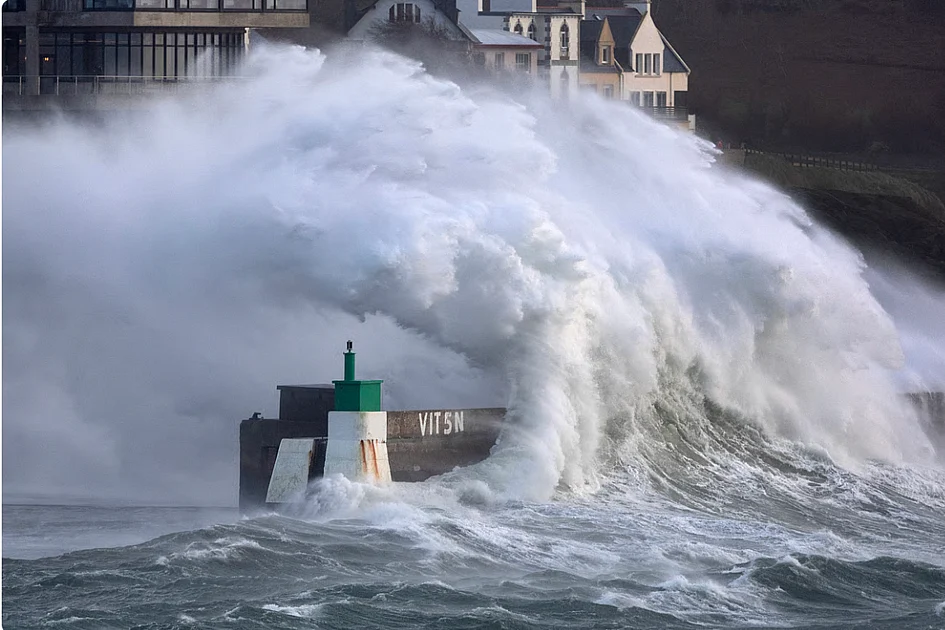
    The United Arab Emirates has issued an urgent advisory for its citizens residing in the United Kingdom as severe weather conditions continue to batter Northern Europe. Storm Goretti, which made landfall on Friday, January 9th, has brought unprecedented snowfall, powerful winds, and torrential rainfall across multiple regions, prompting the UAE Embassy in London to activate emergency protocols.

    According to meteorological reports, the storm has created hazardous travel conditions and disrupted essential services throughout affected areas. The embassy specifically emphasized the importance of adhering to all safety directives issued by local authorities, including weather advisories and travel restrictions. Officials warned that the extreme conditions could persist throughout the weekend, potentially exacerbating existing challenges.

    In response to the crisis, the UAE diplomatic mission has activated its emergency response system, urging citizens to register with the ‘Twajudi’ consular service platform for real-time assistance. The service provides critical support coordination and ensures timely intervention for Emirati nationals requiring aid during emergencies. For immediate assistance, citizens have been directed to contact UAE emergency numbers: +971 800 24 or +971 800 44444.

    The impact of Storm Goretti has been substantial across Northern Europe. French power provider Enedis reported approximately 380,000 households without electricity, primarily in Normandy and Brittany regions. Meanwhile, Britain’s National Grid confirmed power outages affecting 57,000 homes, compounding existing challenges from a week of freezing temperatures. Educational institutions across Scotland and central England have announced widespread closures, while rail operators have suspended services and advised against non-essential travel.

    The UAE’s proactive warning system demonstrates the government’s commitment to citizen welfare abroad, particularly during extreme weather events that have become increasingly common in recent years. Meteorological experts note that Storm Goretti represents one of the most significant winter systems to affect the region this decade, with recovery operations expected to continue throughout the coming week.

  • India’s Shubman Gill calls it ‘destiny’ after shock T20 World Cup snub

    India’s Shubman Gill calls it ‘destiny’ after shock T20 World Cup snub

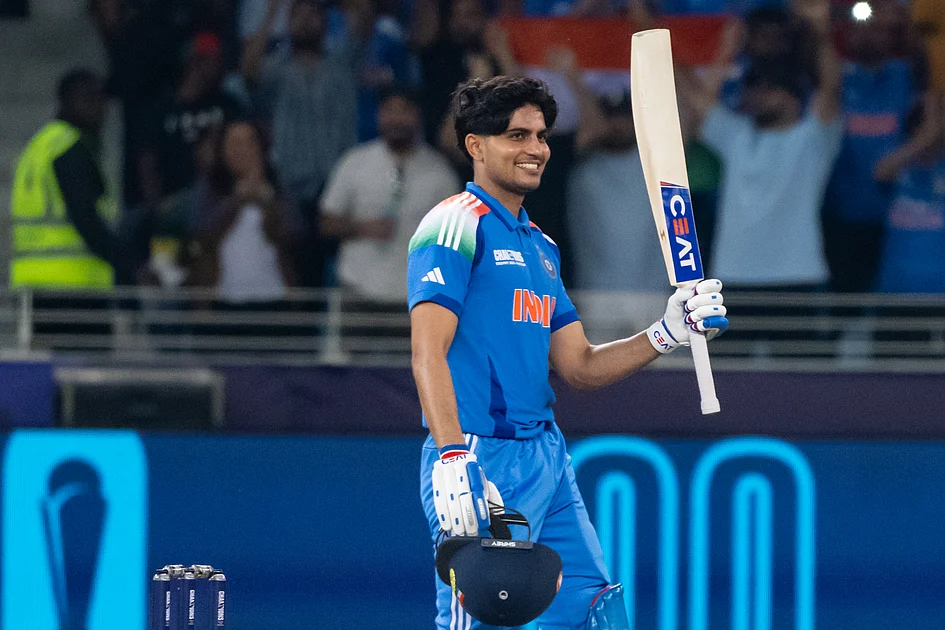
    Indian cricket star Shubman Gill has responded with philosophical acceptance after selectors delivered the stunning decision to exclude him from India’s T20 World Cup squad. The 26-year-old batsman, who maintains captaincy roles in both Test and ODI formats, addressed media in Vadodara ahead of India’s one-day series against New Zealand.

    Gill’s recent performance statistics in T20 internationals revealed a concerning trend, with merely 291 runs accumulated across his previous 15 appearances at an average of 24.25. This statistical decline ultimately influenced the selection committee’s controversial verdict.

    ‘My personal philosophy centers on believing I am precisely where I’m meant to be in life,’ Gill stated. ‘Whatever destiny has ordained for me, I shall receive. While my primary ambition remains winning matches for my nation, I respectfully accept the selectors’ decision and extend my fullest support to the T20 squad.’

    The upcoming World Cup, co-hosted by India and Sri Lanka between February 7 and March 8, will see India defend their title under the leadership of Suryakumar Yadav. Meanwhile, Gill’s immediate focus shifts to the ODI series against New Zealand, where he’ll captain a team featuring veteran icons Virat Kohli and Rohit Sharma.

    Both Kohli (37) and Sharma (38), having retired from T20 and Test cricket following India’s triumphant 2024 World Cup campaign in Barbados, continue to demonstrate exceptional form in the 50-over format. Gill emphasized the invaluable perspective these seasoned players bring to leadership dynamics.

    ‘Their presence significantly simplifies captaincy responsibilities,’ Gill noted. ‘When confronting challenging situations, their accumulated experience provides crucial strategic insight. Consulting them regarding decision-making processes offers immense value to any captain.’

  • Palestinian doctor Ghassan Abu Sittah wins misconduct case

    Palestinian doctor Ghassan Abu Sittah wins misconduct case

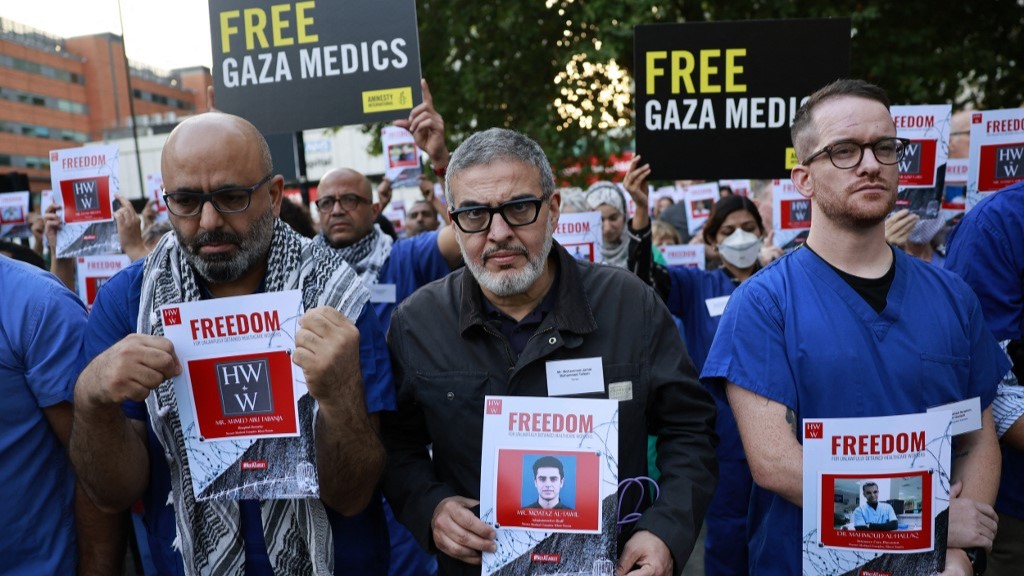
    In a significant ruling, the UK’s Medical Practitioner Tribunal Service has dismissed a professional misconduct case against Dr. Ghassan Abu Sittah, a prominent Palestinian reconstructive surgeon. The case, initiated by the pro-Israel advocacy group UK Lawyers for Israel (UKLFI) in 2023, alleged that Dr. Abu Sittah’s public writings and social media posts impaired his fitness to practice medicine.

    The complaint centered on an article published in the Lebanese newspaper Al Akhbar and two reposted messages on the social media platform X. The article referenced the ‘martyrdom’ of alleged Hamas member Ahmad Nasr Jarrar and contained the phrase ‘the people have no weapon left but revolutionary violence.’ Another reposted tweet congratulated Hamas and the Popular Front on their anniversary.

    After a two-year investigation, the tribunal concluded that an ‘ordinary reader’ would interpret the anniversary tweet as a simple commemoration rather than as material or moral support for a terrorist organization. Furthermore, the panel found no evidence that the content was antisemitic or constituted endorsement of terrorism or violence.

    Dr. Abu Sittah, who is also the rector of the University of Glasgow, characterized the complaint as part of a broader ‘lawfare’ strategy designed to silence and intimidate supporters of Palestinian rights. He vehemently denied supporting violence against civilians, stating, ‘I know too well its consequences… I can tell you what a child’s face looks like when half of it has been blown away.’

    The surgeon revealed this was the second complaint filed against him with the General Medical Council by UKLFI and the tenth such complaint by the group overall. Dr. Abu Sittah gained international recognition for providing medical care during 43 days in Gaza following Israel’s initial offensive in October 2023, where he served as an unofficial English-language representative for Palestinian medics and made allegations regarding the Israeli military’s use of white phosphorus in populated areas.

  • Iran’s army asks public to thwart ‘enemy’s plots’, says will protect property

    Iran’s army asks public to thwart ‘enemy’s plots’, says will protect property

    Iran’s armed forces have issued a unified call for public vigilance against what they term ‘enemy plots’ while vowing to protect national infrastructure amid the most significant civil unrest in years. The military’s statement, released Saturday, coincided with separate warnings from the Islamic Revolutionary Guard Corps (IRGC) characterizing national security as an inviolable ‘red line’.

    The demonstrations, initially sparked by economic grievances including rampant inflation, have rapidly evolved into political challenges against the clerical establishment. According to human rights organizations documenting the crisis, at least 65 fatalities have been confirmed—including 50 protesters and 15 security personnel—with over 2,500 arrests reported nationwide.

    International tensions have escalated concurrently, with U.S. President Donald Trump issuing provocative statements suggesting potential American intervention. ‘You better not start shooting because we’ll start shooting too,’ Trump declared Friday, amplifying his administration’s support for demonstrators.

    Iranian authorities maintain that external actors, particularly Israel and ‘hostile terrorist groups,’ are orchestrating the unrest. Supreme Leader Ayatollah Ali Khamenei has accused protesters of acting as foreign ‘mercenaries,’ while state media broadcasts footage of security force funerals and attributes violence to ‘rioters.’

    The government’s response has included widespread internet restrictions and deployment of both conventional military and IRGC units. Medical professionals in northwestern regions report treating numerous protesters with severe injuries including gunshot wounds, blunt force trauma, and fractures.

    Reza Pahlavi, US-based son of Iran’s deposed monarch, has emerged as an influential voice advocating for escalated demonstrations and nationwide strikes. However, the White House has indicated reluctance to formally endorse any opposition figure during the ongoing crisis.

    European powers including France, Britain and Germany have jointly condemned the violence, urging Iranian authorities to exercise restraint while expressing concern over protester fatalities. The situation represents the most substantial challenge to Iran’s clerical leadership since the 2022 Woman, Life, Freedom movement, testing the regime’s stability amid economic hardship and international isolation.

  • Building a tower in 12 days, near bankruptcy: Emaar founder shares lessons in success

    Building a tower in 12 days, near bankruptcy: Emaar founder shares lessons in success

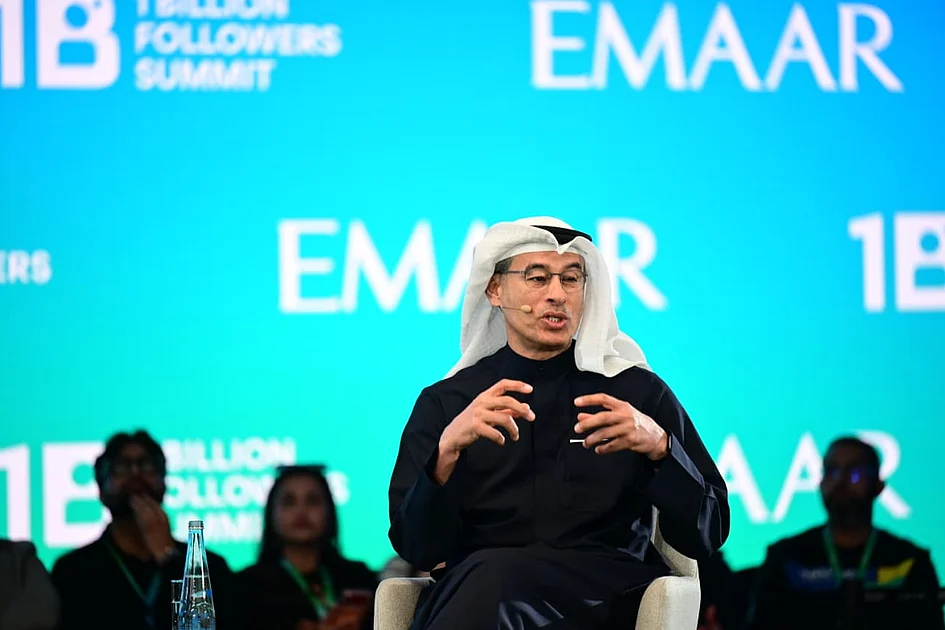
    Prominent Emirati entrepreneur Mohammed Al Abbar, founder of Emaar Properties, delivered a remarkably candid address at the 1 Billion Followers Summit in Dubai, blending humorous anecdotes with profound business insights drawn from both his spectacular successes and costly failures.

    Al Abbar revealed a groundbreaking development in construction technology stemming from a direct mandate from UAE President Sheikh Mohamed bin Zayed Al Nahyan. The President instructed him to investigate revolutionary Chinese construction capabilities, resulting in Al Abbar’s discovery of factory-based high-rise production achieving what he described as ‘mind-blowing’ results—a 15-story tower assembled in merely 12 days.

    This transformative technology utilizes advanced prefabrication, robotics, and automated processes that not only dramatically accelerate construction timelines but also offer significantly enhanced sustainability compared to conventional methods. Al Abbar highlighted that this innovation is already being implemented in Abu Dhabi, with expectations that mass adoption will substantially reduce costs.

    Beyond technological advancements, Al Abbar shared hard-earned financial wisdom, particularly emphasizing the dangers of debt accumulation. ‘Don’t borrow,’ he cautioned attendees, reflecting on his own near-bankruptcy experience during his 1997 retail operations in Singapore. ‘Borrowing injured me deeply. I minimized my borrowing to the maximum, and that saved me all my life,’ he stated, noting the particular importance of this approach in today’s volatile global economy.

    The visionary behind iconic structures like the Burj Khalifa also discussed Emaar’s costly missteps, including a failed expansion into the US market that resulted in over $1 billion in losses but provided invaluable lessons. He stressed that innovation must be coupled with humility and relentless effort, emphasizing that success is never guaranteed regardless of past achievements.

    Al Abbar concluded with empowering advice for aspiring entrepreneurs: ‘You are not going to do everything right. Failing is also learning. The real question is whether you can stand up again.’ His presentation formed part of the three-day 1 Billion Followers Summit, one of the world’s largest gatherings for content creators, hosted across Emirates Towers, the Museum of the Future, and DIFC.

  • Why the UAE refuses to be dragged into social media noise, chooses silence

    Why the UAE refuses to be dragged into social media noise, chooses silence

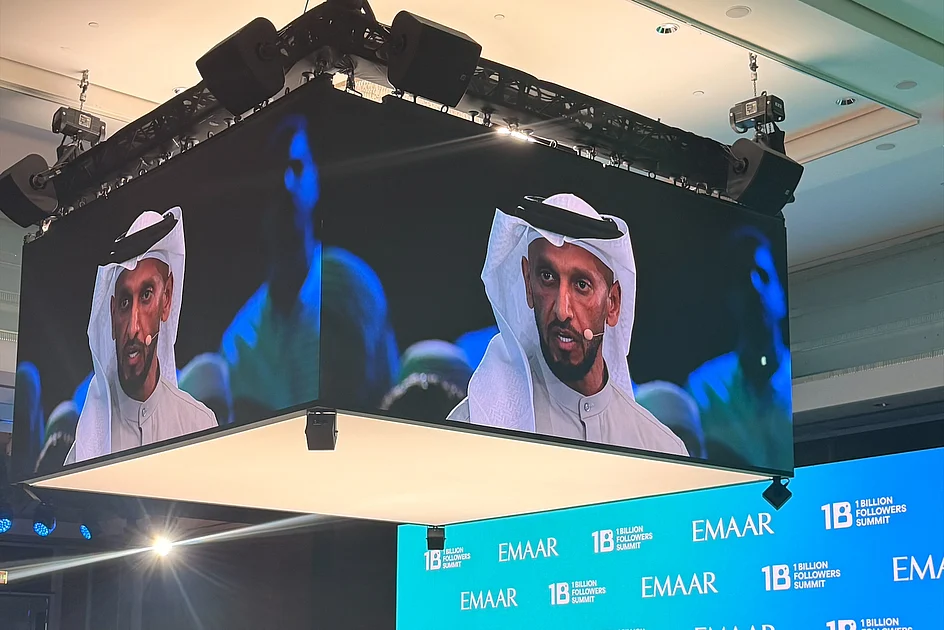
    In an era dominated by digital chatter and viral misinformation, the United Arab Emirates has articulated a deliberate policy of strategic silence, framing it not as weakness but as an expression of national confidence and sovereign strength. Abdulla bin Mohammed bin Butti Al Hamed, Head of the National Media Office, articulated this position during a keynote address at the 1 Billion Followers Summit in Dubai, asserting that the nation’s governance remains impervious to online pressure or fleeting narratives.

    Al Hamed emphasized that the UAE’s decision-making is anchored in long-term vision, measured leadership, and a deep understanding of its soft power rather than reactive engagement with digital trends. “The UAE was built through experience, learning, and strategic decisions taken over years, not days,” he stated, clarifying that the nation responds only when and how it chooses, with silence often serving as a deliberate strategic tool.

    Addressing widespread speculation about the UAE’s regional and international stances, Al Hamed cautioned against equating social media discourse with ground reality. He stressed that digital noise should not be mistaken for truth, nor should it dictate national policy. “What we see on social media does not represent the reality of the UAE,” he noted, underscoring the nation’s commitment to action and achievement over rumor and reaction.

    The UAE’s approach, he explained, is fundamentally rooted in human development—prioritizing people before projects and building credibility through tangible outcomes. This philosophy dates to the nation’s founding, where leadership invested equally in human capital, infrastructure, education, and innovation. “The narrative of the UAE is the human being,” Al Hamed affirmed. “Factories and buildings came later.”

    On the evolution of Emirati media, Al Hamed described it as both an economic sector and a pillar of soft power, noting the intentional absence of a traditional Ministry of Media to foster flexibility and innovation. He also highlighted the importance of authentic cultural representation, stating that misrepresentation of Emirati identity should not be tolerated.

    In closing, Al Hamed urged media professionals and creators to operate responsibly within the digital realm, recognizing its power and limits. “Our world today is digital, not paper,” he remarked. “Those who understand this will shape the future.”