作者: admin

  • Aaron Papazoglu hit with additional charge after fatal crash in Hornsby

    Aaron Papazoglu hit with additional charge after fatal crash in Hornsby

    A 19-year-old motorist stands accused of triggering a catastrophic chain of events that resulted in the death of an expectant mother outside a Hornsby carpark last November. Aaron Papazoglu now confronts an upgraded charge of aggravated dangerous driving occasioning death, with authorities alleging he exceeded the speed limit by more than 45 km/h during the incident.

    The tragedy unfolded on George Street when police indicate a Kia Carnival had appropriately slowed to allow Samanvitha Dhareshwar, 33, and her family to safely cross the footpath. Prosecutors assert Papazoglu’s BMW sedan then collided with the stationary Kia, propelling it forward with sufficient force to fatally strike Ms. Dhareshwar, who was approximately 32 weeks pregnant.

    Initially charged with dangerous driving occasioning death, negligent driving occasioning death, and causing the loss of a fetus, Papazoglu received the additional serious charge on January 6th following extended investigation into the circumstances surrounding the collision. The new charge carries significantly heightened penalties under New South Wales traffic legislation.

    The case underwent preliminary proceedings at Downing Centre Local Court this week, resulting in a four-week adjournment. Papazoglu, who secured bail shortly after the November incident, has yet to enter formal pleas regarding any charges. The matter returns to court on February 17th for further proceedings as the prosecution continues building its case against the teenage driver.

  • The foreign intervention Iranians want is the lifting of sanctions, experts say

    The foreign intervention Iranians want is the lifting of sanctions, experts say

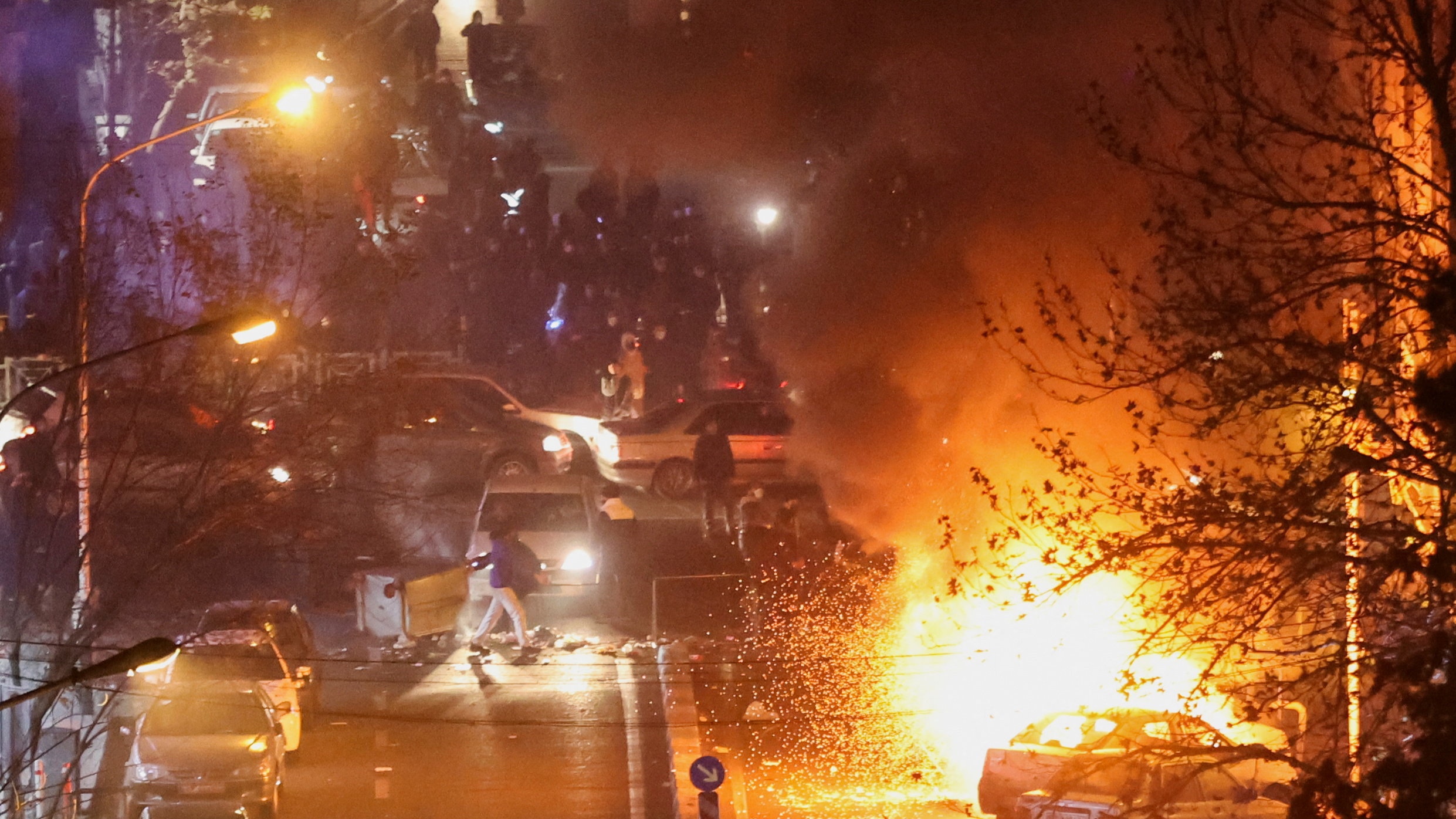
    A panel of Middle East scholars convened by the Quincy Institute for Responsible Statecraft has analyzed the ongoing protests in Iran, revealing complex dynamics that challenge Western perceptions. The demonstrations, now entering their third week with over 190 confirmed fatalities according to Iran Human Rights, stem primarily from domestic economic pressures rather than calls for foreign intervention.

    Mohammad Ali Shabani, editor of Amwaj newsmagazine, emphasized that most Iranians seek relief from crippling U.S. sanctions rather than regime change through external forces. “The vast majority of Iranians would welcome a deal that lifts the shadow of war and invites the removal of sanctions,” Shabani stated, noting that sanctions have paradoxically extended the Islamic Republic’s survival by hollowing out the middle class that could drive organic political change.

    European Council on Foreign Relations expert Ellie Geranmayeh highlighted the overlooked existence of Iran’s civil society, which has not advocated for foreign military strikes. She pointed to the government’s historical pattern of offering “gifts to the people” following major upheavals, such as subsidy maintenance after 2019 economic protests and social flexibility after the 2022 Women, Life, Freedom movement. However, Geranmayeh cautioned that current options appear more limited as “the system may have hit a ceiling under the current supreme leader.”

    Johns Hopkins professor Vali Nasr characterized the protests as a “genuine eruption of popular anger” but noted their lack of leadership and organization makes sustained momentum challenging. He dismissed claims that Reza Pahlavi, the exiled son of Iran’s deposed shah, directs the movement, stating he “came in late” without setting the agenda.

    The analysis revealed concerning external factors, with the Trump administration openly considering military options. Experts warned that such threats empower hardliners and trigger brutal crackdowns. Shabani noted the complex reality: while dismissing all unrest as foreign plots echoes regime rhetoric, ignoring explicit interventionist statements from U.S. and Israeli officials represents naivete.

    The situation has turned increasingly violent, with Iranian authorities reporting 25 mosques and 20 banks torched, plus approximately 100 security force deaths. This has created a two-way confrontation that risks alienating citizens who fear Syria-like collapse despite sharing protest grievances.

    As Iran entered its fourth day of a near-total internet blackout, UN Secretary General Antonio Guterres expressed concern about violence and excessive force, calling for restraint and internet restoration. The White House confirmed discussions with Elon Musk about Starlink access while maintaining that military options remain under consideration.

  • Tetr College of Business wins award for innovation in business education

    Tetr College of Business wins award for innovation in business education

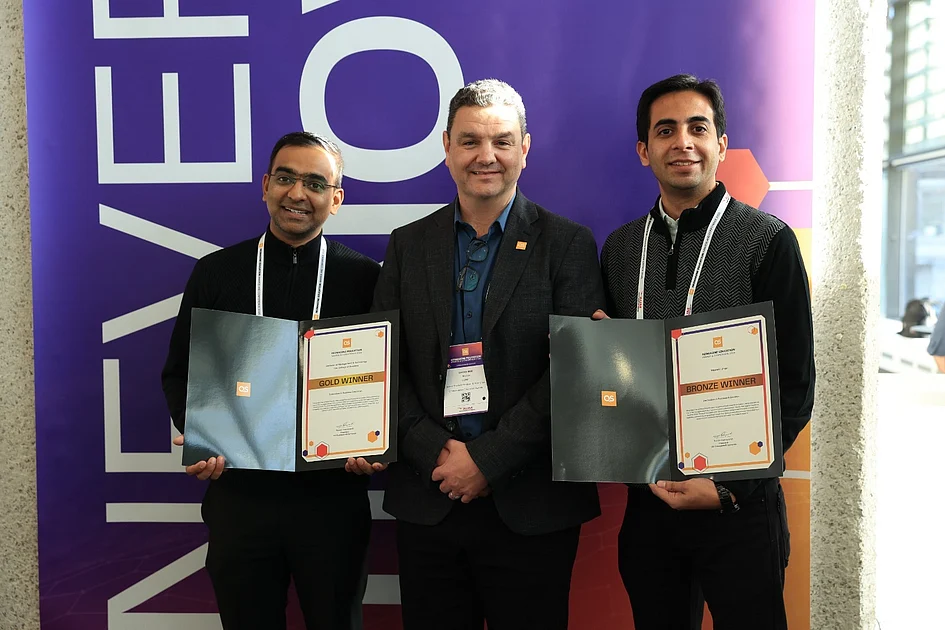
    Tetr College of Business has achieved global recognition by securing the Gold Award in Innovation in Business Education at the prestigious QS Reimagine Education Awards 2025. This landmark achievement positions Tetr among an elite group of institutions worldwide that are fundamentally transforming business education through groundbreaking approaches.

    The QS Reimagine Education Awards, organized by Quacquarelli Symonds—a highly respected higher education evaluation body—attracts thousands of applications annually from institutions across the globe. The rigorous selection process involves four rounds of comprehensive evaluation conducted by a distinguished panel of over 1,300 higher education leaders, educational technology experts, and industry specialists. The Gold Award represents the highest distinction within the category, recognizing exceptional innovation and excellence.

    Tetr’s revolutionary educational model integrates academic rigor with hands-on entrepreneurship, multi-country immersion experiences, and real-time problem solving. The institution’s curriculum transcends traditional classroom learning by enabling students to develop actual businesses, operate across international markets, and acquire practical experience aligned with the demands of the evolving global economy.

    Pratham Mittal, Founder of Tetr College of Business, commented: “Business education has remained predominantly theoretical for decades while the world has undergone dramatic transformation. This recognition from QS validates our conviction that students learn most effectively through building, experimenting, and operating in real market environments. At Tetr, we are creating an educational paradigm that is profoundly global, intensely practical, and designed for the realities of contemporary business.”

    Tarun Gangwar, Chief Operating Officer of Tetr College of Business, added: “The Gold Award serves as powerful affirmation of our mission to reimagine how business leaders are developed. We designed Tetr to bridge the gap between education and execution—ensuring students graduate not merely with theoretical knowledge but with tangible experience, global exposure, and the confidence to lead effectively from their first day.”

    With this achievement, Tetr College of Business joins an exclusive group of world-renowned institutions including the University of Pennsylvania, Massachusetts Institute of Technology, Stanford University, INSEAD, and Imperial College London—all previous recipients of this distinguished honor. These institutions collectively establish new benchmarks where learning becomes experiential, outcomes are measurable, and education is fundamentally designed for the real world that students will subsequently shape and transform.

  • US may provide up to $2bn for Israeli tanks: Report

    US may provide up to $2bn for Israeli tanks: Report

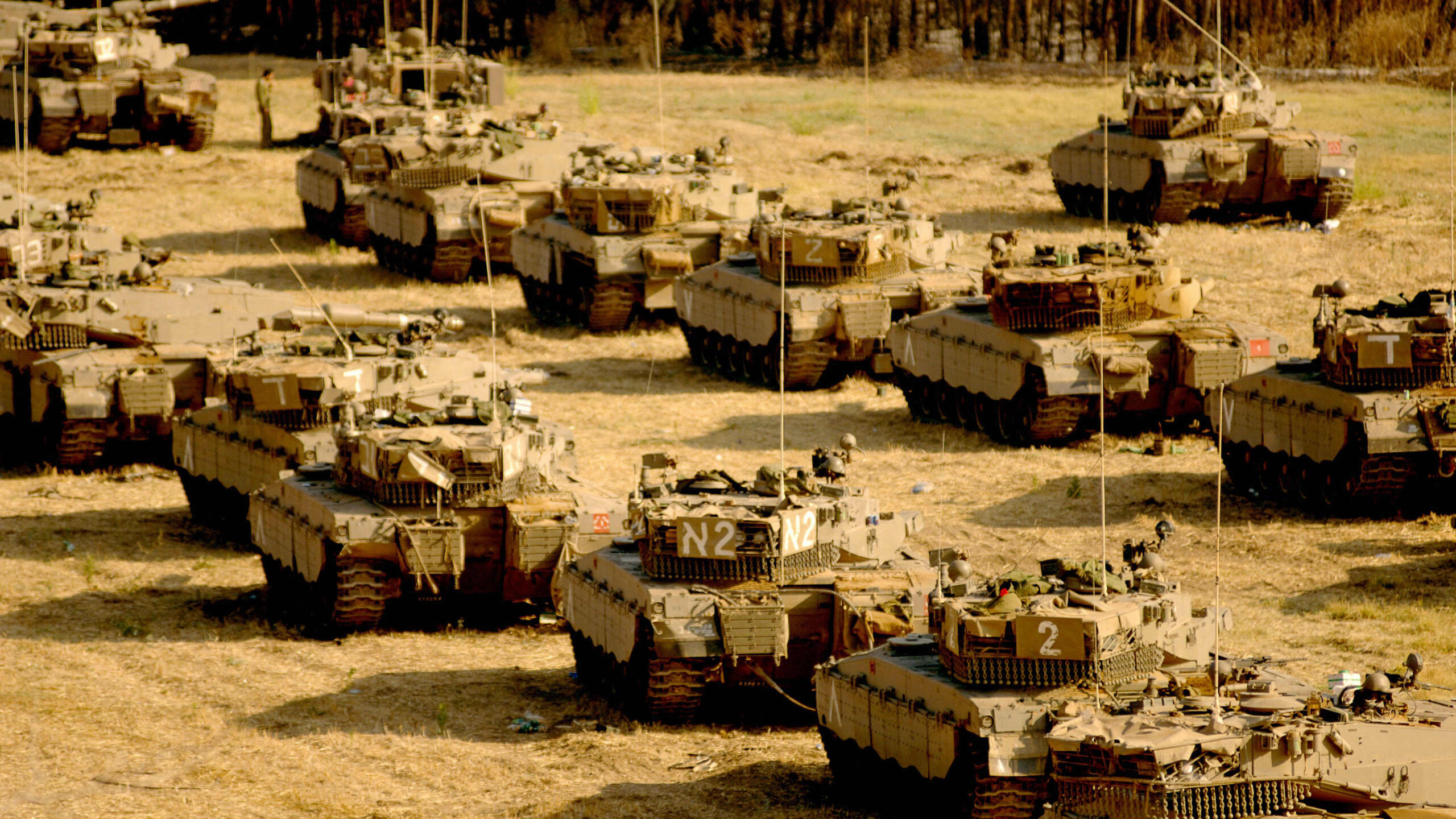
    Newly disclosed documents indicate the United States is considering a substantial $2 billion military assistance package to support Israel’s armored vehicle production capabilities. According to reports from Haaretz newspaper, this funding would facilitate the establishment of a new armored vehicle manufacturing plant within Israel, significantly enhancing the nation’s military industrial capacity.

    The proposed investment would supplement America’s existing annual military aid of $3.8 billion to Israel, which operates under a decade-long bilateral agreement. The initiative specifically targets Israel’s “Armored Vehicle Acceleration Project,” a comprehensive five-year plan designed to expand Israel’s inventory of armored vehicles while accelerating production rates of Merkava battle tanks and both Namer and Eitan armored personnel carriers—all domestically developed military platforms.

    US Army Corps of Engineers presentations from October and November reveal potential American involvement in financing, planning, design, and construction phases of this strategic project. One presentation referenced exploration of “a multibillion-dollar Joint Systems Manufacturing Center (JSMC) project” as a “pivotal next step” for the program.

    This development occurs against the backdrop of substantial additional military support provided to Israel following the October 2023 attacks. According to Quincy Institute data, the US has delivered $21.7 billion in direct military assistance during the subsequent two years, excluding tens of billions in committed arms sales for future delivery.

    The potential $2 billion allocation may generate political controversy among certain factions advocating “America First” policies. The US Army has stated it currently maintains no formal JSMC program with Israel, directing inquiries regarding potential defense ministry programs to Israeli authorities.

  • Mexico rules out US military intervention in Mexican territory

    Mexico rules out US military intervention in Mexican territory

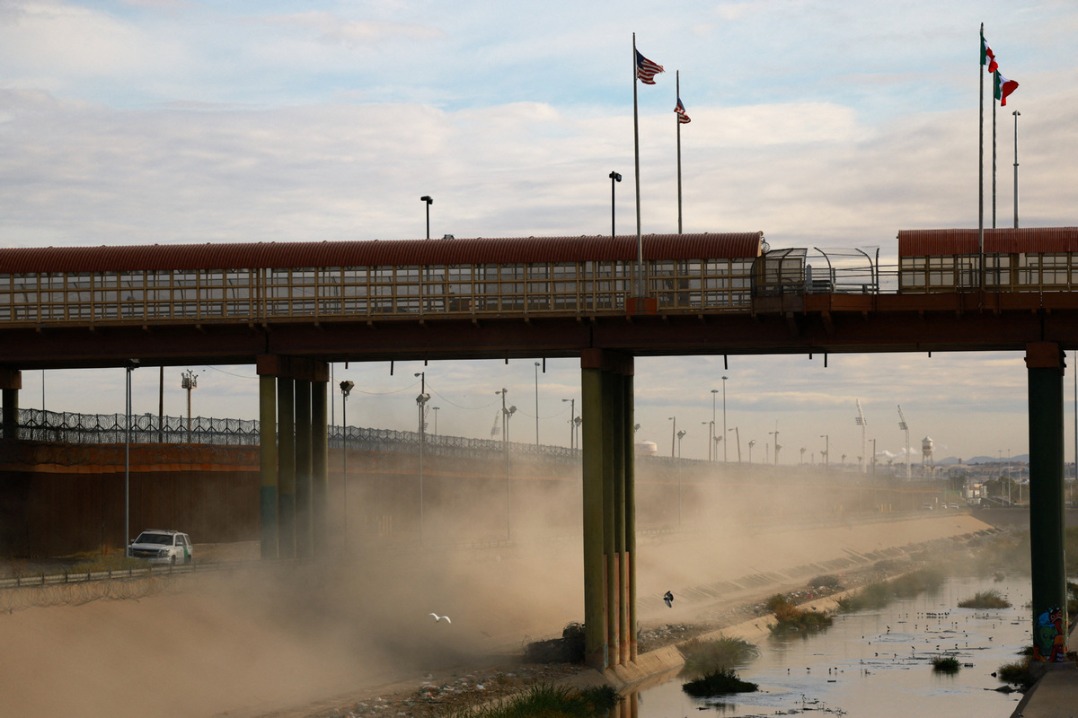
    In a definitive stance on national sovereignty, Mexican President Claudia Sheinbaum has explicitly ruled out any form of U.S. military intervention within Mexican territory following a telephone discussion with U.S. President Donald Trump. The Monday conversation occurred amidst escalating international tensions and recent U.S. military operations in Venezuela, which Washington justified as anti-drug trafficking measures.

    President Sheinbaum characterized the 15-minute exchange as ‘cordial’ while firmly declining Trump’s offer of military support against powerful drug cartels. ‘We communicated that our current strategies are proving effective and that such assistance is unnecessary,’ Sheinbaum stated during her regular morning press briefing. ‘Most importantly, we emphasized Mexico’s sovereignty and territorial integrity, which President Trump acknowledged.’

    The Mexican leader provided reporters with comprehensive details about her country’s security achievements, including the dismantling of clandestine drug laboratories, numerous arrests connected to organized crime networks, a 50% reduction in narcotics crossings into the United States, and a more than 40% decrease in drug-related fatalities.

    Regarding Venezuela, Sheinbaum reaffirmed Mexico’s constitutional principle of non-intervention in foreign affairs, directly communicating this position to the U.S. president. The diplomatic exchange will continue with a planned January 23rd meeting in Washington where Mexican cabinet members will discuss ongoing security coordination. Another presidential conversation addressing trade matters, including tariffs and the upcoming United States-Mexico-Canada Agreement review, is also scheduled.

    This high-level dialogue follows Sunday’s discussion between Mexican Foreign Minister Juan Ramon de la Fuente and U.S. Secretary of State Marco Rubio, where both parties committed to enhanced cooperation against illegal arms trafficking and organized crime while respecting Mexico’s sovereignty.

  • Sabalenka favourite at Australian Open but faces Swiatek, US threats

    Sabalenka favourite at Australian Open but faces Swiatek, US threats

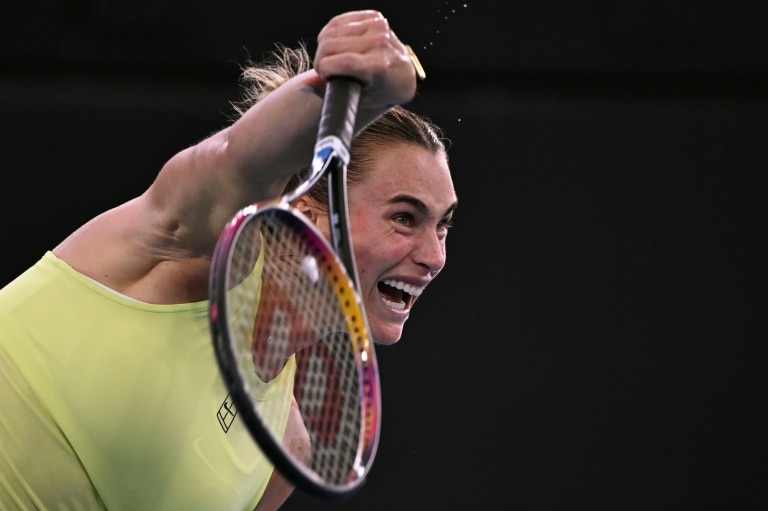
    As the Australian Open prepares to serve off this Sunday, the women’s singles draw presents a compelling narrative of reigning champions, rising stars, and seasoned veterans. World number one Aryna Sabalenka enters Melbourne Park as the statistical favorite, aiming to secure her third title in four years following her dominant victory at the Brisbane International. However, the Belarusian powerhouse confronts arguably the most competitive field in recent Grand Slam history.

    The American contingent emerges as particularly formidable, led by defending champion Madison Keys whose stunning three-set victory over Sabalenka in last year’s final captured her maiden major title. Though Keys experienced limited tournament success thereafter, her explosive game remains tailor-made for Melbourne’s hardcourts. She joins a powerful American cohort featuring third-ranked Coco Gauff, the reigning French Open champion who recently demonstrated her credentials with a commanding 6-4, 6-2 victory over Iga Swiatek at the United Cup.

    Fourth-ranked Amanda Anisimova represents another serious threat following her breakthrough 2025 season that included finals appearances at Wimbledon and the US Open, plus WTA 1000 triumphs in Beijing and Qatar. Despite falling to Sabalenka in a gripping WTA Finals semifinal, Anisimova has proven she can challenge the very best. Sixth-ranked Jessica Pegula completes this formidable American top-10 presence.

    World number two Iga Swiatek remains the most intriguing challenger to Sabalenka’s supremacy. The Polish superstar, holder of six Grand Slam titles, has curiously never captured the Australian Open crown despite reaching last year’s semifinals in dominant fashion. Her recent loss to Gauff notwithstanding, Swiatek’s relentless baseline game makes her a perpetual threat.

    Beyond the established contenders, the tournament welcomes back former champion Naomi Osaka, whose 2019 and 2021 Melbourne triumphs cemented her status as a hardcourt specialist. Now ranked 16th, the Japanese star seeks to recapture her championship form. Meanwhile, Moscow-born Kazakh Elena Rybakina (world number five) and the legendary Venus Williams—who at 45 becomes the oldest woman to compete in the main draw—add further intrigue to this deeply competitive field.

    Sabalenka remains the player to beat despite her runner-up status from last year. Her powerful baseline game and improved mental resilience have established her as the tour’s most consistent performer across surfaces. ‘There is no difference if I’m defending champion or not,’ Sabalenka remarked in Brisbane. ‘The goal remains always the same—to bring my best tennis and continuously improve.’ This mindset, coupled with her formidable track record at Melbourne Park, makes the top seed the narrow favorite in what promises to be a thrilling fortnight of tennis.

  • Household spending spree shows first sign of cracking amid interest rate fears

    Household spending spree shows first sign of cracking amid interest rate fears

    Australian households are exhibiting a remarkable economic paradox: maintaining the fastest spending pace in two years while simultaneously reaching unprecedented levels of financial pessimism. The latest Westpac-Melbourne Institute consumer sentiment index reveals a concerning trend, dropping 1.7% to 92.9 in January following December’s dramatic 9% collapse. This psychological downturn occurs despite recent Australian Bureau of Statistics data showing a robust 6.3% spending surge through November—the most vigorous consumption rate in 24 months.

    The primary driver of this confidence crisis stems from shifting mortgage rate expectations. Matthew Hassan, Westpac’s Head of Australian Macro-Forecasting, notes that nearly two-thirds of consumers now anticipate higher mortgage rates within the next year—more than double September’s figures. This anxiety persists as the Reserve Bank of Australia prepares for its February 2-3 meeting, with economists divided between maintaining the current 3.60% rate or implementing a 25-basis-point increase to 3.85%.

    Compounding financial concerns, job security anxieties have emerged despite Australia’s stable 4.3% unemployment rate maintained through five of the past six months. Housing market pressures further exacerbate the situation, particularly in Queensland, Western Australia, and South Australia where Proptrack data shows dramatic price surges: Brisbane (14.6%), Perth (17.2%), and Adelaide (12.8%).

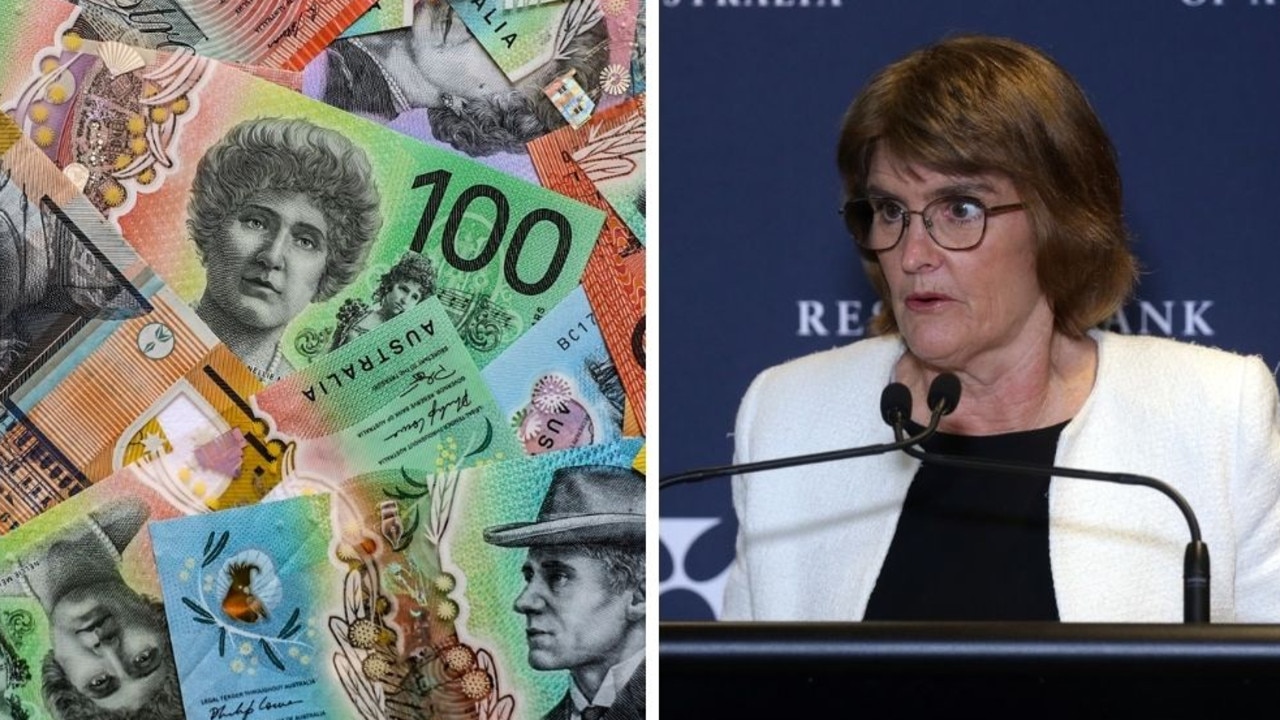
    AMP economist My Bui suggests this confidence deterioration signals the end of the recent spending boom, predicting more contained expenditure in December and January. The situation presents RBA Governor Michele Bullock with a complex policy challenge as she attempts to interpret how Black Friday sales and value-conscious consumption patterns might influence future inflation and rate decisions.

  • AI helps fuel new era of medical self-testing

    AI helps fuel new era of medical self-testing

    The landscape of preventive medicine is undergoing a radical transformation as artificial intelligence converges with consumer electronics to create a new generation of self-testing devices. Moving beyond conventional smartwatches and fitness rings, these innovations promise to detect major diseases earlier than ever before, from Alzheimer’s to cancer.

    At the forefront of this revolution is neurotechnology startup Neurable, which has developed an electroencephalogram (EEG) headset capable of identifying early neurological indicators. The device records and interprets brain activity, with its connected application comparing this data against the user’s medical history to identify deviations that might signal developing conditions.

    “Current preventive medicine models fail because people don’t want constant doctor visits,” explains Ramses Alcaide, Neurable’s CEO and co-founder. “Our technology can detect problems like Parkinson’s disease up to a decade before physical symptoms like tremors appear.”

    The company is already deploying its technology in demanding real-world scenarios, collaborating with the Ukrainian military to evaluate mental health among frontline soldiers and former prisoners of war for signs of post-traumatic stress disorder (PTSD).

    Parallel innovations are emerging across the medical wearable space. French startup NAOX has created FDA-cleared EEG earbuds connected to a compact monitoring unit designed for epilepsy patients. Unlike conventional devices that focus on detecting full seizures, NAOX’s technology identifies subtle electrical “spikes” in brain activity that are more frequent and challenging to detect.

    “We’re working with Paris hospitals to better understand the correlation between these brain spikes and Alzheimer’s disease,” notes Marc Vaillaud, NAOX’s chief innovation officer.

    The miniaturization of medical technology, accelerated by AI advancements, has enabled previously unimaginable portability and affordability. IriHealth is preparing to launch a $50 smartphone attachment that scans the iris for health indicators. While iridology remains scientifically controversial, the company claims 81% accuracy in detecting colon cancer among previously diagnosed patients.

    This proliferation of health monitoring technology aligns with growing consumer demand. Recent research from OpenAI reveals over 200 million internet users consult ChatGPT weekly for health information, prompting the organization to develop a specialized medical chatbot that integrates with wearable data.

    Despite the promise, experts urge cautious optimism. University of Pennsylvania professor Anna Wexler, who studies consumer detection products, notes reservations: “I don’t believe wearable EEG devices are fully reliable yet,” while acknowledging that “AI has expanded the possibilities of these devices.”

    As these technologies continue evolving, they represent a fundamental shift toward decentralized, continuous health monitoring that could transform how we approach disease prevention and early intervention.

  • Death toll in Philippines landfill collapse rises to 11

    Death toll in Philippines landfill collapse rises to 11

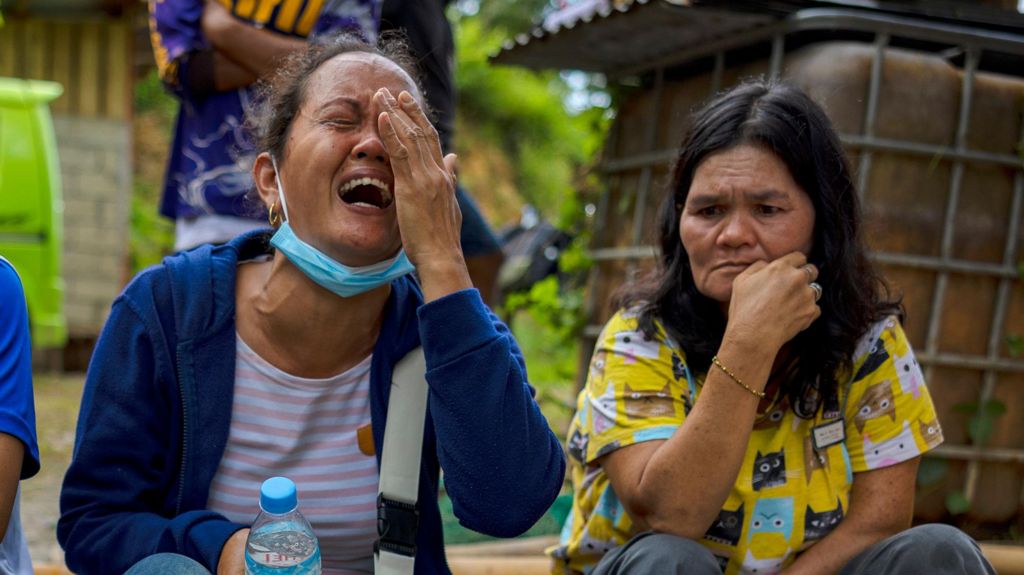
    Authorities in the central Philippines have confirmed the death toll from last week’s catastrophic landfill collapse has climbed to 11 individuals, with fading hopes for locating survivors beneath the massive debris. The tragic incident occurred at the Binaliw landfill facility in Cebu City while approximately 100 workers were present on site during operations.

    Emergency response teams have successfully extracted 12 injured persons from the wreckage, yet more than 20 individuals remain unaccounted for three days after the disaster. A local fire official previously indicated to AFP that survival prospects appear minimal given the immense volume of waste material that buried victims under tons of collapsing debris.

    The catastrophe has triggered widespread demands for comprehensive investigations into both the immediate causes of the structural failure and broader systemic issues within the nation’s waste management infrastructure. Environmental regulators have subsequently mandated Prime Integrated Waste Solutions, Inc., the landfill’s operating company, to immediately cease all activities at the location.

    According to Monday’s statement from the Department of Environment and Natural Resources, the operator must develop and submit a compliance strategy within a 90-day timeframe. The department further committed to conducting a thorough examination of the collapse’s origins and ensuring accountability for responsible entities.

    Philippine legislators have joined the call for reforms, emphasizing the necessity to reevaluate national waste management protocols and sanitation workers’ occupational safety conditions. Senator Imee Marcos, who formally requested an investigation into the Binaliw facility’s operations, stated emphatically that ‘This should have never happened,’ noting that ‘We have seen similar tragedies before, yet the same dangers persist.’

    Eyewitness Bienvinido Ranido, whose wife worked at the landfill and resided nearby, described the moment of catastrophe to Reuters: ‘I saw people fleeing from the site last week, saying the garbage exploded.’ His account continued: ‘I quickly took my motorcycle and rushed to the landfill. When I got there, I saw the collapsed building buried by garbage. I just screamed.’ Rescuers recovered his wife’s body the following day.

    Preliminary assessments from the Mines and Geosciences Bureau suggest recent continuous rainfall—which significantly increased the rubbish’s weight—combined with engineering considerations potentially contributed to the landslide at the 15-hectare (37-acre) facility. Landfills remain essential infrastructure throughout major Philippine urban centers including Cebu, the central Visayas region’s primary commercial and transportation hub.

  • Sudan paramilitary strike on southeastern city kills 27

    Sudan paramilitary strike on southeastern city kills 27

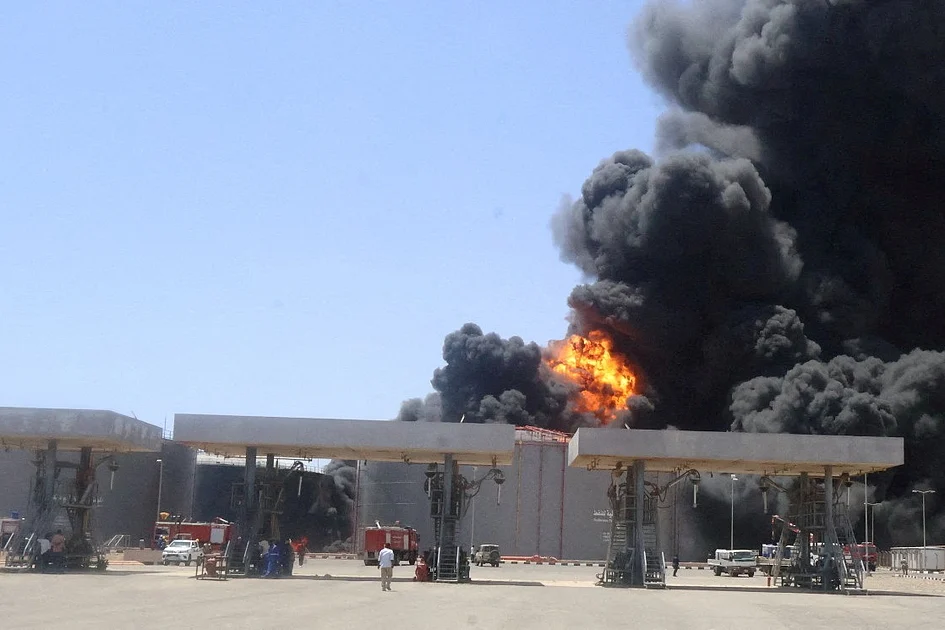
    In a significant escalation of Sudan’s ongoing conflict, paramilitary forces launched a deadly drone assault on the southeastern city of Sinja on Monday, resulting in 27 fatalities and 73 injuries according to military and health officials. The attack targeted the headquarters of the army’s 17th Infantry Division during a high-level meeting that included military, security, and government officials from multiple eastern and central states.

    This offensive comes precisely one day after the army-aligned government declared its official return to Khartoum, ending nearly three years of operations from its wartime base in Port Sudan. Sinja, serving as the capital of Sennar state, occupies a strategically vital position approximately 300 kilometers southeast of the national capital along a crucial transportation corridor linking Khartoum to army-controlled eastern territories.

    The Rapid Support Forces (RSF), which currently governs approximately one-third of Sudanese territory including the vast Darfur region, has increasingly employed long-range drone technology to strike deep into army-controlled zones. The assault represents a severe breach of what had been considered a relatively secure area since government forces reclaimed the region in late 2024 as part of a broader offensive that subsequently restored army control over Khartoum.

    According to United Nations data, more than 200,000 displaced persons had returned to Sennar state following its recapture, joining approximately 1.2 million civilians who have gradually returned to the capital region. However, international agencies caution that these returns remain precarious due to damaged infrastructure and persistent security concerns across conflict-affected areas.

    The conflict, which erupted in April 2023, has created one of the world’s most severe humanitarian catastrophes, claiming tens of thousands of lives and displacing 11 million people internally and across international borders. Multiple cities currently endure paramilitary sieges, with hundreds of thousands facing catastrophic food shortages in the Kordofan region, while the United Nations has characterized the broader conflict as a ‘war of atrocities’ with both factions accused of targeting civilian populations.