作者: admin

  • Apple, Google strike Gemini deal for revamped Siri in major win for Alphabet

    Apple, Google strike Gemini deal for revamped Siri in major win for Alphabet

    In a landmark agreement that reshapes the artificial intelligence landscape, Apple Inc. has selected Google’s Gemini AI models to power its upcoming Siri revitalization. This multi-year partnership, announced Monday, represents a strategic consolidation between tech titans as they position themselves against emerging competitors like OpenAI.

    The collaboration grants Google unprecedented access to Apple’s massive installed base exceeding two billion active devices worldwide. This arrangement significantly bolsters Alphabet’s competitive standing in the generative AI arena while providing Apple with the advanced technology needed to accelerate its AI initiatives after several developmental setbacks.

    According to Google’s statement, ‘After meticulous evaluation, Apple determined Google’s AI technology provides the most capable foundation for Apple Foundation Models.’ The Gemini infrastructure will not only drive the enhanced Siri experience scheduled for release later this year but will also support additional Apple Intelligence features in development.

    This alliance extends beyond AI into the established search partnership between the companies, where Google serves as the default search engine on Apple devices—an arrangement generating tens of billions in annual revenue for Apple while driving substantial traffic to Google’s ecosystem.

    The market responded enthusiastically to the announcement, with Alphabet’s market valuation surging past the $4 trillion threshold on Monday. This continues the stock’s impressive 65% growth trajectory from 2025, reflecting growing investor confidence in Google’s AI capabilities.

    Addressing privacy concerns, Google emphasized that ‘Apple Intelligence will continue to run on Apple devices and Private Cloud Compute while maintaining Apple’s industry-leading privacy standards.’ This strategic positioning aims to differentiate the partnership from competitors by emphasizing on-device processing and data protection.

    The agreement positions OpenAI, which had previously secured iPhone integration for ChatGPT, in a secondary role. Industry analysts note that ChatGPT will remain available for complex, opt-in queries rather than serving as the primary intelligence layer for Apple’s ecosystem.

  • French museum fare hikes for non-European tourists spark outcry

    French museum fare hikes for non-European tourists spark outcry

    France has ignited an international debate by implementing a two-tiered pricing system at its premier cultural institutions, with the Louvre Museum leading the controversial change effective this Wednesday. Under the new policy, adult visitors from outside the European Union, Iceland, Liechtenstein, and Norway now face a 45% price increase, bringing admission to €32 ($37), while the Palace of Versailles has similarly raised fees by three euros for non-European tourists.

    The French government justifies the measure as a necessary financial strategy, projecting annual revenue increases of €20-30 million to support heritage conservation efforts, including a massive billion-euro renovation plan for the Louvre announced by President Emmanuel Macron. Culture Minister Rachida Dati emphasized that ‘The French are not meant to pay for everything all by themselves,’ defending the surcharge as dedicated to preserving national heritage.

    However, the policy has drawn sharp criticism from multiple quarters. Louvre trade unions have condemned the approach as ‘shocking philosophically, socially and on a human level,’ organizing strike actions in protest. They argue that the museum’s extensive collection of 500,000 artifacts—many originating from Egypt, the Middle East, and Africa—holds universal human value beyond national boundaries.

    Academic Patrick Poncet has drawn parallels between France’s move and policies of the Trump administration, which similarly increased National Park fees for foreign visitors. Poncet characterized the pricing strategy as ‘symptomatic of the return, as elsewhere in the world, of unabashed nationalism’ in commentary for Le Monde.

    The policy places France in a unique position within Europe, where most cultural institutions maintain uniform pricing or offer discounts based solely on age rather than nationality. Britain maintains free access to permanent collections at national museums, while venues across Italy, Spain, and Greece provide age-based discounts without nationality distinctions. The Louvre will continue offering free admission to minors from all countries and Europeans under 26.

    Practical implementation challenges also concern staff, who must now verify visitors’ identity documents—an additional logistical burden. The debate continues as other French cultural sites including Chambord Palace and the Paris Opera implement similar pricing structures, raising questions about whether other European destinations might follow France’s controversial precedent.

  • Dubai hits Dh917 billion in real estate transactions, Sheikh Mohammed announces

    Dubai hits Dh917 billion in real estate transactions, Sheikh Mohammed announces

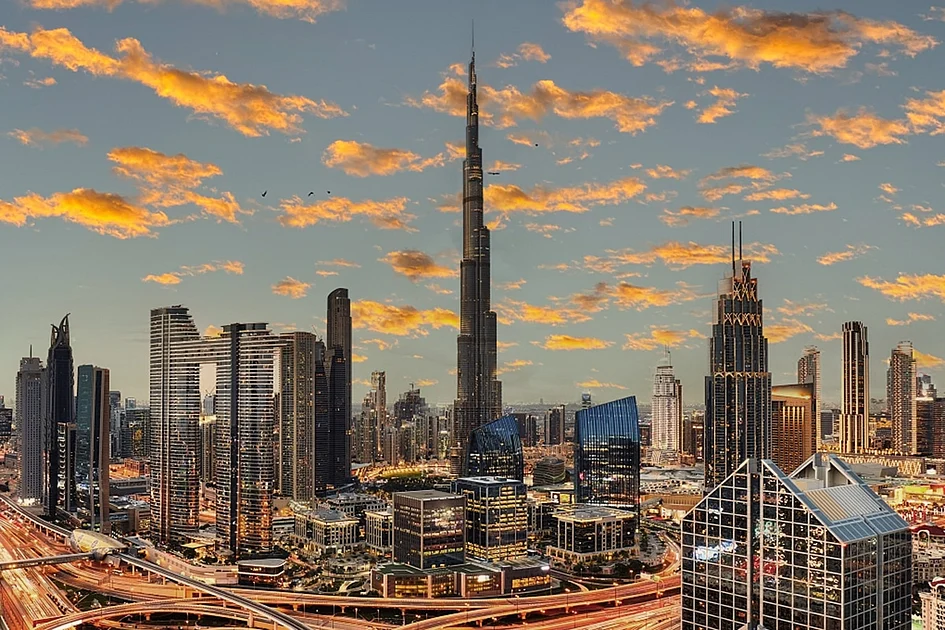
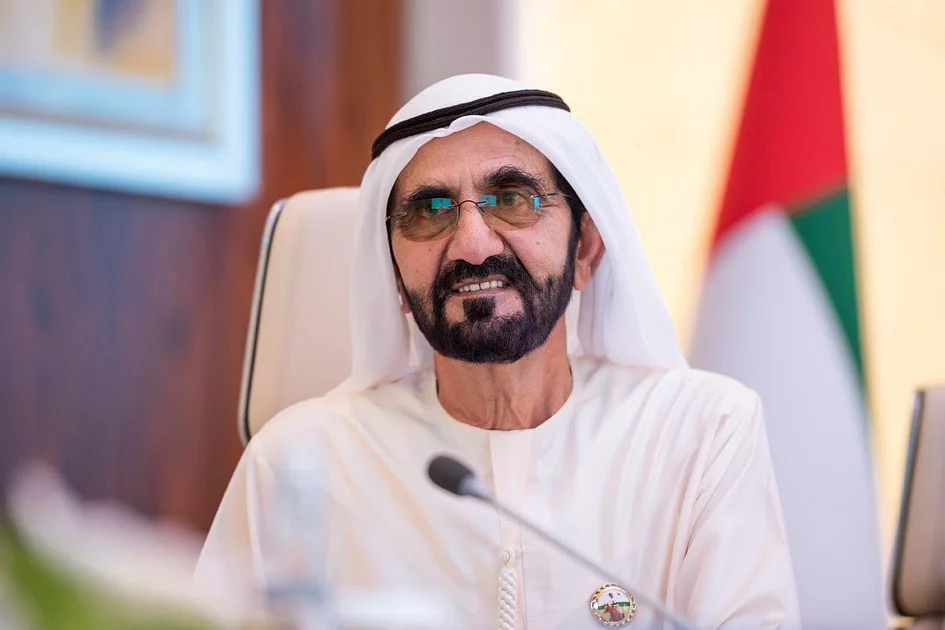
    Dubai’s real estate market has achieved an extraordinary milestone, recording a staggering Dh917 billion in transactions by the end of 2025. This announcement came directly from His Highness Sheikh Mohammed bin Rashid Al Maktoum, Ruler of Dubai, who revealed that this performance has dramatically exceeded strategic expectations set years earlier.

    The emirate’s original roadmap envisioned reaching Dh1 trillion in real estate transactions by 2033. The current figures demonstrate accelerated growth that has outpaced all projections. Sheikh Mohammed expressed profound gratitude to global investors for their sustained confidence in Dubai’s economy, stating: “We promise everyone that we are continuing to develop all our sectors to provide the best opportunities for those who have placed their trust in our national economy. In the UAE, we say what we do, and we do what we say.”

    Comprehensive market analysis reveals unprecedented growth across all metrics. The sector closed 2025 with 215,700 property sales—an 18.7% increase in transaction volume and a remarkable 30.9% surge in sales value compared to 2024 figures. Overall real estate activity reached 3.11 million transactions encompassing sales, leases, and various services, representing a 7% year-on-year increase.

    Investment patterns showed equally impressive dynamics, with real estate investments surpassing Dh680 billion across 258,600 deals. This represents a 29% growth in value and 20% increase in transaction numbers. The investor base expanded significantly to approximately 193,100 participants, including 129,600 new entrants to the market.

    Notably, women investors demonstrated substantial market engagement, investing Dh154 billion through 76,700 transactions—recording 31% growth in value and 24% in volume. Luxury property investments reached Dh3.98 billion, while market analysis indicated an average transition period of 4.8 years from renter to investor status.

    Geographical distribution of activity highlighted balanced growth across Dubai. Al Barsha South Fourth led in transaction numbers, while Business Bay dominated in transaction value. Palm Jumeirah commanded the highest mortgage values, demonstrating the diversity of investment opportunities throughout the emirate.

    This exceptional performance aligns with the Dubai Real Estate Sector Strategy 2033 and the broader Dubai Economic Agenda D33, which aims to double the emirate’s economy and cement its position among the world’s leading economic cities. The results underscore Dubai’s economic resilience, strategic planning effectiveness, and its ability to maintain quality of life while pursuing ambitious growth objectives.

  • Dubai closes 2025 with its strongest ever property sales quarter at Dh187 billion

    Dubai closes 2025 with its strongest ever property sales quarter at Dh187 billion

    Dubai’s property market concluded 2025 with unprecedented momentum, achieving a record-breaking Dh187.47 billion in sales transactions during the fourth quarter according to data released by Property Finder, the Middle East and North Africa’s leading property portal. This remarkable performance represents the strongest quarterly sales figures in the emirate’s history, demonstrating sustained investor confidence and market resilience.

    The final quarter’s achievement was propelled by three consecutive months of exceptional performance: October recorded Dh59 billion, followed by two months of Dh64 billion each in November and December. This consistent upward trajectory underscores Dubai’s position as a premier global investment destination, attracting substantial international capital across diverse property segments.

    Market analysis reveals distinct patterns across Dubai’s residential corridors. Premium neighborhoods including Palm Jumeirah, Dubai Marina, and Downtown Dubai maintained their dominance in transaction values, driven by limited supply and robust demand from high-net-worth international buyers. Simultaneously, thoughtfully developed mid-market communities such as Jumeirah Village Circle experienced heightened activity, particularly in the competitive off-plan sector, catering to budget-conscious purchasers.

    Market dynamics show Business Bay continuing to attract investors through its mixed-use amenities and central location, while Dubai Hills Estate demonstrated balanced demand across both villa and apartment segments within its mature, master-planned environment.

    Rental market data indicates apartments commanding 80% of search interest, with studios and one-bedroom units showing increased popularity year-on-year. This shift suggests that rising rental rates throughout 2025 have prompted more individuals and smaller families to seek compact, affordable accommodations. The sales market mirrors this trend, with apartments accounting for 61% of buyer searches compared to 39% for villas.

    Cherif Sleiman, Chief Revenue Officer at Property Finder, characterized the performance as “structural and demand-led,” emphasizing that market momentum is “anchored in depth, diversity, and pricing resilience rather than short-term speculative activity.” This assessment points toward sustainable growth patterns heading into 2026, benefiting both buyers and investors across market segments.

  • Aaron Papazoglu hit with additional charge after fatal crash in Hornsby

    Aaron Papazoglu hit with additional charge after fatal crash in Hornsby

    A 19-year-old motorist stands accused of triggering a catastrophic chain of events that resulted in the death of an expectant mother outside a Hornsby carpark last November. Aaron Papazoglu now confronts an upgraded charge of aggravated dangerous driving occasioning death, with authorities alleging he exceeded the speed limit by more than 45 km/h during the incident.

    The tragedy unfolded on George Street when police indicate a Kia Carnival had appropriately slowed to allow Samanvitha Dhareshwar, 33, and her family to safely cross the footpath. Prosecutors assert Papazoglu’s BMW sedan then collided with the stationary Kia, propelling it forward with sufficient force to fatally strike Ms. Dhareshwar, who was approximately 32 weeks pregnant.

    Initially charged with dangerous driving occasioning death, negligent driving occasioning death, and causing the loss of a fetus, Papazoglu received the additional serious charge on January 6th following extended investigation into the circumstances surrounding the collision. The new charge carries significantly heightened penalties under New South Wales traffic legislation.

    The case underwent preliminary proceedings at Downing Centre Local Court this week, resulting in a four-week adjournment. Papazoglu, who secured bail shortly after the November incident, has yet to enter formal pleas regarding any charges. The matter returns to court on February 17th for further proceedings as the prosecution continues building its case against the teenage driver.

  • The foreign intervention Iranians want is the lifting of sanctions, experts say

    The foreign intervention Iranians want is the lifting of sanctions, experts say

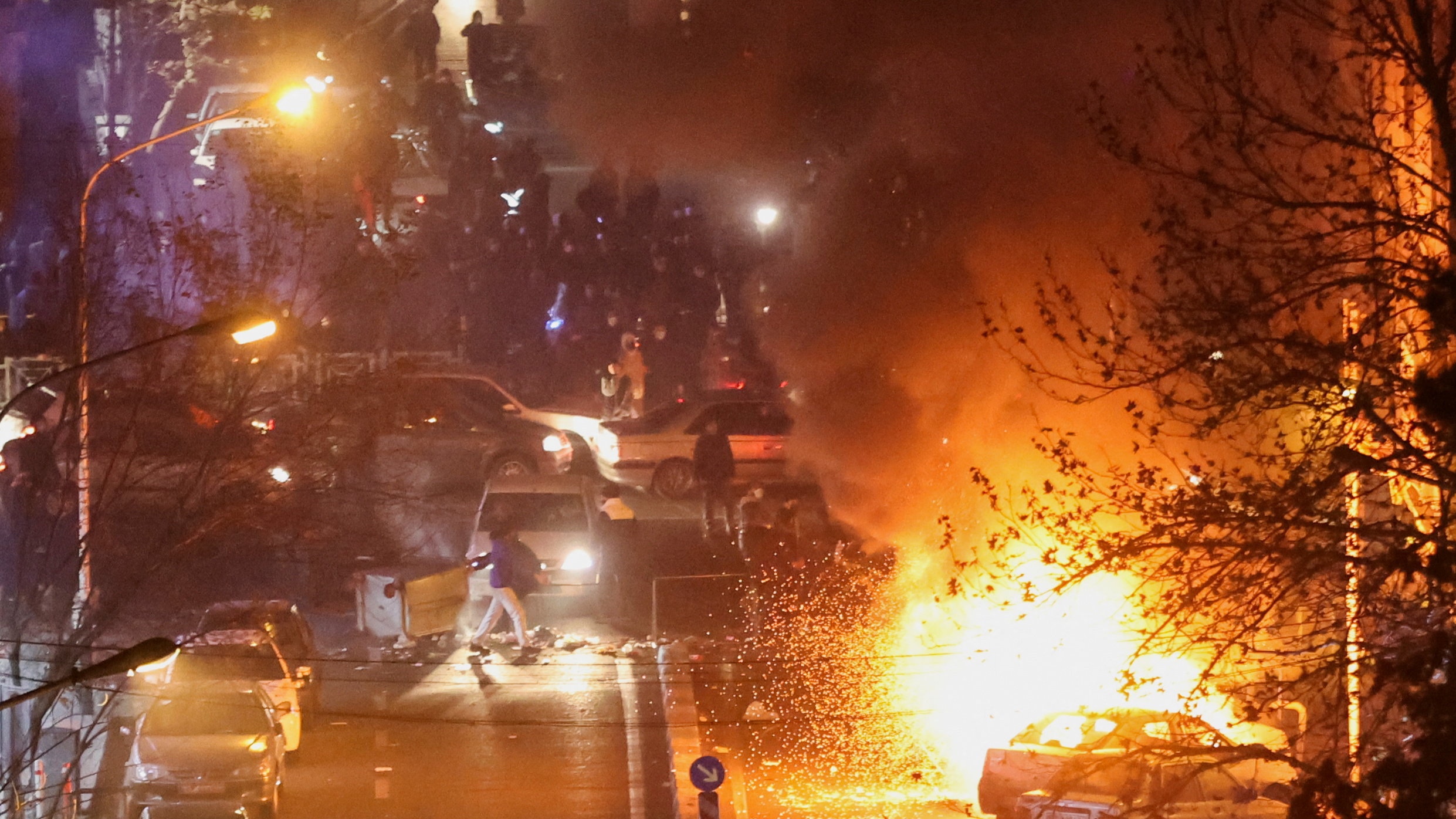
    A panel of Middle East scholars convened by the Quincy Institute for Responsible Statecraft has analyzed the ongoing protests in Iran, revealing complex dynamics that challenge Western perceptions. The demonstrations, now entering their third week with over 190 confirmed fatalities according to Iran Human Rights, stem primarily from domestic economic pressures rather than calls for foreign intervention.

    Mohammad Ali Shabani, editor of Amwaj newsmagazine, emphasized that most Iranians seek relief from crippling U.S. sanctions rather than regime change through external forces. “The vast majority of Iranians would welcome a deal that lifts the shadow of war and invites the removal of sanctions,” Shabani stated, noting that sanctions have paradoxically extended the Islamic Republic’s survival by hollowing out the middle class that could drive organic political change.

    European Council on Foreign Relations expert Ellie Geranmayeh highlighted the overlooked existence of Iran’s civil society, which has not advocated for foreign military strikes. She pointed to the government’s historical pattern of offering “gifts to the people” following major upheavals, such as subsidy maintenance after 2019 economic protests and social flexibility after the 2022 Women, Life, Freedom movement. However, Geranmayeh cautioned that current options appear more limited as “the system may have hit a ceiling under the current supreme leader.”

    Johns Hopkins professor Vali Nasr characterized the protests as a “genuine eruption of popular anger” but noted their lack of leadership and organization makes sustained momentum challenging. He dismissed claims that Reza Pahlavi, the exiled son of Iran’s deposed shah, directs the movement, stating he “came in late” without setting the agenda.

    The analysis revealed concerning external factors, with the Trump administration openly considering military options. Experts warned that such threats empower hardliners and trigger brutal crackdowns. Shabani noted the complex reality: while dismissing all unrest as foreign plots echoes regime rhetoric, ignoring explicit interventionist statements from U.S. and Israeli officials represents naivete.

    The situation has turned increasingly violent, with Iranian authorities reporting 25 mosques and 20 banks torched, plus approximately 100 security force deaths. This has created a two-way confrontation that risks alienating citizens who fear Syria-like collapse despite sharing protest grievances.

    As Iran entered its fourth day of a near-total internet blackout, UN Secretary General Antonio Guterres expressed concern about violence and excessive force, calling for restraint and internet restoration. The White House confirmed discussions with Elon Musk about Starlink access while maintaining that military options remain under consideration.

  • Tetr College of Business wins award for innovation in business education

    Tetr College of Business wins award for innovation in business education

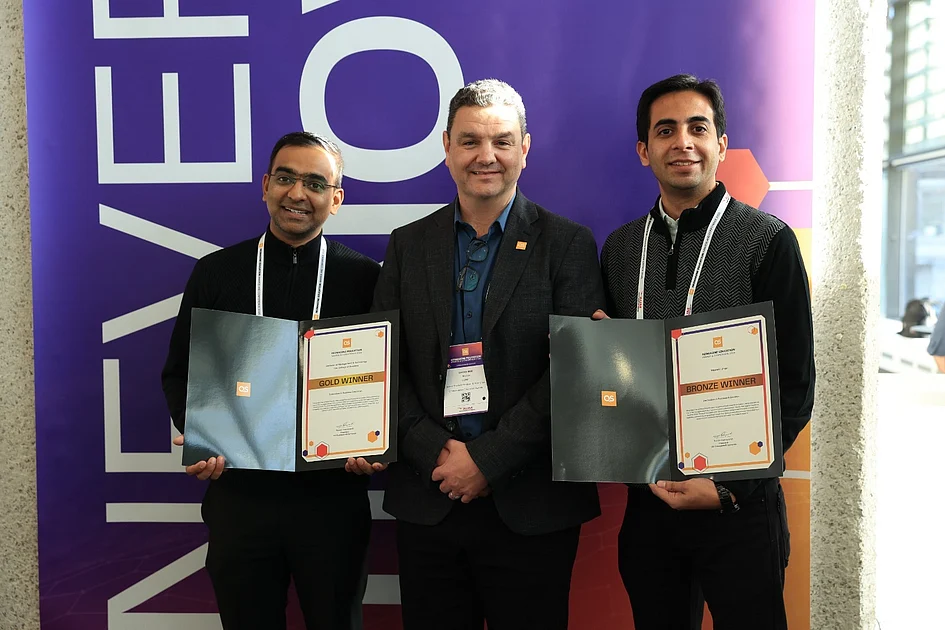
    Tetr College of Business has achieved global recognition by securing the Gold Award in Innovation in Business Education at the prestigious QS Reimagine Education Awards 2025. This landmark achievement positions Tetr among an elite group of institutions worldwide that are fundamentally transforming business education through groundbreaking approaches.

    The QS Reimagine Education Awards, organized by Quacquarelli Symonds—a highly respected higher education evaluation body—attracts thousands of applications annually from institutions across the globe. The rigorous selection process involves four rounds of comprehensive evaluation conducted by a distinguished panel of over 1,300 higher education leaders, educational technology experts, and industry specialists. The Gold Award represents the highest distinction within the category, recognizing exceptional innovation and excellence.

    Tetr’s revolutionary educational model integrates academic rigor with hands-on entrepreneurship, multi-country immersion experiences, and real-time problem solving. The institution’s curriculum transcends traditional classroom learning by enabling students to develop actual businesses, operate across international markets, and acquire practical experience aligned with the demands of the evolving global economy.

    Pratham Mittal, Founder of Tetr College of Business, commented: “Business education has remained predominantly theoretical for decades while the world has undergone dramatic transformation. This recognition from QS validates our conviction that students learn most effectively through building, experimenting, and operating in real market environments. At Tetr, we are creating an educational paradigm that is profoundly global, intensely practical, and designed for the realities of contemporary business.”

    Tarun Gangwar, Chief Operating Officer of Tetr College of Business, added: “The Gold Award serves as powerful affirmation of our mission to reimagine how business leaders are developed. We designed Tetr to bridge the gap between education and execution—ensuring students graduate not merely with theoretical knowledge but with tangible experience, global exposure, and the confidence to lead effectively from their first day.”

    With this achievement, Tetr College of Business joins an exclusive group of world-renowned institutions including the University of Pennsylvania, Massachusetts Institute of Technology, Stanford University, INSEAD, and Imperial College London—all previous recipients of this distinguished honor. These institutions collectively establish new benchmarks where learning becomes experiential, outcomes are measurable, and education is fundamentally designed for the real world that students will subsequently shape and transform.

  • US may provide up to $2bn for Israeli tanks: Report

    US may provide up to $2bn for Israeli tanks: Report

    Newly disclosed documents indicate the United States is considering a substantial $2 billion military assistance package to support Israel’s armored vehicle production capabilities. According to reports from Haaretz newspaper, this funding would facilitate the establishment of a new armored vehicle manufacturing plant within Israel, significantly enhancing the nation’s military industrial capacity.

    The proposed investment would supplement America’s existing annual military aid of $3.8 billion to Israel, which operates under a decade-long bilateral agreement. The initiative specifically targets Israel’s “Armored Vehicle Acceleration Project,” a comprehensive five-year plan designed to expand Israel’s inventory of armored vehicles while accelerating production rates of Merkava battle tanks and both Namer and Eitan armored personnel carriers—all domestically developed military platforms.

    US Army Corps of Engineers presentations from October and November reveal potential American involvement in financing, planning, design, and construction phases of this strategic project. One presentation referenced exploration of “a multibillion-dollar Joint Systems Manufacturing Center (JSMC) project” as a “pivotal next step” for the program.

    This development occurs against the backdrop of substantial additional military support provided to Israel following the October 2023 attacks. According to Quincy Institute data, the US has delivered $21.7 billion in direct military assistance during the subsequent two years, excluding tens of billions in committed arms sales for future delivery.

    The potential $2 billion allocation may generate political controversy among certain factions advocating “America First” policies. The US Army has stated it currently maintains no formal JSMC program with Israel, directing inquiries regarding potential defense ministry programs to Israeli authorities.

  • Mexico rules out US military intervention in Mexican territory

    Mexico rules out US military intervention in Mexican territory

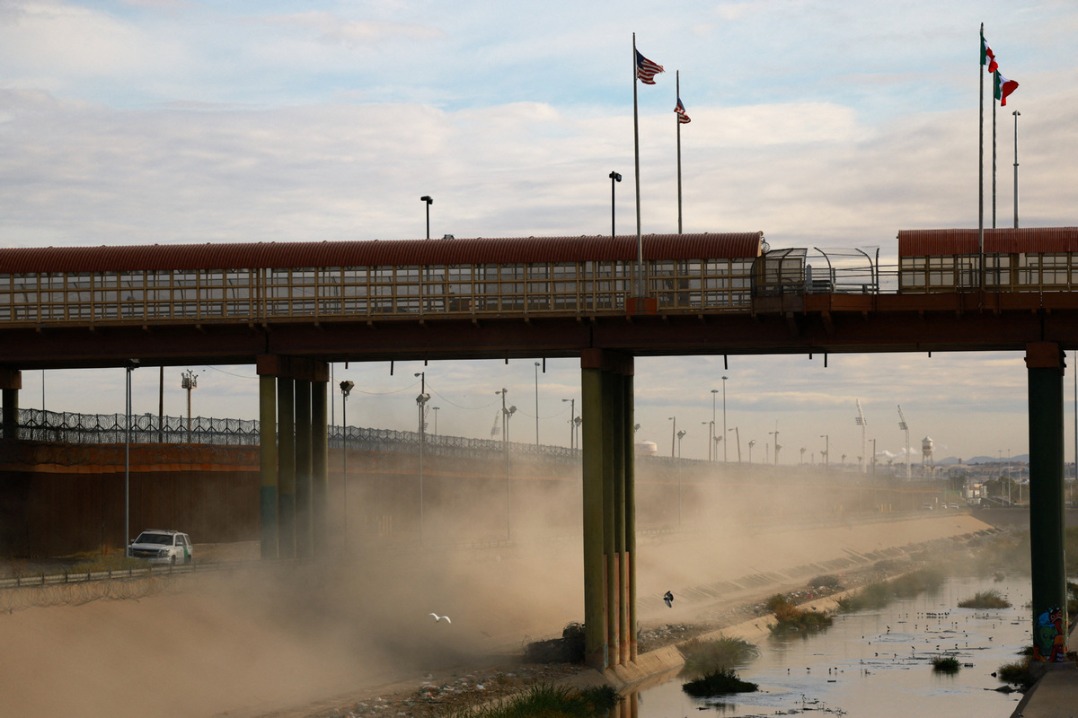
    In a definitive stance on national sovereignty, Mexican President Claudia Sheinbaum has explicitly ruled out any form of U.S. military intervention within Mexican territory following a telephone discussion with U.S. President Donald Trump. The Monday conversation occurred amidst escalating international tensions and recent U.S. military operations in Venezuela, which Washington justified as anti-drug trafficking measures.

    President Sheinbaum characterized the 15-minute exchange as ‘cordial’ while firmly declining Trump’s offer of military support against powerful drug cartels. ‘We communicated that our current strategies are proving effective and that such assistance is unnecessary,’ Sheinbaum stated during her regular morning press briefing. ‘Most importantly, we emphasized Mexico’s sovereignty and territorial integrity, which President Trump acknowledged.’

    The Mexican leader provided reporters with comprehensive details about her country’s security achievements, including the dismantling of clandestine drug laboratories, numerous arrests connected to organized crime networks, a 50% reduction in narcotics crossings into the United States, and a more than 40% decrease in drug-related fatalities.

    Regarding Venezuela, Sheinbaum reaffirmed Mexico’s constitutional principle of non-intervention in foreign affairs, directly communicating this position to the U.S. president. The diplomatic exchange will continue with a planned January 23rd meeting in Washington where Mexican cabinet members will discuss ongoing security coordination. Another presidential conversation addressing trade matters, including tariffs and the upcoming United States-Mexico-Canada Agreement review, is also scheduled.

    This high-level dialogue follows Sunday’s discussion between Mexican Foreign Minister Juan Ramon de la Fuente and U.S. Secretary of State Marco Rubio, where both parties committed to enhanced cooperation against illegal arms trafficking and organized crime while respecting Mexico’s sovereignty.

  • Sabalenka favourite at Australian Open but faces Swiatek, US threats

    Sabalenka favourite at Australian Open but faces Swiatek, US threats

    As the Australian Open prepares to serve off this Sunday, the women’s singles draw presents a compelling narrative of reigning champions, rising stars, and seasoned veterans. World number one Aryna Sabalenka enters Melbourne Park as the statistical favorite, aiming to secure her third title in four years following her dominant victory at the Brisbane International. However, the Belarusian powerhouse confronts arguably the most competitive field in recent Grand Slam history.

    The American contingent emerges as particularly formidable, led by defending champion Madison Keys whose stunning three-set victory over Sabalenka in last year’s final captured her maiden major title. Though Keys experienced limited tournament success thereafter, her explosive game remains tailor-made for Melbourne’s hardcourts. She joins a powerful American cohort featuring third-ranked Coco Gauff, the reigning French Open champion who recently demonstrated her credentials with a commanding 6-4, 6-2 victory over Iga Swiatek at the United Cup.

    Fourth-ranked Amanda Anisimova represents another serious threat following her breakthrough 2025 season that included finals appearances at Wimbledon and the US Open, plus WTA 1000 triumphs in Beijing and Qatar. Despite falling to Sabalenka in a gripping WTA Finals semifinal, Anisimova has proven she can challenge the very best. Sixth-ranked Jessica Pegula completes this formidable American top-10 presence.

    World number two Iga Swiatek remains the most intriguing challenger to Sabalenka’s supremacy. The Polish superstar, holder of six Grand Slam titles, has curiously never captured the Australian Open crown despite reaching last year’s semifinals in dominant fashion. Her recent loss to Gauff notwithstanding, Swiatek’s relentless baseline game makes her a perpetual threat.

    Beyond the established contenders, the tournament welcomes back former champion Naomi Osaka, whose 2019 and 2021 Melbourne triumphs cemented her status as a hardcourt specialist. Now ranked 16th, the Japanese star seeks to recapture her championship form. Meanwhile, Moscow-born Kazakh Elena Rybakina (world number five) and the legendary Venus Williams—who at 45 becomes the oldest woman to compete in the main draw—add further intrigue to this deeply competitive field.

    Sabalenka remains the player to beat despite her runner-up status from last year. Her powerful baseline game and improved mental resilience have established her as the tour’s most consistent performer across surfaces. ‘There is no difference if I’m defending champion or not,’ Sabalenka remarked in Brisbane. ‘The goal remains always the same—to bring my best tennis and continuously improve.’ This mindset, coupled with her formidable track record at Melbourne Park, makes the top seed the narrow favorite in what promises to be a thrilling fortnight of tennis.