作者: admin

  • Penny Wong tight-tipped over Trump’s threat to invade Greenland

    Penny Wong tight-tipped over Trump’s threat to invade Greenland

    Australian Foreign Minister Penny Wong has adopted a measured diplomatic stance regarding former US President Donald Trump’s renewed assertions about potentially acquiring Greenland through military means. During a Sky News interview on Tuesday, Senator Wong emphasized the United States’ continued role as Australia’s “closest strategic partner” and “most important security ally” while carefully avoiding explicit commentary on what might constitute a ‘red line’ for Australia regarding US actions against the Arctic territory.

    The minister acknowledged that differences in perspective have occurred throughout the 75-year history of the US-Australia alliance, stating that Australia maintains a “principled position” and approaches the relationship as “responsible partners with regard to Australia’s national interests.” This diplomatic positioning comes amid heightened concerns following the US military action in Venezuela and arrest of its leader, Nicolas Maduro, earlier this month.

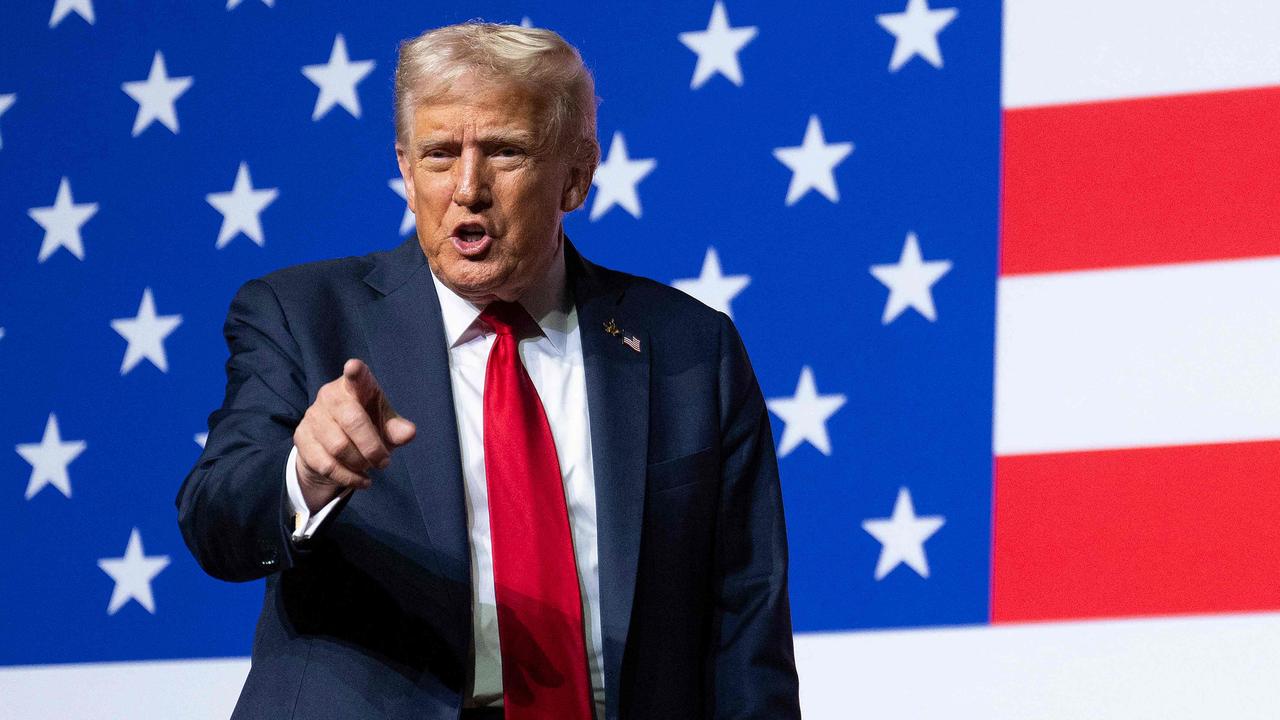
    Trump, who initially floated the idea of purchasing the 2.2 million square kilometer autonomous Danish territory during his first term, has recently intensified rhetoric about Greenland’s strategic importance. The former president and his officials have refused to rule out military force to acquire the island, which Trump claims is necessary for national security. During remarks aboard Air Force One, Trump asserted that without US intervention, Russia or China would dominate the region, disparaging Greenland’s current defense capabilities.

    The Danish government and Greenland’s administration have consistently rejected any compromise of their sovereignty. In response to growing geopolitical tensions, Denmark’s parliament recently voted to expand military cooperation with the US, granting American troops access to Danish air bases. Meanwhile, European NATO allies including France and Germany have declared the Arctic region a priority, with Greenland’s government committing to strengthen its defense under NATO auspices.

    The situation reflects Greenland’s complex historical relationship with Denmark, which colonized the primarily Inuit island before granting it progressive autonomy throughout the late 20th and early 21st centuries.


  • Pakistan, Indonesia closing in on jets and drones defence deal: Sources

    Pakistan, Indonesia closing in on jets and drones defence deal: Sources

    Pakistan and Indonesia are progressing toward a significant defense agreement involving advanced combat aircraft and unmanned aerial systems, according to multiple security officials familiar with the negotiations. The potential deal, discussed during a high-level meeting between Indonesian Defense Minister Sjafrie Sjamsoeddin and Pakistan’s Air Chief Marshal Zaheer Ahmed Baber Sidhu in Islamabad, represents Jakarta’s latest effort to modernize its aging air force capabilities.

    The discussions center on the potential acquisition of approximately 40 JF-17 Thunder multi-role fighter jets, co-developed by Pakistan and China, alongside Shahpar series drones designed for both surveillance and strike missions. While Indonesia’s Defense Ministry spokesperson Brigadier General Rico Ricardo Sirait confirmed the meeting focused on ‘general defense cooperation relations,’ he noted that talks had not yet yielded concrete decisions regarding specific procurement arrangements.

    This potential agreement emerges within broader context of Indonesia’s comprehensive military modernization program. The archipelago nation has recently finalized several major defense acquisitions, including 42 French Rafale jets valued at $8.1 billion in 2022 and 48 Turkish KAAN fighter jets last year. Jakarta is simultaneously evaluating additional options including China’s J-10 fighters and Boeing’s F-15EX aircraft to replace its obsolete aerial fleet.

    For Pakistan, the negotiations represent another strategic milestone in its expanding defense export initiatives. The country’s military-industrial complex has gained increased international attention since its aircraft were deployed in recent regional conflicts, leading to growing interest in its indigenous weapons systems. Pakistan has concurrently been advancing defense partnerships with several nations including Libya’s National Army, Sudan’s military forces, and is exploring potential agreements with Bangladesh and Saudi Arabia that could involve both training aircraft and combat jets.

    Retired Air Marshal Asim Suleiman, who maintains knowledge of air force negotiations, confirmed to Reuters that ‘the Indonesia deal is in the pipeline,’ though specific delivery timelines and contractual details remain under discussion. The potential agreement would additionally include air defense systems and comprehensive training programs for Indonesian air force personnel across multiple seniority levels.

    The developing partnership reflects both nations’ strategic interests in enhancing bilateral defense cooperation while supporting Pakistan’s emergence as a notable regional arms supplier and Indonesia’s ongoing military modernization objectives.

  • Deeper reflections on ‘cave-dwelling conversation’

    Deeper reflections on ‘cave-dwelling conversation’

    The historical ‘cave-dwelling conversation’ between Mao Zedong and democratic figure Huang Yanpei in 1945 continues to resonate across decades, posing a fundamental question about political sustainability: How can a ruling party escape the historical cycle of rapid ascent followed by abrupt decline? This philosophical inquiry, first contemplated by an American student encountering Yan’an through literature, found contemporary resolution during an immersive journalistic expedition to the revolutionary heartland in autumn 2025.

    Amidst the thunderous spectacle of Hukou Waterfall, where the Yellow River’s mighty currents crash against gorge walls, the metaphorical weight of historical transitions becomes palpable. Here, where dynastic rises and falls have physically unfolded, the Communist Party of China’s enduring governance reveals its dual foundation: external democratic supervision complemented by an internal mechanism of disciplined self-correction.

    The initial answer emerged in 1945 when Chairman Mao emphasized democratic oversight and the mass line, asserting that only through people’s supervision would government remain diligent. This principle guided China through monumental struggles toward historical national advancements. Yet contemporary governance demands additional safeguards—thus emerged the second answer: self-reform.

    President Xi Jinping’s November 2021 declaration that the Party had provided this ‘second answer’ through century-long struggle, particularly post-18th National Congress practices, finds tangible expression in Yan’an’s landscape. From revolutionary-era cave dwellings to modern apple orchards, the analogy becomes clear: just as sweet apples require meticulous pruning and pest control, effective governance necessitates preemptive problem-solving and institutional discipline.

    The CPC’s current governance framework demonstrates this through rigorous anti-corruption campaigns, strict implementation of the eight-point decision on conduct improvement, and zero-tolerance policies toward misconduct. As the 20th CPC Central Commission for Discipline Inspection convenes its fifth plenary session, the Party prepares to intensify these efforts throughout the 15th Five-Year Plan period (2026-30), ensuring disciplinary mechanisms support socioeconomic development.

    This dual approach—external supervision and internal reform—addresses Huang Yanpei’s historic concern while offering global relevance. The Yan’an dialogue ultimately transcends Chinese context, challenging political systems worldwide to consider what constitutes lasting, people-centered governance capable of self-correction and disciplined evolution.

  • How Australian festival imploded after axing Palestinian author

    How Australian festival imploded after axing Palestinian author

    Australia’s prestigious Adelaide Festival has descended into chaos following its controversial decision to disinvite prominent Palestinian-Australian author Dr. Randa Abdel-Fattah from its Writers’ Week program, triggering what may become the largest literary boycott in Australian cultural history.

    The festival board justified its action by citing ‘cultural sensitivities’ following December’s Bondi Beach shooting, where gunmen allegedly inspired by Islamic State killed 15 people at a Jewish festival. While explicitly denying any connection between Abdel-Fattah and the tragedy, board members argued her inclusion would be inappropriate given her previous statements regarding Israel.

    The author, a novelist, lawyer, and academic, condemned the decision as ‘a blatant and shameless act of anti-Palestinian racism and censorship,’ rejecting what she termed the ‘despicable’ attempt to associate her with the Bondi attack.

    The repercussions were immediate and severe. Within days, 180 writers and participants withdrew from the festival in protest, including literary luminaries such as former New Zealand Prime Minister Jacinda Ardern, British author Zadie Smith, US-Russian journalist Masha Gessen, and acclaimed Australian writers Helen Garner and Kathy Lette. The mass exodus represents approximately two-thirds of the scheduled participants.

    Organizational turmoil followed as four of the eight board members, including the chair, resigned without public explanation. Louise Adler, the Jewish daughter of Holocaust survivors and director of Writers’ Week, also stepped down, declaring she ‘cannot be party to silencing writers’ and warning that the exclusion ‘weakens freedom of speech and is the harbinger of a less free nation.’

    The controversy has exposed deep divisions within Australia’s cultural landscape. Norman Schueler of the Jewish Community Council for South Australia acknowledged his organization had lobbied for Abdel-Fattah’s removal, calling it ‘a very wise move’ that would ‘improve the cohesiveness of the festival.’ South Australian Premier Peter Malinauskus publicly endorsed the decision while denying direct involvement.

    Abdel-Fattah’s supporters argue the incident reflects broader attempts to suppress Palestinian voices in Western cultural institutions. ‘The only Palestinians they will tolerate are silent and invisible ones,’ the author stated, accusing Australian arts organizations of displaying ‘utter contempt and inhumanity towards Palestinians.’

    The controversy has historical parallels. Critics, including Premier Malinauskus, have accused Abdel-Fattah of hypocrisy, noting she previously advocated for the exclusion of New York Times journalist Thomas Friedman from the 2024 festival over controversial columns. Abdel-Fattah rejected these allegations, maintaining Friedman’s writing employed dehumanizing language while her exclusion was based solely on identity and political viewpoint.

    With potential legal action looming and the festival’s future in jeopardy, the incident has sparked nationwide debate about free speech, cultural censorship, and the boundaries of acceptable discourse in Australia’s artistic communities. As Australian-British novelist Kathy Lette argued in her withdrawal statement, ‘As authoritarianism rears its hideous head around the world, we need to defend these havens of free speech.’

  • Trump invades Venezuela and 12 other times the US has brought about regime change

    Trump invades Venezuela and 12 other times the US has brought about regime change

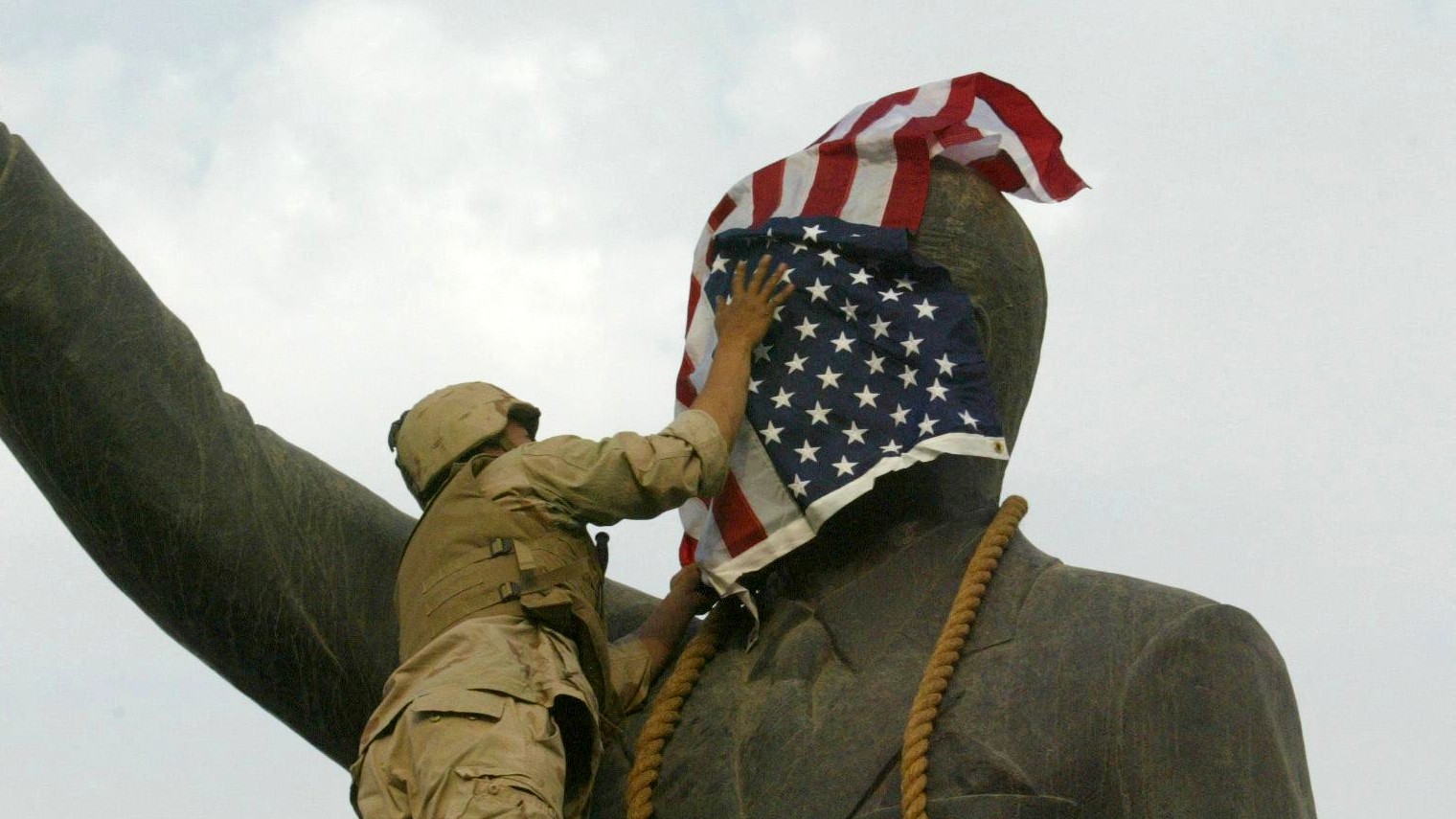
    The recent abduction of Venezuelan President Nicolas Maduro by US forces represents the latest manifestation of a long-standing US foreign policy tradition: direct intervention to achieve regime change on foreign soil. This practice, deeply rooted in American geopolitical strategy, has evolved through various methodologies including propaganda campaigns, sponsored military coups, assassinations, and full-scale invasions.

    The philosophical foundation for such interventions traces back to the 1823 Monroe Doctrine, which declared the Western Hemisphere as an American sphere of influence. This doctrine established the precedent that perceived threats to US economic interests or security could justify overseas intervention. Throughout the 19th century, this principle manifested through territorial expansion, including the annexation of Texas from Mexico and the overthrow of the Kingdom of Hawaii.

    As the United States emerged as a global superpower following World War II, its capacity to shape foreign governments expanded dramatically. The Cold War era witnessed numerous covert and overt operations targeting governments perceived as hostile to American interests. The 1953 CIA-orchestrated coup in Iran that overthrew democratically elected Prime Minister Mohammad Mosaddegh established a template for future interventions, combining disinformation campaigns with military support for opposition forces.

    Similar patterns emerged in Guatemala (1954), where the CIA executed Operation PBSuccess to remove President Jacobo Arbenz after his land reforms threatened American corporate interests, particularly the United Fruit Company. The Congo crisis (1960-1961) saw President Eisenhower authorize the assassination of Prime Minister Patrice Lumumba to prevent Soviet influence in resource-rich Africa.

    Not all regime change attempts proved successful. Multiple efforts to remove Fidel Castro from power in Cuba failed despite assassination attempts and the Bay of Pigs invasion. Furthermore, successful coups often created longer-term challenges, as demonstrated by the protracted conflicts following regime changes in Vietnam, Iraq, and Afghanistan.

    The methods and justifications have evolved over decades. In Chile (1973), the CIA spent millions undermining Salvador Allende’s government before supporting Augusto Pinochet’s brutal military coup. In Grenada (1983) and Panama (1989), military invasions served to install pro-US governments. The post-9/11 era brought regime changes in Afghanistan and Iraq based on security concerns that later faced serious questioning.

    Recent events in Venezuela continue this pattern, with the Trump administration employing increasingly direct methods including the unprecedented abduction of a sitting head of state. Historical evidence suggests that while regime change operations may achieve short-term objectives, they frequently produce unintended consequences and long-term instability in the affected regions.

  • Trump’s team escalates attack on Fed’s Powell with criminal indictment threat

    Trump’s team escalates attack on Fed’s Powell with criminal indictment threat

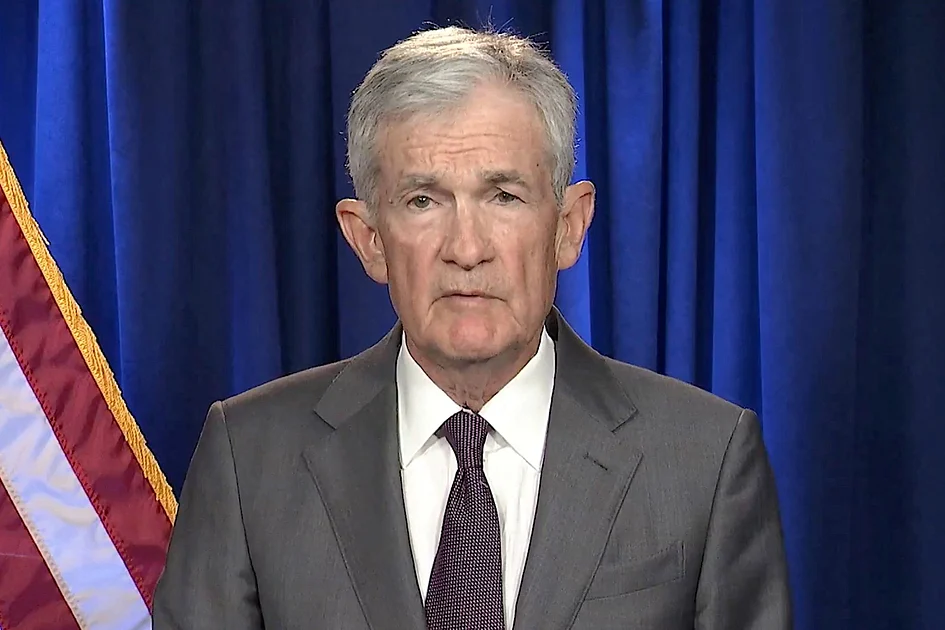
    In an extraordinary escalation of political pressure on the Federal Reserve, the Trump administration has threatened criminal indictment against Chair Jerome Powell over congressional testimony regarding a building renovation project—a move Powell characterized as a “pretext” for gaining influence over interest rate policy.

    The confrontation represents the most severe test of Federal Reserve independence in decades, triggering immediate reactions across Washington and global financial markets. Republican Senator Thom Tillis, a Banking Committee member, declared he would oppose all Trump Fed nominees “until this legal matter is fully resolved,” questioning the Justice Department’s “independence and credibility.”

    Financial markets responded with heightened volatility as investors assessed implications for monetary policy. Longer-term Treasury yields rose amid inflation concerns, gold surged to record highs, and the dollar weakened. Major U.S. stock indexes opened lower, with bank stocks particularly pressured by simultaneous Trump proposals to cap credit card interest rates.

    The subpoenas, served Friday by the Justice Department, relate to Powell’s June 2023 testimony about cost overruns in the $2.5 billion renovation of the Fed’s Washington headquarters. Powell maintains the investigation represents broader administration efforts to influence rate-setting decisions, stating: “The threat of criminal charges is a consequence of the Federal Reserve setting interest rates based on our best assessment of what will serve the public, rather than following the preferences of the President.”

    This development occurs two weeks before the Supreme Court hears arguments regarding Trump’s attempt to remove Fed Governor Lisa Cook. Powell’s term as chair concludes in May, though he retains Board membership until 2028. Fed historians describe the situation as “a low point in the history of central banking in America,” highlighting the dangerous precedent of using criminal law against a sitting Fed chair.

    Trump denied knowledge of the Justice Department’s actions while criticizing Powell’s performance, telling NBC News: “I don’t know anything about it, but he’s certainly not very good at the Fed, and he’s not very good at building buildings.”

  • Somalia cancels all agreements with the UAE, including at major ports

    Somalia cancels all agreements with the UAE, including at major ports

    In a dramatic diplomatic escalation, the Somali Federal Government has unilaterally terminated all bilateral agreements with the United Arab Emirates, effectively expelling the Gulf nation from its military installations and critical infrastructure projects. The decisive move comes amid heightened regional tensions in the Red Sea corridor and follows mounting evidence of Emirati activities perceived as threatening Somalia’s national sovereignty.

    The Council of Ministers’ resolution, enacted on Monday, comprehensively nullifies all security, defense, and cooperation pacts between the two nations. This sweeping cancellation specifically affects UAE operations at the strategic ports of Berbera, Bosaso, and Kismayo—key hubs in regional maritime infrastructure.

    Official documentation indicates the decision stems from substantiated reports revealing systematic efforts to undermine Somali territorial integrity and political independence. The development follows Middle East Eye’s exclusive reporting that UAE forces were discreetly withdrawing military personnel and equipment from bases across Somalia, with assets reportedly being relocated to neighboring Ethiopia.

    This rupture coincides with increasingly contentious regional alignments. The UAE and its strategic partner Israel have recently intensified engagement with Somaliland, the breakaway northern region seeking international recognition. Israel’s unprecedented formal recognition of Somaliland’s sovereignty on December 26th—including high-level diplomatic visits and discussions regarding potential military facilities at Berbera—has significantly exacerbated tensions.

    Berbera Port has emerged as a focal point in these geopolitical maneuvers. Satellite imagery analysis reveals the transformation of a previously stalled Emirati naval base into a nearly completed military installation featuring advanced infrastructure: a deep-water dock, extended airstrip with aircraft hangars, and support facilities. The 4km runway, among Africa’s longest, possesses capability to accommodate heavy transport aircraft and fighter jets.

    The port’s ownership structure illustrates complex international involvement: DP World (UAE’s maritime logistics giant) holds primary control alongside the Somaliland government, with minority investment through Britain’s foreign investment arm, BII.

    Domestic response has been overwhelmingly supportive, with prominent journalists and former President Mohamed Abdullahi Farmaajo endorsing the government’s decisive action. Social media platforms have flooded with nationalist sentiment applauding the sovereignty assertion.

    The UAE has yet to issue an official response regarding the expulsion and termination of bilateral agreements that fundamentally alter regional power dynamics.

  • Peer reviewing UK protest laws signed letter backing Israel arms sales

    Peer reviewing UK protest laws signed letter backing Israel arms sales

    The UK government’s appointment of Lord Ken Macdonald KC to review protest legislation has ignited significant controversy following revelations of his strong pro-Israel advocacy. Macdonald, a crossbench peer and former Director of Public Prosecutions, has publicly endorsed continuing arms sales to Israel during its military operations in Gaza, stating he “strongly believes in the indispensability of the state of Israel.”

    Home Secretary Shabana Mahmood initiated the independent review of public order and hate crime laws in November, following pro-Gaza demonstrations that occurred days after an antisemitic attack in Manchester. The review will assess whether recent legislative amendments effectively balance community protection with protest rights.

    However, Macdonald’s previous positions have raised concerns about impartiality. In October 2023, he co-authored a letter to The Times arguing Israel’s siege of Gaza constituted self-defense. Subsequently, in April 2024, he signed a UK Lawyers for Israel (UKLFI) letter advocating against arms sales suspension to Israel, claiming there was no evidence of systematic international law violations.

    Forty civil society organizations, including Amnesty International UK and Liberty, have condemned the government’s proposed protest restrictions as a “draconian crackdown” on freedom of expression and assembly. They warn new police powers allowing protest bans based on “cumulative impact” could disproportionately affect various demonstrations, from anti-racist marches to Pride events.

    Human Rights Watch recently accused the UK government of severely restricting protest rights, while the UN Human Rights Chief criticized the terrorism designation of direct action group Palestine Action as hindering fundamental freedoms. Since the July 2025 ban, over 2,000 people, predominantly pensioners, have been arrested for holding signs opposing genocide.

    Interestingly, Macdonald has himself criticized the terrorism legislation application, noting it targets an organization supported by “tens of millions” of people. His review is expected to conclude in February amid ongoing debates about protest rights, free speech, and the intersection of international conflicts with domestic policy.

  • ‘Not harmless games’: Dubai parents alerted to risky student challenges

    ‘Not harmless games’: Dubai parents alerted to risky student challenges

    Dubai health and education authorities have launched a critical safety initiative targeting potentially lethal physical behaviors circulating among students. The Dubai Health Authority, in collaboration with the Knowledge and Human Development Authority, has distributed an urgent circular to schools and parents detailing the severe medical risks associated with choking games, breath-holding activities, and neck pressure challenges that have gained traction through social media trends.

    Medical experts emphasize these activities are far from harmless, noting that even brief oxygen restriction can cause irreversible brain damage, seizures, cardiac arrest, or death within seconds. The initiatives specifically address pre-teens and teenagers who may engage in such behaviors due to peer pressure, curiosity, or sensation-seeking tendencies without fully comprehending the life-threatening consequences.

    Authorities are hosting virtual parental awareness sessions to equip families with practical intervention tools. Parents are advised to monitor for physical warning signs including neck bruising, bloodshot eyes, and unexplained headaches, along with behavioral changes such as increased secrecy about online activity, discussion of ‘challenges,’ or wearing clothing that conceals the neck area.

    School leaders across Dubai have reinforced their commitment to child protection frameworks, emphasizing the importance of home-school partnerships. Claire Scowen, Vice President of Safeguarding and Child Protection, highlighted that ‘early identification depends on strong partnership and open communication between schools and parents.’

    Several institutions, including the American Academy for Girls, have implemented long-term teacher-student relationships that enable educators to detect subtle behavioral changes. The school employs Mental Health Student Ambassadors and digital wellbeing platforms to foster peer-to-peer education about responsible online behavior.

    Credence High School CEO-Principal Deepika Thapar Singh emphasized creating ‘psychologically safe spaces where students can report harmful trends without fear of stigma.’ The comprehensive approach combines parental vigilance, professional educator training, and student empowerment to address what authorities characterize as a preventable public health concern.

  • Carbon offsets and the greenwashing dilemma introduction

    Carbon offsets and the greenwashing dilemma introduction

    A groundbreaking study published in Scientific Reports has fundamentally altered our understanding of Earth’s carbon cycle, revealing that Africa’s tropical forests have transitioned from vital carbon sinks to net emission sources. Conducted by researchers from the UK’s National Centre for Earth Observation and leading universities, the comprehensive analysis demonstrates that between 2010 and 2017, these critical ecosystems released approximately 200 million tonnes more carbon dioxide annually than they absorbed.

    This alarming reversal stems from multiple interconnected factors including accelerated deforestation, widespread fires, mining operations, shifting agricultural practices, and soil degradation. The Congo Basin—previously considered a cornerstone of global climate stability—has experienced particularly severe biomass loss totaling nearly 106 billion kilograms per year.

    The findings deliver a devastating blow to carbon offset mechanisms widely promoted by energy corporations and environmental institutions. The fundamental premise that forest conservation can effectively balance continued fossil fuel emissions now appears scientifically untenable. This revelation exposes critical weaknesses in ‘net zero’ frameworks that rely heavily on offset purchases rather than substantive emission reductions.

    From an ethical perspective, the study intensifies concerns about environmental colonialism, whereby wealthy nations and corporations commodify developing regions’ ecosystems to justify their ongoing pollution. Many carbon offset agreements involve foreign entities controlling vast tracts of African land—sometimes exceeding 20% of a nation’s territory—while providing questionable benefits to local communities.

    The research emerges amidst ongoing international climate negotiations, particularly COP30’s emphasis on forest protection and carbon markets. This creates a stark contradiction between scientific reality and political policy, potentially reducing climate commitments to mere public relations exercises.

    Moving forward, genuine climate action requires transitioning from accounting maneuvers to tangible solutions: prioritizing fossil fuel reduction, accelerating renewable energy adoption, and protecting forests for their intrinsic ecological and cultural value rather than corporate balance sheets. This paradigm shift demands abandoning the illusion that environmental balance can be purchased through increasingly unreliable offset mechanisms.