作者: admin

  • Watch: ISS crew exchanges key in change of command ceremony

    Watch: ISS crew exchanges key in change of command ceremony

    A significant leadership transition has taken place aboard the International Space Station (ISS), coinciding with an unexpected adjustment to the crew’s return schedule. The change of command ceremony, a longstanding tradition for orbital expeditions, saw European Space Agency (ESA) astronaut Samantha Cristoforetti formally transfer station control to Roscosmos cosmonaut Sergey Prokopyev. This ceremonial key exchange marks the official conclusion of Expedition 67 and the beginning of Prokopyev’s command of Expedition 68.

    The ceremony occurs against the backdrop of an unplanned schedule change. NASA confirmed that four crew members—NASA astronauts Kjell Lindgren, Bob Hines, and Jessica Watkins, alongside Cristoforetti—will now depart the station earlier than originally planned. This expedited return, via a SpaceX Crew Dragon capsule, is a direct response to a medical issue concerning one crew member, whose identity remains confidential due to privacy protocols. Mission control emphasizes that the condition is not life-threatening and that the crew member is in stable condition under close monitoring by the station’s medical team. The early departure is characterized as a precautionary measure to ensure better access to ground-based medical facilities if required. The incident highlights the robust emergency protocols and adaptive logistical planning inherent to continuous human spaceflight operations.

  • Race against time: How Dubai doctors saved pregnant crash victim, unborn child

    Race against time: How Dubai doctors saved pregnant crash victim, unborn child

    In a remarkable display of medical excellence and coordinated emergency response, physicians at Dubai’s NMC Royal Hospital DIP successfully saved both a critically injured pregnant woman and her unborn child following a devastating hit-and-run incident. The high-stakes medical drama unfolded in the early hours of Thursday when Aastha Kanwar, a 30-year-old Indian media professional who was 34 weeks pregnant, was struck by a vehicle while walking with her husband in Arjan, Dubailand.

    The victim sustained catastrophic internal injuries including severe internal bleeding and damage to both liver and spleen. Her husband, Ojasvi Gautam, witnessed the horrifying moment when the impact threw his wife several meters into the air, leaving him fearing for both lives.

    Dr. Samir Rahmani, Consultant Bariatric and General Surgeon who led the emergency operation, described the rapid mobilization of a multidisciplinary team that responded to the severe trauma. ‘Before dawn at around 3am, our team confronted a case of massive internal bleeding with extraordinary risks given the advanced pregnancy,’ Dr. Rahmani stated. ‘This successful outcome demonstrates the power of teamwork, preparedness, and timely intervention.’

    Medical authorities emphasized the exceptional complexity of the procedure, noting that the advanced stage of pregnancy combined with the extent of internal injuries created an exceptionally high-risk scenario. The surgical team had to make rapid decisions to stabilize the mother while simultaneously ensuring fetal safety.

    Remarkably, despite the severity of the trauma, both the uterus and fetus remained unharmed. Dr. Manjula Reddy, Consultant Obstetrics and Gynaecology, noted: ‘Prompt surgical intervention and careful obstetric management have stabilized the mother, and both are progressing well under close monitoring.’

    The patient remains in intensive care as medical staff continue to monitor her recovery and the wellbeing of the unborn child. Dubai Police have launched an investigation into the hit-and-run incident, though no further details were immediately available regarding the fleeing vehicle or driver.

  • Bangladeshi singer Proloy Chaki dies in custody

    Bangladeshi singer Proloy Chaki dies in custody

    Proloy Chaki, a prominent Bangladeshi singer and cultural secretary for the Awami League’s Pabna district unit, has died while in state custody at Rajshahi Medical College Hospital. The 42-year-old artist passed away Sunday evening despite ongoing medical treatment for multiple chronic conditions.

    According to Pabna District Jail Superintendent Omor Faruque, Chaki had been transferred through a multi-stage medical escalation process. Prison medical staff initially referred him to Pabna Sadar Hospital before arranging his urgent transfer to the regional tertiary care facility at Rajshahi Medical College Hospital on Friday night. Official reports indicate the deceased suffered from severe complications related to diabetes, hypertension, and pre-existing cardiac conditions.

    Chaki’s arrest occurred during the widespread 2024 government crackdown targeting Awami League members, following student-led protests that culminated in Prime Minister Sheikh Hasina’s exile to India. Multiple criminal cases were filed against the cultural activist during this period of political unrest.

    Local media outlets report the family has raised serious allegations regarding medical negligence during Chaki’s incarceration. Jail authorities have formally denied these claims, maintaining that all appropriate medical protocols were followed. The case has drawn attention to treatment standards within Bangladesh’s correctional system during periods of political detention.

  • The Indian superstar taking a shot at political greatness

    The Indian superstar taking a shot at political greatness

    In a significant cultural-political convergence, Tamil cinema superstar Joseph Vijay prepares for his final theatrical release with ‘Jana Nayagan’ (The People’s Hero) this month, marking his transition from entertainment to full-time politics. The film’s premiere across 5,000 theaters worldwide arrives as Vijay launches his political party, Tamilaga Vettri Kazhagam (TVK), positioning himself within Tamil Nadu’s unique tradition of screen icons transforming into political leaders.

    Tamil Nadu’s political landscape has historically embraced cinema personalities, with icons like MGR and Jayalalithaa achieving successful governmental leadership, while others including Rajinikanth and Kamal Haasan experienced mixed political results. Vijay explicitly acknowledges this legacy, stating that Tamil voters deserve complete dedication rather than partial political engagement.

    At 51, Vijay departs an extraordinarily successful film career spanning three decades and nearly 70 productions. Industry analysts note his carefully crafted evolution from romantic lead to social justice advocate in films addressing farmers’ distress (Kaththi), healthcare corruption (Mersal), women’s empowerment (Bigil), and electoral manipulation (Sarkar).

    ‘Jana Nayagan’ strategically blurs cinematic narrative and political intent through dialogue such as ‘I enter politics not to plunder, but to serve’ and enhanced action sequences. The film mirrors Vijay’s campaign rhetoric criticizing both the ruling DMK party and the federal BJP government while positioning himself as an alternative to established Dravidian politics.

    His political entry coincides with significant youth disillusionment in Tamil Nadu, where Gen Z voters will constitute nearly one-fifth of the electorate in upcoming April-May elections. However, serious challenges emerged when a September 2025 rally crowd crush resulted in 40 fatalities, raising questions about organizational preparedness and crisis management.

    Political analysts note that while Vijay commands massive crowds and emotional loyalty, his platform remains broadly thematic rather than policy-specific. The TVK party currently lacks detailed socio-economic programs, secondary leadership hierarchy, and clear alliance strategies beyond opposing both DMK and BJP while hinting at Congress affiliations.

    The cinematic farewell represents both culmination and commencement—ending a dominant film career while testing whether screen magnetism can translate into electoral success within Tamil Nadu’s demanding political environment.

  • UK court clears British activist Majid Freeman over role in Leicester riots

    UK court clears British activist Majid Freeman over role in Leicester riots

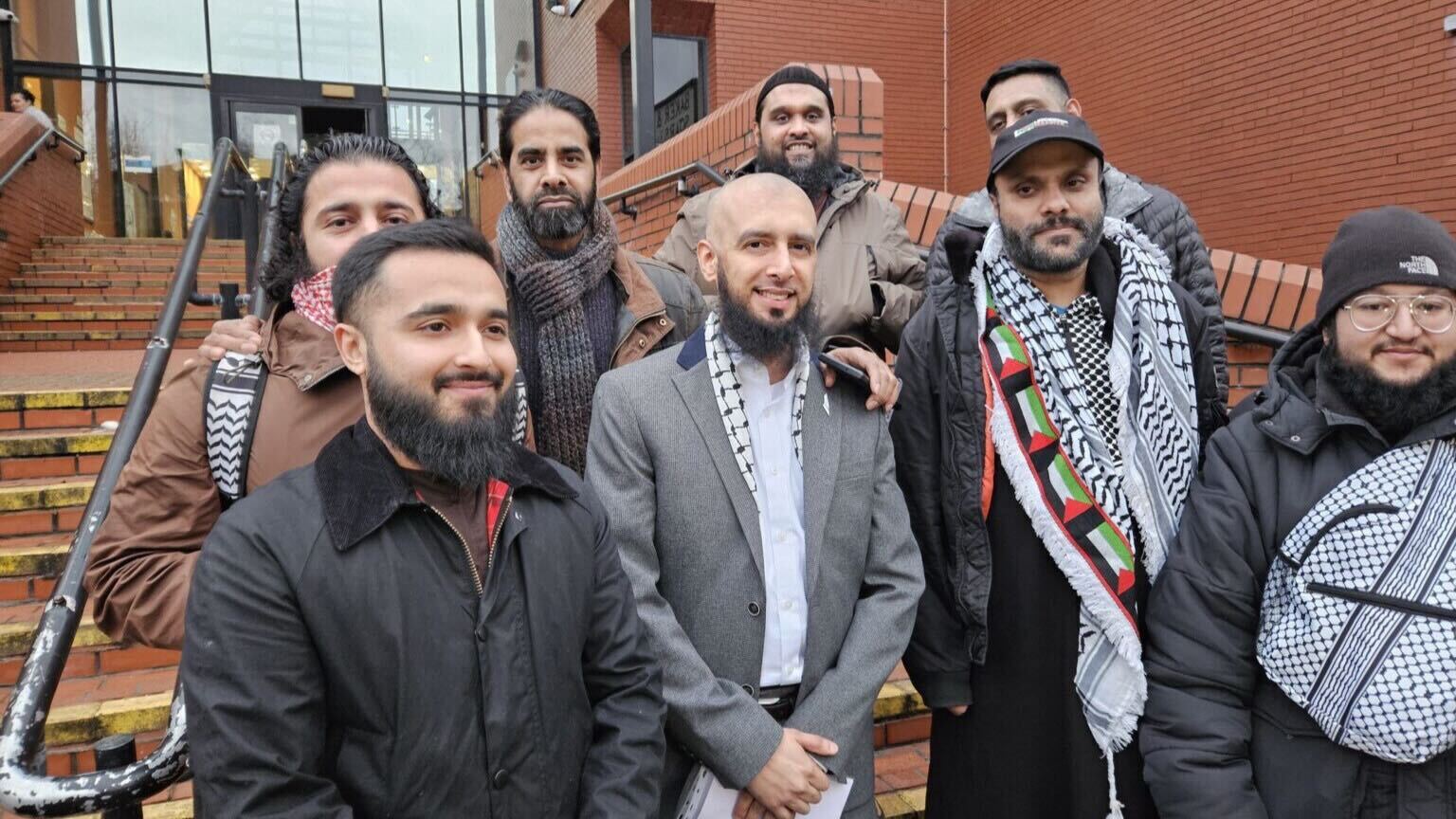
    In a landmark ruling, Leicester Crown Court has fully exonerated community activist Majid Freeman of all public order offenses related to the 2022 Leicester riots, delivering a verdict that raises significant questions about police conduct and community relations.

    Following a retrial, Judge Robert Brown dismissed the case against Freeman, stating the prosecution provided insufficient evidence to establish guilt. The court heard testimony from multiple witnesses, including members of Leicester’s Hindu community and former MP Claudia Webb, who unanimously supported Freeman’s character and peace-building efforts.

    During proceedings, police allegations claimed Freeman had pushed an officer, used profanity, and incited violence during the September 2022 unrest. While acknowledging Freeman admitted to using strong language, Judge Brown emphasized the critical distinction between offensive speech and genuinely threatening behavior, praising the activist as “measured, restrained, and humble” in his testimony.

    In a remarkable commendation, Judge Brown described Freeman as a “bridge-builder” between Muslim and Hindu communities, noting his repeated collaborations with law enforcement to maintain community harmony.

    Speaking outside the courthouse, Freeman expressed relief after his “three-year ordeal,” describing the prosecution as “deeply troubling.” He maintained he had actually protected a young Hindu man during the violence and worked with community leaders to de-escalate tensions when “police failed to keep the peace.”

    The case stems from violent clashes that erupted after approximately 200 masked Hindu men marched through Leicester’s Highfield area chanting “Jai Shri Ram”—a slogan increasingly associated with anti-Muslim violence in India. The subsequent confrontation between Hindu and Muslim groups prompted a leaked Home Office review that identified “Hindu nationalist extremism” as a contributing factor to the unrest, marking the first official recognition of Hindutva extremism as a potential concern for British counter-extremism efforts.

    The ruling concludes a contentious legal battle that has highlighted broader community tensions and raised questions about police accountability and the appropriate focus of counter-extremism strategies in multicultural Britain.

  • At least 648 protesters killed in Iran crackdown, says rights group

    At least 648 protesters killed in Iran crackdown, says rights group

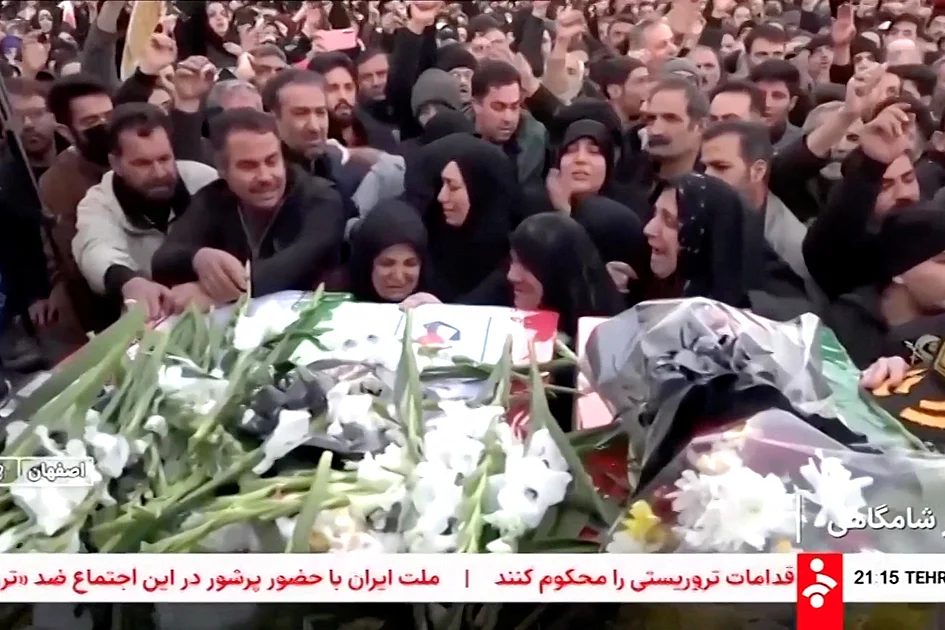
    A Norway-based human rights organization has reported a devastating death toll from Iran’s ongoing suppression of civil protests, with verified fatalities reaching at least 648 individuals. Iran Human Rights (IHR), operating from Oslo, released these figures on Monday, indicating that security forces have employed lethal measures against demonstrators challenging the Islamic republic’s authority.

    According to IHR director Mahmood Amiry-Moghaddam, the actual number of casualties may significantly exceed current verified counts, with some estimates suggesting potentially more than 6,000 fatalities. The organization emphasized the challenges of accurate documentation due to Tehran’s imposition of a near-total internet blackout lasting approximately four days, which has severely hampered independent verification efforts.

    Amiry-Moghaddam stated that the international community bears responsibility for protecting civilian protesters facing systematic violence. The reported crackdown coincides with government efforts to mobilize pro-regime demonstrations nationwide, attempting to counter the protest movement that has created substantial challenges for Iranian authorities.

    The internet restrictions have created an information vacuum, making comprehensive assessment of the situation exceptionally difficult for external observers and human rights monitors. The blackout has effectively isolated Iran from global digital networks during this period of civil unrest.

    This development represents one of the most severe government responses to civil dissent in recent Iranian history, marking a significant escalation in the confrontation between state authorities and protesters expressing grievances against the established political system.

  • Most of Uganda’s population is under 17 – will they give an 81-year-old another term?

    Most of Uganda’s population is under 17 – will they give an 81-year-old another term?

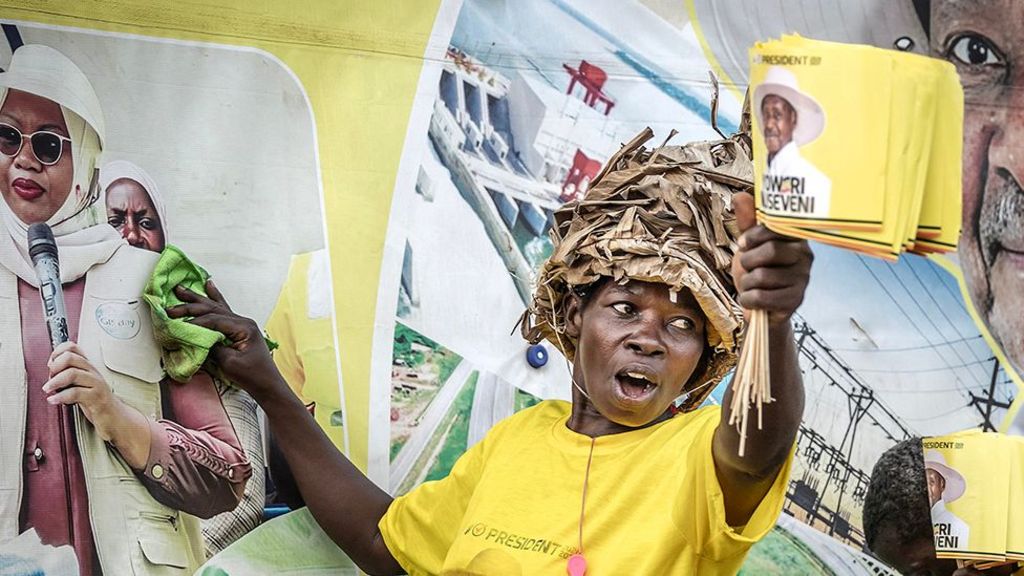
    Uganda stands at a political crossroads as its youthful population dominates election campaigns, creating a vibrant tapestry of contrasting ideologies ahead of Thursday’s pivotal presidential vote. The nation, with a median age of just 17, witnesses unprecedented political engagement from a generation that has known only one leader throughout their lives.

    President Yoweri Museveni, 81, seeks an extraordinary seventh term after four decades in power, campaigning under the ruling National Resistance Movement’s banner of ‘Protecting the Gains.’ His administration emphasizes stability and continuity, highlighting Uganda’s transformation from a refugee exporter to Africa’s largest refugee host. NRM spokesperson Emmanuel Lumala Dombo articulates this vision while defending the party’s record.

    Challenging the status quo is 43-year-old former pop star Bobi Wine (Robert Kyagulanyi), whose National Unity Platform mobilizes supporters with the urgent cry of ‘Protest Vote.’ He has emerged as the primary conduit for youth frustration, framing the election as a battle for liberation and freedom. Despite their opposing messages, both campaigns strategically target Uganda’s massive youth demographic.

    The political landscape reveals a profound paradox: one of the world’s youngest populations governed by aging elites who have consistently outmaneuvered constitutional limits. This tension reflects a broader African pattern where youthful societies remain under the control of long-established leadership.

    Uganda’s youth bulge represents both tremendous potential and significant risk. Hundreds of thousands enter the labor market annually, yet economic opportunities remain scarce. Political expression often meets with arrests, intimidation, and violence—responses that have deepened rather than suppressed public anger.

    Regional context amplifies these tensions. Youth-led protests in Kenya, emerging activism in Tanzania, violent unrest in Mozambique, and Madagascar’s military takeover after presidential flight demonstrate a continent-wide pattern of youthful political awakening. Ugandan authorities closely monitor these developments while implementing what many observers describe as a ‘managed security operation’ rather than a genuine legitimacy contest.

    Research fellow Fergus Kell of Chatham House notes the ‘heavily militarized’ nature of Ugandan politics, where state machinery suppresses alternative power centers. The UN human rights office reports widespread repression against opposition figures, journalists, and dissenting voices, while academic Kristof Titeca describes ‘rituals of democratic competition’ with ‘predetermined outcomes.’

    Beyond the two main contenders, traditional opposition parties like the Forum for Democratic Change and Democratic Party continue participating but struggle with internal divisions and limited appeal to younger voters seeking more confrontational approaches.

    The election raises fundamental questions about Uganda’s political future, particularly regarding succession. Speculation about Museveni’s retirement plans has persisted for 25 years, with each hint of departure followed by constitutional amendments removing term and age limits. Recently, attention has focused on General Muhoozi Kainerugaba, the president’s son, whose rapid military advancement and political activities through his Patriotic League of Uganda suggest potential hereditary transition planning.

    NRM officials downplay succession theories, emphasizing established party processes, while Bobi Wine remains skeptical, drawing parallels with Zimbabwe’s Robert Mugabe. The election ultimately transcends individual candidates, becoming a referendum on preserving historical achievements versus embracing a new generation’s demand for inclusion, fairness, and meaningful participation. Uganda’s youth have unequivocally transitioned from passive observers to active political participants.


  • ‘We were tricked’: How one woman lures foreign men to fight on Russia’s front line

    ‘We were tricked’: How one woman lures foreign men to fight on Russia’s front line

    A comprehensive BBC Eye investigation has uncovered a sophisticated recruitment operation masterminded by Polina Alexandrovna Azarnykh, a 40-year-old former teacher from Russia’s Voronezh region, who uses Telegram to lure vulnerable men from developing nations into Russia’s military campaign in Ukraine under false pretenses.

    Operating through a Telegram channel with 21,000 subscribers, Azarnykh has issued approximately 490 invitation documents to men primarily from Syria, Egypt, Yemen, Morocco, Iraq, Ivory Coast, and Nigeria over the past year. Her recruitment strategy targets economically disadvantaged individuals, promising lucrative contracts with monthly salaries equivalent to $2,500, sign-up bonuses of $5,000, and expedited Russian citizenship.

    The investigation reveals a disturbing pattern of deception. Multiple recruits and their families report being misled about combat avoidance, contract duration, and actual deployment conditions. Omar (pseudonym), a 26-year-old Syrian construction worker, detailed how Azarnykh promised non-combat roles in exchange for $3,000 payments from sign-up bonuses, only to receive minimal training before being deployed to frontlines with inadequate preparation.

    Twelve families have reported young men recruited by Azarnykh as either deceased or missing. The BBC has documented cases including Mohammed, an Egyptian student struggling with tuition fees who was killed shortly after deployment, and numerous Syrians who discovered their contracts could be automatically extended under a 2022 Russian decree until the conflict concludes.

    Habib (pseudonym), another Syrian recruit who collaborated with Azarnykh, confirmed she received approximately $300 per recruit from military authorities. He described the devastating psychological impact on foreign fighters unprepared for combat: ‘The Arabs who are coming are dying immediately. Some people lost their minds – it’s hard to see dead bodies.’

    The recruitment scheme reflects Russia’s broader strategy to address substantial military losses. NATO estimates indicate over one million Russian casualties since the 2022 invasion, with 25,000 fatalities in December 2025 alone. Research suggests at least 20,000 foreigners may have enlisted, including from Cuba, Nepal, and North Korea.

    Despite mounting evidence, Azarnykh has denied all allegations, threatening defamation proceedings against the BBC. The Russian Ministry of Foreign Affairs and Ministry of Defense have not responded to requests for comment.

  • US accuses Russia of ‘dangerous and inexplicable escalation’ of war in Ukraine as Trump seeks peace

    US accuses Russia of ‘dangerous and inexplicable escalation’ of war in Ukraine as Trump seeks peace

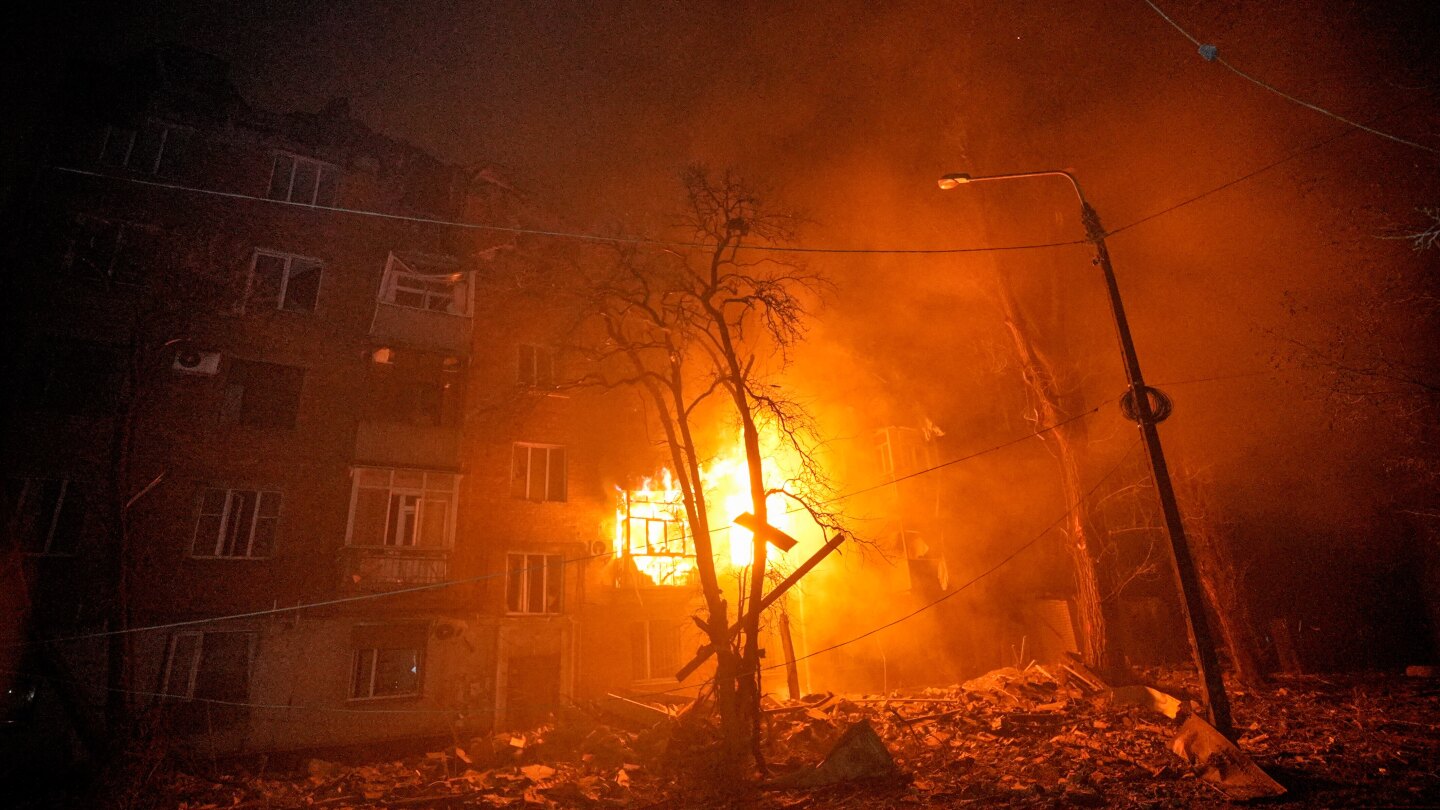
    In a dramatic emergency session of the United Nations Security Council, the United States delivered a stern condemnation of Russia’s military escalation in Ukraine, characterizing recent actions as a “dangerous and inexplicable” provocation. The emergency meeting, convened at Ukraine’s request, followed Russia’s extensive overnight bombardment last Thursday that deployed hundreds of drones and dozens of missiles, including the advanced nuclear-capable Oreshnik hypersonic ballistic missile launched near Ukraine’s border with NATO member Poland.

    U.S. Deputy Ambassador Tammy Bruce articulated grave concerns regarding Russia’s intensifying attacks on Ukrainian energy infrastructure and civilian targets, noting the “staggering number of casualties” resulting from the conflict. The timing of this military escalation appears particularly significant, occurring as the Trump administration attempts to advance peace negotiations and simultaneously implements hard-hitting sanctions designed to economically pressure Moscow.

    The diplomatic confrontation unfolded amid deteriorating relations between Washington and Moscow, exacerbated by Russia’s condemnation of recent U.S. seizure of an oil tanker in the North Atlantic. European leaders joined American officials in denouncing Russia’s missile deployment as “escalatory and unacceptable,” with Ambassador Bruce emphasizing that “Russia’s action risks expanding and intensifying the war” at a moment when diplomatic opportunities should be pursued.

    Russian Ambassador Vassily Nebenzia presented Moscow’s uncompromising position, asserting that military operations would continue until Ukrainian President Volodymyr Zelenskyy agrees to “realistic conditions for negotiations.” Nebenzia warned that with each passing day, negotiation terms would become increasingly unfavorable for Ukraine, promising that attacks on Russian civilians would “elicit a stiff response.”

    Ukrainian Ambassador Andriy Melnyk countered that Russia’s apparent strength constitutes an illusion, noting Moscow’s economic vulnerabilities with slowing growth and declining oil revenues. The exchange highlighted the profound diplomatic impasse as both nations appear entrenched in their positions, with Ukraine maintaining its defense capabilities through allied support while Russia continues its military campaign with increasingly advanced weaponry.

  • Chelsea have the resources to win, says Rosenior ahead of Arsenal clash

    Chelsea have the resources to win, says Rosenior ahead of Arsenal clash

    Newly appointed Chelsea manager Liam Rosenior has expressed strong confidence in his squad’s existing capabilities as they approach the critical League Cup semi-final first leg against Premier League leaders Arsenal on Wednesday. The match marks Rosenior’s second game in charge and his first against top-flight opposition since taking over last Tuesday.\n\nThe 41-year-old coach, who ended Chelsea’s five-match winless streak with a commanding 5-1 FA Cup victory against Charlton Athletic on Saturday, emphasized that immediate success remains his primary focus despite long-term visioning. \”I’d love to be here six years or longer. But to do that, you need to start winning,\” Rosenior stated during Monday’s press conference. \”My focus is that I already have resources here to win.\”\n\nRosenior revealed extensive tactical preparations have been underway since his arrival, with particular attention given to analyzing Arsenal’s multifaceted gameplay. \”We’ve been working tactically on Arsenal from the moment I came into the club,\” he explained. \”We’ve watched all of their games, analyzed every aspect of their game, including set plays, at which they’re very good.\”\n\nThe coach specifically addressed emerging narratives labeling Arsenal as \”Set Piece FC,\\” dismissing the simplistic characterization. \”They’re a team who are very good without the ball. They have a really clear idea in the way they want to play with the ball,\” Rosenior noted, acknowledging their well-organized approach and effective set-piece delivery as components of a comprehensive successful formula.\n\nDespite the high-stakes nature of the encounter, Rosenior maintains a process-oriented perspective, stating: \”I’m not making it any bigger than the fact it’s the next game, and we have to win. That’s the way I see it.\” The Chelsea squad has responded positively to training methods, with selection decisions for the semi-final clash to be finalized in the coming days.