作者: admin

  • Legal setbacks against a dam in the Amazon raise questions about Brazil’s reliance on hydropower

    Legal setbacks against a dam in the Amazon raise questions about Brazil’s reliance on hydropower

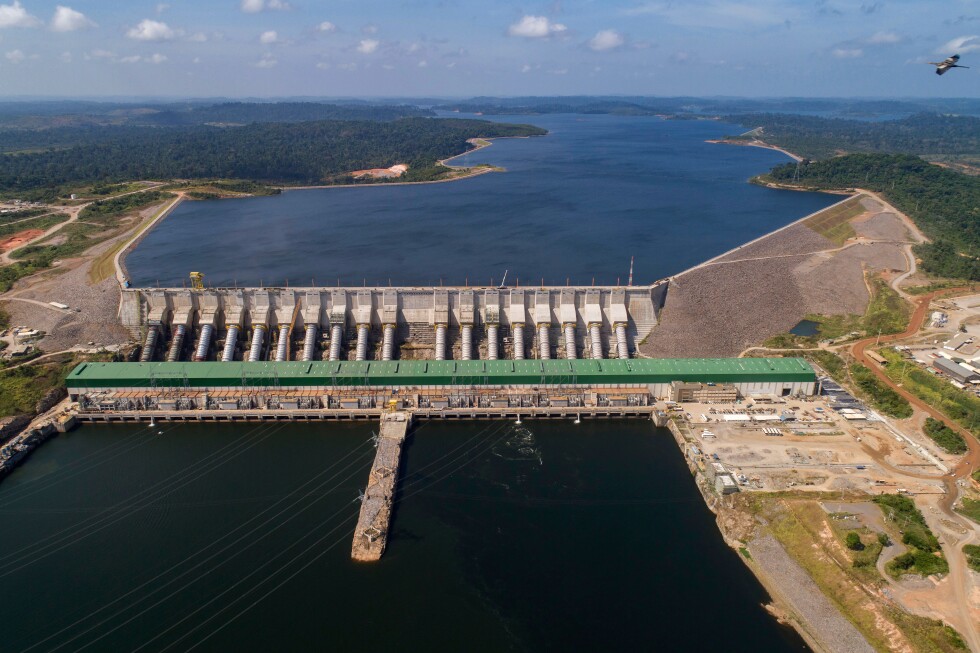
    A decade after commencing operations, Brazil’s Belo Monte hydroelectric facility—ranking among the world’s largest hydropower plants—stands at the center of mounting legal challenges and environmental controversies. Brazilian courts have determined that the project has failed to uphold its fundamental commitment to protect local ecosystems and Indigenous communities along the Xingu River, despite explicit conditions set during its approval process.

    Originally conceived during Brazil’s military dictatorship in the 1970s, the Belo Monte project gained momentum during President Luiz Inácio Lula da Silva’s second term, eventually becoming operational in 2016. The facility was engineered with a unique design intended to minimize reservoir size and avoid flooding surrounding areas, currently supplying approximately 10% of Brazil’s electricity needs.

    However, recent judicial findings reveal the project’s environmental and social impacts have substantially exceeded initial projections. The Brazilian Supreme Court has ordered the federal government to provide 19 million reais ($3.6 million) in compensation to affected Indigenous communities. Separate rulings have compelled Norte Energia, the dam’s operator, to provide clean water to communities whose natural water sources have depleted and to reassess water diversion practices that could potentially reduce power generation capacity.

    Indigenous communities, particularly the Juruna people, report catastrophic ecological consequences since the dam’s activation. They describe massive fish die-offs, severely restricted river navigation, and fundamental disruptions to their traditional way of life. Their diet has shifted from protein-rich fish to processed foods, while psychological trauma has become widespread among community members.

    Scientific monitoring conducted through an innovative partnership between Indigenous groups and Brazilian research institutions has documented these impacts systematically. Daily data collection on water levels, groundwater conditions, and fish populations has provided crucial evidence demonstrating that Belo Monte’s effects far exceed what Norte Energia originally acknowledged.

    The controversy emerges as Brazil implements new legislation that will streamline approval processes for strategic infrastructure projects, reducing licensing timelines from 6-7 years to just 12 months. Environmental experts warn this accelerated approach may lead to reduced scrutiny of social and environmental impacts, potentially repeating Belo Monte’s problematic pattern across future developments.

    Energy security concerns complicate the situation, as Norte Energia contends that court-ordered modifications to water management could increase electricity prices and force greater reliance on carbon-intensive thermal power plants. Meanwhile, climate change intensifies the challenges, with worsening droughts already reducing the dam’s operational efficiency.

    Environmental advocates emphasize that Belo Monte represents a critical test case for Brazil’s infrastructure development approach in an era of climate change. They argue that true climate leadership requires not only deforestation control but also responsible infrastructure planning that rigorously addresses social and environmental consequences.
  • US ambassador warns of China’s growing manufacturing dominance

    US ambassador warns of China’s growing manufacturing dominance

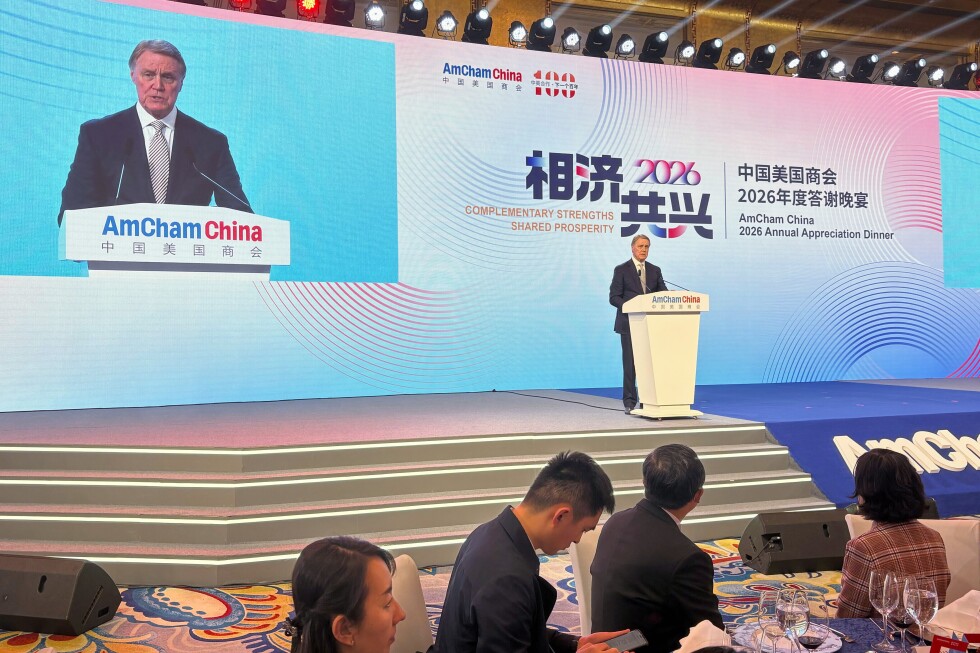
    In a significant address to business and government leaders in Beijing, U.S. Ambassador David Perdue articulated growing international concerns regarding China’s expanding manufacturing supremacy while advocating for equitable trade relations between the world’s two largest economies. Speaking at the American Chamber of Commerce in China’s annual gathering on Thursday, the Trump-appointed diplomat acknowledged China’s remarkable transformation into a global manufacturing powerhouse but emphasized the detrimental effects of its export policies on industrial sectors and employment worldwide.

    Ambassador Perdue’s remarks highlighted the fundamental tension in Sino-American economic relations, noting that while China has substantially benefited from international free trade agreements, American enterprises continue encountering substantial market access barriers within China. The ambassador explicitly stated that the United States seeks neither confrontation nor trade warfare but insists on establishing mutually beneficial, balanced commercial exchanges characterized by fairness and reciprocity.

    This diplomatic communication occurs against the backdrop of previously escalating tariff impositions, wherein both nations engaged in retaliatory trade measures that drove import duties to unprecedented levels before agreeing to successive temporary suspensions. The current détente follows the October agreement between President Trump and Chinese leader Xi Jinping during the Asia-Pacific nations summit in South Korea, which established a one-year pause in tariff escalations.

    Looking toward future diplomatic engagements, Perdue confirmed ongoing preparations for President Trump’s anticipated visit to China in 2026, concurrently revealing expectations for President Xi to undertake an official visit to the United States within the current year. While President Trump has previously suggested a potential April visit to China, both governments have maintained cautious ambiguity regarding specific dates, reflecting the complex nature of ongoing negotiations.

  • Photos: Sheikh Mohammed meets Pakistan President in UAE

    Photos: Sheikh Mohammed meets Pakistan President in UAE

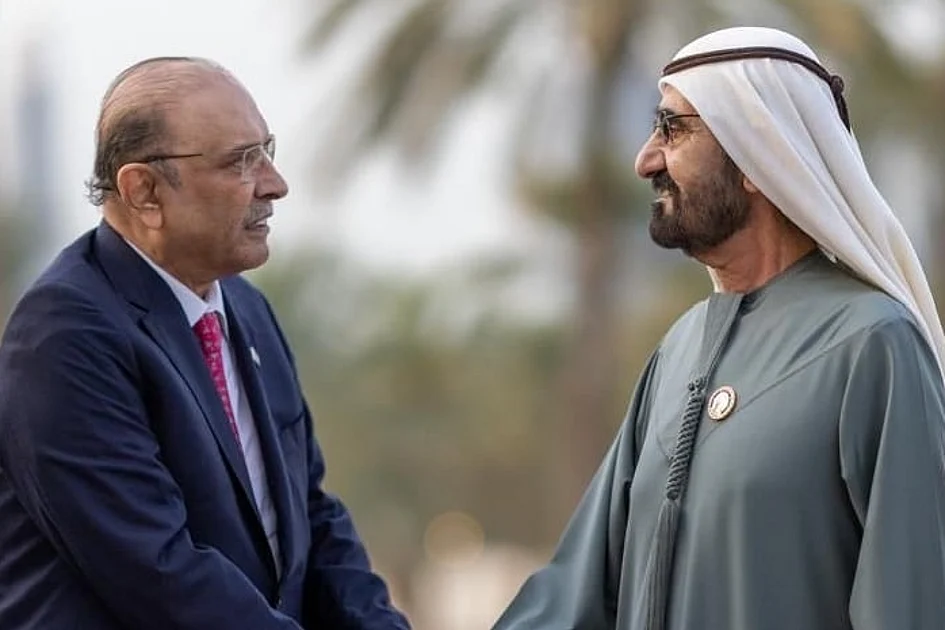
    In a significant diplomatic engagement, His Highness Sheikh Mohammed bin Rashid Al Maktoum, Vice President and Prime Minister of the UAE and Ruler of Dubai, held a high-profile meeting with President Asif Ali Zardari of Pakistan on January 29, 2026. The meeting, held at Qasr Al Watan in Abu Dhabi, marked a pivotal moment in UAE-Pakistan relations, focusing on strengthening strategic partnerships across multiple sectors.

    The leaders engaged in comprehensive discussions covering bilateral cooperation, economic partnerships, and regional stability. Key agenda items included enhancing trade relations, exploring new investment opportunities, and addressing mutual concerns in the South Asian and Middle Eastern regions. Both leaders emphasized the historical ties between their nations and expressed commitment to deepening collaboration in energy, infrastructure, and technology sectors.

    This high-level diplomatic engagement comes at a crucial time for both nations, with Pakistan seeking to bolster its economic partnerships amid regional challenges and the UAE continuing to expand its international diplomatic outreach. The meeting also addressed cultural exchanges and people-to-people connections, acknowledging the significant Pakistani diaspora contributing to the UAE’s development.

    The timing of this summit suggests both countries are prioritizing economic diplomacy, with particular attention to joint ventures in renewable energy and digital infrastructure development. The outcomes of this meeting are expected to influence not only bilateral relations but also regional economic dynamics in the coming years.

  • Ukraine receives 1,000 bodies in latest soldier swap with Russia

    Ukraine receives 1,000 bodies in latest soldier swap with Russia

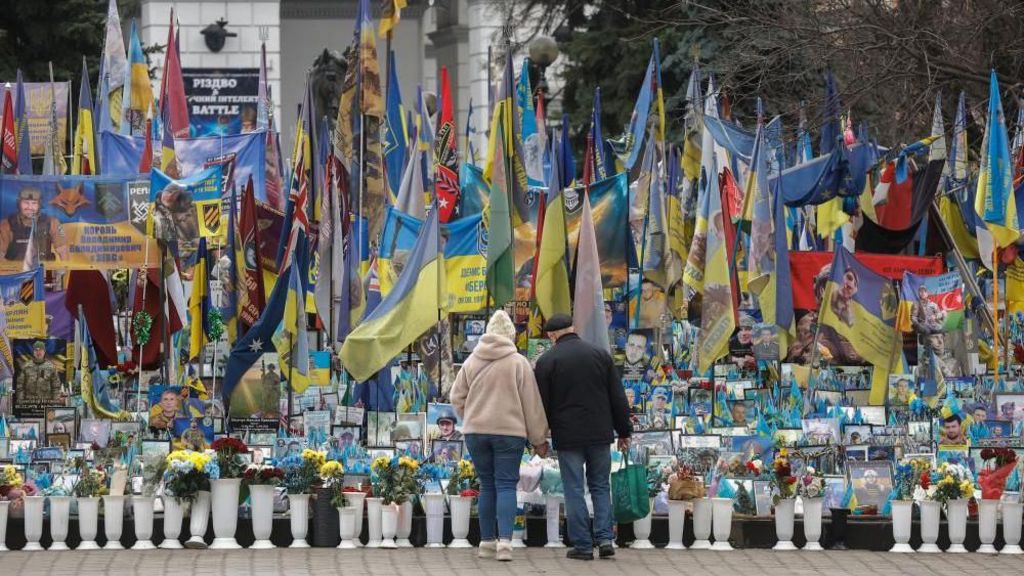
    In a significant humanitarian development within the ongoing Russo-Ukrainian conflict, Ukraine has confirmed the repatriation of 1,000 fallen soldiers’ remains from Russian territory. This solemn exchange represents the latest execution of a previously established agreement between the warring nations.

    Moscow’s chief negotiator Vladimir Medinsky verified that Russia received 38 bodies in return during this carefully coordinated operation. Documentary evidence shared on Telegram depicted personnel in full biohazard protective gear overseeing the transfer alongside refrigerated transport vehicles designated for the purpose.

    This repatriation initiative stems from the Istanbul negotiations conducted in 2025, where both parties committed to returning approximately 12,000 soldiers’ remains alongside specific categories of prisoners of war. The agreement specifically covers severely injured combatants, those afflicted with illness, and all personnel under age 25.

    The November 2023 exchange previously saw the return of 1,000 Ukrainian soldiers’ remains against 30 Russian counterparts. Notably, prisoner-of-war swaps have remained suspended since October 2025, with mutual accusations of procedural delays hampering further progress.

    These humanitarian developments occur against a backdrop of continued diplomatic engagement and persistent military confrontation. Recent trilateral discussions involving Russian, Ukrainian, and United States representatives convened in the United Arab Emirates—marking the first such meeting since hostilities commenced. While participants characterized the talks as constructive, fundamental disagreements regarding territorial sovereignty, particularly concerning the Donetsk region, remain unresolved.

    Concurrently, military operations persist with devastating civilian impact. A Tuesday drone assault on Kharkiv’s passenger train infrastructure resulted in at least five fatalities, underscoring the conflict’s ongoing brutality. Russia’s intensified targeting of critical energy infrastructure has additionally created widespread heating and power shortages during winter months, exacerbating the humanitarian crisis.

    As the fourth anniversary of the full-scale invasion approaches in February 2026, these parallel narratives of diplomatic engagement and military aggression continue to define Europe’s most significant armed conflict since World War II.

  • ‘I was certain I would die’: Man who visited every country without flying arrives in UAE

    ‘I was certain I would die’: Man who visited every country without flying arrives in UAE

    Danish explorer Thor Pedersen has achieved what no human in history has accomplished: visiting all 203 recognized countries entirely without aerial transportation. His extraordinary journey, which consumed nearly a decade of his life, culminated with his recent appearance at the Emirates Literature Festival in Dubai, where he shared the profound experiences that transformed his perspective on humanity and survival.

    Pedersen’s initial four-year projection stretched into an epic nine-year, nine-month, and sixteen-day odyssey that tested his physical and psychological limits. The adventurer confronted multiple life-threatening situations, including armed confrontations in Central Africa, battles with cerebral malaria, and maritime disasters that claimed lives. His remarkable resilience was matched only by the unexpected kindness of strangers who offered shelter and assistance throughout his travels.

    The global COVID-19 pandemic presented perhaps the most unexpected challenge, stranding Pedersen in Hong Kong for over two years when he was merely nine countries from completion. This forced hiatus, however, led to an unconventional romantic chapter: he married his fiancée Le via online ceremony while separated by continents, followed by two additional weddings to satisfy international legal requirements.

    Financed through a combination of personal savings, sponsorships, and crowdfunding, Pedersen maintained an astonishing daily budget of approximately $20 (AED 74) to cover transportation, accommodation, meals, and visa expenses. His approach emphasized slow, ground-level travel that fostered genuine cultural immersion and human connections impossible to achieve through conventional tourism.

    During his Dubai visit, Pedersen reflected on the city’s significance in his journey, noting how Emirati authorities facilitated previously impossible visa acquisitions that allowed his mission to continue. Now a father and published author, he seeks to translate his bestselling travel memoir into Arabic to share his unique perspective on Middle Eastern hospitality and cultural richness.

  • Germany midfielder Goretzka says Trump makes ‘us feel not only German but also European’

    Germany midfielder Goretzka says Trump makes ‘us feel not only German but also European’

    MUNICH — Bayern Munich and German national team midfielder Leon Goretzka has made a striking declaration about European football superiority ahead of the 2026 World Cup, while simultaneously addressing growing political tensions surrounding the tournament. In a recent interview with Die Zeit newspaper, the prominent footballer suggested that unexpected political developments have strengthened continental unity. “The current political climate has unexpectedly reinforced our sense of European identity,” Goretzka stated, though he refrained from directly naming specific political figures. The athlete’s comments come amid increasing calls for tournament boycotts from various football authorities across Europe. Oke Göttlich, president of Bundesliga club St. Pauli and vice president of the German football association, recently advocated for serious consideration of boycott options. Even former FIFA president Sepp Blatter has entered the contentious discussion surrounding the North American-hosted event. Despite the political controversies, Goretzka remains optimistic about the tournament’s potential impact: “I anticipate an exceptional championship that will significantly advance football’s popularity in the host nations and showcase the sport’s universal appeal.” Germany finds itself positioned in World Cup Group E alongside Ivory Coast, Curaçao, and Ecuador, setting the stage for what promises to be a highly competitive international showdown.

  • Nicki Minaj calls herself Trump’s ‘number one fan’ and shows off gold card visa

    Nicki Minaj calls herself Trump’s ‘number one fan’ and shows off gold card visa

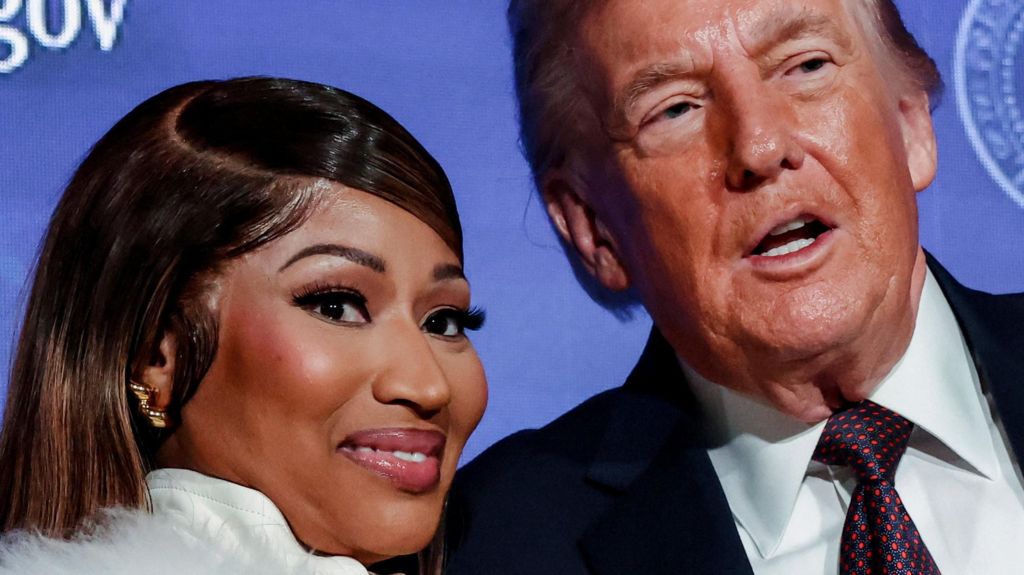
    In a remarkable political pivot, Trinidad-born rap superstar Nicki Minaj publicly proclaimed herself as former President Donald Trump’s “number one fan” during a Washington DC appearance. The controversial endorsement occurred at the US Treasury Department’s Trump Accounts Summit, where Minaj displayed her exclusive “Trump gold card” visa—a premium immigration pathway offering residency and citizenship opportunities for wealthy applicants.

    The artist, known for hits like “Super Bass,” shared details about her immigration journey, revealing she initially entered the United States as an undocumented child immigrant. This stance marks a significant departure from her previous criticisms of Trump’s hardline immigration policies, particularly the family-separation approach she condemned in 2018 Facebook posts.

    Minaj enthusiastically showcased her gold card—featuring Trump’s likeness—on social media platform X, captioning the image simply “Welp.” She confirmed completing citizenship paperwork under what she described as her “wonderful, gracious, charming president’s” initiative, noting the card arrived “free of charge” despite its typical $1 million investment requirement plus $15,000 processing fee.

    The endorsement event featured unusual camaraderie, with Trump joking about growing his nails to emulate Minaj’s signature style before holding hands with her on stage. Minaj asserted criticism only strengthened her support, stating she wouldn’t allow opponents to “get away with bullying him” and claiming divine protection for the billionaire politician.

    This celebrity endorsement contrasts sharply with mounting criticism from other music industry figures. Bruce Springsteen released an anti-ICE protest song titled “Streets Of Minneapolis,” memorializing citizens killed in separate incidents. Artists including Billie Eilish, Olivia Rodrigo, and Ariana Grande have voiced opposition to ICE operations, with Eilish directly challenging fellow celebrities to speak out against agency actions.

    The gold card program itself faces scrutiny for emerging alongside intensified crackdowns on illegal immigration, creating a two-tiered system that privileges wealthy applicants while restricting others.

  • Iran vows ‘crushing response’, EU targets Revolutionary Guards

    Iran vows ‘crushing response’, EU targets Revolutionary Guards

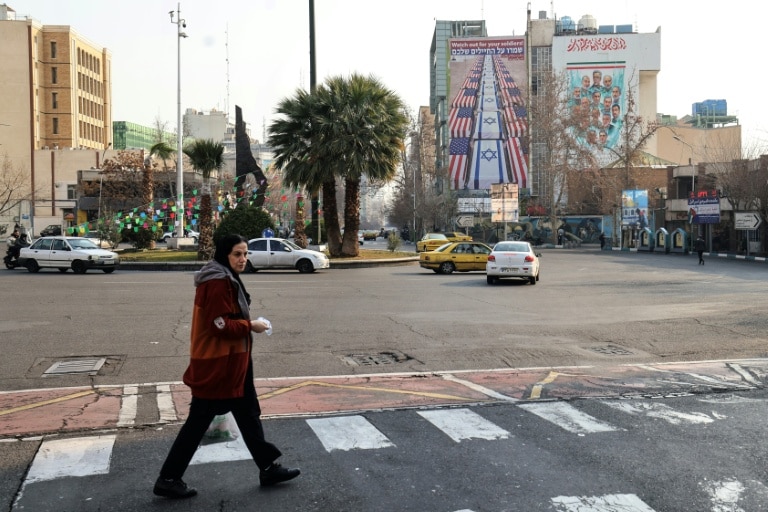
    Tensions between Iran and Western powers escalated dramatically as Tehran promised a forceful retaliation against potential military action while the European Union advanced plans to designate Iran’s Revolutionary Guards as a terrorist organization. The confrontation emerged amid ongoing protests in Iran that have drawn international condemnation and threats of intervention.

    Iran’s Army Chief Amir Hatami declared Thursday that the nation stands prepared to deliver a ‘crushing response’ to any aggression, with state television reporting the deployment of 1,000 strategic drones to combat regiments. This show of force comes in direct response to President Donald Trump’s warnings that time is running out for nuclear negotiations and his deployment of a naval strike group to Middle Eastern waters.

    The EU is expected to formally classify the Islamic Revolutionary Guard Corps (IRGC) as a terrorist entity following widespread crackdowns on protests that human rights groups say resulted in thousands of civilian casualties. EU diplomat Kaja Kallas emphasized that organizations acting as terrorists ‘should be treated as terrorists,’ placing the IRGC on par with extremist groups like Al-Qaeda and ISIS.

    While largely symbolic given existing EU sanctions against IRGC leadership, the designation represents a significant diplomatic condemnation. Iran has warned of ‘destructive consequences’ should the measure proceed.

    Regional actors have intensified calls for de-escalation, with Gulf states expressing concern about potential economic chaos and skyrocketing energy prices should military conflict erupt. Turkey announced plans to mediate between Washington and Tehran during an upcoming visit by Iranian Foreign Minister Abbas Araghchi, with Turkish Foreign Minister Hakan Fidan stating ‘Iran is ready to negotiate on the nuclear file again.’

    Russia similarly emphasized that ‘the potential for negotiations is not exhausted,’ with Kremlin spokesman Dmitry Peskov warning that any use of force could create regional chaos with ‘very dangerous consequences.’

    The diplomatic standoff occurs against the backdrop of continued internet restrictions in Iran and disputed casualty figures from recent protests. While US-based HRANA reports over 6,000 killed and 40,000 arrested, Iranian authorities acknowledge approximately 3,000 deaths, claiming most were security personnel or bystanders killed by ‘rioters.’

  • Chen Xuyuan, Li Tie banned for life from football

    Chen Xuyuan, Li Tie banned for life from football

    In an unprecedented move to cleanse Chinese football of systemic corruption, authorities have issued lifetime bans against 73 individuals including Chen Xuyuan, former president of the Chinese Football Association, and Li Tie, former head coach of the national team. The sweeping disciplinary action, announced on January 29, 2026, represents the most significant crackdown in the history of Chinese football governance.

    The lifetime prohibition extends to all football-related activities, effectively ending the professional involvement of the sanctioned individuals in any capacity within the sport. The investigation uncovered widespread misconduct that has plagued Chinese football for years, with Chen Xuyuan’s case drawing particular attention given his former position as the highest-ranking official in Chinese football administration.

    Concurrently, 13 professional clubs including Tianjin Jinmen Tiger, Shanghai Shenhua, Shanghai Port, and Beijing Guoan will face substantial sporting and financial penalties during the 2026 season. These sanctions include point deductions and significant fines, though specific details regarding the severity of punishments for each club remain undisclosed.

    This comprehensive disciplinary action follows an extensive investigation into match-fixing, corruption, and financial misconduct within Chinese football. The crackdown demonstrates the government’s determined effort to overhaul the sport’s governance structure and restore integrity to the game amid declining public confidence and performance standards.

    The bans come at a critical juncture for Chinese football, which has struggled despite massive financial investments in recent decades. The government’s intervention signals a new approach to sports governance, prioritizing ethical standards and accountability over mere competitive results.

  • Gold demand hits record high on Trump policy doubts: industry

    Gold demand hits record high on Trump policy doubts: industry

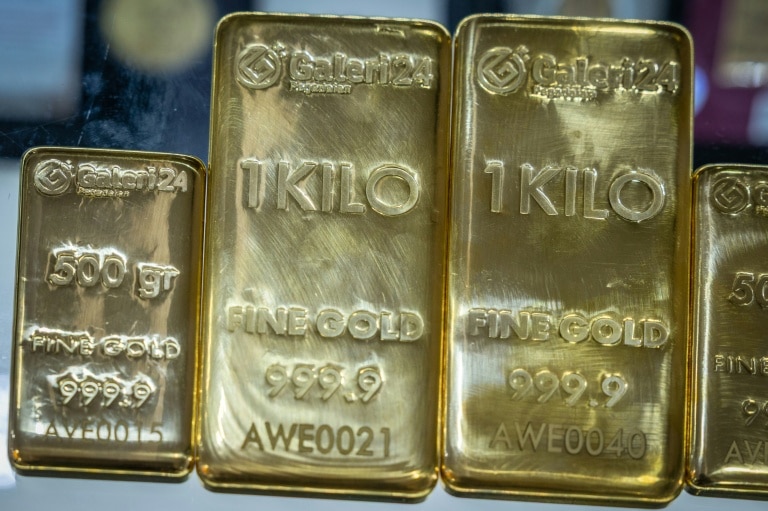
    Global gold demand reached unprecedented heights in 2025, propelled by profound investor anxiety surrounding the economic policies of U.S. President Donald Trump. According to the World Gold Council’s (WGC) annual report released Thursday, demand for the precious metal surpassed 5,000 tonnes, with its total value skyrocketing to $555 billion—a staggering 45 percent annual increase.

    The primary catalyst for this historic surge has been market uncertainty. WGC analyst Krishan Gopaul identified geopolitical apprehensions, particularly regarding the new Trump administration’s unpredictable actions, as a key driver. The year was defined by a sweeping tariff offensive against major U.S. trading partners like China, the European Union, and India, which destabilized long-established global free trade principles.

    Compounding these concerns, President Trump’s public critiques of U.S. monetary policy ignited fears over the Federal Reserve’s independence and contributed to a weakening U.S. dollar. In response, investors and central banks worldwide aggressively turned to gold as a premier safe-haven asset. While the volume of central bank purchases saw a slight dip from the previous year, their total value climbed by 13 percent. Gold now constitutes over 20 percent of central bank reserves, a proportion not witnessed since the early 1990s.

    Enthusiasm for gold-backed exchange-traded funds (ETFs) further amplified demand. Gopaul noted that these financial instruments have democratized access to gold, allowing investors to acquire it as easily as company stock. This collective movement culminated in gold prices nearing a historic $5,600 per troy ounce. Liam Fitzpatrick, head of metals and mining research at Deutsche Bank, attributed a fresh price surge this week to a combination of safe-haven demand, escalating geopolitical tensions, and a strategic shift by investors from traditional currencies and bonds into tangible hard assets.